Epsom Salt for Tomato Plants: Best Ways to Use Epsom Salt in the Garden
Epsom Salt for Tomato Plants: Use Epsom for Healthy Growth
If you’ve spent any time in gardening forums, you’ve probably seen someone recommend Epsom salt for tomatoes. It’s one of the most talked about home remedies in the vegetable garden, and for good reason. Epsom salt is a naturally occurring mineral that many gardeners swear by for boosting tomato health, correcting nutrient deficiencies, and even improving fruit flavor. But does it really work, and how should you use it correctly?
This guide breaks down everything you need to know about using Epsom salt for tomato plants, from the science behind it to step by step application methods. Whether you’re growing tomatoes in raised beds, containers, or traditional garden rows, you’ll learn exactly when Epsom salt helps and when it doesn’t. We’ll also touch on why a liquid fertilizer for tomato plants often works alongside Epsom salt to give your crop everything it needs through the growing season.
Understanding Epsom Salts
Epsom salt is a natural mineral compound made of magnesium sulfate. It was originally found in a well in Epsom, England, which is where the name comes from. Unlike table salt, Epsom salt contains no sodium chloride. Instead, it’s made up of two elements that plants genuinely need: magnesium and sulfur. Magnesium sits at the center of every chlorophyll molecule, which means it plays a direct role in photosynthesis. Without enough magnesium, a tomato plant cannot produce the energy it needs to grow strong stems, healthy leaves, and abundant fruit. Sulfur, on the other hand, supports enzyme function and helps the plant build proteins.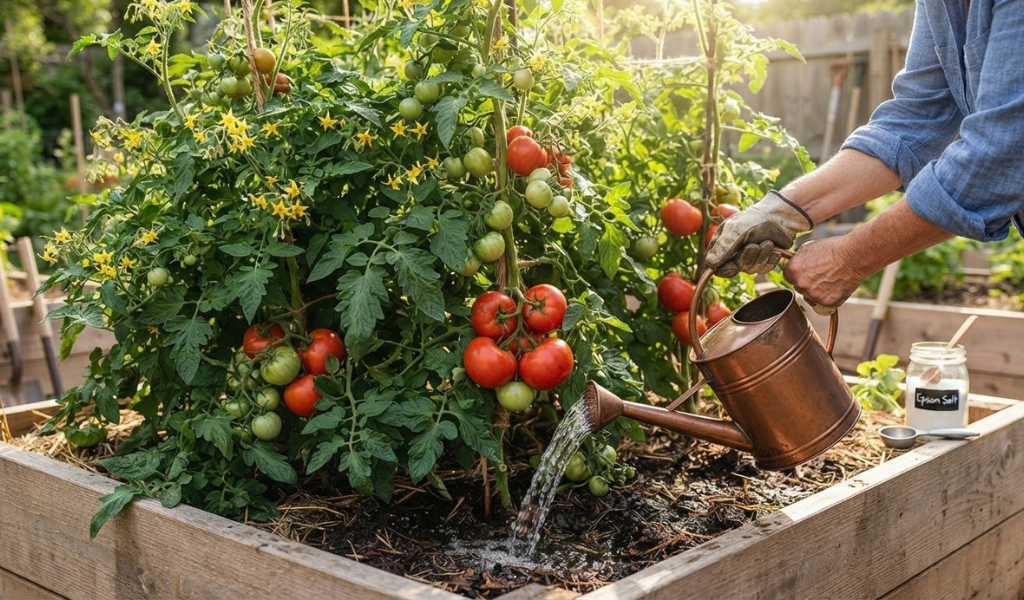
Because Epsom salt dissolves easily in water, it’s simple to apply as a soil drench or foliar spray. This is part of why it has become such a popular garden topics conversation among home growers, especially those growing tomatoes in raised beds where soil nutrients can wash out faster than in traditional in-ground gardens.
The Role of Epsom Salt in Tomato Cultivation
Tomato plants are heavy feeders. They pull a lot of nutrients from the soil throughout the growing season, and magnesium is one of the nutrients that gets depleted quickly, especially in sandy soil or in raised beds that drain fast. This is where Epsom salt for tomatoes becomes genuinely useful rather than just a gardening myth.
Fixes Yellowing Leaves
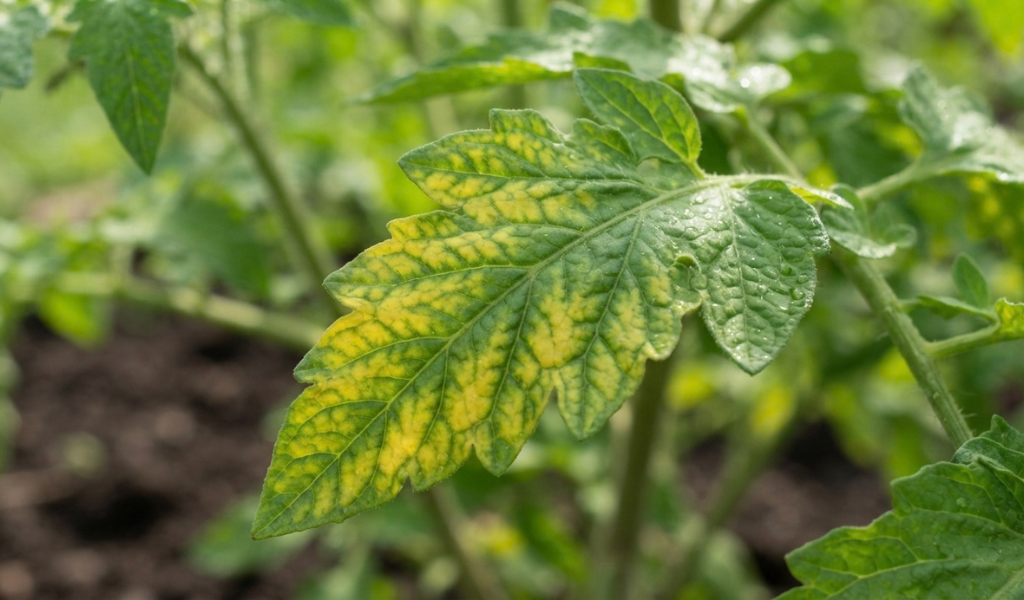
One of the clearest signs of magnesium deficiency in tomato plants is yellowing leaves, particularly between the veins while the veins themselves stay green. This pattern usually starts on the older, lower leaves first and moves upward if the deficiency isn’t corrected. Adding Epsom salt to the soil or spraying it directly on the leaves can help restore the green color within a couple of weeks because the plant can finally access enough magnesium to keep producing chlorophyll.
Enhances Flavor
Many experienced gardeners believe that magnesium plays a role in how sweet and flavorful tomatoes taste. While the science isn’t fully settled on this point, magnesium does support the enzymes involved in sugar production within the plant. A tomato plant that isn’t struggling with a magnesium deficiency is simply a healthier plant, and healthier plants tend to produce better tasting fruit.
Prevents Blossom End Rot
Blossom end rot is one of the most frustrating problems for tomato growers. It shows up as a dark, sunken patch on the bottom of the fruit and is caused primarily by a calcium deficiency, often triggered by inconsistent watering. Here’s an important point that gets confused often: Epsom salt itself doesn’t directly fix a calcium problem, since it doesn’t contain calcium. However, applying Epsom salt in the right amounts can help balance magnesium and calcium uptake within the plant. Too much magnesium in the soil can actually compete with calcium absorption, so preventing blossom end rot really comes down to using Epsom salt carefully and always used powered Epsom salts in the right ratio rather than dumping in extra for good measure.
Increases Nutrient Uptake
Magnesium acts almost like a delivery driver inside the plant. It helps plants absorb other essential nutrients like phosphorus and nitrogen more efficiently. When magnesium levels are adequate, the whole nutrient uptake system works better, which supports stronger root development and better fruit production overall.
When to Use Epsom Salts for Tomato Plants—and When Not To
Timing matters. Epsom salt should not be treated as a routine additive you throw in every week regardless of what your plant needs. The best approach is to always use a soil test to check magnesium levels before applying anything. If your soil already has plenty of magnesium, adding more can throw off the balance and actually interfere with calcium and potassium uptake, increasing your risk of blossom end rot rather than preventing it.
Use Epsom salt when you notice:
- Yellowing leaves with green veins, especially on older leaves
- Slow or stunted growth despite regular watering and fertilizing
- A soil test confirming low magnesium levels
- Plants grown in sandy or fast-draining soil, which is common when growing tomatoes in raised beds
Avoid using Epsom salt when:
- Your soil test shows normal or high magnesium levels
- Plants are already showing calcium deficiency symptoms like blossom end rot, since more magnesium at that point can make the calcium problem worse
- You’re using a complete tomato fertilizer that already includes magnesium sulfate
How to Use Epsom Salts to Treat Magnesium Deficiency in Tomatoes
If a soil test or visible symptoms confirm a magnesium deficiency, here’s a simple approach that most gardeners find effective. Dissolve 1 tablespoon of Epsom salt in a gallon of water and apply it directly to the soil around the base of the plant once every two to four weeks during the growing season. This gives the roots steady access to magnesium without overwhelming the plant all at once.
For raised bed gardeners, this method works especially well because soil in raised beds tends to leach nutrients faster with regular watering. If you’re growing tomatoes in raised beds, checking magnesium levels every few weeks is a smart habit since the confined soil volume simply doesn’t hold onto minerals the way a large in-ground garden bed does.
How to Use Epsom Salt for Tomato Plants the Right Way
There are three main ways to apply Epsom salt to tomato plants, and each has its own best use case depending on how quickly you need results and what stage of growth your plants are in.
As a soil drench
This is the most common and gentle method. Mix 1 tablespoon of Epsom salts into a gallon of water and pour it around the base of each plant. This method works well for gardeners growing tomatoes in raised beds because it delivers magnesium directly to the root zone where it can be absorbed steadily over the following days.
As a foliar spray
When a plant needs a quicker response, applying Epsom salt as a foliar spray gets magnesium into the plant faster because it’s absorbed through the leaves rather than waiting on root uptake. Mix 1 tablespoon of Epsom salt with a gallon of water and spray it directly onto the leaves, ideally in the early morning or evening to avoid leaf burn from sun exposure. This method is particularly useful once you already see yellowing leaves and want to correct the deficiency before it spreads further.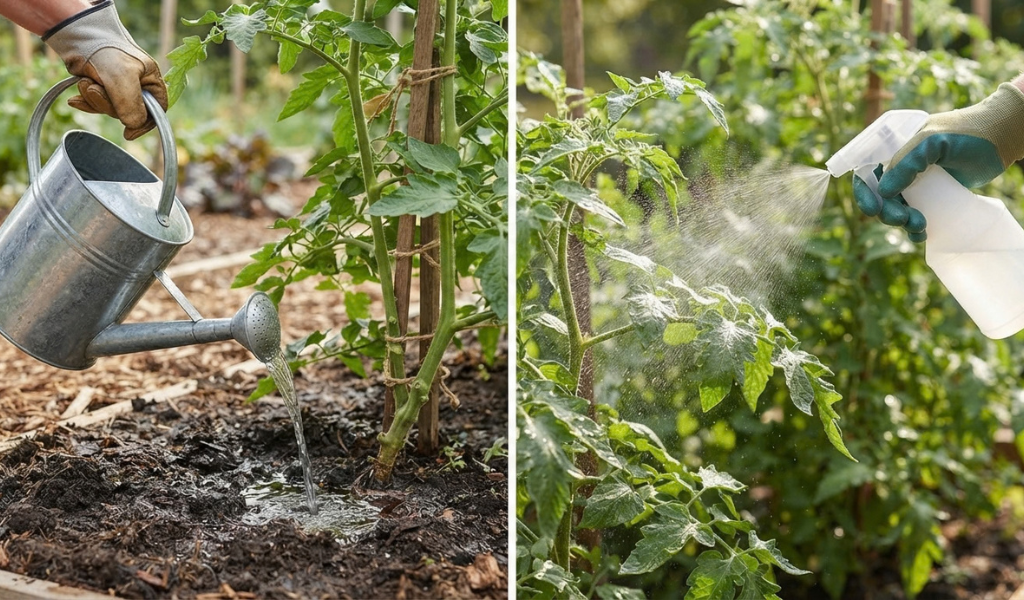
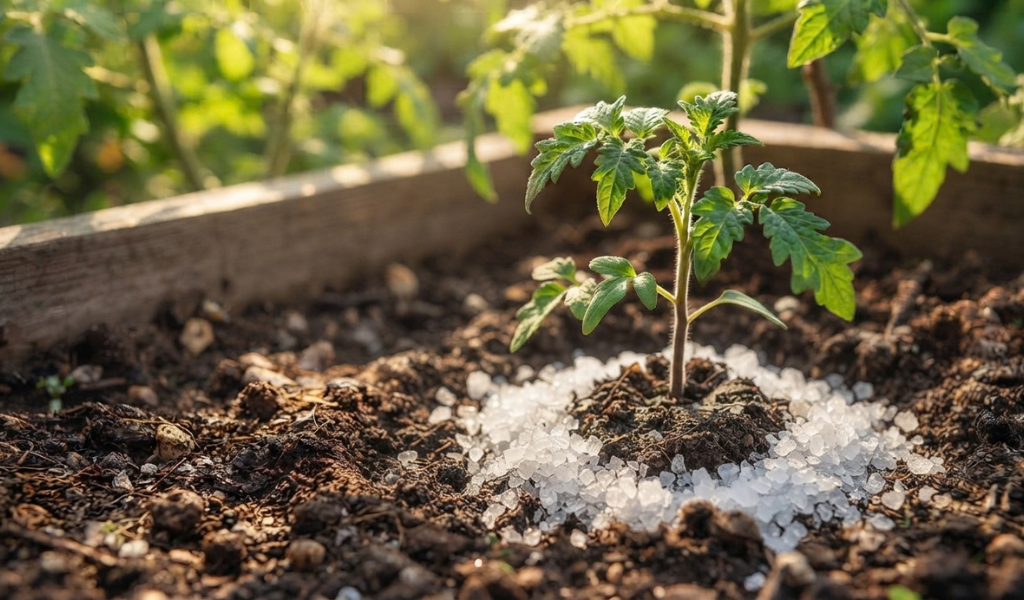
At planting time
Many gardeners like to add a small amount of Epsom salt directly into the planting hole. A common trick is placing about a tablespoon of Epsom salts in the bottom of my hole when I transplant my tomatoes in late spring. This gives young roots access to magnesium right from the start, which can help reduce transplant shock and support stronger root establishment early on, something that matters a lot when growing tomatoes in raised beds where the soil is fresh and may not yet have a fully balanced nutrient profile.
Epsom Salt as a Tomato Fertilizer
While Epsom salt isn’t a complete tomato fertilizer on its own, since it lacks nitrogen, phosphorus, and potassium, it plays a supporting role that complements a broader feeding routine. Many gardeners pair it with a balanced liquid fertilizer for tomato plants to cover all the nutrient bases throughout the season.
Speeds Up Germination
Some gardeners soak tomato seeds in a diluted Epsom salt solution before planting, believing it supports stronger seed germination. The magnesium and sulfur may help activate enzymes involved in early seedling development, giving young plants a slightly stronger start.
Boosts Growth and Vigor
Consistent, moderate use of Epsom salt throughout the growing season can support overall plant vigor. Stronger stems, denser foliage, and improved fruit set are common outcomes reported by gardeners who use Epsom salt correctly and pair it with regular watering and a proper tomato fertilizer schedule.
The Benefits Of Using Epsom Salt For Tomatoes
To summarize the practical advantages, using Epsom salt correctly can help with:
- Correcting magnesium deficiency and reversing yellowing leaves
- Supporting photosynthesis through improved chlorophyll production
- Helping balance nutrient uptake alongside calcium and nitrogen
- Improving seed germination rates when used as a seed soak
- Supporting fruit production in plants growing in nutrient-poor or fast-draining soil, including tomatoes in raised beds
The key phrase throughout all of this is “used correctly.” Epsom salt is a mineral supplement, not a cure-all, and its biggest benefit shows up specifically when a real magnesium deficiency is present.
Dispelling Myths About Epsom Salt Use
There’s a lot of garden folklore floating around about Epsom salt, and separating fact from myth makes a real difference in how effective your gardening efforts are. When it comes to Epsom Salt for Tomato Plants, many gardeners assume that adding more Epsom salt will automatically lead to healthier plants, greener leaves, and more tomatoes. However, that is not always the case. Epsom salt supplies magnesium and sulfur, but it should not be treated as a complete fertilizer or a cure for every tomato plant problem. Understanding when your soil actually needs these nutrients can help you avoid unnecessary applications.
The Best Way to Apply Epsom Salt to Tomato Plants
The most reliable method remains a diluted soil drench applied every few weeks, adjusted based on what a soil test shows. This approach allows gardeners to use Epsom Salt for Tomato Plants in a more controlled way instead of adding large amounts without knowing whether magnesium is actually needed. Skip guesswork and skip the idea that more is always better. Epsom salt good results come from moderate, consistent use rather than heavy, infrequent doses.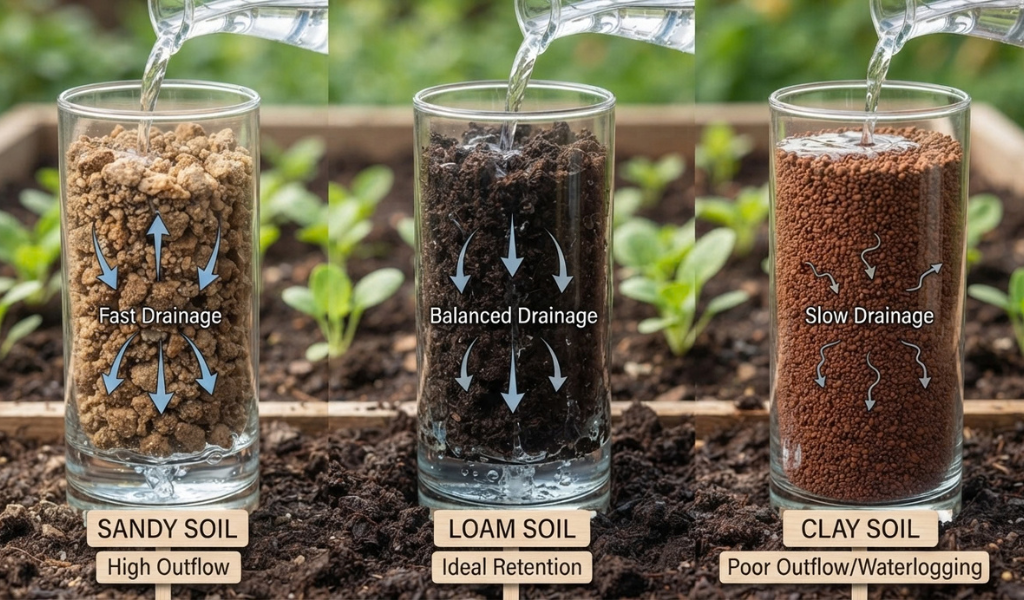
Before using Epsom Salt for Tomato Plants, check your soil conditions and look for signs of a genuine nutrient deficiency. If your soil already contains enough magnesium, adding more may provide little benefit and can contribute to nutrient imbalance. Used thoughtfully and according to your plant and soil needs, Epsom salt can have a useful place in a balanced tomato care routine.
Common Mistakes Gardeners Make With Epsom Salt
- Applying Epsom salt without ever testing the soil first
- Assuming Epsom salt will fix blossom end rot when the real issue is calcium and inconsistent watering
- Using too much, which can lead to magnesium buildup and interfere with calcium uptake
- Applying it as a substitute for a complete tomato fertilizer instead of a supplement
- Forgetting that plants growing tomatoes in raised beds may need more frequent, smaller doses due to faster nutrient leaching compared to ground soil
Alternatives to Using Epsom Salt for Tomatoes
If a soil test shows your magnesium levels are fine but you’re still seeing weak growth, the problem likely lies elsewhere. Consider these alternatives:
- A balanced liquid fertilizer for tomato plants that includes nitrogen, phosphorus, and potassium
- Compost or aged manure to improve overall soil structure and nutrient content
- Calcium supplements like gypsum specifically for blossom end rot
- Adjusting your ph level, since nutrients become locked out of reach when soil pH is too high or too low, regardless of how much fertilizer you add
Epsom Salt Myths That Need to Retire
It’s time to retire a few persistent myths about Epsom Salt for Tomato Plants. Epsom salt is not a magic growth booster for every plant in every situation. While gardeners often recommend Epsom Salt for Tomato Plants as a simple way to improve growth, it should only be used when there is a genuine magnesium deficiency or a clear reason to supplement magnesium. Adding it routinely does not automatically produce more tomatoes, greener leaves, or stronger plants.
It’s also important to understand that Epsom salt is not interchangeable with calcium supplements. Epsom Salt for Tomato Plants provides magnesium and sulfur, but it does not supply calcium. This means it should not be used as a treatment for every nutrient-related problem, including blossom-end rot, which is often associated with inconsistent water availability.
Epsom salt also will not prevent pest problems or tomato diseases. Healthy soil, proper watering, good airflow, adequate sunlight, and appropriate pest management are much more important for overall plant health. Epsom salt can be useful for peppers and roses in similar ways it helps tomatoes, but only when an actual magnesium deficiency exists. Treat Epsom salt as one tool among many rather than a cure-all, and always focus on identifying the real problem before adding it to your garden routine.
Final Thoughts
Epsom salt can genuinely help your tomato plants when magnesium is lacking in the soil, particularly for gardeners growing tomatoes in raised beds where nutrients wash out faster than in traditional garden beds. The key is moderation, consistency, and starting with a proper soil test rather than guessing. Pair it with a solid liquid fertilizer for tomato plants and good watering habits, and you’ll set your tomato plants up for a productive season with healthy foliage, strong stems, and better fruit. If you’re growing tomatoes in raised beds this season, keep an eye on your soil’s nutrient levels throughout the growing season and adjust your Epsom salt use as needed rather than applying it on a fixed schedule regardless of what your plants actually show you.
Frequently Asked Questions
Can I sprinkle Epsom salt around my tomatoes?
Yes, but it’s more effective when dissolved in water first rather than sprinkled dry. Dry granules take longer to break down and can sit unevenly in the soil, especially in raised beds where moisture levels shift quickly.
How much Epsom salt should I add to my tomato plant?
A common ratio is 1 tablespoon of Epsom salt dissolved in a gallon of water, applied around the base of the plant every two to four weeks during the growing season, depending on soil test results.
What is the best fertilizer for tomatoes?
A balanced tomato fertilizer with nitrogen, phosphorus, and potassium, paired with occasional Epsom salt for magnesium, tends to give the best results. Many gardeners also use a liquid fertilizer for tomato plants for quicker nutrient delivery.
Does Epsom salt help with heirloom tomato varieties specifically?
Heirloom tomato varieties can be more sensitive to nutrient imbalances than hybrid varieties, so a soil test before applying Epsom salt is especially important for heirloom growers who want consistent fruit production.
What does baking soda do for tomatoes?
Baking soda is sometimes used to slightly raise soil pH or reduce fungal issues on leaves, but it serves a different purpose than Epsom salt and should not be confused with a magnesium treatment.
Is Epsom salt really good for tomato plants?
Yes, when a genuine magnesium deficiency is present. Epsom salt good results come from correcting an actual nutrient gap, not from routine unnecessary use.
Can Epsom salt prevent blossom end rot in tomatoes?
Not directly, since blossom end rot is a calcium issue. However, balanced Epsom salt use can support overall nutrient uptake, which indirectly supports healthier fruit development when combined with consistent watering and adequate calcium.