Small Space Vegetable Gardening: Easy Ideas for Growing More
Small Space Vegetable Gardening: A Complete Beginner’s Guide
Living in an apartment or a house with a tiny backyard does not mean you have to give up on growing your own food. Small space vegetable gardening has become one of the most popular ways for city dwellers and suburban homeowners alike to grow fresh produce without needing a big backyard plot. All you really need is a sunny spot, a few containers, and a little patience.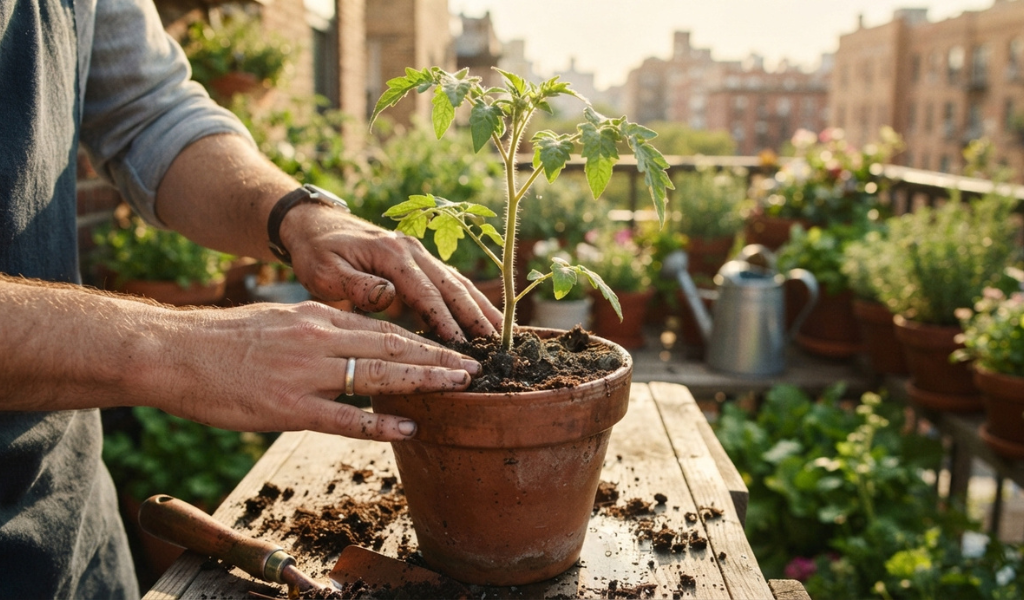
Whether you have a narrow balcony, a small patio, or just a windowsill that gets good light, this guide will walk you through everything you need to know to start growing your own vegetables. From picking the right plants to avoiding common beginner mistakes, you will have all the tools you need to turn even the smallest corner into a productive little garden.
What Is Small Space Vegetable Gardening?
Small space vegetable gardening simply means growing edible plants in a limited area instead of a traditional in ground garden bed. This could be a collection of pots on a balcony, a raised bed tucked into a corner of the yard, or a vertical structure mounted against a wall. The idea is to make the most of whatever space you have, no matter how small it seems at first.
This style of gardening has grown a lot in popularity over the last several years, especially among people living in apartments, condos, and homes with tiny yards. It proves that you do not need acres of land to grow tomatoes, peppers, herbs, or leafy greens. With smart planning, even a few square feet can produce a surprising amount of fresh food throughout the growing season.
Benefits of Growing Vegetables in Small Spaces
There are plenty of reasons people turn to small space gardening, and the benefits go beyond just having fresh vegetables on hand. For starters, growing your own food is often cheaper than buying organic produce at the store, especially once you factor in the cost of seeds versus a season of harvests.
Small gardens are also easier to manage. With fewer plants to look after, watering, weeding, and pest control become quick daily tasks rather than time consuming chores. This makes it a great option for beginners who want to learn the basics of gardening without feeling overwhelmed.
There is also something genuinely rewarding about growing your own food, even on a small scale. Watching a tomato plant grow from a tiny seedling to a producing plant full of ripe fruit gives a real sense of accomplishment. Many gardeners find it relaxing too, offering a nice break from screens and daily stress.
Finally, small space gardens tend to use less water and fewer resources than large traditional gardens, which makes them a more sustainable choice for people who care about their environmental footprint.
Best Vegetables for Small Gardens
Not every vegetable is a good fit for a small garden, so choosing the right plants makes a big difference in how successful your first season will be. Some vegetables naturally take up less room and produce well even in containers or small beds.
Leafy greens like lettuce, spinach, and kale are excellent choices because they grow quickly and do not need much space to spread out. You can even harvest a few leaves at a time and let the plant keep producing for weeks.
Herbs are another great option for beginners. Basil, mint, parsley, and chives grow well in small pots and can sit right on a kitchen windowsill for easy access while cooking. Radishes are also a fantastic beginner vegetable since they mature in as little as three to four weeks and take up very little room.
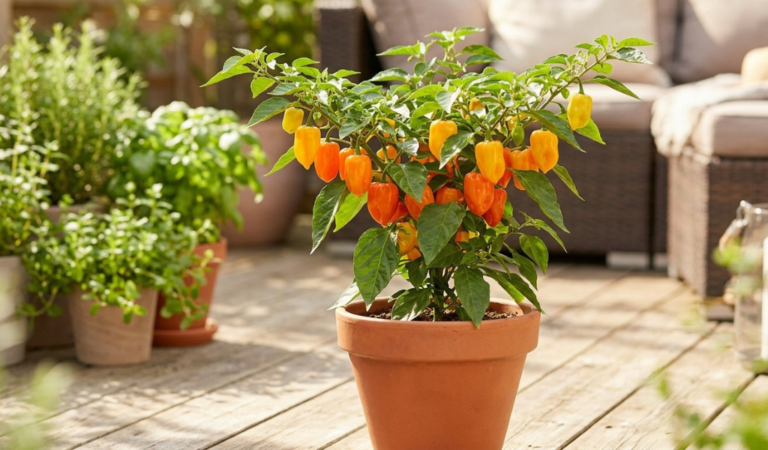
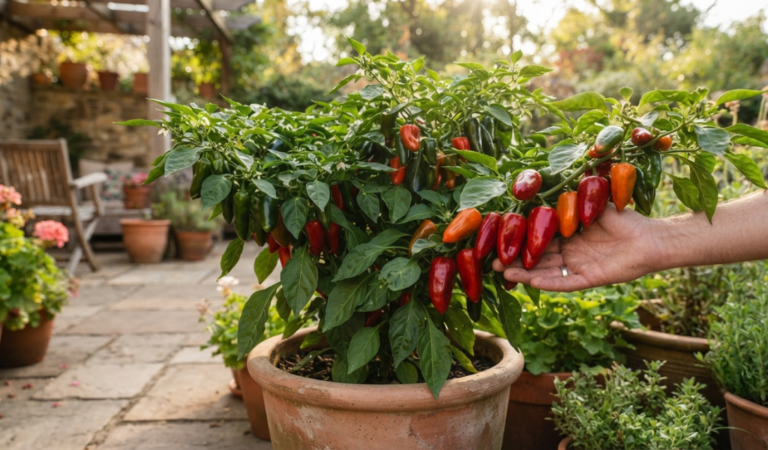
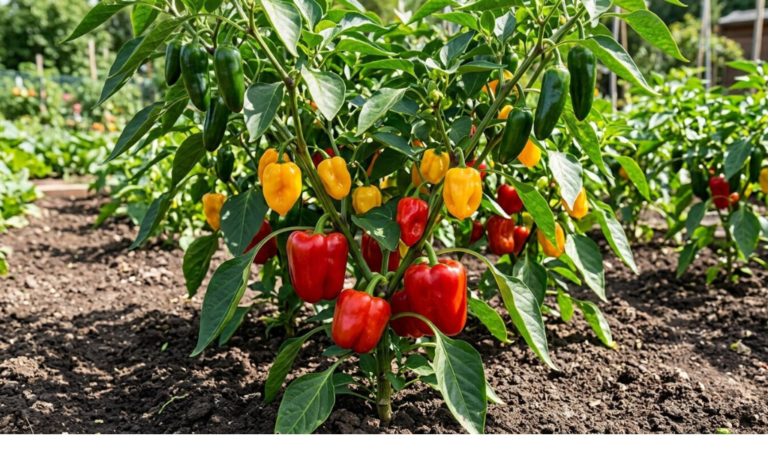
For gardeners who want something a bit more substantial, cherry tomatoes, bush beans, and peppers all do well in containers and raised beds. Compact or dwarf varieties bred specifically for small gardens are widely available at most nurseries, and they often perform just as well as their full sized counterparts.
Best Ideas for Growing More
Once you get comfortable with the basics, there are plenty of clever ways to squeeze even more vegetables into a small footprint. These ideas work well whether you are gardening on a balcony, a patio, or just a narrow strip of yard.
Vertical and Container Vegetable Gardening
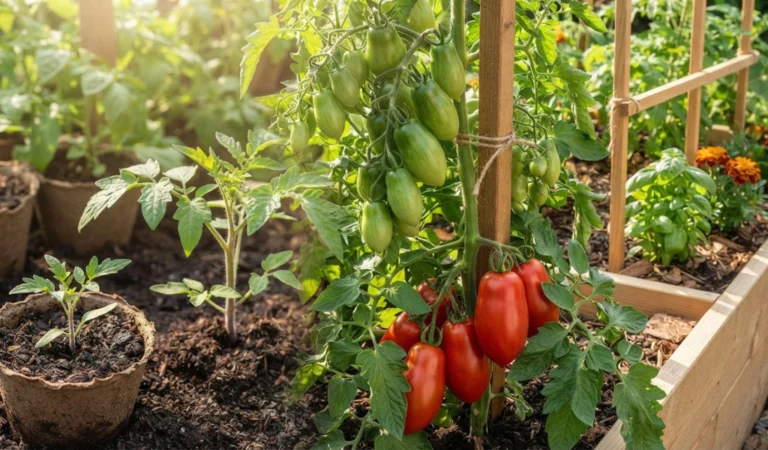
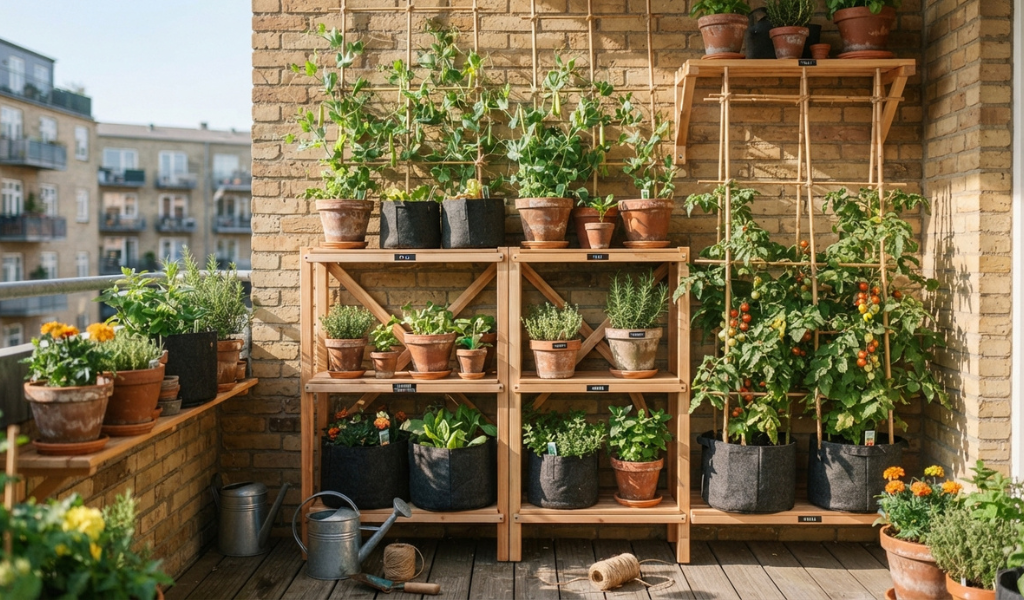
Vertical gardening is one of the best tricks for small space vegetable gardening because it takes advantage of upward space instead of relying only on ground area. Trellises, stakes, and cage structures let climbing plants like cucumbers, peas, and pole beans grow upward rather than sprawling out across the ground.
Container gardening pairs perfectly with this approach. Pots, grow bags, and even repurposed buckets can hold a wide variety of vegetables, and you can arrange them in tiers or on shelving units to maximize how much you grow in a small footprint. Many gardeners build simple wooden shelves along a sunny wall specifically to stack containers and free up floor space.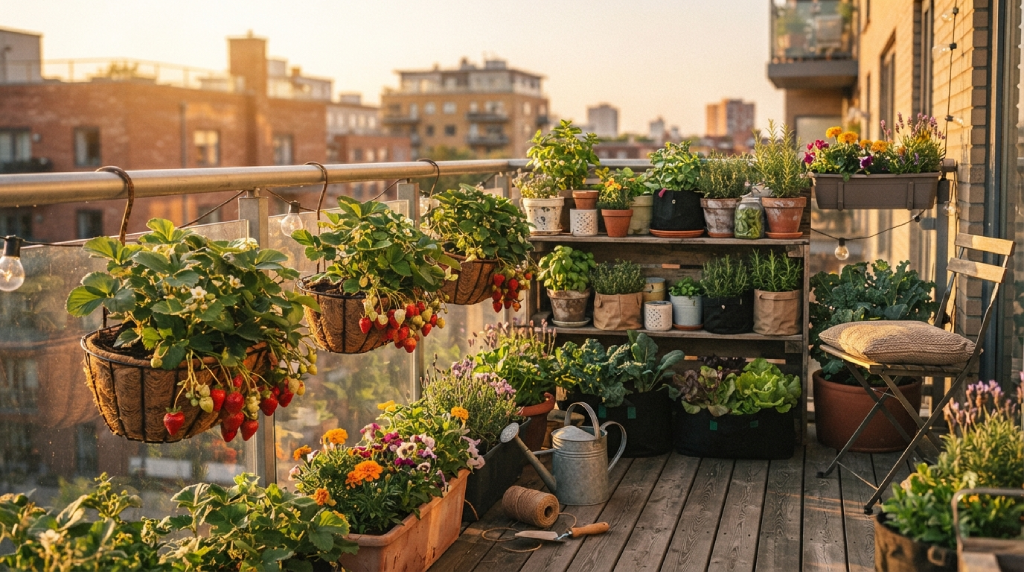
Hanging Planters for Vegetables
Hanging planters are another smart way to use vertical space, especially for vegetables that do not need deep roots. Cherry tomatoes, strawberries, and trailing herbs all do surprisingly well in hanging baskets. This works especially well on balconies where floor space is tight but there is plenty of room overhead near railings or ceiling hooks.
Just keep in mind that hanging planters tend to dry out faster than ground level pots since they get more airflow and sun exposure. Checking the soil daily during warm weather will help prevent your plants from drying out too quickly.
Window Box Vegetable Gardens
Window boxes are a classic choice for small space gardening, and they work well for anyone without any outdoor space at all. A sturdy window box mounted securely outside a sunny window can hold lettuce, herbs, or even small pepper plants. They are shallow enough that they do not need a lot of soil, but deep enough to support healthy root growth for most compact vegetables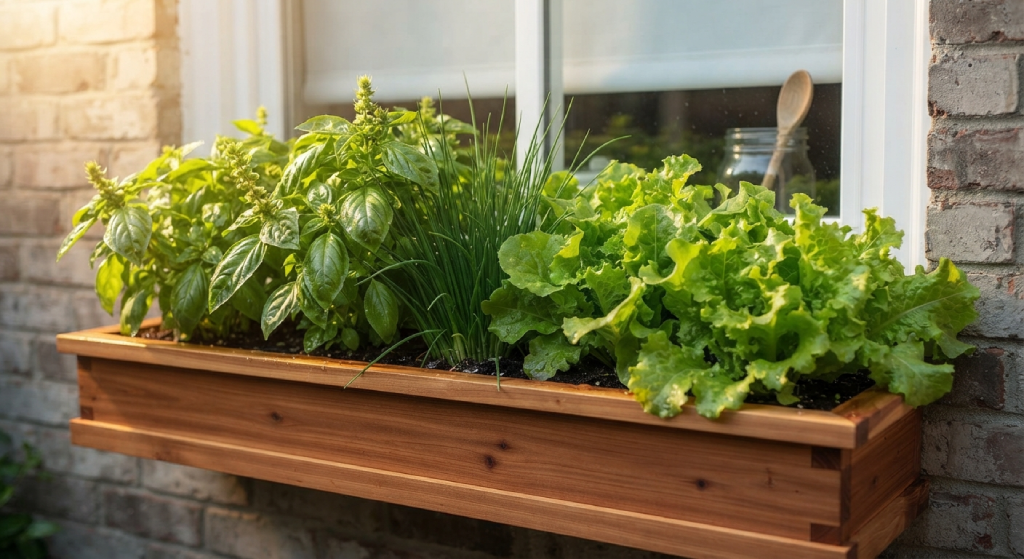 .
.
Make sure the window box has good drainage holes, and check that it is securely attached before loading it with soil and plants, since a full box can get surprisingly heavy.
Using Balconies and Patios
Balconies and patios are often the go to space for apartment dwellers who want to grow their own vegetables. The key here is understanding how much sun the area actually gets throughout the day, since most vegetables need at least six hours of direct sunlight to grow well.
Grouping containers by sunlight needs, keeping taller plants toward the back, and leaving enough room to walk between pots will help keep your patio garden both productive and easy to manage. Wheeled plant stands are also handy since they let you move containers to chase the sun as the seasons change.
Making the Most of Limited Garden Space
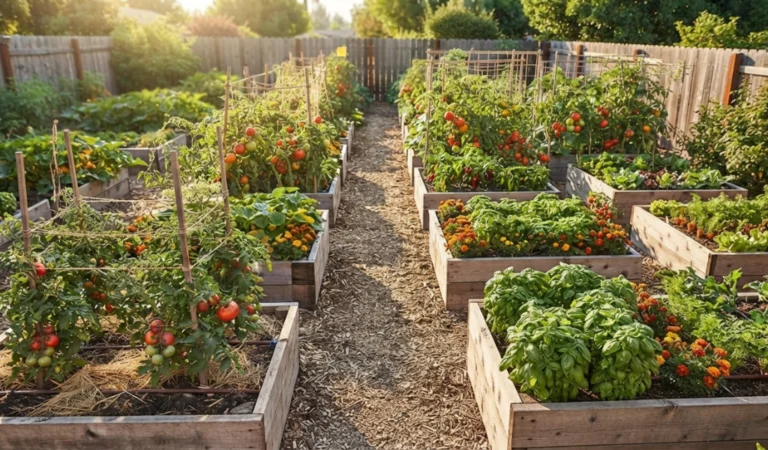
Even a small strip of actual garden soil can be surprisingly productive if you plan it well. Raised beds are a popular choice because they let you control the soil quality completely, which is especially helpful if your yard has poor or rocky ground.
Intercropping, which means planting fast growing vegetables like radishes between slower growing ones like tomatoes, is another smart way to squeeze more out of a small bed. By the time the tomatoes need the extra room, the radishes will already be harvested and out of the way.
How to Start a Small Vegetable Garden
Getting started does not need to be complicated. With a bit of planning and the right setup, you can have your first small vegetable garden ready to plant within a weekend.
Choosing a Sunny Location
Sunlight is the single most important factor for a successful vegetable garden. Most vegetables need at least six hours of direct sun each day, though leafy greens can tolerate a bit less. Spend a day observing your balcony, patio, or yard to figure out which spots get the most consistent sunlight before deciding where to place your containers or beds.
South facing spaces usually get the most sun throughout the day, but even east or west facing spots can work well for partial sun vegetables like lettuce and herbs. If your space is heavily shaded, consider vegetables that tolerate lower light, or think about using reflective surfaces to bounce a bit more sunlight onto your plants.
Selecting Containers and Planters
The container you choose matters just as much as the plant you put in it. Deep rooted vegetables like tomatoes and peppers need pots that are at least twelve inches deep, while shallow rooted plants like lettuce and herbs can do fine in containers as shallow as six inches.
Material matters too. Plastic pots retain moisture longer, which is helpful in hot climates, while terracotta pots breathe better but dry out faster. Fabric grow bags have become popular in recent years since they allow for excellent drainage and air pruning of roots, which tends to produce healthier plants overall.
Preparing the Right Growing Medium
Regular garden soil is usually too heavy and compact for container gardening, so it is best to use a quality potting mix instead. A good mix should be light, well draining, and rich in organic matter. Many gardeners like to mix in compost or worm castings to give their vegetables an extra nutrient boost right from the start.
Avoid using soil straight from your yard in containers, since it tends to compact over time and can introduce pests or weed seeds into your garden setup.
Planting and Spacing Vegetables
Even in a small garden, proper spacing matters. Crowding plants too closely can lead to poor air circulation, which increases the risk of disease, and it also means your plants will compete for nutrients and water. Always check the seed packet or plant tag for recommended spacing, and try to stick close to those guidelines even when space is tight.
For container gardens, a good rule of thumb is to plant one large vegetable like a tomato or pepper per pot, while smaller herbs and greens can often share a container as long as they have enough room to spread their roots.
Choosing the Right Containers
Picking the right container goes beyond just size and material. Drainage is absolutely essential, since vegetables sitting in waterlogged soil are prone to root rot. Always choose containers with drainage holes at the bottom, and if you are repurposing an old bucket or bin, drill several holes before planting.
Color can also make a small difference, especially in hot climates. Dark colored containers absorb more heat, which can dry out soil faster and stress plant roots during the hottest part of summer. Lighter colored pots tend to keep the root zone a bit cooler.
Self watering containers are worth considering for beginners or anyone with a busy schedule. These containers have a built in water reservoir that slowly releases moisture to the roots, which reduces the risk of both overwatering and underwatering while you get the hang of a regular watering routine.
How to Prepare Soil for Container Gardening
Good soil is the foundation of a healthy vegetable garden, and container gardening is no exception. Start with a high quality potting mix rather than garden soil, since potting mixes are formulated to stay light and well draining even in a confined space.
Adding compost to your potting mix gives your vegetables a steady supply of nutrients throughout the growing season. A ratio of about seventy percent potting mix to thirty percent compost works well for most vegetables. Some gardeners also like to add a slow release organic fertilizer at planting time to give plants an extra boost as they establish their roots.
It is also a good idea to refresh or replace your container soil every year or two, since it tends to break down and lose nutrients over time, especially with repeated watering and root growth.
Watering and Fertilizing Tips
Containers dry out much faster than in ground garden beds, especially during hot summer months, so consistent watering is one of the most important parts of small space vegetable gardening. Check the soil daily by sticking a finger about an inch deep. If it feels dry, it is time to water.
Water thoroughly until you see it draining out the bottom of the pot, rather than giving light sprinkles that only wet the top layer of soil. This encourages deeper root growth and helps plants become more resilient during dry spells.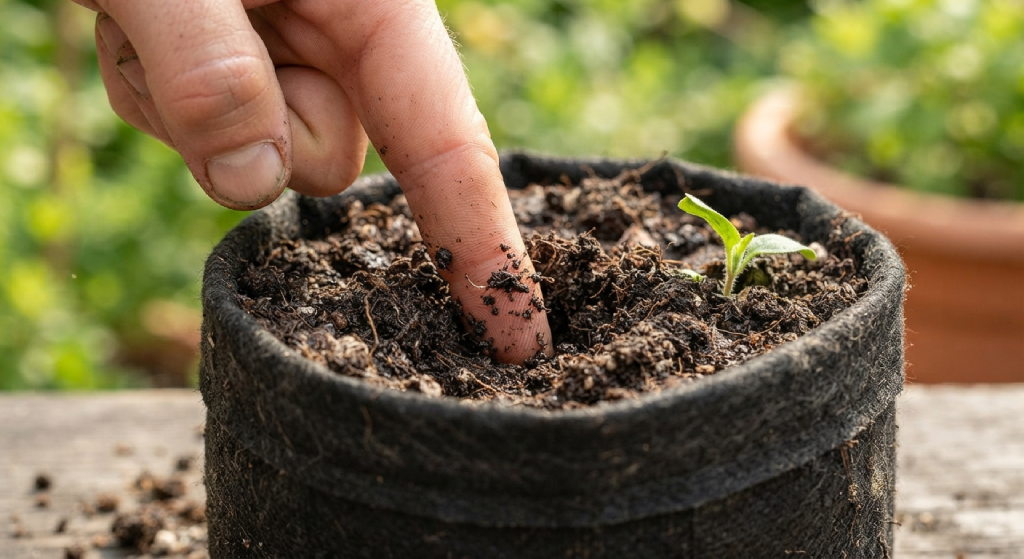
Because container plants have limited soil to draw nutrients from, regular fertilizing is important too. A balanced liquid fertilizer applied every two to three weeks during the growing season works well for most vegetables. Heavy feeders like tomatoes and peppers may benefit from slightly more frequent feeding, especially once they start producing fruit.
Common Small-Space Gardening Mistakes
Even experienced gardeners run into a few common pitfalls when working with limited space, and being aware of them ahead of time can save you a lot of frustration.
One of the biggest mistakes is overcrowding containers or garden beds in an attempt to grow as much as possible. While it is tempting to squeeze in extra plants, overcrowded vegetables often end up smaller and less productive than a properly spaced garden would produce.
Another common issue is choosing the wrong container size for the vegetable. Planting a tomato in a shallow pot meant for herbs will almost always lead to a stressed, poorly performing plant. Always match your container size to the mature size of the vegetable you are growing.
Forgetting about drainage is another frequent problem. Containers without proper drainage holes trap excess water, which suffocates roots and leads to root rot. If you notice water pooling on the surface of your soil after watering, it is a clear sign that drainage needs improvement.
Finally, many beginners underestimate how much sunlight their vegetables actually need. A spot that looks bright in the morning might be shaded by afternoon, so it pays to observe your space carefully over a full day before committing to a planting layout.
Real Life Example: A Balcony Garden That Works
Consider a typical small apartment balcony, maybe six feet wide and three feet deep, facing south. A gardener in this space might set up three medium sized containers for cherry tomatoes along the back where they get full sun and have room to grow upward with simple stakes. In front of them, shallower containers hold a mix of lettuce, basil, and chives, all thriving in partial shade cast by the taller tomato plants.
A hanging planter with trailing strawberries hangs near the railing, taking advantage of unused vertical space, while a small window box just inside the kitchen window holds a steady supply of parsley and mint for cooking. This kind of layout shows how a modest balcony, when planned thoughtfully, can produce a genuinely impressive harvest throughout the season.
Final Thoughts on Small Space Vegetable Gardening
Small space vegetable gardening proves that you do not need a big backyard to enjoy the rewards of growing your own food. With the right containers, a sunny spot, and a bit of planning around vertical space and smart plant choices, even the tiniest balcony or patio can become a productive little garden.
Start small, learn as you go, and do not be afraid to experiment with different vegetables and container setups until you find what works best for your specific space. Once you taste your first homegrown tomato or handful of fresh herbs, you will understand why so many people fall in love with gardening, no matter how limited their space might be.
Frequently Asked Questions
What are the easiest vegetables to grow in a small space?
Lettuce, radishes, herbs like basil and mint, and cherry tomatoes are among the easiest vegetables for small space vegetable gardening. They grow well in containers and do not require a lot of room to thrive.
How much sunlight do container vegetables need?
Most vegetables need at least six hours of direct sunlight each day. Leafy greens can tolerate a bit less, but fruiting vegetables like tomatoes and peppers need full sun to produce well.
Can I grow vegetables without a garden or yard?
Yes. Window boxes, hanging planters, and containers on a balcony or patio all work well for growing vegetables without any traditional garden space at all.
How often should I water my container vegetables?
Check the soil daily, especially during warm weather. Water thoroughly whenever the top inch of soil feels dry, since containers tend to dry out faster than in ground garden beds.
What size container do I need for tomatoes?
Tomatoes need a container at least twelve inches deep and wide to support healthy root growth and produce a good harvest through the season.
Do I need special soil for container vegetable gardening?
Yes. Regular garden soil is too heavy for containers. Use a quality potting mix, ideally blended with some compost, for the best results.
How can I grow more vegetables in a really small space?
Vertical gardening, hanging planters, and intercropping fast growing vegetables like radishes between slower growing ones are all great ways to grow more food without needing extra ground space.