Growing Grape Tomatoes: Complete Guide From Seed to Harvest
Growing Grape Tomatoes: Complete Guide From Seed to Harvest
If you love snacking on sweet, bite-sized tomatoes straight off the vine, growing grape tomatoes at home is one of the most rewarding projects you can start this season. These compact, oval-shaped fruits pack a punch of flavor, they are easy to grow even for beginners, and they keep producing all summer long once they get going. Whether you have a big backyard garden or just a few containers on a balcony, grape tomatoes are forgiving plants that reward a little care with a huge harvest.
In this guide, we will walk through everything you need to know about growing grape tomatoes, from picking the right seeds to harvesting your first ripe fruit. Along the way we will also touch on other popular varieties, including Black Prince tomato growing, so you can compare notes and maybe try something new in your garden this year.
What Are Grape Tomatoes?
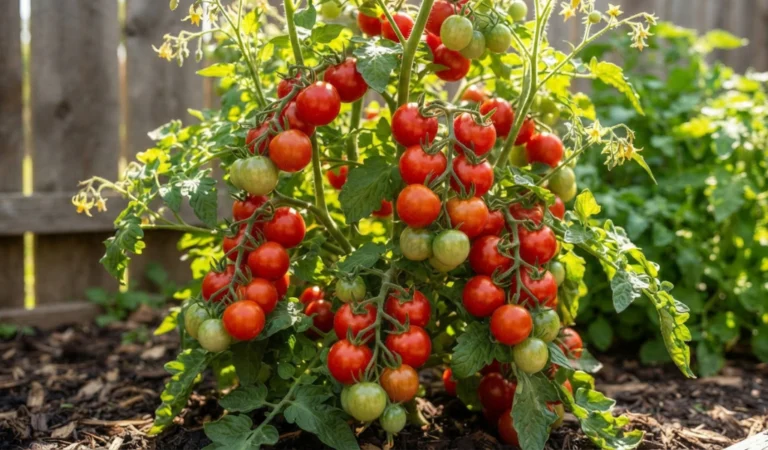
Grape tomatoes are small, oblong tomatoes that get their name from their shape and size, which closely resembles a grape. They usually measure around one to two inches long and have a dense, meaty texture with fewer seeds than other small tomato types. This makes them naturally sweeter and less watery, which is why so many people prefer them for salads, snacking, and roasting.
These tomatoes were developed in the 1990s as a cross between cherry tomatoes and Roma-type tomatoes, combining the sweetness of the former with the firm flesh of the latter. Since then, grape tomatoes have become a supermarket favorite and a garden staple because they hold up well during storage and transport without losing their flavor.
Grape tomatoes vs. cherry tomatoes
People often mix up grape tomatoes and cherry tomatoes, and it is easy to see why. Both are small, both are sweet, and both grow in clusters. However, there are a few clear differences worth knowing before you decide what to plant.
Cherry tomatoes are round, juicier, and tend to have thinner skins that can split more easily in rain or overwatering. Grape tomatoes, on the other hand, are oval shaped with thicker skins, which makes them more resistant to cracking and better suited for longer storage. In terms of taste, cherry tomatoes often lean toward a tangy sweetness, while grape tomatoes tend to be consistently sweet with a firmer bite. If you are growing tomatoes for lunchboxes or salads that need to stay fresh for a few days, grape tomatoes usually have the edge.
Popular grape tomato varieties
There are several excellent grape tomato varieties to choose from depending on your growing space and taste preference. Some of the most popular include:
- Sweet Hearts – known for their exceptionally sweet flavor and high yield.
- Juliet – a vigorous grower that produces long trusses of fruit and resists cracking.
- Sugary – a compact plant that works well in containers and produces early.
- Five Star Grape – disease resistant and reliable for home gardeners.
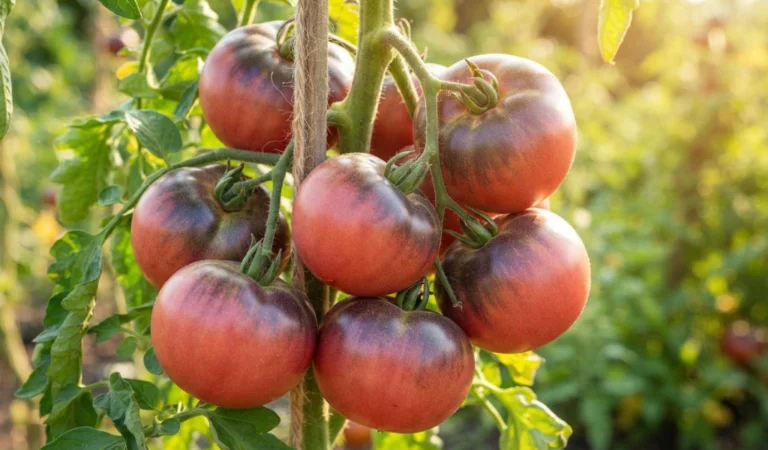
While these are true grape tomato varieties, many gardeners like to grow a mix of tomato types in the same bed for variety. This is where heirloom options like Black Prince tomato growing comes into the conversation. Black Prince is not technically a grape tomato, but this dark, smoky flavored heirloom variety pairs beautifully in a mixed tomato garden alongside grape types, offering a contrast in color, size, and taste. Many home gardeners who enjoy growing grape tomatoes also experiment with Black Prince because it thrives under similar sun and soil conditions, and the deep mahogany color adds visual interest to any harvest basket. If you already have a system down for grape tomato care, adding a few Black Prince plants to the same row is a simple way to diversify your tomato patch without much extra effort.
How to Start Grape Tomatoes From Seed
Starting your own tomato seeds gives you far more variety than buying transplants at the garden center, and it is also more budget friendly if you want to grow several plants. Grape tomatoes are not difficult to start from seed as long as you give them the right conditions early on.
Choosing quality seeds
Not all seeds are created equal, and starting with good quality seed is the foundation of a strong harvest. Look for seeds from a reputable supplier and check the packaging for the days to maturity, since this tells you how long the plant will take to produce fruit after transplanting. Fresh seed, ideally less than two years old, tends to germinate faster and more reliably than older seed that has been sitting in storage.
If you saved seeds from a previous harvest, keep in mind that hybrid varieties will not grow true to the parent plant, so the fruit may look or taste different the next season. For consistent results year after year, open-pollinated or heirloom seeds are a safer bet if you plan to save and replant them.
Seed germination conditions
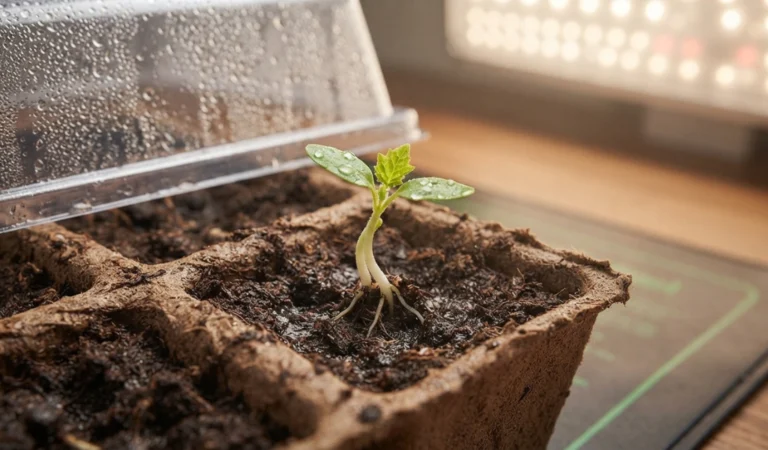
Grape tomato seeds germinate best in warm conditions, ideally between 70 and 85 degrees Fahrenheit. A heat mat placed under your seed trays can make a big difference, especially if you are starting seeds indoors during cooler months. Plant seeds about a quarter inch deep in a light, well-draining seed starting mix, and keep the soil consistently moist but not soggy.
Most grape tomato seeds will sprout within five to ten days under these conditions. Once seedlings emerge, move them under a grow light or to a bright windowsill right away, since leggy, stretched out seedlings are usually a sign of insufficient light. Keeping the light source close to the plants, about two to three inches above the leaves, helps produce short, sturdy stems that will transplant well later on.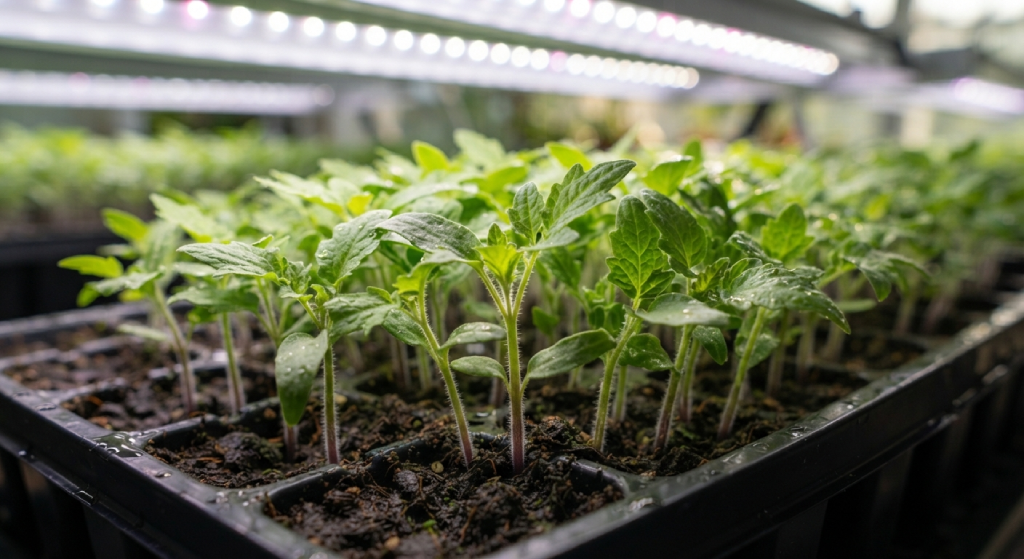
When to Plant Grape Tomatoes
Timing matters a lot with tomatoes because they are extremely sensitive to cold. Grape tomatoes should not go into the ground until all danger of frost has passed and soil temperatures have warmed to at least 60 degrees Fahrenheit. In most regions, this means planting outdoors sometime between late spring and early summer.
If you started seeds indoors, begin the process about six to eight weeks before your area’s last expected frost date. This gives the seedlings enough time to develop a strong root system and a few sets of true leaves before it is time to harden them off and move them outside. Hardening off, which means gradually exposing your seedlings to outdoor conditions over a week or so, helps prevent transplant shock and gives your plants a much stronger start once they are in the garden.
Gardeners in warmer climates with long growing seasons may even get away with a second planting in mid-summer for a fall harvest, so it is worth checking your local frost dates and planning accordingly.
Best Soil and Growing Conditions
Healthy soil and enough sunlight are the two biggest factors that determine how well your grape tomatoes will perform. Get these two things right and most of the rest of the growing process becomes much easier.
Soil preparation
Grape tomatoes prefer loose, well-draining soil rich in organic matter. Before planting, work a generous amount of compost or well-rotted manure into the bed to improve fertility and drainage. Aim for a soil pH between 6.2 and 6.8, which is slightly acidic and ideal for tomato roots to absorb nutrients efficiently.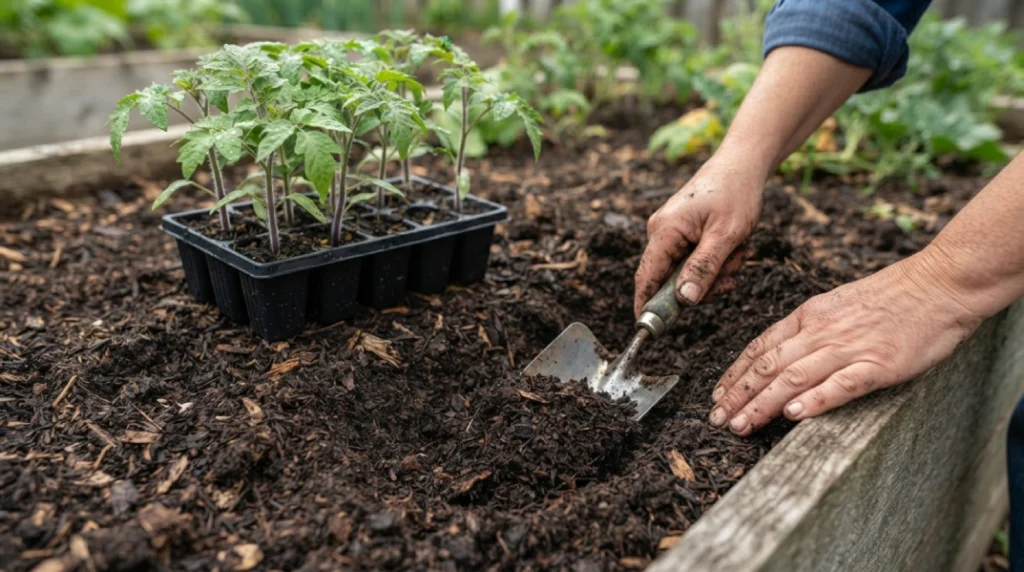
Heavy clay soils benefit from added compost and coarse sand to loosen the texture, while sandy soils need extra organic matter to help retain moisture. If you are growing in containers, choose a high quality potting mix rather than garden soil, since garden soil tends to compact in pots and can hold too much water, leading to root rot.
Sunlight requirements
Tomatoes are sun lovers, and grape tomatoes are no exception. They need at least six to eight hours of direct sunlight each day to produce a good crop. Plants grown in partial shade will still survive but often produce fewer fruits and can become leggy as they stretch toward the light.
If your garden gets less than ideal sun exposure, consider growing grape tomatoes in movable containers so you can chase the sunniest spots throughout the day. South facing spots are generally the best choice in most northern hemisphere gardens, while gardeners in extremely hot climates may benefit from some afternoon shade to prevent scorching during the hottest part of summer.
How to Care for Grape Tomato Plants
Once your grape tomatoes are in the ground, consistent care makes all the difference between a mediocre harvest and a bumper crop. The three main pillars of ongoing care are watering, fertilizing, and mulching.
Watering
Tomatoes need deep, consistent watering rather than frequent light sprinkles. Aim to water at the base of the plant, giving it about one to two inches of water per week, adjusting for rainfall and heat. Irregular watering, especially letting the soil dry out completely and then soaking it, is one of the leading causes of blossom end rot and fruit cracking in grape tomatoes.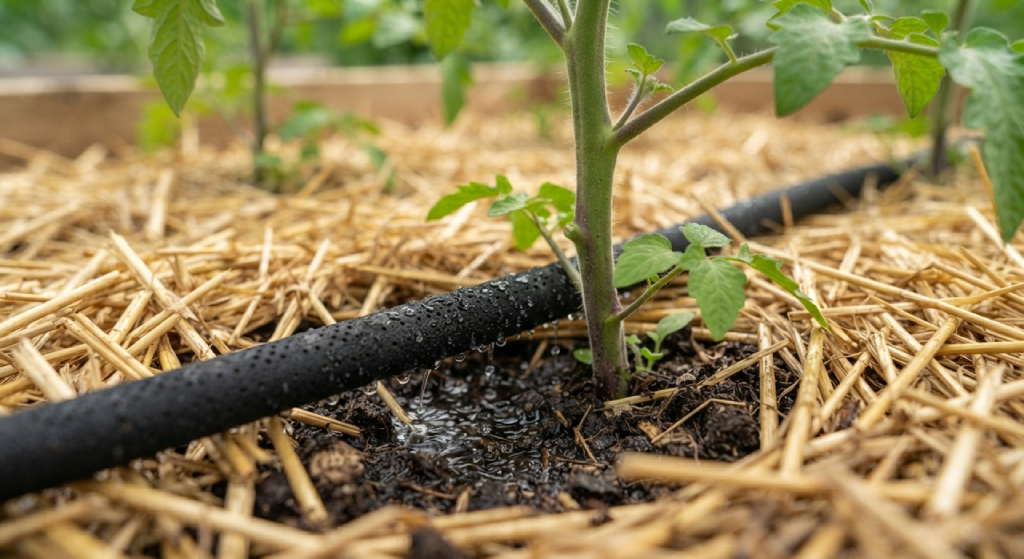
Watering early in the morning is best because it allows the foliage to dry out during the day, which helps reduce the risk of fungal diseases. Drip irrigation or soaker hoses are excellent options for tomato beds since they deliver water directly to the roots without wetting the leaves.
Fertilizing
Grape tomatoes are moderately heavy feeders, especially once they start setting fruit. Start with a balanced fertilizer at planting time, then switch to one lower in nitrogen and higher in phosphorus and potassium once flowering begins. Too much nitrogen encourages lush green foliage at the expense of fruit production, so it is important not to overdo it.
Many gardeners find success feeding every two to three weeks with a diluted liquid fertilizer or working a slow release granular fertilizer into the soil at planting. Adding compost mid-season is another gentle way to keep the soil fertile without the risk of overfeeding.
Mulching
A two to three inch layer of mulch around the base of your grape tomato plants helps retain soil moisture, suppress weeds, and regulate soil temperature. Straw, shredded leaves, and grass clippings all work well as mulch and slowly break down to add organic matter to the soil over time.
Mulching also plays a role in disease prevention because it creates a barrier between the soil and the lower leaves of the plant, reducing the chances of soil-borne fungal spores splashing up onto the foliage during watering or rain.
Supporting and Pruning Grape Tomatoes
Most grape tomato varieties are indeterminate, meaning they keep growing and producing fruit throughout the season rather than stopping at a set height. Because of this, they need sturdy support to keep the vines off the ground and the fruit clean and easy to harvest.
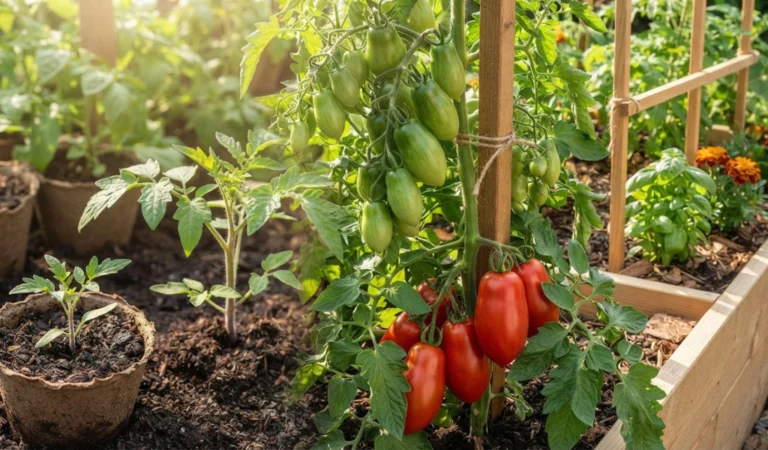
Cages, stakes, or trellises all work well, but choose one that is tall enough, at least five feet, since grape tomato vines can grow quite long by late summer. Install your support system at planting time rather than waiting until the plant is established, since adding stakes later can damage the root system.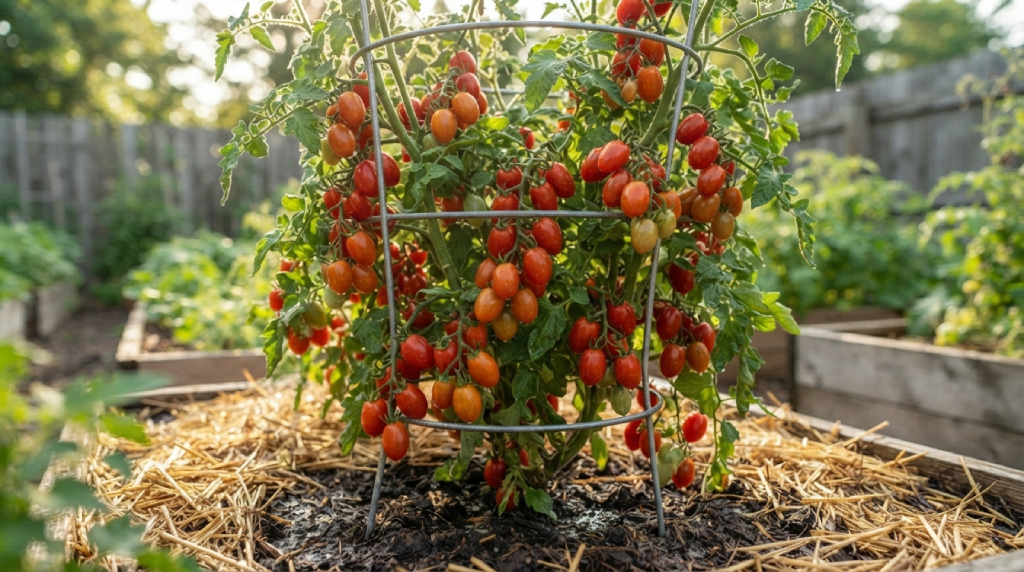
Pruning is optional but helpful for airflow and disease prevention. Removing the small shoots that grow in the joint between the main stem and a branch, known as suckers, helps direct the plant’s energy toward fruit production rather than excess foliage. Trimming lower leaves that touch the soil also reduces the risk of fungal problems spreading up the plant.
Grape Tomato Growing Stages
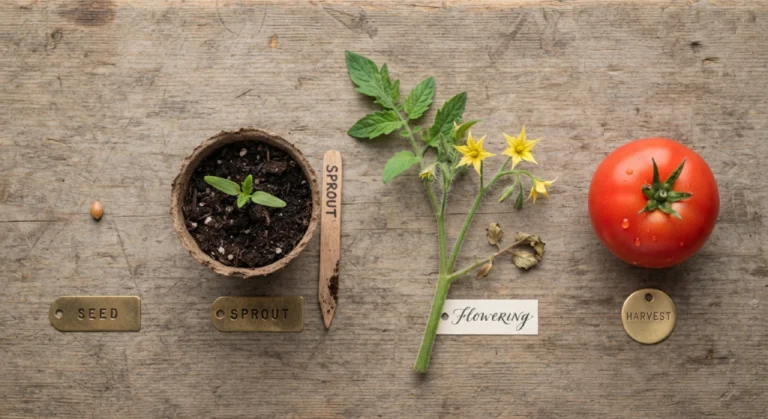
Understanding the growth stages of grape tomatoes helps you know what to expect and when to adjust your care routine. The process generally unfolds in five stages.
The first stage is germination, which takes about five to ten days after seeding under warm conditions. Next comes the seedling stage, where the plant develops its first true leaves and begins building a root system over the following two to three weeks. The vegetative stage follows, usually lasting several weeks, during which the plant grows rapidly in height and leaf coverage while establishing the strong stems needed to support future fruit.
After that comes the flowering stage, when small yellow blossoms appear and, if pollination is successful, begin turning into tiny green fruit. Finally, the fruiting and ripening stage takes over, where the fruit gradually swells and changes color from green to red, yellow, or orange depending on the variety, typically taking three to four weeks from pollination to full ripeness. From seed to first harvest, most grape tomato varieties take between 60 and 75 days, though this can vary slightly with growing conditions and variety.
Common Pests and Diseases
Like most tomatoes, grape tomato plants can attract a handful of common pests and diseases, but most are manageable with early attention. Aphids and whiteflies are frequent visitors that suck sap from leaves and can be controlled with insecticidal soap or a strong blast of water. Tomato hornworms are larger pests that can strip leaves quickly, so check the undersides of leaves regularly and remove them by hand if spotted.
Fungal diseases like early blight and late blight show up as dark spots or lesions on leaves and can spread quickly in humid conditions. Good airflow, proper spacing between plants, and avoiding overhead watering go a long way toward preventing these issues. Blossom end rot, which appears as a dark, sunken patch on the bottom of the fruit, is usually caused by inconsistent watering rather than a pest or disease, and can often be fixed by maintaining steady soil moisture.
Rotating where you plant tomatoes each year, rather than growing them in the same spot repeatedly, also helps reduce the buildup of soil-borne diseases over time.
When and How to Harvest Grape Tomatoes
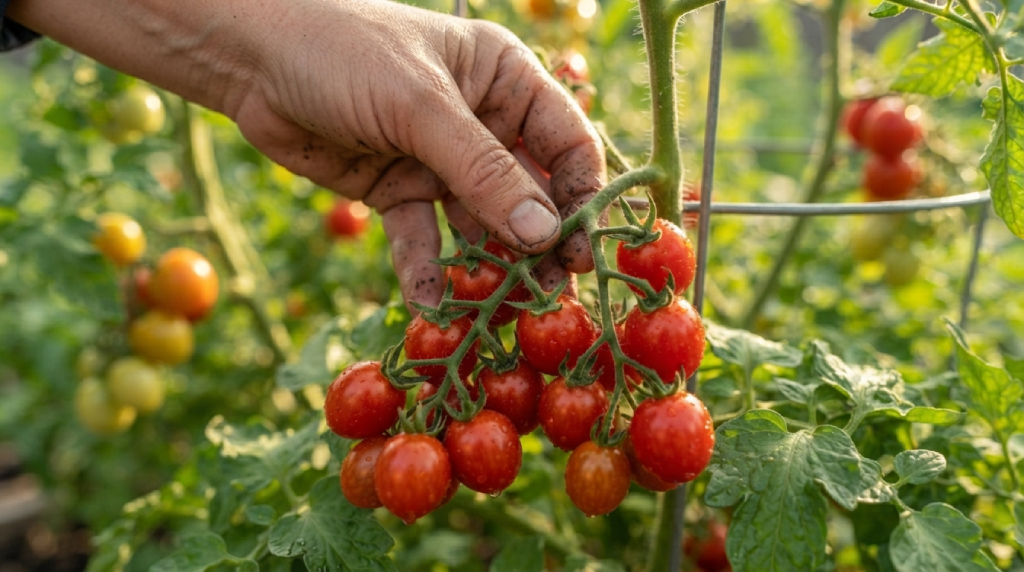
The best part of growing grape tomatoes is finally getting to pick and eat them. Most varieties are ready to harvest when the fruit has fully colored up and feels slightly firm but gives a little when gently squeezed. Depending on the variety, this could mean a deep red, bright yellow, or orange color, so it helps to know what your specific variety looks like at full ripeness.
Harvest by gently twisting the fruit or snipping it with scissors rather than pulling, which can damage the stem and nearby fruit clusters. Grape tomatoes tend to ripen in batches along the vine, so expect to harvest every couple of days once production kicks into gear during mid to late summer.
Picking fruit regularly actually encourages the plant to keep producing more, so try not to let ripe tomatoes linger on the vine too long. If a frost is approaching and you still have unripe green tomatoes left, you can pick them and let them ripen indoors on a sunny windowsill, though the flavor will be slightly milder than vine-ripened fruit.
Final Thoughts
Growing grape tomatoes is a simple, satisfying way to fill your garden with sweet, snackable fruit all summer long. With the right start from seed, good soil, consistent watering, and a bit of support as the vines grow, you will find these plants are forgiving even if you are new to gardening. And if you enjoy the process, branching out into other varieties like Black Prince tomato growing can add even more flavor and color to your harvest basket.
Start small if this is your first season, pick a couple of reliable varieties, and pay attention to watering and sunlight above everything else. Once you taste a sun-warmed grape tomato straight from your own garden, you will understand why so many gardeners make room for them every single year. Ready to get started? Grab a packet of seeds, pick a sunny spot, and give growing grape tomatoes a try this season.
Frequently Asked Questions
How long does it take to grow grape tomatoes from seed? Most grape tomato varieties take between 60 and 75 days from transplanting to first harvest, and around five to ten days for the seeds themselves to germinate before that.
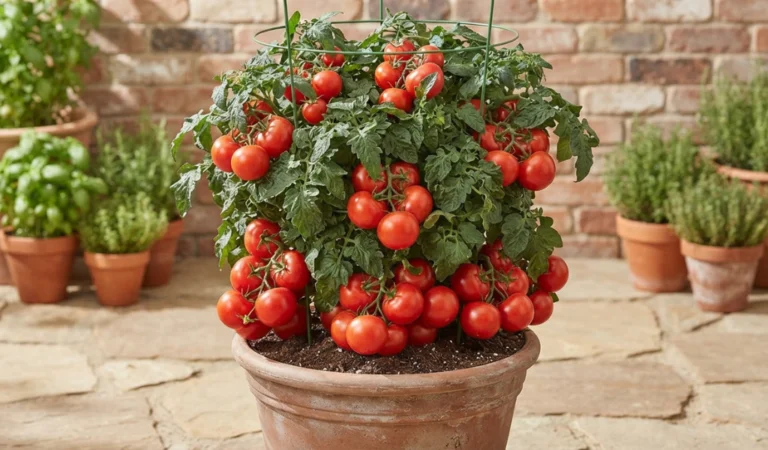
Can grape tomatoes be grown in containers? Yes, grape tomatoes grow very well in containers as long as the pot is at least five gallons in size and has good drainage. A quality potting mix and regular watering are key for container success.
Why are my grape tomatoes splitting? Splitting usually happens when the plant receives an inconsistent amount of water, such as a dry spell followed by heavy rain or watering. Keeping soil moisture steady helps prevent cracking.
Do grape tomatoes need a lot of sunlight? Yes, grape tomatoes need at least six to eight hours of direct sunlight each day to produce a healthy crop of sweet fruit.
What is the difference between grape and cherry tomatoes? Grape tomatoes are oval shaped with thicker skins and a firmer, meatier texture, while cherry tomatoes are round, juicier, and have thinner skins that split more easily.
How often should I water grape tomato plants? Aim for about one to two inches of water per week, delivered deeply at the base of the plant rather than in frequent light sprinkles.
Can I grow grape tomatoes alongside heirloom varieties like Black Prince? Absolutely. Black Prince tomato growing pairs well alongside grape tomatoes since both thrive in similar sun, soil, and watering conditions, giving you a mix of colors and flavors in the same garden bed.