Grow Tomatoes From Seed to Harvest: Complete Guide From Planting to Harvest
How to Grow Tomatoes From Seed to Harvest: A Complete Step-by-Step Guide
Few things beat biting into a warm, ripe tomato you grew yourself. If you have ever wondered how to take tomatoes from seed to harvest, this guide walks you through every stage of the process. Whether you dream of slicing tomatoes for sandwiches or picking sweet cherry tomatoes straight off the vine, growing your own plants from seed gives you more variety, better flavor, and a real sense of pride in your garden.
This guide to growing tomatoes covers everything from picking the right seeds to storing your harvest. You will learn how to start tomato seeds indoors, care for tomato seedlings, transplant them outside, and keep your plants healthy all season long. By the end, you should feel confident enough to grow tomatoes from seed like someone who has been doing it for years.
Why Grow Tomatoes From Seed?
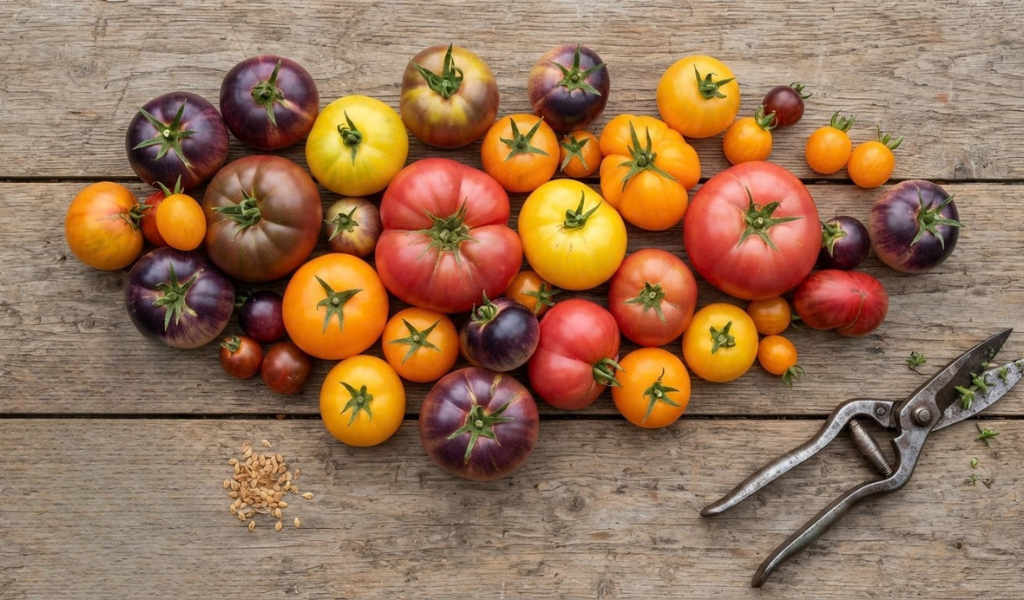
Starting tomatoes from seed instead of buying transplants from a nursery opens up a much bigger world. Garden centers usually carry a handful of common tomato varieties, but seed catalogs offer hundreds of options, including heirloom tomato types passed down for generations and unusual colors and shapes you will never find in a store.
Growing from seed is also cheaper. A packet of seeds costs a few dollars and can produce dozens of plants, while a single nursery transplant might cost that much on its own. You also get to control the entire growing process, which means healthier roots, no unknown chemicals, and plants that are used to your specific growing conditions from day one.
There is also something satisfying about watching a tiny seed turn into a plant loaded with ripe tomatoes. For many gardeners, that transformation is half the reason they garden in the first place.
Choosing the Best Tomato Variety
Before you plant a single seed, take time to think about what kind of tomato plant fits your garden and your kitchen. Tomato varieties generally fall into two groups: determinate tomatoes and indeterminate tomatoes.
Determinate tomatoes grow to a set height, produce their fruit within a shorter window, and work well for gardeners who want a big harvest all at once for canning or sauce. Indeterminate tomatoes keep growing and producing fruit until frost kills the plant, making them a better choice if you want a steady supply of tomatoes throughout the growing season.
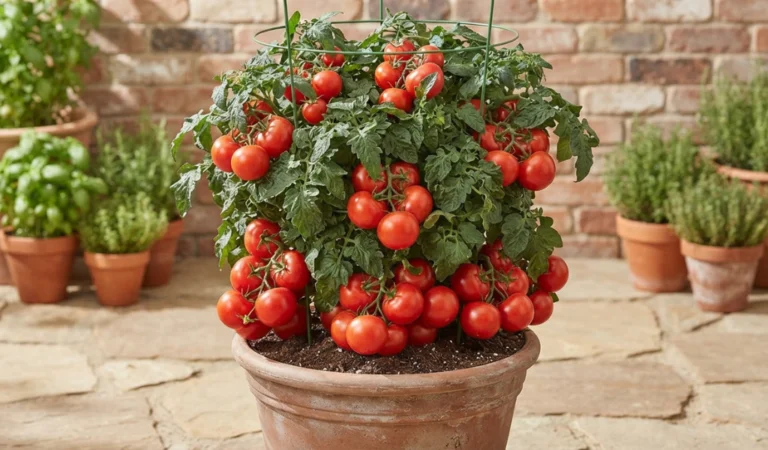
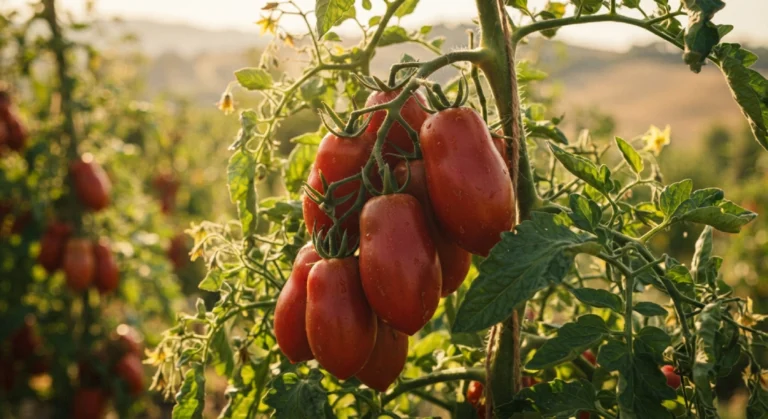
Think about how you plan to use your tomatoes. Paste tomatoes are dense and low in moisture, which makes them perfect for sauces and canning. Slicing tomatoes are juicy and large, ideal for sandwiches and salads. Cherry tomato varieties are small, sweet, and quick to ripen, making them a favorite for snacking and salads.
If you are new to gardening, look for varieties labeled as disease resistant, since tomatoes are susceptible to a number of common problems like blight and wilt. Experienced gardeners often enjoy heirloom varieties for their unique flavors, though some heirloom plants are less resistant to disease than modern hybrids.
How to Plant Tomato Seeds
Once you have chosen your seeds, it is time to start tomatoes from seeds indoors. Most regions benefit from starting tomato seeds indoors about six to eight weeks before the last expected frost date in your area. This gives your seedlings enough time to grow strong before it is safe to move them outside.
Preparing the Growing Medium
Good results start with the right growing medium. Avoid using regular garden soil for seed starting, since it can be too dense and may carry diseases or pests. Instead, use a light, well-draining seed starter mix designed specifically for starting seeds indoors.
Fill small pots or seed trays with the moistened mix, leaving a bit of space at the top. Plant tomato seeds about a quarter inch deep, placing one or two seeds per cell. Planting seeds too deep can slow germination, so keep it shallow and consistent across your trays.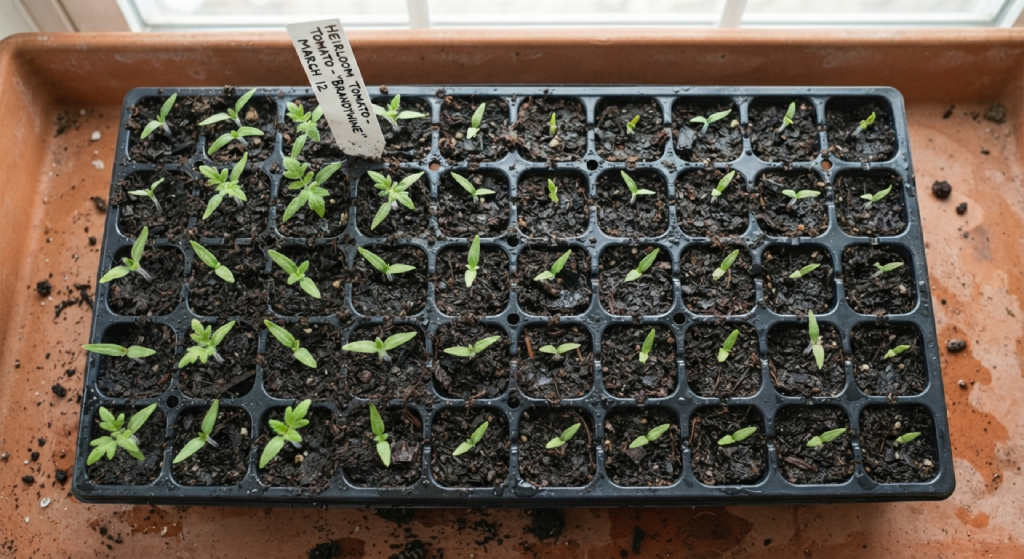
Label each container with the variety name, since seedlings look nearly identical in the early stages and it is easy to lose track of what is what.
Providing Warmth and Moisture
Tomato seeds need warmth to germinate well. A consistent temperature between 70 and 80 degrees Fahrenheit speeds up germination, so many gardeners use a heat mat placed under their trays. Without added warmth, seeds can still sprout, but it may take longer and germination rates may drop.
Moisture matters just as much as heat. Keep the growing medium damp but not soaked, since soggy soil can cause seeds to rot before they even sprout. Covering trays with a clear plastic dome or plastic wrap helps hold in humidity until the seeds germinate, usually within five to ten days.Once you see the first sprouts, remove any covering right away and move the trays to a location with strong light.
How to Care for Tomato Seedlings
After germination, your seedlings need bright light to grow into sturdy plants. A sunny windowsill often is not enough, since young tomato seedlings need twelve to sixteen hours of strong light each day. Many gardeners rely on LED grow lights positioned a few inches above the seedlings, raising the lights as the plants grow taller.
Water your seedlings from the bottom when possible by setting trays in a shallow pan of water, which encourages deeper root growth and helps prevent fungal issues on the stems. Keep the growing medium moist but never waterlogged.
Once seedlings develop their first true leaves, which look different from the rounded seed leaves that appear first, it is a good time to begin feeding them with a diluted liquid fertilizer at quarter strength. This gives your seedlings the nutrients they need without overwhelming their young roots.
If multiple seedlings are growing in the same cell, thin them out by snipping the weaker one at soil level rather than pulling it, which can disturb the roots of the plant you want to keep. As your tomato seedlings grow larger, they will likely need to be moved into bigger pots before it is time to transplant them outside.
When to Transplant Tomato Seedlings
Timing matters a great deal when it comes to moving your tomato plant outdoors. Tomatoes are warm-season plants and cannot handle cold temperatures, so wait until the danger of frost has passed in your area before planting seedlings in the ground.
Before that day arrives, your seedlings need a process called hardening off. This means gradually introducing them to outdoor conditions over seven to ten days, starting with an hour or two in a shaded, sheltered spot and slowly increasing their time outside and their sun exposure. Skipping this step often leads to shock, where seedlings wilt or turn pale after being transplanted too quickly into direct sun and wind.
A good rule of thumb is to wait until nighttime temperatures stay reliably above 50 degrees Fahrenheit. Many gardeners choose to transplant tomato seedlings once soil temperatures have warmed as well, since cold soil can stunt early root growth even if the air feels warm enough.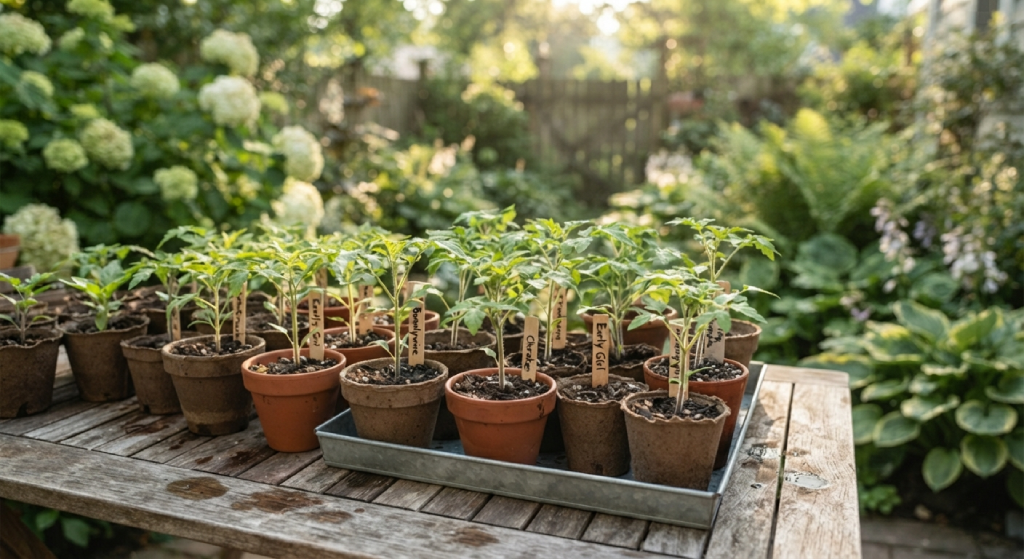
Preparing the Garden Soil
Tomato plants are heavy feeders, which means they pull a lot of nutrients from the soil as they grow. Before transplanting, work a generous amount of compost into your garden bed to improve soil structure and add organic nutrients.
Tomatoes prefer well-draining soil with a slightly acidic pH, generally between 6.0 and 6.8. If you are unsure of your soil quality, a simple soil test can tell you whether you need to adjust the pH or add specific nutrients before planting.
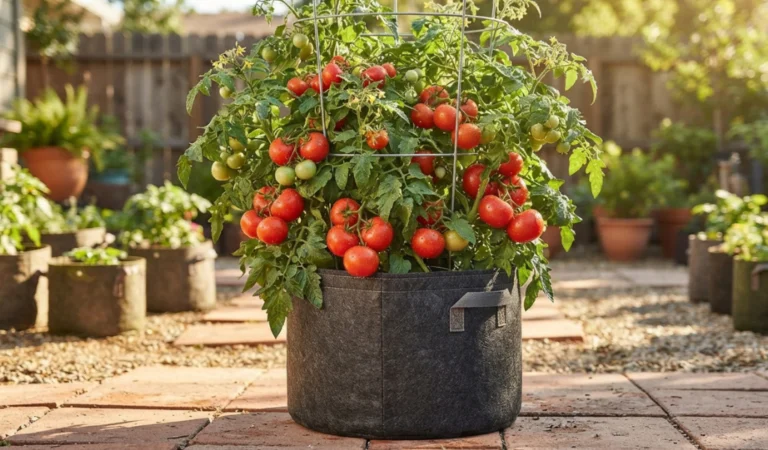
Choose a spot that gets at least six to eight hours of direct sunlight each day, since tomato plants that do not get enough sun tend to produce fewer and smaller fruits. If you are growing tomatoes in containers instead of a garden bed, pick a pot at least five gallons in size with good drainage holes, and use a quality potting mix blended with compost.
Space your plants properly when digging holes, generally leaving eighteen to twenty-four inches between tomato plants to allow room for growth and airflow, which helps prevent disease.
Tomato Plant Care After Transplanting
Once your seedlings are in the ground or in containers, consistent care becomes the key to a strong growing season. Water deeply and regularly, aiming for the soil to stay evenly moist rather than alternating between soggy and bone dry, since inconsistent watering often leads to problems like blossom end rot later on.
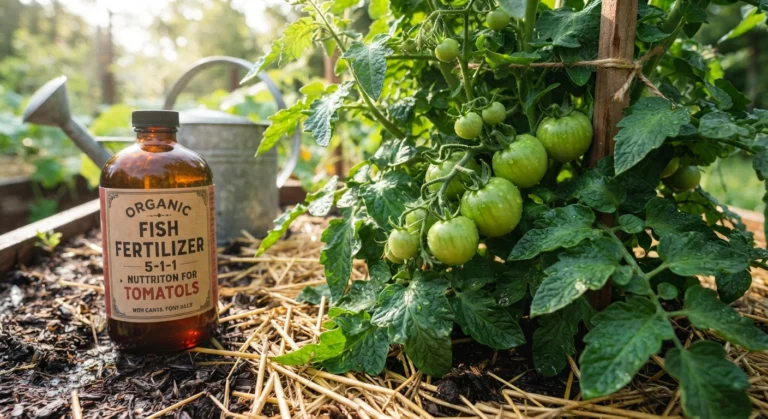
Mulching around the base of each plant helps retain soil moisture, suppress weeds, and keep soil-borne diseases from splashing onto lower leaves during watering or rain. Straw, shredded leaves, or grass clippings all work well as mulch.
Feed your plants every few weeks with a balanced fertilizer, watching for signs like yellowing leaves or slow growth that might signal a nutrient deficiency. Since tomatoes are heavy feeders, a steady supply of nutrients throughout the growing season supports both healthy vines and a strong harvest.
Keep an eye out for pest problems early. Tomato hornworms are one of the most common tomato pests, capable of stripping leaves overnight if left unchecked. Check the undersides of leaves regularly and remove any hornworms by hand, or introduce beneficial insects that prey on them naturally.
Supporting and Pruning Tomato Plants
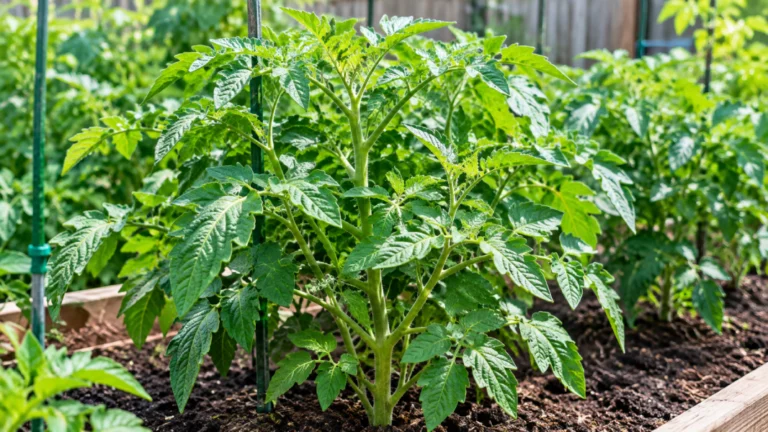
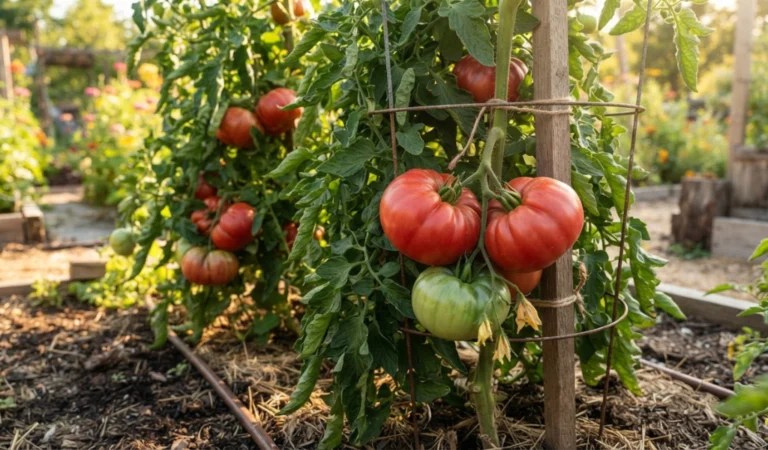
As your tomato plant grows taller, it will need support to keep the fruit off the ground and improve airflow around the leaves. A sturdy tomato cage works well for smaller or determinate varieties, while tall stakes or a trellis system often work better for indeterminate tomatoes that can grow six feet or taller over a long growing season.
Install your support system early, ideally right after transplanting, since adding stakes or cages later can damage the roots of an established plant. As the vine grows, gently tie the main stem to the support using soft garden twine, checking every week or two to add new ties as needed.
Pruning helps direct the plant’s energy toward fruit production instead of excess foliage. Look for small shoots, called suckers, that grow in the joint between the main stem and a branch. Removing some of these suckers on indeterminate varieties can improve airflow and encourage larger fruit, though many gardeners choose to leave a few for extra yield. Determinate tomatoes generally need very little pruning, since heavy pruning can reduce their overall harvest.
Flowering, Pollination, and Fruit Growth
Once your tomato plant reaches a certain size, small yellow flowers begin to appear. These flowers need to be pollinated in order to produce fruit, and tomatoes are largely self-pollinating, meaning wind and the natural vibration caused by bees are usually enough to move pollen within each flower.
If you notice flowers dropping off without producing fruit, extreme heat or cold can be the cause, since tomato plants often struggle to set fruit when daytime temperatures climb above 90 degrees or nighttime temperatures dip below 55 degrees. Gently shaking the flower clusters by hand every few days can help improve pollination, especially for container gardens or greenhouse setups with less natural airflow.
Once pollination succeeds, small green tomatoes begin to form at the base of each flower. From here, patience becomes important, since it typically takes several weeks for green tomatoes to grow to full size and even longer to ripen into a full ripe tomato, depending on the variety and weather conditions.
Harvesting and Storing Fresh Tomatoes
The moment you have been waiting for finally arrives when your tomatoes are firm, fully colored, and give slightly when gently squeezed. Most tomato varieties are ready to pick when they reach their full color, whether that is deep red, orange, yellow, or another shade depending on the variety you planted.
Harvest tomatoes by gently twisting or snipping them from the vine rather than pulling hard, which can damage the stem and nearby fruit. Picking tomatoes when they are firm and fully colored, rather than waiting for them to soften too much on the vine, usually results in better flavor and less risk of cracking or attracting pests.
As the growing season winds down and frost approaches, you may still have green tomatoes left on the vine. These can be picked and ripened indoors on a sunny windowsill, or used directly in recipes like fried green tomatoes.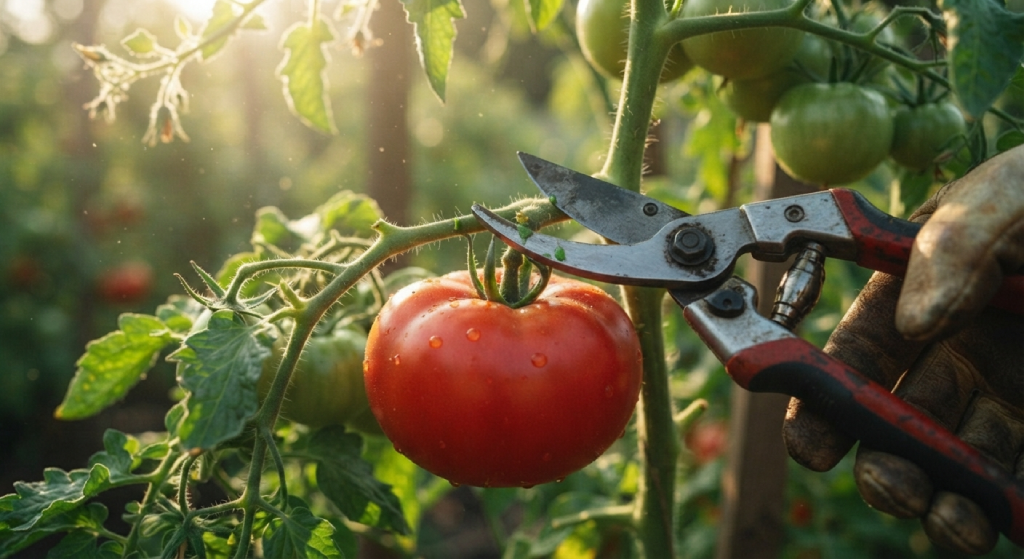
If you want to keep growing the same variety next year, save seeds from a few of your best tomatoes. Scoop out the seeds along with their gel coating, let them ferment in a jar of water for a couple of days, then rinse and dry them thoroughly before storing in a cool, dry place. Properly dried and stored viable seeds can last several years, giving you a head start on next season’s garden.
Final Thoughts
Growing tomatoes from seed to harvest takes patience, but the process is far more rewarding than simply buying a plant from the store. From the first days of seed starting indoors to the moment you pick a ripe tomato warmed by the sun, every stage teaches you something new about your garden and your growing conditions. With the right variety, steady care, and a little attention to timing, you can enjoy a season full of homegrown tomatoes bursting with flavor you simply cannot buy in a store.
If this is your first time growing tomatoes from seed, start small with one or two varieties so you can learn the process without feeling overwhelmed. Once you get comfortable, you can expand into more tomato types each year and build a garden that reflects exactly what you and your family love to eat.
Frequently Asked Questions
How long does it take to grow tomatoes from seed to harvest?
On average, it takes 90 to 120 days from planting seeds indoors to harvesting ripe tomatoes, though this varies by variety. Cherry tomatoes tend to mature faster, while large slicing and paste tomatoes often need a longer growing season.
When should I start tomato seeds indoors?
Start tomato seeds indoors about six to eight weeks before your area’s last expected frost date. This timing gives seedlings enough time to grow strong before it is safe to transplant them outside.
Can I grow tomatoes in containers instead of a garden bed?
Yes, tomatoes in containers can grow just as well as those in the ground, as long as the pot is large enough, at least five gallons, and has good drainage. Container plants may need more frequent watering since pots dry out faster than garden soil.
Why are my tomato seedlings tall and thin?
Leggy seedlings usually mean they are not getting enough light. Move your seedlings closer to a strong light source, or add a grow light positioned just a few inches above the plants to encourage sturdier growth.
How do I know when tomatoes are ready to pick?
Tomatoes are ready to harvest when they reach full color for their variety and feel slightly soft when gently squeezed. Firm, fully colored fruit generally has the best flavor and is less likely to crack or attract pests.
What is the difference between determinate and indeterminate tomatoes?
Determinate tomatoes grow to a fixed size and produce most of their fruit within a shorter window, making them useful for canning. Indeterminate tomatoes keep growing and producing fruit throughout the entire growing season until frost.
Do tomato plants need companion planting?
Companion planting is not required, but it can be helpful. Basil, marigolds, and garlic are common companions believed to support healthy tomato plants and may help deter certain pests in the garden.