Phosphorus Deficiency in Pepper Plants: Calcium and Nutrient Balance
Phosphorus Deficiency in Pepper Plants: Symptoms and Treatment
Phosphorus deficiency in pepper plants happens when roots cannot take up enough phosphorus to support normal growth. The soil may be low in the nutrient, or it may hold plenty that the plant cannot reach because of cold temperatures, poor pH or compacted soil. Either way, the plant starts to show clear signs within a few weeks.
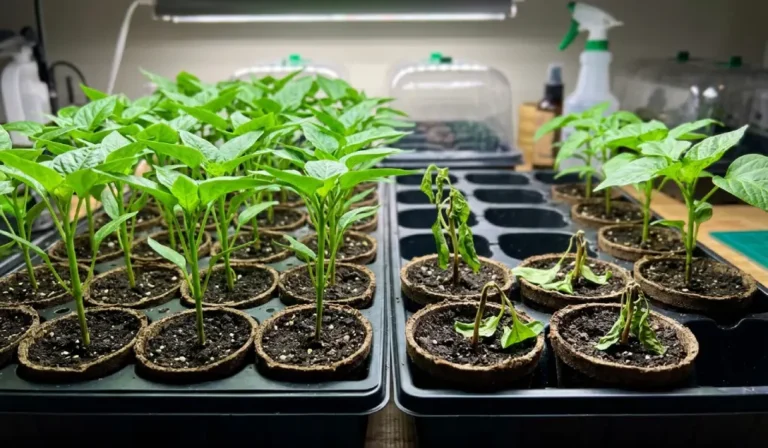
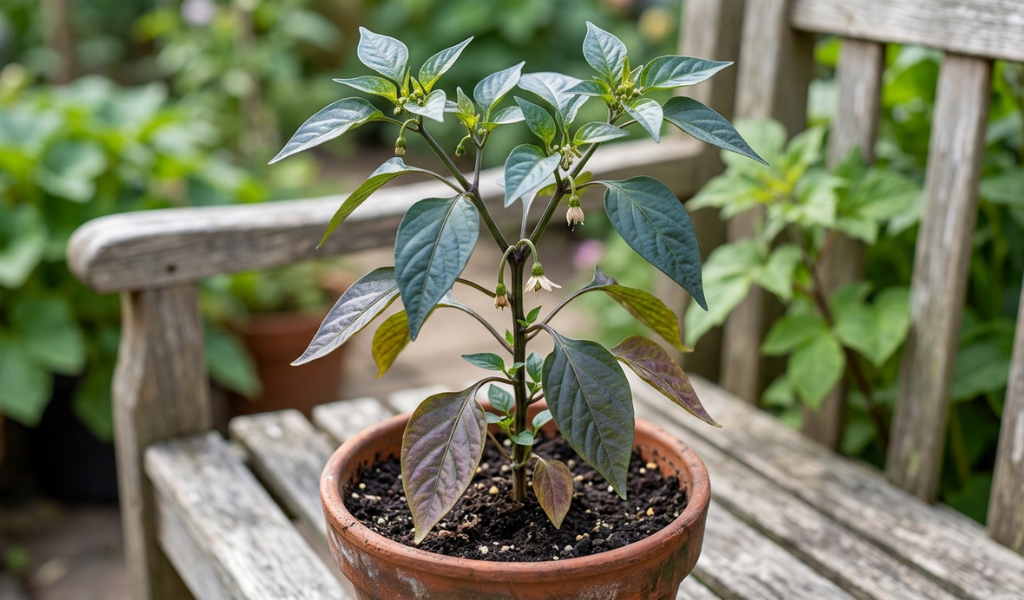
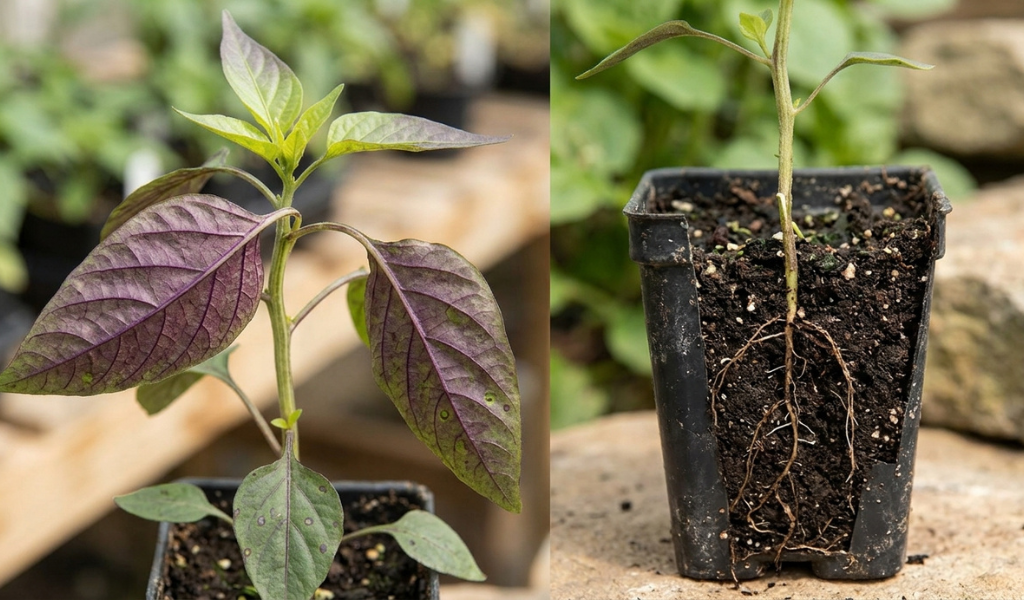
The most common symptoms are dark green or dull bluish leaves, a purple tint on the underside of older leaves, thin stems and slow growth. Seedlings stay small, and the lower leaves may curl or develop dry patches. Flowering is delayed, and the few flowers that appear often drop before they set fruit.
 Treatment starts with finding the cause. Warm the soil with mulch or row covers if the weather is cold. Test the soil and adjust the pH to about 6.0 to 6.8. Check the Pepper Fertilizer Ratio / NPK to ensure your plants receive balanced phosphorus without excessive nitrogen. Then add a phosphorus source that suits the situation, such as bone meal for slow release or a water-soluble fertilizer for fast recovery. Most pepper plants respond within one to two weeks once conditions improve. Quick action matters because phosphorus is needed most during early root and flower development, and lost time is hard to win back later in the season.
Why Phosphorus Matters So Much for Pepper Plants
Phosphorus deficiency in pepper plants can affect root development, flowering, fruit production, and overall plant health. Phosphorus is one of the three essential macronutrients, working alongside nitrogen and potassium to support healthy growth. It acts like an energy system, helping pepper plants store and transfer energy, support photosynthesis, and carry out important metabolic processes. When phosphorus levels are too low, plants may struggle to develop strong roots and maintain steady growth.
A healthy root system allows pepper plants to absorb water and essential nutrients such as calcium, magnesium, and zinc from the soil. Phosphorus also plays an important role in flower formation, fruit set, and seed development. Adequate phosphorus helps plants produce more blossoms, support fruit growth, and reach maturity at the right time. It also contributes to fresh and dry matter production, helping pepper plants develop stronger stems, leaves, and fruits.
Understanding phosphorus deficiency in pepper plants is important because too little phosphorus can reduce plant growth, delay flowering, and affect overall fruit production. However, adding extra fertilizer without checking soil conditions is not always the right solution. Excessive phosphorus can interfere with the availability of other essential nutrients. Nitrogen and phosphorus must remain balanced for healthy development. The goal is to maintain proper soil fertility so pepper plants can grow strong roots, produce healthy foliage, and deliver a productive harvest.
How to Identify Phosphorus Deficiency in Pepper Plants vs Other Nutrient Problems
Many nutrient problems look alike at first glance, so a careful check saves time and fertilizer. The key is to look at where the symptoms appear and what color they have.
Phosphorus problems start on older, lower leaves because the plant moves phosphorus to new growth. Leaves look dark green with a purple or bronze tint. Nitrogen shortage also starts on old leaves, but they turn pale yellow instead of purple. Yellow leaves that fade from the bottom up usually point to nitrogen. Potassium deficiency causes yellow or brown scorching along the leaf edges. Magnesium deficiency causes yellow patches between green veins on older leaves.
New growth tells a different story. Calcium deficiency and boron deficiency show up on young leaves and growing tips. A calcium shortage causes distorted new leaves and blossom-end rot on fruit. Boron deficiency causes thick, brittle leaves, cracked stems and poor fruit set. Zinc and manganese shortages show as pale or mottled new leaves, while iron problems turn new leaves yellow with green veins.
Cold nights can also turn seedling leaves purple even when the soil has enough phosphorus. If the color fades as the weather warms, the cause was temperature and not diet. A soil test or leaf tissue test gives the final answer. It shows the real nutritional status of the plant and stops the guessing.
How Phosphorus Deficiency Affects Pepper Plant Growth, Flowering, and Fruit Production
Phosphorus deficiency affects the crop at every stage. In the seedling stage it limits root growth, so plants stay small and transplant shock lasts longer. Leaves grow slowly and stems stay thin, which lowers the amount of photosynthesis the plant can handle.
During flowering the effects become more serious. Plants produce fewer flowers, and many blossoms fall off before pollination finishes. This leads to poor fruit set and a thin crop. Even the peppers that do form may ripen late, stay small or taste weak. In bell pepper plants, late ripening can push harvest into cold weather, which hurts quality.
Fruit quality drops as well. Peppers from phosphorus-starved plants are often smaller, with thinner walls and uneven color. Plants under nutrient stress also cope poorly with heat, pests and disease, so total pepper yield suffers. A grower with a field of capsicum might see a crop that looks fine from a distance but yields far less than neighboring rows that got proper fertilization. Fixing the problem early is the best way to protect fruit development. Late fixes help the plant recover, but they rarely bring back the flowers and fruit lost during the weak period.
Best Fertilizers to Fix Phosphorus Deficiency in Pepper Plants
Choosing the right fertilizer depends on how fast the plant needs help and how you like to grow. Organic sources feed the soil slowly and build long-term fertility. Chemical fertilizers give quick results when plants are already struggling. Whichever route you pick, stay close to a balanced pepper fertilizer ratio and avoid pushing nitrogen too high.
Organic Phosphorus Sources for Pepper Plants
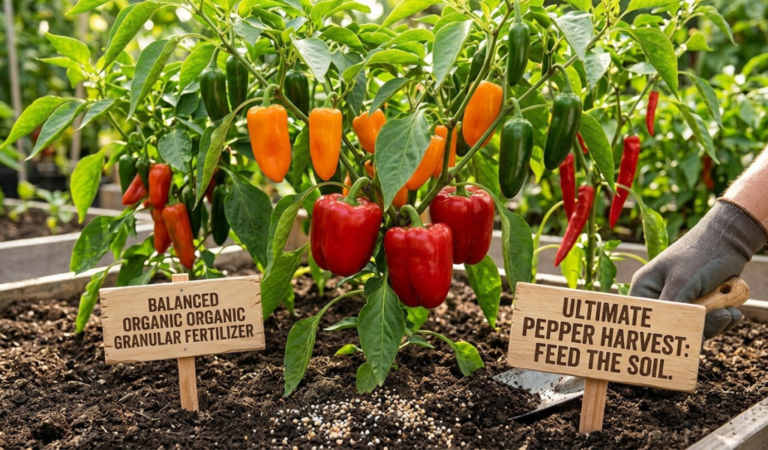
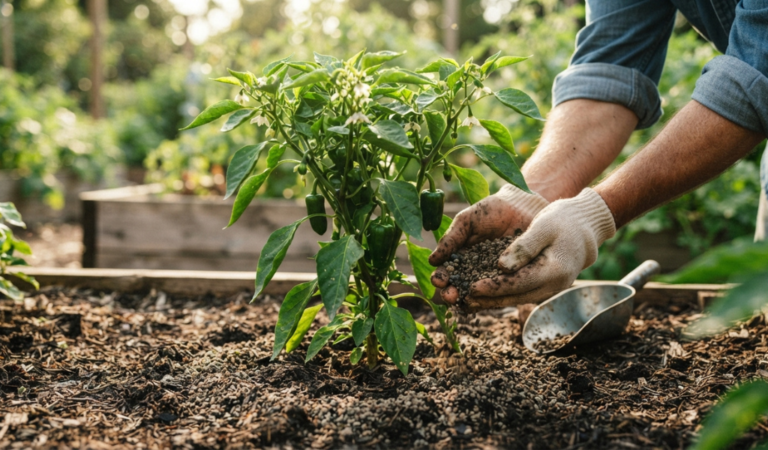
Bone meal is the most popular organic choice. It is often rated around 3-15-0 and adds calcium, which also helps lower the risk of blossom-end rot. Rock phosphate works more slowly and suits soil building before planting, especially in acidic soil. Fish bone meal, composted poultry manure and well-aged compost add phosphorus along with micronutrients and organic matter. Seaweed and fish emulsion are gentle liquid options for watering in or for a light foliar spray.
 Place organic phosphorus near the roots because it moves very little in soil. Mix a small handful of bone meal into each planting hole, or work it into the top few inches of soil around the plant. Sprinkling it on the surface does little. Remember also that organic sources need warm, active soil and healthy microbes to release their nutrients, so results take weeks and not days.
Best Chemical Fertilizers for Correcting Phosphorus Deficiency
Water-soluble fertilizers with a high middle number work fastest. Blends such as 10-52-10 or 15-30-15 dissolve in water and reach the roots within days. They suit seedlings, container plants and drip systems. Granular products such as triple superphosphate (0-46-0) and monoammonium phosphate (11-52-0) are strong sources for soil application before planting or as a side dressing.
For regular feeding, a balanced pepper fertilizer such as 5-10-10 or 10-10-10 covers the basic needs. Once flowering starts, lower the nitrogen a little and keep phosphorus and potassium steady. In fertigation systems, avoid mixing phosphate with calcium sources in the same tank, since they can form solids that clog lines and lock up both nutrients. Always follow label rates. Start with half strength on stressed plants because weak roots burn easily.
How to Treat Phosphorus Deficiency in Pepper Plants Naturally and Effectively
Treatment works best when the fertilizer and the growing conditions improve together. Adding phosphorus to soil that is cold, too acidic or soggy gives poor results. Fix the conditions first and then feed.
Improving Soil Conditions for Better Phosphorus Uptake
Soil temperature is the first factor. Pepper roots take up phosphorus poorly below about 60°F (15°C). Black plastic, clear mulch and row covers can raise soil warmth in spring, and it helps to wait for settled weather before transplanting.
Soil pH comes next. Phosphorus is most available in a range of 6.0 to 6.8. In acidic soil it binds with iron and aluminum, and in alkaline soil it binds with calcium. Lime raises a low pH, while sulfur lowers a high one. Compost adds organic matter, improves soil structure and feeds helpful microbes. Mycorrhizal fungi extend the reach of roots and improve nutrient uptake, so adding them at planting is a smart step. Loosen compacted soil and improve drainage, because roots in waterlogged soil cannot take up nutrients well. Raised beds work well in heavy ground, and good drainage holes matter for plastic pots.
Proper Fertilizer Application and Watering Practices
Placement and timing matter as much as the product. Apply phosphorus near the root zone, either mixed into the planting hole or banded a few inches to the side of the plant. For quick recovery use a diluted liquid feed every one to two weeks until new growth looks healthy. A foliar spray can give short-term relief, but leaves absorb only small amounts, so it should not replace soil feeding.
Water consistently. Dry soil limits nutrient movement to the roots, while soggy soil starves them of oxygen. Deep watering a few times each week works better than light daily sprinkles. Mulch holds moisture and keeps soil temperature steady. Avoid overfeeding as well. Too much phosphorus can block zinc and iron uptake and create new deficiency symptoms. If a soil test already shows high phosphorus, hold off on adding more and look at pH or temperature instead.
How to Prevent Phosphorus Deficiency in Pepper Plants During the Growing Season
Prevention costs less than recovery. A plan that starts before planting and continues through harvest keeps plants steady and protects pepper production. Run a soil test every year or two to learn phosphorus, pH and micronutrient levels. Use the results to plan balanced fertilization instead of guessing.
Harden off seedlings slowly and transplant only when nights stay warm. Feed on a simple schedule. Use a starter fertilizer at transplant, a balanced feed at early flowering and a lower nitrogen feed once fruit begins to develop. Keep an eye on calcium, magnesium and boron too. A balanced nutrient solution supports sustainable nutrient management and lowers the risk of blossom-end rot.
Soil Preparation and pH Management
Prepare beds several weeks before planting. Work in two to three inches of compost and add bone meal or another phosphorus source based on the test results. Adjust pH early because lime and sulfur take weeks to act. Aim for 6.0 to 6.8 for most pepper cultivars.
Heavy clay needs extra organic matter and raised rows for better drainage. Sandy soil needs compost and smaller, more frequent feedings since nutrients wash out fast. For plastic pots use a quality potting mix with a slow-release fertilizer. Rotate pepper beds with crops from other plant families and avoid deep tillage that damages soil structure. Healthy soil holds nutrients where roots can reach them.
Common Mistakes to Avoid When Treating Phosphorus Deficiency in Pepper Plants
The first mistake is adding fertilizer without testing the soil. Purple leaves do not always mean low phosphorus, and extra phosphorus on already rich soil can lock out zinc and iron. A quick soil test avoids this waste. When dealing with Phosphorus Deficiency in Pepper Plants, checking existing nutrient levels helps prevent unnecessary fertilizer applications and keeps the soil balanced. The second mistake is ignoring cold soil. Many growers rush to feed seedlings that only need warmth. Fertilizer will not help much until root temperatures rise. The third is skipping pH checks. Even a perfect phosphorus product fails when the pH is too high or too low.
Another common error is applying phosphorus on top of the soil. Because it moves slowly, it must be placed near the roots, where pepper plants can access it more easily. Heavy nitrogen feeding is also a problem. It pushes leafy growth and hides the need for phosphorus, which leads to big plants and poor fruit set. Overwatering and poor drainage create trouble as well, since waterlogged roots cannot absorb nutrients properly. These conditions can make Phosphorus Deficiency in Pepper Plants harder to correct, even when the right fertilizer is available.
Finally, many growers expect overnight results. New growth takes one to two weeks to improve, and damaged older leaves will not turn green again. Avoid adding more fertilizer too quickly, as excessive nutrients can create additional problems. Instead, maintain proper watering, improve drainage, check soil pH, and give the roots enough time to recover. Judge recovery by the health of new leaves, and stay patient.
Final Thoughts
Phosphorus deficiency in pepper plants is easy to prevent and treat when you know what to look for. Watch for dark green leaves with a purple tint, slow growth and weak flowering. Check soil temperature and pH before adding anything, and confirm the problem with a soil test when possible. Use bone meal or compost for lasting soil health and a water-soluble feed for fast recovery. Keep nitrogen in check and support other nutrients such as calcium, boron and potassium so the whole plant stays balanced.
Healthy roots lead to healthy peppers. Test your soil this week, correct pH if needed and set up a simple feeding plan for the next growing cycle. A little planning now will protect your yield and fruit quality all season.
Frequently Asked Questions
How to increase phosphorus in plants naturally?
Add bone meal, rock phosphate, fish bone meal or well-aged compost to the soil near the roots. Keep soil pH between 6.0 and 6.8 so phosphorus stays available. Mycorrhizal fungi and warm, well-drained soil also improve uptake. Natural sources work slowly, so apply them before planting for the best results.
Do red bell peppers have more nutrients than green bell peppers?
Yes. Red bell peppers are fully ripened green peppers, and they carry more vitamin C and beta carotene than green ones. They also taste sweeter. Green peppers are picked earlier and have a more bitter, grassy flavor, but both types are healthy choices.
How to revive pepper plants?
Start by finding the cause, whether it is cold soil, poor drainage, low nutrients or pests. Fix watering habits, warm the soil and test pH. Feed with a diluted balanced fertilizer and remove badly damaged leaves. Give the plant one to two weeks and watch new growth for signs of recovery.
What type of fertilizer is best for peppers and tomatoes?
Both crops do well with a balanced fertilizer that is not too high in nitrogen, such as 5-10-10 or a similar organic blend. Higher phosphorus and potassium help flowers and fruit. Add a calcium source such as bone meal or gypsum to lower the risk of blossom-end rot in both crops.
How can I identify phosphorus deficiency in pepper plants?
Look for dark green or bluish leaves with purple tints on the underside of older leaves. Growth is slow, stems are thin and flowering is late. Compare these signs with nitrogen, potassium and magnesium shortages, and confirm with a soil or leaf tissue test.
What causes phosphorus deficiency in pepper plants?
The most common causes are cold soil, very acidic or alkaline pH, compacted or waterlogged soil and low organic matter. Heavy leaching in sandy soil and a lack of phosphorus in the fertilizer program can also play a part. Often the soil holds enough phosphorus, but the roots simply cannot reach it.