Diatomaceous Earth for Tomato Plants: Best Application Tips
Diatomaceous Earth for Tomato Plants: Benefits, Uses, and Safety Tips
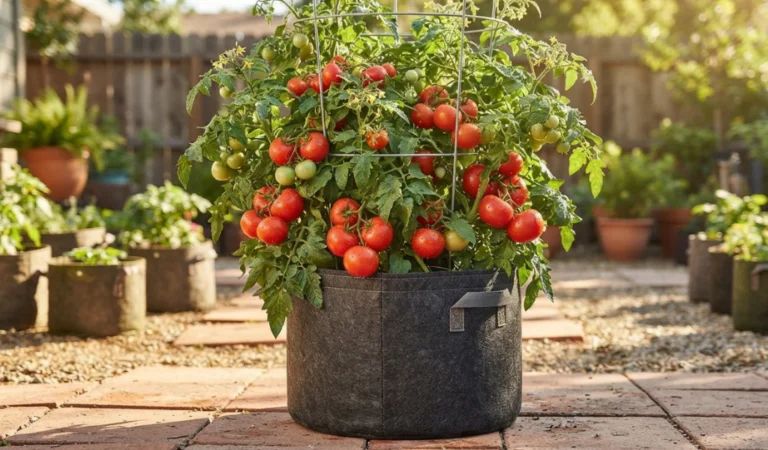
Few things hurt more than watching pests chew through tomato plants you have cared for all season. Leaves turn lacy. Fruit gets scarred. Stems wilt under a swarm of tiny insects. Many home growers reach for strong chemical sprays, but there is a gentler option that costs little and works well when used the right way. Diatomaceous earth for tomato plants has become a popular choice among organic gardeners because it controls many common pests without leaving toxic residue on the fruit. It is a fine powder made from tiny fossilized algae, and it works through simple physical action rather than poison.
Of course, pest control is only half the story. The best fertilizer for tomatoes plants feeds the roots and builds strong growth, while diatomaceous earth for tomato plants defends that growth from hungry insects. Together they make a balanced care routine. This guide explains what the powder is, how it works, and where it fits in a healthy garden. You will also learn how to apply it, when to apply it, and which mistakes to avoid. Whether you grow tomatoes in raised beds, large pots, or open rows, the steps below will help you use this tool safely and get better results.
What Is Diatomaceous Earth and How Does It Work in the Garden?
Diatomaceous earth is a soft white powder made from diatoms. Diatoms are tiny water algae that lived millions of years ago. When they died, their shells sank to the bottom of lakes and oceans and slowly turned into rock. That rock is mined and ground into a fine dust. The shells are made of silica, and each one has very sharp edges when seen under a microscope.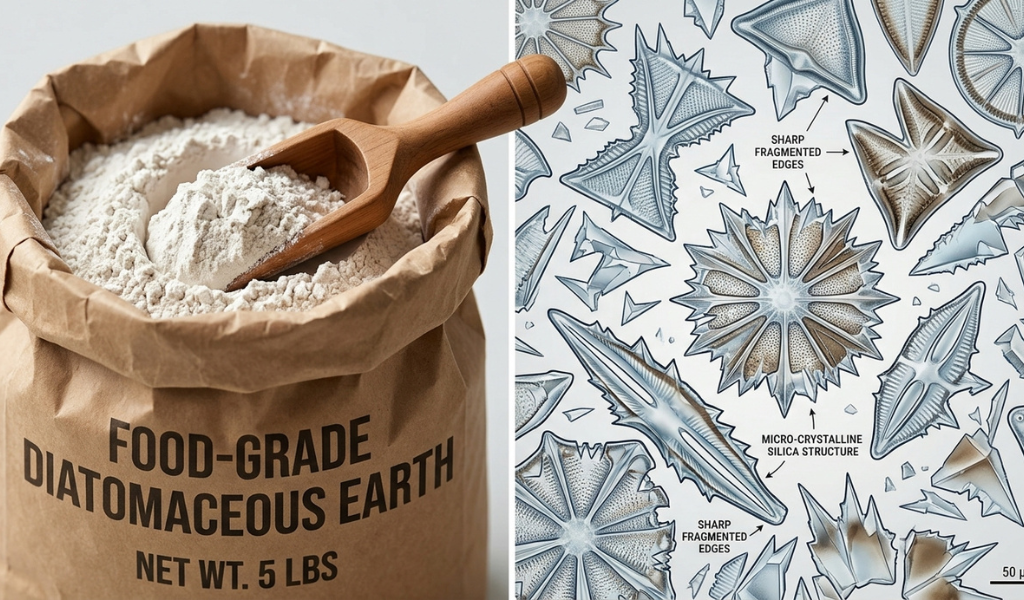
Here is how it works. When a soft-bodied insect crawls over the dust, the sharp particles scratch its waxy outer layer. That layer holds water inside the body. Once it is damaged, the insect slowly dries out. Because the action is physical and not chemical, pests do not build resistance to it. This is why diatomaceous earth for tomato plants remains a reliable choice for gardeners who want fewer sprays. The powder must stay dry to work well, so rain and heavy dew will reduce its strength. It also works slowly, so patience is part of the process.
Benefits of Using Diatomaceous Earth for Tomato Plants
The first benefit is simple pest control without harsh chemicals. Tomato fruit goes straight from the vine to the kitchen, so many growers prefer methods that leave no strong residue. Food-grade powder fits that need when applied lightly and with care. The second benefit is cost. A single bag covers many plants and lasts through a full season in a small garden.
Another benefit is that pests cannot adapt to it. Chemical sprays often lose strength over time as insects adjust. The physical action of diatomaceous earth for tomato plants stays the same year after year. It also works in many spots at once. You can dust leaves and stems, spread it on soil, or sprinkle it along bed edges. Finally, it stores well. Kept dry in a sealed container, it stays useful from one season to the next. Growers with limited space also like that it suits balcony pots just as well as large garden plots.
Natural Pest Control for Common Tomato Pests
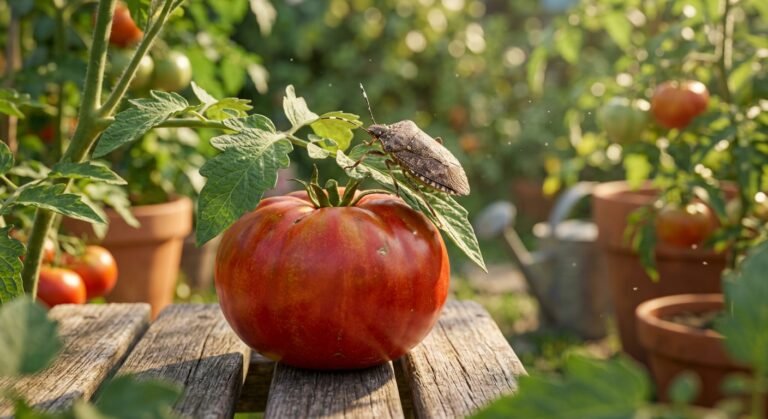
Tomato plants attract a long list of insects. Aphids cluster on new shoots. Spider mites hide under leaves and spin fine webbing. Whiteflies rise in clouds when you touch a branch. Slugs and cutworms attack at ground level. A thin layer of diatomaceous earth for tomato plants affects many of these pests when they crawl across it. It will not remove every insect, but it can lower their numbers enough to protect the harvest. Regular checks and light reapplication keep the pressure down. Think of it as one strong layer in a bigger plan that also includes good spacing and clean garden beds.
Protecting Tomato Leaves, Stems, and Fruits
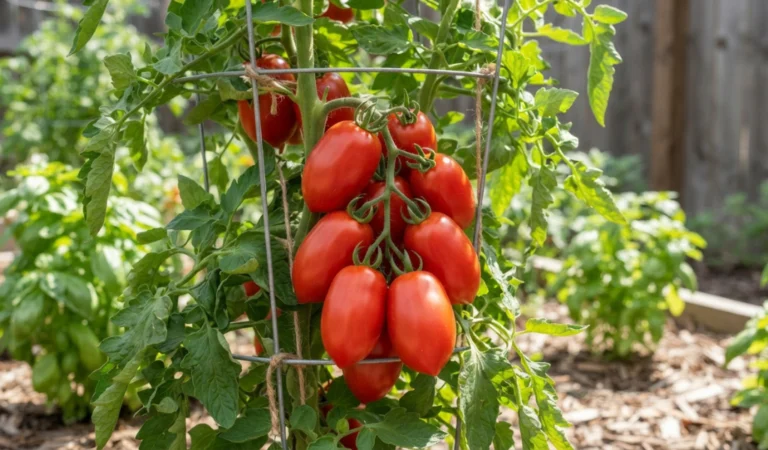
Healthy leaves feed the plant and shade the fruit from harsh sun. When pests chew them, the plant loses energy and the fruit may crack or scald. A light dusting on lower leaves and stems helps guard these parts from crawling insects. Fruit that touches the soil is often attacked by slugs and beetles. A dry ring of powder on the soil beneath the lowest branches can reduce that damage. Rinse harvested tomatoes before eating them. Staking or caging plants also lifts fruit off the ground and makes protection easier.
How to Apply Diatomaceous Earth to Tomato Plants Correctly
Correct application matters more than the amount used. Many gardeners pour on thick layers and then wonder why results are weak. Pests simply walk around heavy piles. A thin, even coat works better. Before starting, choose a dry, calm day and wear a dust mask and eye protection. The steps for diatomaceous earth for tomato plants differ slightly for soil and for foliage, so each is covered below.
Applying Diatomaceous Earth Around the Base of Tomato Plants
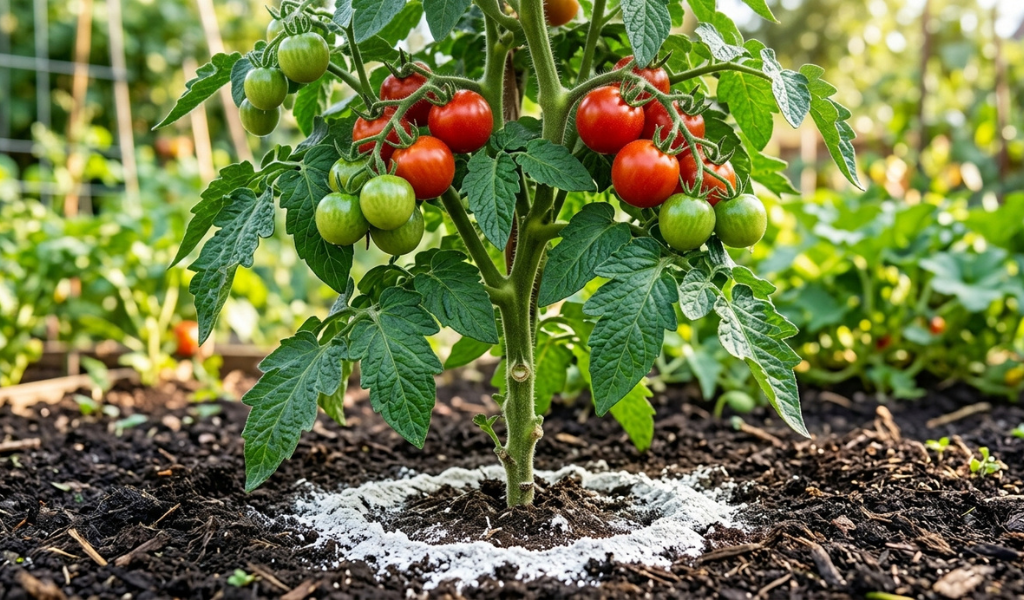
Start at the soil. Sprinkle a thin ring of powder about three inches wide around the base of each stem. This ring blocks cutworms, slugs, and ants as they move toward the plant.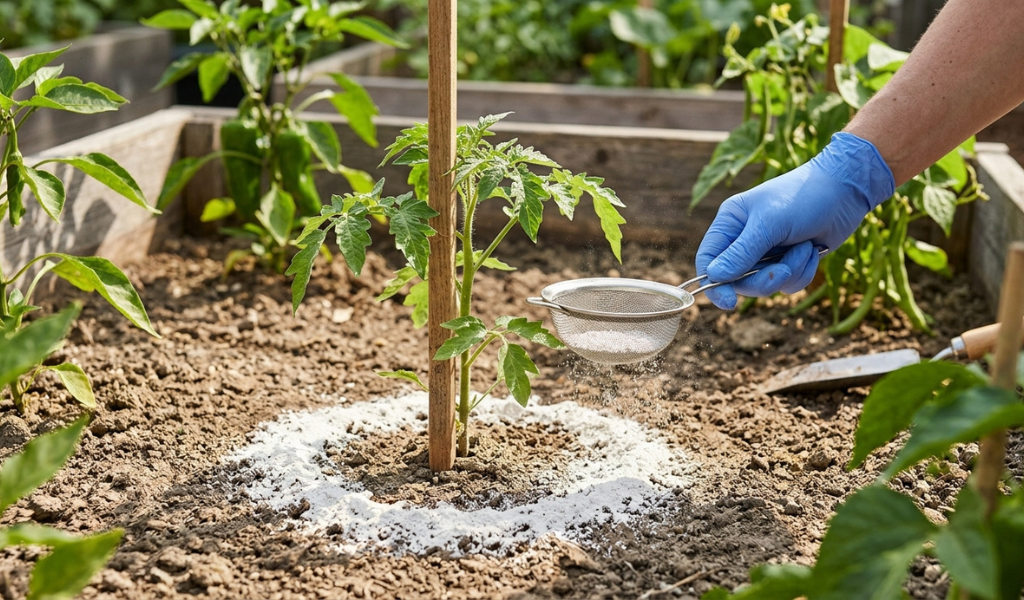 Use a small shaker or a flour sifter for even coverage. For container tomatoes, dust the soil surface and the rim of the pot. If you use mulch such as straw or shredded leaves, apply a light layer over the top. After rain or watering, the powder clumps and loses strength, so sweep it away and apply a fresh ring once the soil dries. Avoid mixing it deep into the soil, since that does little for surface pests.
Dusting Tomato Leaves and Stems for Pest Protection
For leaves, the best time is early morning when a little dew helps the powder stick. Use a hand duster or a clean sock filled with powder and tap it gently over the plant. Focus on the undersides of leaves, since that is where aphids, spider mites, and whiteflies hide. Aim for a light frosting that looks like a faint dusting of flour. A plant that looks white all over has too much. Skip open flowers so pollinators stay safe. Repeat every week during dry weather and again after each rain once the leaves dry. This routine keeps diatomaceous earth for tomato plants working at full strength.
Tomato Pests You Can Control With Diatomaceous Earth
Not every pest responds the same way to the powder. It works best on insects that crawl and have soft bodies. It works poorly on large pests and on those that live inside stems or fruit. Knowing the difference saves time and money. The groups below show where diatomaceous earth for tomato plants helps the most.
Aphids, Spider Mites, and Whiteflies
Aphids are small, soft insects that suck sap from tender growth. They leave sticky residue and curled leaves. Spider mites are even smaller and cause yellow speckles with fine webs under the leaf. Whiteflies feed in groups and fly up when disturbed. A light coat of powder on stems and leaf undersides can slow all three. Aphids and mites respond well because they crawl through the dust. Whiteflies are harder since they fly, so use yellow sticky traps alongside the powder. A gentle spray of water before dusting can knock off heavy infestations and give the powder a better start.
Cutworms, Slugs, and Other Crawling Insects
Cutworms hide in soil by day and cut young stems at night. Slugs leave ragged holes and slime trails on low leaves and fruit. Both travel over the ground, so a dry ring of powder around each plant gives them a rough path. Earwigs, ants, and some beetles also cross the barrier and may lose moisture. Large tomato hornworms are tougher. Young ones may be affected, but large ones are best picked by hand and dropped into soapy water. A paper collar around each seedling stem adds extra defense against cutworms. Combine these simple steps with diatomaceous earth for tomato plants for stronger protection.
Diatomaceous Earth in Tomato Soil: Improving Garden Protection
Many gardeners ask if the powder improves soil. The honest answer is that it is mainly a pest barrier and not a fertilizer. It contains silica and small traces of minerals, but it does not replace compost, bone meal, or other plant food. Some growers mix a small amount into potting mix to help with drainage and to discourage soil insects. Results vary, so use it lightly. A thin surface layer does more good than a deep mix.
Keep in mind that diatomaceous earth for tomato plants is only one part of soil care. Strong plants need rich soil with steady moisture and balanced feeding. Use compost and a trusted feed first, then add the powder as protection. Avoid spreading it where earthworms are active, since they help build healthy soil. Apply it only to spots with real pest trouble. Test your soil each year if you can, because healthy soil makes plants better able to handle pest pressure on their own.
Food-Grade vs. Pool-Grade Diatomaceous Earth for Tomato Plants
Two main types of diatomaceous earth are sold. Food-grade is made from natural freshwater diatoms and is the type safe for gardens. Pool-grade is heated and treated for use in filters. That process changes its structure and makes it harmful to breathe. Never use pool-grade powder on tomatoes or in any garden.
When buying diatomaceous earth for tomato plants, look for the words food-grade on the label. The product should be mostly amorphous silica with very little crystalline silica. Check that the bag is meant for garden use. Store it in a dry, sealed container away from children and pets. Even food-grade powder irritates lungs and eyes, so a mask is still needed during use. A quality brand costs slightly more but reduces risk.
Potential Risks, Side Effects, and Mistakes to Avoid When Using Diatomaceous Earth
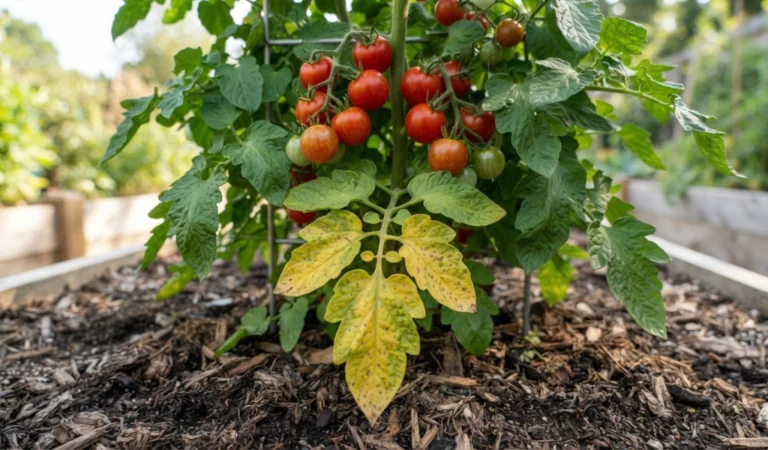
The powder is safe when handled well, but misuse causes problems. The most common mistakes include using too much, applying on wet leaves, and covering flowers. Some gardeners also expect it to cure diseases like blight or blossom end rot. It will not, since those problems do not come from crawling insects. Applying it blindly across the whole garden also harms helpful species. The next sections cover the main risks in more detail.
Effects on Beneficial Insects and Pollinators
Diatomaceous earth does not choose its targets. Ladybugs, lacewings, ground beetles, and bees can all be harmed if they touch the dust. Tomato flowers rely on bumblebees that shake the blossoms to release pollen. Powder on open flowers could hurt these helpers and reduce fruit set. To protect them, apply diatomaceous earth for tomato plants only to lower stems, leaf undersides, and soil.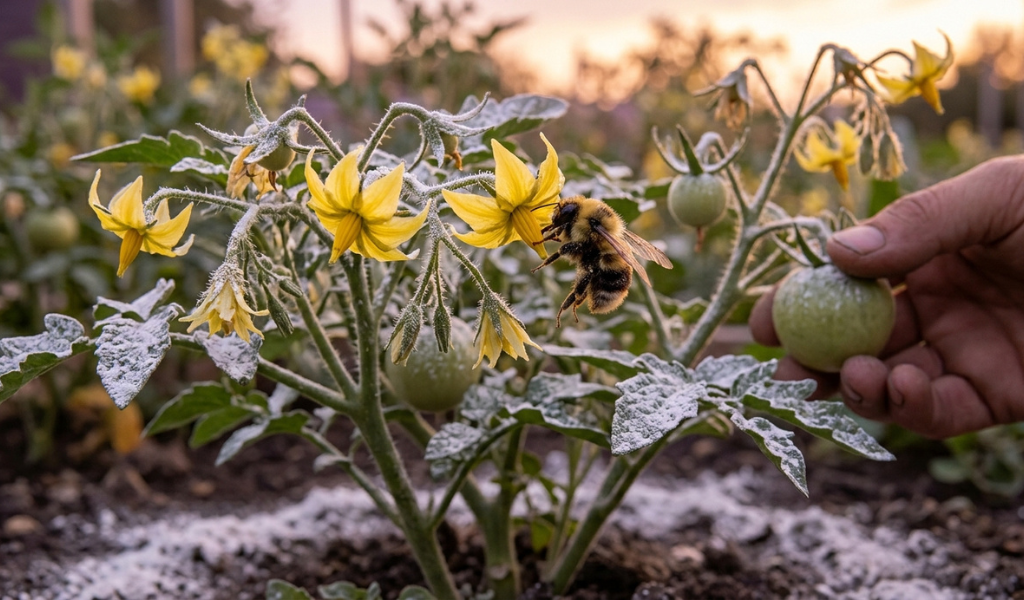 Dust in the evening after bees stop flying. Skip flowering branches. If you see many beneficial insects on a plant, treat only the problem area. A careful approach keeps your garden balanced while still guarding the crop.
Safe Handling and Application Precautions
Fine dust can irritate lungs, eyes, and skin. Wear a dust mask, safety glasses, and gloves every time. Apply on calm days so the powder does not blow into your face. Keep pets and children away until the dust settles. Wash your hands after use. Do not breathe it in, even if the bag says food-grade. Keep a small amount in a shaker so you do not pour from the main bag. Rinse harvested tomatoes before eating. These simple habits make diatomaceous earth for tomato plants a safe addition to your routine.
Best Time to Use Diatomaceous Earth for Healthier Tomato Plants
Timing makes a big difference. Early morning or late evening is best, since bees are less active and winds are calm. Start when you first see signs of pests such as holes or webbing, rather than waiting for heavy damage. Young seedlings benefit from a ring around the base right after transplanting, since cutworms and slugs attack early.
Reapply about once a week during dry weather. After rain or heavy watering, reapply once leaves and soil dry. In humid regions you may need to use it more often or switch to spot treatments. Pause dusting when flowers open wide and bees visit often. Late in the season, clean up plant debris and old powder to reduce hiding places for pests. Using diatomaceous earth for tomato plants at the right moments gives the best protection with the least waste.
Final Thoughts
Diatomaceous earth for tomato plants is a simple, affordable, and natural tool for fighting crawling pests. It works best when it is food-grade, applied in thin layers on dry days, and kept away from flowers. It will not fix disease or feed the plant, so pair it with good soil and the best fertilizer for tomatoes plants. Check your plants often and treat only where needed. Ready to protect your harvest? Pick up a bag of food-grade powder and try it on a few plants this week. Keep notes on what works so next season goes even better.
Frequently Asked Questions
How to use diatomaceous earth for tomato plants?
Choose food-grade powder and wear a dust mask. Dust a thin layer on leaf undersides and stems in the morning, and sprinkle a ring on the soil around the base. Skip open flowers. Reapply weekly in dry weather and after rain once everything dries. Always use diatomaceous earth for tomato plants lightly.
What is a good natural fertilizer for tomato plants?
Compost is a strong choice. Aged manure, worm castings, bone meal, and fish emulsion also work well. These feed the plant, while diatomaceous earth only protects it from pests. Choose one or two feeds and follow the label rates.
Should I sprinkle diatomaceous earth on tomato plants?
Yes, but only lightly and only where pests are a problem. Focus on soil rings and leaf undersides. Avoid flowers. A heavy coat wastes powder and can harm helpful insects.
What’s affecting my tomato plants with diatomaceous earth?
Several things can reduce results. Wet leaves wash the powder away. Pool-grade product is harmful and should never be used. Thick coats look messy and waste product, and powder on flowers can hurt bees. Spots or wilting usually come from fungus or poor watering and not from the powder itself.
Is diatomaceous earth safe for tomato plants?
Food-grade diatomaceous earth for tomato plants is considered safe for the plant when used lightly. The main risk is to people who breathe the dust and to bees if flowers are coated. Wear protection and rinse fruit before eating.
Does diatomaceous earth kill bugs on tomato plants?
Yes. It kills many soft-bodied crawling insects such as aphids, mites, slugs, and cutworms by drying them out. It works slowly over several days. It is less effective on flying pests and large caterpillars.
How often should I apply diatomaceous earth to tomato plants?
Apply every five to seven days during dry weather and after each rain once surfaces dry. Reduce use while flowers are open and bees are active. Stop when pests are gone.