Tomato Growing Tips: How to Grow Tomatoes Successfully
The Ultimate Tomato Growing Guide: Tips for Healthy Plants and Bigger Tomatoes
Growing your own tomatoes sounds simple until your plants end up leggy, your fruit splits, or worse, nothing grows at all. The truth is, most tomato growing tips you find online skip the details that actually matter. This guide walks through everything from picking the right variety to knowing exactly when to harvest, so you can grow tomatoes that taste better than anything from the grocery store.
Whether you’re working with a backyard garden bed or a few containers on a balcony, these tomato growing tips are built for real results. We’ll cover soil prep, watering schedules, the best fertilizer for tomato plants, pest control, and pruning techniques that experienced gardeners swear by. By the end, you’ll have a clear roadmap for growing tomatoes that are healthier, more productive, and genuinely satisfying to pick.
Understanding Tomato Plant Growth
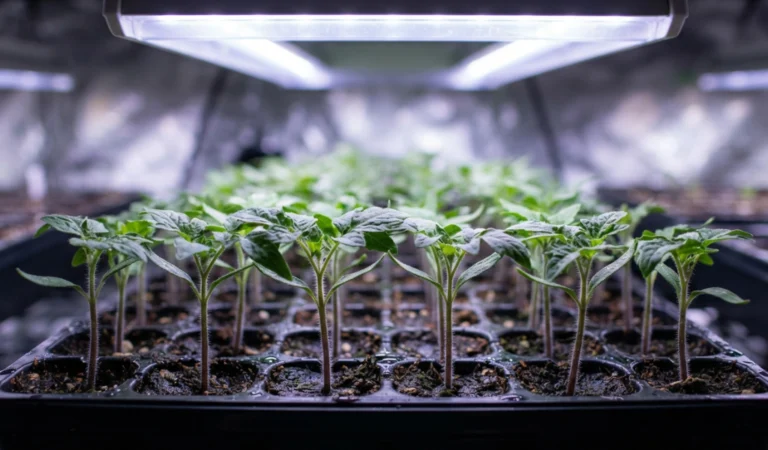
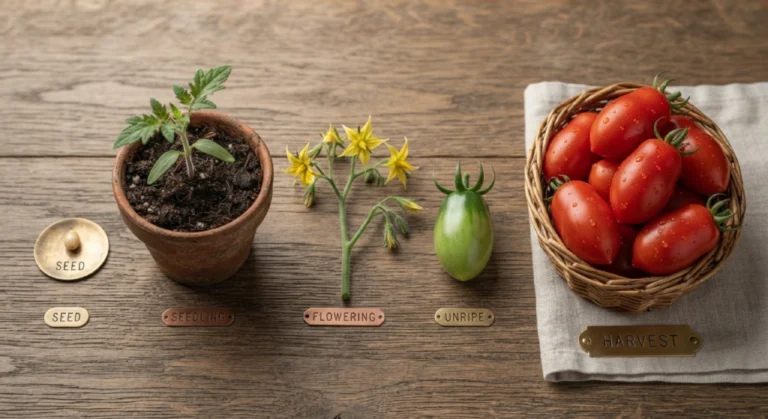
Before planting a single seed, it helps to understand how tomato plants actually grow. Tomatoes are warm-season crops that thrive in temperatures between 65 and 85 degrees Fahrenheit. They grow through several stages: germination, seedling development, vegetative growth, flowering, and fruiting.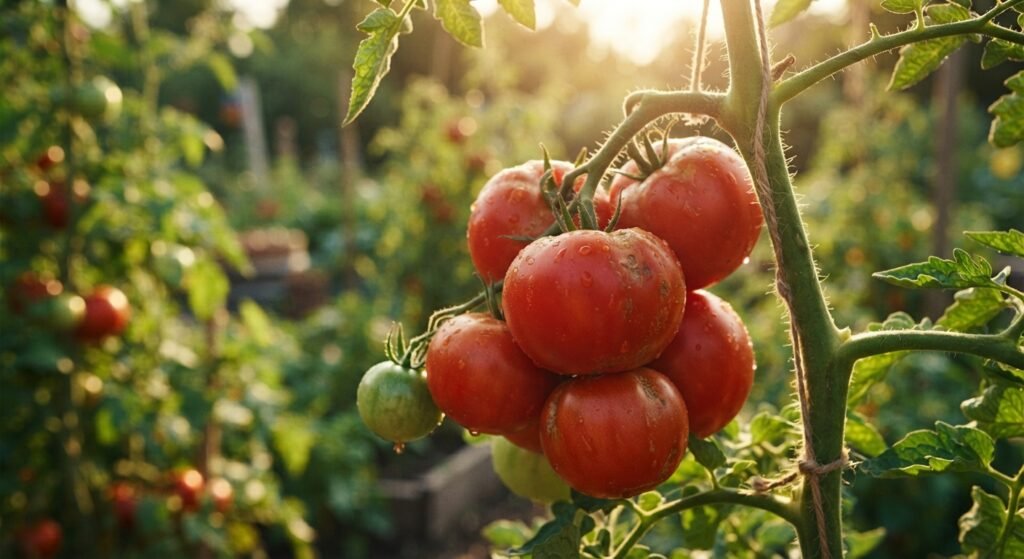
There are two main types of tomato plants: determinate and indeterminate. Determinate varieties grow to a fixed height, produce fruit within a shorter window, and then stop growing. These are great for gardeners who want a single large harvest, often for canning or sauce-making. Indeterminate varieties, on the other hand, keep growing and producing fruit until frost kills the plant. Most heirloom tomatoes fall into this category.
Knowing which type you’re growing changes how you approach staking, pruning, and fertilizing. Indeterminate plants need more support and regular maintenance throughout the season, while determinate plants require less ongoing care but demand precise timing for planting and harvesting.
Choosing the Best Tomato Variety
Not all tomatoes are created equal, and choosing the right variety can make or break your growing season. If you’re new to gardening, start with reliable varieties like ‘Better Boy,’ ‘Celebrity,’ or ‘Early Girl.’ These are disease-resistant, forgiving of minor care mistakes, and produce consistently.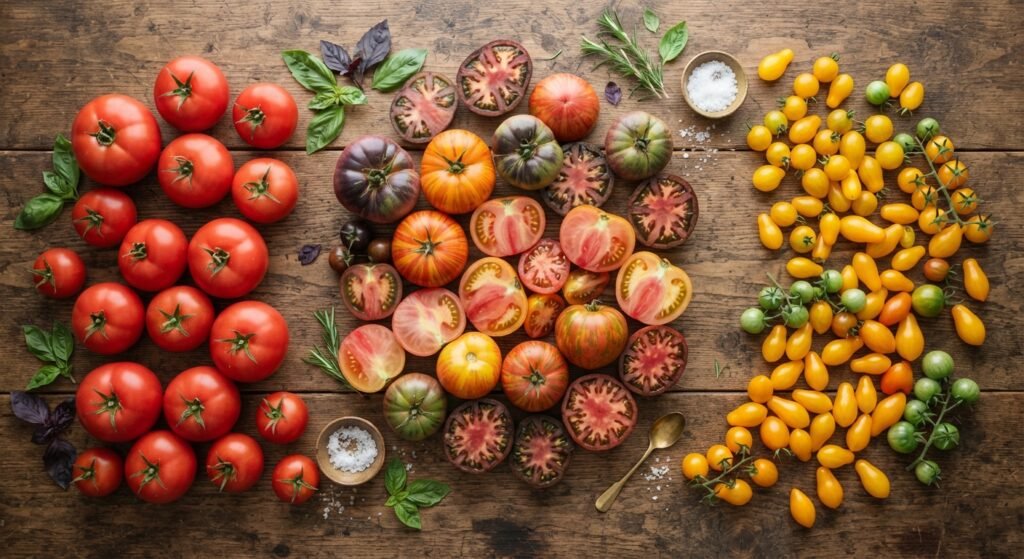
For gardeners chasing flavor, heirloom varieties like ‘Brandywine’ or ‘Cherokee Purple’ offer rich, complex taste, though they tend to be more susceptible to disease and cracking. Cherry tomatoes such as ‘Sun Gold’ or ‘Sweet 100’ are ideal for small spaces and container gardening, plus they tend to produce heavily even in less-than-perfect conditions.
Consider your climate too. Gardeners in shorter growing seasons should look for varieties labeled “early maturing,” while those in hot, humid regions benefit from disease-resistant hybrids bred specifically for those conditions. Reading seed packets or plant tags for days-to-maturity and disease resistance codes (like VFN, which stands for resistance to Verticillium wilt, Fusarium wilt, and Nematodes) saves a lot of frustration later.
Finding the Ideal Growing Location
Tomatoes are sun worshippers. They need at least six to eight hours of direct sunlight daily to produce well. Choose a spot in your yard or patio that gets consistent morning and afternoon sun, away from the shade of trees, fences, or buildings.
Good air circulation matters just as much as sunlight. Tomato plants packed too closely together, or crowded near walls, are more prone to fungal diseases like blight. Spacing plants two to three feet apart allows air to move freely and reduces moisture buildup on leaves.
If you’re growing in containers, pick pots that are at least 18 to 24 inches deep with good drainage holes. Container-grown tomatoes dry out faster than those in the ground, so location near a reliable water source is worth considering.
Avoid planting tomatoes in the same spot where you grew tomatoes, peppers, eggplants, or potatoes the previous year. These plants belong to the nightshade family and share common soil-borne diseases. Rotating your planting location every year helps keep the soil healthier long term.
Preparing Soil for Tomatoes
Healthy soil is the foundation of a strong tomato harvest. Tomatoes prefer well-draining, slightly acidic soil with a pH between 6.2 and 6.8. Testing your soil with an inexpensive kit from a garden center gives you a clear starting point.
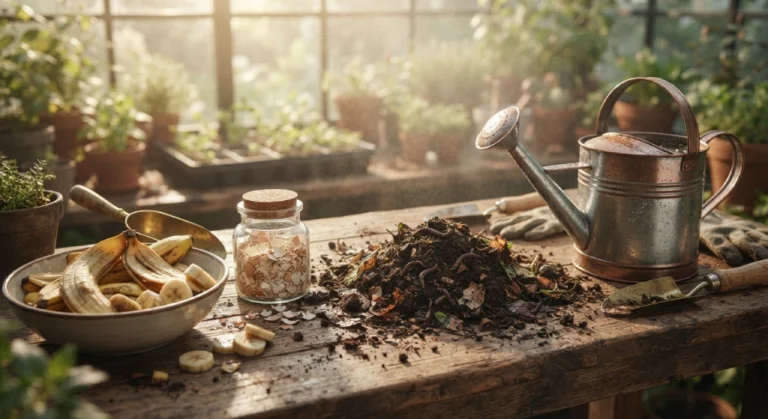
Work in generous amounts of compost or well-rotted manure a few weeks before planting. This improves soil structure, adds organic matter, and boosts microbial activity, all of which help roots establish quickly. If your soil is heavy clay, mix in some coarse sand or perlite to improve drainage. Sandy soil benefits from added compost to help it retain moisture and nutrients.
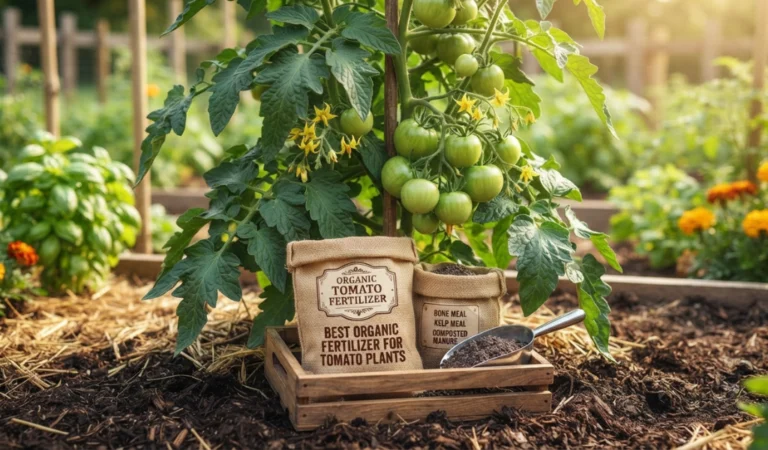
This is also the point where many gardeners start thinking about the best fertilizer for tomato plants. A balanced starter fertilizer with an NPK ratio like 5-10-10 or 10-10-10 works well when mixed into the soil before planting, since tomatoes need phosphorus and potassium early on to build strong roots. Avoid using fertilizers overly high in nitrogen at this stage, since that encourages leafy growth at the expense of fruit development later.
Planting Tomatoes the Right Way
Timing matters when it comes to planting. Wait until nighttime temperatures consistently stay above 50 degrees Fahrenheit and all danger of frost has passed. Planting too early can stunt growth or kill young seedlings.
When it’s time to plant, bury tomato seedlings deeper than they were in their nursery pots, up to two-thirds of the stem. Tomato stems grow roots along their length when buried, creating a stronger, more extensive root system. Remove the lower leaves before planting so only the top set remains above soil.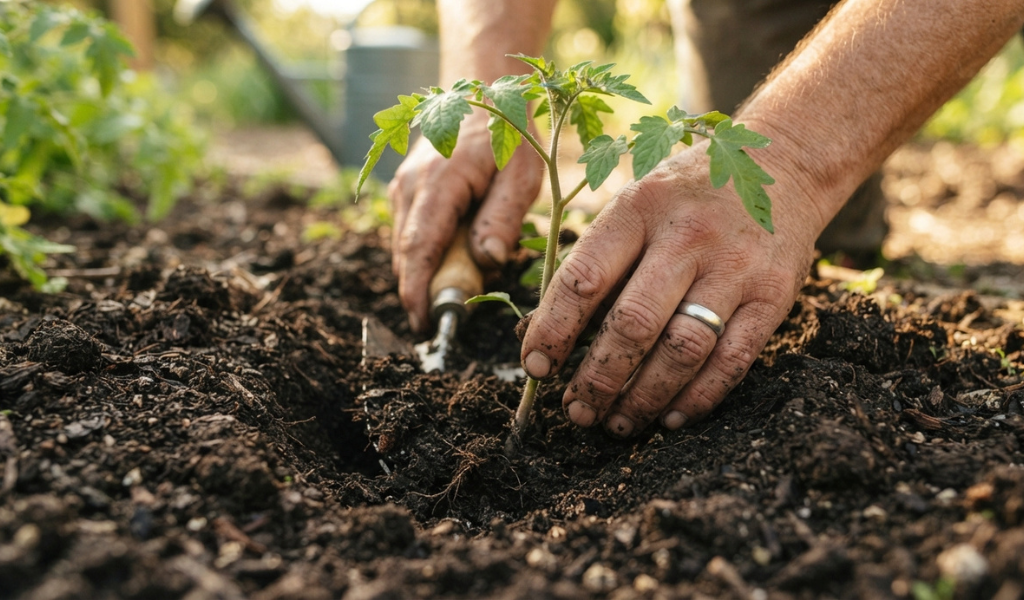
Space plants according to their mature size. Determinate varieties usually need about two feet between plants, while sprawling indeterminate varieties benefit from three feet or more. Water thoroughly right after planting to help settle the soil around the roots and reduce transplant shock.
Watering Tomato Plants
Consistent watering is one of the most important tomato growing tips for preventing common problems like blossom end rot and fruit cracking. Tomatoes need about one to two inches of water per week, delivered slowly and deeply rather than through frequent shallow sprinkles.
Watering at the base of the plant, rather than overhead, keeps foliage dry and reduces the risk of fungal disease. Drip irrigation or soaker hoses work particularly well for this. Morning watering is best, since it gives leaves time to dry before evening and reduces disease pressure overnight.
Inconsistent watering, letting soil dry out completely and then flooding it, is one of the biggest causes of blossom end rot, a condition that shows up as dark, sunken spots on the bottom of fruit. Keeping soil evenly moist, especially during fruit development, goes a long way toward preventing this issue.
Fertilizing for Healthy Growth
Once plants are established and growing, fertilizing becomes an ongoing part of care. Tomatoes are heavy feeders, and choosing the best fertilizer for tomato plants at each growth stage makes a noticeable difference in yield and fruit quality.
During early vegetative growth, a balanced fertilizer supports steady leaf and stem development. Once flowering begins, switch to a fertilizer higher in phosphorus and potassium, such as one with an NPK ratio of 5-10-15, to encourage strong flower and fruit production. Organic options like fish emulsion, bone meal, or compost tea are also popular among gardeners who prefer to avoid synthetic chemicals.
Apply fertilizer every two to three weeks throughout the growing season, following package instructions to avoid overfeeding. Too much nitrogen late in the season leads to lush green plants with little fruit, so adjusting your fertilizer mix as the season progresses pays off.
Mulching and Weed Control
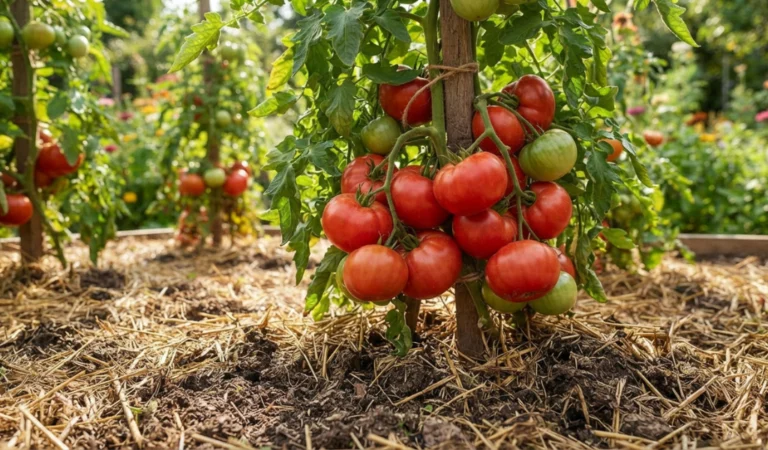
Mulch does more heavy lifting than most beginner gardeners realize. A two to three inch layer of organic mulch, like straw, shredded leaves, or grass clippings, helps retain soil moisture, regulate soil temperature, and suppress weeds that compete with tomato plants for nutrients.
Mulching also prevents soil from splashing onto lower leaves during watering or rain, which is one of the main ways fungal diseases spread. Apply mulch after the soil has warmed up in late spring, leaving a small gap around the base of the stem to prevent rot.
Weeding regularly, especially early in the season before mulch is fully established, keeps competition for nutrients and water to a minimum. A few minutes of hand-weeding each week is far easier than dealing with an overgrown bed later.
Staking, Caging, and Trellising Tomatoes
Supporting tomato plants keeps fruit off the ground, improves air circulation, and makes harvesting easier. The right support method depends on the variety you’re growing.
For determinate varieties, a simple cage often provides enough support. Indeterminate varieties, which can grow six feet or taller, usually need sturdier options like the Florida weave trellis system or tall stakes paired with regular tying as the plant grows.
Install stakes or cages at planting time, or shortly after, to avoid damaging roots later in the season. Use soft plant ties or strips of cloth to secure stems, checking every week or two to loosen ties as the stem thickens.
Pruning Tomato Plants
Pruning helps direct a plant’s energy toward fruit production rather than excessive foliage. This is particularly important for indeterminate varieties, which can quickly become a tangled mess without regular maintenance.
The main technique involves removing “suckers,” the small shoots that grow in the joint between the main stem and a branch. Left unchecked, suckers grow into full stems that compete for nutrients and sunlight. Pinch these off with your fingers while they’re small, ideally once a week during peak growing season.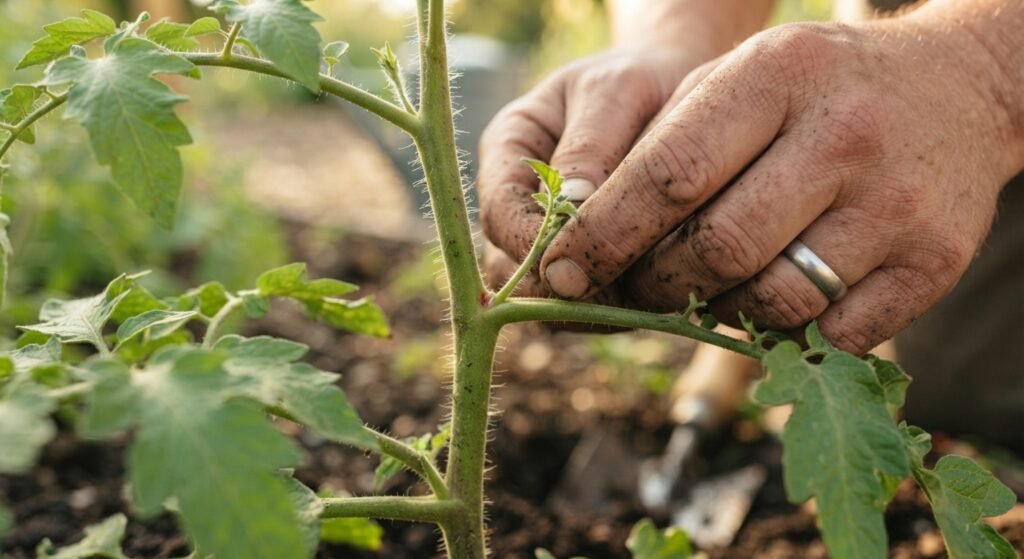
It’s also worth removing yellowing or diseased lower leaves throughout the season, along with any foliage touching the soil. This improves air circulation and reduces the risk of soil-borne diseases splashing up onto healthy parts of the plant. Determinate varieties need minimal pruning, since removing too much growth can reduce your overall harvest.
Managing Tomato Pests and Diseases
Tomato plants face a fair number of pests and diseases, but most are manageable with early detection and consistent care. Common pests include aphids, hornworms, whiteflies, and spider mites. Regularly inspecting the undersides of leaves helps catch infestations before they spread. Insecticidal soap or neem oil handles most minor pest problems without harsh chemicals.
Tomato hornworms, in particular, can strip a plant of leaves in a matter of days. Handpicking these large green caterpillars off the plant is often the fastest solution for small gardens.
On the disease side, blight (both early and late) and powdery mildew are among the most common issues. Both spread through moisture on leaves, which is why watering at the base and spacing plants properly makes such a difference. Removing infected leaves promptly and avoiding overhead watering slows the spread significantly. Crop rotation, as mentioned earlier, also reduces the buildup of soil-borne pathogens year after year.
Tips for Better Flowering and Fruit Production
Getting a tomato plant to flower is one thing, getting those flowers to turn into fruit is another. Poor pollination, extreme temperatures, and nutrient imbalances can all interfere with fruit set.
Tomatoes are self-pollinating, but a little help goes a long way. Gently shaking the plant or brushing flowers with a small paintbrush encourages pollen to transfer between flower parts, especially in areas with fewer pollinators or in greenhouse settings.
Extreme heat above 90 degrees Fahrenheit or nighttime temperatures below 55 degrees can cause flowers to drop before they’re pollinated. If you’re gardening in a particularly hot climate, providing afternoon shade during heat waves can help protect blossoms.
Avoid excess nitrogen fertilizer once flowering begins, since it encourages leafy growth over fruit set. Sticking to a balanced or phosphorus-heavy fertilizer schedule during this stage supports better flowering and, ultimately, a bigger harvest.
When to Harvest Tomatoes
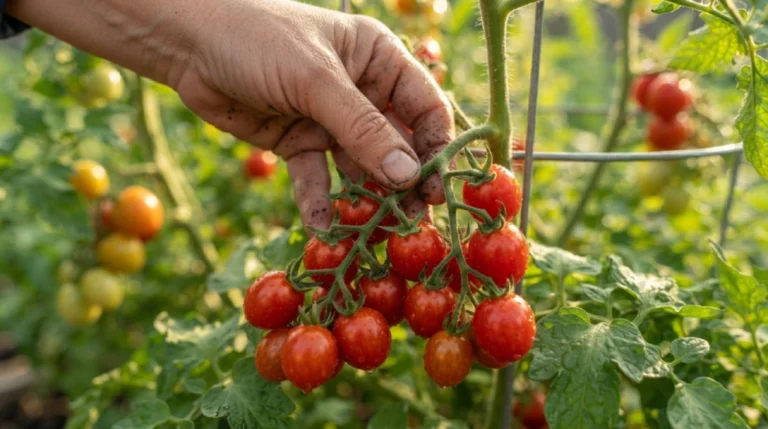
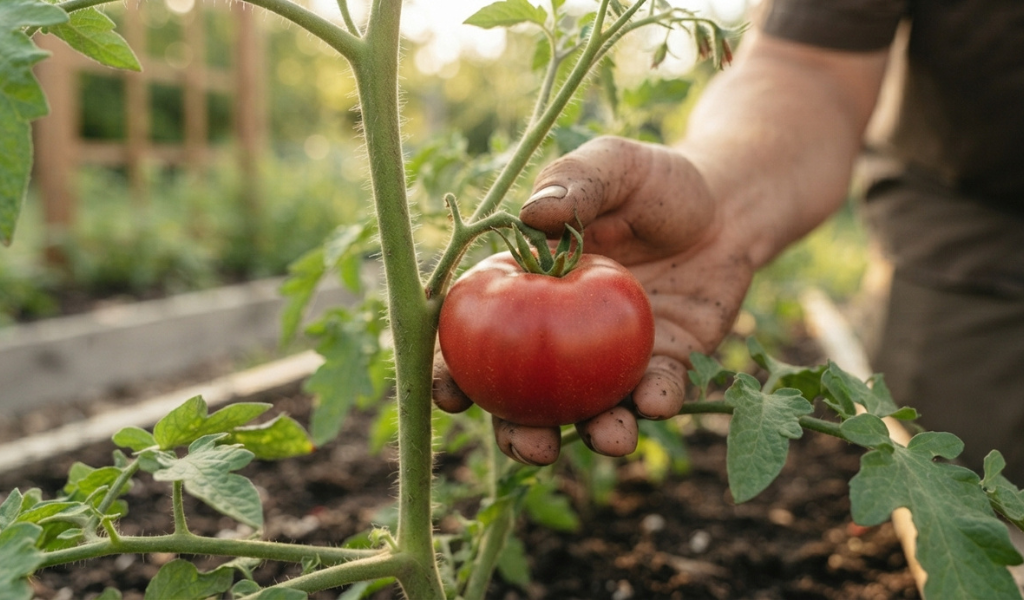
Knowing when to pick tomatoes affects both flavor and texture. Most varieties are ready to harvest when they reach full color, whether that’s red, yellow, orange, or purple depending on the variety, and give slightly when gently squeezed.
Tomatoes continue to ripen after being picked, so it’s fine to harvest them slightly underripe if frost or pests are a concern. Bring them indoors to finish ripening on a countertop away from direct sunlight.
Check plants every couple of days during peak season, since ripe tomatoes left too long on the vine can crack, attract pests, or become overripe. Harvesting regularly also encourages the plant to keep producing more fruit throughout the season.
Final Thoughts on Growing Healthy Tomatoes
Growing great tomatoes comes down to consistency, not perfection. Paying attention to sunlight, soil quality, watering habits, and choosing the best fertilizer for tomato plants at the right stages will take you further than any single trick or shortcut. Start with a variety suited to your climate and space, stay on top of pruning and pest control, and adjust as you learn what works in your specific garden.
Every gardening season teaches something new, and tomatoes are one of the most rewarding crops to experiment with. Pick one or two tips from this guide to focus on this season, whether that’s improving your watering schedule or finally trying a trellis system, and build from there next year.
Frequently Asked Questions About Tomato Growing
How often should I water my tomato plants?
Tomatoes generally need one to two inches of water per week. Water deeply and consistently rather than giving small amounts daily, and adjust based on rainfall and temperature.
What is the best fertilizer for tomato plants?
A balanced fertilizer works well early on, while a phosphorus and potassium-rich fertilizer supports flowering and fruiting once plants mature. Organic options like compost tea and fish emulsion are also effective.
Why are my tomato leaves turning yellow?
Yellow leaves can result from overwatering, nutrient deficiencies, or disease. Check soil moisture first, then consider a soil test if the problem persists.
How do I prevent blossom end rot?
Blossom end rot is usually caused by inconsistent watering, which affects calcium uptake. Keeping soil evenly moist throughout the growing season is the most effective prevention method.
Do I need to prune my tomato plants?
Indeterminate varieties benefit from regular pruning to remove suckers and improve air circulation. Determinate varieties need minimal pruning to avoid reducing overall fruit yield.
How long does it take for tomatoes to grow?
Most tomato varieties take between 60 and 100 days from transplanting to harvest, depending on the variety and growing conditions.
Can I grow tomatoes in containers?
Yes, many varieties, especially cherry and determinate types, grow well in containers at least 18 to 24 inches deep with good drainage.