Red Pepper Growing Tips: Easy Guide to Grow Peppers for Better Harvest
Red Pepper Growing Tips: A Complete Guide to Growing Peppers
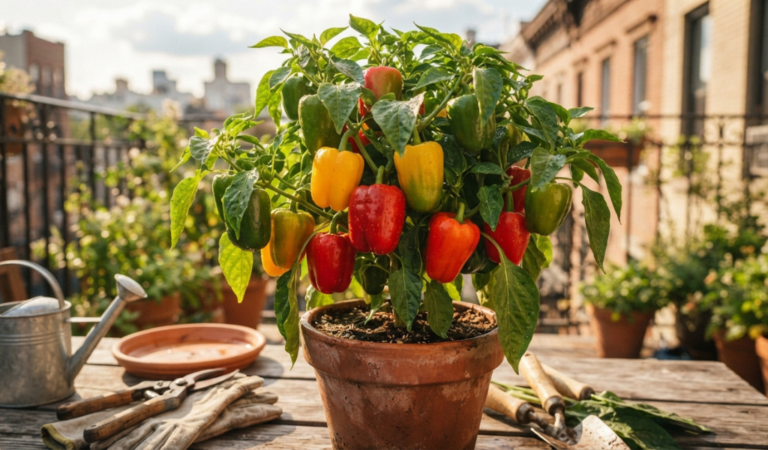
There is something rewarding about picking a glossy red pepper straight from your own garden. These red pepper growing tips will walk you through every stage, from picking the right variety to that satisfying moment when you harvest your first fruit. Whether you dream of sweet bell peppers for salads or hot peppers for cooking, the basics stay the same. Peppers love warmth, steady care, and a bit of patience.
Many gardeners give up too soon, mostly because they plant too early or fuss over their plants in the wrong way. Peppers are actually easy to grow once you understand what they need. This guide covers planting, pepper plant growing tips, watering, feeding, and knowing when to harvest peppers so they reach that deep, full color. Along the way, I will share simple, practical advice that works in garden beds and in pots.
By the end, you will have a clear routine for growing peppers from start to finish. Let’s dig in.
Choose the Right Red Pepper Variety
Your success starts long before planting. The variety you pick shapes how easy the whole growing season will be. Some peppers ripen fast, while others need a long growing season to reach full color. Choosing wisely saves you frustration later.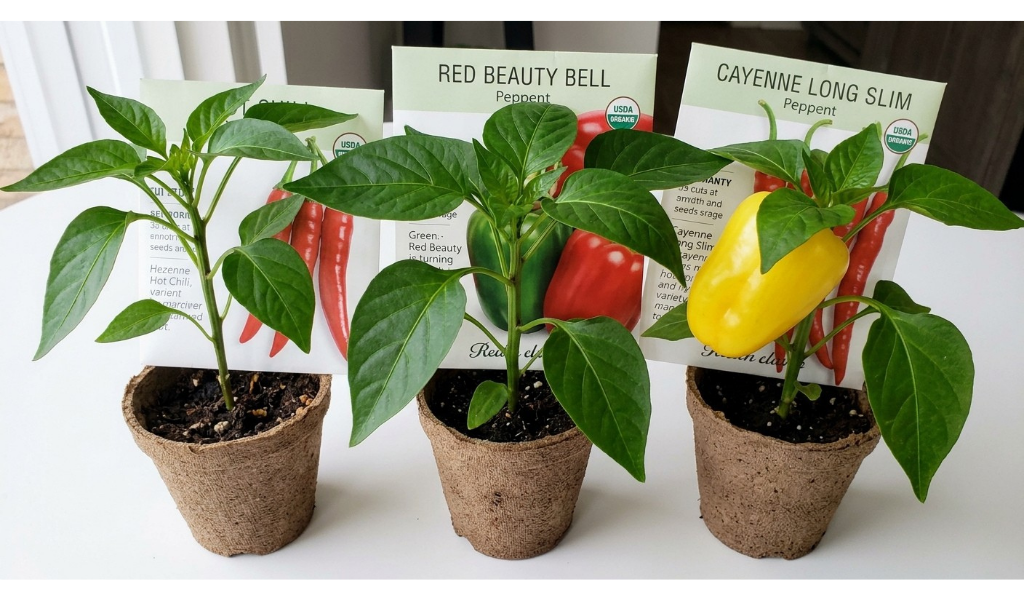
Decide What Kind of Red Pepper You Want
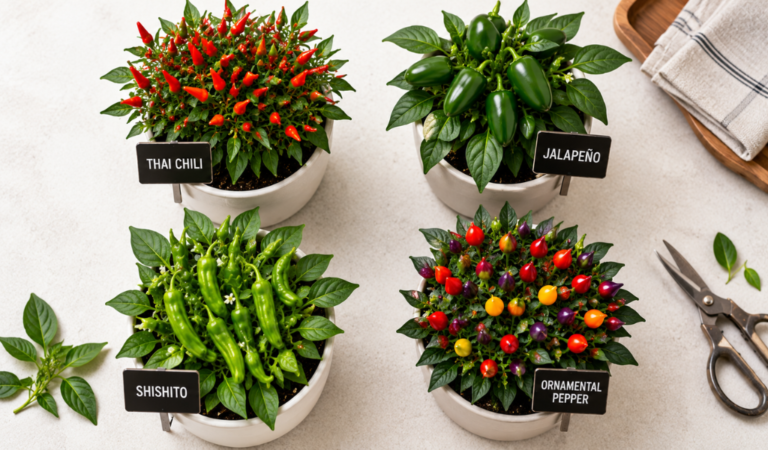
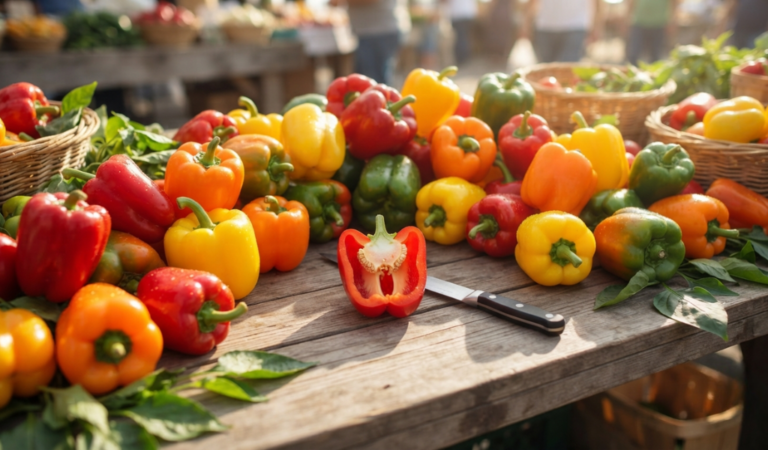
First, think about how you will use your peppers. Do you want sweet bell peppers for stuffing and roasting, or hot peppers for adding heat to meals? Sweet pepper types tend to be milder and thicker walled, while many hot peppers are thinner and spicier. There are countless types of peppers, so pick a few favorite pepper varieties that match your cooking and your climate.
Check the Days to Maturity
Every seed packet lists the days to maturity. This tells you roughly how long the plant needs before you can harvest ripe fruit. Red peppers usually take longer than green ones, since a green pepper is simply unripe. If you live somewhere with a short season, choose varieties with fewer days to maturity so your peppers ripen in time.
Pick Healthy Transplants
If you are not starting from seed, buy strong young pepper plants. Look for a sturdy stem, deep green leaves, and no signs of pests or yellowing. Avoid transplants that already have flowers or fruit, since these often struggle to settle in. A healthy transplant gives you a big head start.
Red Pepper Growing Tips for Choosing the Perfect Location
Red pepper plants are sun lovers. 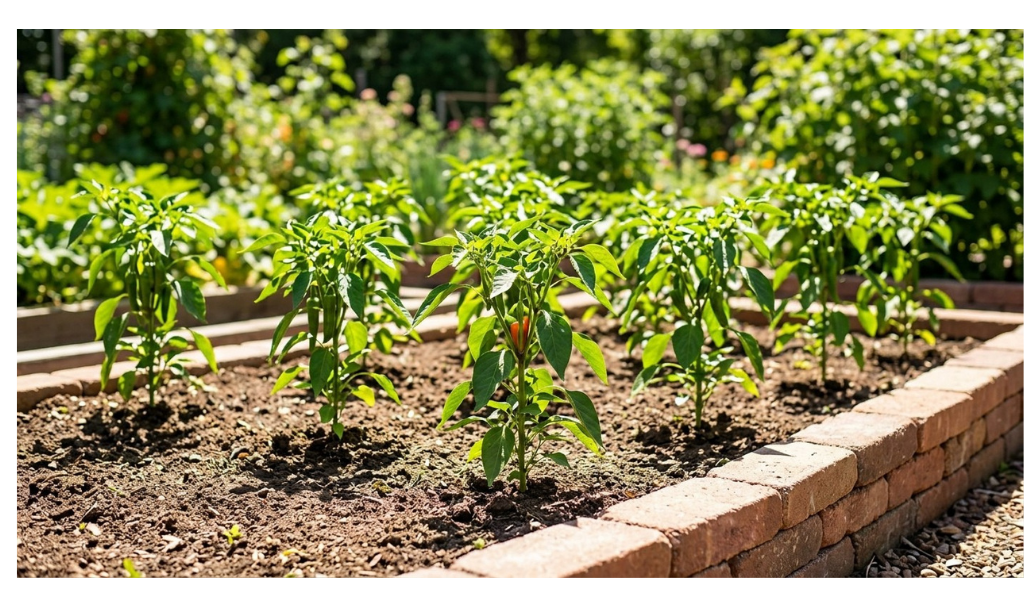
Choose a location that receives several hours of direct sunlight each day and has good air circulation.
Give Red Pepper Plants Enough Sun
Insufficient light can result in weak growth and fewer flowers.
A sunny garden bed, raised bed, or suitable container location can all work when the plants receive enough light.
Avoid Crowded Planting
Plants packed too closely together may have poorer airflow.
Give each variety enough space for its mature size, following the spacing recommendation for that particular plant.
Protect Plants From Strong Wind
Young pepper plants can be surprisingly fragile.
A sheltered location near a wall, fence, or other suitable structure can help reduce wind stress without blocking essential sunlight.
The Best Fertilizer for Red Pepper Plants
Peppers are moderate feeders, which means they need food but not too much. A balanced fertilizer works well for most gardeners. Look for one with fairly even amounts of nitrogen, phosphorus, and potassium. Phosphorus and potassium support flowers and fruit, which is exactly what you want.
Slow release granules mixed into the soil at planting give steady nutrition. Liquid feeds work too, especially once the plant starts setting fruit. The key is balance. Too much of one nutrient throws the plant off, and we will look at that problem shortly.
Give Red Pepper Plants Plenty of Sun and Warmth
Peppers come from warm regions, so heat and light are their best friends. Get these two things right and the rest of pepper care becomes much simpler.
Wait for Warm Soil
This is the mistake I see most often. Gardeners rush to plant peppers outside the moment the frost passes. But peppers hate cold soil. Wait until the soil warms to around 65 degrees Fahrenheit before you transplant. Cold ground stunts young plants and slows the whole season. Patience here pays off.
Find the Sunniest Spot
Peppers grow best in full sun, which means at least six to eight hours of direct light each day. A sunny, sheltered corner of the garden is ideal. More sun means more energy for the plant, which leads to more flowers and a bigger harvest. If you are growing outdoors, scout your yard and pick the brightest spot you have.
Protect Young Plants From Cold
Even after the last frost, a surprise cold night can harm tender seedlings. Keep row covers or cloches handy for chilly evenings. Moving container plants closer to a wall overnight also helps trap warmth. A little protection early on keeps your pepper seedlings growing without a setback.
Prepare the Soil Before Planting
Good soil is the foundation of healthy peppers. Take time to get it right before planting and your plants will reward you all season.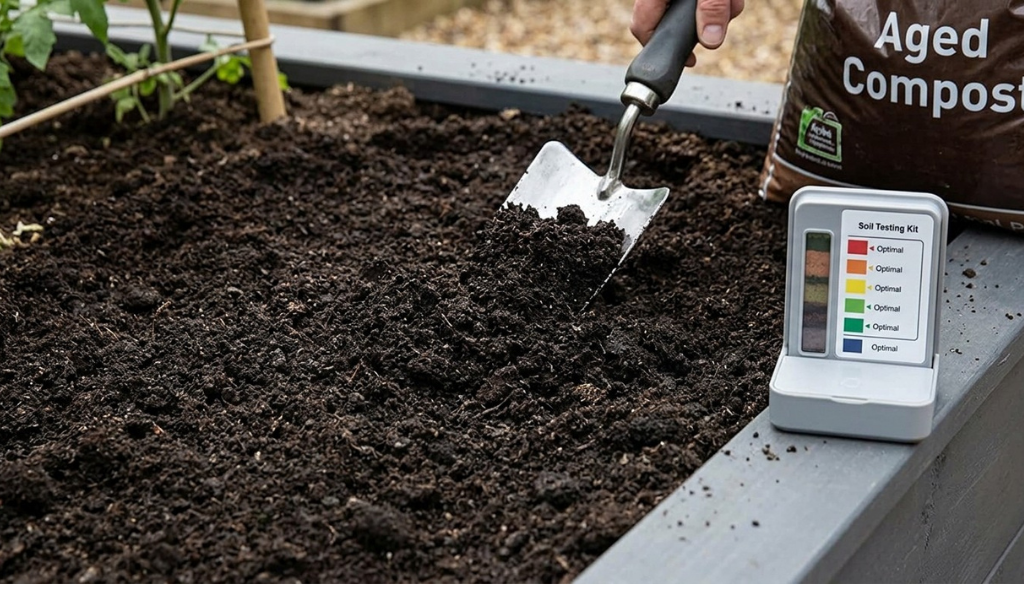
Avoid Heavy, Waterlogged Soil
Peppers hate wet feet. Heavy clay that holds water can rot the roots and invite disease. You want soil that drains freely while still holding some moisture. If your garden bed drains poorly, consider raised beds or amend the ground to loosen it.
Check Soil Before Adding Fertilizer
Before you dump in fertilizer, get to know your soil. A simple soil test shows what nutrients are already present. This stops you from adding things the soil does not need. Guessing often leads to overfeeding, which harms peppers more than it helps.
Add Organic Matter Carefully
Compost and well rotted manure improve soil structure and feed the plant slowly. Mix organic matter into the bed a couple of weeks before planting. Do not overdo it, though. Too much rich material, especially fresh manure, adds excess nitrogen and pushes leafy growth at the cost of fruit.
Water Red Pepper Plants Consistently
Water is where many gardeners go wrong. Peppers like steady moisture, not a soaking one day and drought the next. Consistency matters more than quantity.
Water Deeply Instead of Constantly
Give your peppers a deep drink that reaches the roots, then let the top of the soil dry a little before watering again. Deep, less frequent watering encourages strong roots. Light daily sprinkles keep roots shallow and weak, which makes plants fragile in hot weather.
Adjust Watering for Containers
Pots dry out faster than garden beds, especially in summer. Peppers grown in a pot may need water every day during a heat wave. Check the soil with your finger. If the top inch feels dry, it is time to water. Never let a container plant sit bone dry for long.
Keep Moisture More Even During Fruit Development
Once your plant starts forming peppers, steady moisture becomes even more important. Big swings between wet and dry can cause problems like blossom end rot, where the bottom of the fruit turns dark and soft. Keep the soil evenly moist while the fruit fills out.
Feed Red Pepper Plants Without Overdoing It
Feeding peppers is a balancing act. Give enough to fuel growth, but not so much that the plant forgets to make fruit.
Test the Soil First
I mentioned soil testing earlier, and it matters here too. Knowing your soil’s nutrient levels helps you feed with purpose. Without a test, you are simply guessing, and guessing usually leads to too much fertilizer.
Avoid Excessive Nitrogen
Nitrogen grows leaves. That sounds good, but too much nitrogen gives you a lush green plant with few peppers. If your pepper plant looks bushy but refuses to fruit, excess nitrogen is often the culprit. Ease off the high nitrogen feeds and let the plant shift its energy to flowers.
Feed According to the Plant’s Growth
Match feeding to the stage of growth. Early on, a balanced feed supports leafy growth. Once flowers appear, switch to a feed higher in phosphorus and potassium to support fruit. Light, regular feeding beats one big dose every time.
Use Mulch to Make Pepper Care Easier
Mulch is a quiet helper in the pepper patch. A good layer keeps the soil moist, blocks weeds, and steadies soil temperature. That means less watering and less work for you.
Choose the Right Mulch
Straw, shredded leaves, and grass clippings all make fine mulch for peppers. These organic materials break down over time and feed the soil as they go. Spread a layer a couple of inches thick around your plants once the soil has warmed up.
Leave Space Around the Stem
Do not pile mulch right against the stem. Mulch touching the stem traps moisture there and can cause rot. Leave a small gap so air can reach the base of the plant. This simple habit keeps the crown healthy.
Watch for Flowers, Pests, and Pepper Plant Problems
Paying attention to your plants helps you catch trouble early. A few minutes of observation each week can save a whole crop.
Pay Attention to Flower Drop
Sometimes pepper flowers fall off before setting fruit. This often happens during extreme heat, cold snaps, or when the plant is stressed by uneven watering. If flowers keep dropping, check the temperature and your watering routine. Once conditions steady, the plant usually starts setting fruit again.
Check Leaves for Insects
Turn a few leaves over and look for aphids, spider mites, or other pests. These small insects hide on the underside and multiply fast. Catching them early makes control much easier. A strong spray of water or insecticidal soap often does the trick.
Give Plants Good Air Movement
Crowded plants trap damp air, which invites fungal disease. Space pepper plants far enough apart so air can flow between them. Good airflow keeps leaves dry and lowers the risk of problems. This is one reason not to plant peppers too close together.
Do Not Ignore Yellowing or Wilting
Yellow leaves or sudden wilting are signals worth investigating. The cause might be overwatering, a nutrient shortage, or pests. Do not brush these signs aside. Look closely, figure out the reason, and act before a small issue becomes a big one.
Help Red Peppers Reach Full Color
Here is the part that tests your patience. Turning a green pepper into a fully red one takes time, but the flavor is worth the wait.
Give Red Peppers Time to Ripen
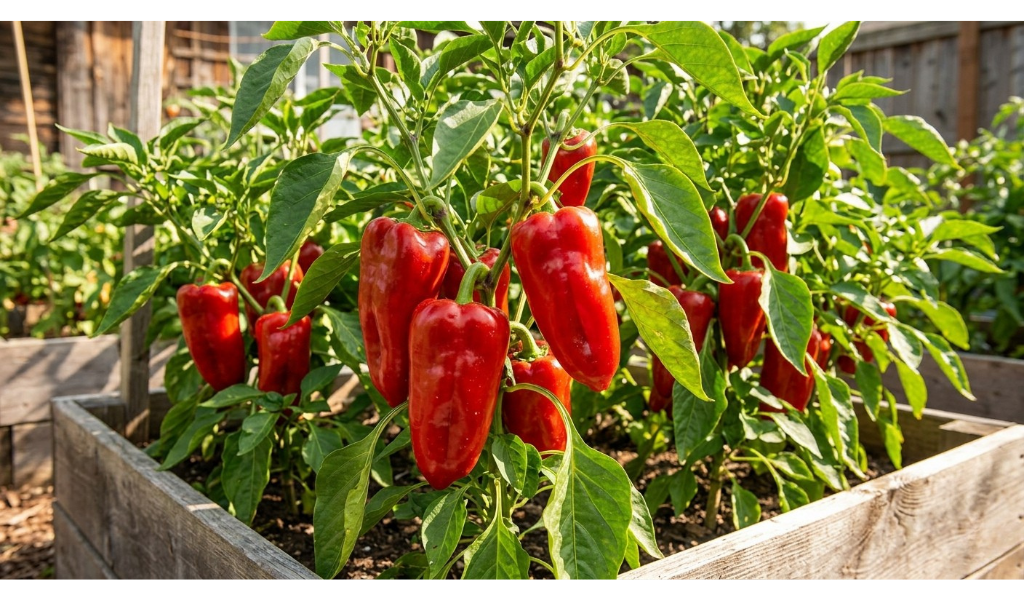
Almost all peppers start green and then change color as they mature. To get red peppers, you simply leave them on the plant longer. It can take a few extra weeks for a green pepper to ripen to red. Resist the urge to pick early. The longer wait rewards you with sweeter, more flavorful fruit.
Look for Firm, Fully Colored Fruit
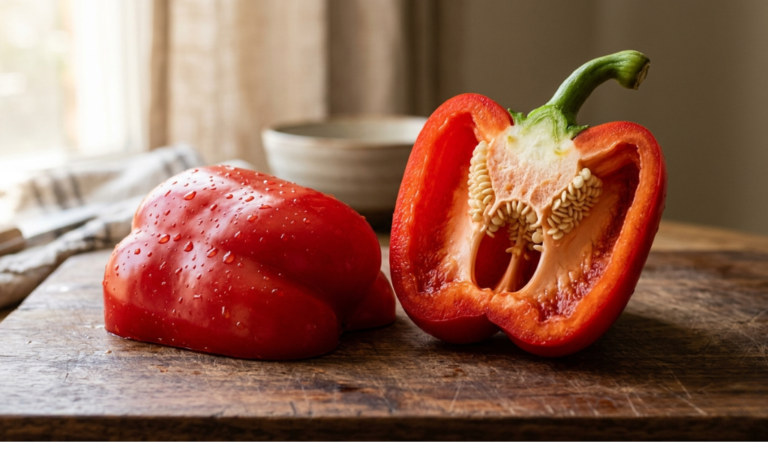
You know a red pepper is ready when it turns a deep, even red and feels firm to the touch. The color should cover most of the fruit, with no large green patches. Fully mature peppers taste richer than their green stage, so wait for that full color before you harvest.
Pick Carefully
Pepper stems can be brittle, and yanking a fruit can snap a branch or damage the plant. Use pruning shears or scissors to cut the pepper off, leaving a short piece of stem attached. Careful picking keeps the plant healthy so it can keep producing.
Red Pepper Growing Tips for Containers
No garden bed? No problem. Peppers grow well in pots, making them a great choice for patios and balconies. A few adjustments keep container peppers thriving.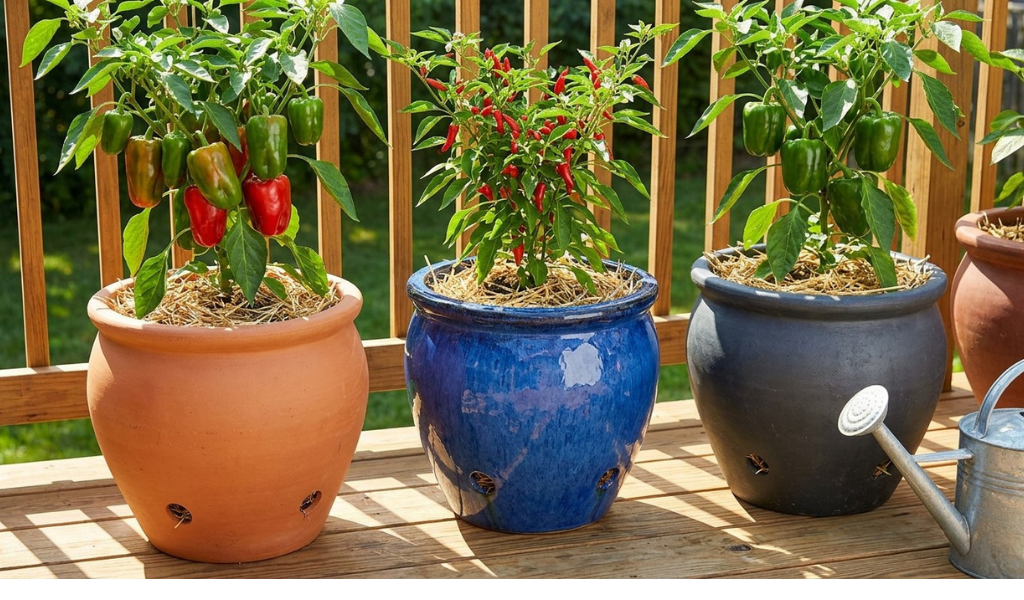
Choose a Large Enough Container
Peppers need room for their roots. A pot that is too small dries out fast and limits growth. Aim for a container that holds at least three to five gallons for each plant. Bigger is usually better, and make sure the pot has drainage holes at the bottom.
Use a Quality Potting Mix
Skip the heavy garden soil in pots. It compacts and drains poorly in a container. Instead, use a light, well draining potting mix. A good mix holds moisture while still letting excess water flow out, which keeps pepper roots happy.
Watch Container Moisture Closely
Container plants dry out quickly, so keep a close eye on them. Check the soil daily in hot weather. Peppers in pots often need more frequent watering than those in the ground, but avoid leaving them soggy. Aim for soil that stays evenly moist.
Common Red Pepper Growing Mistakes to Avoid
Learning from common slip ups saves you time and heartache. Here are the errors that trip up gardeners most often.
Planting Too Early
Eager gardeners plant peppers before the soil and air are warm enough. Cold weather shocks young plants and stalls their growth for weeks. Wait until all danger of frost has passed and the soil has warmed before you plant peppers outside.
Watering a Little Every Day
Frequent shallow watering keeps roots near the surface and leaves plants weak. Deep watering less often builds stronger roots. Break the daily sprinkle habit and water thoroughly instead.
Overfeeding
More fertilizer does not mean more peppers. Too much feed, especially nitrogen, grows leaves instead of fruit and can burn roots. Feed lightly and follow what your soil test tells you.
Ignoring the Weather
Peppers react strongly to temperature. Ignoring a heat wave or a cold snap leads to dropped flowers and poor fruit set. Keep an eye on the forecast and protect your plants when extreme weather rolls in.
Picking Too Soon
Impatience robs you of flavor. Green peppers can be harvested, but if you want sweet red fruit, you have to wait. Picking too soon means missing out on the fuller, sweeter taste of a ripe pepper.
Pests to Look for When Growing Red Pepper
Even a healthy pepper garden can attract insects.
The key is noticing problems early instead of waiting until leaves are severely damaged.
Check the Undersides of Leaves
A quick inspection of the underside of leaves can reveal small insects before an infestation becomes obvious.
Look for clusters of insects, sticky residue, distorted leaves, or unusual discoloration.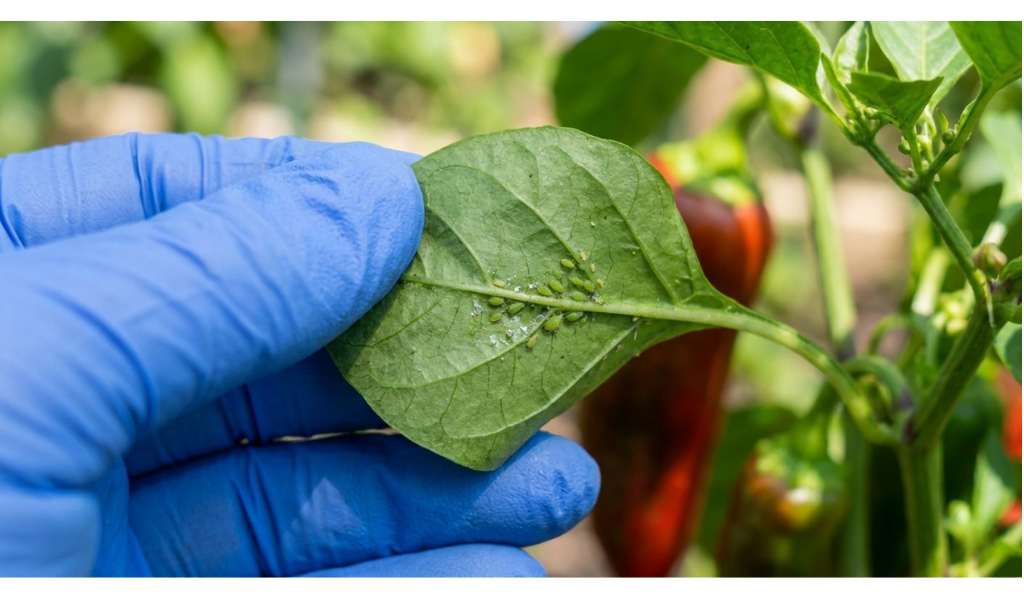
Inspect New Growth
Tender new growth is particularly worth checking.
If new leaves suddenly become curled or distorted, investigate the plant closely before assuming that fertilizer or watering is responsible.
Remove Problems Early
For minor pest problems, physically removing affected insects or damaged plant material may help.
For serious infestations, identify the pest first and choose an appropriate control method rather than treating every insect as a problem.
Red Pepper Growing Tips for Preventing Plant Diseases
Good garden hygiene can make a surprisingly big difference.
Many disease problems become harder to manage once they spread throughout a crowded planting.
Give Plants Good Airflow
Adequate spacing allows air to move through the foliage.
This can help leaves dry more quickly after rain or watering.
Avoid Working With Wet Plants
Handling wet foliage can spread some plant pathogens.
When possible, work with plants when their leaves are dry.
Remove Severely Diseased Material
If a plant develops clearly diseased foliage, remove affected material carefully and dispose of it appropriately.
Do not automatically add badly diseased plant material to a home compost pile.
A Simple Red Pepper Growing Routine: Plant Care and Maintenance
Growing peppers does not have to be complicated. Here is an easy routine to follow through the season.
Once or Twice a Week
Check your plants a couple of times a week. Water deeply, glance under the leaves for pests, and pull any weeds. This regular check in keeps small problems from growing.
During Hot Weather
When the heat climbs, water more often, especially for peppers in pots. Mulch helps hold moisture, and a little afternoon shade can protect plants during a brutal heat wave.
During Fruit Development
Once peppers start forming, keep moisture even and switch to a feed that supports fruit. Watch for blossom end rot and adjust your watering if you spot it.
Near Harvest Time
As peppers change color, ease back slightly on feeding and let the fruit ripen. Keep watering steady and get your shears ready for a careful harvest.
Final Thoughts
Growing red peppers comes down to a few simple habits. Choose a variety that suits your climate, wait for warm soil, water deeply and consistently, and feed with a light hand. Give your plants plenty of sun, use mulch to make care easier, and stay patient while your peppers ripen to full color.
These red pepper growing tips work in garden beds and in containers alike. Follow them and you will enjoy a steady supply of fresh peppers all season long. Now grab your favorite pepper varieties, get planting, and look forward to that first sweet, sun ripened harvest. Happy gardening.
Frequently Asked Questions
What is the trick to growing peppers?
The real trick is warmth and patience. Wait for warm soil before planting, give the plants full sun, and water deeply but not too often. Peppers also need a long enough season to ripen, so pick a variety that fits your climate and resist the urge to plant too early.
Should I put Epsom salt on my pepper plants?
Epsom salt provides magnesium, which some peppers benefit from, but only if your soil is actually low in magnesium. Adding it blindly can throw off your soil balance. Test your soil first. If magnesium is lacking, a light dose of Epsom salt mixed with water can help green up the leaves.
What do coffee grounds do for pepper plants?
Used coffee grounds add a small amount of nitrogen and organic matter to the soil. Mixed into compost or spread thinly, they can improve soil over time. Do not pile them on thickly, though, since a heavy layer can compact and hold too much moisture around the roots.
Do red bell pepper plants come back every year?
In most climates, pepper plants are grown as annuals and do not survive winter frost. Technically they are perennials in warm, frost free regions and can live for several years there. In cold areas, you can bring a plant indoors over winter to keep it alive for another season.
Is Epsom salt beneficial for pepper plants?
It can be, but only when the soil truly needs magnesium. Peppers with a magnesium shortage sometimes show yellowing between the leaf veins. A light Epsom salt spray may help in that case. For most gardeners with balanced soil, though, it makes little difference.
How can I start pepper plants from seeds indoors?
Start pepper seeds indoors about eight to ten weeks before your last frost date. Sow them in a light seed starting mix, keep the soil warm and moist, and give the seedlings plenty of light. Once the seedlings are strong and the weather has warmed, harden them off and transplant them outside.
When can peppers be harvested?
Peppers can be harvested at almost any size once they reach usable maturity. Green peppers are simply unripe and can be picked early. If you want fully colored red peppers, leave them on the plant a few extra weeks until they turn deep red and feel firm.