How to Overwinter Pepper Plants in the Garden: Easy Winter Care Guide
How to Overwinter Pepper Plants For Bigger Yields
If you’ve grown peppers all summer, you know how long it takes for those plants to really hit their stride. Just when they start pumping out fruit, the cold weather arrives and ends the party. Here’s the good news: you don’t have to start from scratch every spring. Learning how to overwinter pepper plants lets you keep your favorites alive through the winter months, so they come back stronger the following year.
Most gardeners treat peppers like annuals, but that’s a bit of a myth. Pepper plants are actually perennial in warm climates. Given the right care, they can live for years and produce bigger harvests each season. Understanding pepper growing stages indoors can help you provide the right care at each stage. By protecting them from frost and giving them a rest during the cold months, you get a serious head start on the next growing season.
In this guide, I’ll walk you through what overwintering means, why it’s worth doing, and four proven ways to overwinter pepper plants. We’ll also cover proper pepper plant care in pots, common mistakes to avoid, and how to move your plants back outside when spring returns. Whether you love bell peppers, a fiery ghost pepper, or a stubborn habanero pepper plant, these tips will help you keep them going.
What Is Overwintering?
Overwintering is the practice of keeping a plant alive through the cold winter months so it can grow again the next season. Instead of letting frost kill your pepper plants at the end of the year, you bring them indoors or protect them somewhere warm until the weather improves.
During this time, the plant slows way down. It often goes dormant, dropping most of its leaves and putting its energy into keeping the root system healthy. Think of it as a long nap. The plant isn’t dead, it’s just resting and waiting for warmth and light to return.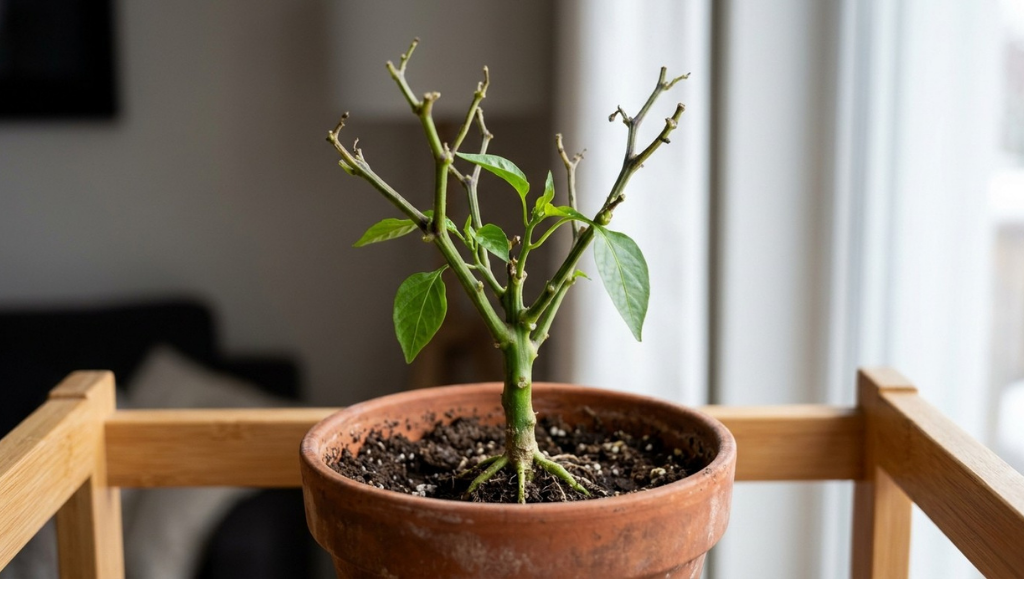 Once spring arrives, that established root system fuels fast new growth.
This works because pepper plants are perennial by nature. In their native tropical homes, they never face a killing frost, so they simply keep growing. Overwintering allows gardeners in colder climates to mimic those conditions and enjoy the same benefit.
Why Overwinter Pepper Plants?
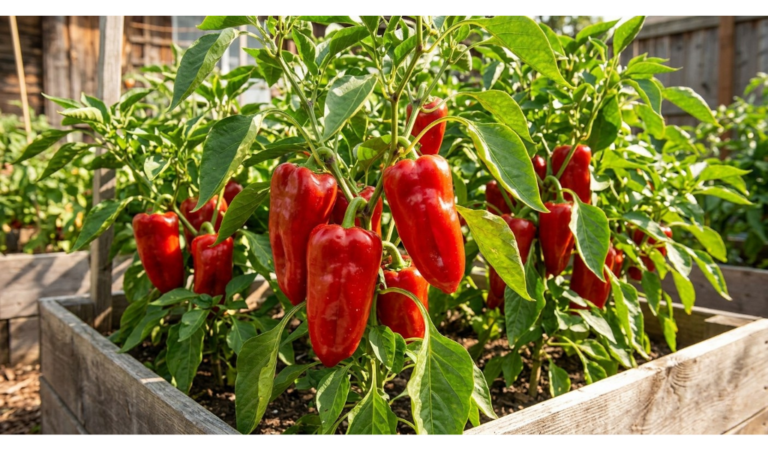
The main reason to overwinter peppers is to get a head start on the next growing season. A one-year-old plant already has a mature root system, so it wakes up and grows fast in spring. That means an earlier and often larger harvest compared to plants started from pepper seeds.
Benefits
There are plenty of good reasons to keep your plants alive over winter:
- Bigger yields: Second-year pepper plants often produce more fruit because their roots are already established.
- Earlier harvest: You skip the slow early stages, so you harvest weeks ahead of seed-started plants.
- Save money: No need to buy new seeds or seedlings each year.
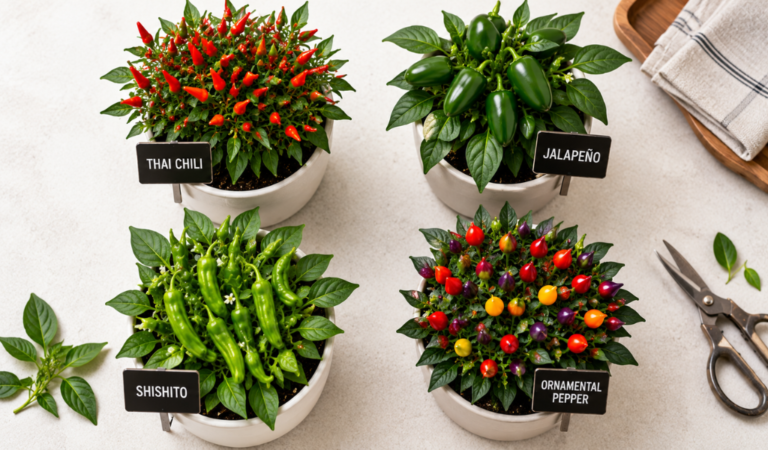
- Keep rare varieties: If you have a favorite pepper or hard-to-find pepper varieties, overwintering protects them.
Drawbacks
Overwintering isn’t perfect. It takes space, and a plant sitting on your windowsill all winter needs care and attention. You may also bring pests indoors if you’re not careful. Some plants simply don’t make it, no matter how much effort you put in. Still, for most gardeners the rewards outweigh these downsides.
When to Start Overwintering Peppers
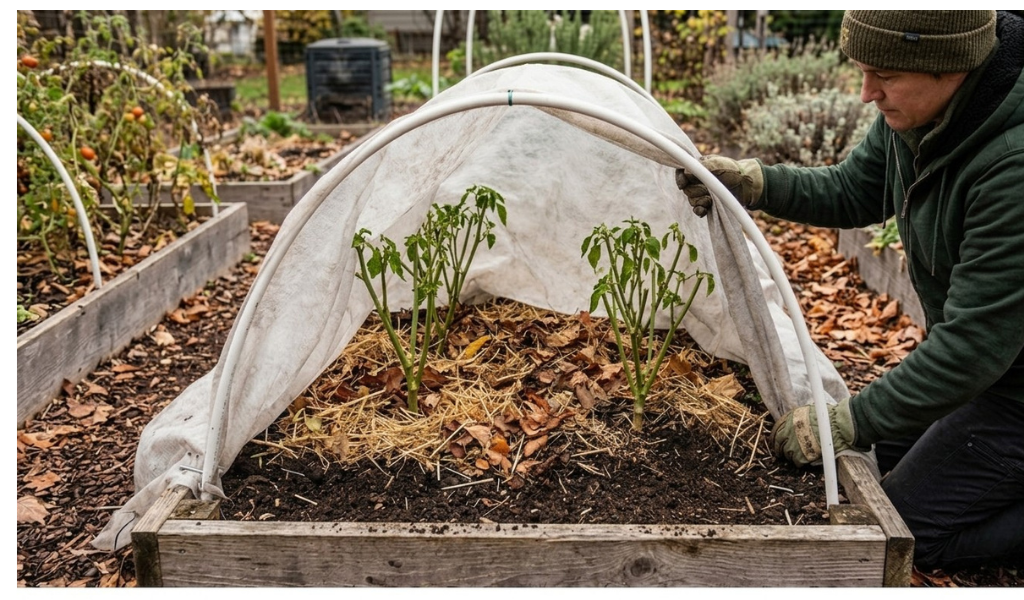
Timing matters. You want to start the overwintering process before the first frost hits, since even a light frost can damage or kill a pepper plant. In most regions, that means late summer to early fall, depending on your local climate.
Watch your weather forecast closely as temperatures start to drop. When nights regularly fall below 50°F (10°C), your plants are done producing for the year. That’s your cue to harvest all the peppers left on the plant and begin preparing them to come inside. Acting before the cold sets in gives your plants the best chance of survival. Starting overwintering peppers at the right time helps protect the plant from frost, cold temperatures, and winter damage while preparing it for healthy growth next season.
How to Overwinter Pepper Plants: 4 Methods
There are several ways to overwinter pepper plants, and the best one depends on your space, climate, and how much effort you want to put in. Here are four reliable methods.
Method 1: Growing Pepper Plants as Houseplants in the Winter
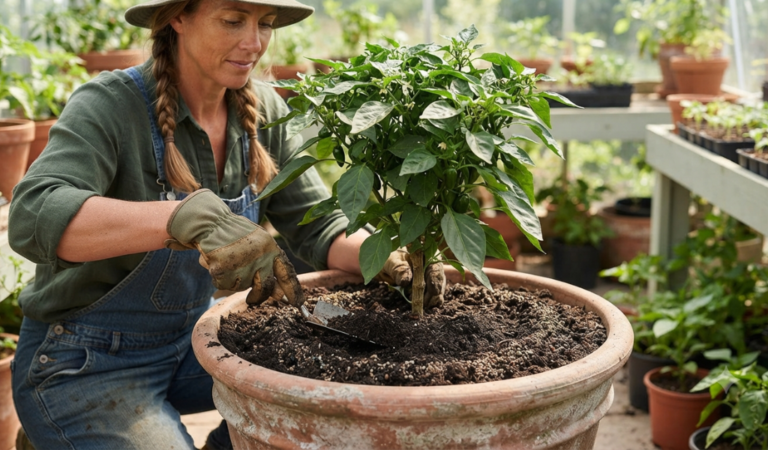
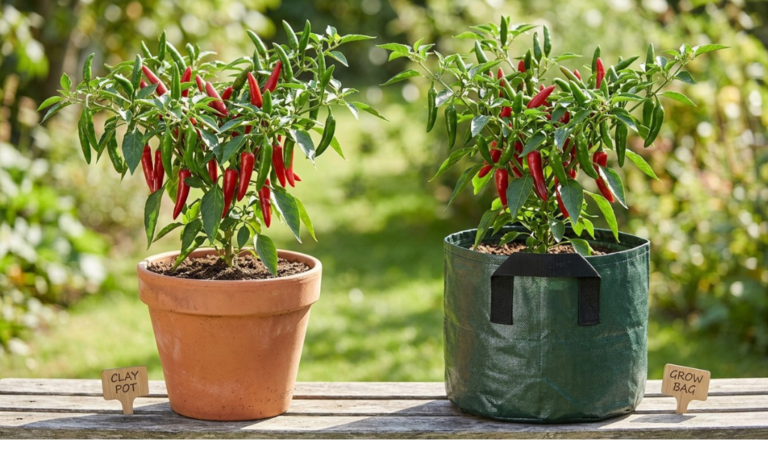
The most popular method is to bring your pepper plants inside and grow them as houseplants. This works best for potted pepper plants, since you can simply carry the whole pot indoors. If your peppers are in the ground, you’ll need to dig them up and transplant the pepper into a pot first.
Before you bring them indoors, prune the plant back by about a third to a half. Removing excess foliage reduces stress and cuts down on hiding spots for pests. Check the leaves and stems carefully for bugs so you don’t bring them inside with the plant.
Picking the Best Indoor Site and Ongoing Care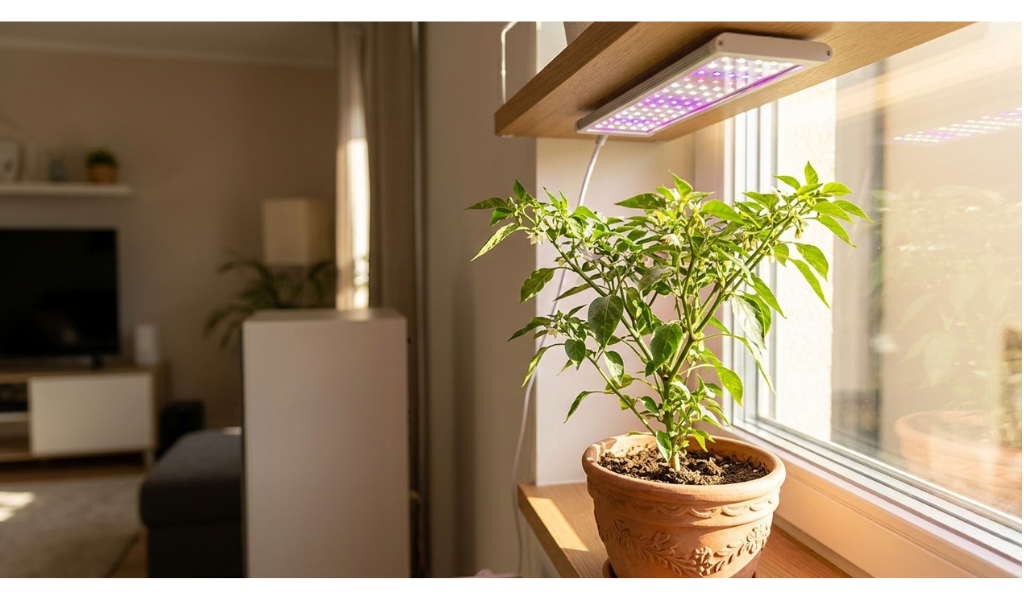
Place your plant in the sunniest spot you have, ideally a south-facing window. Peppers love light, and short winter days often aren’t enough. A grow light makes a huge difference here, giving your plant the 10 to 12 hours of light it needs to stay healthy.
Water only when the top inch of soil feels dry. Plants slow down in winter, so they need far less water than in summer. Keep the room temperature above 60°F (15°C) and away from cold drafts. Don’t panic if some leaves drop, that’s normal as the plant adjusts to lower light.
Method 2: How to Overwinter Peppers in a Greenhouse
If you have a greenhouse, you’re in luck. A greenhouse holds warmth and light better than most homes, making it an excellent place to overwinter peppers. Move your potted plants inside before the first frost and keep an eye on the temperature.
On very cold nights you may need a small heater to stop the temperature from dropping too low. Peppers can handle a rest period, but freezing will kill them. A greenhouse also gives plants more room to keep some leaves and even continue to grow slowly, so they bounce back quickly in spring.
Method 3: Overwintering Bare-Root Pepper Plants in a Box or Bag
This method is great if you’re short on indoor space. It puts the plant fully dormant, so it needs almost no light. Dig up your pepper plant, gently shake off most of the soil, and prune both the top growth and the roots back hard.
Wrap the root system in slightly damp newspaper or place it in a paper bag or cardboard box. Store it somewhere cool and dark, like a garage or shed, where the temperature stays just above freezing. Check on it once a month and lightly mist the roots if they look bone dry.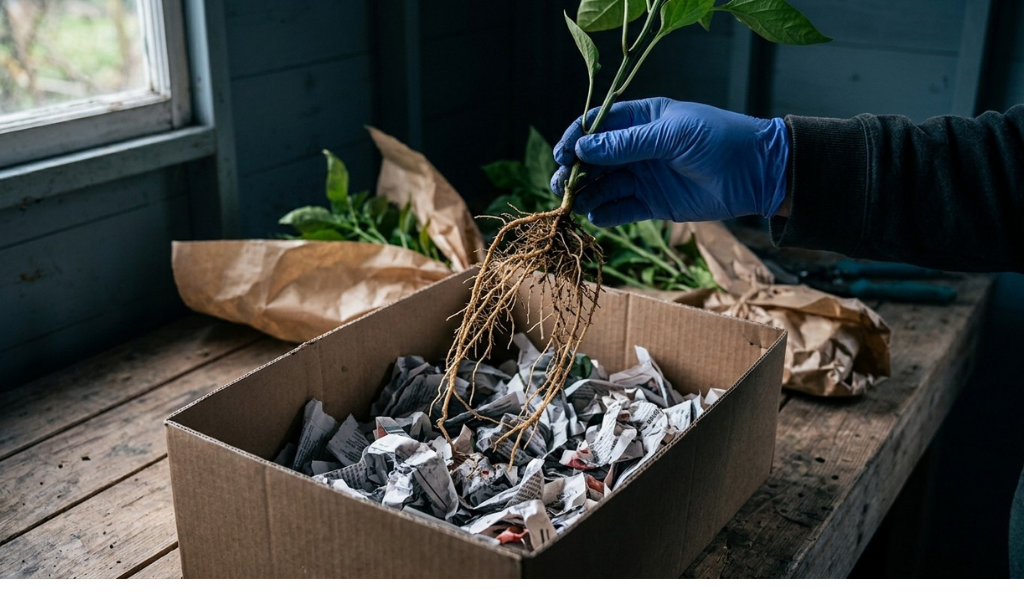 The plant will look dead, but the roots stay alive and ready to regrow.
Method 4: Saving Peppers as Cuttings
Instead of keeping a whole plant, you can take cuttings from your strongest and healthiest plants. Snip a few healthy stems about four to six inches long, remove the lower leaves, and place them in water or moist soil.
Once roots form, you’ll have brand new plants ready for spring. This method saves space and lets you multiply your favorite pepper varieties. It works well for chili plants and sweet pepper types alike. Keep the cuttings under a grow light for best results.
Step-by-Step: How to Overwinter Peppers Successfully
No matter which method you choose, these steps to overwinter peppers will give you the best results:
- Harvest first. Pick all remaining fruit from the plant before the frost arrives.
- Prune the plant. Cut it back by a third to a half to reduce stress and encourage a clean rest.
- Check for pests. Inspect leaves and stems, and rinse the plant to remove any hidden bugs.
- Pot it up (if needed). Transplant garden peppers into a suitable pot with fresh potting mix.
- Bring indoors. Move the plant to your chosen spot before temperatures drop too low.
- Cut back on water. Water sparingly, only when the soil feels dry.
- Provide light. Use a sunny window or grow light to keep the plant healthy.
- Watch and wait. Check regularly for pests and signs of new growth as spring nears.
Following these steps helps keep your plants alive and sets you up for a strong second year.
Tips for Overwintering Pepper Plants: Moving Back Outside
When the last frost has passed and the weather warms, it’s time to move your plants outdoors again. Don’t rush this step. Plants that spent months indoors need to adjust slowly to sun and wind, a process called hardening off.
Start by placing your plant outside in a shady, sheltered spot for a couple of hours a day. Over one to two weeks, gradually increase the time and sun exposure. This prevents shock and sunburned leaves. Once your plant is used to being outside, you can plant it back in the garden or leave it in its pot.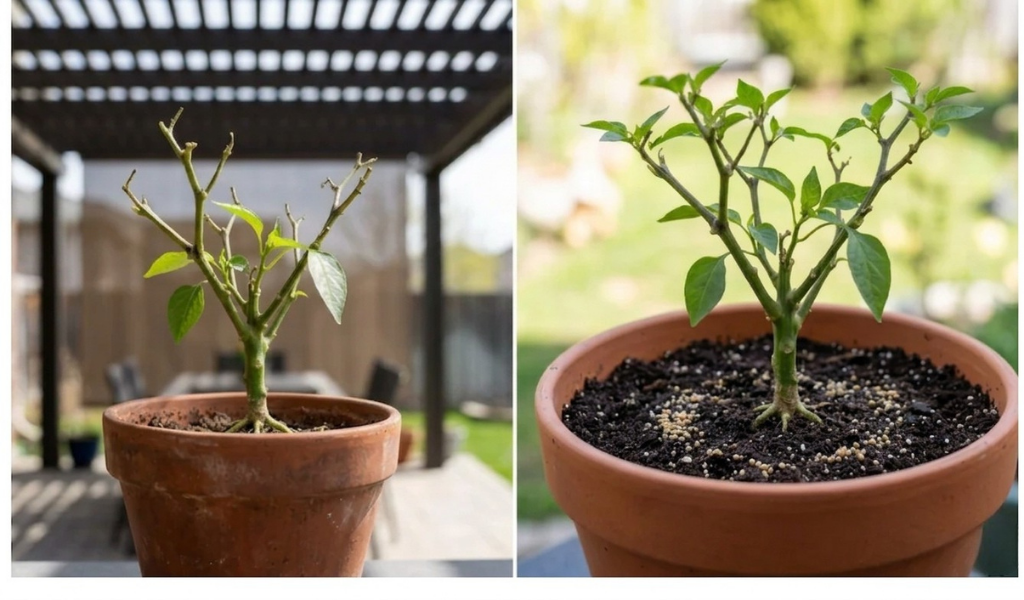
Up-Potting
If your plant has been in the same pot for a while, spring is the perfect time to move it into a slightly larger container with fresh soil. This gives the roots room to grow and refreshes the nutrients. A well-fed root system leads to healthy plants and a bigger harvest. Add a balanced fertilizer as new leaves appear to fuel that fresh growth.
The Advantages of Overwintering Peppers
The biggest advantage is the jump start you get on the next growing season. An overwintered pepper plant already has a mature root system, so it takes off the moment warm weather returns. Many gardeners report their second-year plants fruit earlier and heavier than anything started from seed.
You also save money and keep your favorite varieties going year after year. If you spent a whole season growing a rare habanero pepper plant or a prized ghost pepper, how to overwinter pepper plants means you don’t lose all that progress. It’s a smart, sustainable way to grow peppers.
With the right winter care, overwintered pepper plants can stay healthy and ready for another productive season.
Disadvantages of Overwintering Peppers
On the flip side, overwintering takes up indoor space that not everyone has. A plant on your windowsill needs care through the dark winter months, and not every plant survives. Light levels indoors are often too low without a grow light, leading to weak, leggy growth.
There’s also the risk of bringing pests indoors, where they can spread to your other houseplants. For some gardeners, buying fresh seedlings in spring is simply easier. Learn how to overwinter pepper plants and weigh these downsides against the benefits to decide if overwintering is worth it for you.
Understanding the challenges of overwintering peppers can help you protect your plants, avoid common problems, and enjoy healthier pepper plants when the growing season returns.
Common Overwintering Mistakes
Even experienced gardeners slip up. Here are the most common overwintering mistakes to avoid:
- Overwatering. Dormant plants need very little water. Soggy soil rots the roots.
- Too little light. Without enough light, plants weaken. Add a grow light if your windows are dim.
- Skipping the pest check. Bringing bugs indoors can ruin the whole effort.
- Waiting too long. A single frost can kill your plant, so act early.
- Moving outside too fast. Skipping the hardening-off step shocks the plant.
Avoiding these mistakes gives your pepper plants a much better shot at making it through to spring.
How to Overwinter Pepper Plants: Troubleshooting
Even with good care, problems pop up. If your plant drops most of its leaves, don’t worry, that’s a normal part of going dormant. As long as the stems stay green and firm, the plant is fine and will push out new leaves in spring.
Yellow leaves often signal too much water, so let the soil dry out more between waterings. Leggy, stretched-out growth means the plant needs more light. Move it closer to a window or add a grow light.
Insects
Pests are the most common headache when growing peppers indoors. Aphids, spider mites, and fungus gnats love warm indoor conditions. Check your plants weekly and act fast if you spot any bugs indoors. A spray of insecticidal soap or a mix of water and mild dish soap usually clears them up. Wiping the leaves and keeping the plant clean goes a long way toward preventing an infestation.
Final Thoughts
Learning how to overwinter pepper plants is one of the most rewarding skills a gardener can pick up. Instead of losing your plants to the cold each year, you keep them alive and give yourself a real head start on the next growing season. Whether you grow them as houseplants, tuck them into a greenhouse, store them bare-root in a garage or shed, or save cuttings from your best plants, there’s a method that fits your space.
The payoff is worth the effort: earlier harvests, bigger yields, and the joy of keeping your favorite pepper varieties going year after year. Start the overwintering process before the first frost, give your plants a little care through the winter, and you’ll be rewarded with strong, healthy plants come spring.
Ready to try it? Pick one of the four methods above, bring your pepper plants indoors before the cold hits, and enjoy the benefits of a garden that keeps on giving.
Frequently Asked Questions
Is it worth overwintering pepper plants?
Yes, for most gardeners it’s well worth the effort. An overwintered plant already has a mature root system, so it grows faster and often produces bigger yields in its second year. It also saves money and lets you keep rare pepper varieties alive.
How do I save my pepper plants for next year?
Bring them indoors before the first frost. Prune the plant back, check it for pests, pot it up if it was in the ground, and place it in a sunny window or under a grow light. Water sparingly through the winter months and move it back outside after the last frost.
How many times can you overwinter a pepper plant?
Pepper plants are perennial and can be overwintered several years in a row. Many gardeners keep the same plant going for three to five years or more, as long as it stays healthy and pest-free.
Can I cut back pepper plants for winter?
Yes, and you should. Pruning the plant back by a third to a half before bringing it indoors reduces stress, removes hiding spots for pests, and encourages a clean dormant period. The plant will push out fresh new growth in spring.
Can you leave pepper plants in the ground over winter?
Only in frost-free climates. In colder regions, frost will kill plants left outdoors, so you need to dig them up and bring them inside. If you live somewhere without hard frosts, peppers can stay in the ground and keep growing.
Are pepper plants perennial?
Yes. Pepper plants are actually perennial and can live for years in warm climates. Most gardeners grow them as annuals only because frost kills them, which is exactly why overwintering works so well.