Greenhouse Peppers Growing Guide for Beginners and Gardeners
Greenhouse Peppers Growing: Complete Guide
If you have ever bitten into a crisp, sweet bell pepper picked straight off the plant, you already know why so many gardeners fall in love with greenhouse peppers growing. Peppers are one of the most rewarding crops you can grow under cover. They love warmth, they hate wind and sudden cold snaps, and a greenhouse gives you full control over the conditions they thrive in. Whether you are dreaming of stuffed bell peppers from your own harvest or a steady supply of chilies for hot sauce, growing peppers in a greenhouse can turn a hobby into a genuinely productive habit.
This guide walks you through everything from picking the right variety to solving the most common problems that show up along the way, including a condition many first-time growers run into without knowing its name: Sunscald on Peppers: Causes, Symptoms, Prevention, and Treatment. Sunscald happens when fruit gets exposed to too much direct, intense light after losing its leafy cover, and it can turn a promising harvest into a pile of blistered, unusable peppers if you do not catch it early. We will cover exactly how to spot it and stop it before it spreads through your crop.
By the end of this article, you will have a clear, practical roadmap for growing healthy, productive pepper plants inside a greenhouse, no matter your experience level.
Why Grow Peppers in a Greenhouse?
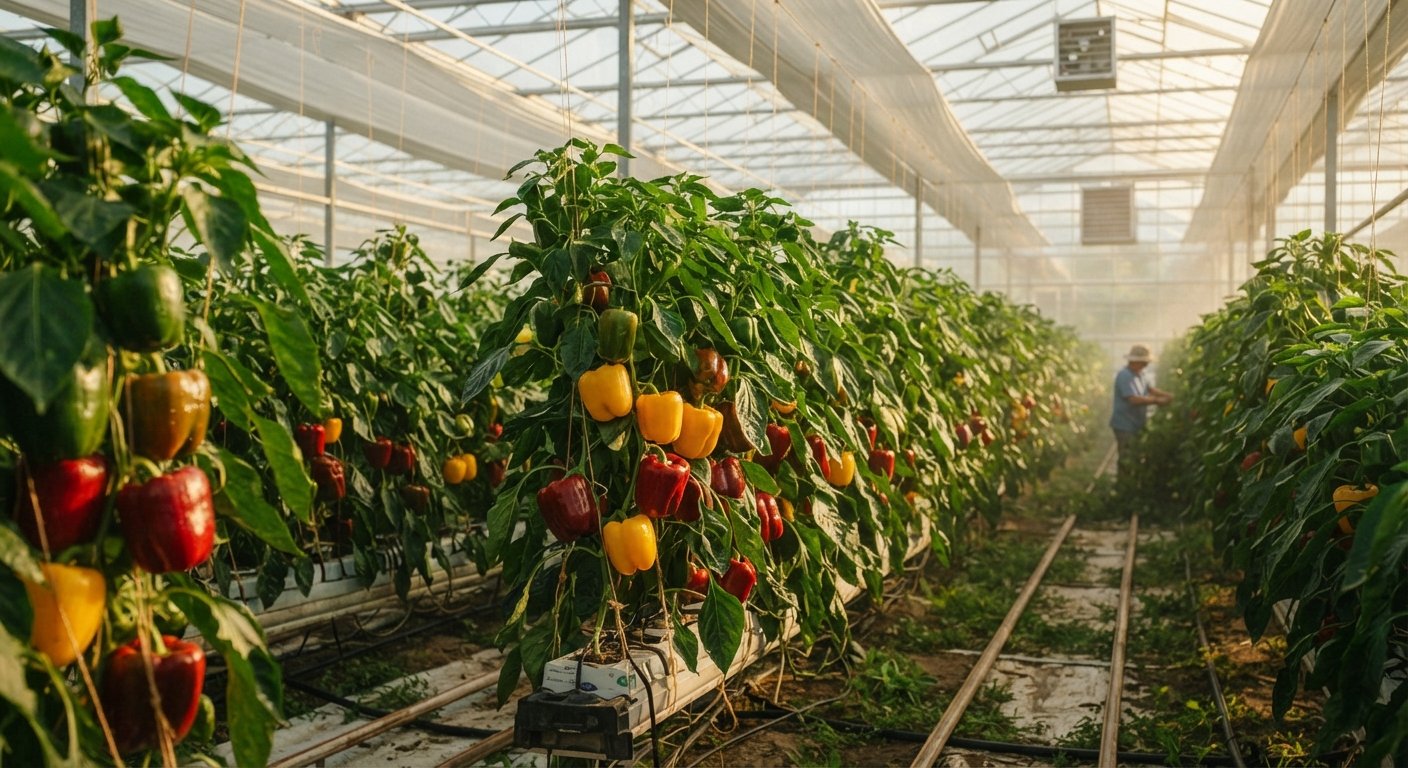
Peppers are native to warm climates, and they simply perform better when the temperature stays steady. Outdoors, a cold night or an unexpected gust of wind can stall growth for days. Inside a greenhouse, you remove most of that guesswork. The air stays warmer for longer into autumn, the plants are shielded from hail and heavy rain, and pests that thrive in open gardens have a harder time getting in.
Greenhouse growing also stretches your season on both ends. You can start earlier in spring and keep harvesting well after the first outdoor frost would have ended things. For gardeners in cooler regions, a greenhouse is often the difference between a handful of peppers and a genuinely abundant crop. It also means fewer disappointments from unpredictable weather, since you are the one setting the conditions rather than hoping nature cooperates.
Choosing the Right Pepper Varieties
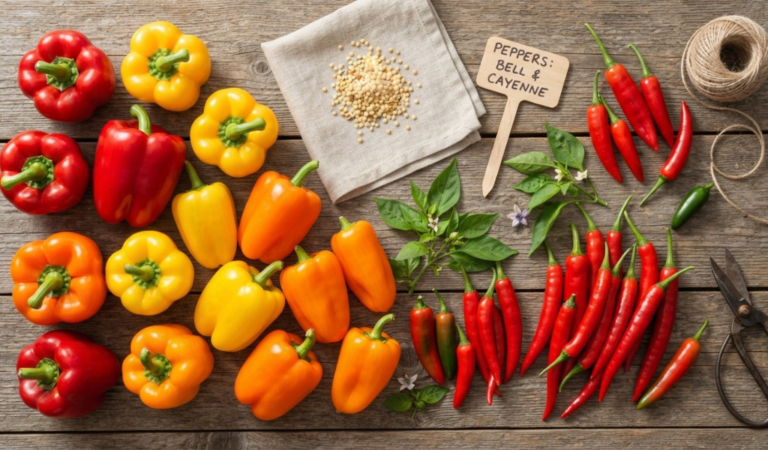
Not every pepper variety behaves the same way under glass or plastic. Some sweet peppers, like California Wonder or Gypsy, adapt well to greenhouse conditions and produce large, thick-walled fruit. Hot pepper fans often do well with Jalapeño, Cayenne, or Habanero, all of which enjoy the extra warmth a greenhouse provides.
If space is tight, look for compact or dwarf varieties bred for container growing. These stay manageable in size while still producing a solid yield. On the other hand, if you have height and room to spare, indeterminate types can grow quite tall and benefit from the extra headroom a greenhouse structure offers.
It helps to think about your goals before choosing seeds. Are you growing for fresh eating, canning, drying, or selling at a market? Sweet varieties tend to be more forgiving for beginners, while hot peppers often need slightly warmer soil to germinate reliably. Reading the seed packet’s days-to-maturity number is also worth the extra minute, since it tells you whether a variety fits your local season length even with the head start a greenhouse gives you.
Preparing the Greenhouse for Peppers
Before you bring in a single seedling, give the structure itself some attention. Clean the glazing or plastic covering so light can pass through without obstruction. Dust and algae buildup can quietly cut down on the amount of sunlight reaching your plants, which matters more than most beginners expect.
Check that vents, doors, or fans are working properly, since airflow control becomes critical once temperatures rise in late spring. If you grew tomatoes, cucumbers, or other nightshades in the same space last season, consider disinfecting benches, pots, and tools to reduce the risk of carrying over soil-borne diseases. Peppers belong to the same plant family as tomatoes and eggplants, so they share several of the same vulnerabilities.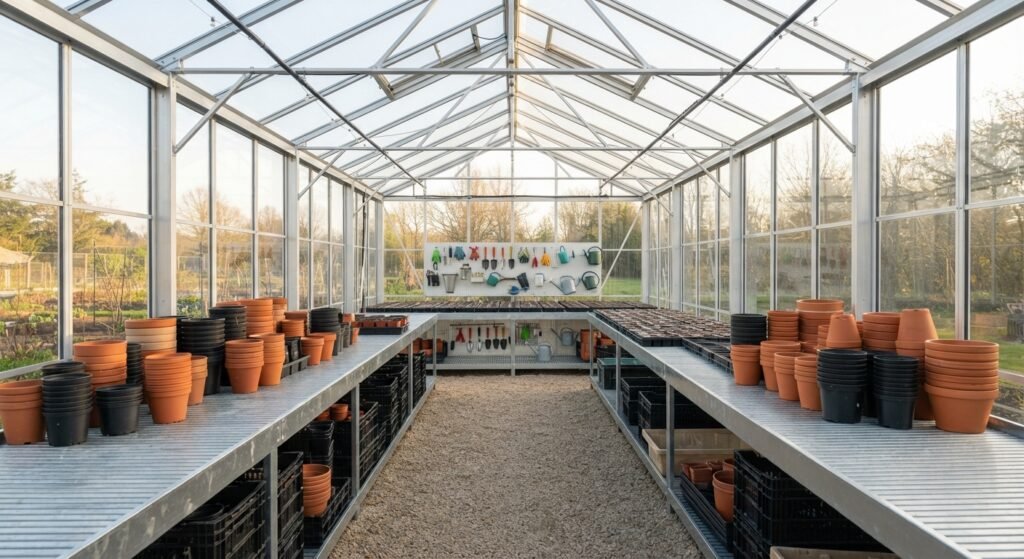
Finally, plan your layout. Decide where taller varieties will go so they do not shade shorter plants, and leave room for a path so you can water, prune, and harvest without stepping over anything.
Basic Growing Requirements
Peppers are not a difficult crop, but they do have preferences worth respecting. They want warm soil, ideally above 60°F, before they are transplanted. They need consistent moisture without sitting in soggy soil. They benefit from at least six hours of strong light a day, and they appreciate a steady feeding schedule once flowering begins.
Temperature swings are one of the biggest stressors for pepper plants. A greenhouse helps smooth those swings out, but it is still worth monitoring daytime highs, since an overheated greenhouse can stress plants just as much as a cold night outdoors. Good drainage matters too, whether you are growing in raised beds, grow bags, or containers, since pepper roots dislike standing water.
How to Grow Peppers in a Greenhouse Step by Step
Starting Pepper Seeds Indoors
Peppers are slow starters, so most growers begin seeds indoors six to eight weeks before the last expected frost. Use a seed-starting mix rather than garden soil, since it drains better and carries fewer pathogens. A heat mat set around 80°F speeds up germination noticeably, since pepper seeds are famously slow to sprout in cool conditions. Once seedlings show their first true leaves, move them under strong light to prevent them from becoming leggy.
Transplanting Pepper Seedlings
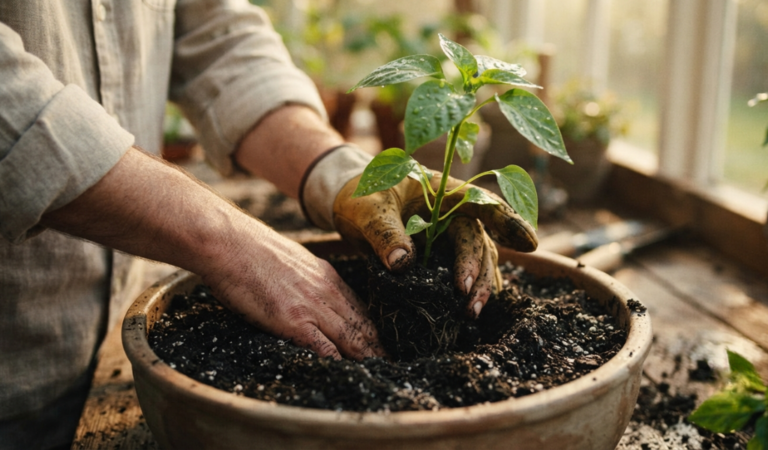
Wait until seedlings have several sets of true leaves and the greenhouse soil has warmed before transplanting. Harden off young plants gradually if they were started somewhere cooler, exposing them to greenhouse conditions for a few hours a day before leaving them in permanently. Plant them slightly deeper than they sat in their starter pots, which encourages stronger root development along the buried stem.
Spacing Pepper Plants Properly
Crowded peppers compete for light and airflow, which invites fungal problems later on. As a general rule, give sweet pepper varieties around 18 to 24 inches between plants, and slightly less for compact hot pepper types. Good spacing also makes hand-pollination and pruning far easier once the plants fill out.
Supporting Plants as They Grow
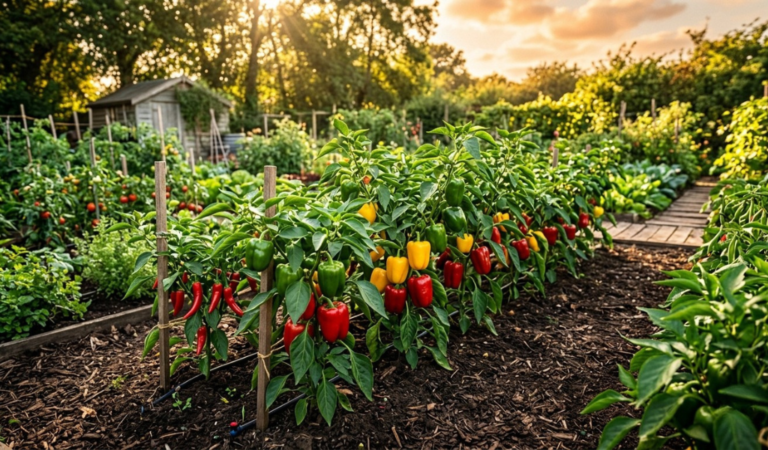
Once peppers start setting fruit, the extra weight can bend or snap stems, especially with larger bell pepper varieties. Simple stakes or a soft tie work for most plants, while taller or heavily loaded plants often benefit from a trellis or cage. Support them early rather than waiting until a branch is already drooping.
Harvesting Greenhouse Peppers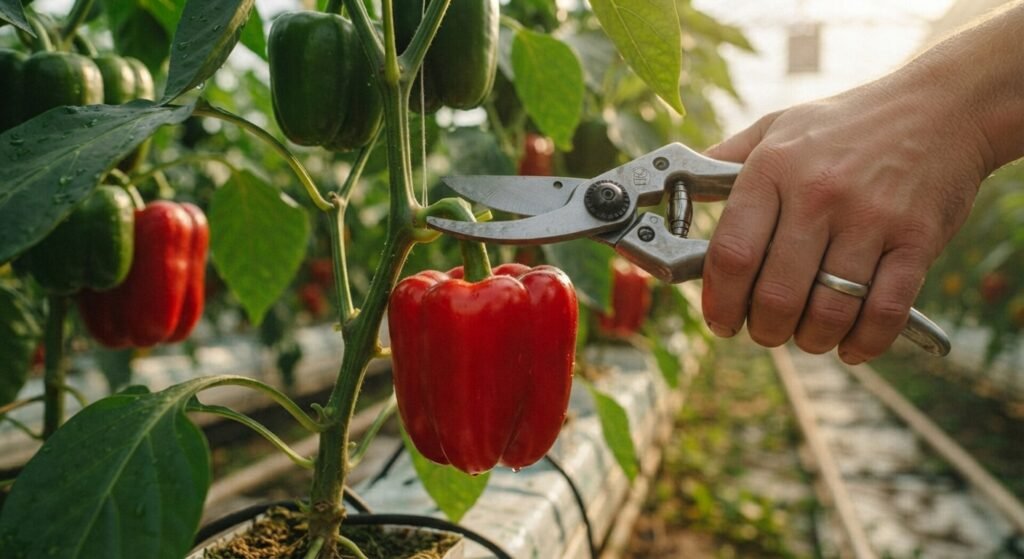
Most peppers can be picked green, but many varieties develop deeper color and sweeter flavor if left to ripen fully on the plant. Use scissors or pruning shears rather than pulling by hand, since tugging can damage the stem and reduce future yields. Regular harvesting also signals the plant to keep producing rather than slowing down once it feels it has matched its job.
Best Greenhouse Conditions for Growing Peppers
Peppers grow best with daytime temperatures between 70°F and 85°F and nighttime temperatures no lower than 60°F. Humidity should sit in a moderate range, roughly 50 to 70 percent, since air that is too dry can cause flowers to drop while air that is too damp invites fungal disease.
Consistency matters more than perfection here. Wild temperature swings between day and night, or between sunny and cloudy days, tend to cause more problems than a slightly imperfect but stable environment. A simple thermometer and hygrometer combo, placed at plant height rather than near the roof, gives you a much more accurate picture of what your peppers are actually experiencing.
Best Soil for Greenhouse Pepper Plants
Peppers prefer loose, well-draining soil rich in organic matter. A mix of quality potting soil, compost, and a bit of perlite or coarse sand usually works well in containers or raised beds. Aim for a soil pH between 6.0 and 6.8, since peppers struggle to take up nutrients properly outside that range.
Avoid heavy, compacted soil that holds water for long periods, since wet roots are one of the fastest ways to invite root rot. If you are reusing greenhouse soil from a previous season, refresh it with fresh compost and check that it has not become depleted of nutrients or contaminated with soil-borne disease from earlier crops.
Watering and Fertilizing Greenhouse Peppers
Peppers like evenly moist soil, not wet and not bone dry. Deep, less frequent watering encourages stronger root systems compared to frequent shallow watering. Letting the top inch of soil dry out slightly between waterings is a good general guide, though hot greenhouse days may call for daily checks during peak summer.
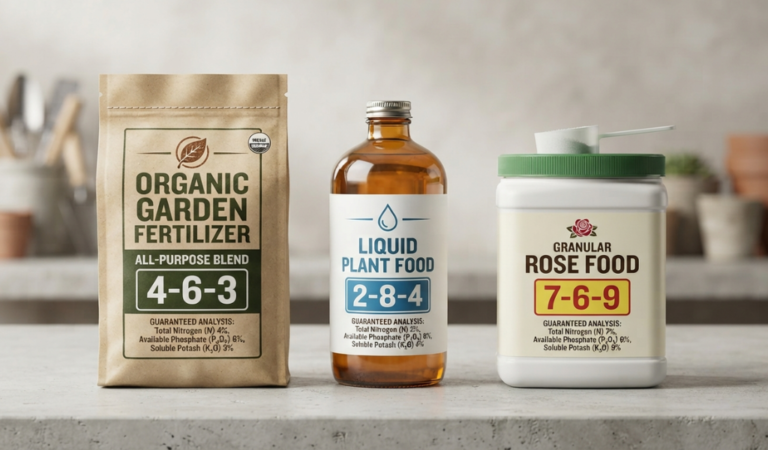
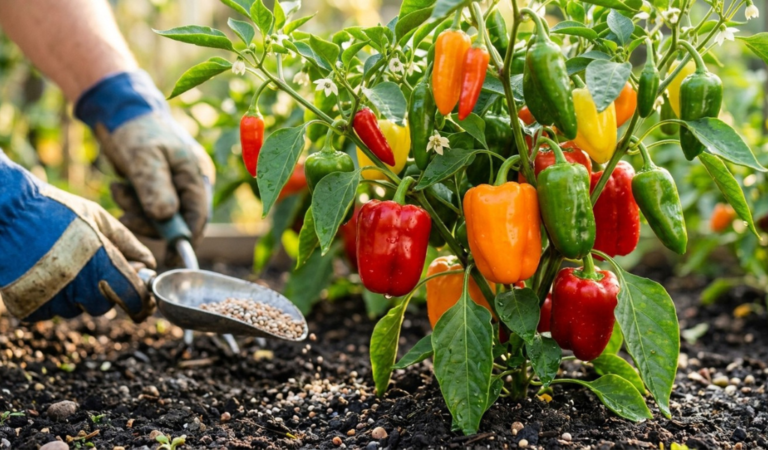
For fertilizing, a balanced feed works well early on, then shift toward something higher in phosphorus and potassium once flowering starts, since this supports fruit development rather than just leafy growth. Overfeeding with nitrogen late in the season often produces lush plants with disappointing fruit set, so it pays to adjust your feeding schedule as the plant’s needs change over time.
Pollinating Pepper Plants in a Greenhouse
Why Greenhouse Peppers May Need Help With Pollination
Pepper flowers are self-fertile, meaning each flower carries both male and female parts. In an open garden, wind and visiting insects usually handle pollination without any help from the gardener. Inside a closed greenhouse, that natural movement is often missing, especially if vents stay shut during cooler weather or if pollinators simply cannot get inside. Without some form of pollen movement, flowers can bloom and drop without ever setting fruit.
How to Hand-Pollinate Pepper Flowers
Hand-pollination is simple and takes only a few minutes a day. A small, soft brush or even an electric toothbrush can be used to gently vibrate or brush against open flowers, transferring pollen within the same bloom or between nearby flowers. Doing this around midday, when flowers are fully open, tends to give the best results. 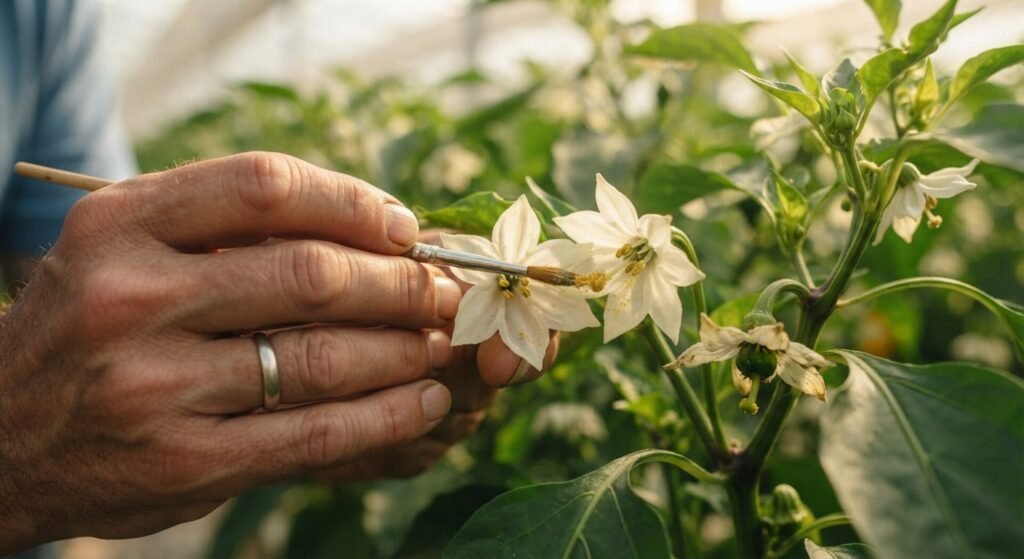 Some growers also gently shake plants or run a small fan periodically to mimic natural airflow and encourage pollen movement without manual effort every single day.
Managing Light, Heat, and Ventilation for Greenhouse Peppers
How Much Light Do Peppers Need?
Peppers want strong, consistent light, ideally six to eight hours of direct sun or its equivalent under grow lights. In regions with weaker winter light, supplemental LED grow lights can keep plants from stretching thin and weak while waiting for stronger daylight to return in spring.
Preventing Excessive Greenhouse Heat
While peppers enjoy warmth, greenhouses can easily overheat on sunny days, sometimes climbing well past what plants can tolerate. Roof vents, side vents, and exhaust fans all help release trapped heat. Shade cloth is another practical option during the hottest stretch of summer, cutting down on intense midday light without blocking the moderate light plants still need. Automatic vent openers are a worthwhile investment if you cannot check the greenhouse multiple times a day, since a few hours of extreme heat can set plants back significantly.
Common Greenhouse Pepper Problems and Solutions
Yellow Leaves and Slow Growth
Yellowing leaves usually point to a nutrient deficiency, overwatering, or a root system that is struggling. Check soil moisture first, then consider a balanced feed if drainage and watering both look fine. Older leaves yellowing while new growth stays green often signals a nitrogen shortage.
Blossom Drop and Poor Fruit Set
Flowers falling off before fruit forms is a common frustration. The usual culprits are temperature extremes, inconsistent watering, or a lack of pollination. Reviewing your hand-pollination routine and checking that nighttime temperatures are not dipping too low often solves the problem within a week or two.
Pepper Plant Pests
Aphids, spider mites, and whiteflies are the most frequent visitors in a greenhouse environment, since the same warmth that helps peppers thrive also suits these pests. Regularly inspecting the undersides of leaves catches infestations early, while insecticidal soap or neem oil offers a gentler treatment option compared to harsher chemical sprays.
Fungal Diseases and Excess Humidity
High humidity combined with poor airflow creates ideal conditions for powdery mildew and other fungal issues. Spacing plants properly, pruning lower leaves that stay damp, and running fans to keep air moving all help keep humidity in check.
Preventing Heat Stress
Beyond general ventilation, watch for signs of heat stress like wilting during the hottest part of the day even when soil moisture looks adequate. This is closely tied to Sunscald on Peppers: Causes, Symptoms, Prevention, and Treatment, which we touched on earlier. Sunscald appears as pale, papery, or sunken patches on fruit that has been overly exposed to direct light, usually after nearby leaves were removed through pruning or storm damage. Preventing it comes down to keeping enough leaf cover over developing fruit and using shade cloth during intense heat waves. If sunscald has already appeared, affected fruit should be picked and used quickly, since the damaged tissue tends to break down and invite rot if left on the plant.
Pruning, Supporting, and Training Greenhouse Pepper Plants
When to Prune Pepper Plants
Light pruning early in the plant’s life encourages a bushier shape with stronger branching, which usually leads to better yields later. Many growers pinch off the first flower buds so the plant puts energy into root and leaf development before switching to fruit production.
Removing Unhealthy Growth
Throughout the season, remove any yellowing, diseased, or damaged leaves as soon as you notice them. This keeps airflow open around the base of the plant and reduces the chance of fungal issues spreading. It also directs the plant’s energy toward healthy growth rather than maintaining tissue that is already struggling.
Using Stakes, Trellises, or Strings
As mentioned earlier, fruit-laden branches can snap under their own weight. Simple garden stakes work for most compact varieties, while taller or heavier-yielding plants benefit from a trellis system or overhead string support, similar to what many growers use for greenhouse tomatoes.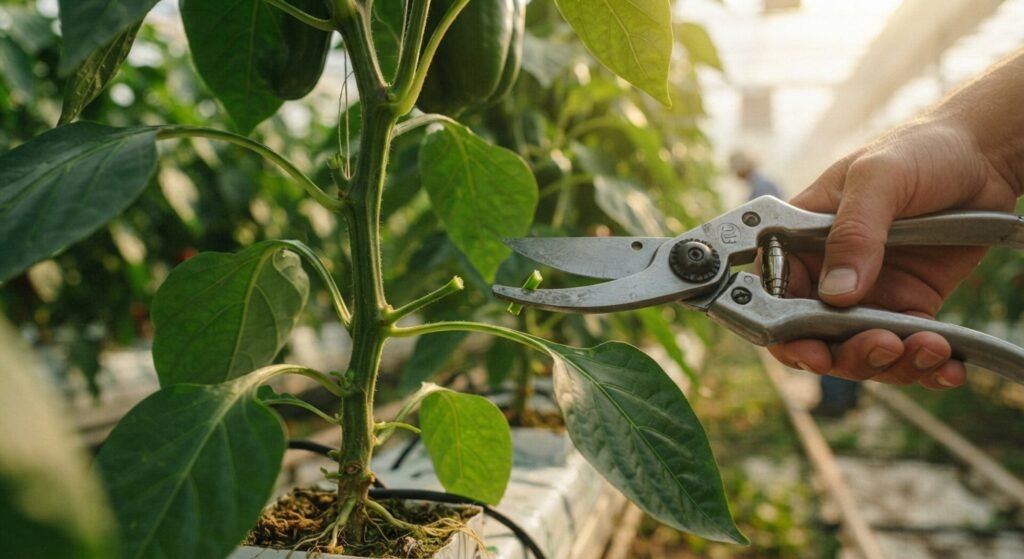
How to Get a Bigger Greenhouse Pepper Harvest
Choose High-Yield Pepper Varieties
Some pepper cultivars are simply bred to produce more fruit per plant. Researching yield potential before choosing seeds can make a noticeable difference by the end of the season.
Maintain Consistent Growing Conditions
Steady temperature, moisture, and light levels reduce the stress that often causes plants to slow down or drop flowers. A stable environment consistently outperforms one with frequent extremes, even if the extremes are not severe.
Encourage Flowering and Fruit Production
Balanced feeding, proper pollination, and adequate light all work together to keep plants flowering steadily throughout the season rather than producing one early flush and then stalling.
Harvest Peppers at the Right Time
Picking fruit regularly, rather than letting peppers sit on the plant longer than necessary, signals the plant to keep producing new flowers and fruit instead of shifting energy toward the peppers already there.
Extend the Greenhouse Growing Season
Using row covers, supplemental heating, or simply timing your planting to take full advantage of the greenhouse’s protection can add weeks of productive growing time on both ends of the season, often resulting in a noticeably larger total harvest.
Conclusion
Growing peppers in a greenhouse rewards patience and a bit of attention to detail. From choosing the right variety and preparing your soil, to managing pollination and staying ahead of problems like sunscald, each step builds toward a healthier, more productive crop. The good news is that none of this requires advanced equipment or years of experience. A little consistency in watering, feeding, and monitoring conditions goes a long way.
If you are just getting started, pick one or two varieties, set up a simple routine for hand-pollination and airflow, and adjust as you learn what your specific greenhouse tends to do throughout the season. Before long, you will have a steady supply of homegrown peppers and a much better sense of what your growing space needs. Give it a try this season and see how much of a difference a controlled environment makes for your pepper harvest.
Frequently Asked Questions
How long does it take to grow peppers in a greenhouse?
Most pepper varieties take between 60 and 90 days from transplanting to first harvest, though this varies by type. Hot peppers often mature faster than large sweet bell peppers.
Do greenhouse peppers need bees to pollinate them?
Not necessarily. Pepper flowers are self-fertile, but without wind or insect activity inside a closed greenhouse, hand-pollination with a small brush or gentle shaking often improves fruit set significantly.
Why are my greenhouse pepper leaves curling?
Leaf curl is commonly linked to heat stress, inconsistent watering, or pest activity like aphids. Checking temperature, watering routine, and the undersides of leaves usually identifies the cause.
Can I grow peppers in a greenhouse all year round?
In warmer climates or with supplemental heating, year-round growing is possible. In cooler regions, most growers use the greenhouse to extend the season rather than run it continuously through winter.
What causes sunscald on greenhouse peppers?
Sunscald develops when fruit is suddenly exposed to intense direct light, often after nearby leaves are removed through pruning or wind damage. Maintaining adequate leaf cover and using shade cloth during peak heat helps prevent it.
How often should I water greenhouse pepper plants?
This depends on pot size, soil type, and temperature, but checking soil moisture every day or two and watering deeply when the top inch feels dry is a reliable general approach.
What is the best temperature for growing peppers in a greenhouse?
Peppers generally do best with daytime temperatures between 70°F and 85°F and nighttime temperatures staying above 60°F. Consistency matters more than hitting an exact number every day.