Do Coffee Grounds Help Peppers Grow? A Complete Gardening Guide
Can Coffee Grounds Help Peppers Grow? Benefits, Risks, and Best Practices
If you are one of those gardeners who cannot start the day without a cup of coffee, you have probably wondered what to do with the leftover grounds. Rather than tossing them in the trash, many home gardeners toss them straight into the garden bed, hoping for a nutrient boost. But do coffee grounds help peppers grow? or is this just another gardening myth passed down through generations?
The short answer is yes, coffee grounds can help pepper plants, but only when used the right way. Used incorrectly, they can actually do more harm than good. In this guide, we will break down exactly how coffee grounds affect pepper plants, what nutrients they offer, and how to use them safely so your peppers thrive instead of struggle.
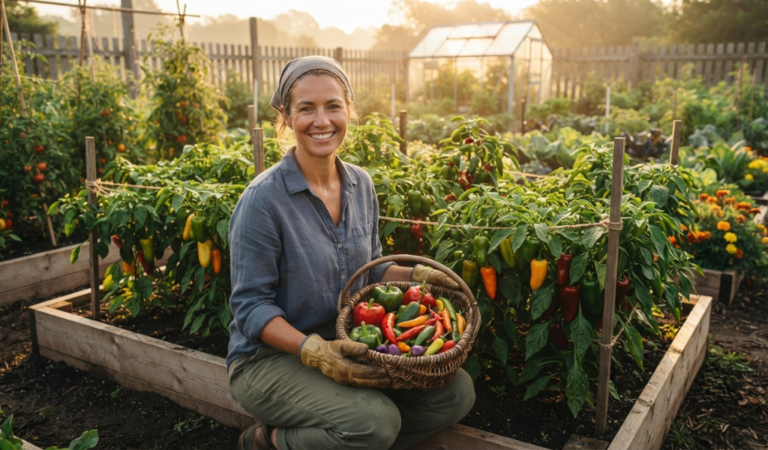
Peppers are a bit particular about their growing conditions, and knowing what grows well with peppers, along with how to feed them properly, can make the difference between a so-so harvest and a bumper crop of crisp, colorful fruit. Companion planting with herbs like basil, and vegetables like onions and carrots, works well alongside careful soil amendments such as coffee grounds. Let us dig into the details.
Can Coffee Grounds Benefit Pepper Plants?
Coffee grounds are not a magic fertilizer, but they are far from useless in the garden. When added in moderation, they can improve the soil environment that pepper roots grow in. Peppers are heavy feeders that need consistent nutrients throughout the growing season, and organic matter like used coffee grounds can support that process indirectly.
The key word here is indirectly. Coffee grounds themselves are not a complete fertilizer. They lack the balanced blend of nitrogen, phosphorus, and potassium that pepper plants need at different growth stages. Instead, think of coffee grounds as a soil conditioner. They feed the microbes in your soil, which in turn break down organic material into nutrients your pepper plants can absorb.
Gardeners who have had success with coffee grounds usually combine them with other amendments rather than relying on them alone. This balanced approach tends to produce healthier plants, stronger stems, and better fruit set compared to dumping grounds straight onto the soil surface.
Nutrients Found in Coffee Grounds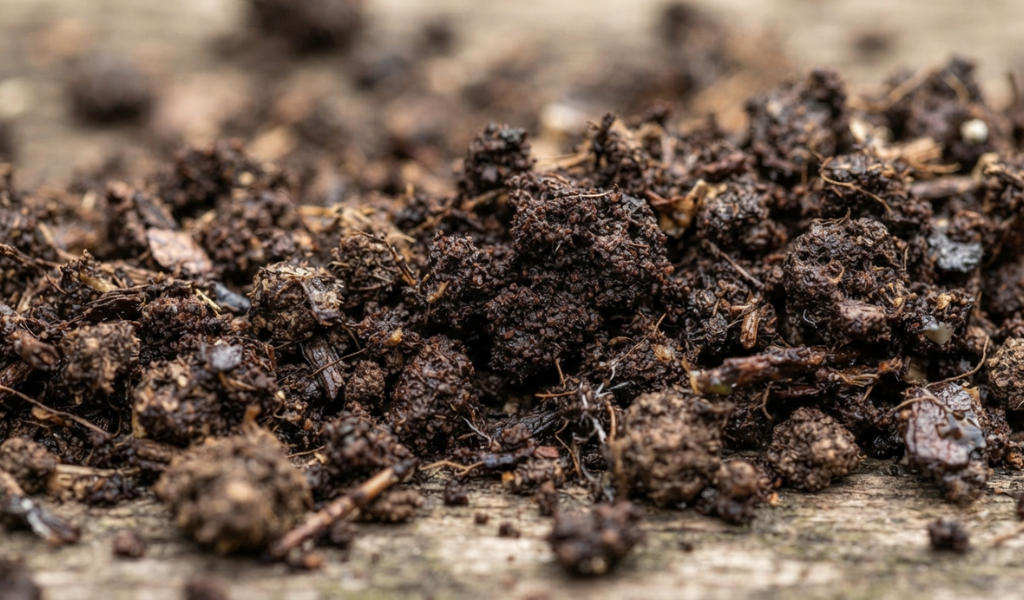
Used coffee grounds contain a modest amount of nitrogen, roughly two percent by weight, along with small traces of phosphorus, potassium, magnesium, and calcium. Nitrogen is especially important for peppers during their early vegetative stage, when the plant is building leaves and stems before it starts flowering.
However, the nitrogen in coffee grounds is not immediately available to plants. It needs to be broken down by soil microorganisms first, a process called mineralization. This is why fresh coffee grounds sprinkled directly onto soil do not act like a quick-release fertilizer. The nutrients release slowly over weeks or months as microbes do their work.
Coffee grounds also contain small amounts of copper, potassium, and other trace minerals that support overall plant health. While none of these amounts are high enough to replace a proper fertilizer program, they do add a little something extra to the soil food web, especially when combined with compost or other organic inputs.
How Peppers Respond to Coffee Grounds
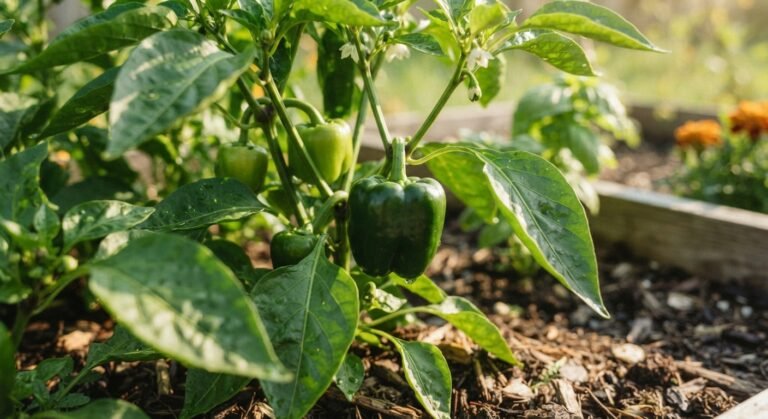
Pepper plants generally respond well to soil that is rich in organic matter and has good drainage. Coffee grounds, when composted properly, contribute to that loose, crumbly soil texture that pepper roots love. Roots need oxygen just as much as they need water, and compacted clay soil can suffocate them over time.
That said, pepper plants can be sensitive to sudden changes in soil pH or nitrogen levels. Peppers prefer a slightly acidic to neutral soil, somewhere between 6.0 and 6.8 on the pH scale. Coffee grounds are often assumed to be highly acidic, but used grounds are actually closer to neutral, with a pH around 6.5 to 6.8 in most cases. This makes them safer for peppers than many gardeners realize, as long as they are not applied in excessive amounts.
Some gardeners report that their pepper plants show darker green leaves and slightly faster early growth after coffee ground applications, which lines up with the nitrogen boost peppers receive once the grounds break down. Others notice little difference, which usually comes down to how the grounds were applied and how much organic matter was already present in the soil.
Benefits of Using Coffee Grounds for Peppers
When used thoughtfully, coffee grounds offer a handful of real benefits for pepper growers. These benefits mostly come from improved soil health rather than direct feeding, but that soil health has a big impact on how well peppers grow and produce.
Improving Soil Structure
Coffee grounds have a fine, crumbly texture that helps loosen dense or compacted soil. This is particularly helpful for gardeners dealing with heavy clay, where roots often struggle to spread out. Better soil structure means better drainage and airflow around the root zone, both of which peppers need to avoid root rot and stunted growth.
Adding Organic Matter
Organic matter is the backbone of healthy garden soil. It feeds beneficial organisms, retains moisture, and slowly releases nutrients over time. Coffee grounds, especially when mixed into compost, add bulk organic material that improves the overall quality of your growing medium season after season.
Encouraging Beneficial Microorganisms
Healthy soil is full of life, from earthworms to fungi to countless bacteria that all play a role in breaking down organic matter into plant food. Coffee grounds act as a food source for many of these organisms, particularly bacteria that thrive on nitrogen-rich material. A more active soil microbiome generally means more resilient, better fed pepper plants.
Why Gardeners Use Coffee Grounds
Beyond the direct plant benefits, there are practical reasons gardeners keep reaching for coffee grounds. They are free, widely available, and a great way to recycle kitchen waste instead of sending it to a landfill. Many coffee shops even give away used grounds for free to local gardeners, making this an easy and budget-friendly addition to a compost pile or garden bed.
There is also a sustainability angle that appeals to a lot of home gardeners. Composting food and drink waste, including coffee grounds and paper filters, reduces the amount of organic material that ends up rotting in landfills and producing methane. For gardeners who are already composting kitchen scraps, adding coffee grounds is simply part of the routine.
Some gardeners also believe coffee grounds help repel certain pests like slugs and snails, though the evidence here is mixed at best. While the abrasive texture might deter some soft-bodied pests temporarily, it is not a reliable pest control method on its own.
Potential Risks of Coffee Grounds
While coffee grounds can be beneficial, they are not risk free. Understanding the downsides helps you avoid common problems that trip up first-time users.
Too Much Nitrogen and Soil pH Considerations
Although used coffee grounds are closer to neutral pH than most people expect, large quantities applied repeatedly can still shift soil chemistry over time, especially in soil that is already on the acidic side. Peppers do not thrive in overly acidic soil, and their fruit production can suffer if pH drops too low.
Excess nitrogen is another concern. Too much nitrogen encourages leafy, bushy growth at the expense of flowers and fruit. If your pepper plants look lush and green but are not producing many peppers, overapplication of nitrogen-rich material like coffee grounds could be part of the problem.
Overapplication Problems
Piling on too many coffee grounds at once can create a dense, water-repellent layer on top of the soil. This layer can actually block water and air from reaching plant roots, which is the opposite of the loose, breathable soil peppers need. Thick clumps of grounds can also mold, especially in humid conditions, creating an environment that is more harmful than helpful.
How to Use Coffee Grounds Correctly
The good news is that most of these risks are easy to avoid with a bit of care. Moderation and proper preparation are the keys to using coffee grounds successfully in a pepper garden.
Mixing with Compost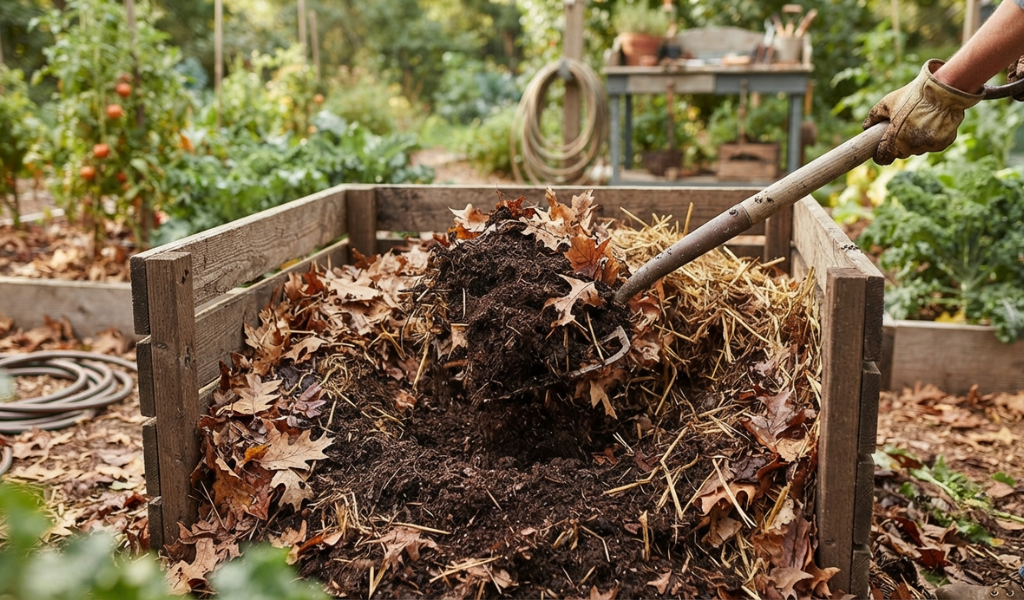
The safest and most effective way to use coffee grounds is to add them to your compost pile rather than applying them directly to garden soil. Coffee grounds count as a nitrogen-rich green material in composting terms, so they should be balanced with carbon-rich brown materials like dried leaves, shredded cardboard, or straw. A good ratio is roughly one part coffee grounds to two or three parts brown material.
Once fully composted, the grounds break down into a rich, dark, crumbly material that is safe and beneficial to mix into your pepper bed before planting or as a side dressing during the growing season.
Applying as Mulch
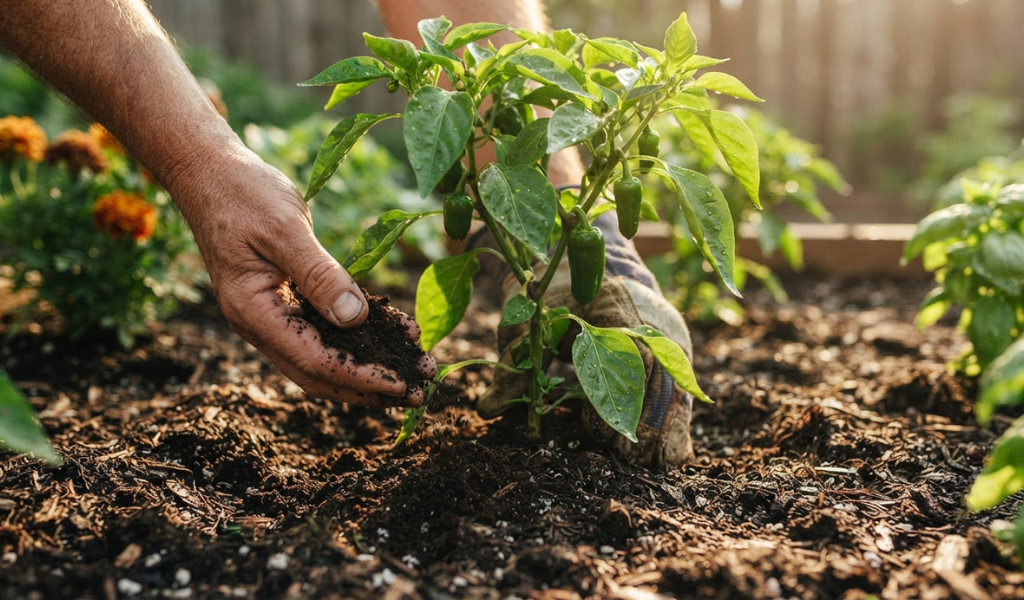
Coffee grounds can also be used as a thin layer of mulch around established pepper plants, though this requires more caution than composting. A light dusting, no more than a quarter inch thick, mixed with other mulch materials like straw or shredded leaves, can help retain soil moisture and slowly add nutrients without creating a dense, water-blocking crust.
Avoid applying coffee grounds directly against the stem of the plant, as constant moisture against the stem can encourage rot and disease.
Recommended Application Frequency
For pepper plants, less is more when it comes to coffee grounds. If you are composting them first, you can add coffee grounds to your compost pile regularly, since the composting process naturally balances out the nitrogen and prevents buildup.
If applying composted grounds directly to soil, once every four to six weeks during the growing season is generally plenty. For mulch applications, a thin layer applied once a month, mixed with other organic mulch, is a safe frequency that avoids overloading the soil with nitrogen or creating drainage problems.
Always watch how your plants respond. If leaves start looking overly dark green with little flowering, it might be time to scale back on nitrogen-heavy additions like coffee grounds and focus more on phosphorus and potassium to encourage fruiting.
Best Alternatives to Coffee Grounds
Coffee grounds are just one tool in the gardening toolbox. If you want more reliable, balanced nutrition for your peppers, consider pairing coffee grounds with these alternatives or using them instead.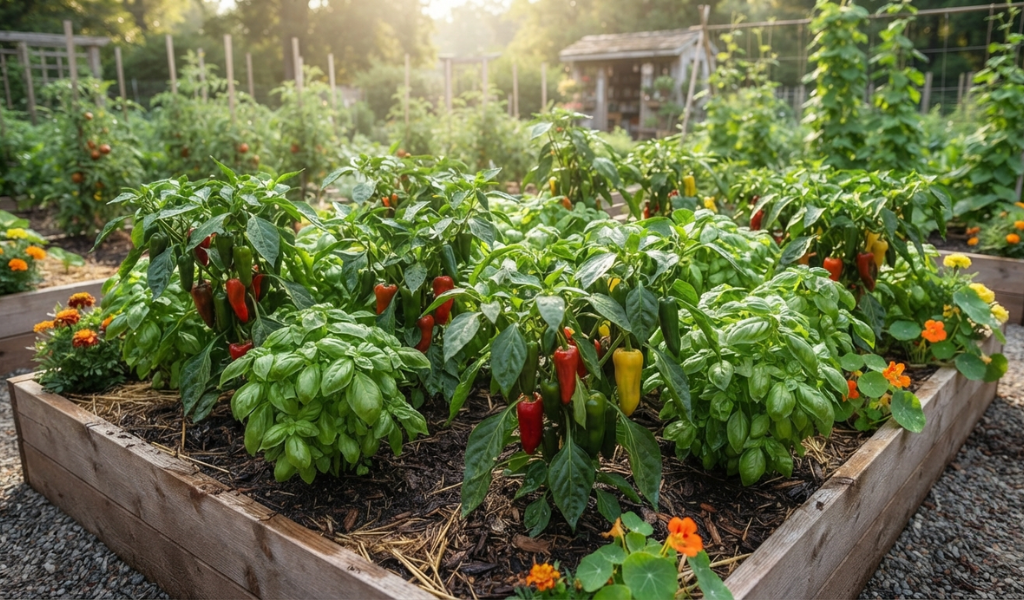
Compost and Organic Fertilizers
A well-balanced compost made from a variety of kitchen scraps, yard waste, and coffee grounds gives peppers a broader range of nutrients than coffee grounds alone. Organic fertilizers formulated specifically for vegetables, often labeled with an NPK ratio suited to fruiting plants, can also fill in nutritional gaps that coffee grounds cannot cover on their own.
Worm Castings
Worm castings are one of the best natural soil amendments available for pepper plants. They are gentle, nutrient rich, and packed with beneficial microbes that improve soil health without the risk of nitrogen overload. Mixing worm castings into your planting soil or using them as a top dressing is a low-risk way to boost pepper growth alongside or instead of coffee grounds.
Common Mistakes to Avoid
Even well-intentioned gardeners run into trouble with coffee grounds when they skip a few basic precautions. Here are the mistakes to watch out for.
Using Fresh Coffee Grounds
Fresh, unused coffee grounds are much more acidic and concentrated than used grounds, and they have not gone through any breakdown process. Applying fresh grounds directly to soil can shock plant roots and create an overly acidic environment that stresses pepper plants. Always use grounds that have already been through a coffee maker.
Applying Thick Layers
As mentioned earlier, piling coffee grounds on thick creates a compacted mat that blocks water and air from reaching the roots. This is one of the most common mistakes new gardeners make, assuming that more is automatically better. With coffee grounds, thin and consistent application always beats one heavy dose.
Final Thoughts
So, do coffee grounds help peppers grow? The honest answer is that they can, but they work best as part of a bigger soil care routine rather than a stand-alone solution. Composting your coffee grounds before use, applying them in moderation, and pairing them with other organic matter like worm castings or balanced fertilizer gives your pepper plants the well-rounded nutrition they need to thrive.
If you have been sitting on a pile of used coffee grounds wondering what to do with them, your pepper garden is a great place to start. Just remember the golden rule of gardening with coffee grounds: a little goes a long way. Start small, watch how your plants respond, and adjust from there. Your peppers, and your compost pile, will thank you for it.
Frequently Asked Questions
Can Coffee Grounds Replace Fertilizer?
No, coffee grounds cannot fully replace fertilizer. They lack a balanced ratio of nitrogen, phosphorus, and potassium, and the nutrients they do contain release slowly over time. Use coffee grounds as a supplement to compost or a balanced organic fertilizer, not as a standalone feeding plan.
Which Pepper Varieties Benefit Most?
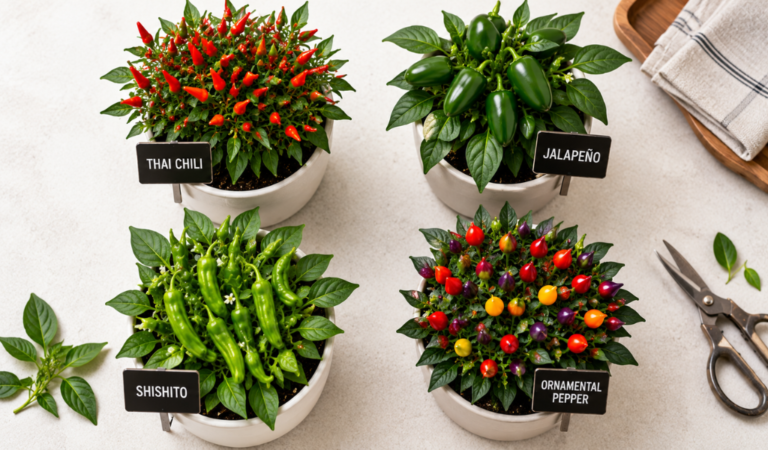
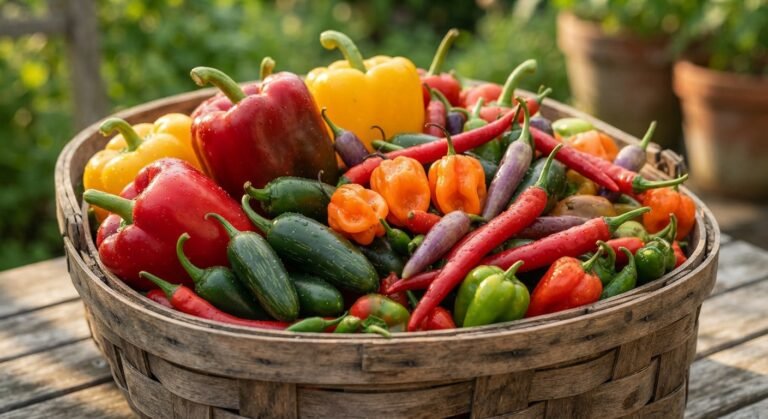
Most pepper varieties, from sweet bell peppers to spicy jalapenos and habaneros, respond similarly to improved soil health from composted coffee grounds. Heavier feeding varieties like bell peppers may show slightly more noticeable benefits from the added organic matter, simply because they demand more nutrients overall throughout the season.
Are Coffee Grounds Good for Container-Grown Peppers?
Yes, but use even more caution than you would in garden beds. Containers have limited soil volume, so nitrogen and moisture imbalances happen faster. Stick to small amounts of fully composted grounds mixed into potting soil rather than surface applications.
How Long Does It Take to See Results?
If you are adding composted coffee grounds to improve soil structure and feed microorganisms, results build up over a full growing season rather than overnight. Soil health improvements are cumulative, so consistent, moderate use over months tends to work better than a single large application.
Can I Use Coffee Grounds on Seedlings?
It is best to avoid coffee grounds around young pepper seedlings. Their root systems are delicate and more sensitive to nitrogen spikes or pH shifts. Wait until plants are established with several sets of true leaves before introducing coffee grounds to the surrounding soil.
Do Coffee Grounds Attract Pests?
Coffee grounds do not typically attract pests and may even deter some, though this effect is inconsistent. What can attract pests is improperly composted material or thick, moist layers of grounds left sitting on the soil surface, which can draw fungus gnats or mold. Proper composting largely eliminates this risk.
What Grows Well With Peppers Besides Using Coffee Grounds?
Companion planting plays a big role in a thriving pepper garden. Basil is a classic pairing that some gardeners believe improves pepper flavor and helps repel pests. Onions, carrots, and spinach also grow well alongside peppers without competing heavily for nutrients or space. Combining smart companion planting with careful soil amendments like composted coffee grounds gives your peppers the best possible growing environment.