When to Harvest Peppers: How to Pick Peppers and Ripe Bell Peppers at the Perfect Time for Maximum Flavor
When to Harvest Peppers: Pick Ripe Peppers for Better Flavor
Knowing when to harvest peppers is one of those things that separates a so-so garden from one that’s truly full of flavor. Whether you’re growing sweet bell peppers, fiery jalapeños, or wrinkled habanero peppers, the timing of your harvest affects everything, taste, shelf life, and how many peppers your plant produces throughout the growing season.
The tricky part? Peppers don’t follow a single rule. Different pepper plant varieties ripen at different rates, change color in different ways, and taste entirely different depending on when you pick them. Green bell peppers and red bell peppers come from the same plant, for example the difference is simply how long you let them stay on the vine.
This guide will walk you through everything a vegetable gardener needs to know: how to read ripeness signals, when to harvest sweet peppers versus hot peppers, how to plant peppers and pick peppers without harming the plant, how to store peppers after harvest, and how to avoid the most common harvesting mistakes. By the end, you’ll know exactly when your peppers are ready to pick and how to get the most out of every harvest.
Why Harvest Timing Matters
How Ripeness Affects Flavor
Peppers go through a dramatic flavor transformation as they ripen. A green bell pepper tastes grassy and slightly bitter. Leave it on the plant, and that same pepper will slowly turn yellow, orange, or red and the flavor becomes noticeably sweeter, richer, and more complex. This happens because sugars develop as the pepper continues to mature.
Hot peppers follow a similar pattern, though the stakes are different. Capsaicin, the compound that creates heat, tends to concentrate more as the pepper ripens. A green jalapeño is sharp and grassy. A red jalapeño is fruitier but often hotter. Hot pepper enthusiasts often prefer peppers at different stages depending on how they plan to use them.
The bottom line: harvesting at the right time isn’t just a gardening technicality. It directly impacts what ends up on your plate.
The Impact on Yield and Plant Health
Leaving peppers on the plant too long doesn’t just affect flavor, it slows down production. A pepper plant puts enormous energy into feeding fruit. When mature peppers sit on the plant unpicked, the plant prioritizes those fruits over producing new flowers. Regular harvesting signals the plant to keep going, which is why gardeners who pick frequently tend to end up with more peppers throughout the season.
Overripe peppers can also attract pests, develop mold, or fall and rot at the base of the plant creating conditions that invite disease and aphids into your garden bed.
Signs Your Peppers Are Ready to Pick
Color Changes to Watch For
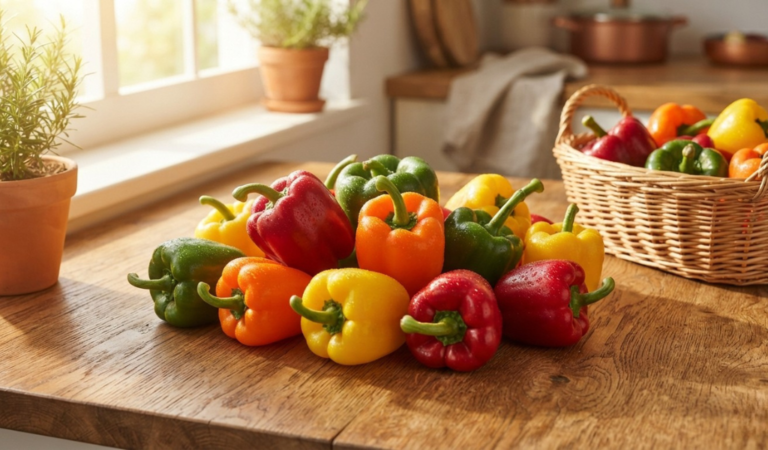
Color is the most obvious ripeness indicator. Most pepper varieties start off green and change color as they fully ripen. Red bell peppers, for example, begin as green bell peppers and shift through yellow and orange before reaching full red. The color change is gradual sometimes over two to four weeks so check your plants regularly.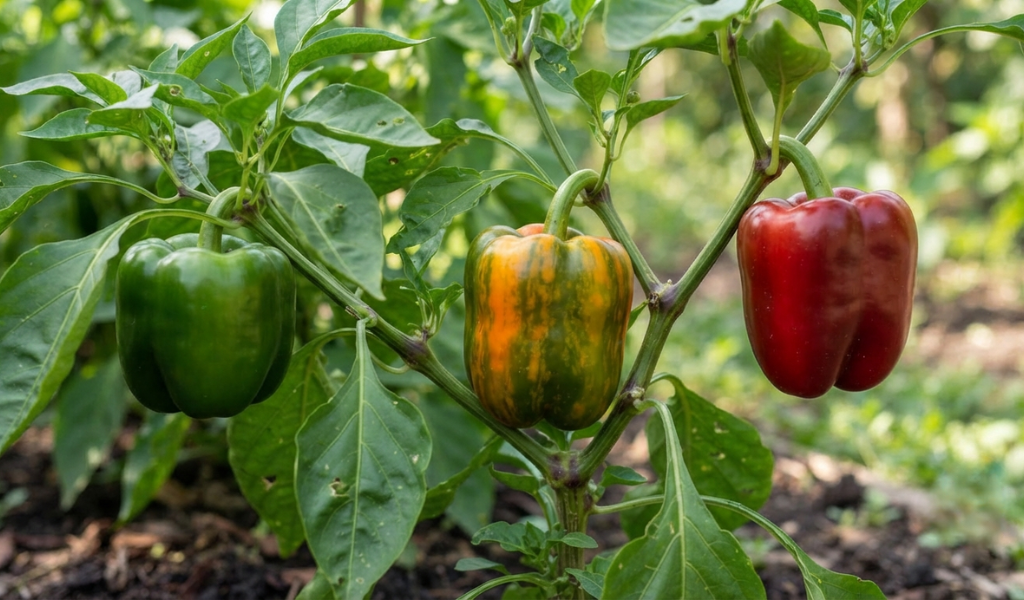
Some varieties, like purple bell peppers or chocolate-colored hot peppers, have their own unique color progressions. Always check your seed packet for the expected mature color of the variety you’re growing.
Size, Firmness, and Glossy Skin
Color isn’t the only signal. Size matters too. A pepper that’s close to the size listed on its seed packet is likely approaching maturity. When you give the pepper a gentle squeeze, it should feel firm, not soft, not hollow. Soft or wrinkled skin typically indicates the pepper is past its peak.
Glossy, smooth skin is another reliable sign that a pepper is ready to harvest. As peppers start to overripen, that shine fades and the skin may begin to look slightly dull or start to wrinkle. Corked peppers that develop light tan streaks on their skin are usually ready to harvest or very close to it.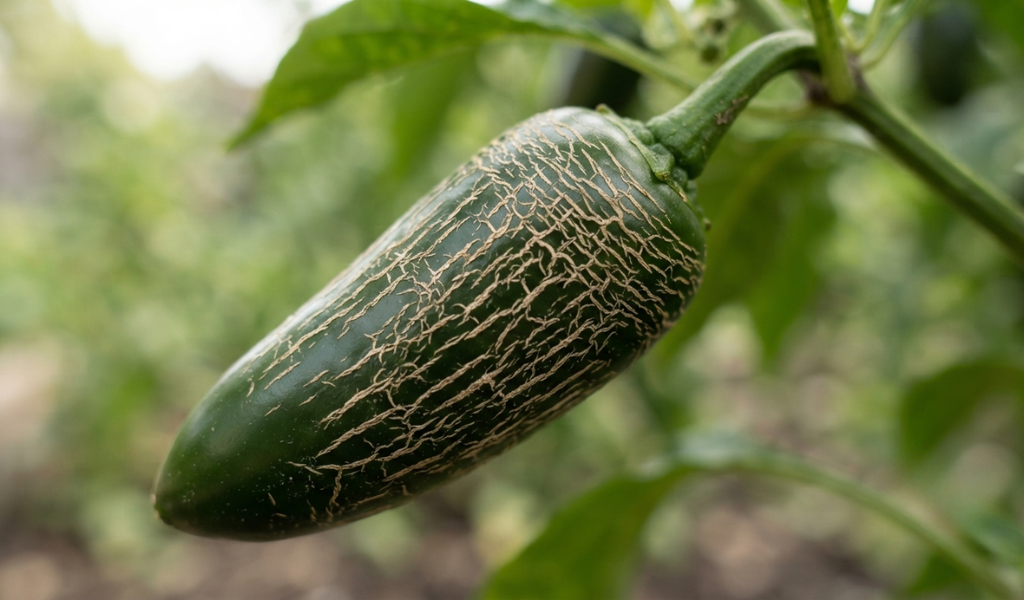
When to Harvest Sweet Peppers
Green vs. Fully Colored Bell Peppers
Bell peppers are edible at any stage after they reach full size. Picking a bell pepper while it’s still green is completely fine. Green bell peppers are firm, slightly bitter, and work well in stir-fries, salads, and stuffed pepper recipes. They also store longer than fully ripened bell peppers.
If you prefer sweeter peppers, wait for the full color change. Red bell peppers, orange bell peppers, and yellow bell peppers have all been allowed to fully ripen on the plant. They taste sweeter, have a softer texture, and contain more vitamins particularly vitamin C and beta-carotene.
Best Harvest Stage for Maximum Sweetness
For peak sweetness, wait until the pepper has fully changed color and the skin still looks glossy. At this point, the sugar content is at its highest and the pepper will taste noticeably different from its green counterpart. Fully ripened bell peppers are best harvested promptly since they soften quickly once they’ve reached peak color.
When to Harvest Hot Peppers
Heat Levels at Different Ripeness Stages
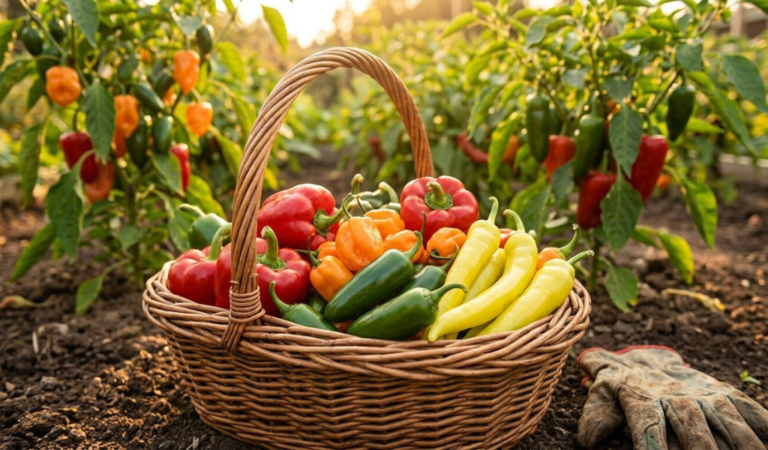
Hot peppers can be picked at almost any stage, but the heat level varies depending on when you harvest them. Jalapeño peppers picked while still green will be sharp and moderately hot. Left to ripen to red, green jalapeños become somewhat hotter and develop a subtle sweetness underneath the heat.
Habanero peppers and ghost peppers follow a similar pattern. The riper the fruit, the more complex the flavor and often, the more intense the heat. However, some gardeners prefer harvesting hot peppers while they’re still partially green because the flavor is more straightforward and the heat is easier to control in cooking.
Popular Hot Pepper Harvest Times
Here’s a quick guide to common hot pepper varieties:
- Jalapeño peppers – Usually ready 70 to 85 days after transplanting. Harvest when firm and dark green, or wait for red for extra heat and sweetness.
- Habanero peppers – Typically ready 90 to 100 days after transplanting. These change from green to orange or red depending on the variety.
- Banana peppers (hot banana) – Ready in about 70 days. Most gardeners pick these when they’ve turned pale yellow.
- Cayenne peppers – Usually harvested at 70 to 80 days. Often harvested green for fresh use or left to ripen fully red for drying.
- Ghost pepper – One of the longer-season varieties, often taking 100 to 120 days to reach full maturity.
Seasonal Pepper Harvest Guide
Harvest Timeline from Flower to Fruit
Once a pepper plant flowers, it typically takes two to four weeks for the fruit to set and begin growing. From that point, reaching harvest size can take another four to eight weeks, depending on the variety. Most peppers reach harvest-ready size before they change color, so don’t panic if yours are green but full-sized; they’re likely just a few weeks away from full ripeness.
Days to Maturity by Pepper Variety
Days to maturity listed on seed packets usually count from transplant date, not from seed germination. Sweet bell peppers typically mature in 70 to 90 days. Hot peppers generally take longer, with some varieties stretching to 120 days or more. Compact plants like banana peppers and jalapeños tend to mature faster than larger-fruited varieties.
Weather Conditions That Affect Harvest
Hot weather accelerates ripening, but extreme heat above 90°F (32°C) can cause pepper flowers to drop before they set fruit. Cool nights in early fall can actually encourage color change and ripening in many varieties. A light frost will damage or kill pepper plants, so make sure to harvest everything before the first frost date in your area. If frost is approaching, pick your remaining peppers even if they’re still green.
Best Time of Day to Harvest Peppers
Morning vs. Afternoon Harvesting
The best time to harvest peppers is in the morning, after the dew has dried but before the heat of the day sets in. At this point, the fruit is well-hydrated and at its firmest. Peppers harvested in the morning also tend to store better than those picked in the afternoon heat.
Avoiding Heat Stress During Harvest
Harvesting during peak afternoon sun can cause unnecessary stress to both the plant and the harvested fruit. Pepper plants can temporarily wilt during the hottest part of the day, and fruit picked during extreme heat tends to degrade faster. If morning harvesting isn’t possible, aim for early evening when temperatures have dropped and the plant is no longer under heat stress.
How to Harvest Peppers Without Damaging the Plant
Using Garden Scissors or Pruners
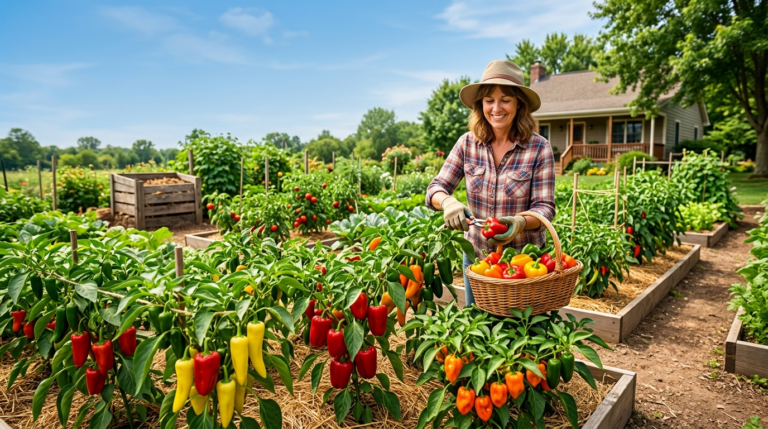
Always use a clean pair of garden scissors or pruning shears when harvesting peppers. Cut the stem about half an inch above the pepper, leaving a small stub attached to the fruit. This helps the pepper stay fresh longer after harvest. Sharp, clean tools also reduce the risk of spreading disease between plants.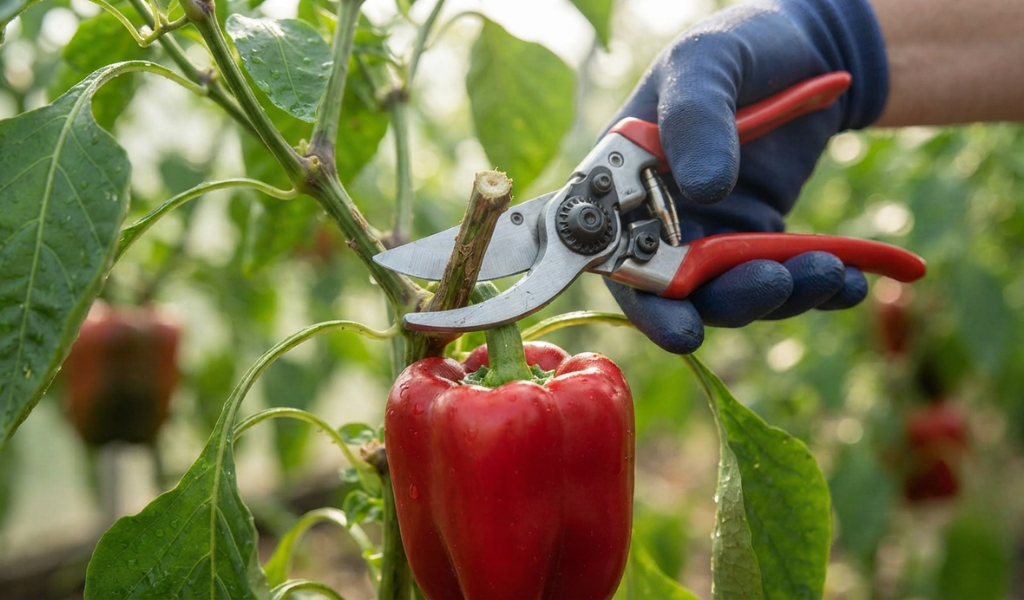
Why Pulling Peppers Can Harm the Plant
It’s tempting to simply twist a pepper off by hand, but this can break entire branches especially on pepper plants that are already under stress. Pepper stems are surprisingly brittle. A broken branch means fewer potential fruiting sites, which translates directly to fewer peppers for the rest of the season. Always cut, never pull.
Harvesting Frequently for Continuous Growth
Aim to check your pepper plants every two to three days during peak season. Picking peppers regularly encourages the plant to redirect energy toward producing new fruit rather than maintaining existing ones. Gardeners who harvest frequently often see a significantly higher total yield throughout the growing season than those who wait for large harvests.
Caring for Plants After Harvest
After a big harvest, give your pepper plants a little extra care. Water them thoroughly and consider applying a balanced fertilizer or organic fertilizer to help the plant recover and push out new flowers. If any damaged branches are present, prune them cleanly to prevent disease. Mulch around the base of the plant helps retain moisture and regulate soil temperature.
Common Pepper Harvesting Mistakes
Picking Peppers Too Early
One of the most common mistakes gardeners make is harvesting peppers before they’re actually ready. Immature peppers tend to be smaller than their mature counterparts, lack the glossy skin of a ripe pepper, and often taste bland or overly bitter. The skin may also appear slightly pale or dull compared to a pepper that’s approaching peak ripeness.
Picking too early doesn’t just affect flavor, it can reduce overall yield if done repeatedly. Peppers that are cut before they’ve fully developed don’t provide the plant with the natural cue to produce more fruit.
Waiting Too Long to Harvest
On the other end of the spectrum, leaving peppers on the plant too long causes its own set of problems. Overripe peppers become soft, their seeds begin to fully develop and harden, and the pepper loses much of its culinary value. Seed development is the plant’s end goal once seeds mature, the plant has accomplished its biological mission and slows down fruit production significantly.
Overripe fruit is also more attractive to insects and can develop mold, which may spread to healthy peppers nearby. If you notice any peppers starting to shrivel or soften on the plant, remove them immediately.
What to Do After Harvesting Peppers
Cleaning and Storing Fresh Peppers
Rinse freshly harvested peppers under cool running water and pat them dry. Avoid washing peppers you plan to store long-term, as excess moisture accelerates spoilage. For short-term storage, place dry peppers in a paper bag or a loosely covered container in the refrigerator.
Short-Term Storage Tips
Sweet peppers like bell peppers will keep in the refrigerator for one to two weeks. Hot peppers, particularly thicker-walled varieties, can last up to three weeks when stored properly. Keep peppers away from ethylene-producing vegetables like tomato plants and apples, which can accelerate softening.
Refrigerating Different Pepper Varieties
Thin-walled hot peppers like cayenne and jalapeños do best when loosely wrapped or placed in a breathable bag in the crisper drawer. Thicker-walled varieties like bell peppers and banana peppers can be stored in a sealed container. Never store peppers at temperatures below 45°F cold damage causes pitting and accelerates decay.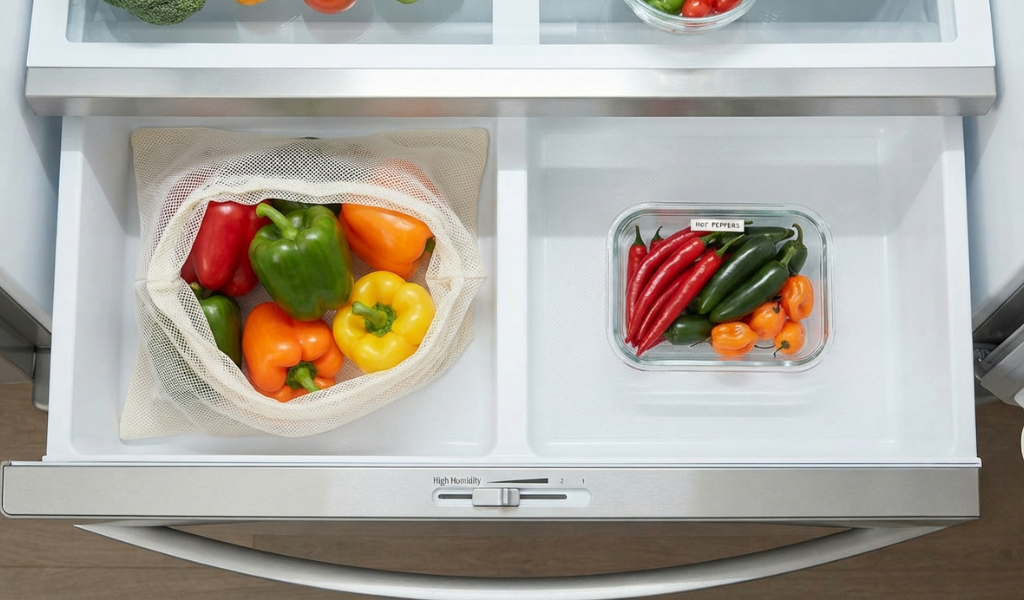
Preserving Your Pepper Harvest
Freezing, Drying, and Pickling
For a long-season harvest that’s too large to eat fresh, freezing is the simplest option. Wash, seed, and chop peppers, then spread them in a single layer on a baking sheet. Once frozen solid, transfer them to airtight bags. Frozen peppers work well in cooked dishes, though they lose their crispness after thawing.
Drying is the go-to method for hot peppers. String them up in a warm, dry location with good airflow, or use a food dehydrator. Dried cayenne, jalapeño, and habanero peppers can be ground into powder or rehydrated for cooking. Pickling is another classic option: pickled peppers maintain a good texture and can be stored for several months.
Saving Seeds from Mature Peppers
If you want to save seeds for next season, choose peppers that have fully ripened on the plant. Scoop out the seeds, rinse off any pulp, and spread them on a paper towel to dry for at least a week. Once completely dry, store them in a cool, dark location in a labeled envelope. Properly stored pepper seeds remain viable for two to four years
Make Every Harvest Count
Harvesting peppers at the right time is a skill that gets easier every season. Start by learning the signs your specific varieties show when they’re ready. Color, size, firmness, and glossy skin are your most reliable guides. Pick regularly, use clean tools, and give your plants a little post-harvest care to keep production going strong.
Whether you’re growing sweet bell peppers for salads, jalapeños for fresh salsa, or habanero peppers for hot sauce, the principles stay the same: pay attention, harvest often, and don’t leave mature peppers sitting on the plant longer than necessary. Your taste buds and your plants will thank you for it.
Frequently Asked Questions
How can you tell when peppers are fully ripe?
Look for full size, firm texture, glossy skin, and a complete color change if the variety is meant to change from green. For hot peppers, corking light tan streaks on the skin is also a sign of maturity. Always reference your seed packet for the expected mature color of your specific variety.
Can you harvest peppers while they are still green?
Yes. Peppers are edible at any stage once they’ve reached their mature size. Green peppers taste sharper and less sweet than fully ripened ones, but they’re perfectly safe and delicious to eat. Harvesting green can also help extend your harvest window and keep plants producing longer.
Will peppers continue to ripen after picking?
Hot peppers will continue to ripen slowly after harvest if left at room temperature. Sweet bell peppers, however, do not ripen well off the plant; they may soften slightly but won’t develop the same sweetness as one left to ripen fully on the vine.
What is the best spacing for a bigger pepper harvest?
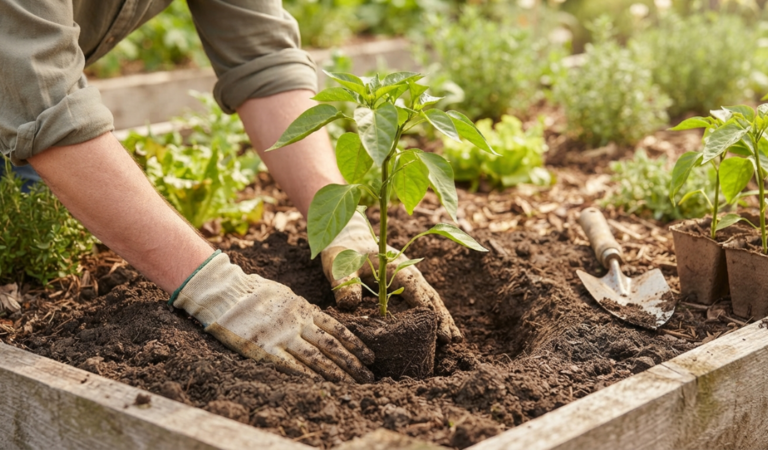
Proper plant spacing plays a big role in overall yield. Most standard pepper plant varieties do best when spaced 18 to 24 inches apart in garden beds or raised beds. Larger varieties benefit from a little extra room up to 24 inches while compact plants can be grown slightly closer. Good spacing ensures adequate airflow, reduces disease pressure, and gives each pepper plant enough space to develop large fruit.
Why are my peppers not turning red?
Most peppers take longer to change color than gardeners expect. The color change from green to red can take two to four weeks after the pepper has reached full size. Consistent warm temperatures, full sun exposure, and regular watering all support ripening. If a frost is coming and peppers are still green, bring them indoors and let them ripen at room temperature.
How often should I harvest peppers?
Check your plants every two to three days during peak season. Frequent harvesting keeps the plant productive and reduces the risk of fruit going overripe on the vine. Regular picking throughout the growing season is one of the simplest ways to maximize your total yield.
Should I fertilize after harvesting?
Yes. A light application of balanced fertilizer or organic fertilizer after a heavy harvest helps replenish nutrients and supports continued flower and fruit development. Avoid over-fertilizing with high-nitrogen products late in the season, as this encourages leafy growth rather than fruit production.