How Long Do Peppers Take to Grow? Ultimate Guide to Growing Peppers From Seed
How Long Do Bell Peppers Take to Grow: Understanding Pepper Plant Growth Stages
Growing peppers is one of the most rewarding things you can do in a backyard garden. But before you tear open that seed packet, there’s one question almost every gardener asks first: how long do peppers take to grow? The honest answer depends on the type of pepper, your growing conditions, and whether you’re starting from seed or transplanting a seedling. On average, most peppers take anywhere from 60 to 150 days from seed to harvest.
Bell peppers, for example, typically need around 70 to 90 days from transplant to reach full maturity. Hot peppers and super hots, on the other hand, can take much longer, sometimes pushing past 100 days. Knowing when to harvest peppers, how to start seeds indoors, and what each growth stage looks like will help you plan your season and avoid the most common mistakes new growers make.
This guide walks you through everything, from germination all the way to saving seeds for next year.
How Long Does It Take to Grow Peppers from Seed to Harvest?
Most pepper varieties take between 60 and 150 days from seed to harvest. That wide range exists because pepper plants go through several distinct growth stages, and each one takes time. The journey starts with germination, which typically takes 7 to 21 days depending on soil temperature, and ends when the fruit fully matures on the plant.
Here is a rough breakdown of the full pepper growth cycle:
- Germination: 7 to 21 days
- Seedling stage: 3 to 5 weeks
- Vegetative growth: 4 to 6 weeks
- Flowering: 1 to 2 weeks after transplant
- Fruit development to harvest: 60 to 90 days from transplant
Bell pepper growing stages follow a similar pattern, but bell peppers tend to mature faster than hotter varieties. A green bell pepper is simply a bell pepper that hasn’t fully ripened. If you leave it on the plant, it will turn red, yellow, or orange, and that extra time on the vine deepens the flavor.
Are Peppers Easy to Grow?
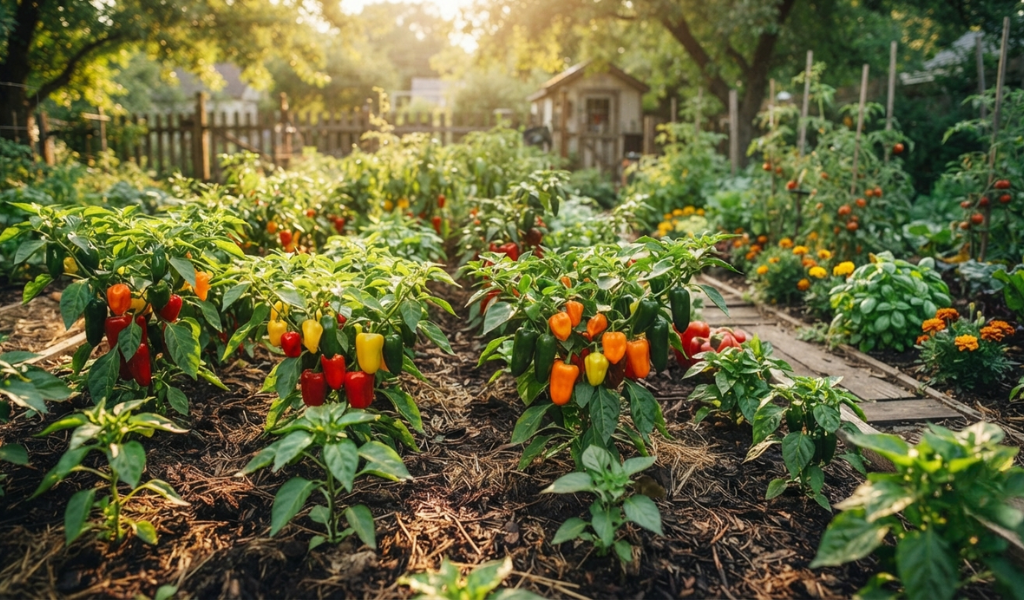
Peppers are one of the easiest vegetables to grow, making them a great choice for beginners and experienced gardeners. With the right growing conditions, pepper plants can produce a healthy harvest of colorful bell peppers and other varieties throughout the season. They grow well in garden beds, containers, and even small spaces as long as they receive plenty of sunlight, warm temperatures, and well-draining soil.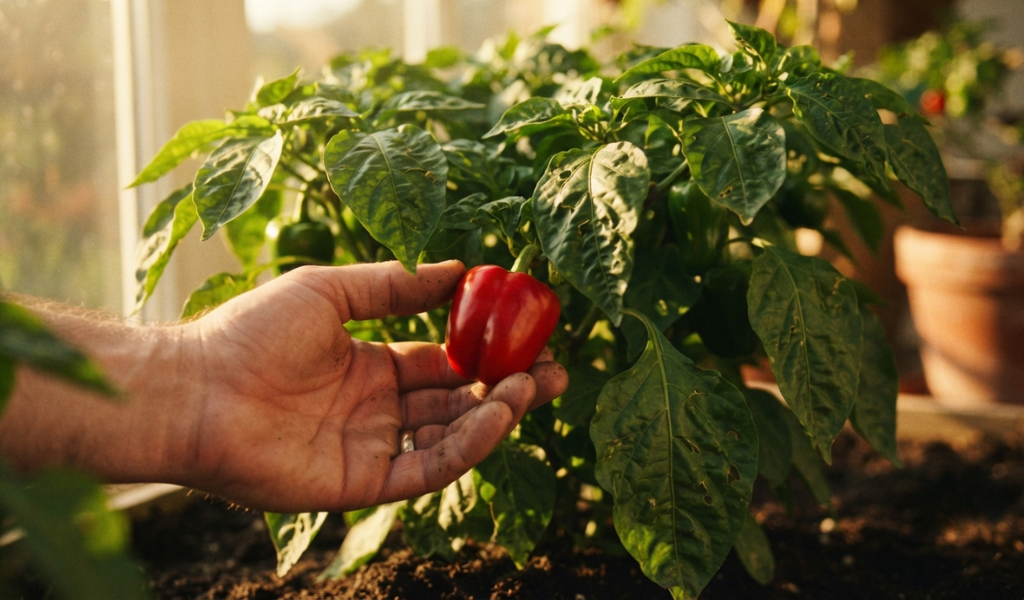
Growing peppers from seed requires patience, especially during the germination stage, but once the pepper plant becomes established, it needs only regular watering, proper nutrients, and basic care. Choosing the right fertilizer, maintaining soil moisture, and protecting plants from pests can help peppers grow faster and produce more fruit.
The time it takes to grow peppers depends on the variety and growing method, but most pepper plants take several weeks from seed germination to harvest. With consistent care, growing peppers can be a rewarding experience, giving you fresh bell peppers right from your own garden.
Types of Peppers to Grow from Seed
Easiest Peppers to Grow from Seed
If you are just starting out, choose varieties that are forgiving, fast-growing, and productive. These peppers tend to thrive even in less-than-ideal conditions.
- Bell Peppers – Among the most popular choices for home gardens. They need consistent watering and warm soil, but they are relatively straightforward to grow from seed.
- Banana Peppers – Like banana peppers, these plants are vigorous and tend to produce large yields with minimal fuss.
- California Wonder – A classic bell pepper variety known for its reliability and short days-to-harvest.
- Carmen Sweet Peppers – An Italian variety that ripens faster than most bell peppers, usually around 60 to 70 days from transplant.
Easiest Peppers to Grow from Seed and Days to Harvest
| Variety | Days from Transplant |
| Banana Pepper | 60–75 days |
| California Wonder Bell | 70–80 days |
| Carmen Sweet Pepper | 60–70 days |
| Cubanelle | 65–70 days |
Fastest Peppers to Grow from Seed
Some peppers reach harvest much faster than others, making them a great pick for short growing seasons.
- Shishito Peppers – Ready in about 60 days from transplant.
- Cubanelle Peppers – Light green, mild, and harvest-ready in as little as 65 days.
- Jalapeno Peppers – A bit of heat but still fairly quick, reaching maturity in around 65 to 75 days.
Fastest Peppers to Grow from Seed and Days to Harvest
| Variety | Days from Transplant |
| Shishito | 55–60 days |
| Cubanelle | 65 days |
| Jalapeno | 65–75 days |
| Sweet Banana | 60–65 days |
How Pepper Heat Level Affects Growing Peppers from Seed
There is a clear relationship between a pepper’s heat level and the amount of time it needs to mature. As a general rule, hotter peppers take longer to grow. The capsaicin compounds that give hot peppers their heat develop slowly over time, meaning the plant needs a longer growing season to reach full flavor and color.
Mild Pepper Seeds and Days to Harvest
Mild peppers, including bell peppers, banana peppers, and sweet Italian varieties, tend to have the shortest growing season. Most of these peppers reach harvest in 60 to 85 days from transplant. They germinate quickly, grow vigorously, and are ideal for gardeners in cooler climates where the growing season is shorter.
Super Hot Seeds and Days to Harvest
Super hot peppers are in a category of their own. Varieties like Ghost Peppers (Bhut Jolokia), Carolina Reapers, and Scorpion Peppers can take 90 to 150 days or more from transplant. Their seeds also take longer to germinate, sometimes up to 3 to 4 weeks even with a heat mat. These peppers require a long, warm growing season, which is why most growers in cooler climates start super hot seeds indoors as early as January or February.
| Variety | Heat Level | Days from Transplant |
| Bell Pepper | 0 SHU | 70–90 days |
| Jalapeno | 2,500–8,000 SHU | 65–75 days |
| Habanero | 100,000–350,000 SHU | 75–90 days |
| Ghost Pepper | 1,000,000+ SHU | 100–120 days |
| Carolina Reaper | 2,200,000+ SHU | 120–150 days |
Pepper Seed vs. Seedling
Starting from seed gives you access to the widest range of pepper varieties. You can choose heirlooms, rare hot peppers, and specialty sweet peppers that you will never find at a local nursery. However, starting from seed adds 8 to 10 weeks to your timeline, since seeds need to germinate and grow into transplant-ready seedlings before they go in the ground.
Buying a seedling from a nursery saves time. You skip the germination phase and the early seedling care, which means you could be harvesting several weeks earlier than a grower who started from seed. The tradeoff is variety selection, seedlings at garden centers are usually limited to the most common bell and hot peppers.
Container vs. Soil
Pepper plants grow well in both containers and in-ground garden beds, but each setup has its pros and cons.
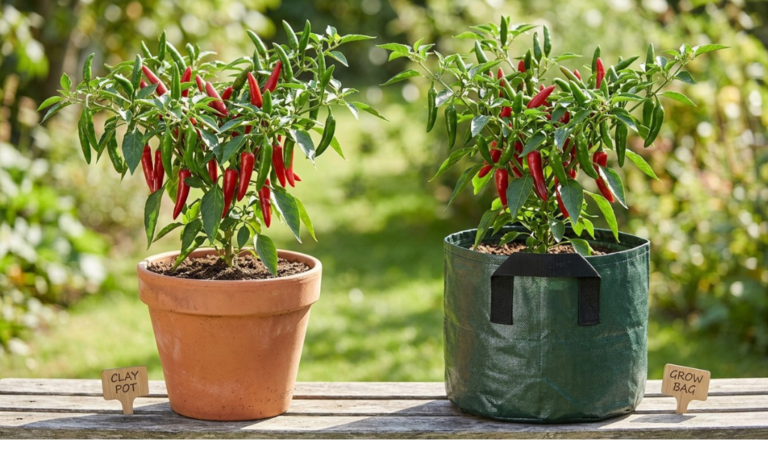
Growing in containers gives you control over soil quality, drainage, and location. You can move plants indoors if there is a late frost, and container growing is ideal for small spaces like patios and balconies. Peppers grown in pots need more frequent watering since containers dry out faster than garden beds. A pot that is at least 12 to 16 inches in diameter gives the plant enough room to grow a healthy root system.
Growing in garden soil allows the roots to spread freely and access more nutrients. In-ground plants typically grow larger and stronger over time. The key is starting with well-draining, nutrient-rich soil with a pH between 6.0 and 6.8.
Starting Indoors vs. Outdoors
When and How to Start Indoors
Most gardeners should start pepper seeds indoors 8 to 10 weeks before the last expected frost date. This head start is especially important in northern climates where the outdoor growing season is too short for peppers to fully mature outdoors from seed.
Fill small seed-starting trays with a quality seed starting mix and plant seeds about a quarter inch deep. Water gently and cover the tray with a plastic dome to hold in moisture.
Time to Germination
Pepper seeds typically germinate in 7 to 14 days when soil temperature is kept between 80 and 90 degrees Fahrenheit. A heat mat placed under the tray speeds up germination significantly. Without bottom heat, germination can take 21 days or longer, and germination rates often drop.
Seedling Care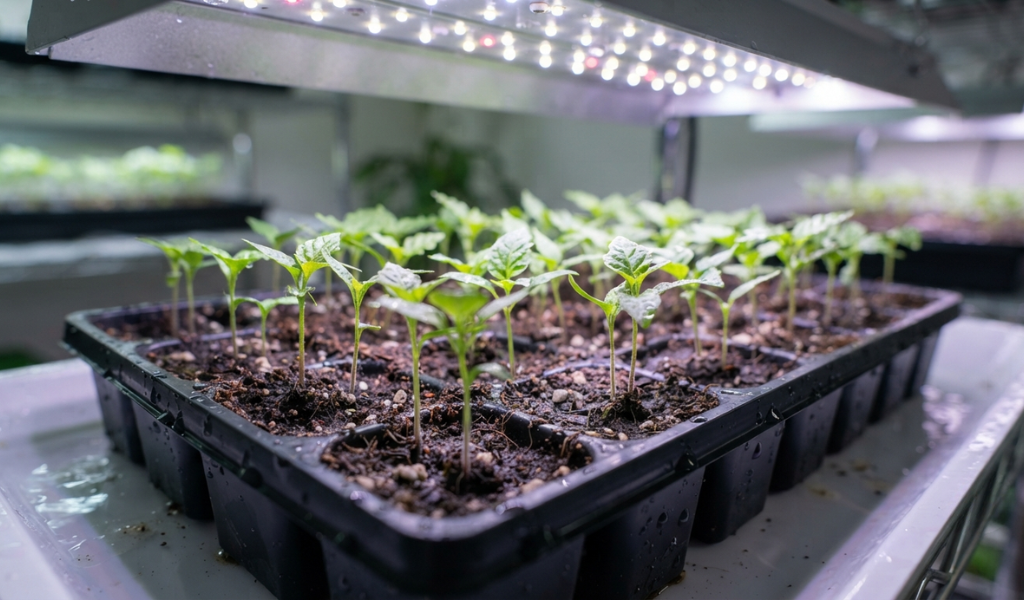
Once seeds sprout, remove the plastic dome and place the tray under a grow light for 14 to 16 hours per day. Pepper seedlings need plenty of light to avoid becoming leggy. Water when the top inch of soil feels dry, and avoid overwatering, which can cause damping off.
Potting Up
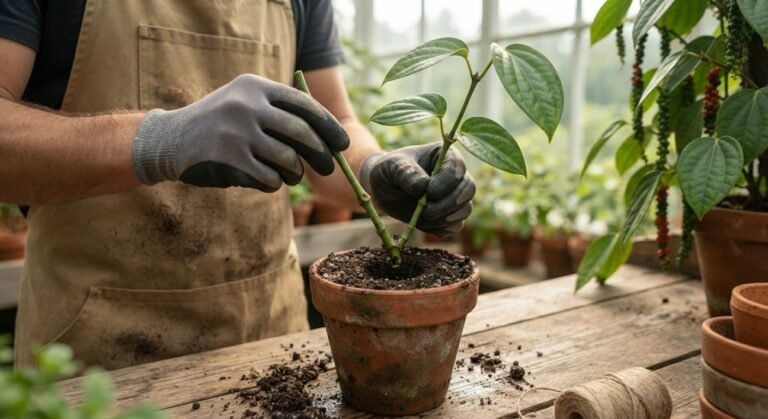
When seedlings develop their second set of true leaves, it is time to move them into a larger container, usually a 3 to 4 inch pot. This process, called potting up, gives the roots more room to grow and encourages stronger plant development before transplanting.
When to Transplant
Transplant pepper seedlings outdoors after all danger of frost has passed and nighttime temperatures are consistently above 55 degrees Fahrenheit. Peppers are sensitive to cold. Transplanting too early stunts growth and delays the season.
Light Requirements
Peppers need full sun, at least 6 to 8 hours of direct sunlight per day. When growing peppers indoors under artificial light, use a full-spectrum grow light positioned 2 to 4 inches above the seedlings for 14 to 16 hours daily.
Spacing Requirements
Space pepper plants 18 to 24 inches apart in rows 24 to 36 inches apart. Proper spacing improves air circulation, reduces disease risk, and gives each plant enough room to grow its full canopy.
Plant Care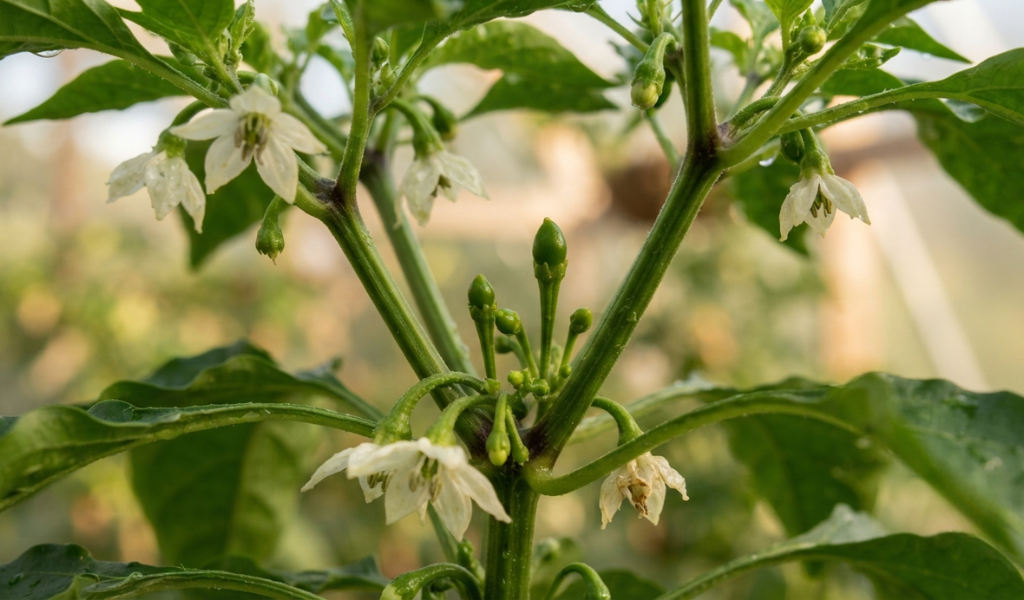
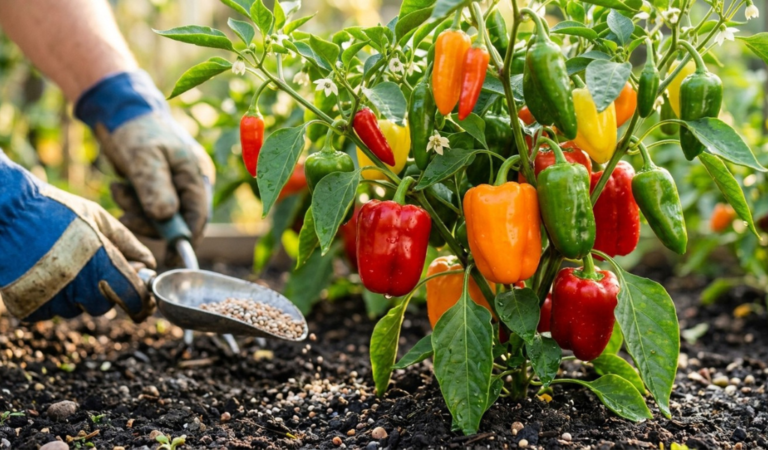
Water consistently, aiming for about 1 to 2 inches of water per week. Fertilize with a balanced fertilizer during early growth, then switch to a low-nitrogen, high-phosphorus formula once flowers appear. Too much nitrogen after flowering encourages leafy growth at the expense of fruit production.
Growing Peppers in Containers
Container growing works well for peppers, especially compact and dwarf varieties. Use a well-draining potting mix and a pot with drainage holes. Water more frequently than you would with in-ground plants, since containers dry out faster. Feed container peppers every 2 weeks with a liquid fertilizer during the growing season.
Good container-friendly varieties include Lunchbox Peppers, Shishito, and mini bell pepper cultivars. These smaller plants produce well in tight spaces and are easy to manage.
Common Diseases
Pepper plants are susceptible to a handful of diseases, especially in wet or humid conditions.
- Bacterial Leaf Spot – Shows up as dark, water-soaked spots on leaves. Caused by bacteria splashing up from the soil during watering. Avoid overhead watering to reduce risk.
- Phytophthora Blight – A soil-borne disease that causes wilting and rot at the base of the plant. Improve drainage and rotate crops yearly to prevent it.
- Pepper Mosaic Virus – Transmitted by aphids. Look for mottled, distorted leaves. There is no cure, so remove infected plants promptly and control aphid populations.
- Powdery Mildew – A white, powdery coating on leaves. Improve air circulation and avoid overcrowding plants.
When and How to Harvest Peppers
Eating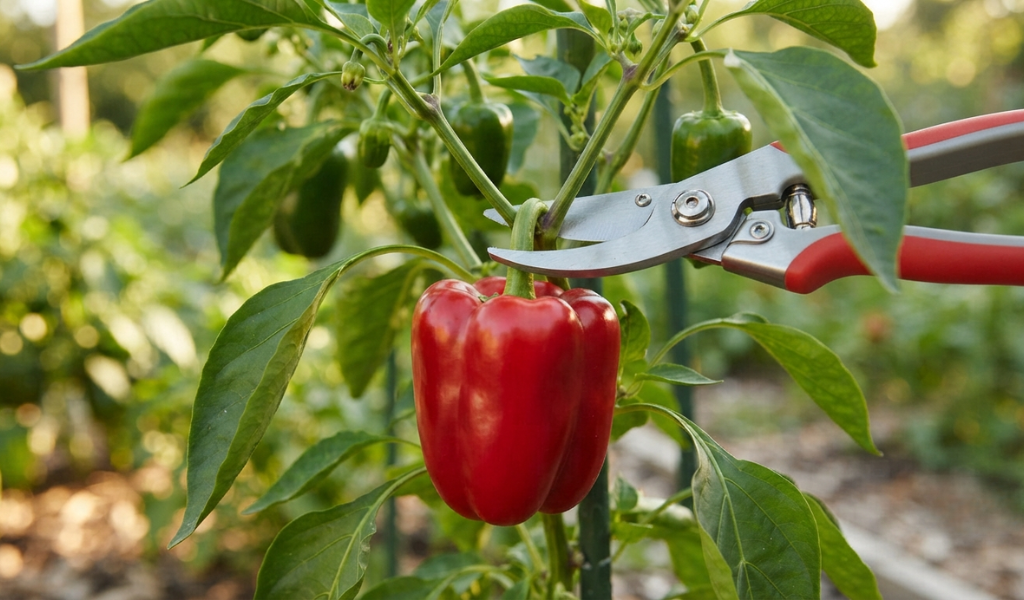
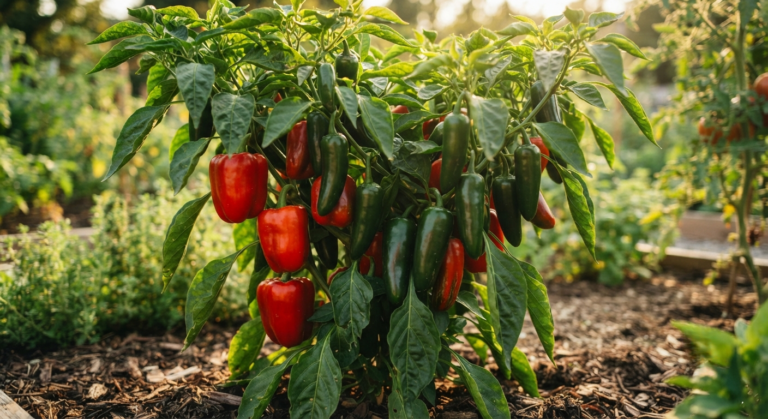
Knowing when to harvest peppers makes a big difference in flavor. Most peppers can be harvested when they reach full size, regardless of color. Green bell peppers are just unripe red, yellow, or orange peppers. They taste fine green, but leaving them on the plant until they change color produces a sweeter, richer flavor.
For hot peppers, harvesting at full color usually means peak heat and flavor. Use clean scissors or pruning shears to cut peppers from the plant rather than pulling them, which can damage the stem or branches.
Storing
Fresh peppers keep well in the refrigerator for 1 to 2 weeks. For longer storage, roast and freeze them or pickle them in vinegar brine. Dried hot peppers can last for months in a cool, dry place.
How to Save Pepper Seeds
Saving seeds from your best pepper plants is a great way to build a collection of reliable, garden-adapted varieties.
Life Cycle
Peppers are short-lived perennials in tropical climates but are grown as annuals in most temperate gardens. The plant flowers, produces fruit, and sets seed within a single growing season.
Recommended Isolation Distance
To keep varieties from cross-pollinating, space different pepper varieties at least 150 to 300 feet apart in open fields. In a home garden, 30 to 50 feet with physical barriers or row covers provides a reasonable level of isolation.
Recommended Population Sizes
Save seeds from at least 6 plants of the same variety to maintain genetic diversity. For rare or heirloom varieties, saving from 12 or more plants is even better.
Assessing Seed Maturity
Only save seeds from fully ripe fruit. The pepper should be fully colored (red, yellow, orange, or whatever the ripe color is for that variety) and starting to soften slightly. Seeds inside should be firm, cream-colored, and fully formed.
Processing
Cut the pepper open and scrape out the seeds onto a paper towel. Let them air-dry at room temperature for 1 to 2 weeks, turning occasionally, until fully dry. Avoid drying in direct sunlight or in an oven, as heat damages viability.
Storage and Viability
Store dried pepper seeds in a paper envelope or glass jar in a cool, dry, dark place. Pepper seeds remain viable for 2 to 4 years under good storage conditions. Label each packet with the variety name and harvest year.
Final Thoughts
Growing peppers from seed to harvest is a patient gardener’s game, but the reward is worth every week of waiting. Understanding how long peppers take to grow, which varieties suit your climate, and how to care for each growth stage puts you ahead of most home gardeners. Start your seeds early indoors, give your plants full sun and consistent water, and pay attention to the signs that tell you when to harvest peppers.
Whether you are focused on growing bell peppers for sweet snacking, chasing the heat of a ghost pepper, or experimenting with rare heirlooms, the process starts the same way: a seed, a warm tray, and a little patience.
Ready to get started? Pick your variety, mark your frost date, and count back 8 to 10 weeks. Your growing season is closer than you think.
Frequently Asked Questions
What month should I plant peppers?
Start pepper seeds indoors in late January to early March, depending on your location. Transplant outdoors after the last frost, typically between April and June in most parts of the United States. In warmer southern climates, you can transplant as early as March.
Should you water pepper plants every day?
Not necessarily. Pepper plants prefer consistent moisture but do not like soggy soil. Water deeply 2 to 3 times per week in warm weather, adjusting based on rainfall and temperature. Container-grown peppers dry out faster and may need daily watering during hot spells.
Do peppers grow better in pots or ground?
Both work well, but in-ground plants generally grow larger and produce more fruit over time due to greater root space and more consistent moisture. Containers are a great option for small spaces, and they allow you to move plants if frost threatens.
Do peppers take longer to grow than tomatoes?
Yes, peppers generally take longer to mature than tomatoes. Most tomato varieties reach harvest 60 to 85 days from transplant. Many pepper varieties, especially hot peppers, take 75 to 100 days or more. Super hot varieties can take up to 150 days.
What are the easiest and fastest pepper varieties to grow?
Shishito, Cubanelle, Banana Peppers, and sweet Carmens are among the easiest and fastest. Most of these reach harvest in 60 to 70 days from transplant and are forgiving of minor growing mistakes.
When should I harvest peppers?
Harvest peppers when they reach full size and your desired color. Green bell peppers can be harvested early, but waiting until they turn red, yellow, or orange produces a sweeter flavor. Hot peppers are typically most flavorful and hottest when fully ripe.
How long do peppers take to grow from seed to harvest?
Most peppers take 90 to 120 days from seed to harvest when you factor in the indoor seedling phase. From transplant, expect 60 to 90 days for mild varieties and 90 to 150 days for super hot peppers. Bell peppers typically reach harvest 70 to 90 days after transplanting.