How Do I Plant My Peppers? A Complete Guide to Grow Peppers in Your Garden
How Do I Plant My Peppers? Everything You Need to Know Before You Start
If you’ve ever asked yourself “how do I plant my peppers?”, you’re not alone. Growing peppers is one of the most rewarding things a home gardener can do, but it does require a little know-how. Get the basics right, and you’ll enjoy a colorful, spicy harvest from summer all the way through fall.
This guide covers everything from choosing the right pepper variety to knowing when to harvest peppers at peak ripeness. Whether you’re working with a raised bed, a container on a balcony, or a sunny windowsill indoors, the steps are largely the same. By the end of this post, you’ll know exactly how to plant peppers, care for them throughout the growing season, and troubleshoot common problems before they ruin your crop.
Peppers are warm-season vegetables with a long growing season, so early preparation matters. Most gardeners start pepper seeds indoors 8 to 10 weeks before the last frost date in their area, then transplant seedlings outside once the soil warms up. Knowing when to harvest peppers also plays a big role in flavor. Green peppers are simply unripe versions of red, orange, or yellow ones. Let them ripen fully on the plant and the flavor deepens considerably.
Let’s get into it.
Choosing the Right Pepper Variety
Not all peppers are created equal, and choosing the right variety for your space and taste preferences is the first step toward a successful harvest.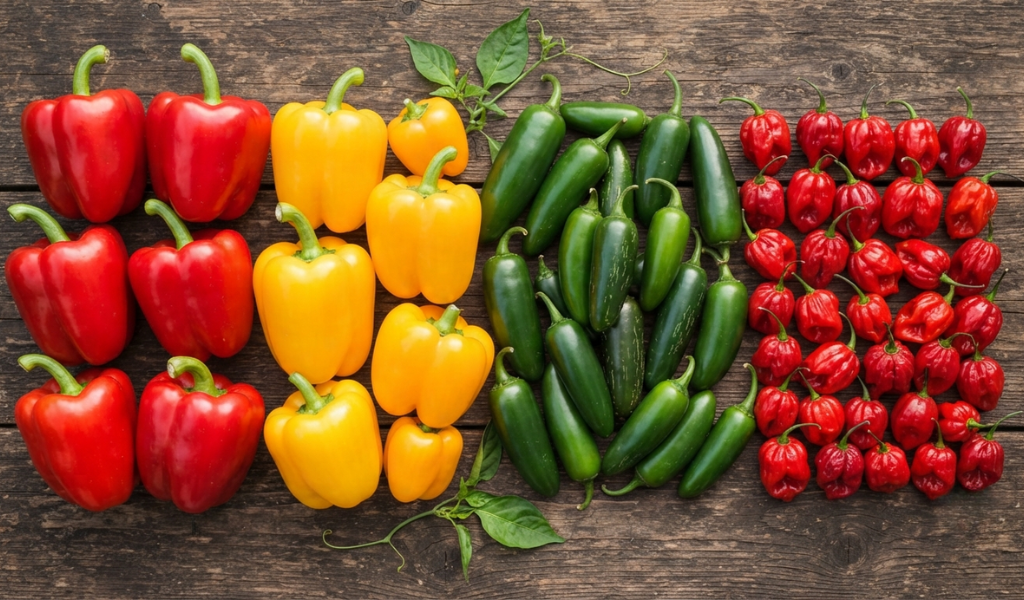
Hot Pepper Varieties Worth Growing
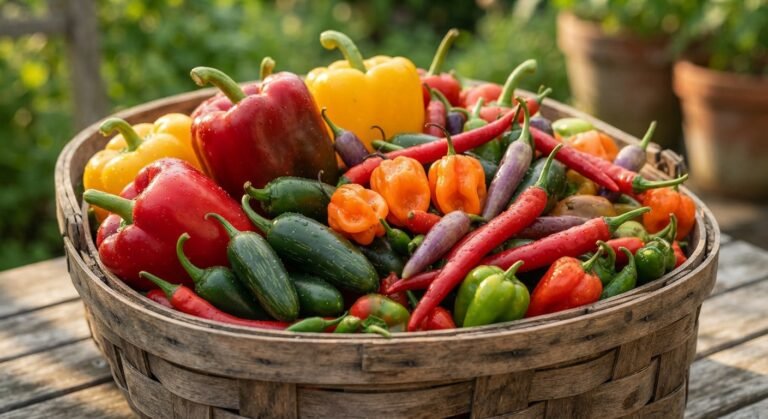
If heat is what you’re after, there are plenty of hot pepper varieties to explore. Jalapeños are a great starting point for beginners since they grow reliably and produce heavily. Serranos are a step hotter and work beautifully in salsas. For serious chili peppers lovers, habaneros and ghost peppers offer serious fire, though they require a longer growing season and more heat to ripen fully.
Sweet Peppers and Bell Peppers for the Home Garden
Sweet bell peppers are among the most popular vegetables in the home garden. They’re easy to grow, incredibly versatile in the kitchen, and come in a range of colors including red, yellow, orange, and even purple. Sweet pepper varieties like Banana Peppers and Carmen are also beginner-friendly and produce well in containers. If you’re new to growing peppers, a sweet bell is a great place to start before experimenting with hotter varieties.
Matching Pepper Varieties to Your Climate
Peppers love heat. Most varieties of peppers thrive in climates where summer temperatures sit consistently above 70°F (21°C). In cooler areas, opt for shorter-season varieties that ripen faster, like Early Jalapeño or Purple Beauty Bell. In hotter regions, you have more flexibility to grow peppers from seed that take 90 or more days to reach full maturity.
The Best Location to Place Your Container Peppers
Location makes a huge difference when growing peppers, especially in containers. Get this wrong and even the healthiest seedling will struggle.
Find a Sunny Spot for Healthy Pepper Plant Growth
Pepper plants need full sun. That means at least 6 to 8 hours of direct sunlight per day. A south-facing spot in your garden, on your deck, or by a window is ideal. Without adequate sunlight, peppers grow slowly, produce fewer fruits, and become more vulnerable to disease.
How Much Sunlight Do Pepper Plants Need in Containers?
Container-grown peppers actually benefit from a little afternoon shade in very hot climates. Intense afternoon heat can stress the plant and cause flowers to drop before they set fruit. Morning sun is essential, but in zones where summer temperatures regularly exceed 95°F (35°C), moving pots to a slightly shaded afternoon spot can improve your yield.
Place Your Pepper Planter Where It Gets Proper Air Circulation
Good airflow around the plant helps prevent fungal diseases, which thrive in still, humid conditions. Avoid cramming plants together or pushing containers right up against walls. A little breathing room goes a long way toward keeping pepper plants healthy.
Protect Container Peppers from Wind and Extreme Weather
While air circulation is important, strong winds can snap stems and damage young plants. Place containers near a wall, fence, or hedge that breaks the wind without blocking sunlight entirely. During unexpected cold snaps or heatwaves, containers have a big advantage over in-ground plants. You can simply move them to a more protected spot.
Selecting the Right Gardening Container
The container you choose affects everything from root health to how often you need to water. Many beginner gardeners underestimate how much this matters.
Choose the Best Container Size for Healthy Pepper Plant Growth
Pepper plants develop deep, spreading roots, so container size is critical. For most varieties, a container that holds at least 5 gallons of soil per plant is the minimum. Larger is better. A 10-gallon pot gives the roots more room to grow, which translates directly into better fruit production. Small pots restrict root growth and lead to stressed, underperforming plants.
Select Containers with Proper Drainage for Planting Peppers Successfully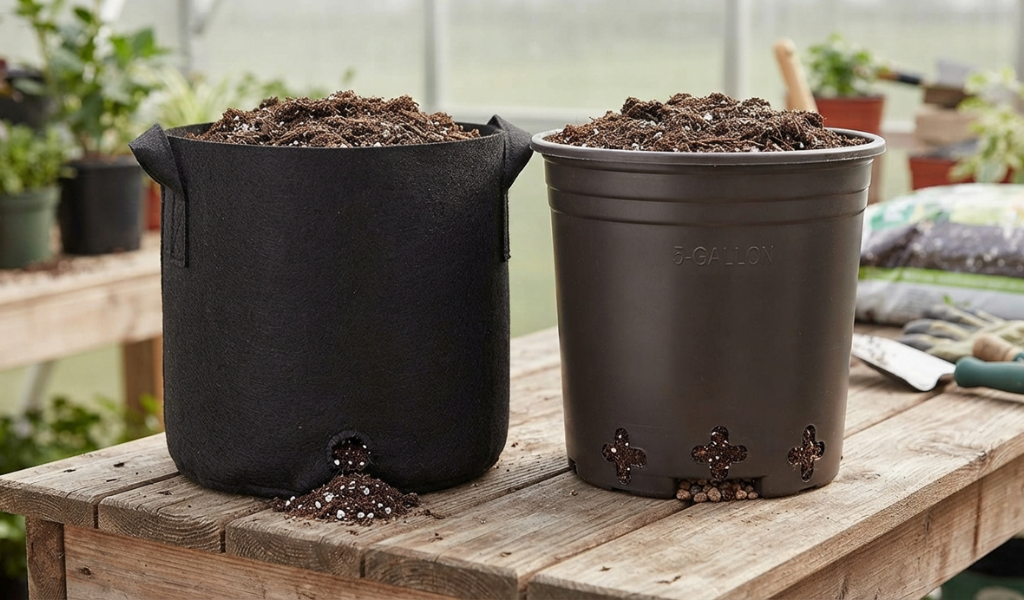
No drainage means waterlogged soil, and waterlogged soil leads to root rot. Every container you use should have at least one large drainage hole at the bottom. If you’re repurposing buckets or crates, drill several holes yourself before filling with soil. Placing a small layer of gravel or broken pottery over the holes helps prevent soil from washing out while still allowing water to escape freely.
Consider Container Materials When Planting Peppers at Home
Plastic pots are lightweight and retain moisture well, which reduces watering frequency. Terracotta pots are attractive but dry out quickly in summer heat, meaning you’ll need to water more often. Fabric grow bags are increasingly popular among home gardeners because they promote excellent airflow to the roots and prevent overwatering through a process called air pruning. All of these options work well for growing peppers. Your choice comes down to budget, climate, and how much maintenance you want to handle.
Choosing the Right Soil and Fertilizer
Healthy soil is the foundation of a productive pepper plant. Skip this step, and no amount of sunlight or watering will compensate.
Use Nutrient-Rich Soil to Give Pepper Plants a Strong Start
For container peppers, never use garden soil straight from the ground. It compacts easily in pots, drains poorly, and often introduces disease. Instead, use a high-quality potting mix designed for vegetables. Look for a mix that includes compost, perlite, and aged bark to ensure good drainage and nutrient availability. Adding a few handfuls of compost to your potting mix before planting gives young pepper plants a strong nutritional start.
Choose the Best Fertilizer for Peppers to Encourage Healthy Growth
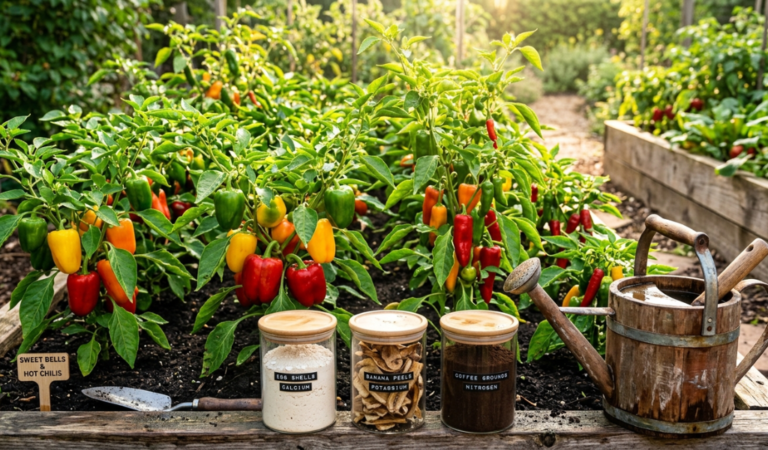
Peppers are heavy feeders, especially once they start flowering and setting fruit. Start with a balanced fertilizer, such as a 10-10-10, during the early growth phase to encourage strong stems and leaves. Once flowers appear, switch to a fertilizer lower in nitrogen and higher in phosphorus and potassium. Too much nitrogen at the flowering stage pushes the plant to produce more leaves at the expense of pepper fruits.
Add Organic Fertilizer for Pepper Plants to Improve Soil Quality
Organic options like fish emulsion, worm castings, and composted manure release nutrients slowly throughout the growing season, which suits pepper plants very well. They also improve the overall structure of your soil over time. If you prefer a simple routine, apply a slow-release organic fertilizer at planting time and supplement with a liquid feed every two to three weeks throughout the growing season.
The Quantity Method to Planting Seeds
Figuring out how many seeds to plant and how to space them correctly saves time, money, and frustration down the line.
How Many Pepper Seeds Should I Plant for Healthy Growth?
Pepper seeds don’t all germinate. Even high-quality, fresh seeds have a germination rate of around 70 to 80 percent, which means planting one seed per cell isn’t always reliable. A better approach is to plant two or three seeds per seed tray cell or small pot, then thin to the strongest seedling once they sprout. This ensures you don’t end up with empty cells and gaps in your garden bed.
The Best Seed Spacing Method When Planting Pepper Plants
When starting pepper seeds indoors, small seed trays or 3-inch pots work well. Once seedlings develop true leaves and you’re ready to transplant, space the plants 18 to 24 inches apart in the garden bed or raised bed. This spacing allows roots to expand freely, improves airflow, and gives each plant enough access to sunlight for strong pepper production.
How Do I Plant My Peppers: Step-by-Step Instructions
Here’s a straightforward walkthrough of how to plant peppers from seed to transplant.
Step 1: Start pepper seeds indoors 8 to 10 weeks before your last frost date. Use a seed starting mix, not regular potting soil, as it’s finer and easier for young roots to push through.
Step 2: Place seed trays on a heat mat set to around 80 to 85°F (27 to 29°C). Pepper seeds germinate much faster with bottom heat. Without a heat mat, germination can take 3 to 4 weeks. With one, seeds often sprout within 7 to 10 days.
Step 3: Once seedlings emerge, move them under a grow light or to your sunniest window. Pepper seedlings need 14 to 16 hours of light per day to grow stocky and strong. Weak light produces tall, spindly plants that struggle after transplanting.
Step 4: After the last frost date has passed and soil temperatures have reached at least 60°F (16°C), begin hardening off your seedlings. Move them outside for a few hours each day over the course of a week to gradually acclimate them to outdoor conditions.
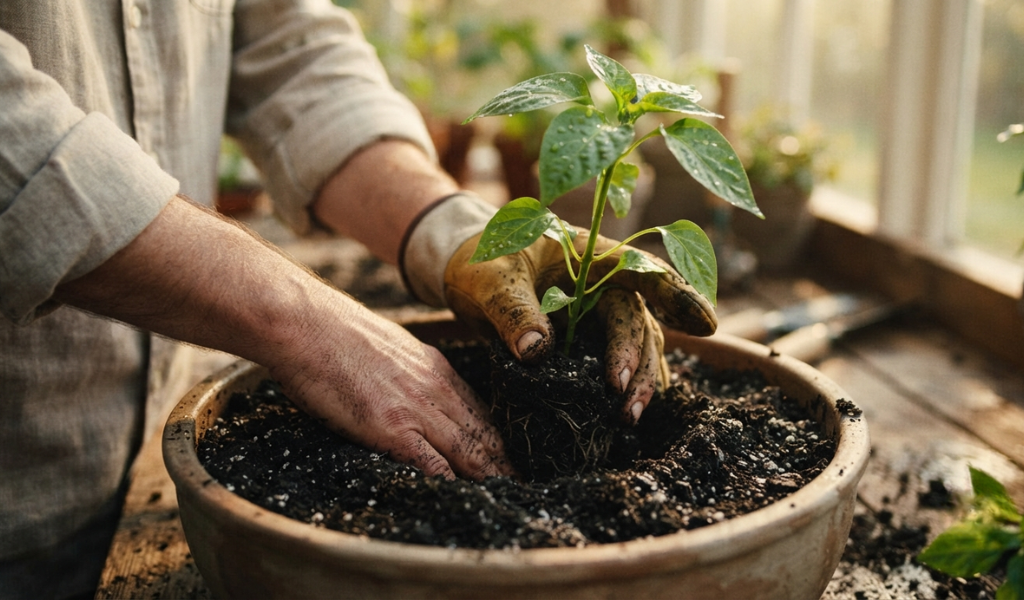
Step 5: Prepare your garden bed or container by mixing in compost and your chosen fertilizer. 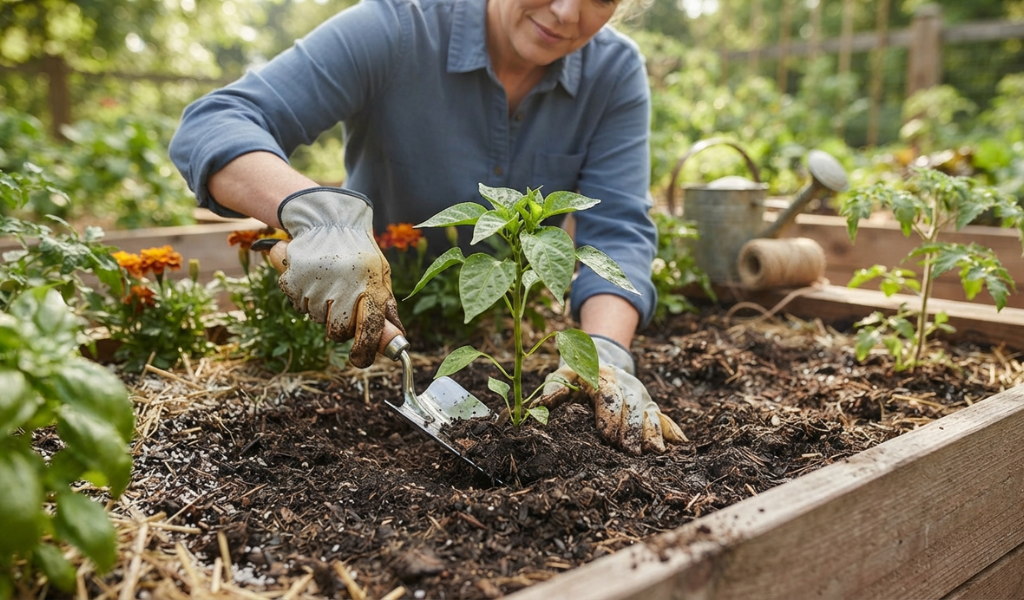 Dig holes slightly larger than the root ball of each seedling and plant them at the same depth they were growing indoors.
Step 6: Water young pepper plants thoroughly right after transplanting. Keep the soil evenly moist but never soggy. Inconsistent watering at this stage leads to problems like blossom drop and stunted growth.
Step 7: Apply a layer of mulch around the plant, about 2 to 3 inches deep, keeping it away from the stem. Mulching helps retain moisture, suppresses weeds, and maintains stable soil temperatures, all of which benefit your plants throughout the growing season.
Step 8: Begin fertilizing with a balanced liquid fertilizer two to three weeks after transplanting, once you see steady new growth. Prune any suckers growing below the main fork of the plant to direct more energy toward fruit production.
Self-Watering Planters for Peppers
Self-watering containers have become a popular choice among gardeners growing peppers in pots, and for good reason.
How Self-Watering Planters Support Pepper Plant Growth
Self-watering planters feature a reservoir at the bottom that holds water, which the plant draws up through the soil as needed. This creates consistent moisture levels, which peppers respond well to. Irregular watering is one of the most common causes of poor yields and plant stress in container gardening, so a self-watering setup removes a lot of guesswork.
Benefits of Using Self-Watering Containers for Peppers
Beyond convenience, self-watering planters reduce the risk of overwatering, which is the main cause of root rot in container-grown peppers. They also allow plants to develop deeper roots, since the roots naturally grow downward toward the moisture reservoir. Peppers grown in self-watering containers tend to produce more consistently, particularly during hot spells when soil in regular pots can dry out within a day or two.
Preventing Pests and Diseases with Your Potted Peppers
Container peppers are not immune to pests and diseases, but they are generally easier to manage than those grown in the ground.
Check Pepper Plants Regularly for Common Pests and Problems
Common pepper pests include aphids, spider mites, and pepper weevils. Aphids cluster on the undersides of leaves and can be dislodged with a strong spray of water. Spider mites appear in hot, dry conditions and cause a characteristic stippling on leaves. Check your plants every few days and catch infestations early before they spread.
Use Natural Methods to Protect Potted Pepper Plants
For most pest problems, neem oil spray or insecticidal soap works well without harming beneficial insects. Apply in the early morning or late evening to avoid burning foliage. For fungal diseases like powdery mildew, improve air circulation, avoid wetting the leaves when watering, and remove any affected foliage promptly.
Improve Soil Health to Keep Pepper Plants Strong
Healthy plants resist pests and plant diseases far better than stressed ones. Feed your peppers consistently, keep the soil well-draining, and avoid letting them sit in standing water. Rotating your potting mix each season and adding fresh compost gives young pepper plants the clean start they need.
Common Pepper Problems in Containers
Even experienced gardeners run into issues. Here’s how to identify and fix the most common ones.
Flowers Dropping Off the Plant: This is usually caused by temperature extremes, either too hot or too cold, or inconsistent watering. Ensure your plants aren’t exposed to temperatures below 55°F (13°C) at night, and keep watering consistent.
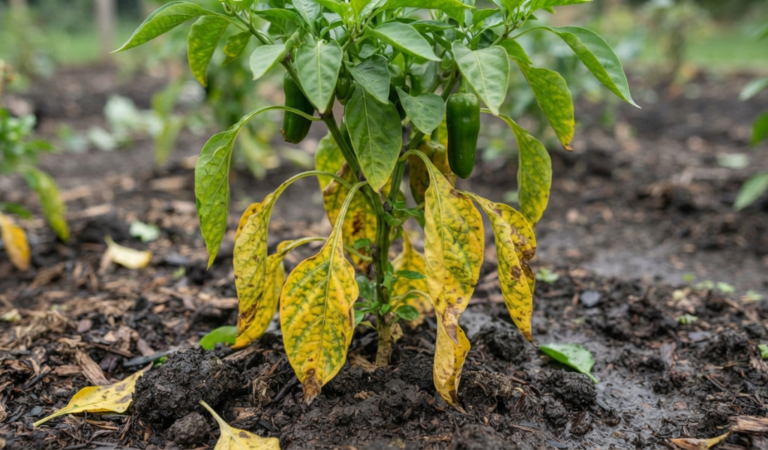
Yellow Leaves: Yellowing pepper leaves typically signal a nitrogen deficiency or overwatering. Check your drainage first. If the soil drains well, apply a balanced liquid fertilizer to boost nitrogen levels.
Lots of Leaves But Few Peppers: Too much nitrogen fertilizer pushes lush leaf growth at the expense of fruit. Switch to a low-nitrogen, high-potassium fertilizer during the flowering and fruiting stage.
Small Peppers or Slow Growth: This usually comes down to insufficient sunlight or pot size. Move your container to a sunnier spot and consider upsizing to a larger pot to give roots more room to grow.
Wilted Plants in Hot Weather: Containers dry out fast in high heat. If your plant looks wilted in the middle of the day but recovers in the evening, it’s simply heat stress. Water more frequently and consider moving the container out of the intense afternoon sun.
Success Factors for Growing Peppers in Containers
Getting great results with container-grown peppers comes down to a handful of non-negotiables.
Use a pot with at least 5 gallons of capacity per plant. Fill it with a quality potting mix enriched with compost. Place it in a spot with 6 to 8 hours of direct sunlight. Water consistently and fertilize regularly throughout the growing season. These four factors, more than anything else, determine whether your pepper growing effort succeeds or falls flat.
Pepper Plant Spacing Made Simple
When growing peppers in the ground or in a raised bed, spacing plants 18 to 24 inches apart is standard practice. In containers, stick to one plant per container unless you’re using an exceptionally large pot of 15 gallons or more. Crowded plants compete for nutrients, light, and water, all of which reduces your overall harvest. Giving each plant room to grow pays off in bigger yields and healthier plants.
When and How to Plant Peppers
The timing of when you plant peppers is just as important as how you plant them. Peppers are warm-season crops that don’t tolerate frost. Transplanting too early, before both air and soil temperatures have stabilized, stresses the plant and slows its development significantly.
Start pepper seeds indoors 8 to 10 weeks before the last frost date in your area. Transplant seedlings outdoors once nighttime temperatures stay consistently above 55°F (13°C) and the soil temperature sits at 60°F (16°C) or warmer. In most parts of the United States, this falls somewhere between late April and early June depending on your region.
Growing peppers from seed gives you access to a much wider range of varieties than what’s available as transplants at garden centers, and it costs far less per plant. If you’re short on time or space, buying seedlings locally is a perfectly valid option.
Pepper Plant Care and Maintenance
Consistent care throughout the growing season is what separates a decent harvest from a great one.
Water deeply and regularly, aiming to keep the top inch of soil moist at all times. Avoid watering in the evening to reduce the risk of fungal issues. Prune suckers and any crossing or crowded branches to improve airflow and direct the plant’s energy toward fruit production. Support taller varieties with stakes or cages to prevent stems from snapping under the weight of a heavy harvest. Keep an eye out for pests and address them early. And don’t forget to harvest your peppers regularly. Leaving ripe fruits on the plant too long slows down new fruit production.
Final Thoughts
Growing peppers at home is both practical and genuinely satisfying. Once you understand the basics, including the right timing, soil, container size, and care routine, the process becomes straightforward even for a first-time gardener.
Start with a variety that suits your climate and taste, give your plants the sunlight and nutrients they need, and don’t rush the process. Peppers take time, but the reward of harvesting your own fresh chili peppers or sweet bell peppers from your own garden makes every step worthwhile.
Ready to get started? Grab your seeds, pick a sunny spot, and plant your first pepper plant this season.
Frequently Asked Questions
What month do you start planting peppers?
Most gardeners start pepper seeds indoors in February or March, depending on their last frost date. The goal is to have healthy seedlings ready to transplant outdoors once the soil warms up, typically in May or June in most U.S. regions.
Can I plant just one pepper plant?
Yes. One pepper plant is enough to produce a decent harvest, especially in a container. Some sweet bell pepper varieties produce 6 to 10 large fruits per plant throughout the growing season. For hotter varieties, you can expect even higher production from a single plant.
Do peppers grow better in pots or in the ground?
Both work well, but container growing offers more control over soil quality, drainage, and positioning. In-ground growing gives roots more room to expand naturally. For most home gardeners with limited space, containers are the more practical option.
Do bell pepper plants come back year after year?
Pepper plants are technically perennials, but they’re frost-sensitive. In warm climates with no frost, they can survive and produce for multiple years. In most of North America, they’re grown as annuals and replanted each season. You can overwinter pepper plants indoors if you have a bright, warm space.
How many pepper plants can I grow in one container?
As a general rule, one plant per container works best for pots in the 5 to 10 gallon range. In a large raised bed planter of 25 gallons or more, you can grow two to three plants, provided you maintain proper spacing of 18 to 24 inches between each one.
Can peppers grow indoors?
Yes, peppers can be grown indoors successfully. They need a very bright window with at least 6 hours of direct sunlight or a quality grow light set to run for 14 to 16 hours per day. Smaller, compact varieties like Lunchbox Peppers or Pequin work especially well for indoor growing conditions.
How deep does a container need to be to grow peppers?
Pepper roots need at least 12 inches of depth to develop properly. Most 5-gallon containers meet this requirement. Deeper is better, as it gives the plant more room to establish a strong root system and access water and nutrients more efficiently throughout the growing season.
What kind of soil do pepper plants need?
Pepper plants need well-draining, nutrient-rich soil with a pH between 6.0 and 6.8. For container growing, use a quality vegetable potting mix amended with compost. Avoid using straight garden soil in containers, as it compacts over time and prevents proper drainage, which can lead to root rot and