What Is the Trick to Growing Peppers? A Complete Guide to Growing Peppers Successfully
What Is the Trick to Growing Peppers? Guide to Plants and Bigger Harvests
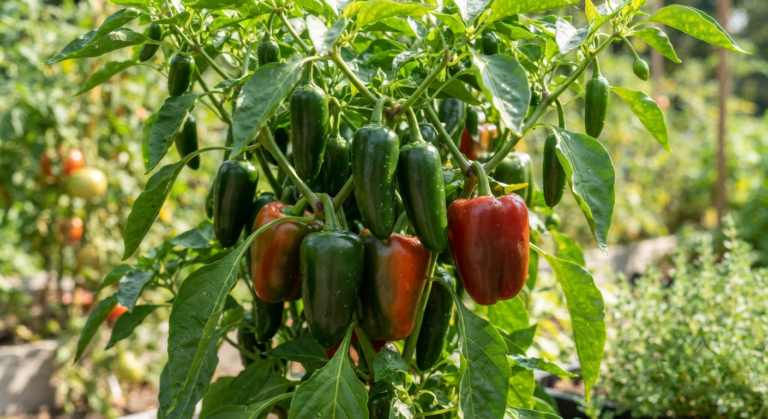
Growing peppers sounds simple enough: plant a seed, water it, wait. But anyone who has tried knows the reality is a little more complicated. The trick to growing peppers well comes down to understanding what these plants genuinely need, and giving it to them consistently. Get that right, and you will have more peppers than you know what to do with by harvest time.
This gardening guide covers everything from soil prep and watering to pollination tricks and pest control. Whether you are working with a sprawling backyard garden or a few containers on a balcony, the tips here will help you grow peppers that are healthier, more productive, and far more rewarding to tend.
Understand the Secret to Growing Healthy Peppers
Why Peppers Thrive Under the Right Conditions
Peppers are warm-season crops that love heat, light, and well-draining soil. They originally come from Central and South America, where long, warm growing seasons are the norm. That background tells you a lot about what pepper plants need to do well. They want full sun, consistent warmth, and steady moisture without sitting in wet soil. When those conditions line up, peppers reward you with lush foliage and a generous harvest.
Both sweet and hot peppers share the same basic requirements. Bell peppers, jalapeños, habaneros, banana peppers all grow better when they have enough light, the right nutrients, and good airflow around the plant. The variety you choose may have slightly different days to mature, but the core growing conditions remain consistent across the board.
The Most Common Mistakes That Limit Growth
Most gardeners who struggle to grow peppers are making a handful of avoidable mistakes. Planting too early in cold soil is one of the most common. Peppers need soil temperatures that have warmed to at least 60°F (ideally 70°F) before they really take off. Put them in cold ground and they will sit there, stressed and stunted, even if the air temperature feels warm enough.
Overwatering is another big one. Pepper roots need oxygen, and soggy soil cuts that off fast. Too much water leads to wilting, yellowing leaves, and root rot. Underwatering causes its own problems, including blossom drop and poor fruit development. Getting the balance right is one of the most important skills in pepper growing.
Other common mistakes include planting in too much shade, skipping fertilizer during the growing season, and not harvesting frequently enough. These all chip away at your final yield.
Key Factors That Influence Pepper Production
The main factors that determine how well your peppers produce are sunlight, soil quality, water management, nutrition, and temperature. Miss one of these and the plant compensates by producing fewer fruit, dropping blossoms, or growing slowly. Hit all of them consistently, and you create the conditions for a genuinely abundant harvest.
Genetics also play a role. Some pepper varieties are bred for high yields, disease resistance, or specific climates. Choosing the right variety for your home garden and local conditions gives you a head start before you even put a seed in the ground.
Choose the Best Location and Soil for Growing Peppers
How Much Sunlight Pepper Plants Need
Pepper plants need at least six to eight hours of direct sun each day. More is generally better. A spot that gets full sun from morning through mid-afternoon is ideal. Avoid planting in areas shaded by trees, fences, or buildings during peak daylight hours, as reduced light leads to leggy seedlings, fewer flowers, and smaller fruit.
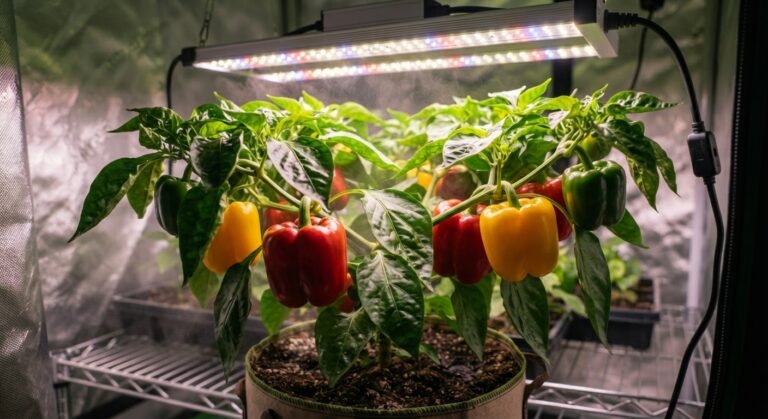
If you are growing peppers indoors before transplanting, a south-facing windowsill works, but a grow light is usually more reliable for producing strong, healthy seedlings with compact growth.
Ideal Soil Type and pH Levels
Peppers grow best in loose, well-draining soil that holds enough moisture without becoming waterlogged. Sandy loam amended with compost is close to ideal. The target pH range is 6.0 to 6.8. Soil that is too acidic or too alkaline blocks nutrient uptake, even when those nutrients are present in the soil.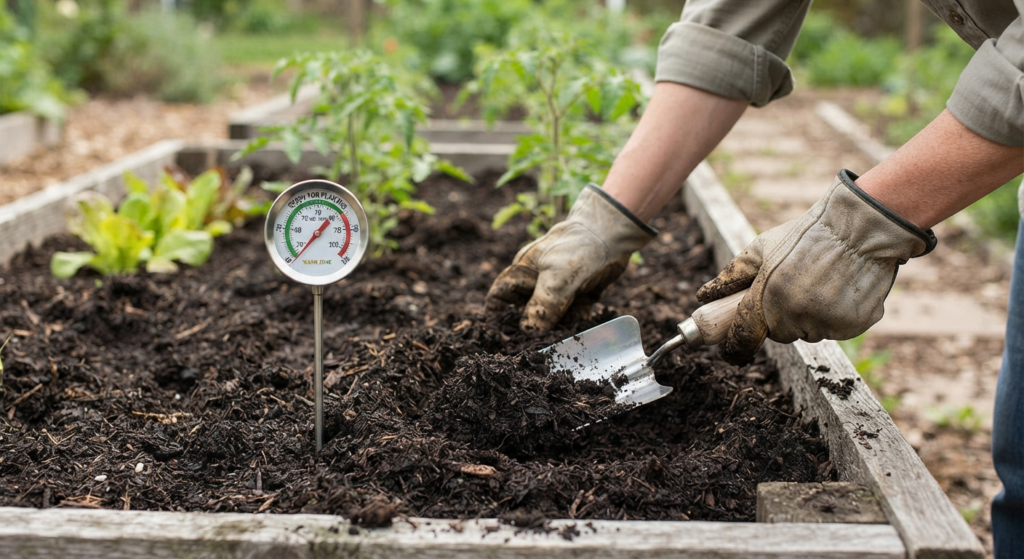
Before planting, test your soil pH with an inexpensive test kit from a garden center. If the pH is off, you can raise it with garden lime or lower it with sulfur. Work in compost generously, as it improves drainage in heavy clay soils and helps sandy soils retain moisture more effectively.
Preparing Garden Beds and Containers
For garden beds, loosen the soil to a depth of about 12 inches and mix in several inches of compost. This creates a root-friendly environment where pepper plants can establish quickly after transplanting.
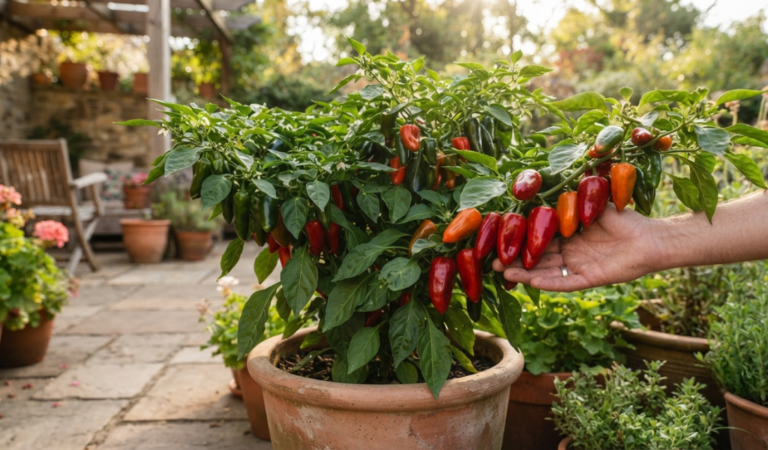
Container gardening works well for peppers, and many varieties actually thrive in containers. Use a pot that holds at least five gallons per plant, and fill it with high-quality potting soil rather than garden soil, which tends to compact in containers. Make sure the pot has drainage holes. Containers also have the advantage of being movable, so you can follow the sun or bring plants indoors if temperatures drop unexpectedly.
Master the Basics of Pepper Plant Care
Watering Without Overwatering
Peppers need consistent moisture, but they do not like sitting in wet soil. A good rule of thumb is to water deeply once or twice a week, depending on rainfall and temperature. Stick your finger two inches into the soil. If it feels dry at that depth, it is time to water. If it still feels moist, wait another day. 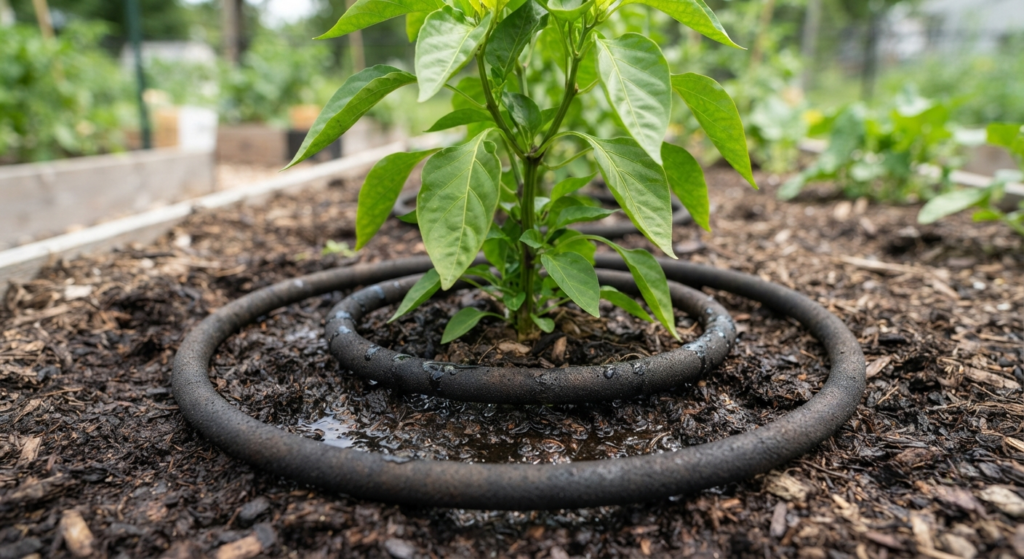
Water at the base of the plant rather than overhead. Wet foliage encourages fungal disease, especially in humid conditions. Drip irrigation or soaker hoses are excellent for peppers because they deliver water directly to the root zone while keeping leaves dry.
Fertilizing for Strong Growth and Flowering
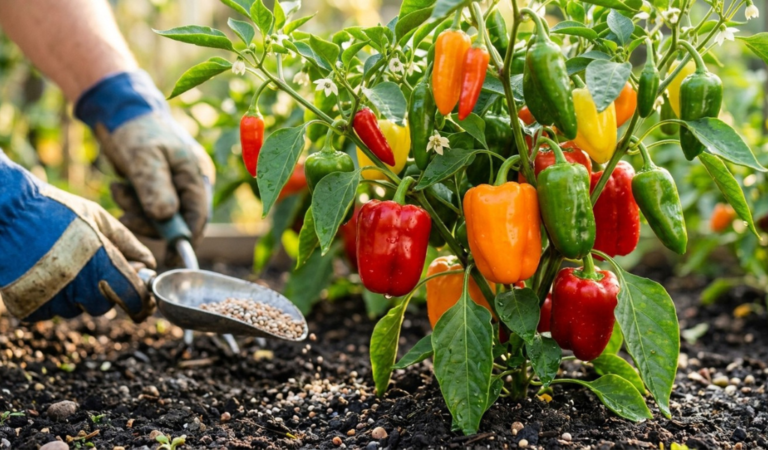
Peppers are moderate to heavy feeders. Starting with compost-enriched soil gives them a solid nutritional base, but supplemental fertilizer is usually needed through the growing season. At planting time and during early growth, use a balanced fertilizer or one slightly higher in nitrogen to encourage leafy development.
Once plants start to flower, switch to a fertilizer lower in nitrogen and higher in phosphorus and potassium. Too much nitrogen at this stage pushes leafy growth at the expense of flowers and fruit. Liquid fertilizers applied every two to three weeks tend to work well because they deliver nutrients directly and are easy to adjust.
Mulching to Retain Moisture and Control Weeds
Adding a layer of mulch around your pepper plants does several things at once. It helps regulate soil temperature, retains moisture between watering sessions, and suppresses weeds that compete with your plants for nutrients and water. Apply two to three inches of straw, shredded leaves, or wood chips around the base of each plant, keeping the mulch a few inches away from the stem.
In hot climates, mulch is especially valuable because it keeps the soil from overheating. Consistently warm but not scorching soil temperatures lead to better root health and steadier growth throughout the season. Weed regularly between mulched areas to stop any weeds that push through.
Proven Tricks to Grow More Peppers
Pinch Early Flowers for Stronger Plants
One of the best-kept tricks in pepper growing is pinching off the first round of flowers that appear on your transplants. It feels counterintuitive, but removing those early blooms forces the plant to put more energy into building a stronger root system and bushier structure. The result is a plant that produces significantly more fruit later in the season compared to one that was allowed to flower immediately.
This is especially worth doing if you transplanted seedlings that were already showing flowers. Give the plant two to three weeks in the ground before letting it focus on fruit production.
Support Plants with Stakes or Cages
As pepper plants grow and start to bear fruit, the weight of the peppers can cause stems to bend or snap. A simple stake or small tomato cage keeps plants upright and prevents breakage. Tie stems loosely to the stake with soft garden twine, leaving room for natural movement.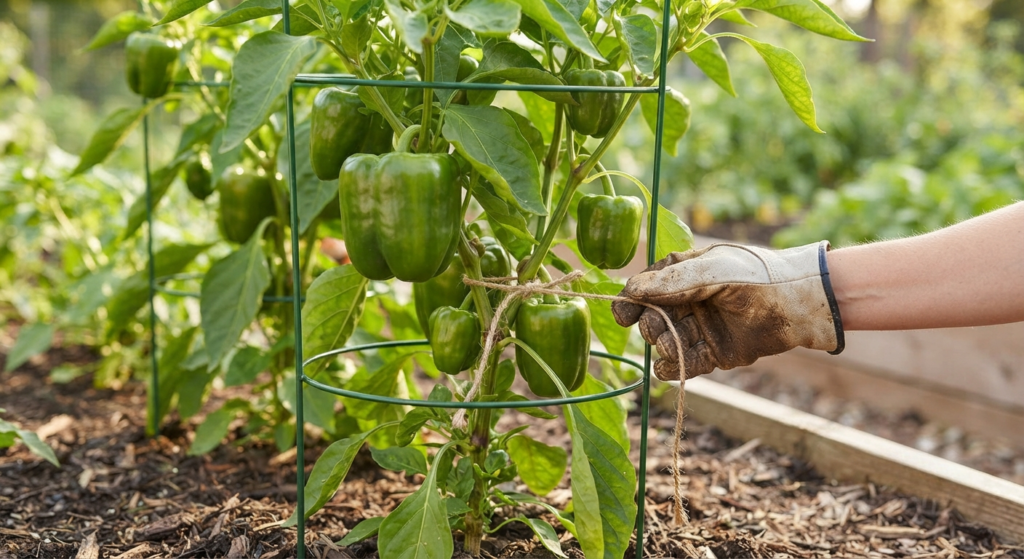
This is particularly important for larger hot peppers and bell peppers, which can get quite heavy as they approach full size. Good support also improves airflow around the plant, which reduces the risk of fungal problems.
Encourage Better Pollination for Higher Yields
Peppers are self-pollinating, which means each flower contains both male and female parts. However, they still benefit from physical movement to release pollen effectively. Outdoors, wind and pollinators like bees usually handle this naturally. Indoors or in low-traffic garden spots, you may need to give things a nudge.
Gently shake the plant every few days during flowering, or use a small paintbrush to transfer pollen from flower to flower. Poor pollination leads to blossom drop, which is one of the more frustrating problems a gardener can face. Encouraging pollinators by planting flowers nearby also helps increase overall yield.
Harvest Frequently to Boost Production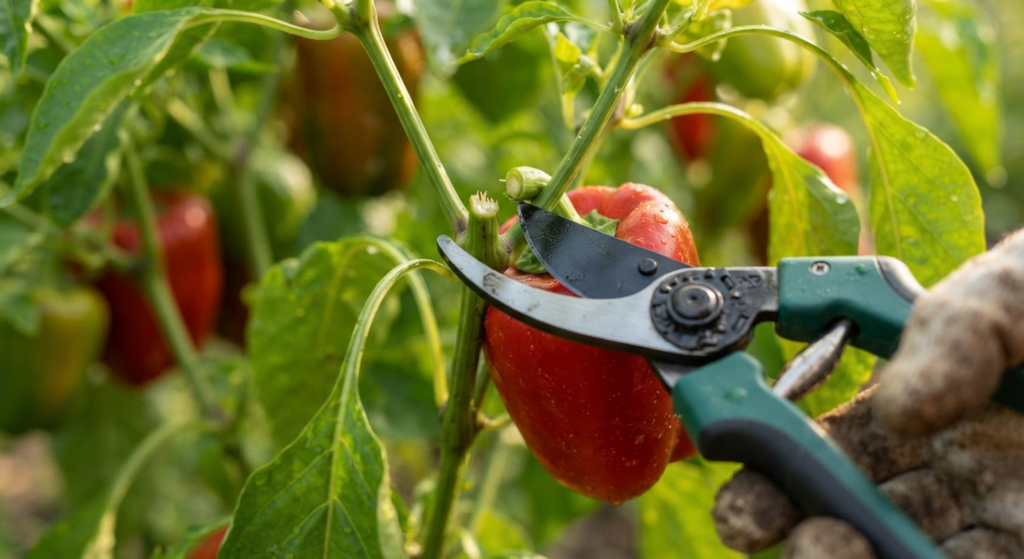
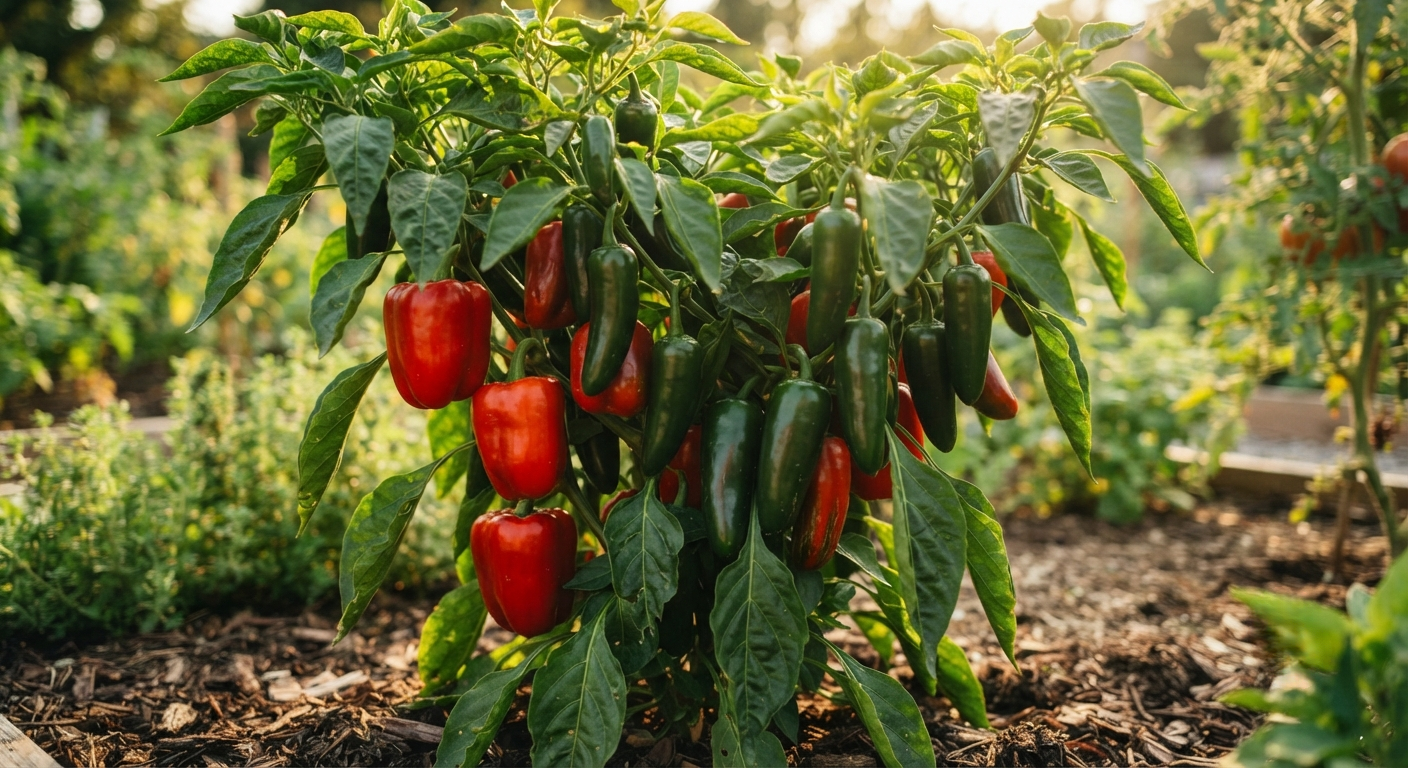
Regular harvesting is one of the simplest tricks for getting more peppers from each plant. When fruit is left on the plant for too long, the plant shifts energy toward ripening those peppers rather than producing new ones. Picking peppers at or before full maturity signals the plant to keep producing.
Use scissors or pruning shears to cut peppers rather than pulling them off, which can damage branches. For green peppers, harvest when the fruit reaches full size. For fully mature peppers of any color, wait until they reach their target color. The more you pick, the more you get.
Protect Pepper Plants from Common Problems
Prevent Pests Naturally
The most common pests on pepper plants are aphids and spider mites. Aphids cluster on new growth and the undersides of leaves, sucking plant sap and weakening the plant over time. Spider mites leave fine webbing and cause stippled, discolored foliage. Both thrive in hot, dry conditions.
Inspect plants regularly and address problems early. A strong blast of water from a hose knocks aphids off effectively. Neem oil spray works well for both pests and is safe for use in a home garden. Encouraging beneficial insects like ladybugs and lacewings by avoiding broad-spectrum pesticides creates a natural defense system that keeps pest populations in check.
Identify and Treat Common Pepper Diseases
Fungal diseases like powdery mildew and anthracnose affect pepper plants, especially when humidity is high and airflow is restricted. Symptoms include white powdery coatings on leaves, dark lesions on fruit, and general decline in plant health.
Good cultural practices prevent most disease issues. Space plants adequately so air circulates freely, avoid overhead watering, remove infected leaves promptly, and rotate crops each year so pathogens do not build up in the same soil. If fungal disease does take hold, organic copper-based fungicides offer effective control without harming beneficial organisms.
Avoid Blossom Drop and Leaf Yellowing
Blossom drop is when flowers fall off before setting fruit. The main causes are temperature extremes, inconsistent watering, poor pollination, and too much nitrogen. Temperatures above 90°F or below 55°F at night frequently trigger blossom drop, as the plant becomes too stressed to support fruit development.
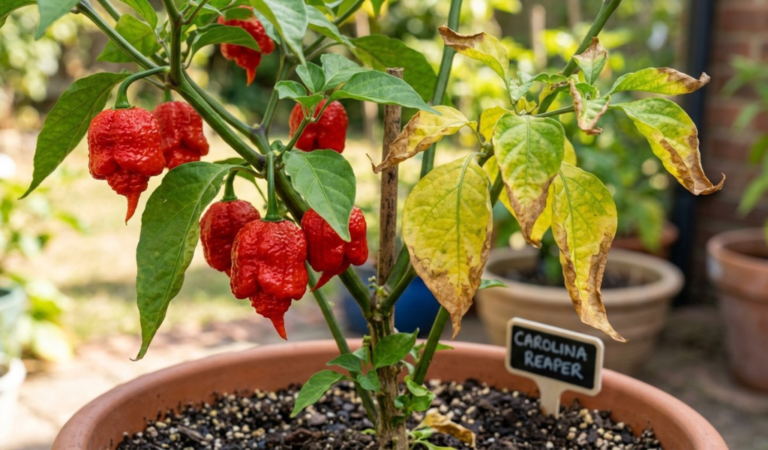
Yellowing leaves often point to nutrient deficiency, overwatering, or root problems. Nitrogen deficiency causes older leaves to yellow from the bottom up. Magnesium deficiency produces yellowing between the veins of younger leaves. A soil test helps identify the cause, and targeted fertilization corrects most deficiencies quickly.
Seasonal Tips for a Bigger Pepper Harvest
Caring for Peppers During Hot Weather
Peppers love warmth, but extreme heat causes problems. When temperatures climb above 90°F consistently, flower production slows, and blossom drop becomes more common. Providing some afternoon shade using shade cloth during heat waves protects the plant without cutting light significantly.
Keep soil moisture consistent during hot spells, as heat increases evaporation. Mulch becomes even more important in summer, helping regulate soil temperature and reduce how often you need to water. Deep, infrequent watering encourages roots to grow deeper, which makes plants more resilient during dry stretches.
Extending the Growing Season in Cooler Climates
In areas with a short growing season, starting peppers indoors is essential. Begin seed starting eight to ten weeks before your last frost date. This gives seedlings enough time to develop before outdoor conditions are suitable. Use a heat mat to maintain soil temperatures around 80°F for reliable germination, as pepper seeds germinate slowly in cool conditions.
When it is time to transplant, harden off seedlings gradually by exposing them to outdoor conditions over one to two weeks before planting them permanently. Row covers and cold frames can extend the season at both ends, protecting plants from unexpected cold snaps and helping push production further into fall.
Knowing the Best Time to Harvest Peppers
Timing your harvest correctly makes a real difference in flavor and yield. Green peppers are simply unripe versions of their final color. Letting them ripen to red, orange, or yellow increases sweetness and boosts their vitamin C content. Hot peppers develop more capsaicin as they fully mature.
The tradeoff is that the longer you leave peppers on the plant, the fewer new ones the plant will produce. Many gardeners harvest a mix, taking some green and letting others ripen fully. Check plants every two to three days during peak season, and do not leave overripe or rotting fruit on the plant.
Grow the Pepper Garden You Have Always Wanted
Growing peppers well is not about one magic trick. It is about layering good habits, from choosing the right location and soil to watering consistently, fertilizing at the right time, and staying on top of pests and diseases. Each of these steps reinforces the others.
Start with quality seeds or seedlings, give your plants the warmth and sunlight they need, and stay attentive through the growing season. Adjust when something is not working. Over time, you build an intuitive understanding of what your pepper plants are telling you, and that knowledge pays off in a bigger, better harvest year after year.
Put these tips to work this season and see just how productive a well-tended pepper plant can be.
Frequently Asked Questions About Growing Peppers
What is the biggest secret to growing peppers?
The biggest single factor is heat. Peppers are tropical plants that need warm soil, warm air, and plenty of sunlight to produce well. Starting seeds early indoors, waiting until soil temperatures have warmed before transplanting, and choosing a warm, sunny location make more difference than almost anything else.
How often should you water pepper plants?
Most pepper plants need watering once or twice per week, depending on the weather and soil type. The goal is to keep the soil consistently moist at root level but never waterlogged. During heat waves, more frequent watering may be necessary. Always check the soil before watering rather than following a rigid schedule.
What fertilizer helps peppers produce more fruit?
During the fruiting stage, peppers respond well to fertilizers higher in phosphorus and potassium, with moderate nitrogen. Phosphorus supports root development and flower set, while potassium improves fruit quality. Products labeled for tomatoes and vegetables often work well for peppers. Liquid fertilizers applied every two to three weeks give you the flexibility to adjust as the plant develops.
Can peppers grow well in containers?
Yes, many pepper varieties thrive in containers. Choose a pot with at least five gallons of capacity, use quality potting soil, and make sure the container drains well. Container-grown peppers may need more frequent watering and fertilizing than those in the ground, but they have the advantage of being easy to move and control.
How do you increase pepper yields naturally?
Several techniques work together to increase yields. Pinch early flowers to build a stronger plant structure. Harvest frequently to encourage continuous production. Improve pollination by shaking plants gently or attracting beneficial insects. Feed regularly with a balanced fertilizer, keep up with watering, and control pests before they become a real problem. Combining these habits consistently through the growing season leads to noticeably better results.