How to Grow Peppers for Beginners in Your Garden: Easy Planting and Care Tips
How to Grow Peppers for Beginners: A Complete Step-by-Step Guide
Growing peppers at home is one of the most rewarding things you can do in a garden. Whether you’re dreaming of crisp bell peppers in your salads or fiery jalapeños on your tacos, learning how to grow peppers for beginners is simpler than most people expect. You don’t need a massive backyard, years of gardening experience, or a greenhouse to get started. A sunny windowsill, a pot of good soil, and a little patience can go a long way.
This guide walks you through everything from choosing the right pepper variety and starting seeds indoors, to planting, caring for, and harvesting your peppers. By the end, you’ll have everything you need to grow a healthy, productive pepper plant, whether in a garden bed or a container on your patio.
Why Peppers Are Great for Beginner Gardeners
Peppers are one of the most beginner-friendly vegetables you can grow. They are relatively low-maintenance, adapt well to containers and garden beds alike, and produce a generous harvest when given the right conditions. Unlike some vegetables that need constant attention, peppers mostly just need warmth, sunlight, and consistent watering.
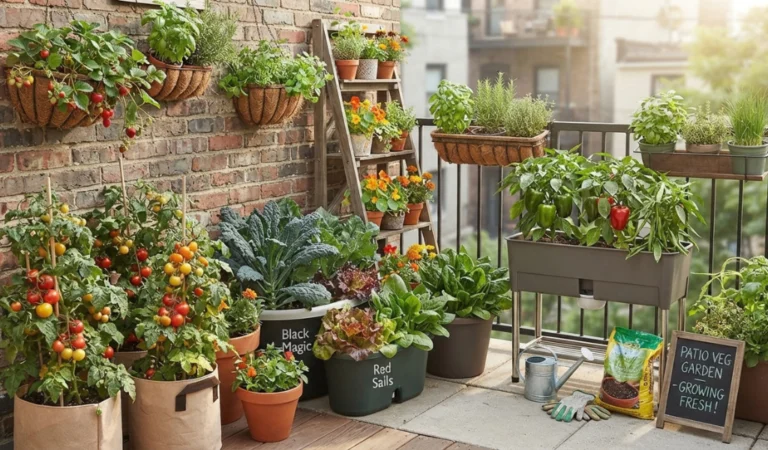
One thing that makes peppers especially appealing is their versatility. You can plant peppers in a small pot on a balcony, in a raised garden bed, or directly in your backyard soil. They thrive in warm climates but can also be grown indoors under grow lights if you live somewhere with a shorter growing season.
Peppers also have a long growing season, which means once your plants are established, you can keep harvesting for months. A single plant can produce dozens of peppers throughout the season, giving you excellent value for the time and effort you put in.
Easy-to-Grow Pepper Varieties
Not all peppers are created equal when it comes to ease of growing. Some varieties are forgiving and fast, while others need more specific conditions. For beginners, sticking to tried-and-true varieties makes the process much smoother.
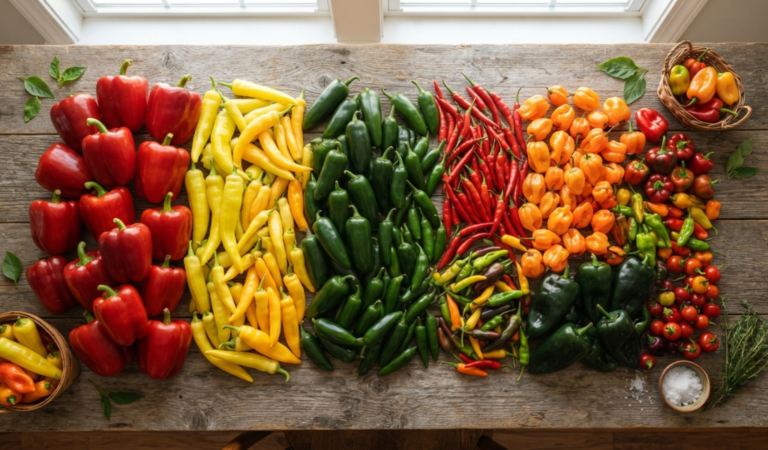
Bell peppers are a classic starting point. They grow well in most climates, don’t need much fertilizer compared to hot peppers, and are incredibly versatile in the kitchen. Jalapeños are another great option; they’re hardy, produce abundantly, and are usually ready to harvest in about 70 to 85 days. Banana peppers and cayenne peppers are also considered easy to grow and tend to be quite productive.
If you’re looking for something a little different, sweet Italian peppers are mild, flavorful, and reliable. Orange peppers are another fun option, offering a slightly sweeter taste than green peppers and adding a pop of color to your garden.
Benefits of Growing Peppers at Home
Growing vegetables at home has obvious benefits, you know exactly what went into your food, you save money on groceries, and there’s something genuinely satisfying about eating something you grew yourself. Peppers, in particular, offer a few extra perks.
Fresh peppers from your garden taste noticeably better than store-bought ones. They’re picked at peak ripeness rather than harvested early and left to ripen in a truck. They’re also packed with vitamins C and A, antioxidants, and other nutrients that make them a smart addition to any diet.
Growing peppers at home also gives you access to varieties that grocery stores simply don’t stock. Want a specific heirloom sweet pepper or a uniquely flavored hot variety? Growing from seed gives you that freedom. And since peppers can be grown in containers, even apartment dwellers with a sunny balcony can enjoy a fresh harvest.
Choosing the Right Pepper Variety
Picking the right variety is one of the first and most important decisions you’ll make. The best choice depends on your climate, available space, and personal taste preferences.
Bell Peppers
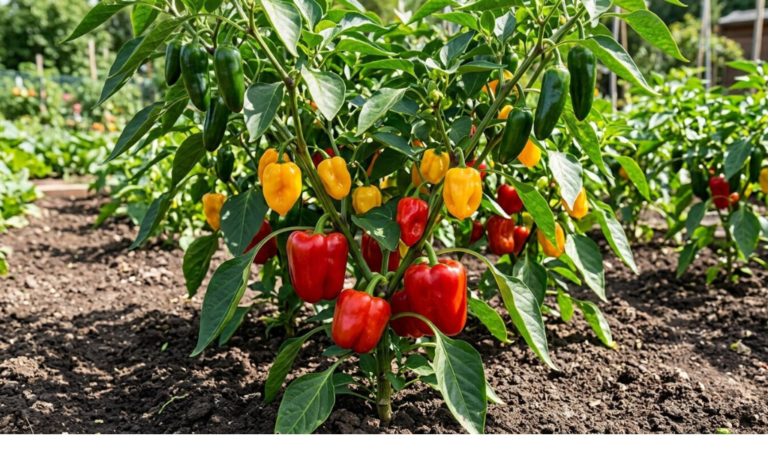
Bell peppers are the most popular type of pepper grown in home gardens. They start out green and ripen to red, yellow, or orange depending on the variety. Growing bell peppers from seed takes a bit longer than some other types typically 70 to 90 days from transplant to harvest but the results are well worth it. They prefer warm temperatures and full sun, and they do best when nighttime temperatures stay above 55°F (13°C).
Sweet bell peppers need well-draining soil and consistent moisture to develop their thick, crunchy walls. If you’re planting in a pot, choose one that’s at least 12 inches deep to give the roots enough room to grow.
Jalapeños and Chili Peppers
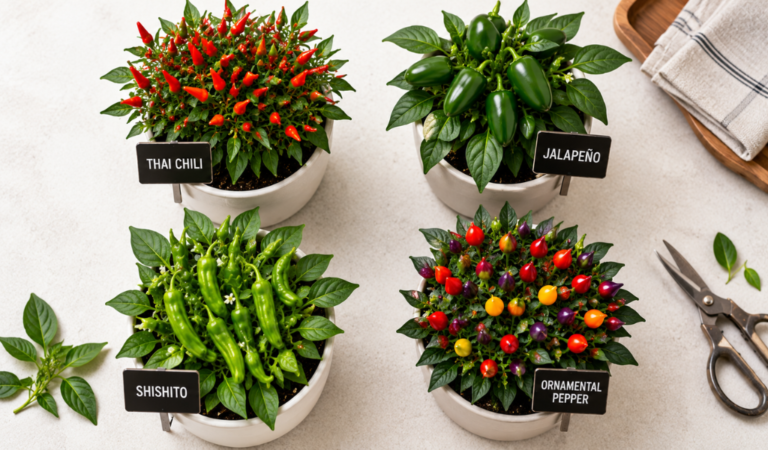
Jalapeños are one of the most forgiving hot peppers you can grow. They’re compact, productive, and not overly fussy about soil quality. Most jalapeño plants produce heavily from midsummer through fall. Chili peppers, which include a wide range of hot varieties, follow similar growing patterns and are generally considered easy to grow even in containers.
Hot peppers tend to thrive a little more in heat than bell peppers do. If you’re growing in a pot, a dark-colored container can help absorb warmth from the sun and keep the soil temperature consistent.
Sweet vs. Hot Peppers
The choice between sweet and hot peppers really comes down to how you plan to use them. Sweet peppers including sweet bell peppers, banana peppers, and pimentos are mild and work well in salads, stir-fries, and stuffed pepper recipes. Hot peppers deliver heat and are great for salsas, pickling, and adding spice to cooking.
From a growing standpoint, both types follow similar care routines. Hot peppers often mature slightly faster than large bell peppers and can be a little more tolerant of dry conditions.
How to Start Growing Peppers
There are two ways to get started: growing from seed or buying seedlings from a nursery. Both have their advantages, and the right choice depends on your experience level and how much time you have.
Growing from Seeds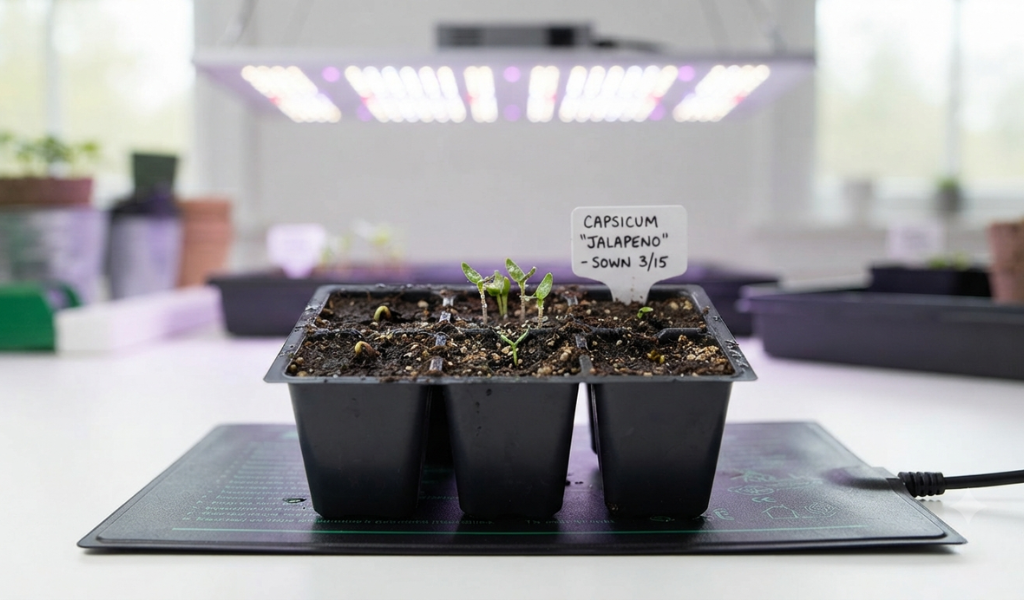
Starting peppers from seed gives you access to a much wider range of varieties and is more cost-effective if you’re growing multiple plants. The key is to start seeds indoors 6 to 8 weeks before your last frost date. Pepper seeds need warm soil to germinate ideally between 75°F and 85°F (24°C to 29°C). A heat mat placed under your seed trays makes a significant difference in germination speed.
To start pepper seeds, fill small seed-starting cells or trays with a moist seed-starting mix. Plant seeds about a quarter inch deep, keep them warm, and make sure they have good airflow to prevent fungal issues. Under the right conditions, pepper seeds usually sprout within 7 to 14 days.
Once the seedlings emerge, move them to a bright location or place them under grow lights for at least 14 to 16 hours per day. Growing indoors under lights keeps the seedlings strong and prevents them from becoming leggy.
Buying Healthy Seedlings
If you’d rather skip the seed-starting process, purchasing pepper seedlings from a local nursery is a perfectly good option. Look for compact, dark green plants with no yellowing leaves or signs of pests. Avoid seedlings that are already flowering, as they may struggle to establish once transplanted.
Whether you grow from seed or buy a seedling, the next step is the same: getting your pepper plant into its permanent home.
Planting Peppers Successfully
Best Time to Plant
Timing is everything when it comes to planting peppers. Peppers are warm-season crops that are very sensitive to cold. You should never plant peppers outdoors until after the danger of frost has passed and soil temperatures have warmed to at least 60°F (16°C). In most parts of the US, this means planting outdoors sometime between late April and early June.
If you’re eager to get started before the last frost date, you can harden off your seedlings by gradually introducing them to outdoor conditions over 7 to 10 days. Start by placing them outside in a sheltered spot for a few hours each day, gradually increasing their exposure. This process helps peppers adjust to wind, fluctuating temperatures, and direct sunlight.
Soil Preparation and Spacing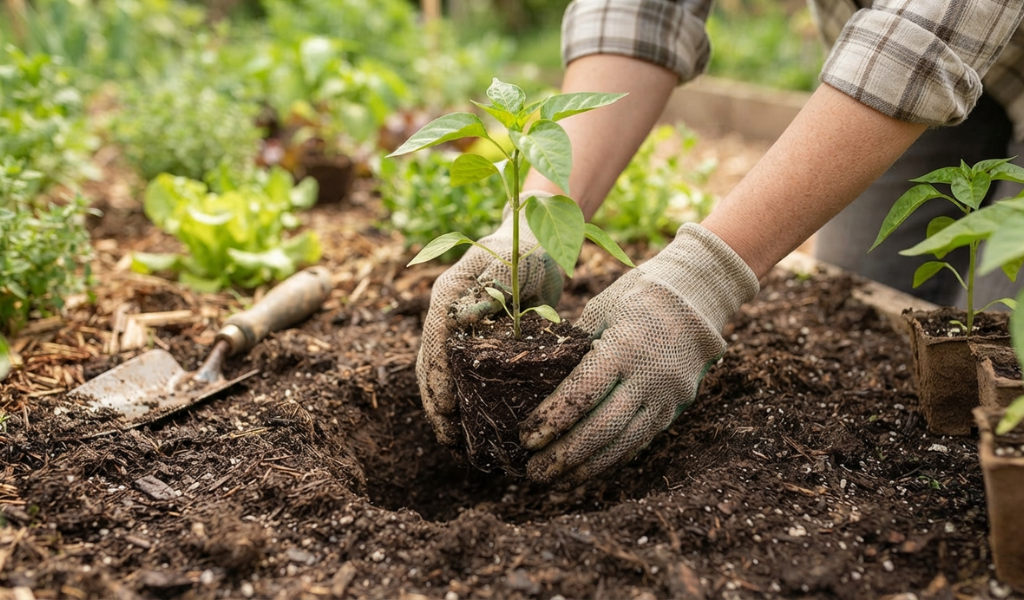
Good soil is the foundation of a successful pepper plant. Peppers prefer loose, well-draining soil with a slightly acidic pH between 6.0 and 6.8. Before planting, work in a generous amount of compost to improve both the soil’s structure and its nutrient content. Avoid using heavy garden soil in containers, as it tends to compact and restrict drainage.
When planting in a garden bed, space pepper plants about 18 inches apart. Proper spacing between plants allows for good airflow, which helps prevent fungal diseases and promotes even growth. If you’re growing in containers, one plant per 12-inch pot works well for smaller varieties, while bell peppers and larger hot peppers do better in pots that are 14 to 16 inches wide.
After planting, add a layer of mulch around the base of each plant. Mulch helps retain soil moisture, regulate soil temperature, and reduce weed competition.
Essential Pepper Plant Care
Watering Schedule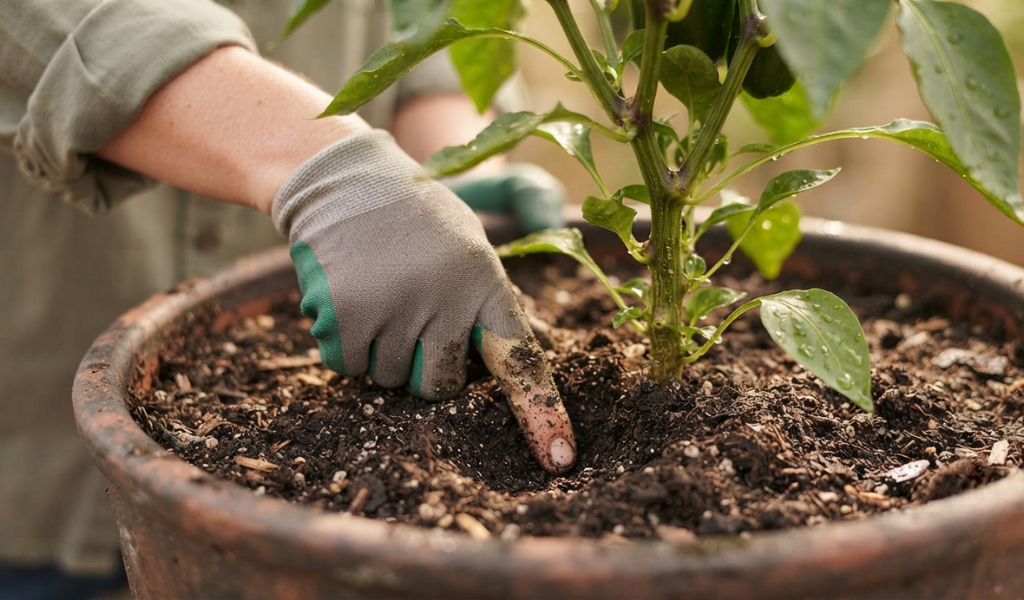
Consistent watering is one of the most important parts of pepper plant care. Pepper plants need about 1 to 2 inches of water per week, either from rainfall or supplemental irrigation. The goal is to keep the soil evenly moist but never waterlogged. Let the top inch of soil dry out slightly between waterings to avoid root rot.
During hot weather, plants in pots may need watering every day. Always check the soil before watering rather than following a rigid schedule. Stick your finger about an inch into the soil if it feels dry, it’s time to water.
Fertilizing Tips
Peppers are moderate feeders, meaning they benefit from regular fertilizer but don’t need excessive amounts. Start with a balanced fertilizer (such as a 10-10-10 formula) at planting time, then switch to a lower-nitrogen fertilizer once the plants start flowering. Too much nitrogen late in the season encourages leafy growth at the expense of fruit production.
Compost tea or a slow-release granular fertilizer applied every 3 to 4 weeks throughout the growing season works well for most pepper plants. If your leaves are turning yellow, that’s often a sign the plant needs more nutrients.
Sunlight Requirements
Peppers love the sun. They need at least 6 to 8 hours of direct sun each day to produce well. If you’re growing indoors, place plants in your brightest south-facing window or use grow lights to supplement natural light.
In very hot climates, afternoon shade can actually help prevent sunscald on the fruits. But for most gardeners, the more sun, the better.
Common Beginner Mistakes to Avoid
Overwatering
Overwatering is the number one mistake beginners make with pepper plants. It’s easy to assume that more water equals better growth, but too much water leads to root rot, yellowing leaves, and poor fruit production. Always let the top layer of soil dry out a little between waterings, and make sure your pot or garden bed drains freely.
Planting Too Early
Planting too early before soil temperatures have warmed and the frost date has passed is another common error. Cold soil stresses pepper plants and can stunt their growth for weeks. Even if the air temperature seems warm, cold soil slows root development significantly. Be patient and wait until conditions are right.
Poor Soil Drainage
Peppers sitting in waterlogged soil will develop root rot quickly. If your garden soil is heavy clay, amend it with compost and coarse sand to improve drainage. In containers, always use a quality potting mix and make sure pots have drainage holes at the bottom. Avoid planting peppers in low-lying areas of your yard where water tends to pool after rain.
Harvesting and Storing Peppers
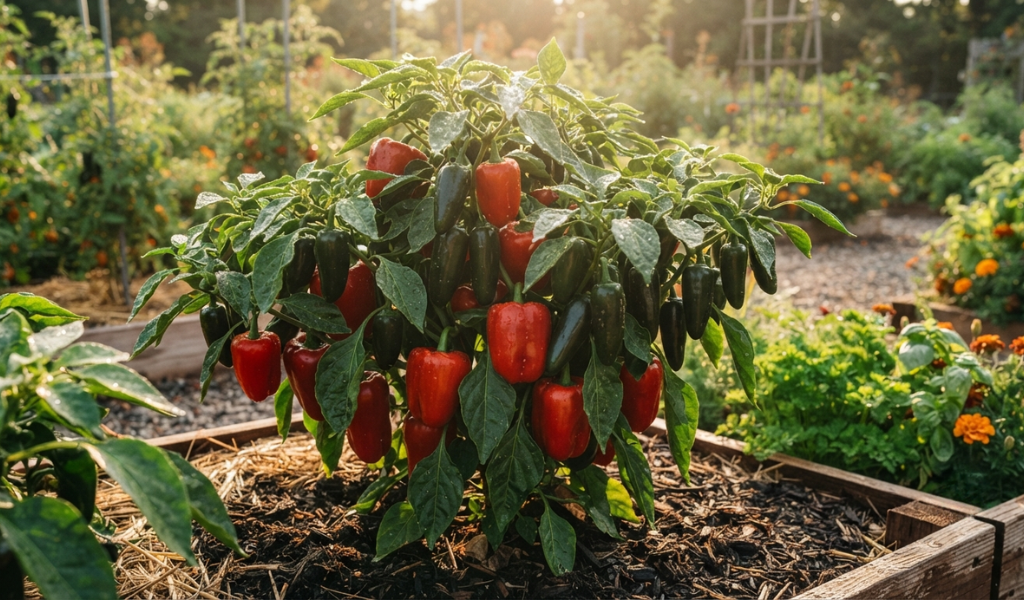
Knowing when and how to harvest peppers makes a big difference in your yield. Most peppers are ready to harvest when they reach full size and begin to change color from green to red, yellow, or orange, depending on the variety. You can harvest peppers at the green stage if you prefer a slightly more bitter flavor, or leave them on the plant longer for a sweeter taste.
Use scissors or pruning shears to cut peppers off the plant rather than pulling them by hand. Pulling can damage the branches and stress the plant. Harvesting regularly encourages the plant to produce more fruit, so don’t let peppers stay on the plant past their peak.
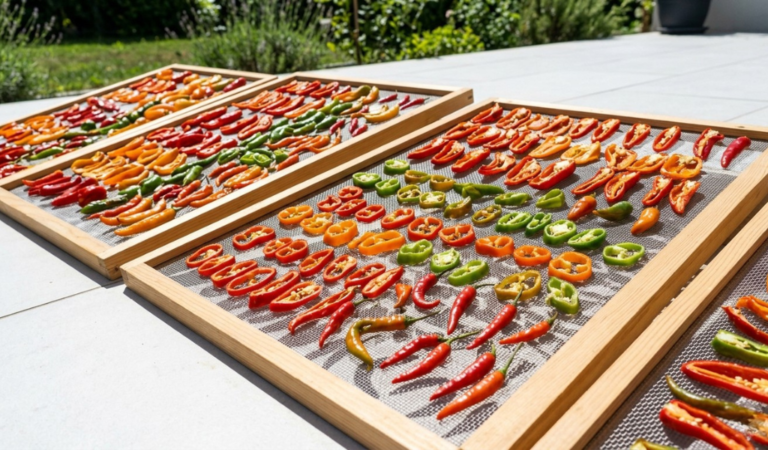
Fresh peppers keep well in the refrigerator for up to two weeks. For longer storage, peppers can be frozen, dried, or pickled. Simply slice and freeze them in a single layer on a baking sheet before transferring to freezer bags no blanching required.
Final Thoughts: Your Pepper Garden Starts Here
Growing peppers is one of those gardening pursuits that rewards patience and consistency. Start your seeds indoors at the right time, give your plants plenty of sun and warmth, water them consistently, and fertilize them regularly throughout the growing season. Whether you’re growing sweet bell peppers from seed in a raised bed or a pot of jalapeños on your balcony, the process is straightforward and genuinely enjoyable.
The most important takeaway? Don’t overthink it. Peppers are easy to grow when their basic needs are met. Pick a variety you love, follow the steps in this guide, and you’ll be harvesting your own peppers before you know it.
Frequently Asked Questions
What is the trick to growing peppers successfully?
The biggest trick is warmth. Peppers love warm soil, warm air, and plenty of direct sunlight. Starting seeds indoors on a heat mat, waiting until after the last frost date to transplant, and choosing a sunny planting spot are the three habits that make the biggest difference in pepper growing success.
How many months does it take for a pepper plant to grow from seed to harvest?
Most pepper varieties take between 3 and 5 months from seed to harvest. Bell peppers typically take 70 to 90 days from transplanting, while hot peppers like jalapeños can be ready in as few as 70 days. Starting seeds indoors 6 to 8 weeks before the last frost date helps extend the growing season.
What are the most common pepper growing mistakes beginners make?
The three most common mistakes are overwatering, planting too early before the soil has warmed, and using soil with poor drainage. All three lead to stressed plants and reduced yields. Checking soil moisture before watering and waiting until frost risk has passed are the simplest ways to avoid these issues.
Can I use seeds from a fresh pepper to grow new plants?
Yes, you can plant pepper seeds from a fresh pepper, but there are a few things to keep in mind. Seeds from hybrid varieties (most store-bought peppers) may not grow true to the parent plant. Seeds from open-pollinated or heirloom varieties tend to be more reliable. Allow the seeds to dry completely before planting to improve germination rates.
What pests and diseases commonly affect pepper plants?
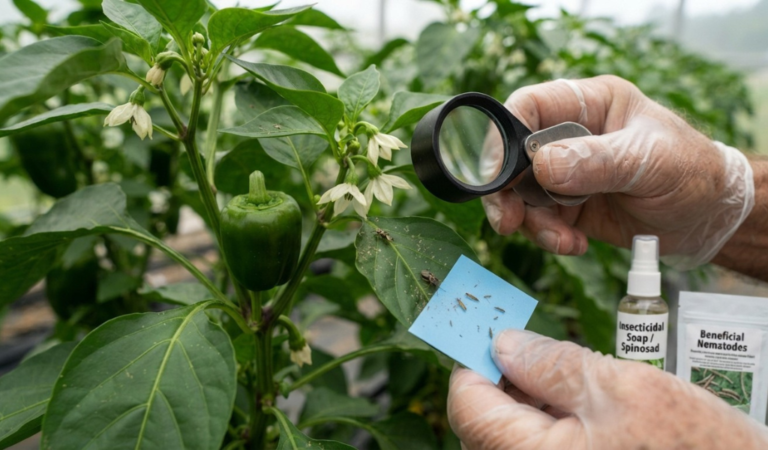
Aphids, spider mites, and pepper weevils are the most common pests. Diseases like bacterial leaf spot and fungal leaf spot can also be a problem, especially in humid conditions with poor airflow. Keeping plants well-spaced, avoiding overhead watering, and removing affected leaves promptly are effective prevention strategies.
When is the right time to harvest peppers?
Harvest peppers when they’ve reached full size and begun to change color. Green peppers can be picked at any point after they reach full size, but leaving them on the plant to fully ripen improves sweetness and nutritional value. Use scissors or pruning shears to cut peppers off the plant cleanly.
How much sunlight do pepper plants need each day?
Pepper plants need a minimum of 6 to 8 hours of direct sun per day. More sun generally means more fruit production. If you’re growing indoors or in a spot with limited natural light, supplementing with grow lights for 14 to 16 hours daily is a good solution.