How Long for Pepper Seeds to Germinate? Expert Tips to Grow Peppers from Seed
How Long for Pepper Seeds to Germinate? A Complete Germination Guide
Growing peppers from seed is one of the most rewarding things a home gardener can do. But if you’ve ever stared at a tray of potting mix waiting for something to happen, you already know the hardest part isn’t the planting, it’s the waiting. So, how long for pepper seeds to germinate, exactly? The short answer is anywhere from 7 to 21 days, but there’s a lot more to it than that.
The type of pepper, the soil temperature, moisture levels, and even the age of your seeds all play a role in how quickly (or slowly) things get moving. Some varieties sprout in under a week. Others, like certain super hot peppers, can take a month or more. Understanding what drives germination is what separates gardeners who consistently grow peppers from seed successfully from those who give up after a failed first attempt.
This guide covers everything you need to know: average germination times by pepper variety, the key factors that affect how fast seeds sprout, and practical tips to speed up germination when things aren’t moving fast enough. Whether you’re starting jalapeños, bell peppers, or habaneros, you’ll find clear, actionable advice here.
Understanding Pepper Seed Germination
Before diving into timelines, it helps to understand what’s actually happening inside a pepper seed. Germination isn’t an instant process. It’s a series of biological events that kick off the moment a seed absorbs enough water and finds itself in the right environment.
Growing peppers from seed requires patience, but knowledge makes the wait a lot shorter. Once you understand why pepper seeds behave the way they do, you can set up the right conditions from day one and avoid the most common pitfalls. The good news is that most seeds, given enough warmth and moisture, will eventually sprout. The key is creating conditions where they can do it quickly and consistently.
What Is Seed Germination?
Seed germination is the process by which a dormant seed wakes up and begins to grow. For pepper seeds, this means absorbing water, activating enzymes, breaking through the seed coat, and sending out a tiny root called a radicle, followed shortly by the first shoot.
Each pepper seed contains all the nutrients it needs to get started. It doesn’t need soil to germinate, just water, warmth, and oxygen. However, the right growing medium and consistent conditions make a significant difference in how evenly and reliably seeds germinate. That’s why so many gardeners use seed trays with a dedicated germination mix rather than planting directly into garden beds.
Average Germination Time for Pepper Seeds
Most pepper seeds germinate within 7 to 21 days under good conditions. But that range covers a wide variety of peppers, and the type of pepper matters more than most gardeners realize.
Here’s a general breakdown:
Sweet peppers (bell peppers, banana peppers, Anaheim): 7 to 14 days. These tend to be among the faster-sprouting varieties, especially when kept at the right temperature.
Mid-heat peppers (jalapeños, serranos, Thai peppers): 10 to 21 days. A bit slower than sweet varieties, but reliable when conditions are dialed in.
Hot peppers (cayenne, habanero, habaneros in general): 14 to 21 days. Hot pepper seeds have slightly harder seed coats and typically need a bit more time and heat.
Super hot peppers (ghost peppers, Carolina Reapers, chinense peppers): 3 to 6 weeks, sometimes longer. Chinese varieties, which include some of the world’s hottest peppers, are notoriously slow to germinate. Old seeds from these varieties can take even longer.
These are average ranges. Depending on the variety and the conditions you provide, you may see sprouts sooner or have to wait a bit longer. The important thing is not to give up too soon.
Factors That Affect Germination Time
Pepper seed germination times vary quite a bit, and most of that variation comes down to three key factors.
Soil Temperature
Soil temperature is the single biggest driver of how fast pepper seeds germinate. Pepper seeds are tropical in origin, and they respond strongly to warmth. Cold soil slows everything down; warm soil speeds things up.
The ideal soil temperature for germinating pepper seeds is between 75°F and 85°F (24°C to 29°C). At this range, most varieties will sprout reliably within their expected window. Drop below 65°F and germination slows dramatically. Below 55°F, most pepper seeds won’t sprout at all.
This is why sowing seeds indoors during late winter and early spring, when room temperatures can vary, often produces uneven results. A heat mat solves this problem by maintaining consistent bottom heat right where seeds need it most.
Moisture Levels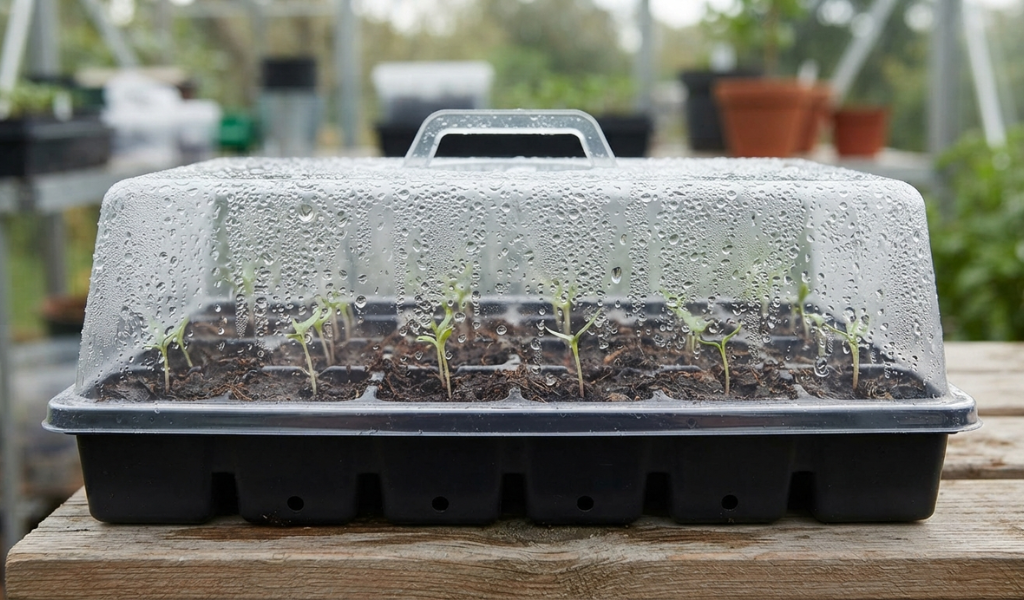
Seeds need to stay consistently moist throughout the germination process. Too dry, and the germinating seed dries out before it can push through the surface. Too wet, and you risk rot and fungal issues that kill seeds before they ever sprout.
The goal is soil that feels like a wrung-out sponge damp but not waterlogged. Covering seed trays with a humidity dome or plastic wrap helps maintain moisture without the need for constant watering. Check daily, and mist the surface lightly if it starts to dry out.
Seed Quality and Age
Not all seeds germinate at the same rate, even from the same packet. Seed quality depends on how the seeds were harvested, dried, and stored. Fresh seeds from the current or previous season typically have the highest germination rates. Old seeds, stored for more than two or three years, tend to germinate more slowly and unevenly, if they sprout at all.
If you’re working with seeds that have been sitting around for a while, pre-soaking and a warm germination environment can help coax them into action. But older seeds will always have lower overall germination rates compared to fresh stock.
Why Pepper Seeds Fail to Germinate
There are a few common reasons pepper seeds don’t sprout. The most frequent is soil that’s simply not warm enough. Many gardeners sow seeds indoors assuming room temperature is sufficient, but a countertop that feels warm to the touch may only be 65°F or 68°F not warm enough for reliable pepper seed germination.
Other culprits include seeds planted too deep, soil that’s been allowed to dry out, and seeds that were old or improperly stored. Overwatering is also a problem: waterlogged soil reduces oxygen in the growing medium, which seeds need to germinate. Mold and fungal diseases thrive in overly wet conditions and can kill seeds quietly before they ever show any signs of life.
How to Germinate Pepper Seeds Faster
If you want to speed up germination, there are a few strategies that genuinely work.
Use a Heat Mat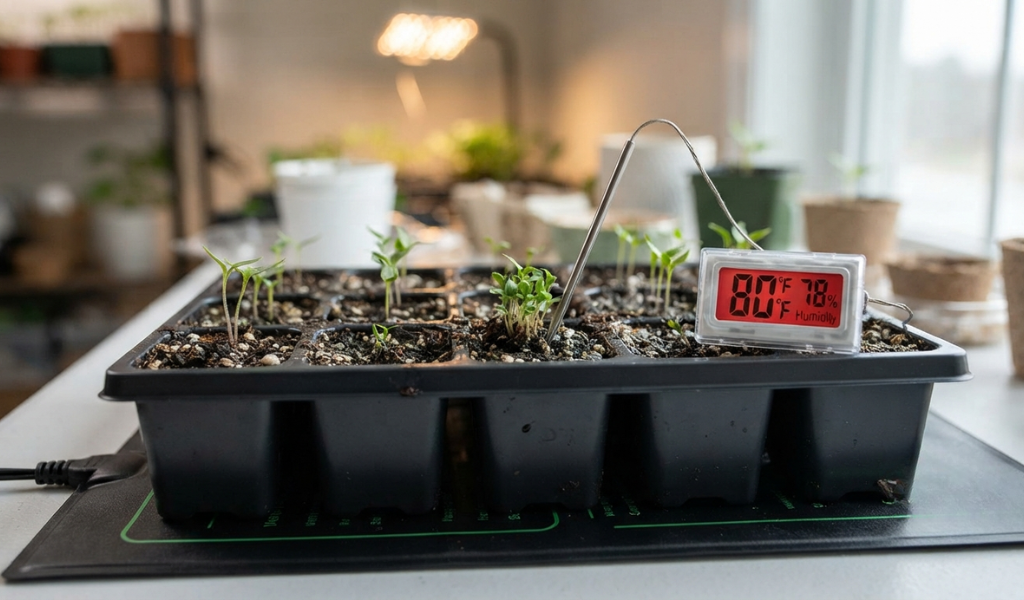
A heat mat is the most effective tool for faster, more reliable germination. Placed under seed trays, a heat mat keeps soil temperature consistently in the ideal range regardless of ambient room temperature. For hot pepper seeds and chinense varieties especially, bottom heat is almost essential for getting reasonable germination times.
Most heat mats designed for seed starting maintain temperatures between 68°F and 86°F. Pairing a mat with a thermostat probe gives you precise control.
Pre-Soak the Seeds
Soaking pepper seeds in warm water for 8 to 12 hours before sowing the seeds can soften the seed coat and help speed up the initial absorption of water. This is particularly useful for thick-coated varieties like habaneros and other hot peppers that tend to take longer to sprout.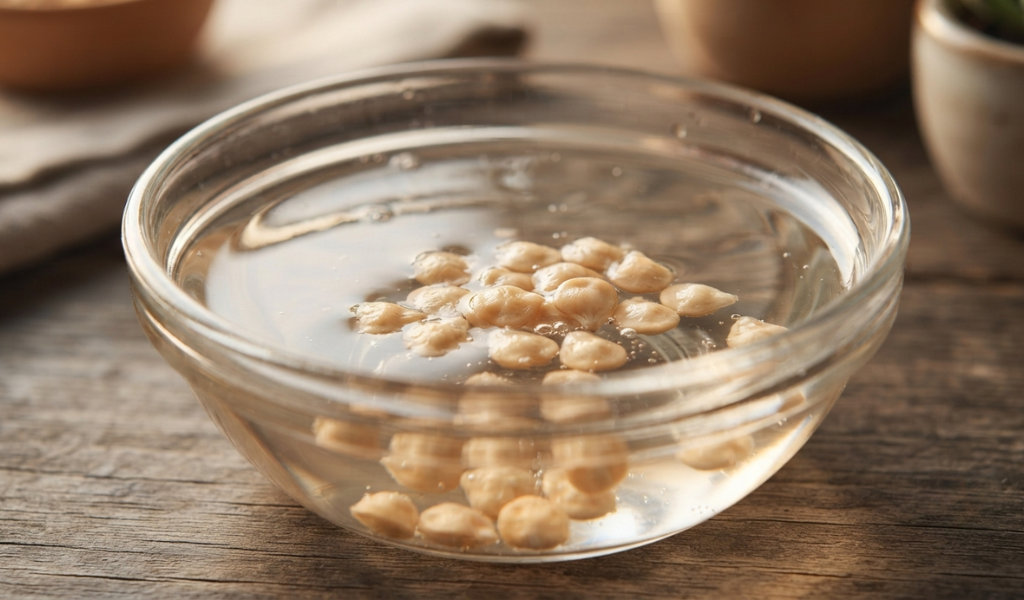
Use lukewarm water (not hot) and soak for no more than 24 hours before sowing. Seeds left in water too long can begin to rot.
Maintain Proper Humidity
Keeping humidity high around germinating seeds reduces moisture loss from the soil surface and supports consistent sprouting. A simple plastic humidity dome over your seed tray does the job well. If you don’t have a dome, plastic wrap stretched over the tray works just as effectively.
Once seedlings start appearing, remove the cover gradually to avoid shocking them with a sudden change in humidity.
Common Germination Problems
Seeds Not Sprouting
If two to three weeks have passed and nothing has sprouted, start by checking soil temperature first. This is the most common cause of stalled germination. If the temperature is warm enough, consider whether the seeds might be old or if the soil has dried out at any point during the process.
You can test seed viability by placing a few seeds on a damp paper towel, sealing it in a bag, and keeping it warm for a week. If fewer than half sprout, the seeds have poor germination rates and you’ll need fresh stock.
Uneven Germination
Seeing some seedlings pop up while others in the same tray don’t is frustrating but common. It usually points to uneven soil temperature across the tray, inconsistent moisture, or a mix of seed ages. Using a heat mat helps even out temperature variation. Rotating the tray occasionally also helps if your heat source is stronger on one side than the other.
Caring for Seedlings After Germination
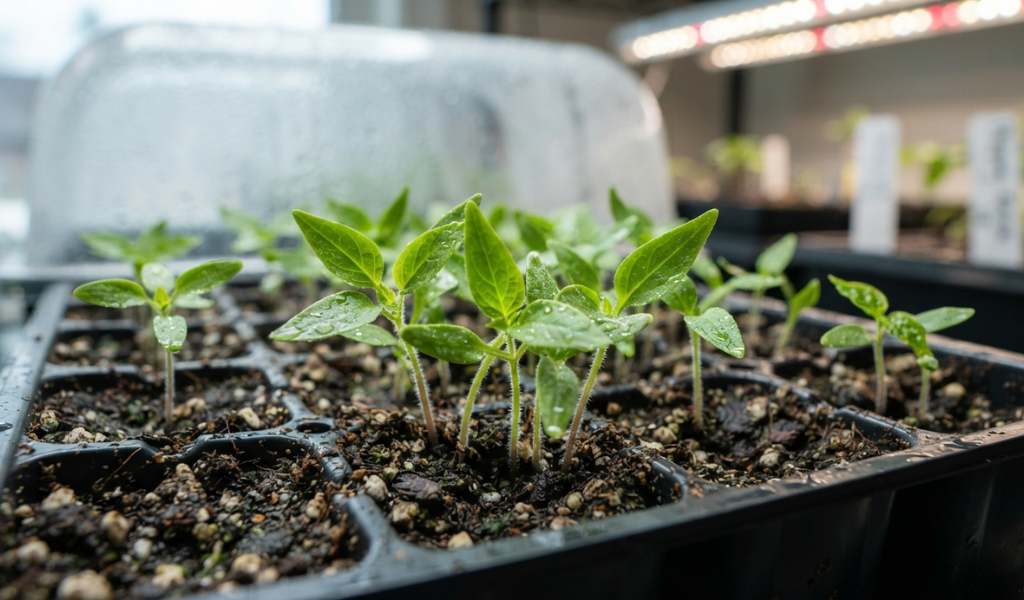
Once your pepper seedlings emerge, the job shifts from germination to early growth. Getting the next few weeks right sets the tone for the rest of the season.
Providing Light
Pepper seedlings need a lot of light far more than a windowsill typically provides in winter or early spring. Without adequate light, seedlings become tall, weak, and spindly, which makes them harder to transplant successfully.
A grow light positioned 2 to 4 inches above the seedlings for 14 to 16 hours per day produces strong, compact growth. If you’re using a south-facing window, rotate the tray daily so all seedlings get even exposure.
Watering Young Seedlings
At this stage, the roots are delicate and overwatering remains a real risk. Water pepper seedlings from the bottom when possible by placing the tray in a shallow dish of water and letting the growing medium absorb moisture upward. This encourages deeper root growth and reduces the risk of damping off, a fungal condition that collapses seedling stems at soil level.
Let the top layer of soil dry out slightly between waterings. If the surface still looks damp, wait another day before watering again.
Common Mistakes to Avoid
Overwatering
Overwatering is one of the most common mistakes gardeners make with pepper seeds and young pepper seedlings. Excess moisture suffocates seeds, prevents germination, and creates the perfect environment for mold and rot. Less water, more often, is a much safer approach than heavy, infrequent watering.
Planting Seeds Too Deep
Pepper seeds are small, and planting them too deep means the emerging shoot runs out of stored energy before it reaches the soil surface. Sow seeds at a depth of about 1/4 inch (roughly 6mm). Pressing seeds gently into the surface of a moist growing medium and covering lightly is all that’s needed. Deep planting is a quick way to guarantee germination problems.
A Final Word on Growing Peppers From Seed
Pepper seed germination isn’t complicated, but it does demand the right conditions. Warmth, consistent moisture, and quality seeds are the foundation. Add a heat mat, consider pre-soaking seeds for varieties that tend to take longer to germinate, and keep an eye on your seedlings once they emerge.
Most gardeners find that peppers take a little more attention than other vegetables at the seed stage, but the payoff is well worth it. Fresh peppers grown from seed carry a satisfaction that store-bought plants simply can’t match. Give your seeds what they need upfront, and they’ll reward you with a strong, healthy start to the season.
Frequently Asked Questions
Why are my pepper seeds taking so long to germinate?
The most likely reason is soil temperature. Pepper seeds need soil between 75°F and 85°F to germinate at their best. Temperatures below 70°F slow everything down significantly. Check your growing environment and consider adding a heat mat to maintain consistent warmth. Old seeds and overly wet or dry soil are other common causes.
Do pepper seeds need darkness to sprout?
Yes, pepper seeds generally prefer darkness during germination. They don’t require light to sprout, and many germinate best when covered. A humidity dome or piece of plastic wrap keeps them dark and moist until they break the soil surface. Once seedlings emerge, move them to a bright location immediately.
How long should you soak pepper seeds before planting?
Soak pepper seeds in warm water for 8 to 12 hours before sowing. This softens the seed coat and helps speed up water absorption, which can shorten the time it takes to germinate. Avoid soaking for more than 24 hours, as seeds left in standing water too long may begin to rot before they ever get a chance to sprout.
Do different types of pepper seeds take longer to germinate?
Yes, significantly. Sweet peppers like bell pepper varieties and Anaheim peppers typically germinate in 7 to 14 days. Mid-heat varieties like jalapeños take 10 to 21 days. Hot peppers like habaneros tend to fall in the 14 to 21-day range. Super hot peppers, particularly chinense varieties, can take 3 to 6 weeks or more. The hotter the pepper, the longer it generally takes.
What do pepper seeds need to sprout?
Pepper seeds need three things: warmth, moisture, and oxygen. The ideal soil temperature is between 75°F and 85°F. Soil should be consistently moist but never waterlogged. Adequate airflow around the growing medium prevents rot. Light is not needed during germination itself but becomes critical the moment seedlings emerge from the soil surface.
Can I germinate pepper seeds without a heat mat?
Yes, but results are less consistent. Without a heat mat, you’ll need to find a naturally warm spot in your home, such as the top of a refrigerator or near a heating vent, and monitor temperatures carefully. For mild pepper varieties, this can work reasonably well. For hot pepper seeds and super hot varieties, a heat mat is strongly recommended to maintain the consistent bottom heat these seeds require.
How do I know if my pepper seeds are still viable?
Do a simple paper towel test. Place 5 to 10 seeds on a damp paper towel, fold it over, seal it in a plastic bag, and keep it in a warm location for 7 to 10 days. Count how many sprouts. If fewer than 5 out of 10 germinate, seed viability is low and you may want to source fresh seeds before the season starts.