What Plant Does Black Pepper Come From? Exploring Piper Nigrum
What Plant Does Black Pepper Come From? Complete Guide to Piper Nigrum and Fertilizing Pepper Plants
Black pepper sits in almost every kitchen on the planet. You shake it onto eggs, grind it over pasta, and reach for it without a second thought. But do you actually know where it comes from? Most people have never asked: what plant does black pepper come from?
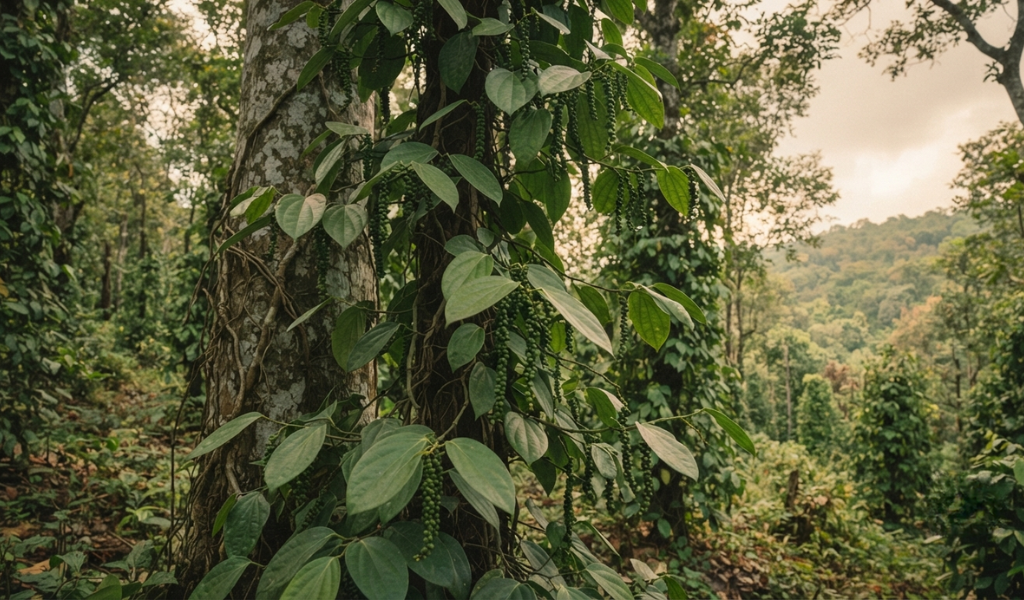
The answer might surprise you. Black pepper doesn’t grow on a bush or a tree. It comes from a tropical climbing vine called Piper nigrum, a flowering plant that wraps itself around nearby trees for support and produces small, berry-like fruits called peppercorns. That familiar pungent flavor you love? It comes from a compound called piperine found inside each tiny drupe.
This guide covers everything you need to know about the black pepper plant, its history, how peppercorns are harvested, and how to fertilize pepper plants for healthy growth and strong fruit production.
The Black Pepper Plant: What Is Piper Nigrum?
Piper nigrum is a wide-leafed, flowering vine that belongs to the Piperaceae family. It is the source of black, white, and red peppercorns, making it one of the most commercially important spice plants in the world.
The vine grows long tendrils that attach itself to nearby trees for support, sometimes climbing up to 13 feet or more in height. Each vine produces dense clusters of small green berries. These berries, known as drupes, each contain a single seed. As they mature, they pass through varying degrees of ripeness, shifting from green to yellow and eventually to fully ripe red.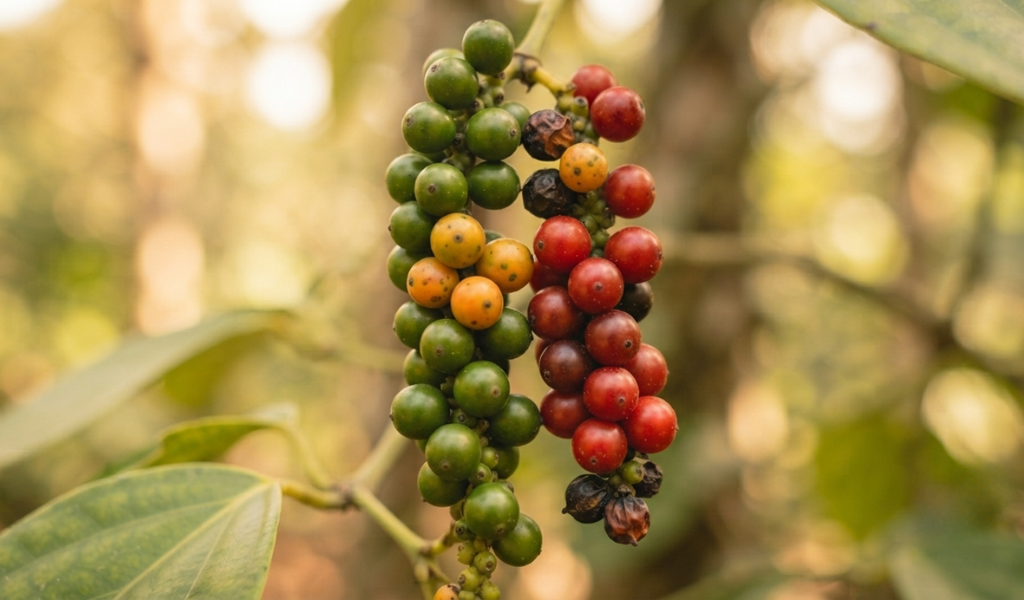
The spice we call black pepper is made from these drupes, harvested at specific stages of ripeness and processed through sun-drying and soaking. The aroma, the pungent flavor, and the spicy heat all come from piperine and a range of essential oils locked inside each peppercorn.
Where Does Black Pepper Grow?
Black pepper thrives in humid tropical regions with a long rainy season and warm temperatures. It prefers partial shade rather than direct sun all day, and it needs well-drained, rich soil to produce a strong harvest.
The plant originally comes from the Malabar coast of southwestern India, which remained the world’s primary source of pepper for centuries. Today, Vietnam is the largest producer of black pepper globally, followed by Brazil, Indonesia, Malaysia, and the Sarawak region of Malaysian Borneo.
For most of history, black pepper was a luxury item. During the Middle Ages, it was used as currency and treated as a status symbol. Christopher Columbus was partly motivated by the search for new spice routes. The Venetians held a near monopoly on the European spice trade in the 15th century, and Arab traders controlled the overland routes before them. Global black pepper consumption is estimated to be over 500,000 metric tons per year, making it the most traded spice in the world.
How Are Black Peppercorns Harvested?
Peppercorns grow in clusters along the vine, similar in appearance to grape bunches but much smaller. Harvest begins when the berries are still green or just beginning to turn yellow. At this point, piperine levels are high, which gives black peppercorns their signature pungent flavor.
After picking, the green berries are briefly soaked in boiling water, then spread out under the sun to dry. The drying process causes the outer layer to shrink and wrinkle, turning the berries dark brown or black. What you end up with is the dried black peppercorn you grind in a pepper mill or shake from a pepper shaker.
Freshly ground black pepper has a stronger, more complex aroma than pre-ground pepper because grinding breaks open the cell walls and releases the essential oils. This is why chefs almost always prefer whole peppercorns over pre-ground spice.
How Is White Pepper Made From the Same Plant?
White pepper comes from the same Piper nigrum vine as black pepper. The difference is in how it’s processed. To make white pepper, the berries are allowed to fully ripen until they turn red. They are then soaked in water for about a week, which softens and removes the dark outer layer. What remains is the pale inner seed, which is then dried.
Because the outer layer is removed, white pepper has a milder flavor but a sharper, slightly fermented taste. White peppercorns are commonly used in light-colored sauces and dishes where black specks would look out of place. Red peppercorns are simply fully ripe Piper nigrum berries, though they are less common in stores because they do not preserve as well.
Why Pepper Plant Nutrient Needs Matter
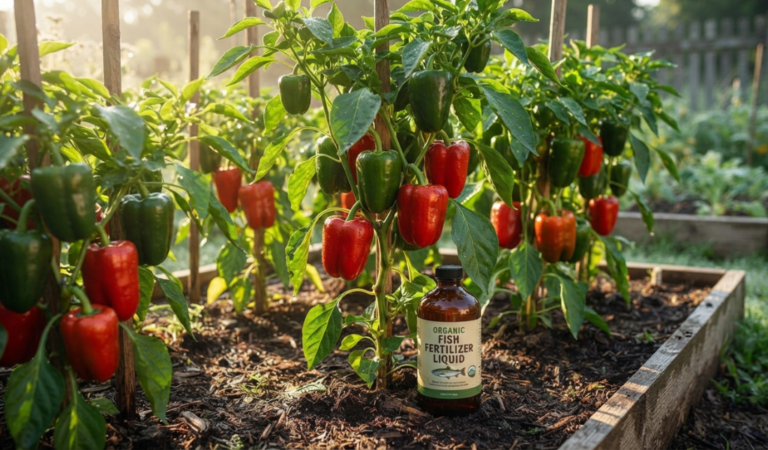
Whether you’re growing ornamental capsicum peppers in a raised bed or cultivating hot peppers like habanero in containers, understanding your pepper plant’s nutrient needs makes a measurable difference in fruit production.
Peppers are heavy feeders. They go through several distinct growth stages, and what the plant needs during the seedling phase is different from what it needs when it’s setting fruit. Getting fertilization right at each stage means bigger yields, healthier plants, and fewer problems like yellow leaves, poor flowering, and stunted growth.
Essential Nutrients for Healthy Pepper Growth
Every pepper fertilizer label shows three main numbers, known as the NPK ratio. These represent nitrogen (N), phosphorus (P), and potassium (K). These are the main three nutrients your pepper plant needs.
Nitrogen drives leafy, green plant growth. Too much nitrogen late in the season can actually reduce fruit set because the plant keeps pushing out leaves instead of flowers and fruit.
Phosphorus supports root development and is critical for flowering and fruiting. A fertilizer high in phosphorus at the right time helps peppers transition from vegetative growth into productive fruiting.
Potassium, sometimes listed as potash, strengthens the plant overall. It helps peppers manage water, resist disease, and produce firm, flavorful fruit.
Beyond NPK, micronutrients matter too. Magnesium sulfate, often sold as Epsom salt, is popular with gardeners because peppers sometimes show magnesium deficiency through yellowing leaves. Calcium sulfate (gypsum) and sulfur also support healthy pepper production and overall plant health.
How Fertilizer Affects Flowering and Fruit Production
The guaranteed analysis on your fertilizer bag tells you exactly what’s inside. A 3-1-2 ratio fertilizer (like a 9-3-6 or 12-4-8) is widely recommended for peppers because it balances nitrogen with enough phosphorus and potassium to support both vegetative growth and fruit production.
During early vegetative growth, peppers benefit from a nitrogen-forward fertilizer. Once the plant begins to flower, you should shift toward a fertilizer higher in phosphorus and potassium. Many growers hold off on nitrogen-heavy feeding after the first fruit set to avoid pushing the plant back into vegetative mode.
Soil pH also plays a big role in how well your pepper plant absorbs nutrients. Peppers prefer a pH between 6.0 and 6.8. Outside of that range, even a well-applied fertilizer can become unavailable to the plant. A soil test before the growing season helps you adjust accordingly.
Nutrient burn happens when you apply too much fertilizer, especially synthetic types. Signs include brown, crispy leaf edges. If this happens, flush the soil with plain water to wash out the excess salts.
Wet vs Dry Fertilizer for Peppers: What’s the Difference?
What Is Liquid (Wet) Fertilizer?
Liquid fertilizer comes as a concentrate or ready-to-use solution that you mix with water and apply to the soil or directly to leaves as a foliar spray. It absorbs quickly, which makes it useful when plants show signs of deficiency. Products like General Hydroponics nutrients are popular for container growing and hydroponics setups.
What Is Dry (Granular) Fertilizer?
Dry fertilizer comes as pellets or granules that you work into the soil. Options include bone meal, fish bone meal, compost, chicken manure, and synthetic slow-release granules. These break down over time and feed the plant gradually. Many gardeners mix granular fertilizer into their potting soil or raised bed before transplanting.
Key Differences Between Wet and Dry Fertilizers
The biggest difference between liquid and granular fertilizer is speed. Liquid fertilizer gives plants fast access to nutrients, while dry fertilizer feeds slowly and steadily over weeks or months.
Liquid fertilizer is easier to adjust. If your plant needs more or less of a nutrient, you simply change how much you mix. Granular fertilizer is harder to take back once it’s in the soil.
For raised bed growing, many gardeners combine both: working granular fertilizer into the bed at the start of the season, then topping up with liquid fertilizer during the growing season as needed.
Benefits and Drawbacks of Wet Fertilizer
Advantages of Liquid Fertilizer for Fast Growth
Liquid fertilizer works fast. Plants can absorb nutrients within hours of application, which makes it ideal for fixing problems like yellow leaves or giving pepper seedlings a boost. It’s also easier to apply evenly across a container or raised bed.
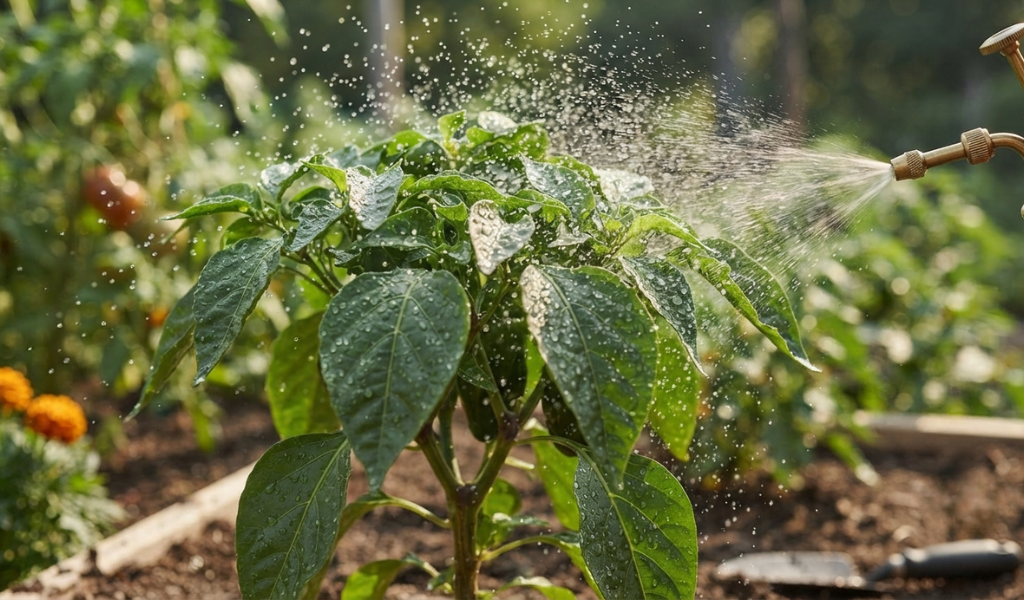
Foliar spraying, which means applying diluted liquid fertilizer directly to the leaves, can be especially effective for delivering micronutrients quickly.
Common Mistakes When Using Liquid Fertilizers
The most common mistake is applying liquid fertilizer too often or at too high a concentration, which leads to nutrient burn. Always follow the recommended fertilizer rates and water the soil before applying on hot days. Applying liquid fertilizer to dry soil or during high temperatures can stress roots.
Pros and Cons of Dry Fertilizer
Why Granular Fertilizer Provides Long-Lasting Nutrition
Granular fertilizer releases nutrients slowly, which means less risk of nutrient burn and fewer applications needed. Organic options like bone meal, fish bone meal, and compost also improve soil structure and support beneficial microbes.
When Dry Fertilizer Is the Better Choice for Pepper Plants
For garden-grown peppers or raised bed growing, granular fertilizer is often the more practical choice. Work it into the soil before transplanting, and it feeds your plants throughout the early growing season without constant reapplication.
Choosing the Best Fertilizer for Peppers at Different Growth Stages
Fertilizing Pepper Seedlings
Seedlings need gentle feeding. Start with a diluted, balanced liquid fertilizer or a mild organic option. Too much nitrogen at this stage can push soft, leggy growth that struggles later.
Best Fertilizer During Vegetative Growth
During vegetative growth, increase nitrogen to support strong stems and leaf development. A balanced NPK like 10-10-10 or a 3-1-2 ratio fertilizer works well at this stage. This is also when your soil pH should be confirmed.
Fertilizer for Flowering and Fruiting Pepper Plants
Once flowers appear, shift your fertilizer strategy. Reduce nitrogen and increase phosphorus and potassium to support fruit set and pepper production. A tomato fertilizer often works well here because it’s formulated for fruiting plants. Epsom salt, applied as a diluted foliar spray, can also support fruit development by correcting magnesium deficiency.
How to Apply Wet and Dry Fertilizer Correctly
Step-by-Step Guide for Applying Liquid Fertilizer
- Water the soil lightly before applying
- Mix liquid fertilizer to the recommended concentration
- Apply evenly around the base of the plant, avoiding the stem
- For foliar application, spray both sides of the leaves early in the morning
- Rinse the leaves with clean water if you notice any residue
Proper Way to Apply Granular Fertilizer
- Measure the recommended amount per plant
- Sprinkle evenly around the drip line of the plant, not directly against the stem
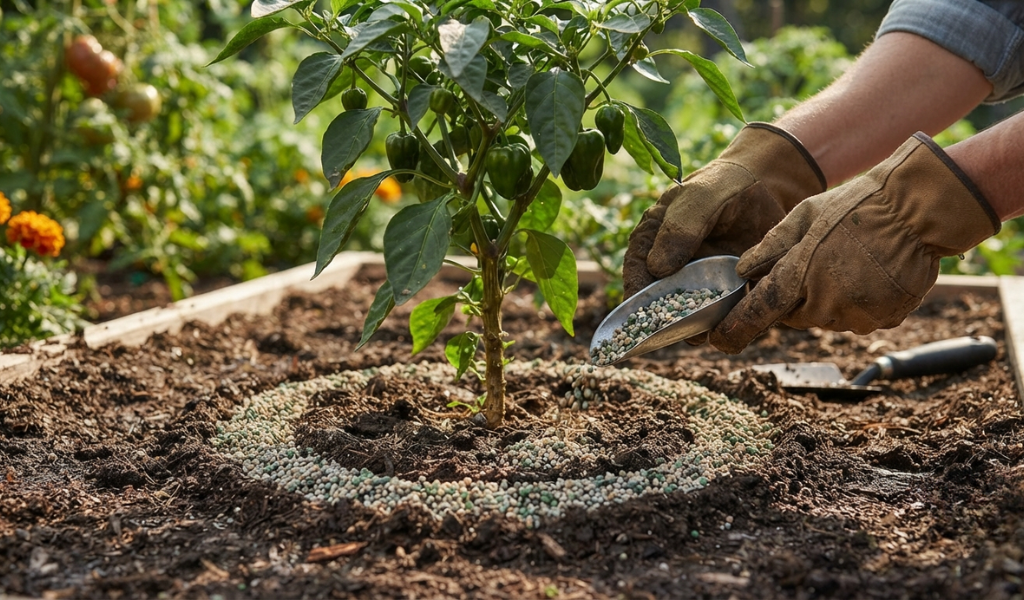
- Work lightly into the top inch of soil
- Water thoroughly after application to activate the fertilizer
How Often Should You Fertilize Pepper Plants?
For liquid fertilizer, every 1 to 2 weeks during the growing season is standard for most capsicum peppers. For granular fertilizer, one application at transplant and another midseason is often enough, depending on the product.
Hold off on fertilizing immediately after transplanting if the soil already has fertilizer worked in. Too much too soon can stress young plants. Watch your plants carefully: yellow leaves often signal a nitrogen or magnesium deficiency, while a poor fruit set can indicate too much nitrogen or not enough phosphorus and potassium.
Wet vs Dry Fertilizer: Which Is Best for Peppers?
Best Choice for Container-Grown Peppers
For container-grown hot peppers or bell peppers, liquid fertilizer is generally the better option. 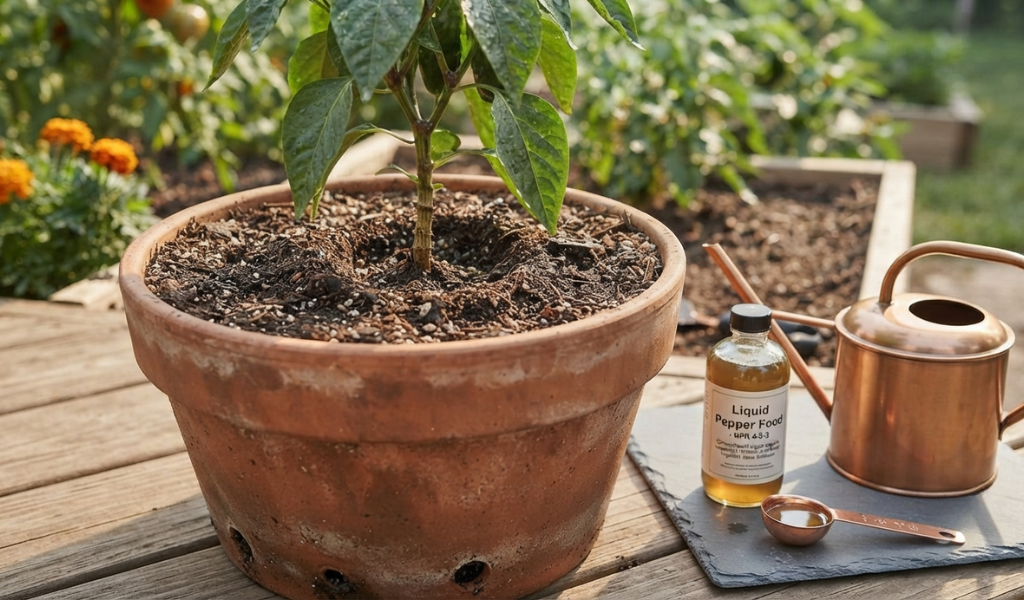 Containers flush quickly with watering, so nutrients deplete faster. Regular liquid feeding keeps up with the plant’s demands and allows easy adjustment as the plant moves through growth stages.
Best Choice for Garden-Grown Peppers
For garden beds and raised beds, granular fertilizer provides a more stable foundation. Work a balanced slow-release fertilizer or organic compost into the soil before planting, then supplement with liquid fertilizer during key stages like fruiting.
Final Verdict: When to Use Wet, Dry, or Both Fertilizers
The honest answer is that the best results come from using both. Start with granular fertilizer at transplant to build a nutrient base. As the season progresses, switch to liquid fertilizer for precise, stage-specific feeding. During vegetative growth, feed nitrogen-forward. Once flowering begins, shift to phosphorus and potassium. Add Epsom salt for magnesium support if needed.
Peppers are rewarding plants when fed correctly. Match your fertilizer to the growth stage, watch how your plants respond, and adjust as you go. That’s what separates an average harvest from a great one.
Frequently Asked Questions
How do you make peppers grow faster?
Consistent watering, warm temperatures, and regular liquid fertilizer applications during the growing season all speed up pepper growth. Make sure the soil pH sits between 6.0 and 6.8 so nutrients stay available to the plant.
Is 20/20/20 fertilizer good for peppers?
A 20-20-20 balanced fertilizer works well during early vegetative growth, but it provides too much nitrogen for peppers that are actively flowering and fruiting. Switch to a lower-nitrogen, higher-potassium formula once flowers appear.
What is the best fertilizer for tomatoes and peppers?
A fertilizer with a 3-1-2 NPK ratio works well for both tomatoes and peppers because it balances nitrogen with strong potassium support. During fruiting, look for formulas specifically labeled for tomatoes and peppers, as these are usually lower in nitrogen and higher in phosphorus and potassium.
How often should you fertilize pepper plants?
Apply liquid fertilizer every 1 to 2 weeks during the growing season. Granular fertilizer typically needs only one or two applications per season depending on the product. Always follow the manufacturer’s recommended fertilizer rates.
What is the best fertilizer for peppers?
The best fertilizer depends on the growth stage. During vegetative growth, use a balanced NPK fertilizer. During flowering and fruiting, switch to a formula higher in phosphorus and potassium. Organic options like fish bone meal, bone meal, and compost also produce excellent results for gardeners who prefer a more natural approach.