How to Plant Peppers: A Complete Step-by-Step Guide for Healthy Plants and Bigger Harvests
How to Plant Pepper Plants for Healthy Growth and Maximum Yield: A Complete Guide
If you’ve ever wanted to grow peppers in your own garden, you’re in the right place. Whether you’re after sweet bell peppers for salads or fiery hot peppers for your favorite sauce, learning how to plant peppers the right way makes all the difference. Peppers are one of the most rewarding vegetables a home gardener can grow but they do have specific needs. Get those right, and you’ll be harvesting peppers all season long.
This guide walks you through everything: choosing the right pepper variety, preparing your soil, planting seeds or seedlings, watering, feeding, and finally harvesting your crop. By the end, you’ll have all the knowledge you need to grow peppers confidently whether that’s in a raised garden bed, a container on your patio, or a full vegetable garden.
Peppers are easy to grow once you understand what they like: warmth, full sun, and well-drained soil. They do need a bit of patience especially when starting from seed but the payoff is absolutely worth it. Let’s get into it.
Choose the Right Pepper Variety Before Planting
The first step in any good growing guide is variety selection. With hundreds of pepper varieties available, picking the right one for your garden, climate, and taste preferences sets you up for success from the start.
Sweet Peppers vs. Hot Peppers
Sweet peppers including sweet bell peppers, banana peppers, and pimento are mild, fleshy, and great for eating raw or cooking. Bell peppers are among the most popular peppers to grow for home gardeners, partly because they’re versatile and partly because growing your own bell peppers is far more rewarding than buying them at the store.
Hot peppers are a different beast. Jalapeños, cayenne, habanero, and chili peppers all fall into this category. Many hot peppers have a long growing season and need consistent warm temperatures to develop their full heat. If you’re new to growing hot peppers, jalapeños are a solid starting point; they’re productive, relatively easy to manage, and highly useful in the kitchen.
Selecting the Best Seeds or Seedlings
You have two options when starting out: buying seedlings from a nursery or starting peppers from seed. Seedlings save time; they typically give you a four to six week head start on the growing season. Seeds, on the other hand, give you access to a much wider range of pepper varieties, including heirloom and specialty types you’ll rarely find at a garden center.
If you decide to start peppers from seed, buy from a reputable seed supplier. Look for seeds labeled with good germination rates and, when possible, disease resistance. For seedlings, choose ones with sturdy stems, deep green leaves, and no visible signs of pests or wilting.
Choosing Pepper Varieties for Your Climate
Peppers thrive in warm, sunny climates but that doesn’t mean cooler regions can’t grow them. If you live somewhere with a short growing season, choose early-maturing varieties like ‘Early Jalapeño’ or ‘Gypsy’ sweet pepper, which reach maturity faster than standard varieties. In hot, dry climates, look for heat-tolerant varieties that won’t drop their blossoms during summer heat spikes.
Prepare the Perfect Soil and Planting Location
Good soil preparation is one of the most important things you can do before you plant peppers. Even the best seeds won’t perform well in poor soil or the wrong location.
Sunlight Requirements for Pepper Plants
Peppers need full sun at minimum six to eight hours of direct sunlight per day. The more sun they get, the better they grow and the more peppers they produce. When choosing a spot in your garden, avoid areas shaded by trees, fences, or buildings during peak daylight hours. South-facing spots are generally ideal.
If you’re growing indoors, grow lights can compensate for limited natural light. LED grow lights set to run 14 to 16 hours per day work well for pepper seedlings during the early stages of growth.
Ideal Soil pH and Drainage
Pepper plants need soil with a pH between 6.0 and 6.8. Outside this range, peppers struggle to absorb nutrients effectively, which leads to slow growth and poor yields. You can test your soil with an inexpensive pH testing kit from most garden centers.
Drainage is equally important. Peppers don’t tolerate waterlogged roots, standing water quickly leads to root rot and plant diseases. If your garden bed has clay-heavy or compacted soil, loosen it with a garden fork and mix in organic matter to improve both drainage and aeration.
Adding Compost and Organic Matter
Before planting, work two to three inches of aged compost or well-rotted manure into the top layer of soil. This improves nutrient content, water retention, and microbial activity all of which support healthy pepper plant growth throughout the growing season.
How Long Does It Take to Grow Peppers from Seed?
Peppers are slow starters. From seed sowing to transplanting outdoors, expect eight to ten weeks. From transplant to first harvest, most sweet bell peppers take 70 to 85 days. Many hot peppers can take 90 to 100 days or more to fully ripen. That’s why starting pepper seeds indoors well ahead of your last frost date is standard practice for most gardeners.
How to Plant Peppers Step by Step
Once your soil is ready and your plants or seeds are selected, it’s time to get planting.
When to Plant Pepper Seeds or Seedlings
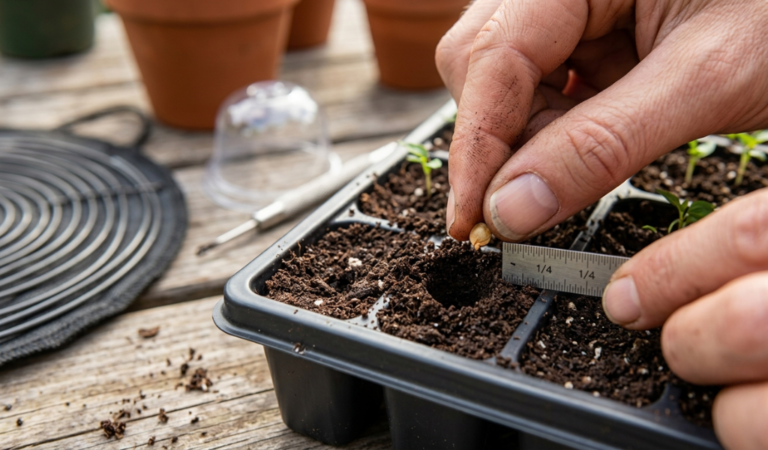
Start pepper seeds indoors eight to ten weeks before your last expected frost date. In most parts of the United States, that means starting seeds somewhere between late January and early March.
Transplant seedlings outdoors only after the risk of frost has passed and nighttime temperatures consistently stay above 55°F (13°C). Peppers are sensitive to cold even a single chilly night can stunt their growth or kill young plants outright.
Proper Planting Depth and Spacing
Planting peppers slightly deeper than they sat in their original container burying the stem up to the first set of true leaves encourages a stronger root system. Space plants 18 to 24 inches apart in rows set about 24 to 36 inches apart. Giving each plant enough room promotes better airflow, reduces the risk of fungal disease, and allows each pepper plant to reach its full size.
If you’re using a peat pot or biodegradable container for seed starting, you can plant the entire pot directly into the ground. Just make sure to tear away any lip of the pot that might stick out above the soil line, as it can wick moisture away from the roots.
Watering Immediately After Planting
Right after planting, water your peppers thoroughly. This settles the soil around the roots and removes air pockets. Aim to soak the soil to a depth of at least six inches shallow watering at this stage encourages weak, surface-level root development.
Watering, Feeding, and Mulching Pepper Plants
Keeping peppers well-watered and nourished throughout the growing season is key to a productive harvest.
How Often to Water Pepper Plants
Peppers should be watered deeply and consistently about one to two inches of water per week, depending on your climate and soil type. In hot weather, you may need to water more frequently. The goal is to keep the soil evenly moist but never waterlogged. Let the top inch of soil dry out slightly between waterings to avoid overwatering.
Morning watering is best. It gives foliage time to dry before nightfall, which reduces the chance of fungal disease.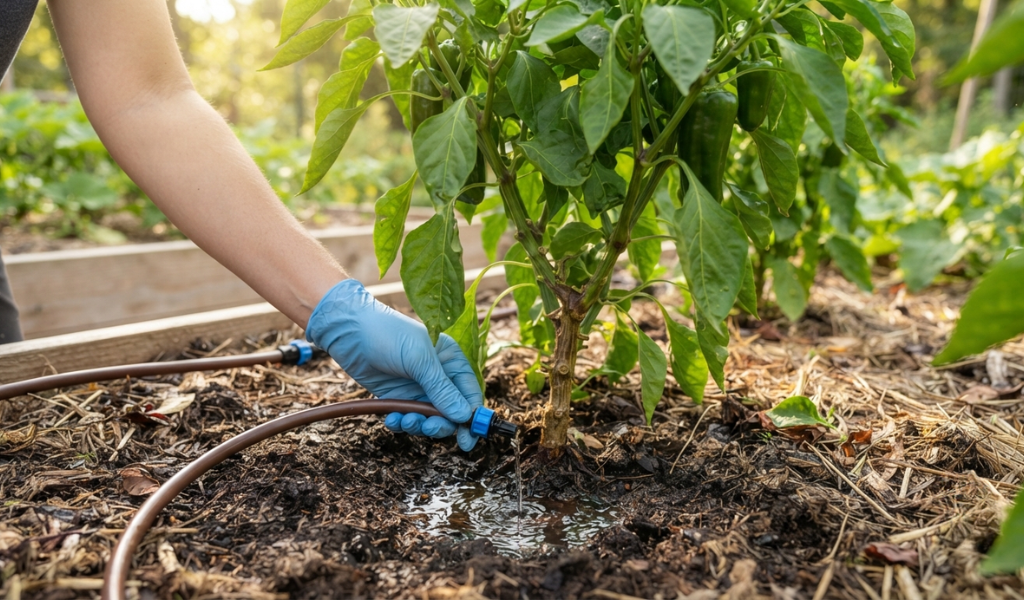
Self-Watering Planters for Peppers
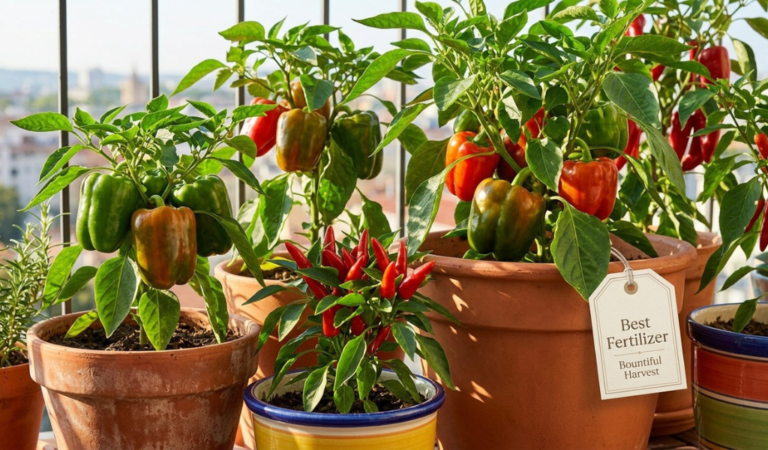
Self-watering containers and planters are a great option for growing peppers, especially in small spaces or on patios. These systems use a reservoir at the base of the planter that feeds water to the roots as needed, reducing the risk of both over and under-watering. Peppers grow well in containers with this setup, often producing impressive yields with minimal hands-on effort.
Best Fertilizers for Healthy Growth
Peppers are moderate feeders. Start with a balanced fertilizer, something like a 10-10-10 or 5-5-5 granular blend worked into the soil at planting time. Once plants begin to flower, switch to a fertilizer lower in nitrogen and higher in phosphorus and potassium, which supports fruit development rather than excessive leaf growth. Fertilize every two to three weeks throughout the growing season.
Why Mulching Improves Pepper Production
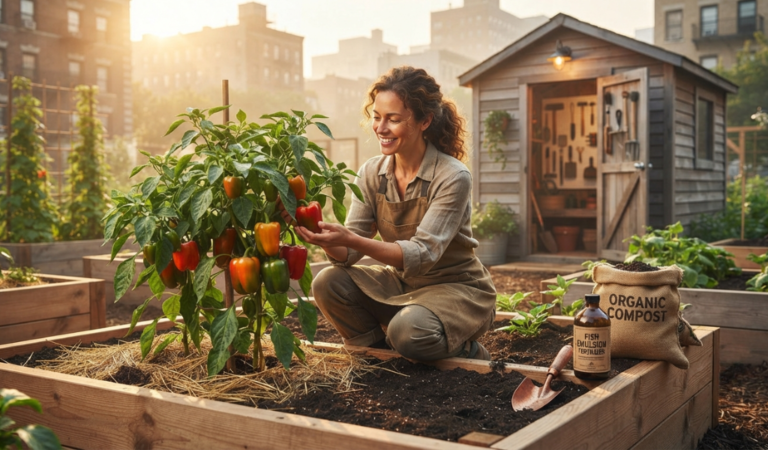
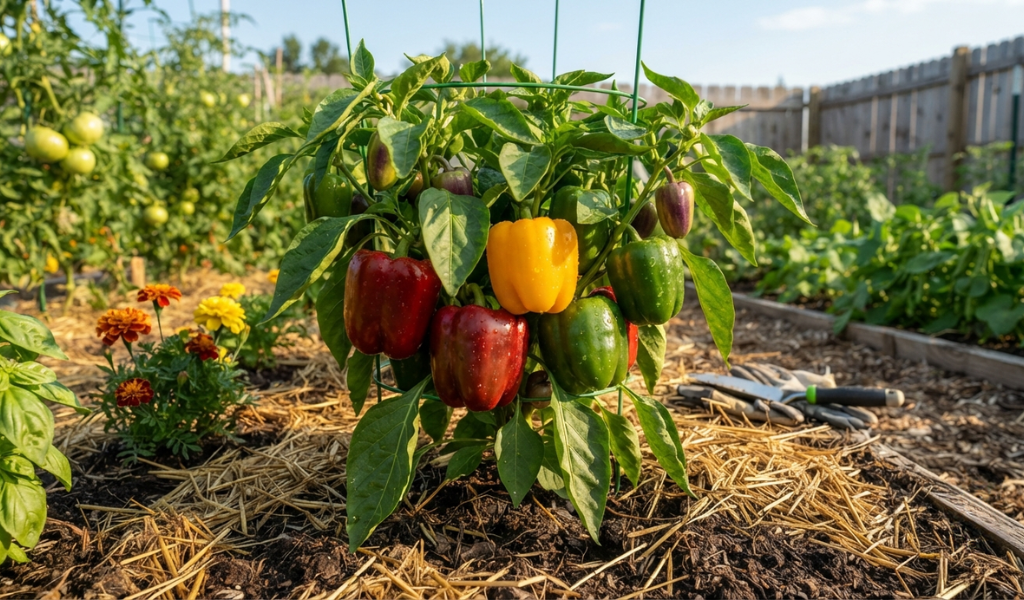
Mulching around your pepper plants offers several benefits that directly improve yield and plant health. A two to three inch layer of organic mulch straw, wood chips, or shredded leaves helps the soil retain moisture between waterings, keeps soil temperature more stable, and suppresses weed growth around the base of the plant.
As organic mulch breaks down, it also adds nutrients back into the soil, improving long-term growing conditions. Apply mulch after planting, keeping it a few inches away from the main stem to avoid rot.
Why EarthBox Works So Well for Growing Peppers
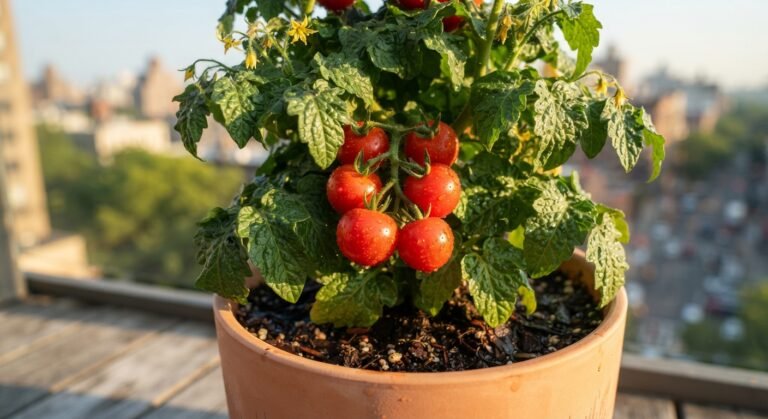
The EarthBox is a self-watering container gardening system that has built a strong following among pepper gardeners and for good reason. The system uses a sub-irrigation method where water is drawn up from a reservoir below the soil, delivering moisture directly to the root zone. This eliminates the inconsistency of overhead watering and dramatically reduces the chance of blossom drop caused by water stress.
Peppers grow well in containers like the EarthBox because the controlled environment allows gardeners to optimize soil mix, drainage, and fertility more precisely than in open garden beds. The system also includes a cover that acts as mulch, retaining moisture and blocking weeds. For anyone growing peppers in a limited space, a patio, balcony, or small backyard the EarthBox is one of the most reliable options available.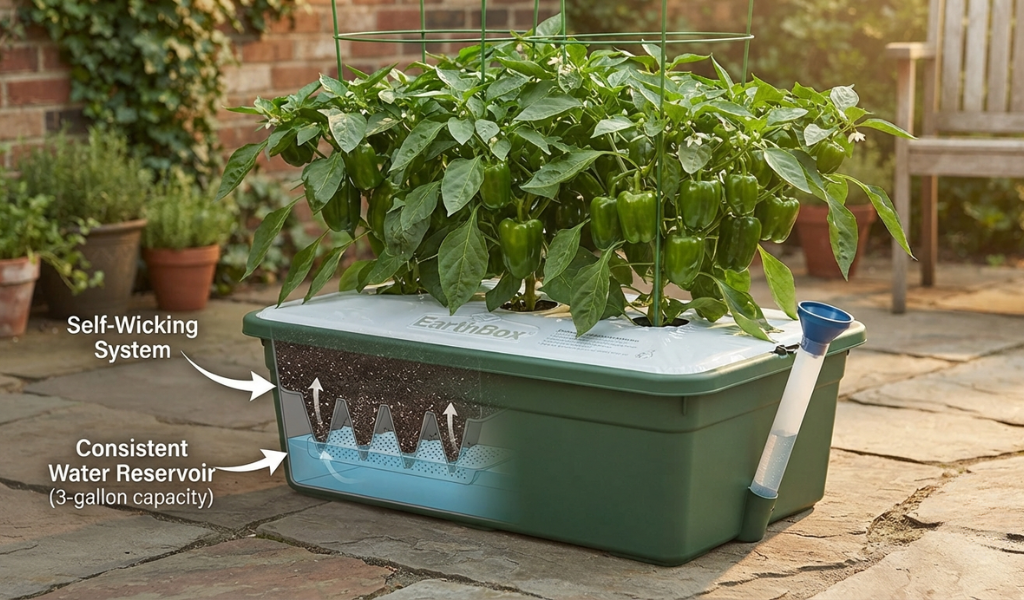
Caring for Pepper Plants After Planting
Once your peppers are in the ground and established, regular maintenance keeps them productive throughout the growing season.
Staking and Supporting Pepper Plants
As pepper plants grow and begin producing fruit, the weight of developing peppers can cause stems to bend or snap especially in windy conditions. Stake taller varieties early in the season before they need it. Use soft garden ties or strips of fabric to secure the main stem to the stake without cutting into the plant. A simple bamboo stake works well for most pepper varieties.
Pruning for Better Airflow and Yield
Pruning isn’t strictly necessary for peppers, but it helps. Removing the first flower bud that appears (often called the “king bud”) encourages the plant to grow bushier and develop a stronger branch structure before it puts energy into producing fruit. 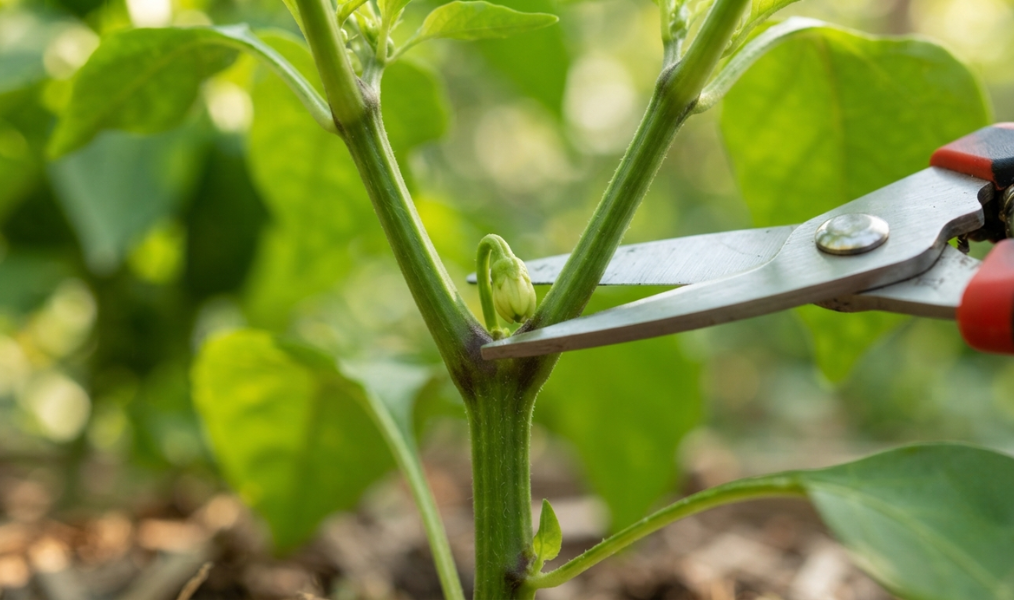 Throughout the season, remove any dead or yellowing leaves and trim branches that are crowding the center of the plant. Better airflow means fewer disease problems and more light reaching the developing peppers.
Managing Weeds Around Pepper Plants
Weeds compete with pepper plants for water and nutrients, so keeping the area around each plant clear is important especially during the first few weeks after transplanting. Mulching helps significantly, but hand-pulling any weeds that do appear is still necessary. Avoid using a hoe too close to the base of the plant, as this can disturb shallow roots.
Common Problems After Planting Peppers
Even experienced gardeners run into problems. Knowing what to watch for makes it easier to act quickly.
Preventing Pests and Diseases
Aphids, spider mites, and pepper weevils are among the most common pests that attack pepper plants. Check the undersides of leaves regularly that’s where many pests hide and feed. A strong stream of water can dislodge aphids, while insecticidal soap is effective for more persistent infestations.
Common plant diseases affecting peppers include bacterial leaf spot, powdery mildew, and Phytophthora blight. Many of these are fungal or bacterial in nature and thrive in humid, low-airflow conditions. Good plant spacing, proper pruning, and avoiding overhead watering in the evening all reduce disease risk significantly.
Avoiding Blossom End Rot
Blossom end rot in a dark, sunken area at the base of developing peppers is caused by calcium deficiency, usually triggered by inconsistent watering rather than a lack of calcium in the soil. Keeping soil moisture stable throughout the growing season is the most effective prevention.
Lots of Leaves But Few Peppers
If your plant is lush and green but producing very little fruit, excess nitrogen is often the culprit. Nitrogen promotes leafy growth at the expense of flowering. Switch to a lower-nitrogen fertilizer once plants begin to flower, and be patient as the fruit set often picks up once temperatures stabilize.
Flowers Dropping Off the Plant
Flower drop is typically caused by temperature stress either too hot or too cold. Peppers drop blossoms when daytime temperatures exceed 90°F (32°C) or nighttime temperatures fall below 55°F (13°C). Shade cloth can help during extreme heat, and row covers provide protection during cool snaps.
Common Pepper Planting Mistakes to Avoid
- Planting too early when soil is still cold
- Overwatering during the seedling stage
- Skipping fertilization after the first few weeks
- Planting too close together, reducing airflow
- Letting the first few flower buds develop into fruit before the plant is established
Harvesting Peppers and Growing Better Crops Next Season
After all the effort of growing peppers, harvest time is the reward but how and when you harvest matters.
When to Harvest Peppers
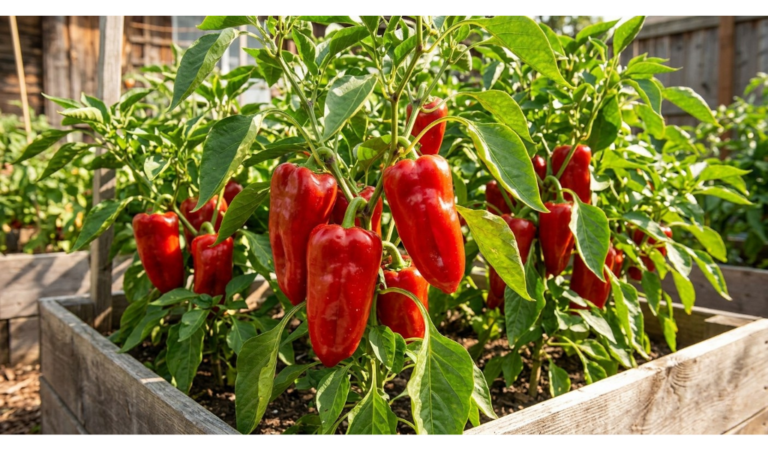
Most peppers can be harvested at any stage after they reach full size. Sweet bell peppers start out green and ripen to red, orange, or yellow depending on the variety each stage has a slightly different flavor. Green bell peppers have a slightly bitter, grassy taste, while fully ripe red or orange peppers are sweeter and more nutrient-dense.
Hot peppers also change color as they mature. Fully mature peppers are generally hotter and more flavorful than those picked early. If you’re growing chili peppers for heat, let them fully ripen on the plant before harvesting.
How to Harvest Without Damaging the Plant
Always use sharp shears to cut peppers off the plant rather than pulling or twisting them off by hand. Pulling peppers can break branches or uproot plants especially when they’re heavy with fruit. Cut the stem about half an inch above the pepper. Regular harvesting actually encourages the plant to continue producing, so don’t let ripe peppers sit on the plant too long.
Saving Pepper Seeds for Future Planting
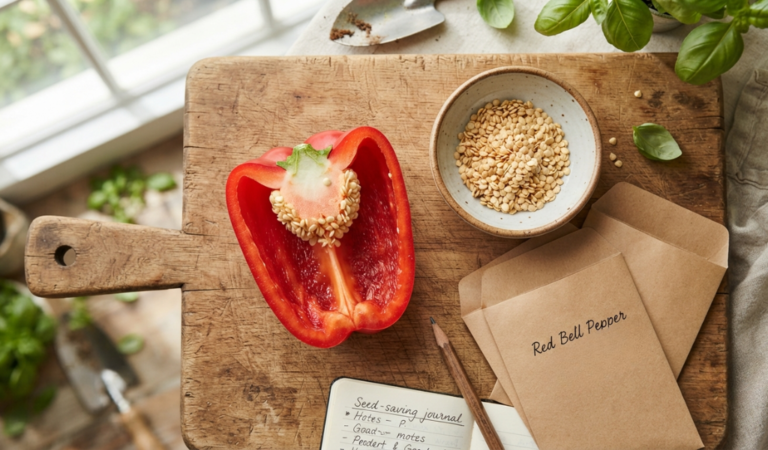
If you grow an open-pollinated or heirloom pepper variety (not a hybrid), you can save seeds from your best-performing plants to use next season. Choose a fully ripe pepper one that has turned its final color and scoop out the seeds. Rinse them and spread them on a paper towel or plate to dry for one to two weeks in a warm, well-ventilated space.
Once fully dry, store seeds in a labeled paper envelope in a cool, dry place. Properly stored pepper seeds remain viable for two to three years. Hybrid varieties won’t grow true to type from saved seeds, so check your seed packet before committing to this process.
Frequently Asked Questions About Growing Peppers in Containers
What should you not plant next to peppers?
Avoid planting peppers near fennel, which inhibits the growth of most vegetables. Also avoid planting them near other nightshades like tomatoes or eggplant in containers, as these share similar pests and diseases, which can spread quickly in close quarters.
What month should you plant peppers?
Start pepper seeds indoors in January through March, depending on your location. Transplant seedlings outdoors in May or June, once nighttime temperatures are consistently above 55°F. In warm southern climates, outdoor planting can begin as early as late March or April.
What are common pepper growing mistakes?
The most common mistakes include planting too early in cold soil, overwatering seedlings, using too much nitrogen fertilizer, and poor plant spacing. Many gardeners also make the mistake of picking fruit too early before it fully ripens.
Can you grow peppers in containers?
Yes , peppers grow well in containers, provided the pot is large enough (at least five gallons for most varieties), has good drainage, and receives full sun. Self-watering planters like the EarthBox® are particularly effective for container pepper growing.
How do you harvest peppers?
Use sharp garden shears to cut the pepper stem cleanly, leaving about half an inch of stem attached to the fruit. Avoid pulling or twisting peppers off the plant, as this can cause branch damage.
How do you prune pepper plants?
Remove the first flower bud that forms to encourage a stronger, bushier plant. Throughout the season, trim any damaged, dead, or crossing branches to improve airflow and light penetration to the center of the plant.