Handling Hot Peppers Safely: Protect Your Hands, Eyes, and Skin
Handling Hot Peppers Safely: A Complete Guide
Anyone who has ever rubbed their eye after chopping a jalapeno knows exactly why handling hot peppers deserves more respect than it usually gets. That burning, watery, panicked feeling can turn a simple cooking session into a painful lesson you will not forget. The good news is that with a few simple habits, you can work with hot peppers confidently and avoid the sting altogether.
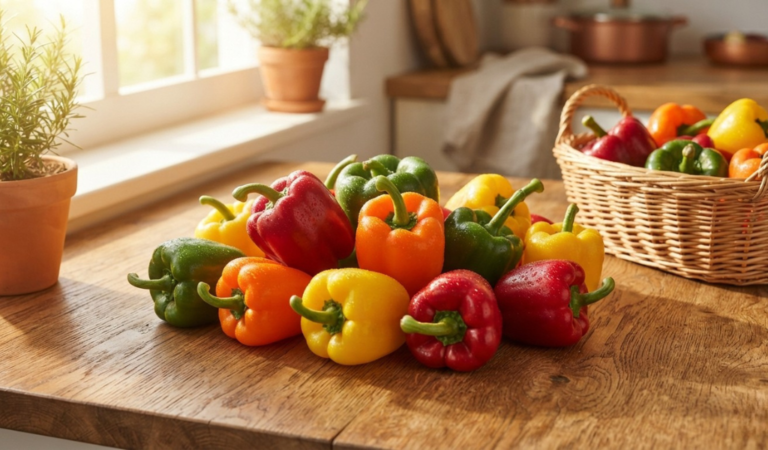
This guide walks you through everything you need to know about handling hot peppers safely, from understanding what makes them burn to the exact steps for cutting, cleaning up, and treating your skin if things go wrong. It is worth noting that not every pepper on your cutting board carries this risk. If you have ever wondered, is bell pepper a fruit ?and whether it belongs in this same spicy family, the short answer is that bell peppers are close relatives of chili peppers but contain almost no capsaicin, so they will not burn your skin the way a habanero or ghost pepper will. Still, if you are prepping bell peppers alongside hotter varieties, the same safety habits apply to keep any lingering heat off your hands.
Let’s get into the details so your next cooking session stays fun instead of fiery.
Why Is Handling Hot Peppers Difficult?
Hot peppers look harmless enough sitting in a bowl on your counter, which is exactly why so many people get caught off guard. Unlike a knife cut or a hot pan, the danger from a chili pepper is not obvious right away. You can slice through a habanero, finish making dinner, and not feel a thing until an hour later when you rub your eye or touch your lips. By then, the damage is already done and washing it off becomes much harder.
The difficulty comes from the fact that the compound responsible for the heat does not simply rinse away with water. It clings to your skin, hides under fingernails, and transfers easily to anything you touch afterward. This delayed reaction combined with how easily it spreads is what makes hot peppers trickier to handle than most other kitchen ingredients.
What Makes Hot Peppers Burn?
The burning sensation comes from a natural chemical compound found inside the pepper, concentrated mostly in the white pith and seeds rather than the flesh itself. When this compound comes into contact with your skin or the sensitive tissue around your eyes and mouth, it triggers the same nerve receptors that normally respond to actual heat. Your brain interprets the signal as if you touched something hot, even though there is no real burn happening on a physical level.
This is why a mild sensitivity to hot peppers can feel just as intense as touching a hot stove, even though the pepper itself is room temperature. 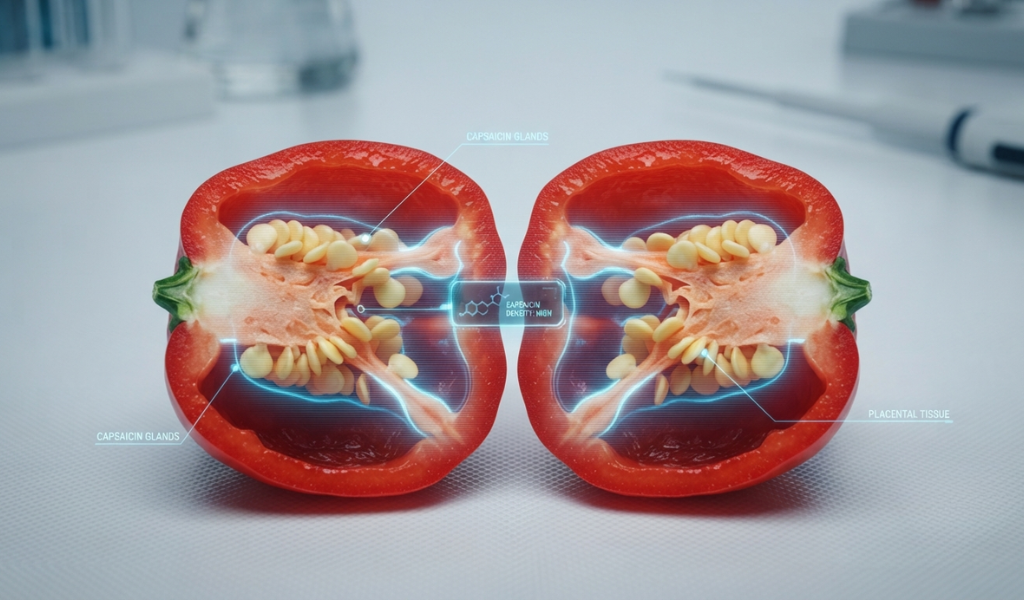 The reaction is purely chemical, and it can last anywhere from a few minutes to several hours depending on how much of the compound made contact and how sensitive your skin is.
Understanding Hot Pepper Heat
To handle hot peppers safely, it helps to understand exactly what causes that heat in the first place and why some varieties are so much more intense than others.
What Is Capsaicin?
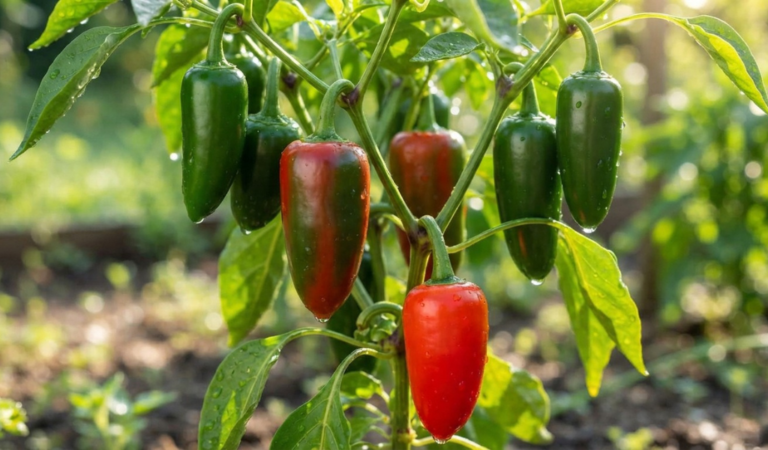
Capsaicin is the active compound that gives hot peppers their signature kick. It is produced by the plant as a natural defense mechanism, designed to discourage animals and insects from eating the fruit before its seeds are ready to spread. Interestingly, birds are not affected by capsaicin the same way mammals are, which allows them to eat the peppers and help distribute the seeds without feeling any burn.
Capsaicin is an oily compound, which is exactly why water alone does not wash it away. Oil and water do not mix, so simply rinsing your hands under the tap often just spreads the compound around instead of removing it. Understanding this one fact changes how you should approach cleanup after cutting hot peppers, which we will cover in more detail later in this guide.
Why Some Peppers Are Hotter Than Others
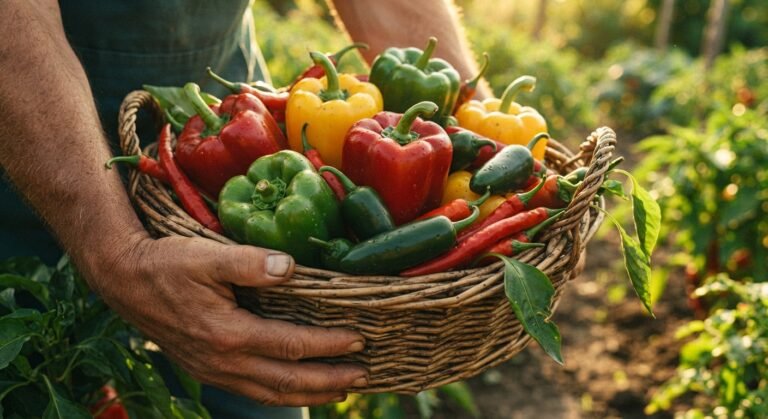
Not all peppers produce the same amount of capsaicin. Genetics play the biggest role, with certain varieties naturally built to produce far more of the compound than others. Growing conditions also matter. Peppers grown in hot, dry climates with less water tend to produce more capsaicin as a stress response, which is why homegrown peppers can sometimes taste hotter than store bought ones from the same variety.
The part of the pepper you eat matters too. Most of the capsaicin is concentrated in the white membrane and seeds rather than the outer flesh, so a pepper with more seeds and pith will generally taste hotter than one that has been carefully cleaned out.
How Capsaicin Affects Skin and Eyes
When capsaicin touches your skin, it activates nerve endings that normally detect heat and irritation, causing a burning or stinging sensation that can range from mild to intense depending on exposure. On thicker skin like your fingers, the reaction is usually manageable, though prolonged contact can still cause redness and discomfort that lasts for hours.
The real trouble starts when capsaicin reaches thinner, more sensitive areas like your eyes, lips, or nose. These areas have far more nerve endings close to the surface, which means even a tiny amount of capsaicin can cause intense burning, watering, and temporary swelling. This is why so many people who forget to wash their hands properly end up with painful eye irritation later in the day, often without remembering they even touched a pepper hours earlier.
Know Your Pepper Before You Handle It
Before you even pick up a knife, it helps to know what level of heat you are actually working with. This simple step can save you from unexpected surprises in the kitchen.
Mild vs. Extremely Hot Peppers
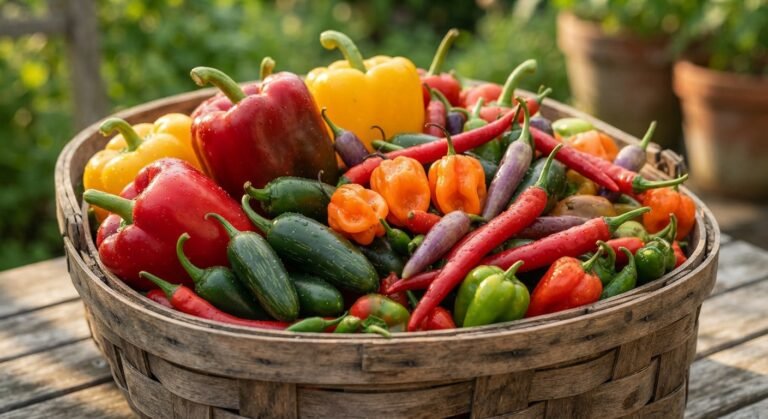
Peppers exist on a wide spectrum of heat. On the mild end, you have varieties like poblano or banana peppers, which offer a gentle warmth without much burn. In the middle range sit jalapenos and serranos, popular choices that add noticeable heat without becoming unbearable for most people. At the extreme end, peppers like habaneros, ghost peppers, and Carolina reapers pack an intensity that can cause real discomfort even with brief skin contact.
Knowing where your pepper falls on this spectrum helps you decide how cautious you need to be. A quick slice of jalapeno might not require gloves for everyone, but anything in the habanero range and above should always be treated with extra care.
Understanding the Scoville Heat Scale
The Scoville scale is the standard measurement used to rank how hot a pepper is, based on its capsaicin concentration. It assigns a numerical value, known as Scoville Heat Units, to each variety. A bell pepper sits at zero on this scale since it contains virtually no capsaicin, while a jalapeno typically falls between two thousand five hundred and eight thousand units. Habaneros jump dramatically higher, often reaching over one hundred thousand units, and the Carolina reaper, one of the hottest peppers ever bred, can exceed two million units.
Checking the general Scoville range of whatever pepper you are working with gives you a realistic idea of how careful you need to be during prep, and whether gloves and extra caution are necessary or optional.
How to Handle Hot Peppers Safely
Once you understand the heat you are dealing with, the actual safety steps are straightforward and easy to build into your regular cooking routine.
Wear Gloves When Cutting Hot Peppers
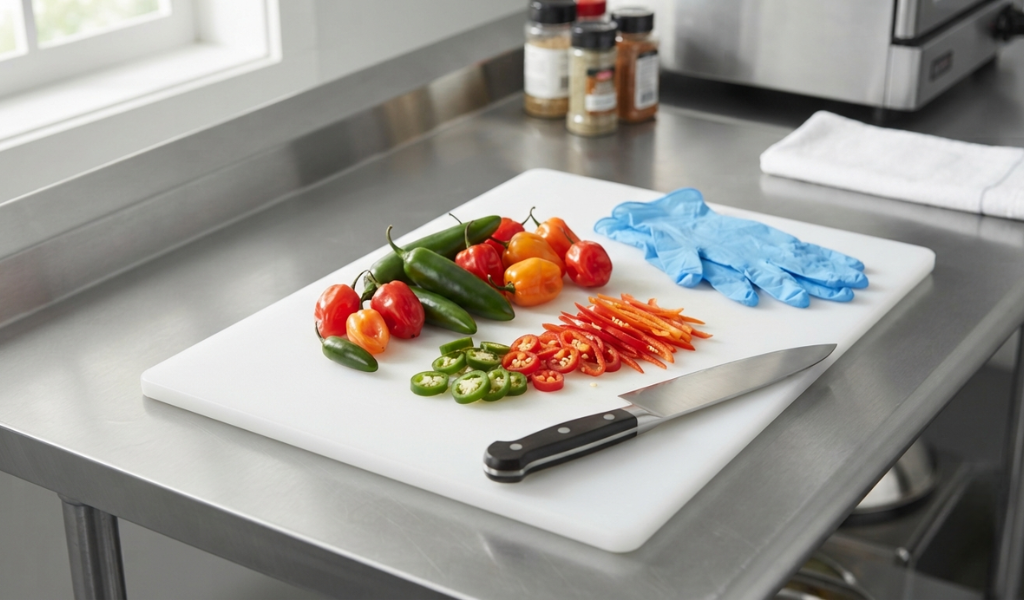
The single most effective way to protect yourself is to wear disposable gloves whenever you cut hot peppers, especially anything above jalapeno level heat. Gloves create a physical barrier between your skin and the capsaicin oils, preventing them from soaking into your fingers in the first place.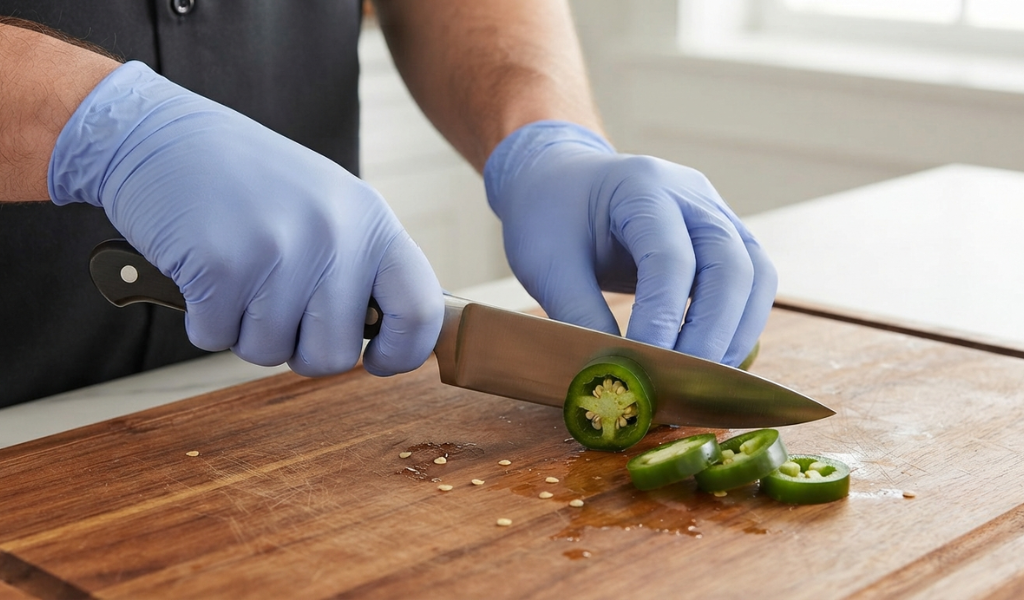 Latex or nitrile gloves work well for this purpose and are inexpensive enough to keep a box on hand in your kitchen drawer.
If you do not have gloves available, a plastic sandwich bag placed over your hand like a makeshift glove can work in a pinch, though it is not as reliable as proper kitchen gloves for a longer prep session.
Avoid Touching Your Face and Eyes
This sounds obvious, but it is the mistake that trips up almost everyone at some point. It is a natural habit to scratch an itch, push back your hair, or rub your eyes without thinking, and capsaicin residue on your fingers makes this an easy way to transfer heat to sensitive areas. Try to stay mindful while you are cutting peppers and keep your hands away from your face until you have thoroughly cleaned up.
Wash Your Hands and Tools Thoroughly
Even with gloves on, it is smart to wash your hands afterward in case any residue is transferred through small tears or contact points. Use warm water and dish soap, since soap is designed to break down oils, which makes it far more effective than water alone at removing capsaicin. Scrub under your nails as well, since oil residue tends to collect there and can linger for hours if not cleaned properly.
How to Cut and Prepare Hot Peppers
Good prep technique does more than just make cooking easier, it also reduces your exposure to capsaicin and helps control the final heat level of your dish.
Removing Pepper Seeds and Membranes
Since most of the capsaicin sits in the white membrane and seeds, removing these parts before cooking is one of the easiest ways to tone down the heat of a dish while still enjoying the pepper’s flavor. Slice the pepper in half lengthwise, then use a small spoon or the tip of your knife to scrape out the seeds and pith in one motion. Discard this part directly into the trash rather than leaving it on your cutting board, where it can continue to spread capsaicin residue.
Preventing Cross-Contamination
It is easy to forget that capsaicin does not stay contained to the pepper itself. If you cut a hot pepper and then use the same knife or board to prepare other ingredients without cleaning them first, you risk transferring heat into foods that were never meant to be spicy. This is especially important if you are cooking for guests or family members who may not expect or want extra heat in their meal. Always treat your cutting surface and tools as contaminated until they have been properly washed.
How to Prevent Capsaicin From Spreading
Prevention is always easier than dealing with the aftermath, and a few simple habits can stop capsaicin from spreading around your kitchen entirely.
Cleaning Knives and Cutting Boards
After cutting hot peppers, wash your knife and cutting board immediately with hot soapy water rather than leaving them in the sink for later. If you are working with an especially hot variety, consider using a dedicated cutting board just for spicy ingredients, or place a sheet of parchment paper down before cutting to make cleanup even simpler. Wooden cutting boards in particular can absorb oils into their surface, so a thorough scrub is important to avoid passing heat into the next thing you chop on it.
Washing Your Hands Properly
A quick rinse under cold water is not enough to remove capsaicin, since it is an oil based compound. Instead, wash your hands with warm water and a generous amount of dish soap, working the lather between your fingers and under your nails for at least thirty seconds. 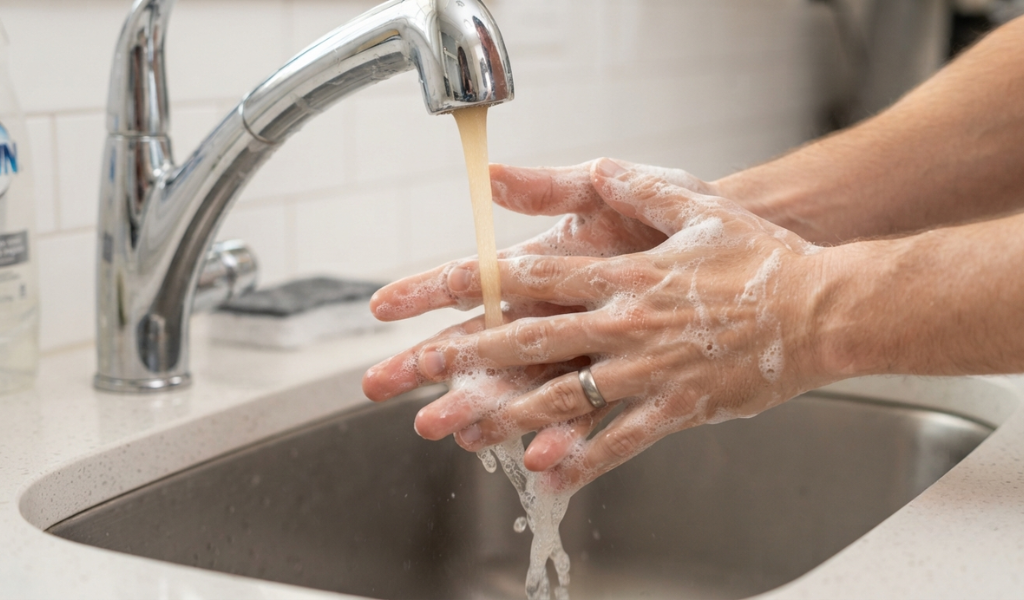 Some people find that using a small amount of cooking oil first, then following up with soap and water, helps break down stubborn capsaicin residue more effectively, since oil dissolves oil more readily than soap alone.
What to Do If Hot Pepper Gets on Your Skin
If you do end up with a burning sensation on your skin despite your best efforts, do not panic, since this is a common and treatable situation. Start by washing the area with soap and warm water, repeating the process a few times if the burning does not subside right away. Milk or plain yogurt applied directly to the skin can also help, since the fat in dairy products helps neutralize capsaicin more effectively than water alone.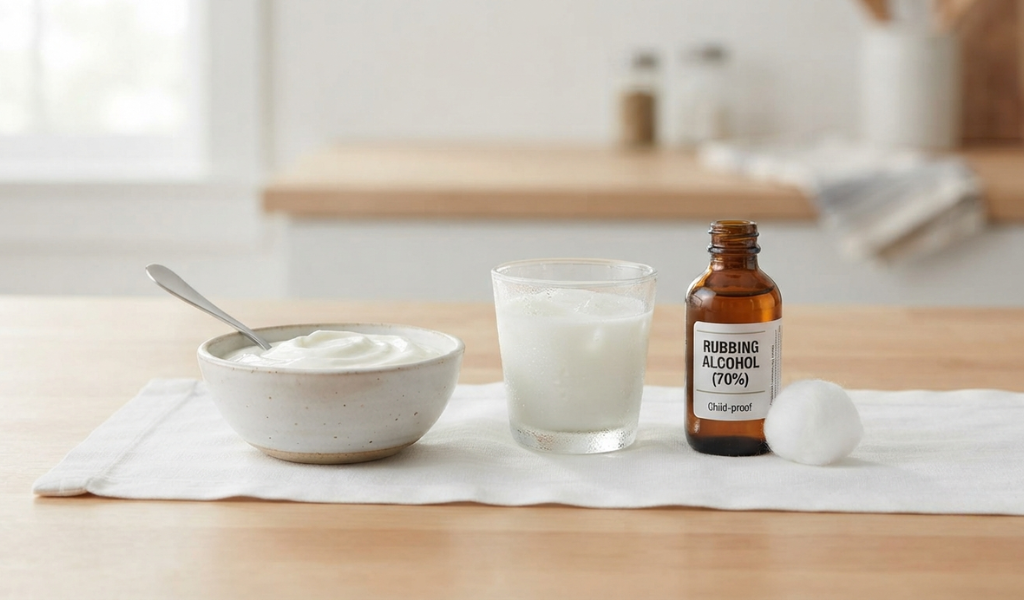
Rubbing alcohol is another option that works well for skin, since capsaicin dissolves more readily in alcohol than in water. Simply wipe the affected area with a cotton ball soaked in rubbing alcohol, then wash with soap afterward. Most skin irritation from capsaicin fades within thirty minutes to a few hours, even without treatment, though these steps can speed up relief considerably.
What to Do If Pepper Gets in Your Eyes
Getting capsaicin in your eyes is far more uncomfortable than skin contact, but the good news is that it is rarely dangerous and usually resolves on its own. If this happens, avoid rubbing your eye, since this only spreads the compound further and increases irritation. Instead, flush the eye gently with cool water or milk for several minutes, blinking frequently to help wash the compound away from the surface of your eye.
Some people find relief by soaking a clean cloth in cold milk and holding it gently over the closed eye for a few minutes. The burning sensation typically peaks within the first few minutes and then gradually fades over the next fifteen to thirty minutes. If severe pain, swelling, or vision changes persist beyond that, it is worth seeking medical advice just to be safe.
How to Reduce the Heat of Hot Peppers
If you enjoy the flavor of hot peppers but want to dial back the intensity, there are several practical techniques you can use. Removing the seeds and white membrane before cooking is the most effective method, since this is where the majority of capsaicin is concentrated. Soaking sliced peppers in a mixture of water and vinegar for about thirty minutes before cooking can also help draw out some of the heat while adding a pleasant tangy flavor.
Pairing hot peppers with dairy based ingredients in your final dish, such as sour cream, cheese, or yogurt, helps balance the heat on the palate since fat neutralizes capsaicin far better than water. Cooking peppers for a longer period can also mellow their intensity slightly compared to eating them raw, giving you more control over how spicy your finished dish actually turns out.
Final Thoughts
Handling hot peppers does not have to be intimidating once you understand what causes the burn and how to protect yourself from it. Wearing gloves, keeping your hands away from your face, washing your tools thoroughly, and knowing the heat level of whatever pepper you are working with are simple habits that make a real difference. With these steps in place, you can enjoy cooking with hot peppers confidently, adding bold flavor to your meals without the painful surprises that catch so many home cooks off guard.
The next time you reach for a habanero or a jalapeno, take thirty extra seconds to grab a pair of gloves and set up a clean workspace. Your future self, and your eyes, will thank you.
FAQs About Handling Hot Peppers
Do I really need gloves for milder peppers like jalapenos?
It depends on your sensitivity. Some people can handle jalapenos bare handed without issue, while others experience irritation even from milder peppers. If you have sensitive skin or plan to cut several peppers in one sitting, gloves are a smart precaution regardless of heat level.
Why doesn’t washing my hands with water alone remove the burning feeling?
Capsaicin is an oil based compound, and oil does not dissolve in water. Soap, alcohol, or dairy products are far more effective at breaking down and removing capsaicin than water by itself.
Can I get capsaicin burns even if I did not touch the pepper directly?
Yes. Capsaicin can transfer through cutting boards, knives, and even the air when peppers are cooked at high heat, particularly when roasting or frying very hot varieties. Good ventilation and thorough cleaning help reduce this risk.
How long does capsaicin stay on skin if not washed off?
Without proper washing, capsaicin residue can remain on your skin for several hours and continue causing irritation if you touch sensitive areas during that time. Thorough washing with soap significantly shortens this window.
Is milk really effective for neutralizing pepper heat?
Yes. Milk contains casein, a protein that binds to capsaicin and helps wash it away more effectively than water. This works both for soothing your mouth after eating something spicy and for treating skin or eye irritation.
Are bell peppers safe to handle without gloves?
Yes, bell peppers contain little to no capsaicin, so they generally do not cause burning or irritation. They are a mild, safe pepper to prep bare handed, unlike their spicier relatives in the same plant family.
What is the best way to store leftover hot peppers safely?
Store cut hot peppers in a sealed container in the refrigerator to prevent capsaicin oils from spreading to other food items. Always wash your hands and any tools used before handling other ingredients afterward.