Pepper Plant Care During the Rainy Season: Grow Peppers Indoors and Outdoors
Pepper Plant Care During the Rainy Season: Essential Tips
Wet weather can turn a thriving pepper patch into a soggy mess almost overnight. If you want strong plants and a good harvest, pepper plant care during the rainy season matters more than most gardeners expect. Too much water, poor drainage, and long stretches of damp leaves can quickly lead to trouble. The good news? A few smart habits make a big difference.
In this guide, you’ll learn how to protect pepper roots, manage water, prevent disease, and keep your plants productive even when the rain won’t quit. Whether you grow peppers in pots outdoor or you’re focused on pepper plant care in pots, these expert tips will help your plants stay healthy through the wettest stretch of the growing season.
Why Pepper Plants Need Extra Attention During the Rainy Season
Pepper plants love warmth and steady moisture, but they don’t like wet feet. When rain falls day after day, the soil stays soaked and the roots struggle to breathe. This is very different from the controlled conditions of growing pepper plants indoors, where you decide exactly how much water each plant needs.
Too Much Rain Can Stress Pepper Roots
Pepper roots need air as well as water. When soil stays waterlogged, oxygen can’t reach the roots, and they begin to weaken. Over time this leads to slow growth, poor fruit production, and root rot. Peppers are extremely sensitive to standing water, so heavy rain puts them at real risk.
Signs of Excess Moisture
Watch your plants closely during wet spells. Yellow leaves, drooping stems, and dropped flowers are common signs of too much water. You may also notice soft spots on the fruit or a general lack of energy in the plant. Spotting these clues early gives you time to act before the damage spreads.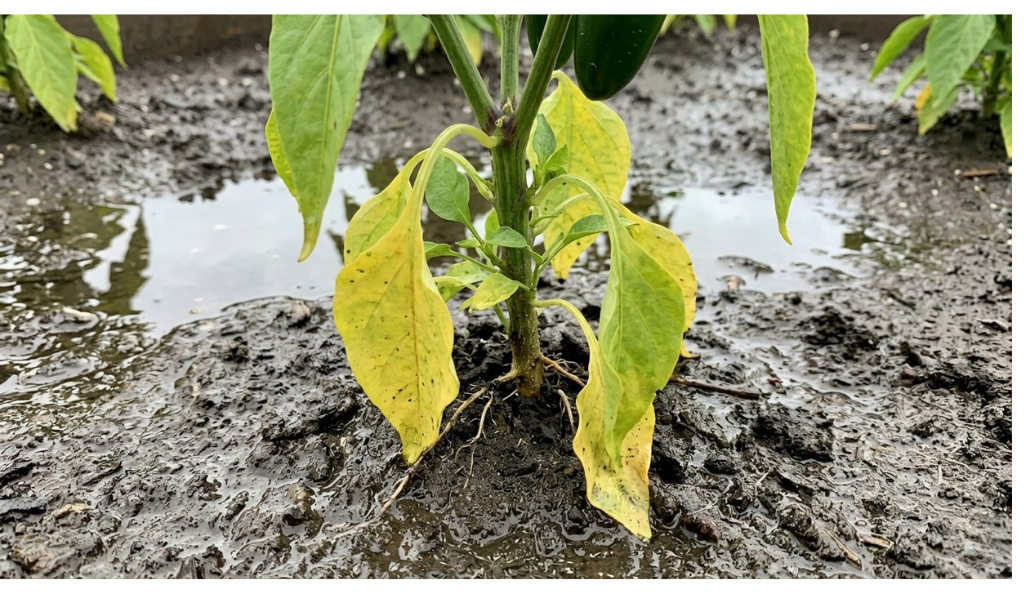
Water Management for Pepper Plants
Pepper plant care during the rainy season really starts with smart watering. When the sky is already doing the job, you often need to do far less.
Check the Soil Before Watering
Never water on autopilot. Push a finger into the soil first. If the top inch of soil feels dry to the touch, your peppers may need a drink. If it’s still damp, skip it. This simple check prevents most cases of overwatering.
Let the Soil Dry Slightly Between Watering
Peppers grow best when the soil dries out a little between waterings. This encourages strong roots and keeps disease at bay. During a rainy stretch, nature usually keeps the soil wet enough, so hold off until things dry out.
Protect Pepper Plant Roots From Standing Water
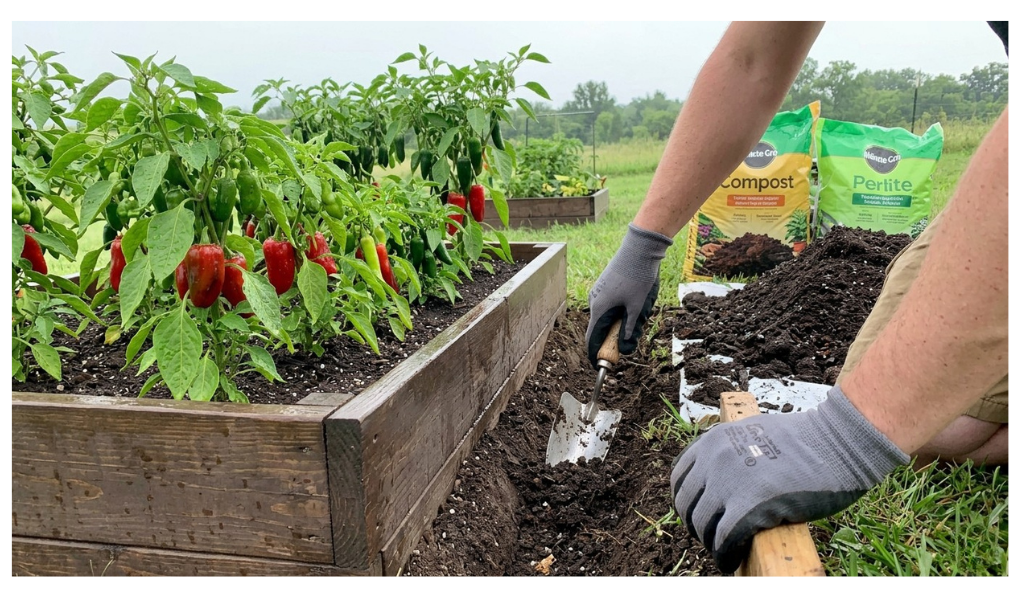
If you see puddles forming around the base of your plants, dig a small channel to guide the water away. Standing water around the roots is one of the fastest ways to lose a pepper plant.
Watch the Area After Heavy Rain
After a big downpour, walk through your garden and check for slow-draining spots. If water sits for hours, that area needs better drainage before the next storm.
Improve Drainage Before Heavy Rain Arrives
The best time to prepare is before the storms roll in. Good drainage keeps water moving away from the root zone instead of pooling around your plants.
Choose a Well-Drained Growing Area
Pick a spot where water naturally drains away. Low areas that collect puddles are a poor choice for peppers. If you’re planting in the garden, a gentle slope or a raised section helps excess water run off quickly.
 Improve Heavy Soil
Heavy clay soil holds water far too long. Mix in compost, aged manure, or other organic matter to loosen the texture. This helps the soil drain better while still holding the moisture your pepper plants need during dry gaps between rain.
Don’t Create a Water Trap
Be careful not to plant peppers in a hollow or a dip where runoff gathers. Even good soil can turn into a swamp if water has nowhere to go. Think about where the rain will travel before you plant peppers in a new bed.
Use Raised Beds or Containers When Necessary
When your ground simply won’t drain well, lifting your plants up is a smart fix. Raised beds and pots give you far more control over water.
Keep Containers Off Flat Surfaces
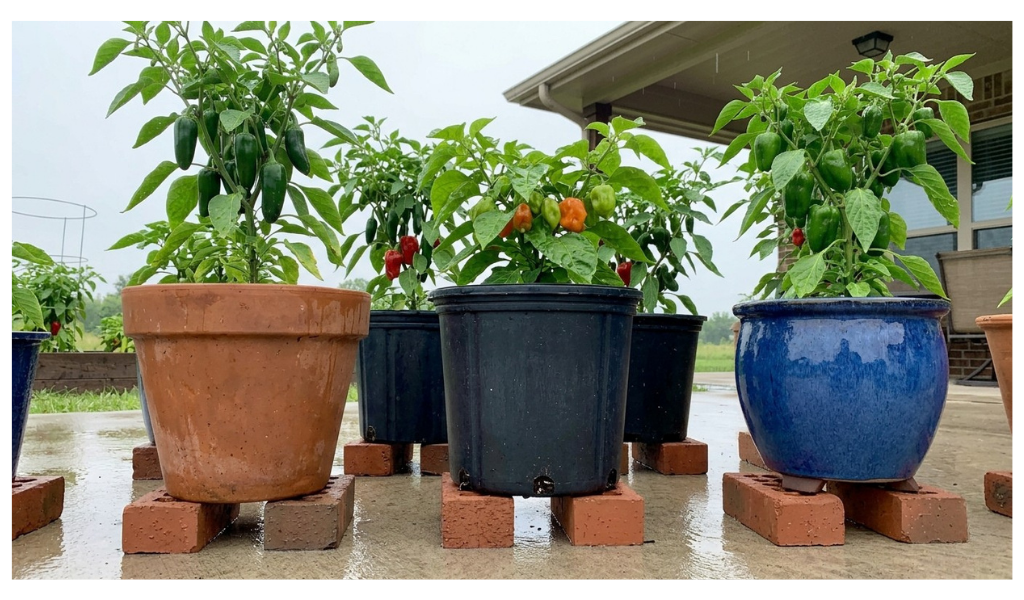
Set pots on bricks, feet, or a slatted stand so water can escape freely. A container sitting flat on concrete can trap water underneath and clog the drainage holes. Always use containers with drainage holes for peppers.
Protect Pepper Leaves From Prolonged Wetness
Wet leaves are a magnet for plant diseases. The longer the leaves stay damp, the higher the risk of fungal problems.
Improve Air Circulation
Good airflow helps leaves dry faster after rain. Space your plants so air moves freely between them. Crowded peppers stay wet longer and trap humidity, which invites disease.
Prune Carefully
Remove a few lower leaves and thin out dense growth so light and air can reach the center of the plant. Don’t overdo it though. Peppers still need plenty of leaves to feed themselves and shade their fruit.
Remove Diseased Material Promptly
If you spot spotted, moldy, or rotting leaves, take them off right away. Leaving diseased material on the plant lets problems spread to healthy parts.
Mulching Pepper Plants During Wet Weather
Mulch is helpful in the rain, but only when you use it the right way.
Use Mulch to Reduce Soil Splash
When rain hits bare soil, it splashes dirt and germs onto the lower leaves. A layer of mulch softens that splash and helps keep leaves cleaner. This lowers the chance of soil-borne disease.
Don’t Pile Mulch Against the Stem
Keep mulch a few inches away from the base of each plant. Mulch pressed against the stem holds moisture there and can cause rot. Leave a small gap so the stem can stay dry.
Feeding Pepper Plants During the Rainy Season
Fertilizer needs change when the weather turns wet. Feeding at the wrong time can do more harm than good.
Avoid Fertilizing Waterlogged Plants
A plant sitting in soggy soil is already stressed. Adding fertilizer forces it to work harder when it can’t absorb nutrients well. Wait until the soil drains and the plant perks up before you feed.
Heavy Rain Can Affect Nutrient Availability
Steady rain washes nutrients out of the soil, especially nitrogen. This means your peppers may need a light feeding once the wet spell ends. Just avoid too much nitrogen, which pushes leafy growth at the cost of fruit production.
Watch the Leaves Before Reaching for Fertilizer
Yellow leaves don’t always mean your plant is hungry. During wet weather, yellowing is often a sign of overwatering, not a lack of food. Check the soil and drainage first before you assume the plant needs fertilizer.
Prevent Common Rainy-Season Pepper Diseases
Damp conditions are prime time for pests and disease. A little prevention saves a lot of heartache.
Inspect Plants Regularly
Look over your peppers every couple of days. Check the tops and undersides of leaves for spots, mold, or pests like aphids. Early action keeps small problems from becoming big ones.
Keep Fallen Leaves and Rotten Fruit Off the Soil
Dropped leaves and rotting peppers on the ground become breeding grounds for disease. Clear them away to keep the area clean and healthy.
Avoid Working With Wet Plants
Try not to prune or harvest while the plants are soaked. Handling wet peppers spreads disease from one plant to the next. Wait for the leaves to dry first.
Support Pepper Plants Against Heavy Rain and Wind
Storms bring wind, and wind can snap heavy branches. A little support goes a long way.
 Stake Tall Pepper Plants
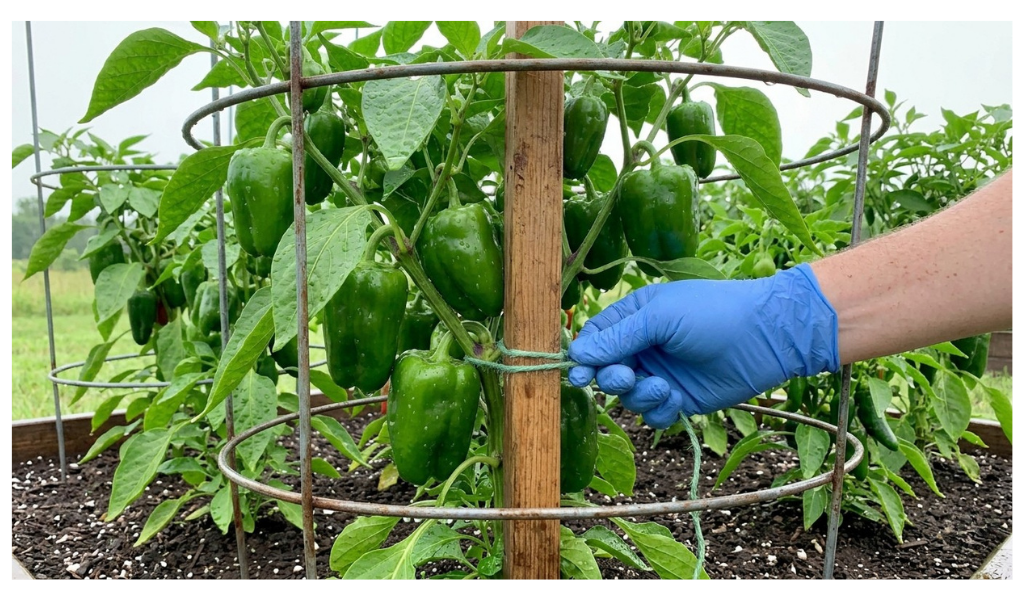
Tie tall plants to a stake or slip a tomato cage around them. This keeps them upright when strong gusts and driving rain hit. Bell peppers and other larger peppers benefit most from this help.
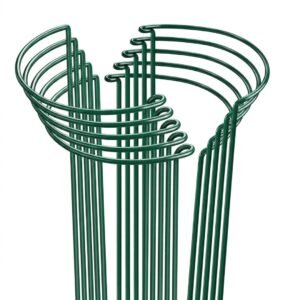 If your pepper plants need extra support during the rainy season, a sturdy plant support stake can help keep them upright as they grow taller and become heavier with fruit. The HiGift Plant Support Stakes are designed to provide support for plants such as peppers, tomatoes, and other garden plants.
Protect Fruit-Laden Branches
The weight of the fruit already strains the branches, and wet peppers are even heavier. Support loaded stems so they don’t bend or break under the extra load.
Managing Pepper Flowers and Fruit During Rain
Rain affects blooms and developing peppers too. Knowing what’s normal keeps you from worrying without cause.
Don’t Panic After Losing a Few Flowers
Peppers often drop a few flowers during heavy rain or cool spells. This is normal and the plant will bounce back with new pepper flowers once conditions improve. Pollination indoors is easier to control, but outdoor plants usually recover on their own.
Protect Developing Peppers From Rot
Fruit that touches wet soil can rot quickly. Gently lift low-hanging peppers off the ground or add mulch beneath them so they stay dry and clean.
When to Harvest Peppers During the Rainy Season
Timing your harvest around the weather protects both quality and flavor.
Pick Mature Peppers Promptly
Don’t let ripe peppers sit on the plant through a long wet stretch. Mature fruit left in the rain is more likely to rot or split. Harvest peppers regularly to keep the plant producing.
Harvest During Dry Conditions
Pick your peppers when the plants are dry, ideally after a sunny spell. Dry fruit stores better and you’re far less likely to spread disease as you work.
A Simple Rainy-Season Routine for Pepper Growers
You don’t need a complicated plan. A few steady habits keep your peppers healthy through the wet months.
After Heavy Rain
Walk the garden and look for standing water, leaning plants, and any damaged fruit. Fix drainage issues and support any stems that have bent over.
Every Few Days
Check the soil moisture, inspect leaves for disease, and remove any rotten peppers or fallen leaves. This short routine catches trouble early.
Keep Simple Notes
Jot down when the heavy rain fell and how your plants reacted. Over time these notes help you learn your garden and prepare better each season.
Container Pepper Plant Care During the Rainy Season
Pots give you flexibility, which is a real advantage when the weather turns. You can move them and manage water more directly.
 Move Containers Under Temporary Cover
During long downpours, shift your pots under a porch, eaves, or a simple cover. A short break from constant rain lets the soil drain and the roots recover.
Check Drainage Holes Regularly
Roots, soil, and debris can block drainage holes over time. Check them often and clear any clogs so water always has a way out.
Common Mistakes to Avoid During the Rainy Season
A few simple errors cause most rainy-season pepper problems. Steer clear of these and you’re ahead of the game.
Watering on a Fixed Schedule
Watering by the calendar instead of by the soil is a recipe for overwatering. Always check the top inch of soil first and let the plant’s needs guide you, not the clock.
Adding Fertilizer to Solve Every Problem
Fertilizer isn’t a cure-all. During wet weather, most pepper problems come from too much water, not too little food. Reaching for fertilizer often makes a stressed plant worse.
Ignoring Standing Water
Puddles around the roots won’t fix themselves. Ignoring standing water is one of the quickest ways to lose healthy plants to root rot.
Over-Pruning
Trimming a little for airflow is smart. Stripping away too many leaves leaves the plant weak and exposes fruit to sunscald. Prune with a light hand.
Leaving Rotten Peppers on the Plant
Rotting fruit spreads disease and drains the plant’s energy. Remove any soft or damaged peppers as soon as you spot them.
How to Help Pepper Plants Recover After a Long Rainy Period
Once the rain finally lets up, your plants need a little time and care to bounce back.
Give the Root Zone Time to Recover
Let the soil dry out before you water again. The roots have been sitting in wet conditions, and they need a chance to breathe. Resist the urge to help by adding more water.
Inspect for Damage
Look over the plants for broken stems, disease spots, and rotting fruit. Trim away anything damaged so the plant can focus its energy on healthy growth.
Wait Before Making Major Changes
Give your peppers a few days to settle before you fertilize or prune heavily. A stressed plant recovers best when you make gentle changes rather than sudden ones.
The Bigger Picture of Pepper Plant Care During the Rainy Season
Peppers are tougher than they look. Even after a rough wet spell, healthy plants often recover well with proper care. The key is paying attention. When you watch your plants, manage water wisely, and act early on problems, your peppers can stay productive through the whole growing season, rain or shine.
Final Thoughts
Pepper plant care during the rainy season comes down to a handful of simple habits: manage water, protect the roots, keep leaves dry, and act fast when something looks off. Whether you grow bell peppers in the garden or keep hot peppers in pots on the patio, these steps help you protect your harvest through the wettest weeks.
Start with one change today. Check your drainage, clean up fallen leaves, or move a soggy pot under cover. Small steps add up to healthy plants and a strong pepper harvest. Grab your gardening gloves and put these tips to work before the next storm rolls in.
Frequently Asked Questions
Can peppers survive heavy rain?
Yes, peppers can survive heavy rain if the soil drains well and water doesn’t sit around the roots for long. Good drainage, raised beds, or containers with drainage holes make a big difference. The main danger is prolonged standing water, which leads to root rot.
How often should you water pepper plants?
Water pepper plants only when the top inch of soil feels dry to the touch, rather than on a fixed schedule. During the rainy season, this often means watering very little or not at all. Overwatering causes more problems for peppers than underwatering.
What do coffee grounds do for pepper plants?
Coffee grounds add a small amount of nitrogen and organic matter to the soil, and they can improve soil texture over time. Use them lightly, since too much can hold excess moisture, which you don’t want during wet weather. Mixing them into compost first is the safest way to use them.
How long will a pepper plant live indoors?
Pepper plants can live several years indoors with proper care, since they’re actually perennials in warm conditions. Give them plenty of light, steady warmth, and careful watering to keep them producing fruit season after season. Many indoor pepper plants keep going for two to three years or more.
Can I grow different pepper varieties together?
Yes, you can grow different pepper varieties in the same garden or space without any trouble. They may cross-pollinate, but that only affects seeds you save, not the peppers you harvest this season. Choosing the right pepper varieties for your climate matters far more than keeping them apart.
How can you fix overwatered pepper plants?
To fix overwatered pepper plants, stop watering and let the soil dry out before giving them any more. Improve drainage, move containers under cover if it keeps raining, and trim away any rotted roots or leaves. Give the plant time, since recovery is gradual.
Can I grow peppers indoors all year?
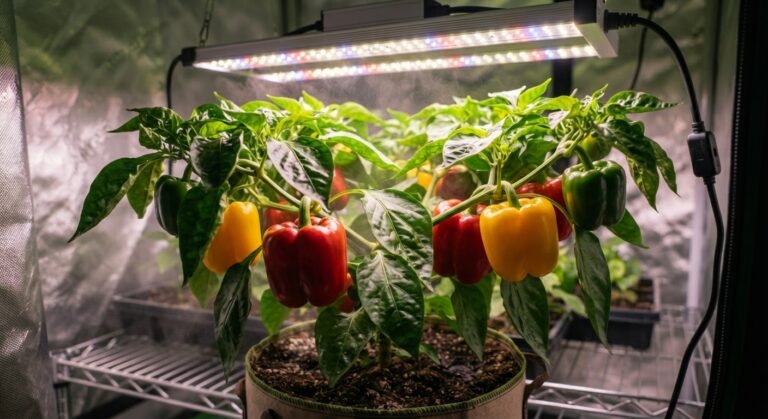
Yes, you can grow peppers indoors all year with enough light and warmth. Indoor peppers need about 14 to 16 hours of light per day from a grow light, plus steady temperatures. This lets you enjoy fresh peppers even outside the normal outdoor growing seasons.