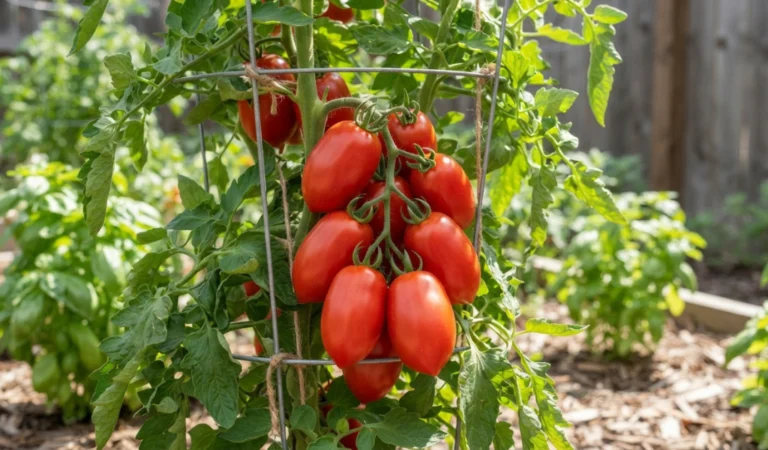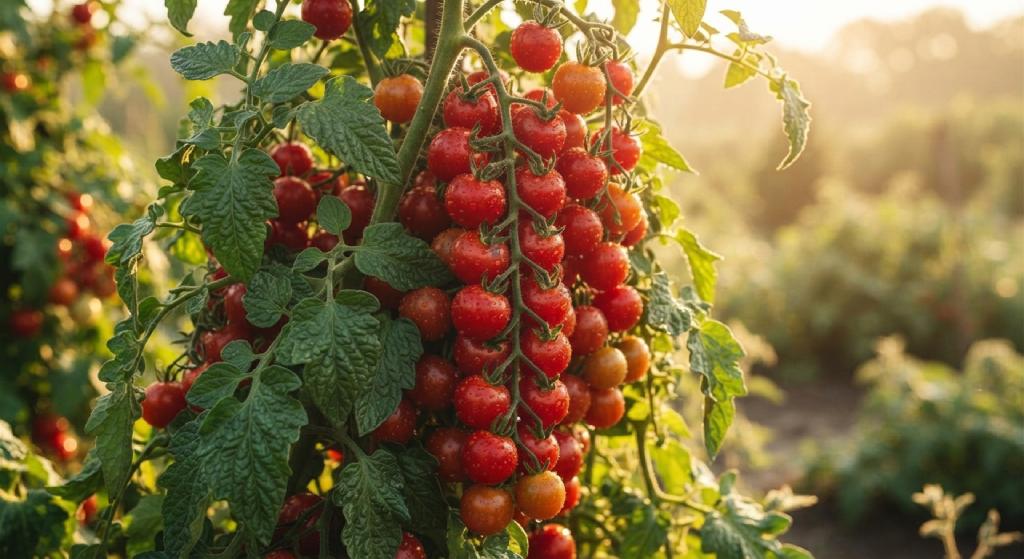
Sweet Million Tomato Growing Tips for Bigger Harvest :From Tomato Seed to Harvest
Sweet Million Tomato Growing Tips for a Bumper Harvest
If you love cherry tomatoes that burst with sweetness in every bite, the Sweet Million tomato plant deserves a spot in your garden this season. This F1 hybrid variety is famous among home gardeners for producing enormous clusters of red cherry tomatoes on vigorous, sprawling vines. Whether you’re growing in raised beds, a container garden, or a traditional backyard plot, understanding how to care for this plant properly can mean the difference between a modest harvest and baskets overflowing with sweet tomatoes all summer long.
In this guide, we’ll walk through everything you need to know about growing Sweet Million tomato plants, from choosing the right tomato seed to harvesting ripe fruit. You’ll also learn tomato growing tips, how to avoid the most common mistakes that hold gardeners back from a truly productive growing season.
Understanding Sweet Million Tomato Plants
The Sweet Million tomato is an indeterminate cherry tomato variety, which means the vine keeps growing and producing fruit until frost puts an end to the season. Unlike determinate varieties that grow to a set height and stop, Sweet Million tomato plants can climb well past six feet if left unchecked, so a sturdy trellis or stake system is essential.
This variety is an improved version of the original Sweet 100 tomato, bred to offer better disease resistance and even sweeter flavor. As an F1 hybrid, Sweet Million seeds are the result of careful cross-pollination between two parent plants, which gives the offspring hybrid vigor. That’s a fancy way of saying the plants tend to grow faster, produce more, and resist disease better than many open pollinated varieties. Keep in mind, though, that because it’s a hybrid, saving seeds from this year’s fruit won’t produce plants that are true to type next season.
Each truss on a Sweet Million tomato plant can hold a dozen or more small, round, red cherry tomatoes, and a single plant can produce thousands of fruits over the growing season if conditions are right. Gardeners often describe the flavor as intensely sweet with just enough acidity to keep it interesting, which makes these tomatoes a favorite for snacking straight off the vine, tossing into salads, or roasting whole.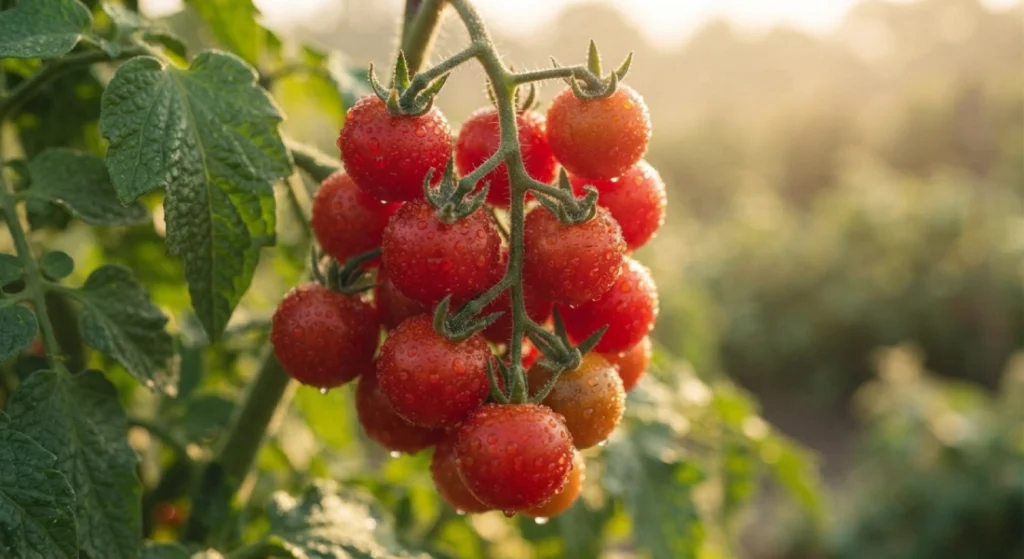
Sweet Million Tomato Growing Requirements
Getting the growing conditions right from the start sets the stage for a healthy, productive plant. Sweet Million tomato plants aren’t particularly fussy, but they do have a few non-negotiables.
Sunlight
Tomato plants need full sun to produce well, and Sweet Million is no exception. Aim for at least six to eight hours of direct sunlight each day. Plants grown in partial shade will survive, but you’ll notice weaker stems, fewer flowers, and a smaller harvest. If your garden only gets partial shade for part of the day, choose the sunniest spot available and consider staking the plant to keep leaves from shading each other out.
Soil
Sweet Million tomatoes grow best in well-drained soil with a slightly acidic pH between 6.0 and 6.8. Heavy clay soil that holds too much water can lead to root rot and other soil-borne diseases, so amending your garden bed with compost or aged organic matter before planting makes a real difference. If you’re growing in a container garden, use a quality potting mix rather than garden soil, since potting mix drains better and reduces the risk of waterlogging.
Water
Consistent soil moisture is one of the biggest keys to growing sweet cherry tomatoes without cracking or blossom end rot. Tomato plants generally need about one to two inches of water per week, though this can increase during hot, dry stretches of the growing season. The goal is steady moisture, not a cycle of drought followed by a flood. Uneven watering is one of the most common reasons gardeners end up with split fruit or poor fruit set.
Prepare Nutrient-Rich Soil
Before you even think about planting, take time to prepare the soil properly. Sweet Million tomato plants are vigorous growers and heavy feeders, so they’ll reward you generously for starting them off in rich, well-drained soil.
Work several inches of compost into your planting area a few weeks before transplanting. Compost improves drainage in heavy soil while also helping sandy soil retain moisture, which gives your plants the best of both worlds. Good drainage matters just as much as fertility here, because tomato roots sitting in soggy, compacted soil are far more prone to rot and fungus problems.
If a soil test shows your garden is low in organic matter, consider adding aged manure or a balanced organic fertilizer at planting time. Raised beds are worth considering too, since they naturally improve drainage and warm up faster in spring, giving your tomato seedlings a head start.
How to Plant Sweet Million Tomatoes Correctly
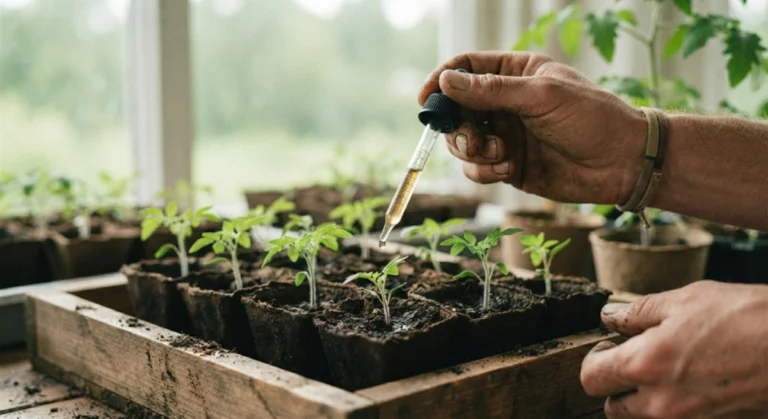
Timing matters when it comes to planting Sweet Million tomatoes. If you’re starting from tomato seed indoors, sow seeds about 6-8 weeks before your last expected frost date. Keep the soil temperature around 70 to 80 degrees Fahrenheit for the best germination rates, and you should see sprouts within a week to ten days.
Once your seedlings develop their first true leaves, and after the danger of frost has fully passed, it’s time to transplant them outdoors. Soil temperature should be consistently above 60 degrees Fahrenheit before you transplant, since cold soil can stunt growth and delay fruiting.
When you transplant, bury the seedling deeper than it was growing in its pot, right up to the first set of leaves. Tomato stems can develop roots along buried sections, which creates a stronger root system and a sturdier plant. Space plants about two to three feet apart, or roughly one plant per square foot if you’re using intensive planting methods with strong support structures. Crowding plants too closely restricts airflow and invites disease, so resist the temptation to squeeze in extra seedlings.
Water thoroughly right after transplanting to help the roots settle into their new home, and consider adding a layer of mulch around the base of each plant to lock in soil moisture and suppress weeds.
Provide Full Sun and Proper Airflow
We’ve already covered how important full sun is for Sweet Million tomato plants, but airflow deserves its own mention. Good air circulation around the leaves helps them dry quickly after rain or watering, which significantly reduces the risk of fungal diseases like blight.
When plants are grown too close together, or when foliage becomes dense and unpruned, moisture gets trapped between leaves and creates the perfect breeding ground for mold and fungus. If you’re growing in a greenhouse, this becomes even more important, since enclosed spaces naturally have less airflow than an open garden. Prop open vents or use a small fan to keep air moving around your plants.
Positioning your trellis or stakes so that vines grow upward rather than sprawling across the ground also helps enormously with airflow, while keeping the fruit clean and off the soil.
Fertilize for Healthy Growth and Fruit
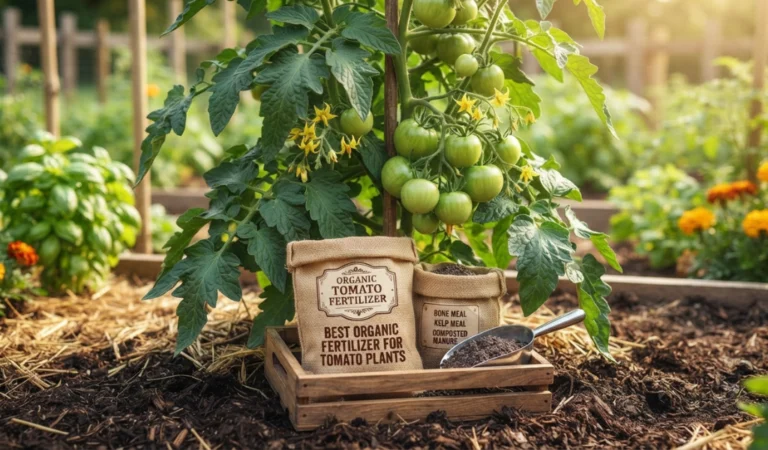
Sweet Million tomato plants are vigorous growers that need consistent feeding throughout the growing season. Start with a balanced organic fertilizer at planting time, one that isn’t overly high in nitrogen. While nitrogen encourages lush, green foliage, too much of it comes at the expense of flowers and fruit.
Once your plants begin flowering, switch to a fertilizer higher in phosphorus and potassium, which supports strong fruit set and helps prevent common problems like blossom end rot. Many gardeners find success feeding every two to three weeks throughout the season with a diluted organic fertilizer, such as fish emulsion or a compost tea.
Calcium deficiency is another factor worth watching, since it’s the leading cause of blossom end rot in tomatoes. Adding crushed eggshells or a calcium supplement to your soil, combined with consistent watering, helps keep this problem at bay.
Support and Prune the Plants
Because Sweet Million is such a vigorous, indeterminate vine, proper support is non-negotiable. A simple stake might work for smaller plants, but most gardeners find that a tall trellis, cage, or cordon training method works far better for a plant that can easily reach six feet or more.
Cordon training, where you train the plant to grow up a single main stem tied to a stake or string, is a popular method for maximizing airflow and making harvesting easier. With this method, you’ll need to prune away side shoots, known as suckers, that grow in the joint between the main stem and a leaf branch. Removing these suckers regularly redirects the plant’s energy toward fruit production rather than excess foliage.
Pruning also involves removing lower leaves that touch the soil, since these are the most vulnerable to soil-borne fungus and disease. Keep in mind that a light hand is best here. Over-pruning stresses the plant and reduces the leaf surface it needs for photosynthesis, so aim to remove just enough to maintain good airflow and structure.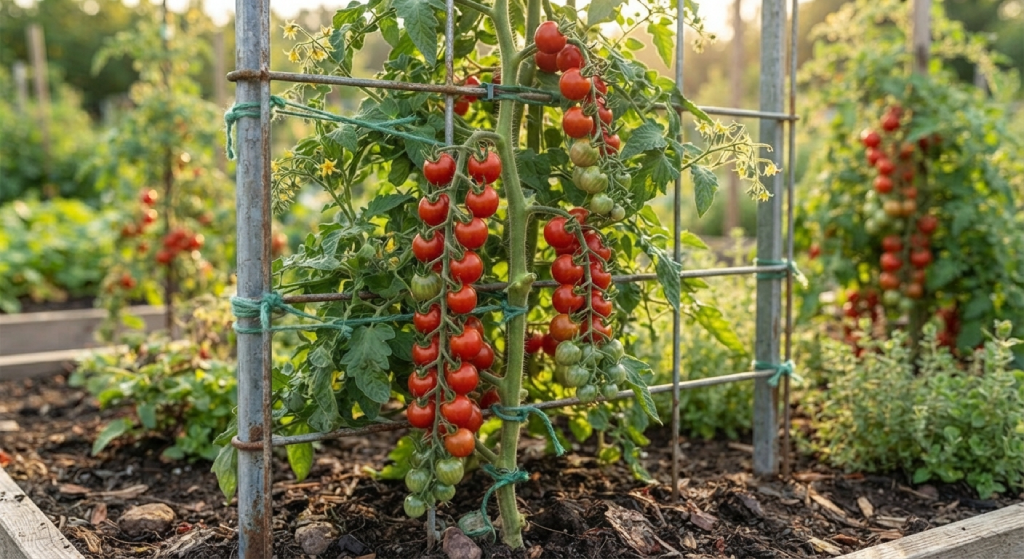
Tips for Encouraging More Tomatoes
A few small adjustments can significantly boost how many delicious cherry tomatoes your Sweet Million plant produces:
- Pinch off the very first flower cluster if your seedling is still small, which encourages the plant to establish a stronger root system before focusing on fruit.
- Tap or gently shake flowering stems occasionally to help with pollination, especially if you’re growing in a greenhouse where wind and insects have limited access.
- Keep up consistent watering and feeding throughout fruit set, since stressed plants often abort flowers rather than developing them into fruit.
- Harvest regularly. Leaving ripe fruit on the vine signals the plant to slow down production, so picking often actually encourages more tomatoes.
Common Watering and Fertilizing Mistakes
Even experienced gardeners fall into a few predictable traps when it comes to watering and feeding their tomato plants. Recognizing these mistakes early can save your harvest.
Overwatering or Underwatering
Inconsistent watering is behind many of the most common tomato problems. Underwatering causes wilting, blossom drop, and small, tough fruit, while overwatering leads to root rot, fungus, and diluted flavor in your cherry tomatoes. The best approach is to water deeply and less frequently rather than giving your plants a light sprinkle every day. Deep watering encourages roots to grow downward in search of moisture, which creates a stronger, more drought-resistant plant. Avoid overhead watering when possible, since wet foliage is far more susceptible to blight and other fungal diseases. Instead, water at the base of the plant, ideally in the morning so any splashed leaves have time to dry before evening.
Using Too Much Fertilizer
More fertilizer isn’t always better. Excess nitrogen produces a plant with plenty of green leaves but disappointing fruit production. Over-fertilizing can also burn roots and lead to salt buildup in the soil, which stresses the plant and makes it more vulnerable to pests and disease. Stick to a consistent, moderate feeding schedule rather than reaching for extra fertilizer whenever growth seems slow. If your plant looks pale or stunted, a soil test can help you pinpoint the actual nutrient deficiency instead of guessing.
Improper Pruning and Crowding Plants
Pruning mistakes are just as common as watering mistakes. Some gardeners avoid pruning altogether, letting the vine sprawl into a tangled mass of foliage. This might feel like less work upfront, but it usually results in poor airflow, more disease pressure, and fruit that’s harder to find and harvest.
On the other end of the spectrum, over-pruning removes too much foliage at once, which stresses the plant and reduces the energy available for ripening fruit. The best practice is regular, light pruning throughout the season, removing suckers and lower leaves gradually rather than in one dramatic session.
Crowding is another frequent issue, especially in small home gardens or container gardens where space is limited. Planting too many tomato plants close together restricts airflow and creates competition for nutrients and light. Stick to proper spacing guidelines, and if you’re short on space, consider training plants vertically along a trellis rather than letting them sprawl outward.
Ignoring Pests and Diseases
Sweet Million tomato plants are more disease resistant than many heirloom varieties, but they aren’t immune to problems. Fusarium wilt, a soil-borne fungus, can cause wilting and yellowing leaves, and unfortunately there’s no cure once a plant is infected, so removing and destroying diseased plants is the best course of action to prevent spread.
Blight is another concern, particularly in humid climates or seasons with heavy rain. Look for dark spots on leaves that spread quickly, and address it early by removing affected foliage and improving airflow around the plant.
Pests like flea beetles can chew small holes in leaves, particularly on young seedlings. Row covers offer good protection early in the season, while diatomaceous earth or insecticidal soap can help manage larger infestations without resorting to harsh chemicals.
Regularly inspecting your plants, ideally every few days, helps you catch pest and disease problems while they’re still manageable rather than after they’ve spread through your entire garden.
Harvesting Ripe Sweet Million Tomatoes
Sweet Million tomato plants are known for their quick turnaround, often producing ripe fruit within 65 days of transplanting. You’ll know the cherry tomatoes are ready to harvest tomatoes when they turn a deep, glossy red and come away from the stem with a gentle tug.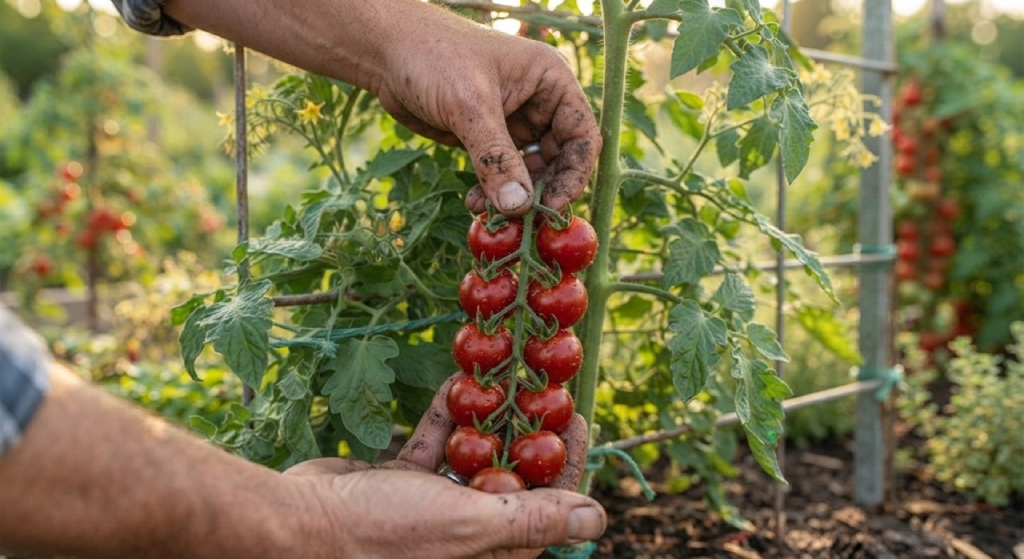
Because this variety produces such heavy clusters, it’s common to harvest multiple tomatoes from a single truss at once, though you may need to pick a few at a time as they ripen at slightly different rates. Check your plants every couple of days once fruiting begins, since ripe cherry tomatoes left too long on the vine can split, attract pests, or drop to the ground.
Harvesting in the morning, once any dew has dried, tends to give the best flavor and shelf life. Store freshly picked tomatoes at room temperature rather than in the refrigerator, since cold temperatures dull their sweet flavor and texture.
Final Thoughts
Growing Sweet Million tomato plants successfully comes down to a handful of fundamentals done consistently: full sun, well-drained soil, steady watering, thoughtful feeding, and regular pruning. This vigorous, disease resistant variety rewards attentive gardeners with an incredible volume of sweet, snackable fruit throughout the growing season. Start with quality tomato seed or healthy seedlings, give your plants the support and space they need, and stay ahead of common pests and diseases before they take hold.
With a bit of patience and the right growing conditions, you’ll be harvesting handfuls of red cherry tomatoes well into fall, more than enough to share with neighbors, toss into summer salads, or snack on straight from the vine.
Frequently Asked Questions
How long does it take for Sweet Million tomatoes to produce fruit?
Sweet Million tomato plants typically begin producing ripe fruit around 65 days after transplanting, making them one of the faster-maturing cherry tomato varieties available to home gardeners.
Is Sweet Million a determinate or indeterminate tomato variety?
Sweet Million is an indeterminate variety, meaning the vine continues growing and producing tomatoes throughout the entire growing season until frost, rather than stopping at a set height like determinate varieties.
Can I grow Sweet Million tomatoes in a container garden?
Yes, Sweet Million tomato plants can thrive in a container garden as long as the container is large enough, typically at least 15 to 20 gallons, and fitted with a sturdy stake or cage to support the vigorous vine.
Why are my Sweet Million tomatoes splitting?
Splitting usually happens due to inconsistent watering, where a period of drought is followed by heavy watering or rainfall. Keeping soil moisture consistent through mulching and regular watering helps prevent this issue.
Do Sweet Million tomatoes need to be pruned?
While not strictly required, pruning suckers and lower leaves improves airflow, reduces disease risk, and directs more of the plant’s energy toward fruit production, which typically results in a better harvest.
What’s the difference between Sweet Million and Sweet 100 tomatoes?
Sweet Million is an improved hybrid developed from the original Sweet 100 variety, bred for better disease resistance and even sweeter flavor, while maintaining the same prolific, cluster-producing growth habit.
How often should I fertilize Sweet Million tomato plants?
Feeding every two to three weeks throughout the growing season with a balanced organic fertilizer, adjusted to favor phosphorus and potassium once flowering begins, typically supports the healthiest growth and fruit production.