Carolina Reaper Fertilizer Burn Recovery: A Simple Guide for Healthier Reaper Plants
Carolina Reaper Fertilizer Burn Recovery: How to Save an Overfed Pepper Plant
Growing the hottest pepper in the world is no small feat. The Carolina Reaper, developed by Ed Currie of the Puckerbutt Pepper Company in South Carolina, holds the Guinness World Record for the hottest chili pepper, clocking in at an average of 1.6 million Scoville Heat Units (SHU) and peaking above 2.2 million SHU. That’s nearly double the heat level of the ghost pepper and far hotter than the Trinidad Moruga Scorpion.
But here’s the thing: carolina reaper fertilizer burn recovery is one of the most common challenges growers face, whether they’re nurturing a single pot on the patio or running trays of reaper seeds indoors under a grow light. Fertilizer burn happens when too many nutrients, particularly nitrogen, build up in the soil around reaper plants and essentially pull moisture out of the roots instead of pushing it in. Understanding the best fertilizer for pepper plants can help prevent nutrient buildup, support healthy root growth, and keep your Carolina Reaper plants strong. With the right recovery steps, watering routine, and fertilizer approach, you can help stressed reaper plants bounce back and continue producing healthy, vigorous growth.
The good news is that most carolina reaper plants can bounce back from fertilizer burn if you act quickly and correctly. Understanding the right NPK (nitrogen-phosphorus-potassium) fertilizer ratio matters too. During early growth and the seedling stage, a balanced fertilizer like a 10-10-10 or a slightly higher nitrogen formula supports strong root development and foliage.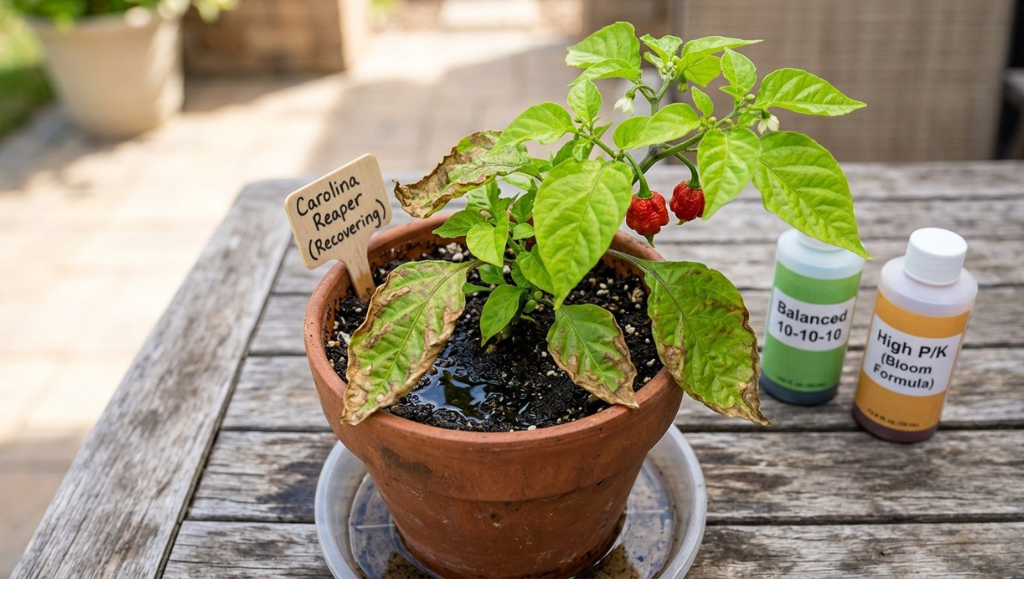 Once the plant shifts toward producing fruit and pods, reducing nitrogen and increasing phosphorus and potassium helps drive flowering and fruit ripening. When any of these ratios get thrown off or applied in excess, burn follows.
This guide walks you through every step of the recovery process, from identifying the early warning signs to flushing the soil, trimming damaged foliage, and getting back on a healthy feeding schedule so your reaper pepper can grow up to 4 or even 5 feet tall and produce those signature bright red, wrinkled pods loaded with capsaicin.
What Causes Carolina Reaper Fertilizer Burn?
Fertilizer burn doesn’t happen randomly. There are specific habits and conditions that lead to it, and once you understand the causes, avoiding them becomes much easier.
Too Much Fertilizer at One Time
The most common cause is simply applying too much fertilizer in a single feeding. Growers get eager, especially when growing the carolina reaper for the first time, and assume that more nutrients mean faster growth. In reality, a large dose of water-soluble fertilizer or granular fertilizer creates a surge of salts in the soil. Those salts draw moisture away from the roots, causing the tissue in the leaves and stems to dry out from the inside.
Fertilizing Too Frequently
Even if each individual dose seems reasonable, feeding carolina reaper plants too often compounds the salt problem. Salts build up over time in the potting mix and never get a chance to flush out. This is especially common in container growing, where nutrients have nowhere to go if drainage is poor.
Dry Soil Before Fertilizing
Applying fertilizer to dry soil is a recipe for burn. When the soil around your reaper plants is already dry, the roots are stressed and more vulnerable to chemical damage. The concentration of nutrients hits the roots harder than it would if the soil were moist and able to dilute the salts more evenly.
Poor Drainage
A pot without proper drainage holes traps excess fertilizer in the soil. Water-soluble fertilizer has no way to exit the container, so it sits and concentrates. Over multiple feedings, this turns the lower portion of the potting mix into a salt bath that slowly destroys root health.
Signs of Carolina Reaper Fertilizer Burn
Catching fertilizer burn early gives you a much better chance of full carolina reaper fertilizer burn recovery. Here’s what to look for.
Brown or Burned Leaf Edges
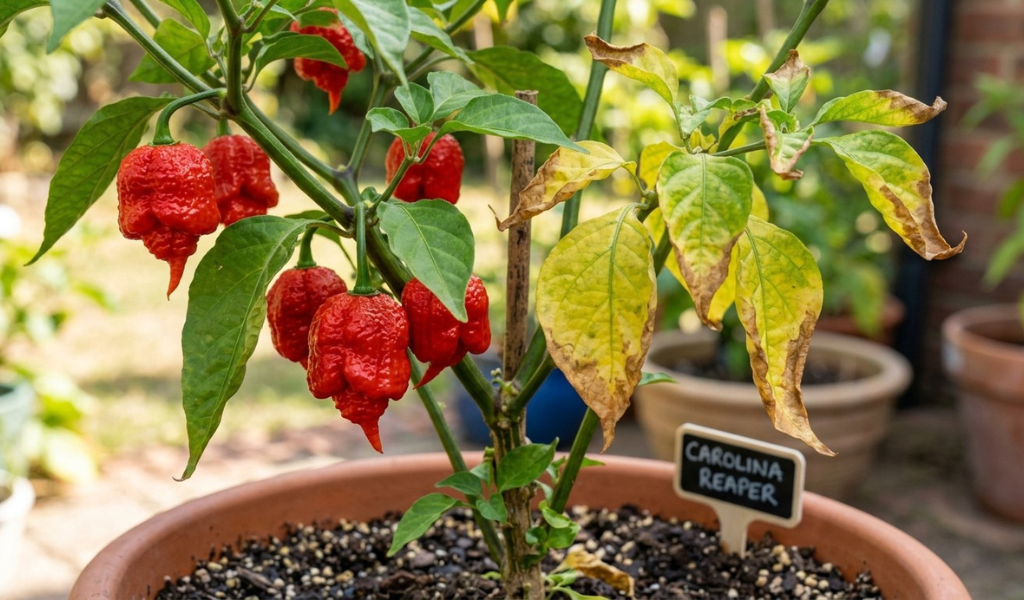
The earliest and most obvious sign is browning along the outer edges of the leaves. The tips and margins turn tan or brown, almost like the leaf has been lightly scorched.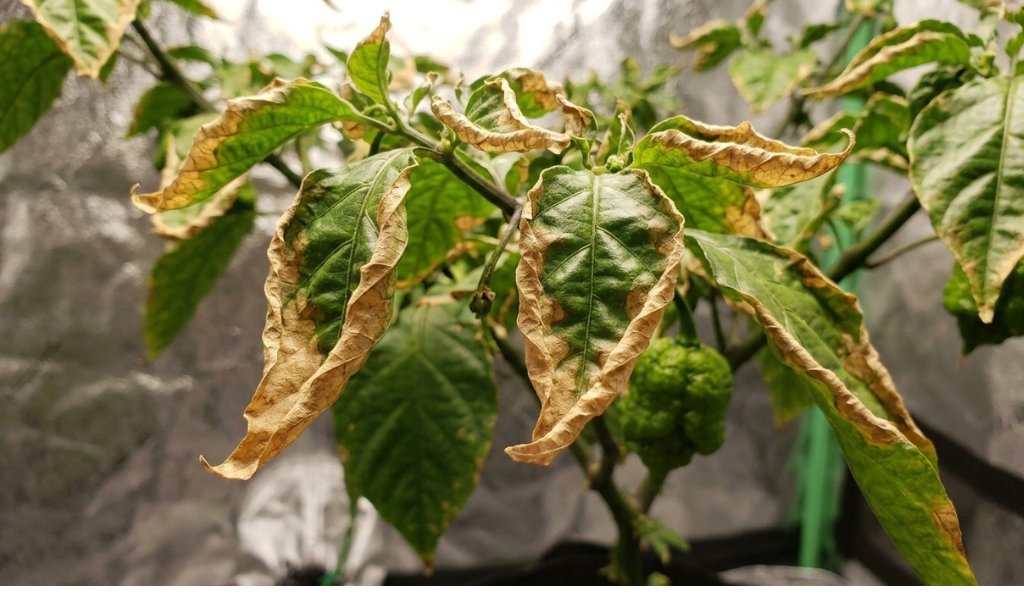 This happens because the cells at the leaf edge are the furthest from the plant’s water supply and the first to show dehydration caused by excess soil salts.
Curling Leaves
Leaves on burned reaper plants often curl inward or downward. The plant is trying to reduce the surface area exposed to sun and air, which slows moisture loss. If you see curling alongside brown edges, fertilizer burn is a strong possibility.
Yellowing Leaves
Yellowing can happen for many reasons, including overwatering and nutrient deficiency, but it also shows up during fertilizer burn. When roots are damaged by salt stress, they can’t absorb nutrients efficiently even if those nutrients are present in the soil. The result looks like a deficiency when the actual problem is excess.
White Fertilizer Deposits
A visible white crust on the surface of the potting mix or along the inner rim of the pot is a sign of salt buildup. This often appears when a granular or water-soluble fertilizer has been applied repeatedly without adequate flushing.
Sudden Growth Problems
A carolina reaper plant that was growing steadily and suddenly stalls, drops leaves, or stops pushing new growth during the growing season should raise a flag. Root damage from fertilizer burn disrupts the plant’s ability to move water and nutrients upward, which slows or stops above-ground growth.
Carolina Reaper Fertilizer Burn Recovery: First Steps
Once you’ve identified fertilizer burn, the recovery process starts immediately with three basic actions.
Stop Fertilizing Temporarily
Put the fertilizer away. Do not try to fix the problem by switching to a different product or adding a flush-and-feed combination. The soil already has too many nutrients. Adding more, even a different type, will make the situation worse and delay recovery.
Check the Soil Moisture
Feel the soil around your reaper plants. If it’s dry, water thoroughly with plain, pH-balanced water before doing anything else. Rehydrating the roots helps them begin recovering from salt stress. Watering carolina reaper plants consistently during recovery, but not excessively, keeps the soil moist without encouraging rot.
Inspect the Drainage
Check that your pot has open drainage holes and that water flows freely through the bottom when you water. If the holes are clogged, clear them. Good drainage is non-negotiable during carolina reaper plant care, especially during the recovery phase when you’ll be applying more water than usual to push salts out.
Flushing a Carolina Reaper Plant After Fertilizer Burn
Flushing is the process of running a large volume of plain water through the soil to physically carry excess salts out through the drainage holes. For most potted carolina reaper plants dealing with fertilizer burn, flushing is the most effective immediate treatment.
How to Flush a Potted Carolina Reaper
Take the pot to a sink, bathtub, or outdoor area where water can drain freely. Slowly pour plain, room-temperature water over the soil. Use roughly three to four times the volume of the pot. For example, if your reaper is in a 5-gallon pot, pour about 15 to 20 gallons of water through it slowly over the course of 20 to 30 minutes.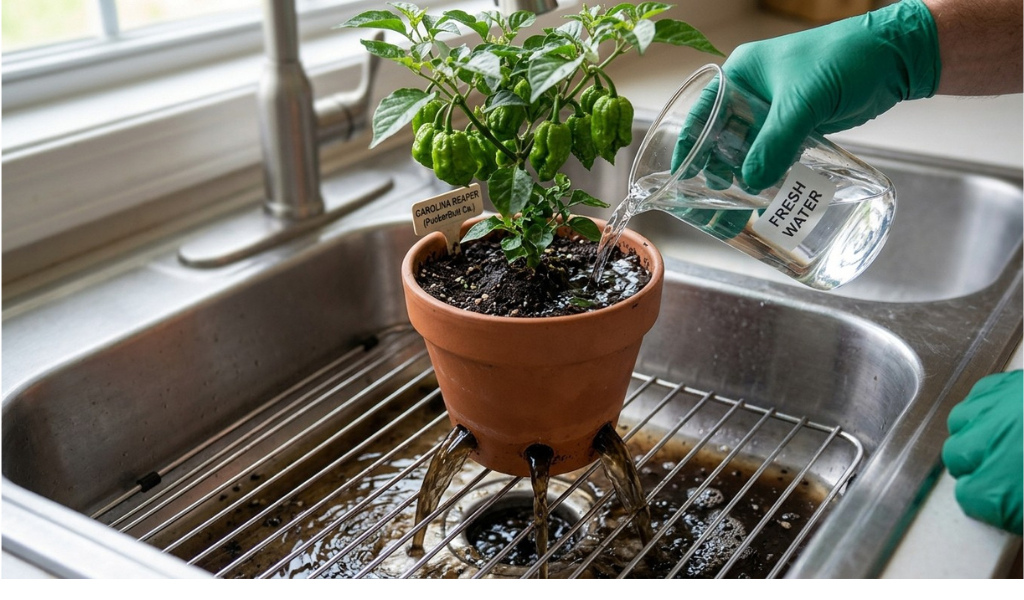 The slow pace allows the water to pick up salts and carry them out rather than channeling through one path and bypassing pockets of accumulated fertilizer.
After flushing, let the pot drain completely before placing it back in its growing spot. Do not fertilize for at least one to two weeks.
Should You Flush Every Carolina Reaper?
Not every plant needs a full flush. If the burn signs are mild (just slight tip browning and no white crust on the soil), a single deep watering may be enough. Save flushing for moderate to severe cases where there is visible salt buildup, widespread leaf damage, or multiple symptoms occurring at once.
Carolina Reaper Fertilizer Burn Recovery After Flushing
The flush removes the immediate threat, but recovery takes time. Here’s what to focus on in the days and weeks that follow.
Watch the New Growth
The best sign that your reaper plant is recovering is new growth. Watch for small, healthy-looking leaves pushing out from the growing tips. This tells you the roots are functioning again and the plant is resuming normal activity. Existing damaged leaves may not recover, but new ones should look clean and green.
Remove Severely Damaged Leaves Carefully
Leaves that are more than halfway brown or that have completely dried out can be removed to reduce stress on the plant and improve airflow. Use clean scissors or pruning shears and wear gloves when handling the plant, especially if you plan to do any work near the fruit later in the season. Do not strip the plant aggressively. Remove only the most damaged foliage and leave everything else in place.
Avoid Additional Stress
Keep the recovering plant away from temperature extremes. If it’s indoors, make sure it’s getting 6 to 8 hours of direct sunlight per day or equivalent light from a grow light. Avoid transplanting, repotting, or any major pruning during the recovery window. The plant needs stability, not more disruption.
How Long Does Carolina Reaper Fertilizer Burn Recovery Take?
Recovery time depends on the severity of the burn and how quickly you responded. Mild burn with minimal root damage can show visible improvement within one to two weeks after flushing and proper watering. More severe cases, where root damage is significant and a large portion of the foliage was affected, may take four to six weeks before the plant looks noticeably healthier.
Keep in mind that the damaged leaves themselves won’t turn back to green. Recovery shows up in the new growth that appears after the roots have healed, not in the restoration of already-burned tissue.
When to Fertilize Again After Fertilizer Burn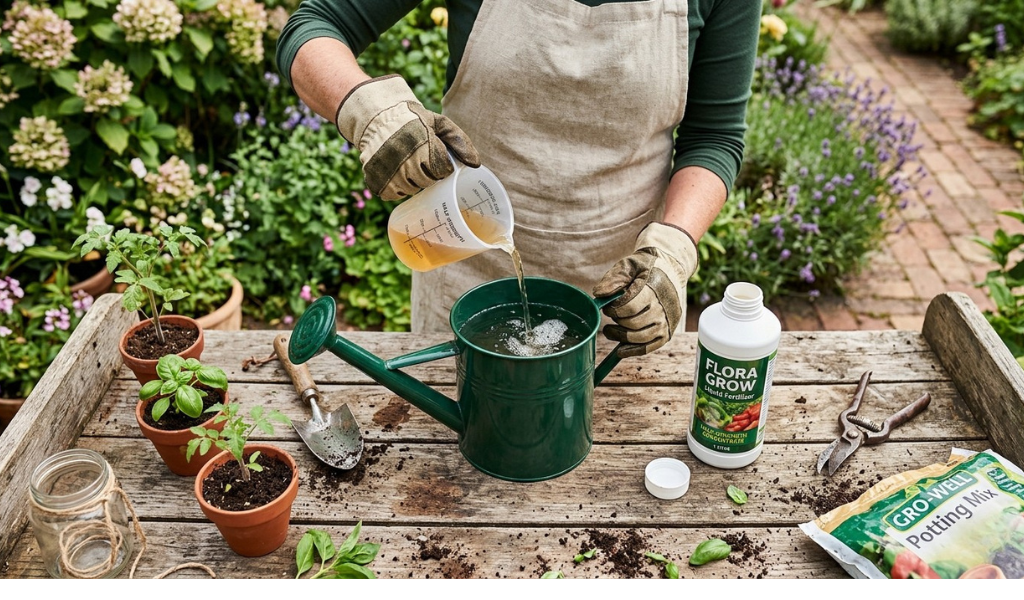
Returning to a feeding schedule too soon is one of the most common mistakes growers make during carolina reaper fertilizer burn recovery. Wait until the plant shows clear signs of new growth before reintroducing fertilizer. This typically means waiting at least two to three weeks after flushing.
Start With a Moderate Feeding Program
When you do fertilize again, start with half the recommended dose. Use a balanced fertilizer or a water-soluble fertilizer diluted to half strength. This gives the recovering roots a manageable amount of nutrients without overwhelming them again. Gradually increase to full strength over the next few feedings if the plant responds well.
Do Not Chase Bigger Plants With More Nitrogen
A common mistake is loading up on nitrogen to push fast growth after recovery. High nitrogen encourages lots of leafy foliage but can delay flowering and fruiting, which is the whole point of growing carolina reaper peppers. During the fruiting phase, shift toward a lower-nitrogen formula that supports pod development and helps those bright red, wrinkled peppers ripen fully.
Preventing Future Carolina Reaper Fertilizer Burn
Prevention is far easier than recovery. A few consistent habits will protect your reaper plants through the entire growing season.
Measure Fertilizer Carefully
Always measure your fertilizer rather than guessing. Whether you’re using a granular product or a water-soluble fertilizer mixed into your watering can, follow the label instructions exactly. When in doubt, go lighter. You can always add more at the next feeding, but you can’t take it back once it’s in the soil.
Consider the Growing Medium
Not all potting mixes are equal. A well-drained soil with a ph between 6.0 and 6.8 provides the best growing environment for carolina reaper plant care. Some commercial potting mixes come pre-loaded with starter fertilizer, which means your first few feedings after transplanting may not be needed at all. Check the label of your potting mix before feeding a newly transplanted seedling.
Keep an Eye on Salt Buildup
Periodically flush your pots even when the plant looks healthy. Once every four to six weeks during the growing season, run extra water through the soil to clear out any accumulated salts before they reach problem levels. This simple habit can prevent fertilizer burn from developing in the first place.
Common Carolina Reaper Fertilizer Burn Recovery Mistakes
Knowing what not to do matters just as much as knowing the right steps.
Applying more fertilizer to “compensate” is the biggest mistake growers make. It adds more salt to an already oversaturated root zone and significantly extends recovery time.
Overwatering is another common error. While water is essential for flushing, keeping the soil soggy after flushing invites root rot, which creates a second problem on top of the first. Water thoroughly, then allow the soil to approach dryness (but not fully dry out) before watering again.
Some growers also remove too many leaves too quickly. Stripping a stressed plant of its remaining healthy foliage reduces its ability to photosynthesize and slows recovery. Only remove foliage that is clearly dead or more than halfway damaged.
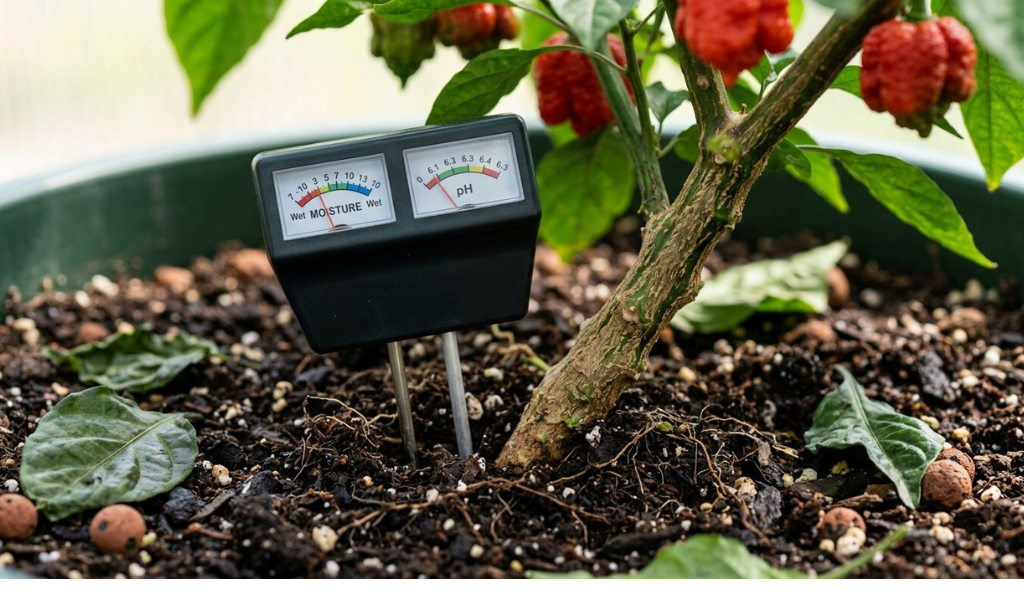 Finally, moving the plant to a new location right after burn occurs adds unnecessary stress. Keep things stable during recovery. The right amount of direct sunlight, consistent temperatures, and minimal disturbance give your reaper plants the best environment to heal.
Final Thoughts
Carolina reaper fertilizer burn recovery is absolutely possible when you catch the signs early and respond correctly. Flush the soil, stop feeding temporarily, support the plant with consistent watering and good drainage, and give it time to rebuild from the roots up. This is one of the hottest peppers ever cultivated, and it has the resilience to match. With the right approach to carolina reaper plant care, your plant can recover, push new growth, and still produce an impressive harvest of those fierce, capsaicin-packed pods.
If you’re starting fresh from reaper seeds, use the lessons in this guide to set up a feeding schedule that avoids burn from day one. Measure carefully, flush regularly, and match your NPK fertilizer ratio to the plant’s current growth stage. Do that, and fertilizer burn becomes a problem you’ll rarely encounter.
Frequently Asked Questions
How long does a Carolina Reaper burn last?
Fertilizer burn on carolina reaper plants typically lasts two to six weeks depending on severity. Mild burn with minimal root damage may show improvement within one to two weeks after flushing and corrected watering. Severe cases with significant root damage can take four to six weeks before healthy new growth becomes visible.
How long does it take for fertilizer burns to heal?
The timeline for fertilizer burn healing depends on how badly the roots were affected. Most carolina reaper plants begin showing new, healthy growth within two to four weeks after treatment. Burned leaves themselves will not recover but the new foliage that emerges after root recovery will appear normal.
Can you reverse fertilizer burn?
You cannot reverse the damage to already-burned leaves, but you can stop the progression and allow the plant to produce healthy new growth. Flushing the soil with plain water removes excess salts, and temporarily stopping fertilizer applications gives the roots time to recover. New foliage is the sign that recovery is happening.
How do you recover plants from fertilizer burn?
Start by stopping all fertilizer applications. Water the plant thoroughly with plain water to begin diluting the salt concentration in the soil. For moderate to severe cases, flush the pot by running three to four times its volume in water through the soil slowly. Allow the soil to drain completely and then monitor the plant for new growth over the following two to four weeks before resuming a light feeding schedule.
What does fertilizer burn look like on Carolina Reaper plants?
Fertilizer burn on carolina reaper plants typically appears as brown or tan edges and tips on the leaves. The affected areas look dry and papery. You may also notice curling leaves, yellowing foliage, and a white crusty residue on the surface of the potting mix. In severe cases, the plant may stop producing new growth entirely.
How often should I water Carolina Reaper pepper plants?
Watering carolina reaper plants depends on the size of the pot, the ambient temperature, and the stage of growth. Generally, water when the top inch of soil feels dry to the touch. During hot weather or when the plant is actively producing fruit, this may mean watering every one to two days. Always ensure the pot has drainage holes so excess water can escape and roots are not sitting in standing water, which can cause rot.
Can fertilizer burn on Carolina Reapers be reversed?
The burned tissue on existing leaves cannot be restored to green. However, the plant itself can absolutely recover. Once the excess salts are flushed from the soil and the roots begin healing, the carolina reaper plant will push healthy new growth. The key is acting quickly and avoiding the common mistakes, like over-fertilizing or overwatering, that can extend the damage and delay recovery.