Is 20-20-20 Fertilizer Good for Pepper Plants and Peppers? When and How to Use It
Is 20-20-20 Fertilizer Good for Pepper Plants? A Complete Guide
Growing peppers is one of the most rewarding things you can do in the garden. But get the feeding wrong, and your plants will let you know slow growth, pale leaves, and disappointing harvests are all common signs that something’s off. That’s where fertilizer choices matter most.
One product that comes up again and again in gardening forums and growing guides is 20-20-20 fertilizer. It’s widely available, easy to use, and popular with both home gardeners and professional growers. But is 20-20-20 fertilizer good for pepper plants specifically? Or is it better suited to other crops?
The short answer is yes but with some important conditions. Used at the right time and in the right way, this balanced NPK blend can give your pepper plants a serious boost. Used at the wrong stage, it can push too much leafy growth at the expense of fruit production.
This guide covers everything you need to know: what 20-20-20 fertilizer actually does, when to use it on peppers, how it compares to other fertilizers, and how to avoid the most common mistakes growers make.
What Does 20-20-20 Fertilizer Mean?
The numbers on any fertilizer bag represent its NPK ratio that’s nitrogen (N), phosphorus (P), and potassium (K). In a 20-20-20 fertilizer, each of these three macronutrients makes up 20% of the total formula by weight.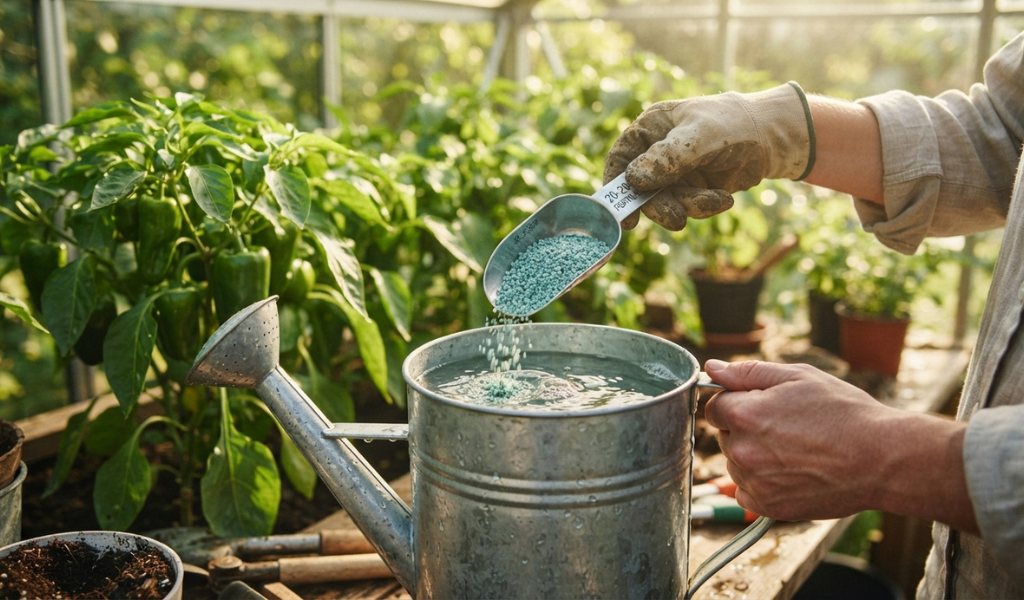
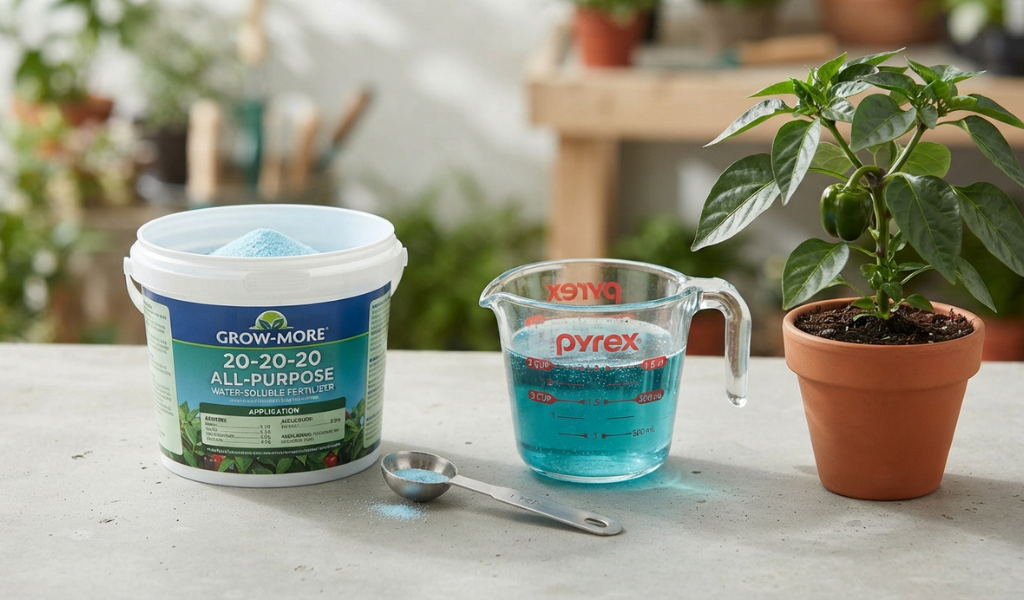
This equal ratio is why it’s often called “triple 20” or an all-purpose fertilizer. It doesn’t favor one nutrient over another. Instead, it delivers equal parts nitrogen, phosphorus, and potassium in a single, balanced blend. Most versions on the market are water-soluble, meaning you dissolve them in water before applying typically around 1 tablespoon per gallon of water, though always check the product label.
Popular water-soluble options include Jack’s 20-20-20 and Miracle-Gro All Purpose Plant Food. These are widely used in greenhouses, hydroponics systems, container gardening, and even for hanging baskets and indoor plants.
Why Peppers Need Balanced Nutrients
Pepper plants are heavy feeders. They go through several distinct growing stages: germination, seedling development, vegetative growth, flowering, and fruit production and each stage has different nutritional demands.
Nitrogen drives leafy, green foliage and stem development. Too little nitrogen early on, and your plants will look pale and grow slowly. Phosphorus supports root development and flower production. Without enough phosphate, plants struggle to produce blooms. Potassium (also called potash) plays a key role in fruit development, disease resistance, and overall plant health.
Getting the balance right matters. Too much nitrogen during fruiting, for example, can cause plants to keep pushing out green foliage instead of setting fruit. That’s why the timing of your fertilizer application is just as important as the product you choose.
Understanding 20-20-20 Fertilizer for Peppers
Nitrogen: Supporting Leaf and Stem Growth
During the early stages of pepper growing, nitrogen is your plant’s best friend. It fuels rapid cell division, helps build strong stems, and produces the deep green foliage that signals a healthy, well-fed plant. A water-soluble 20-20-20 fertilizer delivers a strong hit of nitrogen quickly which is exactly what young pepper plants need when they’re establishing themselves in the soil or in a container.
Phosphorus: Supporting Roots and Flowers
The phosphorus in a 20-20-20 NPK ratio plays a critical behind-the-scenes role. In the root zone, phosphorus helps the plant absorb other nutrients more efficiently. As plants start to flower, adequate phosphate levels support bloom development and help set the stage for fruit production. For in-ground pepper plants and potted plants alike, phosphorus availability in the soil directly affects how well your crop performs.
Potassium: Supporting Fruit Development
Potassium is the nutrient that ties everything together. It regulates water movement within the plant, strengthens cell walls, and improves the plant’s ability to resist stress and disease. During the fruiting stage, potassium helps peppers develop properly and reach their full size and flavor. The 20% potassium in the 20-20-20 formula offers solid support, though some growers prefer a higher-potassium blend once plants are fully in fruit-production mode.
Benefits of Using 20-20-20 Fertilizer on Pepper Plants
Promotes Healthy Vegetative Growth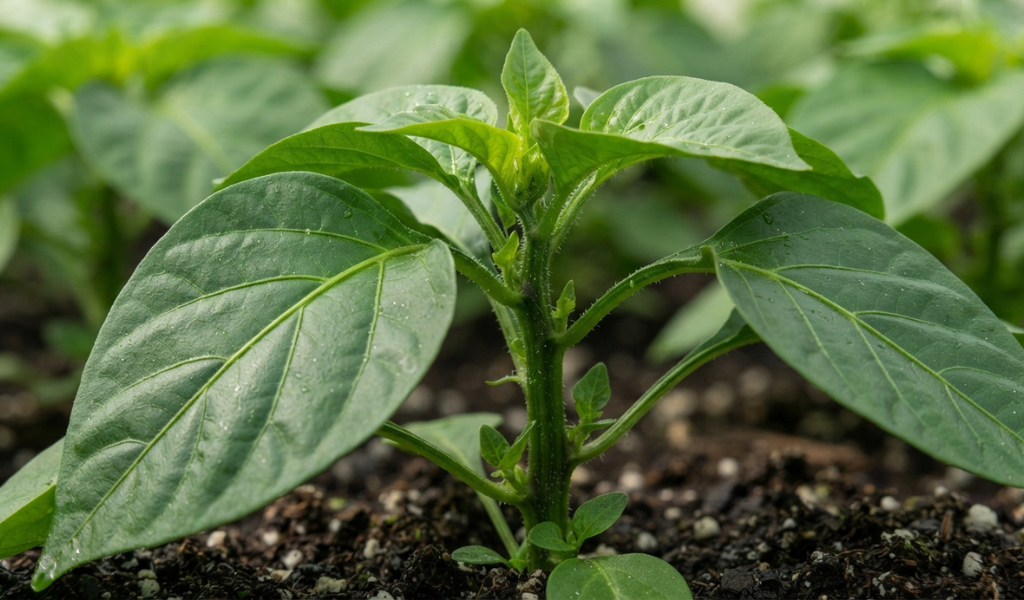
During the early weeks of the growing season, 20-20-20 fertilizer gives pepper plants a strong nutritional foundation. The balanced nitrogen content encourages vigorous stem and leaf growth without overloading the plant.
Supports Flower Production
The phosphorus component helps trigger flowering in pepper plants, which is the first step toward a successful harvest. Gardeners who use 20-20-20 during the transition from vegetative growth to flowering often see quicker and more consistent bloom development.
Helps Develop Strong Root Systems
Both phosphorus and potassium contribute to healthy root development. Strong roots mean better nutrient uptake, better water absorption, and a more resilient plant overall especially important for container-grown peppers, where root space is limited.
Provides Balanced Nutrition
One of the biggest advantages of a 20-20-20 fertilizer is its simplicity. Instead of juggling multiple products, gardeners can use one all-purpose fertilizer to cover the plant’s basic needs across several stages. For beginner growers especially, this makes feeding schedules much easier to manage.
When Should You Use 20-20-20 Fertilizer on Peppers?
Timing matters a lot when it comes to fertilizing pepper plants. The 20-20-20 formula works best during two main windows:
Early vegetative stage: Once your transplants are established and putting on new growth, a diluted feeding every 2 to 3 weeks helps push vigorous development.
Pre-flowering stage: As plants approach the flowering stage but haven’t yet set fruit, balanced feeding keeps all three nutrients topped up before the plant’s demands shift toward potassium.
Once your pepper plants are heavily flowering and setting fruit, many growers switch to a lower-nitrogen, higher-potassium fertilizer to support yield rather than foliage. Continuing heavy 20-20-20 applications at this point can encourage the plant to keep growing leaves instead of maturing its fruit.
How to Use 20-20-20 Fertilizer for Pepper Plants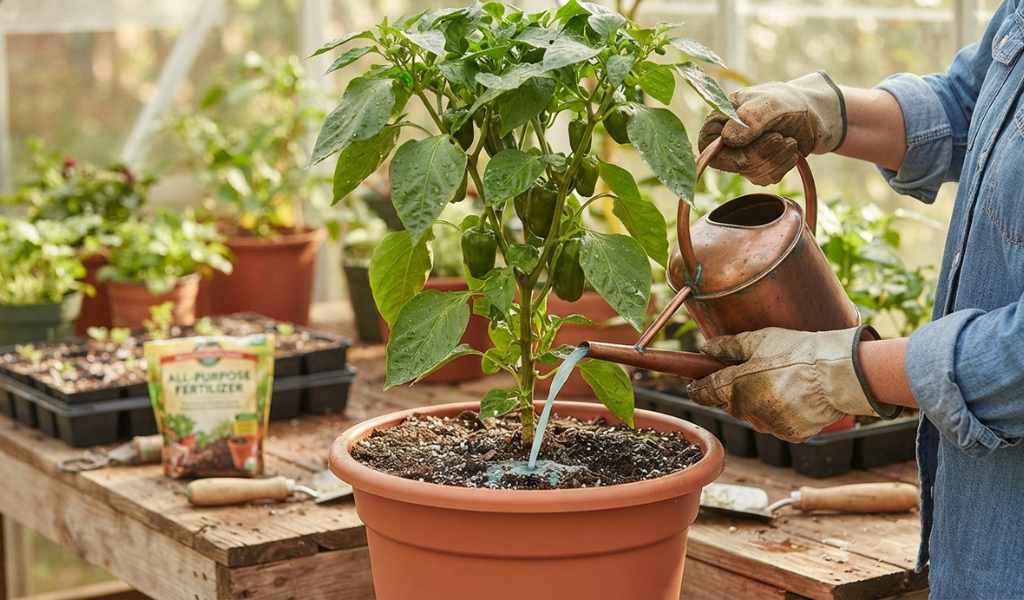
For most water-soluble 20-20-20 products, the standard mixing rate is 1 tablespoon per gallon of water. Apply this solution directly to the soil around the base of the plant, avoiding direct contact with leaves where possible.
For foliar spray applications which can be useful for a quick nutrient boost dilute the fertilizer more heavily and apply in the early morning so the leaves have time to dry before the heat of the day.
In containers and pots, nutrients leach out more quickly than in garden beds. This means potted pepper plants may need more frequent feeding. Monitor your plants closely and flush the soil with plain water occasionally to prevent salt buildup from repeated fertilizer applications.
For in-ground pepper plants, a soil test before the growing season is always a smart move. It takes the guesswork out of feeding and tells you exactly what your soil already has and what it’s missing.
Is 20-20-20 Good for Pepper Seedlings?
Yes, but with caution. Pepper seedlings are sensitive, and a full-strength application of any fertilizer can cause root burn. If you want to use 20-20-20 on seedlings, dilute it to about half the recommended rate and apply it only after the first true leaves appear.
Many growers prefer to start seedlings in a quality seed-starting mix that already contains some nutrients, then introduce diluted fertilizer feedings once the seedlings are a few weeks old and showing strong growth. This reduces the risk of overfeeding young plants while still giving them the nutrition they need to develop well before transplanting.
20-20-20 vs. Other Fertilizers for Pepper Plants
20-20-20 vs. 10-10-10
The main difference between 20-20-20 and 10-10-10 is concentration. A 10-10-10 fertilizer has half the NPK content per unit, making it a gentler option for feeding sensitive plants or for gardeners who prefer a slower-release approach. Both share an even ratio, so neither prioritizes one nutrient over another. For pepper growing, 10-10-10 granules work well as a pre-season soil amendment, while 20-20-20 water-soluble formulas are better suited for quick mid-season feeding.
20-20-20 vs. High-Potassium Fertilizer
Once pepper plants are in full fruit production mode, a high-potassium fertilizer sometimes called a bloom booster often outperforms a balanced 20-20-20. Products with an NPK like 2-8-4 or similar ratios deliver more of the phosphorus and potassium that fruiting crops need, without the extra nitrogen that can redirect energy back into leaf growth. For gardeners focused on maximizing yield, transitioning to a bloom booster once flowering begins is a strategy worth considering.
Choosing the Right Fertilizer for Fruiting Peppers
As pepper plants shift their energy into producing fruit, their nutritional needs change. The emphasis moves away from nitrogen and toward phosphorus and potassium. At this stage, sticking rigidly to 20-20-20 can limit your harvest.
A good approach is to think in phases. Use 20-20-20 or a similar balanced NPK ratio during the vegetative phase, then switch to a higher-potassium fertilizer once flowers appear consistently. This mirrors how commercial pepper growers manage feeding programs and gives each stage of plant growth what it actually needs.
Hot peppers in particular respond well to this phased approach. Varieties like jalapeños, habaneros, and cayennes are known to benefit from reduced nitrogen during fruiting, which helps concentrate their characteristic heat and flavor.
Signs Your Pepper Plants Need Fertilizer
Yellowing or Pale Leaves
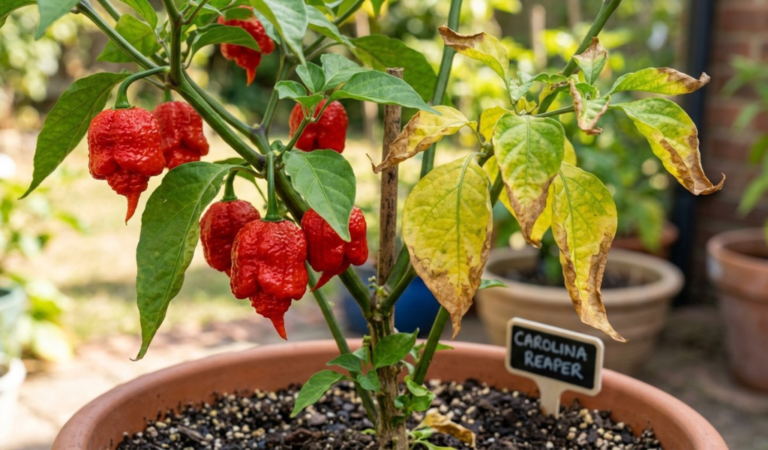
Nitrogen deficiency is one of the most common causes of yellow or pale green leaves on pepper plants. If older leaves are yellowing from the bottom up, it’s often a sign the plant is pulling nitrogen from mature foliage to support new growth.
Slow or Stunted Growth
Plants that seem to stall not pushing new leaves or growing taller may simply be underfed. A diluted feeding of 20-20-20 fertilizer can often break this pattern within a week or two.
Poor Flower Production
If your plants are large and leafy but not flowering, low phosphorus is often the cause. This is a signal that a balanced fertilizer with strong phosphate content could help.
Small or Poorly Developing Fruits
Underdeveloped fruits often point to a potassium shortage. At this stage, switching to a high-potassium fertilizer or adding a potassium booster alongside your regular feeding can make a noticeable difference to harvest quality.
Common Mistakes When Using 20-20-20 Fertilizer
Applying Too Much Fertilizer
More is not better when it comes to feeding pepper plants. Over-application can burn roots, cause nutrient lockout, and actually reduce yield. Always follow label instructions and start at the lower end of the recommended rate.
Fertilizing Too Frequently
Feeding every week may seem like good care, but it can overwhelm your plants and lead to salt buildup in the soil. A schedule of every 2 to 3 weeks is sufficient for most gardeners using a water-soluble formula.
Ignoring Soil Conditions
Applying fertilizer to soil that is already high in nitrogen, for example, will only make imbalances worse. A soil test takes just a few minutes and removes a lot of the guesswork from your feeding program.
Using Fertilizer During Plant Stress
If your plants are wilting from heat, recovering from transplant shock, or dealing with a pest problem, hold off on fertilizing. Stressed plants can’t absorb nutrients efficiently, and feeding them in this state can cause more harm than good.
When 20-20-20 Is a Good Choice
20-20-20 fertilizer is a solid choice for pepper plants during the vegetative growth phase, for seedlings in diluted doses, and for gardeners who want a simple, all-purpose feeding solution without managing multiple products. It works particularly well in containers and indoor growing setups, where nutrients leach out quickly and plants need regular replenishment.
When You May Need a Different Fertilizer
If your pepper plants are already in flower or setting fruit, a high-potassium fertilizer is likely a better fit. Similarly, if a soil test reveals your soil is already rich in nitrogen, adding a 20-20-20 product could push too much vegetative growth at the expense of fruit production. In these cases, a more targeted fertilizer with a lower nitrogen percentage will serve your crop better.
Final Verdict: Is 20-20-20 Fertilizer Good for Peppers?
Yes 20-20-20 fertilizer is a good choice for pepper plants, especially during the early and mid stages of the growing season. Its balanced NPK ratio supports healthy vegetative growth, strong root development, and consistent flowering. For seedlings and young plants, it offers a convenient, fast-acting nutritional boost when used at the right dilution.
That said, it’s not the ideal fertilizer for every stage of pepper growing. Once your plants are actively setting fruit, transitioning to a lower-nitrogen, higher-potassium formula will typically give you better results and a stronger harvest.
Tips for Healthy Pepper Growth and Bigger Harvests
- Always start with a soil test to understand your baseline before adding any fertilizer
- Use a diluted 20-20-20 solution for seedlings and gradually increase concentration as plants mature
- Switch to a bloom booster or high-potassium fertilizer once consistent flowering begins
- Flush container plants with plain water every few weeks to prevent salt buildup
- Monitor plants closely yellowing leaves, slow growth, and poor fruit development are all signals your feeding program needs adjusting
- In a greenhouse or hydroponics setup, water-soluble 20-20-20 fertilizer is particularly effective due to precise dilution control
Frequently Asked Questions About 20-20-20 Fertilizer for Peppers
What is the best fertilizer for growing peppers?
The best fertilizer for peppers depends on the growth stage. During vegetative growth, a balanced NPK fertilizer like 20-20-20 works well. Once plants begin flowering and fruiting, switch to a higher-potassium, lower-nitrogen formula to maximize yield.
Which is better, 10-10-10 or 20-20-20 fertilizer?
Both share an equal NPK ratio, so neither favors one nutrient over another. The difference is concentration. A 20-20-20 fertilizer is more concentrated and better suited to fast-acting liquid feedings, while 10-10-10 granules are often used as a pre-season soil amendment. For most pepper growers, 20-20-20 as a water-soluble feed gives more flexibility.
How often should I use 20-20-20 fertilizer for plants?
For most pepper plants, every 2 to 3 weeks is a good feeding frequency. Container-grown peppers may need more frequent applications since nutrients leach out faster in pots. Always let the plant guide you if it looks healthy and is growing well, your current schedule is working.
What can I put on pepper plants to make them grow faster?
A diluted feeding of water-soluble 20-20-20 fertilizer during the vegetative stage is one of the most effective ways to encourage faster growth. Consistent watering, adequate sunlight, and warm soil temperatures also play a major role in how quickly pepper plants develop.
Can you use too much 20-20-20 fertilizer?
Yes. Overfertilizing with 20-20-20 can burn roots, cause salt buildup in the soil, and actually stunt growth rather than promote it. Stick to the recommended rate on the product label and avoid applying more frequently than every two weeks during the growing season.
Is it still a good idea to fertilize late in the season?
It depends on where your plants are in their growth cycle. If fruits are still developing, a final potassium-focused feeding can help them reach full size and flavor. If the season is winding down and plants are already declining, fertilizing offers little benefit and can be skipped.