How to Ripen Green Tomatoes: Easy Ways to Ripen Tomatoes Indoors
How to Ripen Green Tomatoes Indoors: Easy Ways That Work
Every gardener knows the feeling. Frost is forecast for tonight, and your tomato plants are still loaded with green fruit. Do you let the whole crop go to waste, or is there a way to save it? The good news is that you can absolutely ripen green tomatoes indoors, and the process is much simpler than most people think.
Whether you’re dealing with an early frost warning or just impatient tomatoes that won’t turn red on the vine, knowing how to ripen green tomatoes properly can save your harvest and your appetite for homegrown salsa, sandwiches, and sauces. In this guide, we’ll walk through exactly why tomatoes stop ripening, when to pick them, and the best methods for finishing the job indoors. By the end, you’ll know how to turn a counter full of green tomatoes into a bowl of ripe, delicious ones.
Why Do Green Tomatoes Need to Ripen?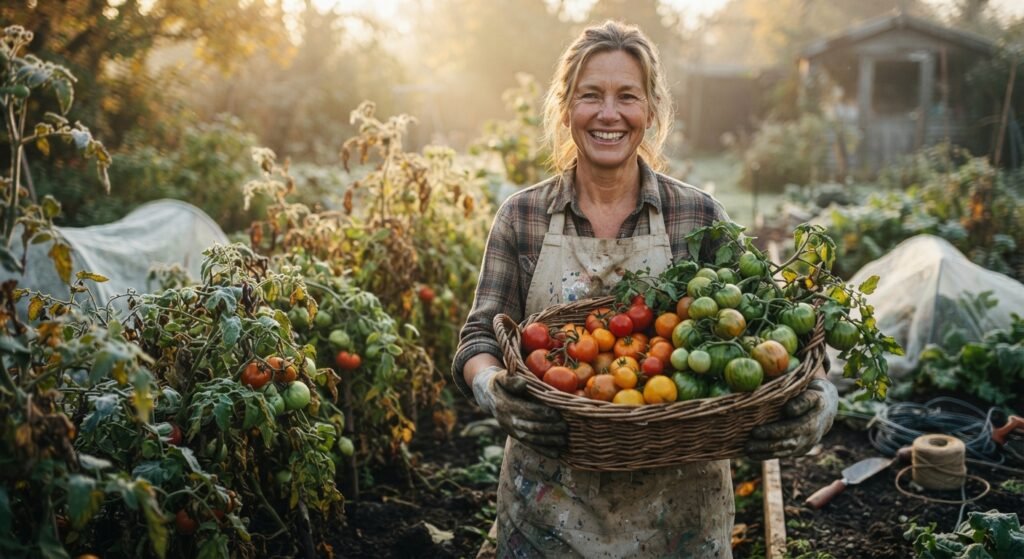
Tomatoes are warm-season fruit, and their ripening process depends heavily on temperature. When the growing season winds down and nights get cooler, tomato plants slow their production of ethylene gas, the natural compound responsible for triggering the color change from green to red. Without enough warmth, tomatoes on the vine can stall out in their unripe state, sometimes for weeks.
Why Tomatoes Stop Ripening
A few common reasons cause tomatoes to stop ripening on the plant. Cold temperatures below 50 degrees Fahrenheit slow down ethylene production significantly, which is why tomatoes left outside during a cool fall often stay green. Too much shade or an overcrowded plant can also block the sunlight that supports the ripening process. In some cases, the tomato plant itself is simply stressed, whether from drought, disease, or a heavy fruit load, and it redirects its energy away from ripening fruit.
How to Store Ripening Tomatoes
Once you’ve picked your green tomatoes, how you store them matters just as much as the ripening method you choose. Keep them at room temperature, ideally around 65 to 70 degrees, since colder spots will slow the ripening process and warmer spots can cause the fruit to spoil before it’s ripe. Avoid stacking tomatoes in a single pile where the bottom layer gets crushed. Instead, arrange them in a single layer with a little space between each fruit so air can circulate and you can check for decay.
Here’s How To Ripen Green Tomatoes Indoors
There are a handful of tried-and-true methods gardeners use to ripen green tomatoes indoors, and each one works a little differently depending on how much space, time, and patience you have.
1. Paper Bag Method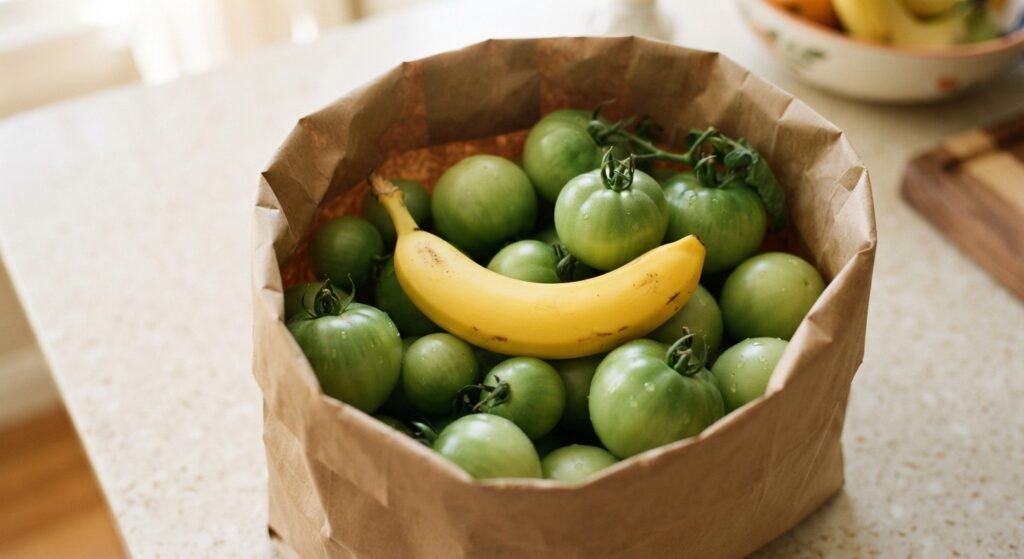
Placing tomatoes in a paper bag is one of the most popular ways to ripen green tomatoes because it’s simple and requires almost no equipment. The bag traps the ethylene gas the tomato naturally releases, which speeds up the ripening process. Adding a ripe banana or apple to the bag gives it an extra boost, since both fruits release additional ethylene.
2. Box Method
For gardeners with a larger crop to save, a cardboard box works better than a paper bag. Line the box with newspaper, place your green tomatoes in a single layer, and cover them with another sheet of newspaper. This method allows you to ripen tomatoes in batches while still giving each fruit enough airflow to avoid mold.
3. The Windowsill Approach
The windowsill method relies on natural warmth and light rather than trapped gas. Simply place your tomatoes on a sunny windowsill and let the sun’s warmth support the color change over time. This approach tends to take longer, but many gardeners prefer it for smaller batches of tomatoes that are already showing a hint of yellow or blush.
When Should You Pick Green Tomatoes?
Timing matters when it comes to harvesting green tomatoes before frost hits. Pick too early, and the fruit may never develop good flavor. Pick at the right moment, and you’ll end up with ripe tomatoes that taste nearly as good as those left to ripen on the vine.
Signs a Tomato Is Ready to Ripen
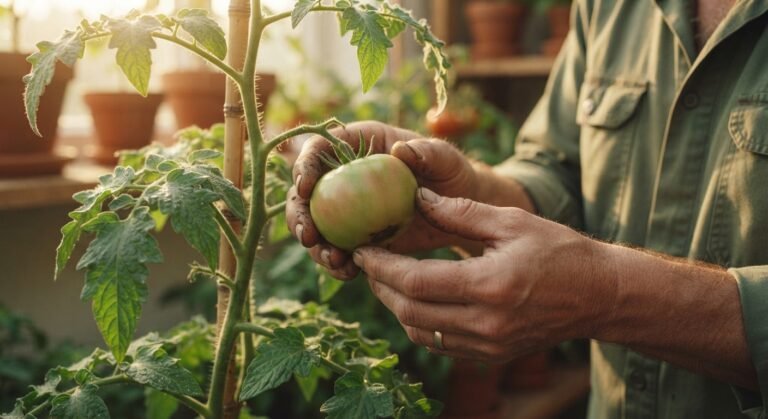
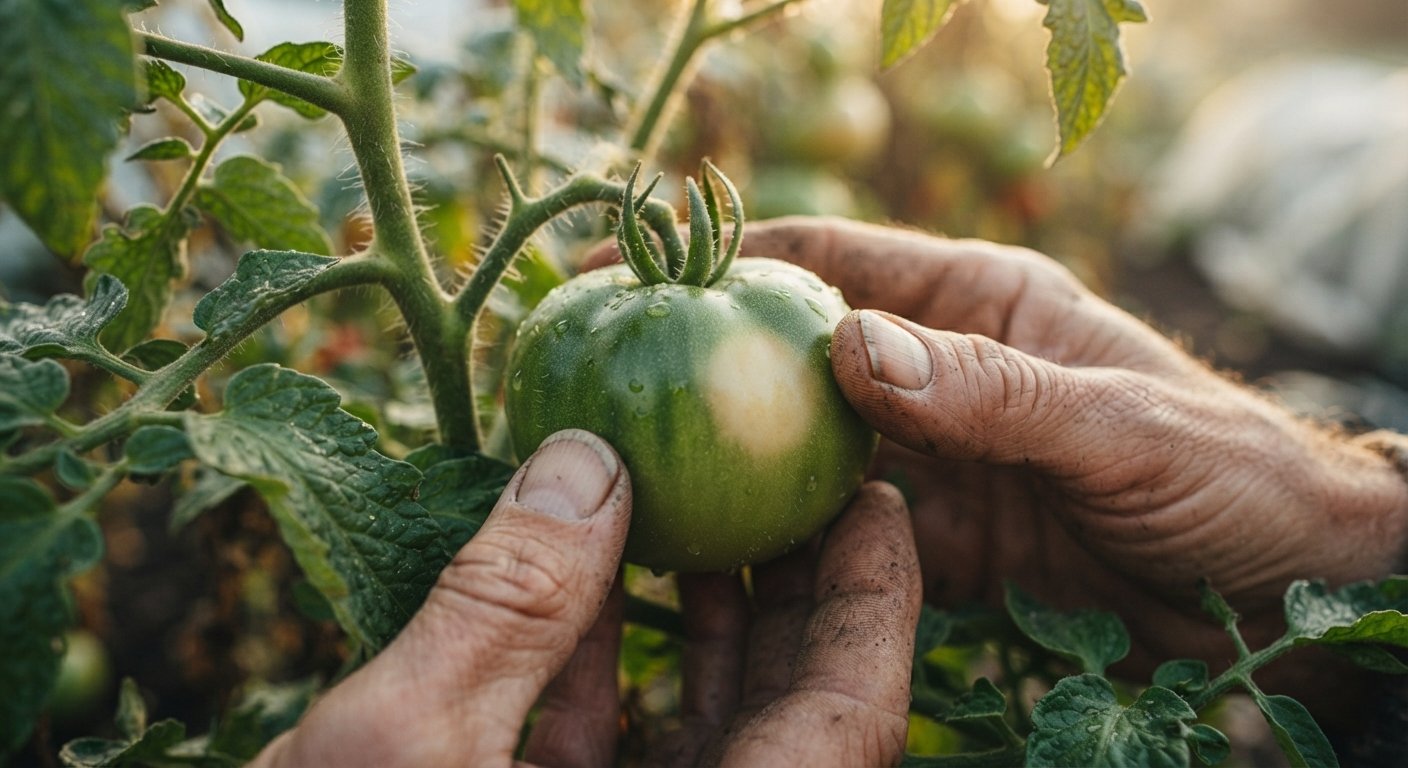
Look for tomatoes that have reached their full size and show a slight color change, often a pale green or yellowish tint near the blossom end. The skin should feel firm but not hard as a rock, and the stem area should look mature rather than small and underdeveloped. These “mature green tomatoes” have the best shot at ripening successfully once brought indoors.
Green Tomatoes That May Not Ripen Well
Not every green tomato is a good candidate for indoor ripening. Fruit that’s still small, hard, and deeply dark green usually hasn’t matured enough on the plant to finish ripening properly. These greenest tomatoes are better used for recipes that call for unripe fruit, like fried green tomatoes or a tangy green tomato salsa, rather than waiting around for a color change that may never come.
How to Ripen Green Tomatoes Indoors
Once you’ve picked your tomatoes at the right stage, it’s time to bring them inside and choose a method that fits your space and timeline.
Place Tomatoes in a Warm Location
Warmth is the single biggest factor in how quickly tomatoes ripen indoors. Aim for a spot that stays around 70 degrees, such as a kitchen counter away from direct cold drafts. Avoid the refrigerator entirely, since cold temperatures halt the ripening process and can affect the tomato’s final flavor and texture.
Use a Paper Bag
As mentioned earlier, a paper bag is one of the easiest ways to ripen green tomatoes indoors. Fold the top loosely instead of sealing it tightly, since the tomatoes still need a small amount of airflow to avoid trapping too much moisture. Check the bag every couple of days, and remove any ripe tomatoes right away so they don’t continue to soften past the point of being ready to eat.
Ripen Tomatoes in a Cardboard Box
The cardboard box method is ideal when you’ve harvested your whole crop at once. Wrap each tomato individually in newspaper before placing it in the box. This wrap helps prevent one spoiling tomato from affecting the ones around it, since mold and rot can spread quickly in a tight space. Store the box in a dark place at room temperature, and check weekly for ripe ones you can pull out.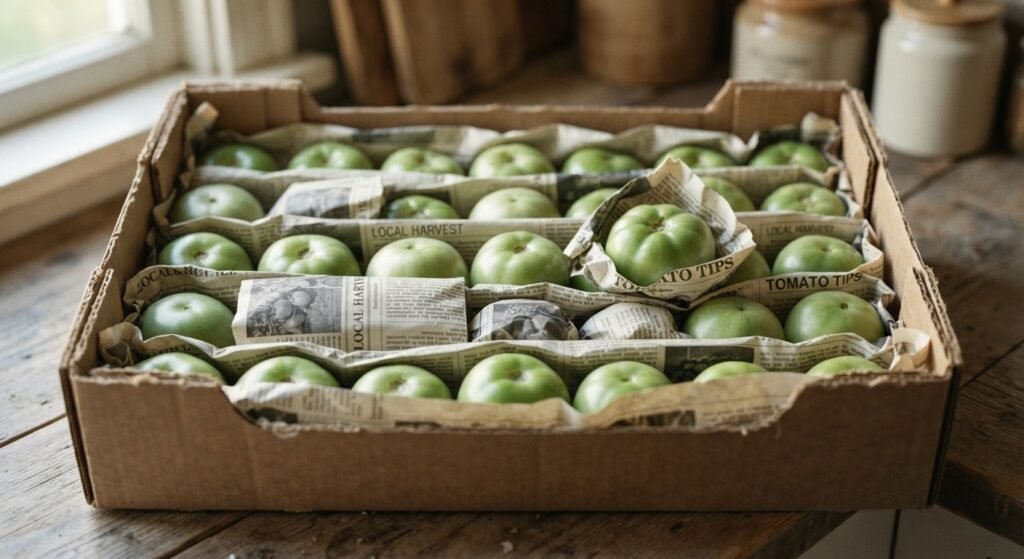
How to Speed Up Tomato Ripening
If frost is coming fast and you need tomatoes to ripen sooner rather than later, a few tricks can speed things along. Adding a ripe banana or apple to your paper bag or box increases the ethylene gas surrounding the tomatoes, which pushes the ripening process forward. Keeping the room a little warmer, closer to the 70-degree mark, also helps the color change happen faster than it would in a cooler spot.
Another trick some gardeners swear by is hanging the whole tomato plant upside down in a garage or shed before frost hits. This lets the root system continue feeding the fruit for a short period, giving tomatoes still attached to the vine a chance to ripen using the plant’s remaining moisture and nutrients. It’s not the fastest method, but it tends to produce tomatoes with better flavor than tomatoes ripened off the vine entirely.
How to Store Tomatoes While They Ripen
Proper storage prevents a lot of heartache once you’ve brought your green tomatoes inside. Keep them out of direct sunlight, since too much heat can cause uneven ripening or make the skin wrinkle before the inside catches up. A single layer in a box, basket, or bag works best, as crowding fruit together traps extra moisture and encourages decay.
Check your tomatoes every few days, both for color and and for any signs of soft spots or spoilage. Tomatoes that are ripening at different speeds should be separated so you can pull out the ripe ones without disturbing the rest. Most green tomatoes take anywhere from a few days to about 14 days to ripen indoors, depending on how mature they were at harvest and how warm their environment is.
Common Ripening Mistakes to Avoid
Even experienced gardeners run into trouble when ripening green tomatoes indoors, usually because of a few avoidable mistakes. Storing tomatoes in the refrigerator is one of the most common errors, since cold temperatures stop the ripening process and can leave tomatoes mealy once they do turn red. Sealing a bag too tightly is another issue, since tomatoes need some airflow, and too much trapped moisture encourages mold rather than ripening.
Piling tomatoes on top of each other is also a frequent problem. The weight can bruise the fruit underneath, and bruised spots tend to spoil faster than the rest of the tomato. Finally, many gardeners forget to check their stored tomatoes regularly. Skipping weekly checks means a single spoiling tomato can affect the whole batch before anyone notices.
Final Thoughts on Ripening Green Tomatoes
Learning how to ripen green tomatoes indoors is a skill every gardener eventually needs, whether frost sneaks up early or your plants simply produced more fruit than the growing season allowed time for. The paper bag method, the cardboard box approach, and the windowsill technique all offer reliable ways to ripen green tomatoes without losing flavor or quality. The key is picking mature green tomatoes at the right time, storing them properly, and checking in often so you catch each tomato right when it’s ready to eat.
With a little patience and the right setup, that counter full of green tomatoes can turn into a steady supply of ripe, flavorful fruit for salsas, sandwiches, and everything in between. Give one of these methods a try with your next crop, and you may never worry about an early frost again.
Frequently Asked Questions
How long does it take to ripen green tomatoes indoors?
Most green tomatoes take between a few days and 14 days to ripen indoors, depending on how mature they were when picked and how warm the room is. Tomatoes closer to full size with a slight color change tend to ripen faster than smaller, darker green ones.
Do green tomatoes ripen faster in a paper bag or a box?
A paper bag often ripens tomatoes slightly faster because it concentrates ethylene gas in a smaller space. A cardboard box works better for larger batches, though it may take a bit longer since there’s more air space for the gas to fill.
Should I put green tomatoes in the refrigerator to ripen?
No, the refrigerator should be avoided. Cold temperatures stop the ripening process entirely and can cause the tomato to become mealy or lose flavor once it does ripen.
Can I use a banana or apple to help tomatoes ripen?
Yes, placing a ripe banana or apple alongside your tomatoes in a bag or box adds extra ethylene gas to the environment, which helps speed up the ripening process.
What should I do with green tomatoes that won’t ripen?
Tomatoes that stay hard and deeply green often won’t ripen well indoors. These are great candidates for recipes like fried green tomatoes or a fresh green tomato salsa instead of waiting for them to turn red.
Is it better to ripen tomatoes on the windowsill or in a bag?
It depends on your timeline. The windowsill method relies on natural light and warmth, which works well for tomatoes already showing some color, while a paper bag or box tends to ripen tomatoes faster thanks to trapped ethylene gas.
Can I ripen a whole tomato plant indoors before a frost?
Yes, hanging the entire plant upside down in a garage or shed lets the root system continue feeding the fruit for a short time. This method often produces better-tasting tomatoes than fruit removed from the vine entirely.