Good Soil for Tomato Plants: A Simple Guide to Preparing Your Garden
Good Soil for Tomato Plants: Best Soil, Compost, and Drainage Tips
If your tomatoes came out small, cracked, or barely produced anything last summer, the problem probably was not the seedlings you bought. It was the dirt they were planted in. Good soil for tomato plants is the single biggest factor that decides whether you end up with baskets of juicy homegrown tomatoes or a handful of sad, pale fruit. Every gardener who has grown tomatoes for more than one season will tell you the same thing: the plant is only as good as the ground it sits in.
This guide walks you through everything you need to know about building good soil for tomato plants, from the very first Tomato Growing Stages when a seedling is just finding its roots, all the way through harvest. We will cover soil type, compost, drainage, soil pH, and the small habits that separate a thriving garden from a struggling one. Whether you are working with raised beds, tomatoes in containers, or a patch of ground soil, this article gives you a clear path forward.
Understanding What Tomatoes Actually Need From Soil
A tomato plant is not fussy about much, but it is picky about soil. Tomatoes need loose, well-draining ground that still holds enough moisture to keep the roots happy between waterings. They also need a steady supply of nutrients, because a single tomato plant can produce dozens of pounds of fruit in one growing season, and that kind of output demands fuel.
The Texture Test You Can Do With Your Hands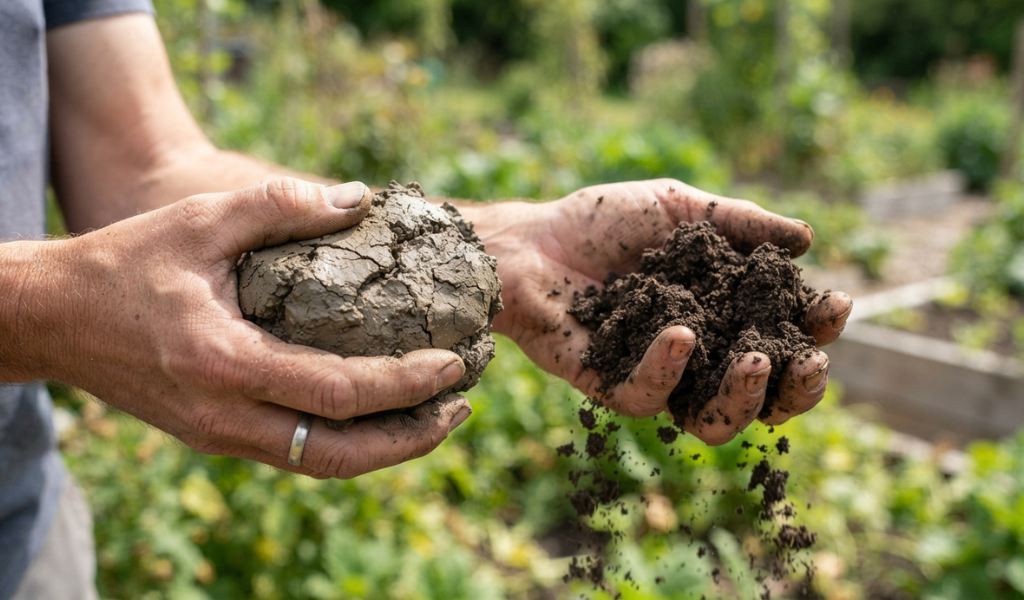
Before you buy a single bag of amendment, grab a handful of your garden soil and squeeze it. If it forms a hard, sticky ball that will not break apart, you are dealing with heavy clay soil. If it falls apart the second you open your hand and feels gritty, you have sandy soil. What you want is something in between, a loam soil that holds its shape lightly but crumbles when you poke it. This simple texture test tells you more about your soil structure than any fancy tool, and it is the first step toward good soil for tomato plants.
Why Soil Matters More Than You Think
Many new gardeners focus on sunlight and watering schedules and forget that soil is doing the real work behind the scenes. Good soil for tomato plants holds nutrients so roots can absorb them, allows air to reach the root zone, and drains excess water so roots do not rot. Skip this step and no amount of fertilizer or sunshine will save the plant. This is why experienced growers always say the garden starts underground, not with the seedling itself.
Testing Your Soil Before You Plant a Single Seedling
A soil test is the fastest way to stop guessing. You can buy an inexpensive home soil test kit from a garden center, or send a sample to your local agricultural extension office for a more detailed nutrient breakdown. Either option will tell you your current soil pH, along with levels of nitrogen, phosphorus, and potassium, the three nutrients tomato plants use the most. You do not need a chemistry degree to make sense of a soil test. Look for three things: the pH level, the organic matter percentage, and the nutrient levels. If your pH sits between 6.2 and 6.8, you are in good shape since tomatoes prefer slightly acidic soil. If organic matter is under three percent, plan on adding compost. If nitrogen or potassium reads low, you will want to work in an amendment before planting. Testing takes the guesswork out of building good soil for tomato plants and saves you from wasting money on products you do not actually need.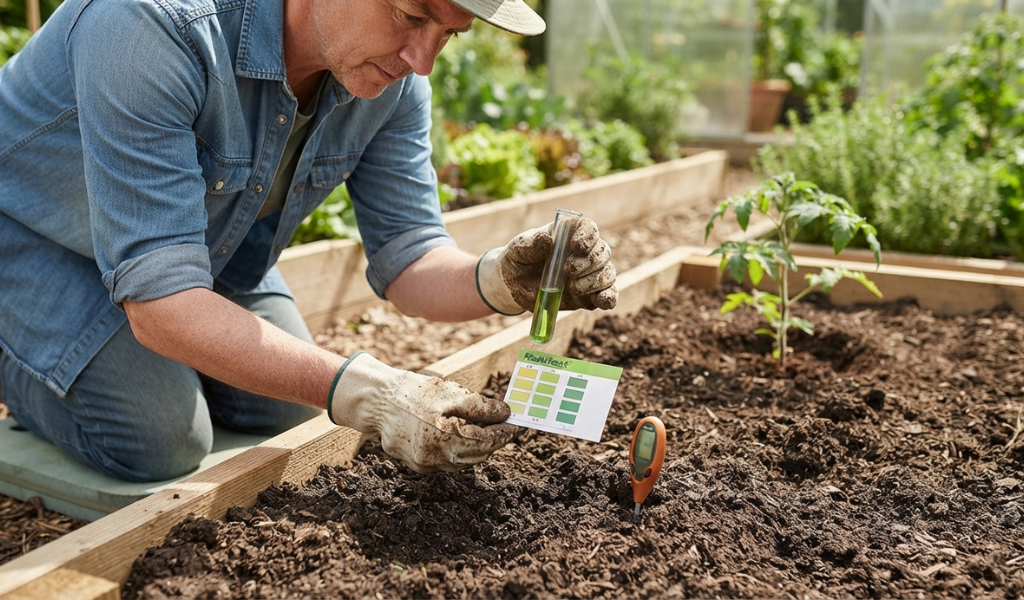
What Is the Best Soil for Tomatoes? 6 Factors To Consider
When people ask what the best soil for tomatoes actually looks like, the answer comes down to six practical factors. Get these right and your tomato plant has everything it needs to thrive.
Type of Soil
The ideal soil type for tomatoes is a sandy loam or loamy soil, a blend that combines the drainage of sand with the nutrient holding power of clay. Straight clay soil compacts and drowns roots, while pure sandy soil drains too fast and starves the plant of moisture. A balanced soil mix gives roots room to breathe while still holding onto water and nutrients long enough for the plant to use them.
Nutrients
Tomatoes are heavy feeders. They pull large amounts of nitrogen, phosphorus, and potassium from the ground throughout the growing season. Good soil for tomato plants should be rich in organic matter, which slowly releases these nutrients as it breaks down, giving the plant a steady diet rather than a single burst that fades quickly.
Moisture Control
Consistent moisture retention prevents blossom end rot and cracking, two of the most common problems tomato growers face. Soil that dries out completely between waterings, then gets soaked again, stresses the plant. The goal is soil that holds moisture evenly without becoming waterlogged.
Soil Amendments
Few gardens have perfect soil naturally. Soil amendments such as compost, aged manure, and peat moss correct texture and nutrient problems over time. Amendments are how you turn average garden soil into good soil for tomato plants without replacing the ground entirely.
pH Level
Tomatoes want a pH between 6.2 and 6.8. Outside that range, the plant struggles to absorb nutrients even if those nutrients are present in the soil. This is one of the most overlooked factors, and adjusting it early makes a noticeable difference in tomato growth.
Planting Method
Whether you are growing tomatoes in containers, raised beds, or straight in the ground changes what your soil needs. Tomatoes in pots need a lighter potting mix that drains fast, while tomatoes in the ground can rely on a deeper, denser blend that stores more moisture over time.
How to Create the Best Tomato Soil
Creating the best soil for growing tomatoes is less about finding one magic product and more about combining the right ingredients in the right ratio. A solid starting recipe is roughly forty percent quality topsoil or garden soil, thirty percent compost, twenty percent perlite or coarse sand for drainage, and ten percent peat moss or coco coir for moisture.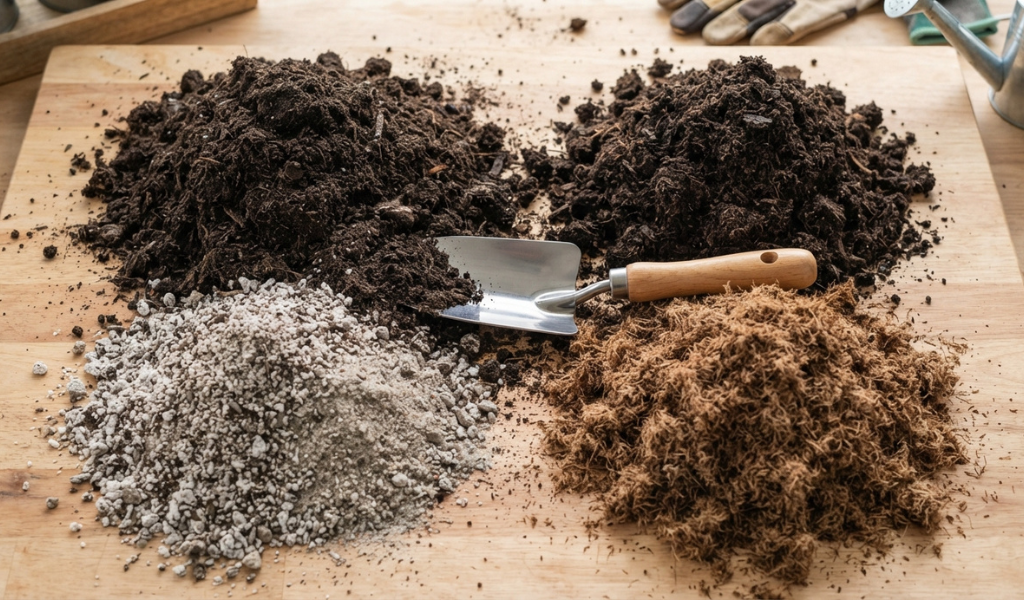 This blend gives loose, well-draining soil with enough organic matter to feed the plant through the season.
Ideal Soil pH for Tomatoes
As mentioned earlier, the ideal soil pH sits between 6.2 and 6.8. If your test shows the soil is too acidic, garden lime raises the pH gradually. If it is too alkaline soil, elemental sulfur or additional compost brings the number back down. Do not try to shift pH drastically in one application. Small adjustments spread out over a few weeks work better and avoid shocking the roots.
Soil Temperature for Growing Tomatoes
Tomato seeds and young seedlings will not thrive in cold ground. Soil temperature should reach at least 60 degrees Fahrenheit before transplanting outdoors, with 70 to 80 degrees being the sweet spot for strong root development. A soil thermometer pushed a few inches down gives you an accurate reading. Black plastic mulch or simply waiting a couple extra weeks after the last frost can help warm the ground naturally.
Water and Drainage: The Balance Tomatoes Need
Drainage and moisture retention sound like they contradict each other, but good soil for tomato plants manages both at once. Water should soak in within a few seconds rather than pooling on the surface, yet the soil underneath should stay slightly damp to the touch a day later. If water sits on top of your bed for more than a minute, your soil structure needs more organic matter or coarse material worked in to loosen it up.
Soil Amendments to Improve Tomato Growth
Soil amendments are the tools that turn mediocre dirt into a productive tomato bed. Compost is the most versatile amendment, adding nutrients and improving structure at the same time. Aged manure works similarly but should be fully composted, since fresh manure can burn young roots. Bone meal adds phosphorus, which supports strong root systems and better fruit set. Worm castings offer a gentle, slow release of nutrients that rarely overwhelms a plant. Heavy clay soil is one of the toughest starting points, but it is fixable. Working several inches of compost into the top twelve inches of clay soil over one or two seasons breaks up compaction and improves drainage dramatically. Avoid adding sand directly to clay, since the two can combine into something closer to concrete. Instead, lean on organic matter like compost, shredded leaves, and aged manure to gradually loosen heavy clay soil into something closer to a workable loam.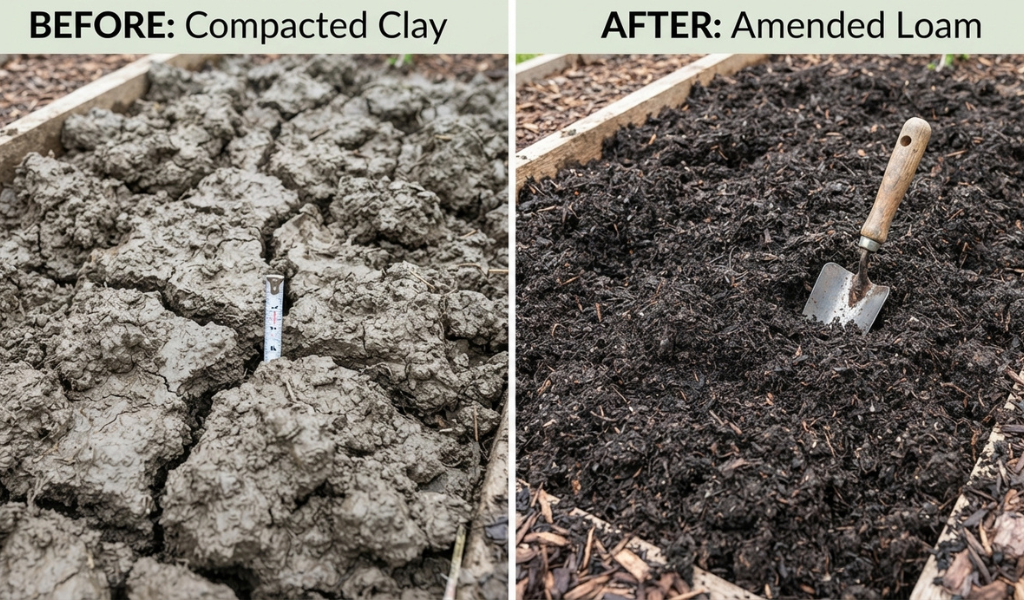
Building Good Soil for Tomato Plants From Scratch
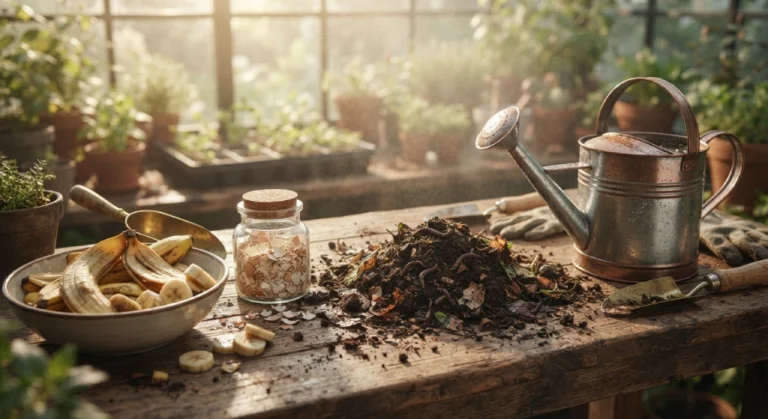
If you are starting a brand new garden bed or filling raised beds for the first time, building good soil for tomato plants from scratch gives you full control over the result. Layer topsoil or garden soil as your base, then mix in compost, a scoop of aged manure, and a handful of all purpose organic fertilizer. Raised beds are especially forgiving here since you are not fighting existing soil conditions, just building a fresh mix suited to what tomatoes need. If there is one ingredient every experienced grower agrees on, it is compost. Good compost improves nearly every soil problem at once. It loosens heavy clay, helps sandy soil hold moisture, feeds beneficial microbes, and slowly releases nutrients throughout the growing season. Working two to four inches of finished compost into your bed before planting gives tomato plants a strong foundation that keeps feeding them for months. This is why so many soil recipes for good soil for tomato plants list compost as the very first ingredient.
You do not need to replace your entire garden bed to fix poor soil. Top dressing with compost every season, rotating where you plant tomatoes each year, and avoiding walking directly on planting beds all help preserve soil structure over time. Cover cropping in the off season, using something like clover or winter rye, adds organic matter back into the ground naturally and prevents erosion during winter months.
A Real Backyard Example Worth Mentioning
A neighbor of mine spent three summers fighting stunted, yellow tomato plants in a bed that was mostly compacted clay left over from construction work. Instead of giving up, she spread four inches of compost over the bed each fall and stopped tilling it, letting worms and rain work it into the ground naturally. By the third summer, that same bed produced some of the best homegrown tomatoes on the block. Nothing fancy happened, just patience and consistent compost. It is a good reminder that good soil for tomato plants is often built over time rather than purchased in a single bag.
The Role of Mulch in Maintaining Good Soil for Tomato Plants
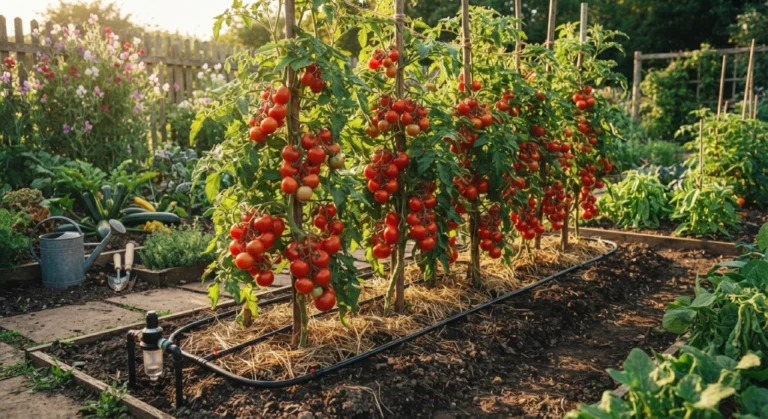
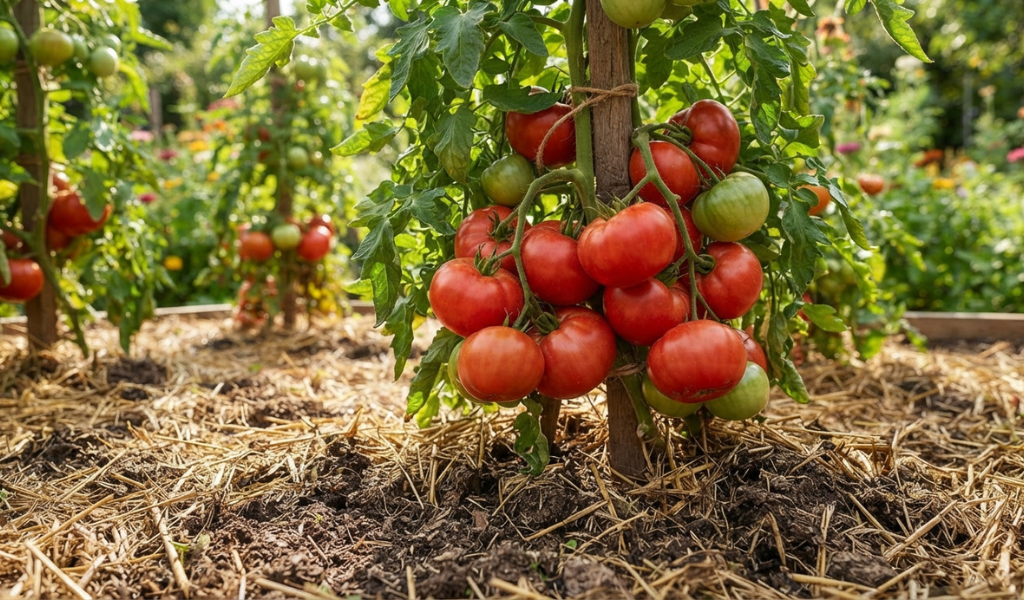
Mulch does more work than most gardeners give it credit for. A two to three inch layer of straw, shredded leaves, or wood chips around the base of tomato plants keeps soil moisture consistent, blocks weeds from competing for nutrients, and prevents soil from splashing onto lower leaves during rain, which cuts down on fungal disease. Mulch also moderates soil temperature, keeping roots cooler during summer heat waves. Over time, organic mulch breaks down and adds even more organic matter back into the ground, which is one more reason mulch plays such a steady role in maintaining good soil for tomato plants season after season.
Common Soil Mistakes That Sabotage Tomato Growth
Even careful gardeners fall into a few predictable traps. Overwatering is one of the biggest, since soggy soil suffocates roots and invites root rot. Skipping a soil test is another, since guessing at pH or nutrient levels often wastes fertilizer or leaves a pH problem silently blocking nutrient absorption. Using straight garden soil in containers is a frequent mistake too, since it compacts hard inside a pot and drains poorly compared to a proper potting mix. Planting too early into cold soil stunts root development before the season even starts. And piling on fresh fertilizer without fixing soil structure first is like feeding a plant while it stands in mud, the roots simply cannot use what is around them.
Fixing a Container Garden Specifically
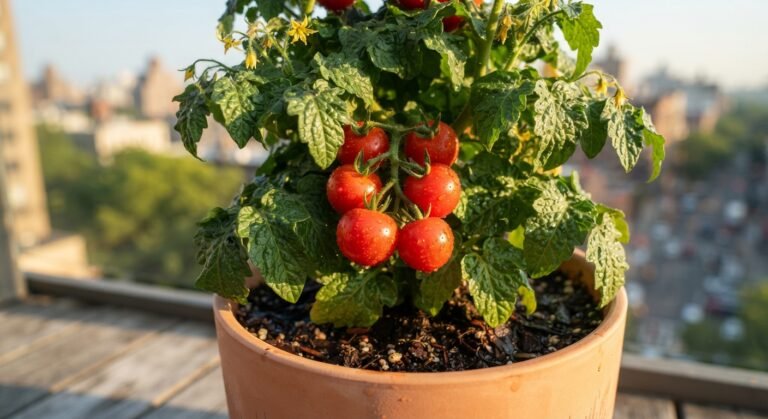
Tomatoes in containers face a different set of challenges than tomatoes in the ground. Container plants dry out faster, so a peat-based mix or coco coir blend that holds moisture well is important. Look for the best potting soil for growing tomatoes in containers rather than reaching for garden soil, since potting soil for growing tomatoes is formulated specifically for growing tomatoes in confined spaces with good aeration and drainage built in. Adding a slow release organic fertilizer at planting time helps make up for the smaller volume of soil available to the roots. Choosing a container at least five gallons in size, and ideally larger for indeterminate tomatoes, also gives roots enough room to access the nutrients in that soil mix.
Maintaining Great Soil Season After Season
Good soil for tomato plants is not a one time project, it is an ongoing habit. Rotate tomato planting locations every year to avoid depleting the same nutrients or building up soil-borne diseases in one spot. Add fresh compost at the start of each growing season, even to beds that performed well before. Keep testing soil pH every year or two since it drifts naturally over time. Cover bare soil with mulch or a cover crop during the off season instead of leaving it exposed. These small habits, repeated year after year, keep garden soil productive far longer than one heavy round of amendments ever could.
Final Thoughts
Building good soil for tomato plants is not complicated, but it does take a bit of attention before the seedlings go into the ground. Start with a simple texture test and a soil test, aim for a loamy soil rich in compost, keep the pH slightly acidic, and stay consistent with moisture and mulch throughout the season. Whether you are working with raised beds, tomatoes in pots, or an existing garden plot, the same core principles apply. Good soil for tomato plants rewards patience, and once you get the mix right, you will notice the difference in every tomato you pick. Test your soil this week, work in some compost, and give your next batch of tomato seedlings the foundation they actually deserve.
Frequently Asked Questions
What type of soil do tomatoes like best?
Tomatoes grow best in a loose, well-draining loam or sandy loam soil rich in organic matter. This soil type balances good drainage with enough moisture retention to keep roots consistently hydrated, which is the foundation of good soil for tomato plants.
Can I use regular potting soil for tomatoes?
Yes, regular potting soil can work, but a potting mix labeled specifically for vegetables or tomatoes usually performs better since it holds nutrients longer and drains more evenly. If using regular potting soil, mix in some compost and a slow release fertilizer to boost its performance.
Is Miracle-Gro good for tomatoes?
Miracle-Gro potting mix and fertilizer products can work reasonably well for container tomatoes, especially for beginners who want a simple option. That said, blending in compost and checking soil pH still gives better long-term results than relying on a bagged product alone.
What is the secret to growing good tomatoes?
There is no single secret, but consistent soil moisture, good soil for tomato plants rich in compost, correct pH, and steady sunlight together make the biggest difference. Most experienced growers will say soil preparation matters more than any other single factor.
Does soil pH affect tomato flavor?
Yes, indirectly. Soil pH affects how well roots absorb nutrients, and nutrient availability influences fruit sweetness and acidity. Tomatoes grown in soil with a pH far outside the 6.2 to 6.8 range often taste less balanced than those grown in properly adjusted soil.
How deep should soil be for tomatoes?
Tomato roots grow deep, often reaching two feet or more in loose soil. Raised beds and in ground gardens should offer at least twelve to eighteen inches of good soil for tomato plants, while containers should hold at least five gallons of soil for healthy root development.
How often should I test my garden soil?
Testing every one to two years is usually enough for an established garden. New beds or soil that has been recently amended benefit from a test before the first planting season to confirm pH and nutrient levels are on track.