Greenhouse Peppers vs Field-Grown: The Best Way to Grow Peppers
Greenhouse Peppers vs. Field-Grown: What Makes Them Better?
Anyone who has bitten into a crisp, juicy bell pepper knows that not all peppers taste the same. Some are sweeter, some are firmer, and some just seem to burst with flavor. A big reason for this difference comes down to how the pepper was grown. The debate between greenhouse peppers vs. field-grown peppers has become a hot topic among home gardeners, commercial growers, and everyday shoppers who simply want the best produce on their plate.
Understanding greenhouse peppers vs. field-grown methods can help you decide which type suits your needs, whether you are planting your own garden or simply choosing peppers at the grocery store. Timing matters too. The pepper growing season plays a huge role in determining how peppers develop, how they taste, and how much a grower can harvest. In this guide, we will break down everything you need to know about greenhouse peppers vs. field-grown peppers, including growing conditions, flavor, cost, sustainability, and which option might work best for you.
What Are Greenhouse Peppers?
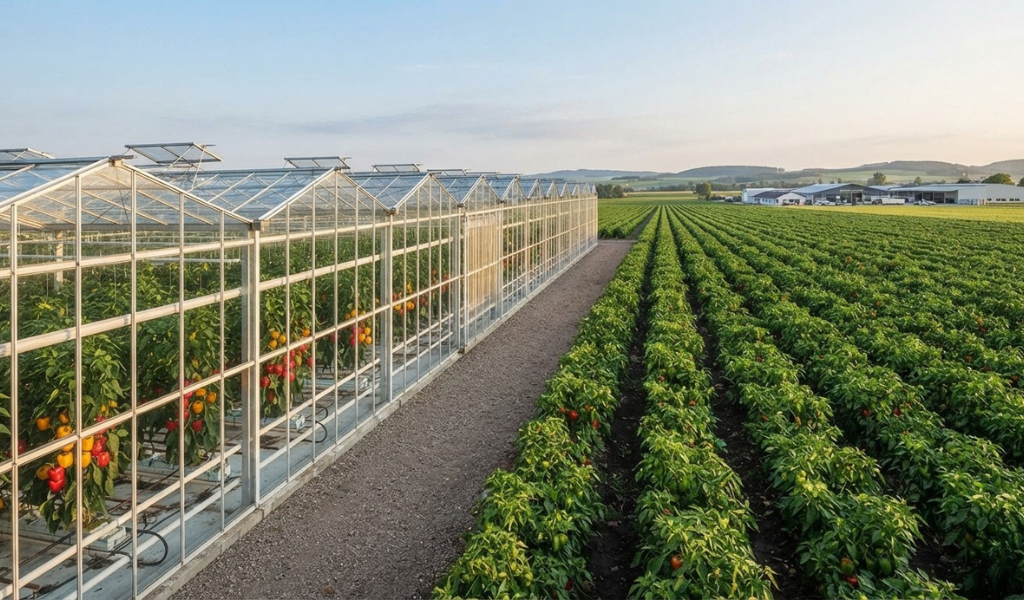
Greenhouse peppers are peppers grown inside a structure designed to control temperature, humidity, and light exposure. Instead of relying on the outdoors, greenhouse growers create a controlled climate that mimics ideal growing conditions all year long. This makes greenhouse production a popular choice for growers who want consistency, whether they are raising bell pepper varieties, colored peppers, or specialty capsicum annuum types.
How Greenhouses Change Pepper Growing
Inside a greenhouse, pepper plants are shielded from wind, frost, and unpredictable weather. Growers can adjust ventilation, supplemental lighting, and irrigation to match what the plant needs at each growth stage. This level of control often leads to steady growth and fewer surprises compared to growing outdoors.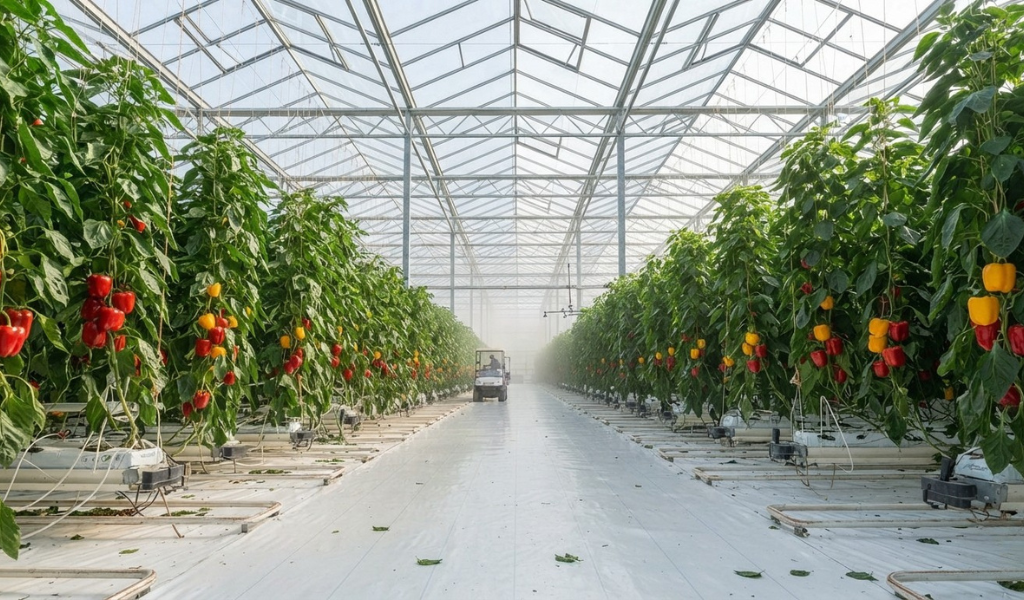
Why Growers Use Greenhouses for Peppers
Many growers choose greenhouse production because it extends the growing season beyond what open field farming allows. A greenhouse can also protect young seedlings from pests and harsh weather early in development. For commercial operations, this often means peppers grown in soilless or soilless-adjacent systems using growing media designed for efficient water and nutrient delivery.
What Are Field-Grown Peppers?
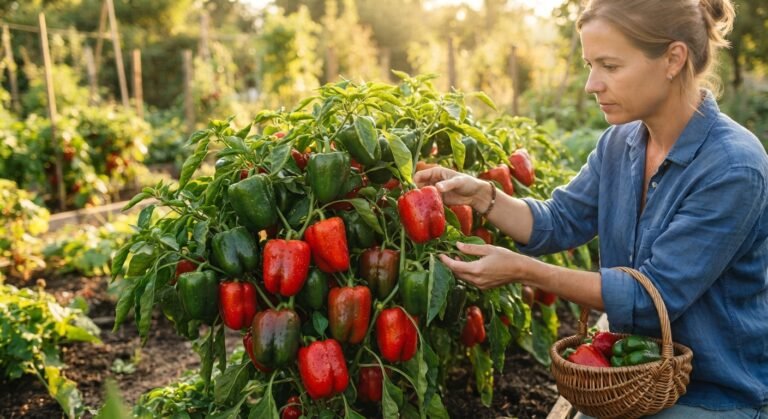
Field-grown peppers are exactly what they sound like: peppers cultivated outdoors, directly in the ground, and exposed to natural weather patterns. This growing method has been used for generations and remains common among farmers who grow on a larger scale.
Why Farmers Grow Peppers in the Field
Field production works well for farmers who need to grow large quantities without the added expense of building and maintaining a greenhouse. Open field growing also allows for natural pollination from bees and other beneficial insects, along with the benefits of crop rotation to keep soil healthy over time.
Field-Grown Peppers Experience Natural Conditions
Field peppers grow under natural sunlight, rainfall, and seasonal temperature shifts. This means their development is closely tied to the local climate. In warmer regions, growers might sow seeds earlier, while cooler climates require waiting until the risk of frost has passed.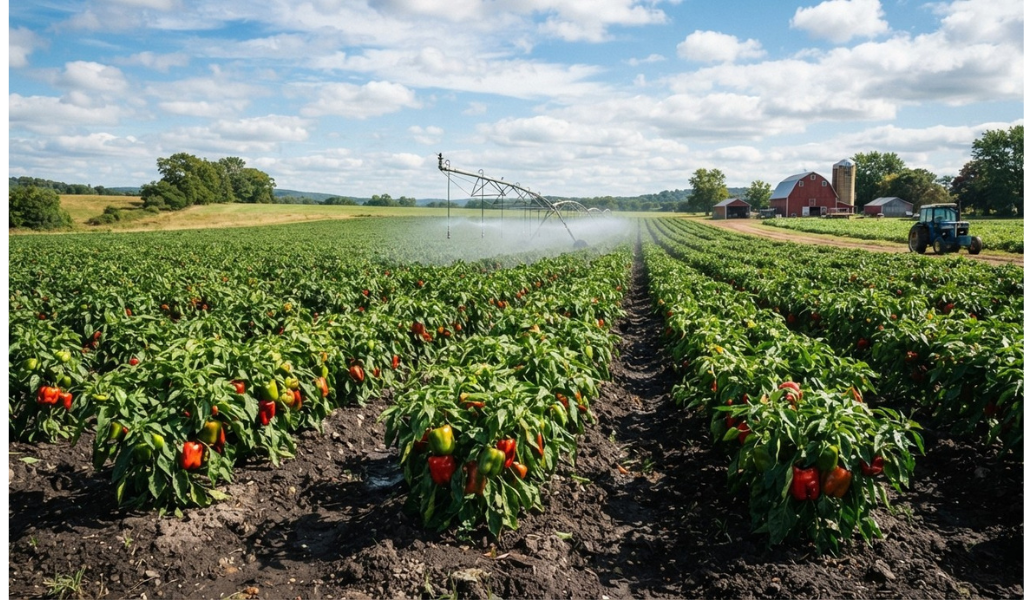
Greenhouse Peppers vs Field-Grown: Sunlight and Light Quality
Sunlight plays a critical role in how peppers grow and ripen.
Why Light Matters for Pepper Plants
Peppers need strong light exposure to flower and produce fruit. Insufficient light can lead to leggy plants and fewer peppers. This is true whether you are raising field peppers or greenhouse peppers.
Does Greenhouse Glass Reduce Sunlight?
Greenhouse glass or plastic coverings can slightly reduce the intensity of natural sunlight. To make up for this, many greenhouse growers use supplemental lighting to keep light exposure consistent, especially during shorter winter days. Field-grown peppers, by contrast, receive full, unfiltered sunlight, which some growers believe supports stronger natural growth, provided the weather cooperates.
Greenhouse Peppers vs Field-Grown Peppers for Climate Control
One of the biggest differences in the greenhouse peppers vs. field-grown debate comes down to climate control.
Temperature Management
Peppers are sensitive to temperature, especially at night. Night temperatures that drop too low can stress pepper plants and reduce flower and fruit development. Greenhouses allow growers to manage temperature closely, protecting plants from sudden cold spells or heat stress during summer months. Field-grown peppers, on the other hand, are left to handle whatever the weather brings, which can lead to fluctuating temperatures that affect growth.
Rain and Humidity
Excess rain can cause problems like fungal disease and root rot in field-grown peppers. Greenhouses reduce this risk by controlling humidity levels and limiting direct exposure to rainfall.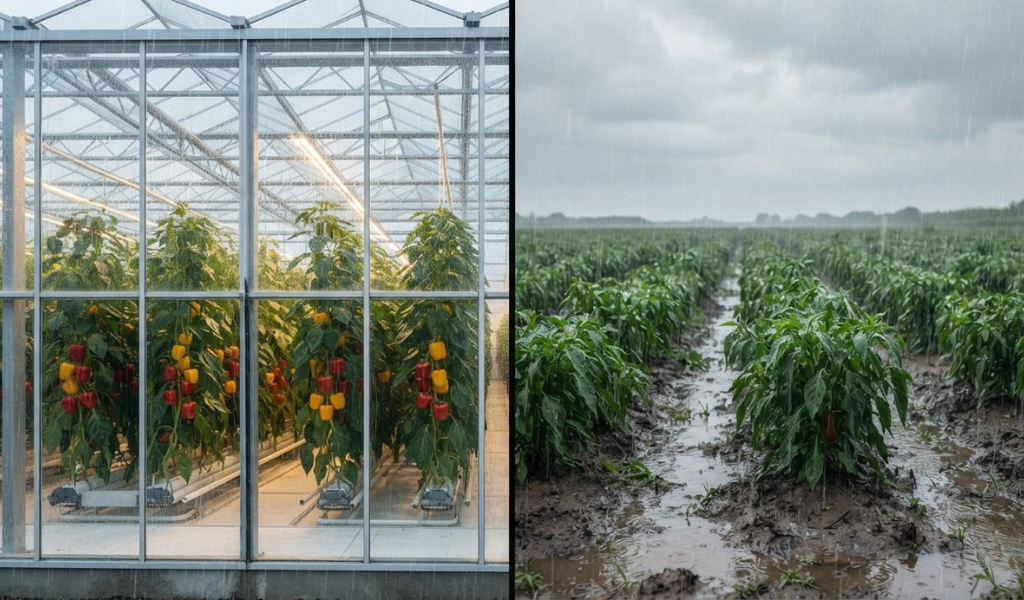 This makes greenhouse-grown peppers less vulnerable to weather-related setbacks, though it also means growers must manually manage water and nutrients that would otherwise come naturally outdoors.
Which Produces Better Pepper Flavor?
Flavor is often the deciding factor for shoppers choosing between greenhouse peppers vs. field-grown produce.
Why Variety Matters So Much
The specific variety, whether it is a sweet bell pepper, a yellow pepper, or a green pepper, has a bigger influence on flavor than the growing method alone. Capsicum annuum varieties differ widely in sweetness, texture, and thickness of the flesh.
Harvest Timing Can Change Flavor
Peppers that are allowed to fully ripen on the plant, whether grown in a greenhouse or in the field, tend to develop deeper flavor and a firmer texture. Field-grown peppers that ripen slowly under natural sun exposure often develop rich flavor, while greenhouse-grown peppers benefit from consistent growing conditions that reduce stress-related bitterness. Ultimately, both methods can produce excellent flavor when growers prioritize proper ripening over early harvesting.
Greenhouse Peppers vs Field-Grown: Yield Differences
Yield is another major factor when comparing greenhouse peppers vs. field-grown production.
Consistent Growing Conditions
Because greenhouses offer a controlled climate, they often produce more consistent and sometimes higher yields per plant. Growers can extend the pepper growing season, allowing for multiple harvests throughout the year rather than being limited to a single outdoor season.
Field Yield Depends on the Season
Field production yield depends heavily on weather, soil conditions, and pest pressure during that particular season. A great growing season can lead to an abundant harvest, while a poor one, marked by drought, storms, or disease, can significantly cut into yield. This makes field yields less predictable but often more cost-effective at scale.
Water Requirements and Irrigation
Water use is a major point of comparison, especially with growing concerns about sustainability.
Greenhouse Irrigation
Greenhouse systems often use drip irrigation systems that deliver water and nutrients directly to the root zone. This precise approach tends to use less water overall since there is minimal evaporation or runoff. Soilless growing media also allows for more efficient nutrient delivery.
Field Irrigation
Field-grown peppers may rely on natural rainfall, supplemented by traditional or drip irrigation systems installed across large plots. Because fields are exposed to open air, water loss through evaporation is higher, which can mean more water is needed overall compared to greenhouse-grown peppers.
Greenhouse Peppers vs Field-Grown: Pest and Disease Management
Pest and disease control looks very different depending on the growing method.
Greenhouse Pest Problems
While greenhouses limit exposure to many outdoor pests, they are not pest-free. Common greenhouse pests include aphids and whiteflies, which can spread quickly in an enclosed space. Growers often introduce beneficial insects as a form of biological pest control instead of relying heavily on synthetic fertilizers or harsh pesticides.
Field-Grown Pest Challenges
Field peppers face a wider variety of pests and are more exposed to fungal disease from rain and humidity. Farmers often rely on crop rotation, careful monitoring, and targeted treatments to manage these challenges. Because pests and pathogens move more freely outdoors, field-grown pepper plants may require more active pest management throughout the pepper growing season.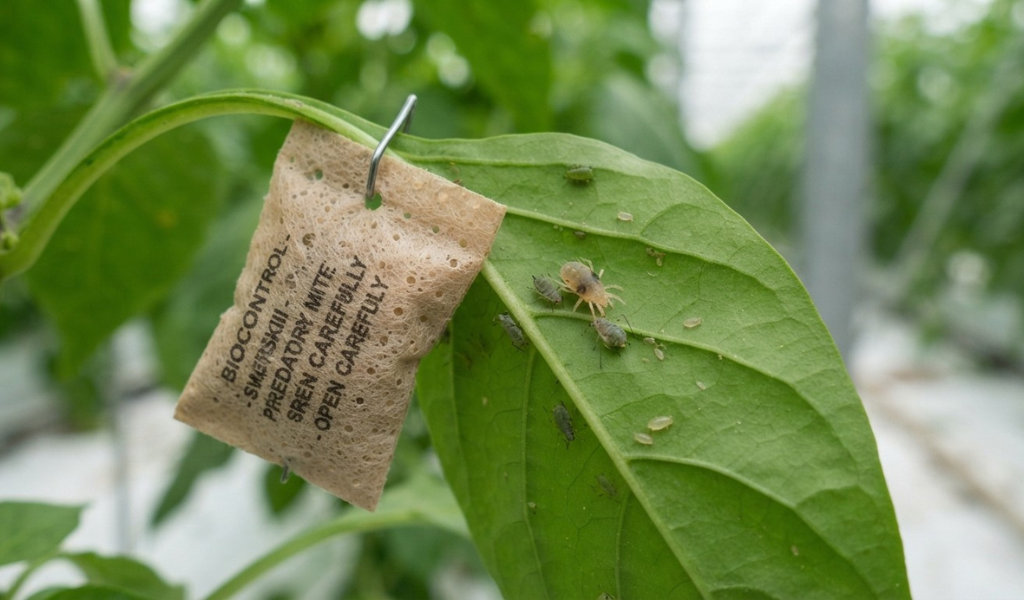
Which Peppers Are Better for Commercial Production?
For large-scale vegetable production, the right choice often depends on the grower’s goals.
Greenhouses Make Sense for Controlled Production
Greenhouse production supports year-round harvests and consistent quality, which is appealing for growers targeting premium markets or supplying grocery chains that expect uniform colored bell peppers throughout the year. This approach mirrors what many greenhouse tomatoes and cucumber growers already use successfully.
Field Production Works Well at Scale
Open field growing remains the more practical choice for growers producing peppers in bulk for canning, processing, or wholesale markets. The lower setup cost allows farmers to plant across large areas, making field production a strong option where profitability depends on volume rather than uniformity.
Greenhouse Peppers vs Field-Grown for Home Gardeners
Home gardeners face a slightly different decision-making process than commercial growers.
When a Greenhouse May Be Worth It
If you live in a region with a short pepper growing season or unpredictable weather, a small greenhouse or hoop house can help you start seedlings earlier and protect plants from frost. This is especially useful for gardeners hoping to grow specialty colored peppers that need a longer season to fully ripen.
When Field Growing Is Simpler
For gardeners in warmer climates with a long, reliable growing season, planting peppers directly in the ground is often simpler and less expensive. Traditional garden beds allow pepper plants to benefit from natural pollination and require less equipment overall.
How to Grow Greenhouse Peppers Successfully
Growing greenhouse peppers takes a bit of planning, but the payoff can be a longer harvest and stronger yields.
- Step 1: Choose the Right Variety: Start by selecting a pepper variety suited for greenhouse conditions, such as certain bell pepper or colored pepper cultivars known for performing well indoors.
- Step 2: Prepare a Healthy Growing Medium: Use a well-draining growing medium rich in plant nutrients. Many greenhouse growers use soilless mixes designed to support strong root development.
- Step 3: Provide Adequate Ventilation: Proper airflow helps prevent fungal disease and supports pollination, since greenhouses lack the natural breeze that helps peppers pollinate outdoors.
- Step 4: Monitor Water Carefully: Since greenhouse environments limit natural rainfall, growers must check moisture levels regularly and rely on drip irrigation systems for consistent watering.
- Step 5: Watch for Pests: Even in a controlled environment, pests can appear. Introduce beneficial insects early and inspect plants regularly to catch problems before they spread.
How to Grow Field-Grown Peppers Successfully
Field-grown peppers require attention to natural conditions and seasonal timing.
- Step 1: Pick a Sunny Location: Choose a planting site that receives full sun for most of the day, since light exposure directly affects flowering and fruit production.
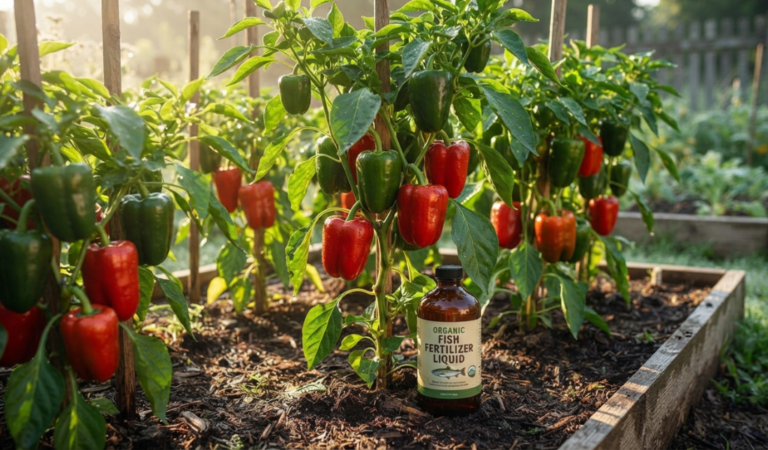
- Step 2: Prepare the Soil: Enrich the soil with compost or fertilizer before planting to give pepper plants the nutrients they need to establish strong roots.
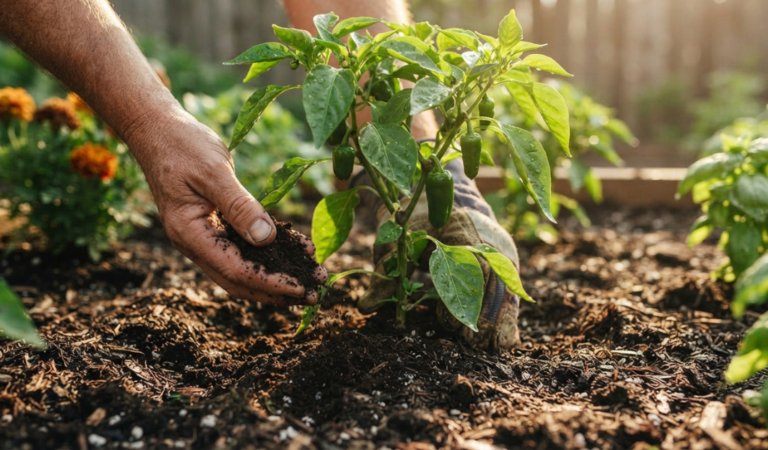
- Step 3: Transplant After Suitable Weather Arrives: Wait until nighttime temperatures are consistently warm before transplanting seedlings outdoors, since cold soil can stunt pepper plant growth.
- Step 4: Maintain Consistent Moisture: Water deeply and consistently, especially during dry stretches, to prevent stress that can lead to bitter-tasting peppers.
- Step 5: Monitor the Plants Regularly: Check plants often for pests, disease, and signs of nutrient deficiency, adjusting care as the pepper growing season progresses.
Greenhouse Peppers vs Field-Grown: Cost Considerations
Cost is often the deciding factor for many growers weighing greenhouse peppers vs. field-grown production. When comparing Greenhouse Peppers vs Field-Grown methods, it is important to consider both the initial investment and the long-term expenses involved in growing peppers successfully.
Greenhouse Costs Go Beyond the Structure
Building a greenhouse is only the beginning. Ongoing energy costs for heating, cooling, and supplemental lighting can add up quickly. Growers also need to invest in growing media, irrigation systems, and pest control methods suited for enclosed spaces. For this reason, Greenhouse Peppers vs Field-Grown production can have very different cost profiles depending on the growing environment, equipment, and management needs. Understanding these expenses helps growers make a practical choice between Greenhouse Peppers vs Field-Grown systems.
Field Production Has Its Own Risks
While field growing has lower upfront costs, it carries the risk of weather-related losses. A single storm, drought, or pest outbreak can significantly reduce a season’s harvest, which affects overall profitability even though initial investment is lower. Therefore, when evaluating Greenhouse Peppers vs Field-Grown production, growers should consider not only startup costs but also potential losses, operating expenses, crop protection, and expected returns. A careful comparison of Greenhouse Peppers vs Field-Grown approaches can help determine which method offers the best balance between cost, risk, and profitability.
Which Is More Sustainable: Greenhouse Peppers or Field-Grown?
Sustainability depends on how each system uses resources.
Greenhouse Efficiency Can Be High
Modern greenhouses can be resource-efficient, using less water thanks to drip irrigation and reducing the need for long-distance import of peppers during off-seasons. Some operations even use passive solar or solar energy to lower their carbon footprint, making greenhouse-grown peppers a more eco-friendly option in certain setups.
Field Growing Uses Natural Resources Differently
Field production relies on rainfall and natural sunlight, reducing dependence on artificial energy sources. However, it may require more land and water overall, and transporting peppers from farms to farmers markets or grocery stores still contributes to the overall carbon footprint of domestic production.
Greenhouse Peppers vs Field-Grown: Which One Should You Choose?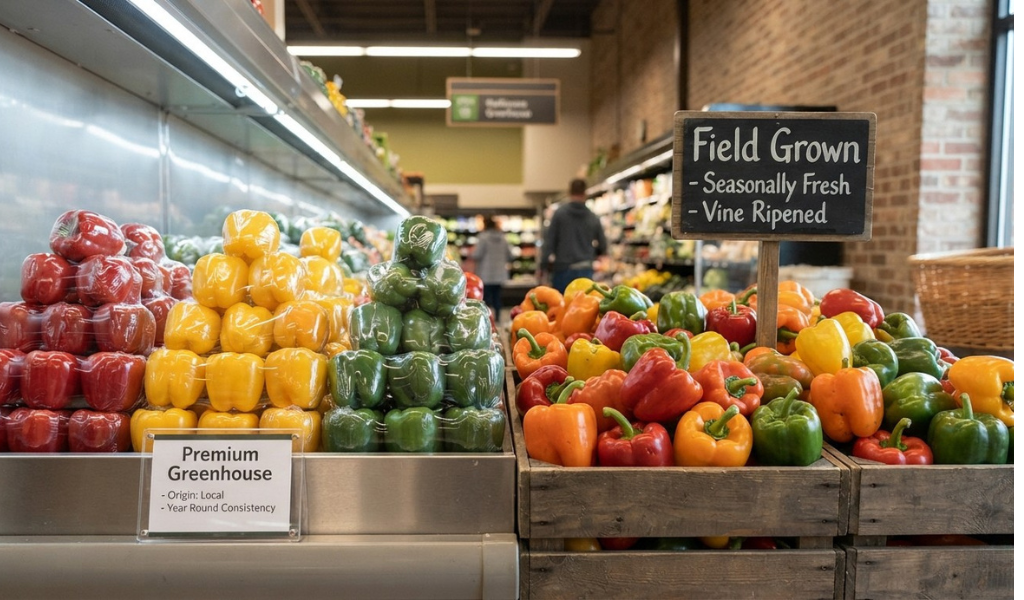
Choosing between greenhouse peppers vs. field-grown ultimately depends on your goals. If you want peppers year-round with consistent quality and are willing to invest in equipment and energy costs, greenhouse production may be worth it. If you are working with a shorter budget, larger space, and a favorable pepper growing season, field-grown peppers offer a simpler, time-tested approach.
Final Thoughts
The comparison between greenhouse peppers vs. field-grown peppers does not have one universal winner. Each method offers distinct advantages depending on your goals, climate, and resources. Greenhouse peppers shine when it comes to consistency, extended growing seasons, and controlled climate management. Field-grown peppers remain a reliable, cost-effective choice for large-scale production and gardeners blessed with a long, warm pepper growing season.
Whether you are a home gardener planting peppers from seed for the first time or a commercial grower deciding how to expand vegetable production, understanding these differences can help you make a confident, informed choice. Try growing both if you have the space. You might find that each method brings something valuable to your garden or business.
Frequently Asked Questions
Does greenhouse grown mean less pesticides?
Not always, but greenhouse growers often rely on beneficial insects and biological pest control instead of heavy pesticide use, since the enclosed space allows for more targeted pest management.
What vegetables should not be grown in a greenhouse?
Vegetables that need large amounts of space or rely heavily on cross-pollination by wind, like corn, are generally not well-suited for greenhouse cultivation.
Are greenhouse grown vegetables better?
Greenhouse grown vegetables often benefit from consistent growing conditions, but flavor and quality still depend on variety, harvest timing, and grower care rather than the growing method alone.
Do greenhouse grown peppers have pesticides?
Some greenhouse growers use pesticides, but many rely on integrated pest management, including beneficial insects, to minimize chemical use.
Are greenhouse grown peppers better than field-grown peppers?
Neither option is universally better. Greenhouse peppers offer consistency and a longer growing season, while field-grown peppers often develop rich flavor and are more cost-effective at scale.
Can you tell me what the packet hanging on the pepper plants are?
Those packets are typically used to release beneficial insects or pheromone-based pest traps, helping control common greenhouse pests without heavy pesticide use.
What vegetables are not suitable for greenhouse cultivation?
Root vegetables that need significant space, such as potatoes, and large sprawling crops like pumpkins, are generally not practical for greenhouse cultivation due to space constraints.