Growing Peppercorns Tips for Healthy Vines and Better Harvests
Growing Peppercorns Tips: A Complete Guide to Growing Black Pepper
If you love cooking with fresh spices, growing peppercorns tips can help you turn a simple vine into a lifetime supply of one of the world’s most used seasonings. Black pepper is not just a kitchen staple, it is also a rewarding plant to grow at home if you understand its needs. This guide walks you through everything from planting to harvesting and give you pepper plant growing tips so you can grow healthy, productive pepper vines even if you are a complete beginner.
Peppercorns come from a tropical climbing vine that thrives in warm, humid conditions, and while it may seem exotic, it is more forgiving than most people expect once you know the basics. Whether you have a backyard garden in a warm region or a sunny spot indoors, these growing peppercorns tips will guide you step by step toward a thriving plant.
What Are Peppercorns?
Peppercorns are the small round fruits produced by the Piper nigrum vine, a flowering plant native to the tropical forests of South India. These tiny berries are picked, processed, and dried to create the black, white, and green pepper we use daily in cooking. Long before it became a common pantry item, this spice was traded across continents and was once so valuable that it was used as currency in parts of the ancient world.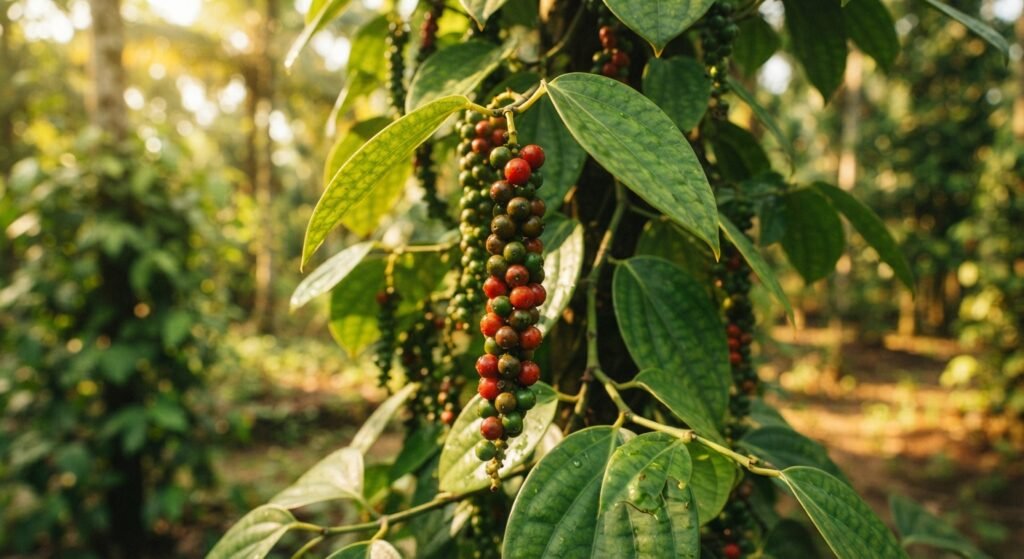
What makes peppercorns interesting for home growers is that a single vine can produce fruit for many years once it matures. The plant is a perennial climber, meaning it keeps growing season after season rather than needing to be replanted. With the right care, one healthy vine can supply a household with fresh pepper for a long time, which is why more home gardeners are experimenting with growing their own supply instead of relying only on store bought jars.
Understanding the Black Pepper Plant
The black pepper plant is a woody, perennial vine that can grow quite tall when given proper support, sometimes reaching heights of over 10 feet in ideal tropical conditions. In a home garden or container setting, it usually stays more compact, especially with regular pruning and trimming.
The plant has broad, glossy, heart shaped leaves that give it an attractive, ornamental look even before it starts fruiting. Small white flower spikes appear along the vine, and these eventually develop into clusters of round berries that ripen from green to red as they mature. Because the plant originates from humid rainforest regions, it naturally prefers warmth, filtered light, and consistent moisture, which are all things you will need to recreate if you live outside a tropical zone.
Unlike many spice plants that are grown as annuals, black pepper is a long term investment. It typically takes two to three years before a young vine starts producing a meaningful harvest, so patience is part of the process. Once established though, the plant can remain productive for well over a decade.
How Peppercorns Grow on the Vine
Peppercorns develop in tight clusters called spikes, which hang down from the nodes along the vine. Each spike can contain dozens of small round berries that start out green and firm. As they mature, the berries gradually change color, moving from green to yellow and eventually to a deep red when fully ripe.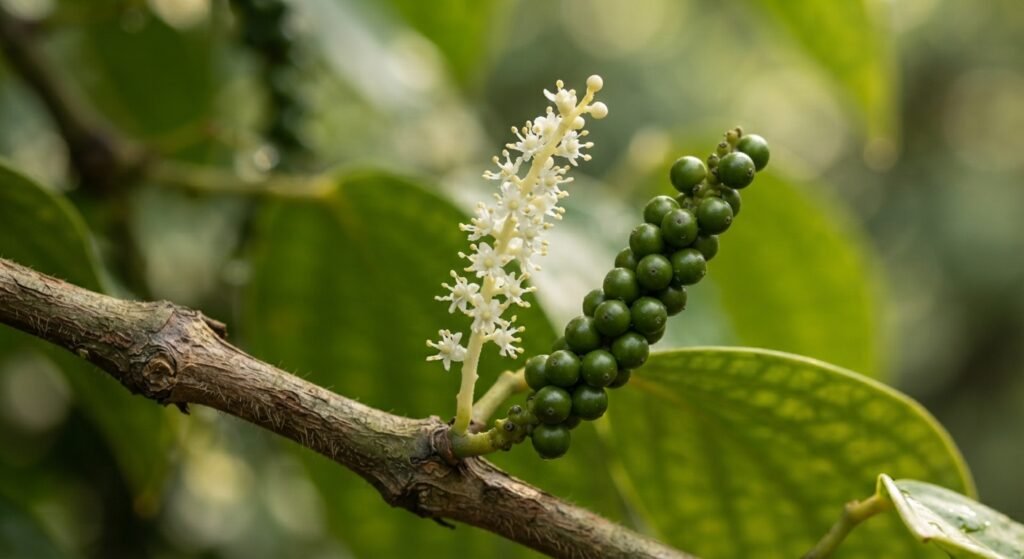
The stage at which you pick the berries determines the final type of pepper you end up with. Harvesting slightly underripe berries and drying them results in black peppercorns, while letting them ripen fully before removing the outer skin produces white pepper. This is one of the more fascinating parts of growing your own pepper vine, because black, green, and white pepper all come from the exact same plant, just harvested and processed differently.
The vine climbs using small aerial roots that cling to a support structure, much like ivy does. This climbing habit is essential to understand before planting, since the vine needs something sturdy to grow on in order to produce well.
Choose the Right Location for Growing Peppercorns
Sunlight and Temperature Requirements
Black pepper vines grow best in warm climates that mimic their native tropical environment. Ideal daytime temperatures range between 70 and 90 degrees Fahrenheit, and the plant struggles when temperatures drop below 50 degrees for extended periods. If you live in a cooler region, growing the vine in a container that can be moved indoors during colder months is a practical solution.
When it comes to light, this plant prefers bright but filtered sunlight rather than harsh, direct rays all day long. In its natural habitat, it grows under the canopy of taller trees, so partial shade with dappled light often works better than a spot in full, blazing sun. A location that gets morning sun and afternoon shade tends to give the best results.
Protecting the Plant From Cold and Strong Winds
Because the vine is sensitive to cold, it is important to choose a planting spot that is sheltered from harsh winds and sudden temperature drops. A location near a wall, fence, or other structure can offer natural protection while also giving the plant something to eventually climb.
If frost is a risk in your area, plan on growing your pepper plant in a pot so you can bring it indoors when the weather turns cold. Even a short period of frost can seriously damage or kill the vine, so this step should not be skipped in temperate climates.
How to Plant Peppercorns
From Seeds or Cuttings
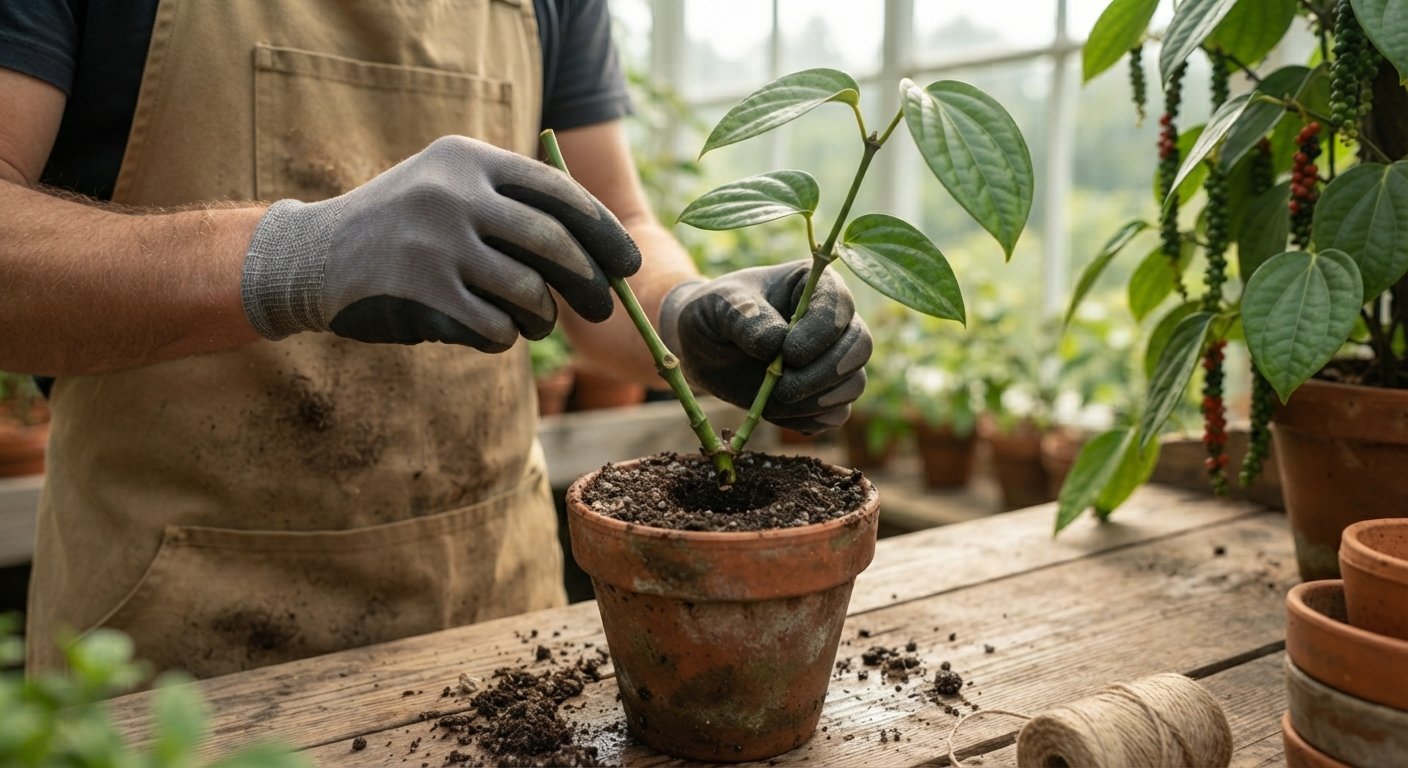
You can start a pepper vine either from fresh seeds or from stem cuttings, though cuttings are generally the more reliable method for home gardeners. Seeds can be slow to germinate and often have inconsistent success rates, while cuttings taken from a healthy, established vine tend to root faster and grow into productive plants sooner.
To propagate from a cutting, select a healthy stem section with a few leaf nodes, remove the lower leaves, and place it in moist soil or a rooting medium. Keeping the cutting warm and humid, ideally under a plastic cover or in a humid greenhouse setting, will encourage roots to form within a few weeks.
Choosing the Right Planting Site
Whether you are planting directly in the ground or in a container, pick a spot that offers warmth, filtered light, and access to a support structure like a trellis or post. If planting outdoors, space multiple vines at least three to four feet apart to allow room for growth and airflow.
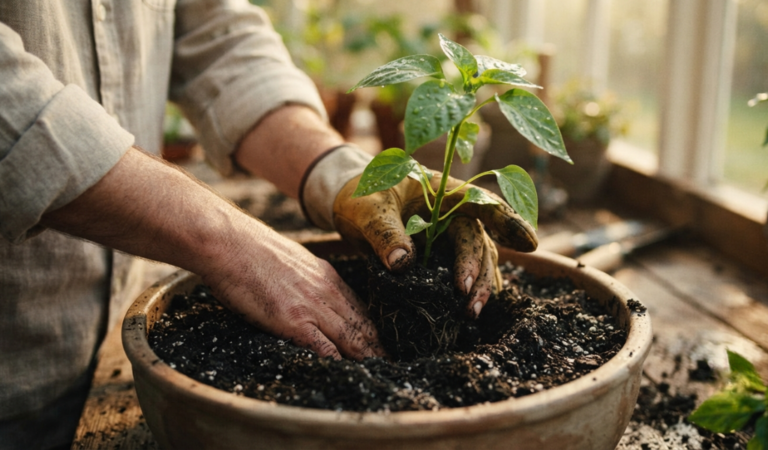
Container growing is a great option for anyone who does not live in a naturally tropical region. A large pot with good drainage gives you the flexibility to move the plant indoors during cold snaps, which is often the deciding factor in whether the vine survives its first winter.
Choose the Best Soil for Peppercorn Plants
Peppercorn vines prefer loose, well draining soil that is rich in organic matter. A heavy clay soil that holds too much water can lead to root rot, so amending the planting area with compost, aged manure, or coconut coir can significantly improve drainage and fertility.
The ideal soil pH for growing black pepper falls between 5.5 and 6.5, which is slightly acidic. If you are unsure of your soil’s pH, a simple home testing kit can help you determine whether adjustments are needed. Adding organic compost not only improves soil structure but also feeds beneficial microbes that support root health.
For container grown plants, a quality potting mix blended with perlite or coarse sand will help mimic the loose, airy soil conditions the vine naturally prefers. Good drainage is one of the most important factors in preventing common problems down the line, so it is worth getting right from the start.
Watering Peppercorn Plants Properly
How Often to Water
Since black pepper vines come from humid rainforest regions, they need consistent moisture to thrive. During the warmer growing months, water the plant deeply whenever the top inch of soil feels dry to the touch, which often means watering two to three times a week depending on your climate and pot size.
In cooler months or during periods of slower growth, you can reduce watering frequency slightly, but the soil should never be allowed to dry out completely for extended periods. Mulching around the base of the plant can help retain soil moisture and reduce how often you need to water.
Avoiding Overwatering and Root Problems
While consistent moisture is important, overwatering is one of the most common mistakes new growers make. Soil that stays soggy for too long deprives the roots of oxygen and creates the perfect environment for root rot and fungal issues.
Always make sure your pot or planting site has adequate drainage holes or a well draining soil mix. If you notice the leaves turning yellow and drooping despite regular watering, check the roots for signs of rot before assuming the plant simply needs more water. Striking the right balance between moisture and drainage is key to keeping the vine healthy long term.
Fertilizing Peppercorn Plants for Healthy Growth
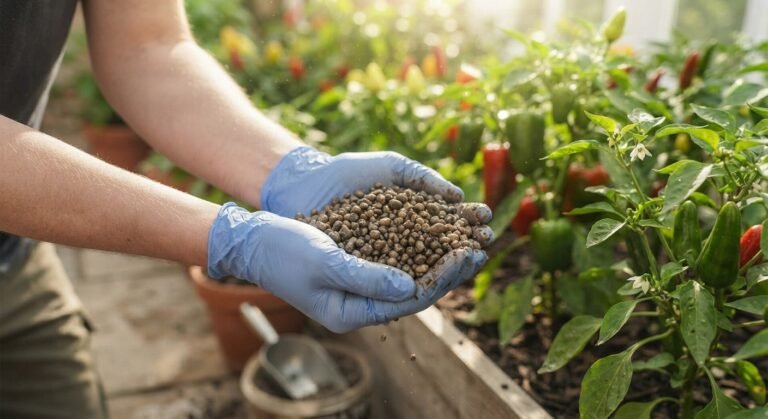
Regular feeding supports strong vine growth and better fruit production. During the active growing season, apply a balanced, slow release fertilizer every four to six weeks, or supplement with organic options like compost tea or diluted fish emulsion.
Nitrogen supports healthy leaf and vine growth in the early stages, while phosphorus and potassium become more important as the plant matures and begins to flower and fruit. Switching to a fertilizer with a higher phosphorus and potassium ratio once the vine starts producing flower spikes can help encourage better peppercorn yields.
Avoid over fertilizing, since too much nitrogen can lead to lush green growth at the expense of flowering and fruiting. A light, consistent feeding schedule tends to work better than infrequent heavy doses.
Provide Support for Growing Peppercorn Vines
Using Trellises and Support Structures
As a natural climber, the pepper vine needs something sturdy to grow on. A wooden post, bamboo pole, or trellis works well, and in tropical regions, growers often use living support trees. The vine attaches itself using small aerial roots that grip onto rough surfaces, so a textured support like rough bark or a coir covered pole tends to work better than a smooth, slick pole.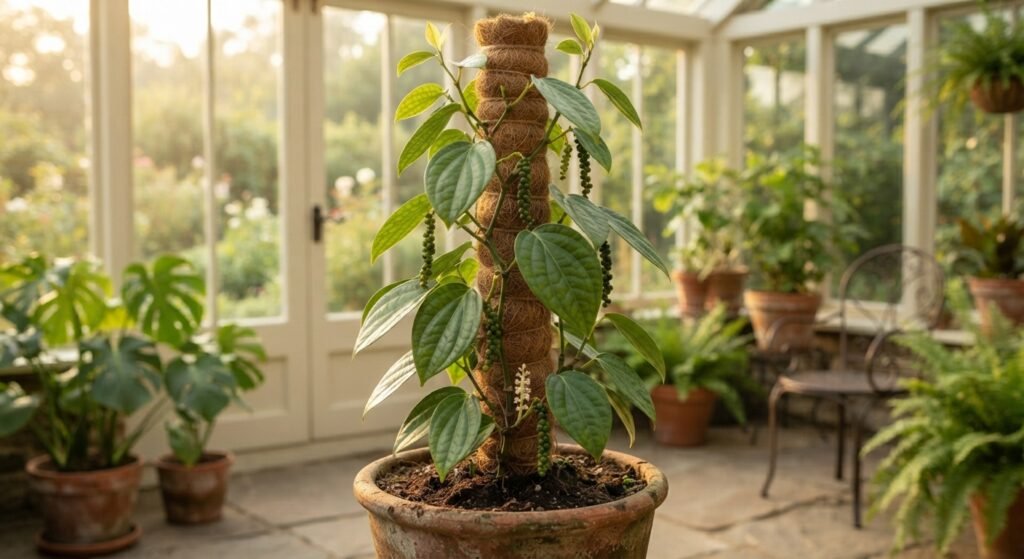
Installing the support structure at planting time is much easier than trying to add one later once the vine has already started sprawling across the ground. Position the young plant close to the base of the support so its aerial roots can begin attaching early.
Training the Vine as It Grows
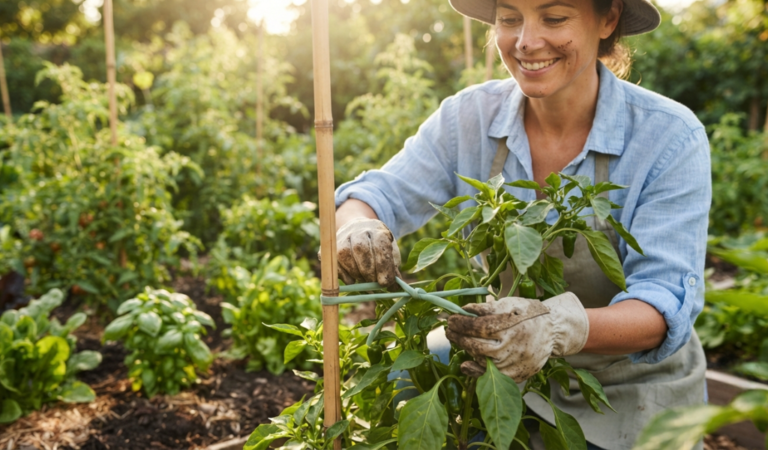
Gently guide the young vine toward its support and loosely tie it in place with soft garden twine until it begins climbing on its own. Regular light pruning helps the plant focus its energy on strong vertical growth rather than spreading out weak side shoots.
As the vine matures, you can also train side branches horizontally to encourage more flowering spikes to form along the length of the plant. This kind of shaping not only improves yield but also keeps the plant looking tidy and manageable, especially if you are growing it in a smaller space.
How to Encourage Peppercorn Production
Supporting Flower and Fruit Development
Once your vine reaches maturity, usually around two to three years of age, it will begin producing small white flower spikes that eventually develop into peppercorn clusters. To support this process, make sure the plant receives consistent nutrients, particularly phosphorus and potassium, during the flowering stage.
Avoid heavy pruning during flowering, since removing too much foliage at this stage can reduce the plant’s ability to support developing fruit. Instead, focus on maintaining steady watering and feeding routines while letting the plant do its natural work.
Maintaining Proper Humidity and Growing Conditions
High humidity plays a big role in successful peppercorn production. If you live in a dry climate, misting the leaves regularly or placing a humidity tray nearby can help recreate the moist conditions the plant prefers. Grouping the pepper vine with other humidity loving plants can also naturally raise the moisture level in the surrounding air.
Stable temperatures matter as well. Sudden swings between hot and cold can stress the plant and cause flower spikes to drop before they have a chance to develop into fruit, so try to keep conditions as consistent as possible during this critical growth phase.
Common Peppercorn Growing Problems
Yellow Leaves and Poor Growth
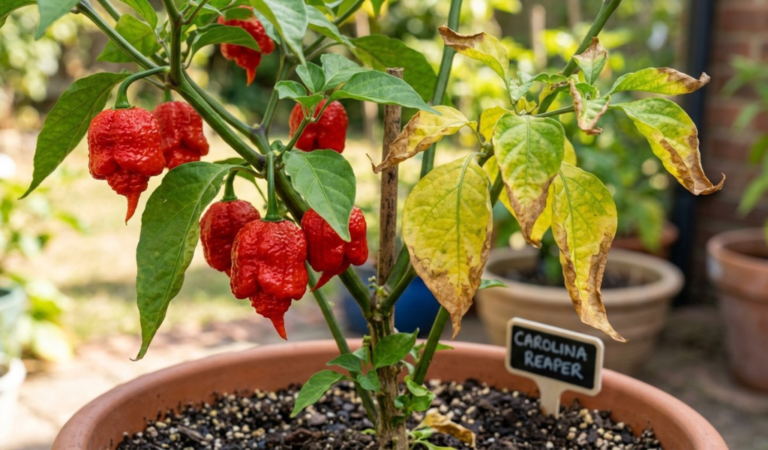
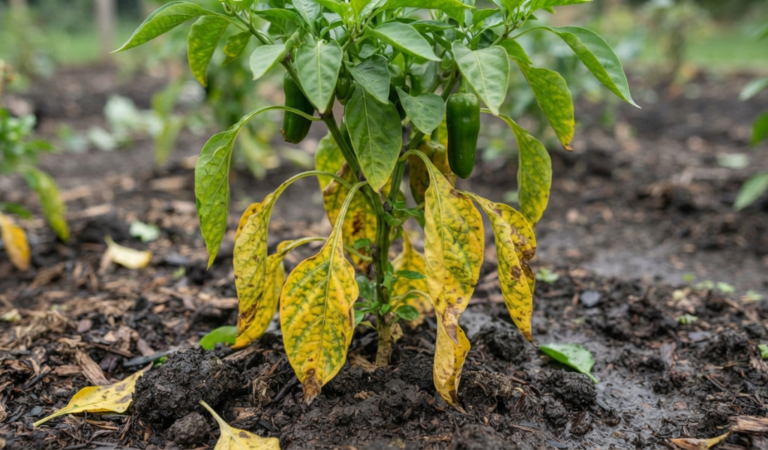
Yellowing leaves are one of the most common issues growers run into, and they can be caused by a range of factors including overwatering, nutrient deficiency, or insufficient light. If the lower leaves turn yellow and drop while the rest of the plant looks healthy, it is often simply a natural part of aging growth and nothing to worry about.
However, widespread yellowing combined with stunted growth usually points to either a watering imbalance or a lack of key nutrients like nitrogen or magnesium. Adjusting your watering schedule and adding a balanced fertilizer often resolves the issue within a few weeks.
Common Pests and Diseases
Pepper vines can occasionally attract pests such as mealybugs, scale insects, and spider mites, especially when grown indoors where natural predators are absent. Regularly inspecting the undersides of leaves and wiping them down with a mild insecticidal soap can keep infestations under control before they spread.
Fungal diseases, particularly root rot and leaf spot, are more likely to occur in overly wet or poorly ventilated conditions. Improving airflow around the plant, avoiding overhead watering, and ensuring good drainage are the best preventive steps you can take against these issues.
How to Harvest and Dry Peppercorns
When to Harvest Peppercorns
Timing your harvest correctly makes a big difference in the flavor and quality of your final product. Most growers harvest when the berries are mature but still green, just as a few berries on each spike begin turning red. This stage offers the strongest flavor and the best balance for producing classic black pepper.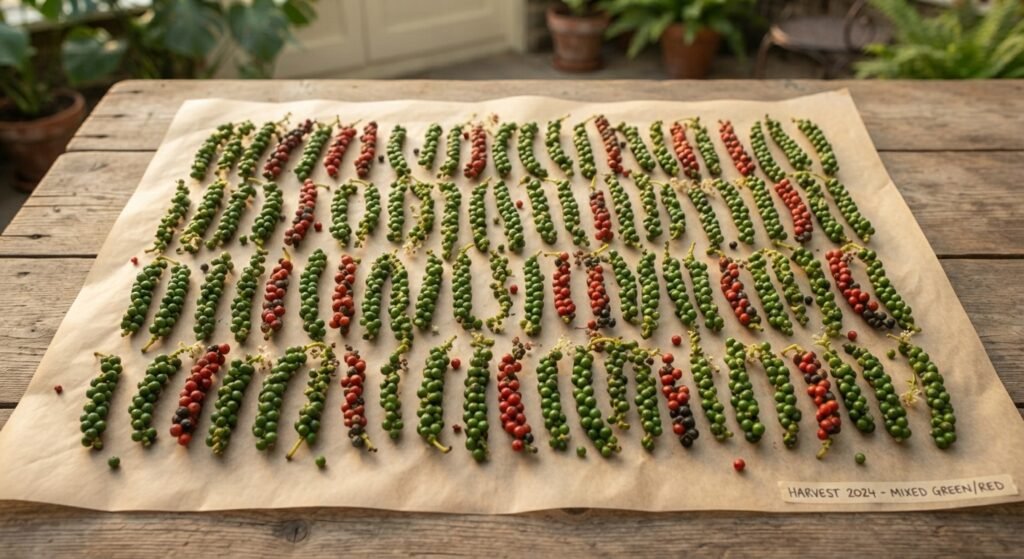
Harvest by cutting entire spikes from the vine rather than picking individual berries, since this is faster and less likely to damage the plant. Using clean, sharp scissors or pruning shears will make the process easier and reduce stress on the vine.
Green, Black, and White Peppercorns
The stage of ripeness at harvest determines what type of pepper you end up with. Picking berries while they are still fully green and immediately drying or pickling them produces green peppercorns, which have a milder, fresher flavor. Allowing the berries to mature slightly before drying creates the familiar black peppercorns most people use daily.
White peppercorns come from berries that are left to fully ripen and turn red on the vine. After harvesting, the outer skin is soaked and removed, leaving behind the pale inner seed, which has a milder but slightly earthier taste compared to black pepper.
Drying and Storing Peppercorns Properly
Once harvested, spread the peppercorn spikes out in a single layer in a warm, well ventilated area away from direct sunlight. Over the course of about a week, the berries will shrink and darken as they dry, eventually forming the wrinkled black peppercorns familiar from the kitchen.
Once fully dried, remove the berries from the spikes and store them in an airtight container away from heat and moisture. Whole dried peppercorns retain their flavor far longer than pre-ground pepper, often staying fresh and aromatic for a year or more when stored properly.
Conclusion
Growing your own black pepper vine is a rewarding project that combines patience with hands-on gardening skill. By choosing the right location, providing proper support, maintaining consistent moisture, and following these growing peppercorns tips, you can enjoy a steady homegrown supply of one of the world’s favorite spices. It takes a couple of years to see a full harvest, but the payoff of picking your own fresh peppercorns makes the wait worthwhile.
If you are ready to get started, pick up a healthy cutting from a trusted nursery, prepare a well draining pot or garden bed, and give your vine the warm, humid environment it craves. With steady care, your pepper plant can become a productive part of your garden for many years to come.
Frequently Asked Questions
How long does it take for a peppercorn plant to produce fruit?
Most black pepper vines take between two and three years to mature enough to produce a meaningful harvest. Once established, the plant can continue fruiting for well over a decade with proper care.
Can I grow peppercorns indoors?
Yes, peppercorn vines can be grown indoors as long as they receive bright, filtered light, warm temperatures, and high humidity. A sunny window paired with occasional misting or a humidity tray usually works well.
Why are my peppercorn plant’s leaves turning yellow?
Yellow leaves are usually caused by overwatering, poor drainage, or a lack of nutrients. Checking the soil moisture and root health, along with adjusting your fertilizing schedule, often solves the problem.
Do black, white, and green peppercorns come from different plants?
No, all three types come from the same plant, Piper nigrum. The difference comes from the stage of ripeness at harvest and how the berries are processed afterward.
What kind of support does a pepper vine need?
Because it is a climbing plant, a pepper vine needs a sturdy trellis, post, or similar structure to grow on. A rough or textured surface works best since the plant’s aerial roots grip onto it as it climbs.
How often should I water my peppercorn plant?
Water whenever the top inch of soil feels dry, which is typically two to three times a week during warmer months. Always make sure excess water can drain away to prevent root rot.
Is it hard to grow peppercorns in a cooler climate?
It can be more challenging, but not impossible. Growing the vine in a container that can be moved indoors during cold weather allows gardeners in cooler regions to successfully grow and harvest their own pepper.