5-10-10 Fertilizer For Peppers: The Best Way to Fertilize Pepper Plants
5-10-10 Fertilizer for Peppers: How to Feed Pepper Plants the Right Way
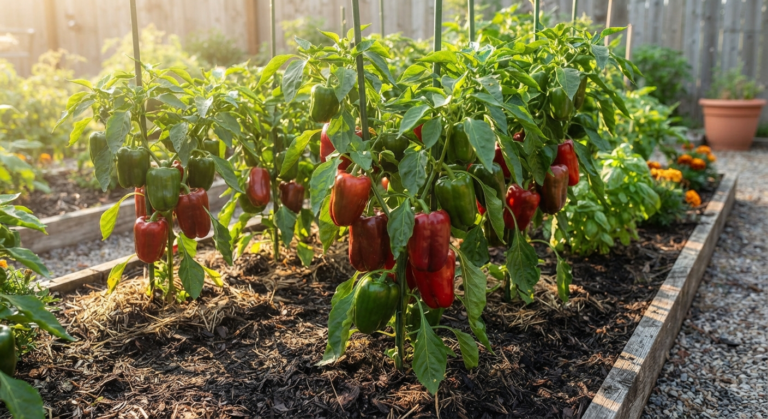
Growing peppers that actually produce is less about luck and more about feeding them correctly. If your pepper plants are flowering but dropping blooms, producing small fruit, or just looking tired mid-season, your fertilizer choice might be the culprit. That’s where 5-10-10 fertilizer for peppers comes in.
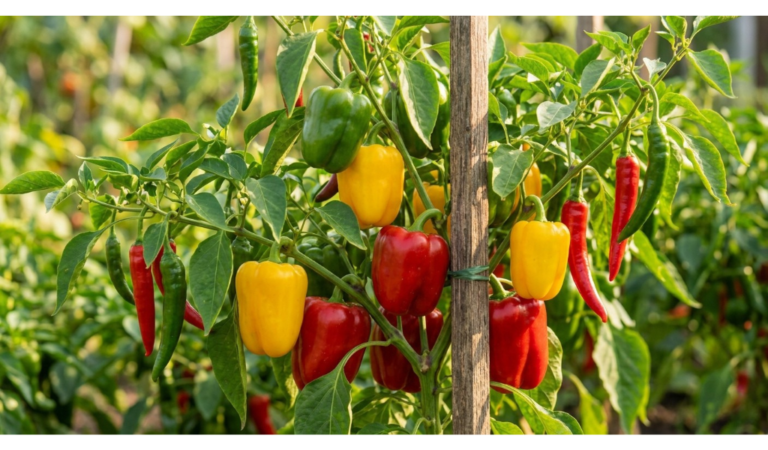
This guide breaks down everything you need to know: what the numbers mean, when to use 5-10-10, which crops benefit most, and how to apply it without burning your plants. Whether you’re growing bell peppers, banana peppers, or fiery hot peppers, understanding the right fertilizer ratio can make or break your harvest. Knowing the bell peppers growing stages also helps you fertilize at the right time for healthier plants and better yields.
What Is 5-10-10 Fertilizer?
5-10-10 is a granular or liquid fertilizer with a specific ratio of three essential nutrients: nitrogen (N), phosphorus (P), and potassium (K). Every bag or bottle of fertilizer lists these three numbers in the same order, and each one plays a different role in how your pepper plants grow.
N Is for Nitrogen
Nitrogen is the nutrient responsible for leafy, green growth. It helps your pepper plant build strong stems and healthy foliage during the early stages of the growing season. Without enough nitrogen, you’ll notice yellow leaves and stunted growth, especially in young pepper plants. Too much nitrogen, though, and your plants will grow lush leaves but produce very little fruit.
P Is for Phosphorus
Phosphorus supports root development and flower formation. When pepper plants start to flower and set fruit, phosphorus becomes especially important. A phosphorus deficiency often shows up as purple or reddish leaf undersides. In 5-10-10, phosphorus is the dominant nutrient at 10%, which makes it a solid choice during the flowering and fruiting phase.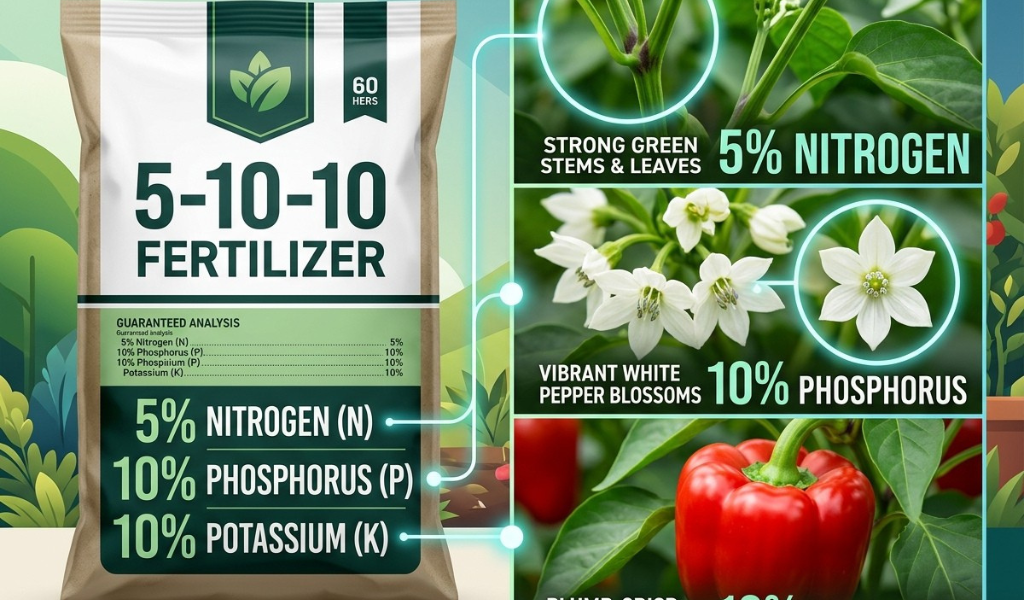
K Is for Potassium
Potassium helps with overall plant health. It regulates water movement inside the plant, strengthens cell walls, and supports disease resistance. Potassium also plays a direct role in fruit development, helping your peppers fill out and develop good flavor and texture.
What Do the 5-10-10 Numbers Mean?
The numbers 5-10-10 represent the percentage by weight of each nutrient in the fertilizer. So in a 10-pound bag of 5-10-10 fertilizer:
- 5% is nitrogen (0.5 lbs)
- 10% is phosphorus (1 lb)
- 10% is potassium (1 lb)
The remaining weight is made up of filler material or carrier ingredients that help with even application. Compared to a balanced fertilizer like 10-10-10, 5-10-10 has half the nitrogen but equal phosphorus and potassium. That lower nitrogen level is exactly why it works so well for fruiting crops like peppers, where you want the plant’s energy going into fruit production rather than leaf growth.
What Is 5-10-10 Fertilizer Used For?
5-10-10 fertilizer is commonly used when crops are past the seedling stage and beginning to develop flowers and fruit. Gardeners use it to:
- Encourage root establishment after transplanting pepper plants
- Support flower and fruit development in vegetable gardens
- Avoid excessive leafy growth in fruiting crops
- Provide a mid-season nutrient boost without overloading the plant with nitrogen
It’s particularly useful if you’ve already built organic matter into your soil through compost, since compost provides a decent base of nitrogen. Adding 5-10-10 on top gives your pepper plants the phosphorus and potassium boost they need without redundant nitrogen.
If you’re interested in a more budget-friendly approach, some gardeners also use homemade fertilizer for pepper plants made from kitchen scraps like banana peels (high in potassium) and bone meal (rich in phosphorus). While these don’t give you precise NPK ratios, they can complement a 5-10-10 application quite well.
What Crops Is 5-10-10 Good For?
Beyond peppers, 5-10-10 fertilizer works well for most fruiting vegetables and root crops. It’s a strong option for:
- Tomatoes (especially during the fruiting stage)
- Cucumbers and squash
- Beans and peas
- Root vegetables like carrots, beets, and turnips (which require strong phosphorus and potassium for underground development)
- Strawberries during berry development
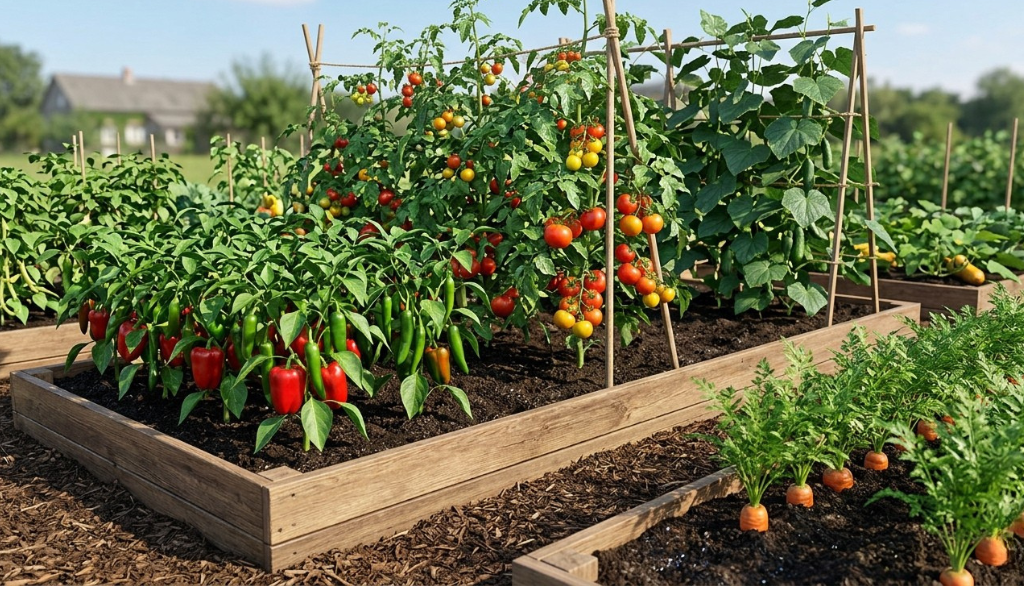 Leafy greens like lettuce or spinach generally prefer a higher-nitrogen fertilizer since you’re harvesting the leaves themselves. For those crops, 5-10-10 would be the wrong choice.
Is 5-10-10 Fertilizer Organic?
It depends on the brand and ingredients. Some 5-10-10 products are made from synthetic chemicals, while others use organic sources like bone meal, fish emulsion, feather meal, and kelp.
If you’re growing peppers organically, look for an OMRI-listed 5-10-10 fertilizer. These are certified for use in organic production. Fish emulsion-based liquid fertilizers often come close to a 5-10-10 ratio and are a popular organic fertilizer option for pepper growers who want a gentler, soil-friendly approach.
Is 5-10-10 Fertilizer Good for Tomatoes?
Yes, 5-10-10 is a solid fertilizer for tomatoes, especially once the plants start flowering. Tomatoes, like peppers, are heavy feeders during fruit development. The higher phosphorus and potassium levels support flower set and fruit quality, while the lower nitrogen level prevents excessive foliage at the expense of fruit.
That said, during the seedling stage, tomatoes benefit from a bit more nitrogen. If you’re fertilizing young tomato seedlings, you might start with a more balanced fertilizer before switching to 5-10-10 once flowering begins.
How to Apply 5-10-10 Fertilizer
Getting the application right matters as much as choosing the correct product. Applying too much fertilizer for your pepper plants, or applying it at the wrong time, can cause fertilizer burn or poor fruit development.
Step 1: Do a soil test first. Before adding any fertilizer, test your soil. A basic soil test will tell you your existing NPK levels and your soil pH. This prevents you from adding nutrients your soil already has plenty of.
Step 2: Incorporate granular fertilizer before planting. For granular 5-10-10, work it into the soil before planting your pepper plants. A general rate is 2 to 3 pounds per 100 square feet, but always check the instructions on the fertilizer label, since rates vary between brands.
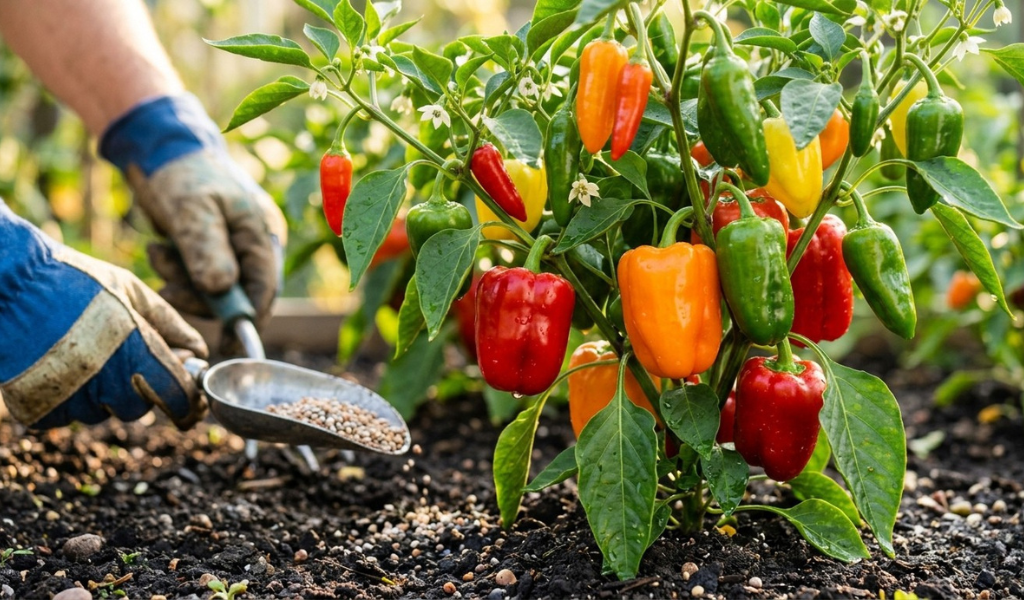
Step 3: Side-dress during the growing season. Once your pepper plants are established and beginning to flower, you can side-dress with 5-10-10 granules. Sprinkle the fertilizer a few inches away from the base of the plant to avoid direct contact with the stem, then water your plants thoroughly so the nutrients soak into the root zone.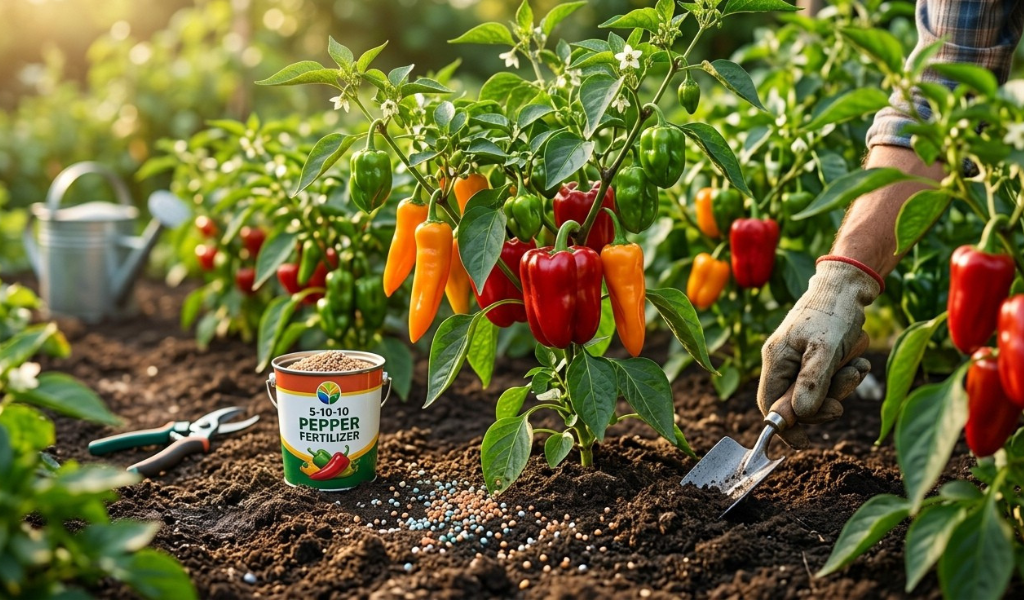
Step 4: Liquid fertilizer as a quick boost. Diluted liquid fertilizer can be applied every 2 to 3 weeks during the growing season for faster uptake. Some gardeners also use a foliar spray, applying diluted liquid fertilizer directly to the leaves for a quick nutrient fix when a deficiency is spotted.
Why Soil pH Decides If the Phosphorus Works
Here’s something many gardeners overlook: even if you apply plenty of phosphorus, your pepper plants can’t actually absorb it if your soil pH is off. Phosphorus is most available to plants when the soil pH is between 6.0 and 7.0.
If your soil is too acidic (below 6.0) or too alkaline (above 7.5), phosphorus becomes chemically bound to soil particles and locked out of the root system. Your pepper plants will show signs of phosphorus deficiency even though the nutrient is technically present in the soil.
Before you reach for a bag of 5-10-10, test your soil pH with an inexpensive meter or a mail-in soil test kit. If your pH is off, adjust it first. Lime raises pH in acidic soils; sulfur lowers pH in alkaline soils.
Granular or Liquid: Which Should You Use?
Both forms work, but they serve different purposes in your fertilizer schedule.
Granular 5-10-10 releases nutrients slowly over several weeks. It’s best applied before planting or as an early-season side-dress. It’s lower maintenance and cost-effective for larger garden beds.
Liquid 5-10-10 absorbs faster and gives your pepper plants more immediate access to nutrients. It’s useful when you spot a deficiency mid-season or want to give your plants a quick boost right before a heavy fruiting period. Diluted liquid fertilizer is also gentler and less likely to cause fertilizer burn when applied correctly.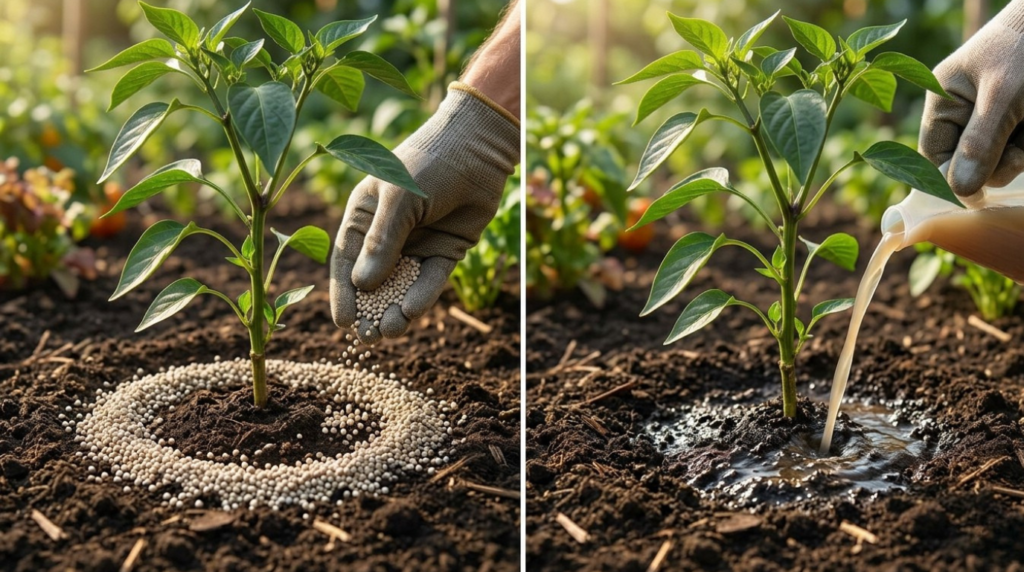
For most home gardeners, a combination works best: granular fertilizer worked into the soil at the start of the season, followed by occasional liquid applications as your pepper plants begin to flower and fruit.
Best 5-10-10 Fertilizers to Reach For
TPS Nutrients 5-10-10 Liquid Concentrate
TPS Nutrients offers a liquid 5-10-10 concentrate designed for vegetable gardens. It’s highly soluble, mixes easily with water, and works well as a root drench or diluted liquid fertilizer. Gardeners growing peppers in containers tend to favor it because of how easy it is to control the dose.
Cz Garden Supply 5-10-10 Tomato and Vegetable Fertilizer
This is a popular granular option that works well for both tomatoes and peppers. It’s available in small bags suited to home gardens and provides a steady, slow-release nutrient supply. It’s a reliable all-purpose fertilizer for gardeners who want a straightforward, no-fuss option for fertilizing their pepper plants.
When to Choose a Different NPK Ratio
5-10-10 is not always the right fertilizer. Here’s when you’d want to reach for something else: understanding the pepper fertilizer ratio and NPK can help you choose the right nutrients for healthy growth, flowering, and fruit production.
- Seedling stage: Young pepper plants and pepper seeds need more nitrogen to get established. A balanced fertilizer like 10-10-10 or a high-nitrogen starter fertilizer is more appropriate.
- Nitrogen-deficient soil: If your soil test shows very low nitrogen, you’ll need more than 5% to correct it.
- Leafy vegetables: As mentioned, crops like lettuce or kale need nitrogen-heavy fertilizers. Using 5-10-10 for leafy greens would produce poor results.
- Mature trees or lawns: These require entirely different nutrient profiles than vegetable gardens.
Choosing the right fertilizer comes down to knowing your soil and understanding what your crop needs at each growth stage. Pepper plants need different things at different times, and no single fertilizer covers every stage perfectly.
Tips for Maximizing the Benefits of Using 5-10-10 Fertilizer
Getting the most from your fertilizer for pepper plants involves more than just applying it and walking away. A few habits can significantly improve your results:
- Follow the fertilizer schedule. Create a simple plan for when you’ll apply fertilizer throughout the growing season. Start fertilizing pepper plants once they’re transplanted and established, then adjust based on how the plants respond.
- Water before and after application. Always water your plants before applying granular fertilizer to prevent fertilizer burn, and water again after application to carry nutrients into the root zone.
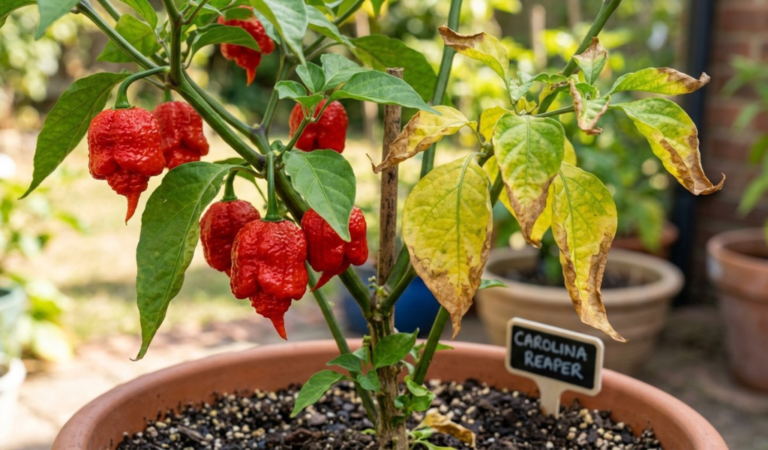
- Watch for signs of deficiency or excess. Yellow leaves often signal nitrogen deficiency. Purple leaf undersides suggest phosphorus deficiency. Curling or scorched leaf edges can indicate potassium issues or fertilizer burn from excess fertilizer. Use these visual cues to adjust your fertilizer regimen.
- Add secondary nutrients. Calcium and magnesium are secondary nutrients that pepper plants require for healthy growth. Blossom end rot in peppers is often linked to calcium deficiency. Adding a little Epsom salt (magnesium sulfate) to your routine can address magnesium deficiency, and crushed eggshells or garden lime can help with calcium.
- Be extra careful with potted pepper plants. Nutrients leach out of containers faster than in-ground beds. Potted pepper plants may need more frequent liquid fertilizer applications but in smaller doses. Excess fertilizer can build up in container soil and cause toxicity, so flush the soil occasionally with plain water.
- Don’t fertilize stressed plants. If your pepper plant is wilting from drought, heat, or disease, hold off on the fertilizer. Adding nutrients to a stressed plant can make things worse. Water first, address the stressor, then resume your fertilizer schedule once the plant stabilizes.
Final Thoughts: Choosing the Best Fertilizer for Your Pepper Plants
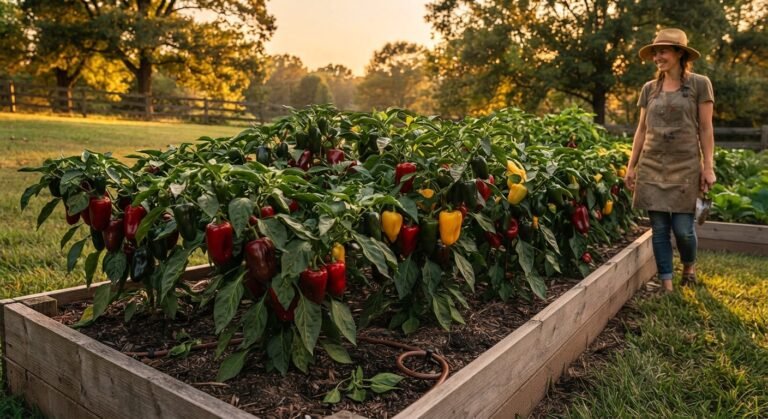
5-10-10 fertilizer earns its place in the garden shed. For pepper growers who want healthy fruit development without pushing too much leafy growth, the lower nitrogen and elevated phosphorus and potassium make it a smart mid-season choice. It works for bell peppers, banana peppers, hot peppers, and most other pepper varieties.
That said, no fertilizer works in isolation. A soil test, attention to soil pH, proper application timing, and watching how your plants respond all matter just as much as the NPK ratio on the label. The best fertilizers for peppers are the ones matched to your specific soil conditions and the current growth stage of your plants.
Start with a soil test if you haven’t already, and build your fertilizer regimen from there. Your pepper harvest will reflect the effort.
Frequently Asked Questions
Is 5-10-10 good for pepper plants?
Yes, 5-10-10 is a good fertilizer for pepper plants, particularly during the flowering and fruiting stages. The lower nitrogen content prevents excessive leafy growth, while the higher phosphorus and potassium support root development, flower formation, and fruit production.
What is the best fertilizer ratio for peppers?
The best fertilizer ratio for peppers depends on the growth stage. During the seedling phase, a balanced ratio like 10-10-10 works well. Once plants begin to flower and set fruit, a ratio like 5-10-10 or 5-10-5 becomes more effective for supporting fruit development without overstimulating leaf growth.
What is 5-10-10 fertilizer good for?
5-10-10 fertilizer is best used for fruiting vegetables and root crops. It’s particularly effective for peppers, tomatoes, cucumbers, beans, and root vegetables like carrots and beets. It’s generally applied during the mid to late growing season when fruit development is the priority.
What fertilizer is good for peppers?
Good fertilizers for peppers include 5-10-10, 5-10-5, and balanced 10-10-10 options depending on the growth stage. Fish emulsion and bone meal are popular organic fertilizer choices. Some gardeners also rely on homemade fertilizer for pepper plants made from compost, banana peels, and Epsom salt to supplement store-bought options.
What are common fertilizing mistakes to avoid for peppers?
Common mistakes include applying too much nitrogen late in the season (which reduces fruit production), failing to test soil pH before fertilizing, applying fertilizer to dry soil without watering first, and ignoring secondary nutrients like calcium and magnesium. Over-fertilizing potted pepper plants is also a frequent issue.
Can you over-fertilize pepper plants?
Yes. Too much fertilizer, especially nitrogen, can burn your plants or cause excessive leafy growth at the expense of fruit. Signs of over-fertilization include scorched leaf tips, wilting despite adequate water, and poor fruit set. If you suspect excess fertilizer in container soil, flush the pot with plenty of plain water.
How much 5-10-10 granular fertilizer should I put on pepper plants?
The correct amount of 5-10-10 fertilizer for peppers depends on the product label, plant size, and soil condition. As a general guideline, use about 1–2 tablespoons per plant for established pepper plants, spreading it evenly around the root zone and watering well. Avoid over-fertilizing, as too much fertilizer can damage roots and reduce plant health.
When should you fertilize pepper plants?
Start fertilizing pepper plants once they’re established after transplanting. Use a balanced fertilizer early in the season, then switch to a phosphorus and potassium-heavy option like 5-10-10 once flowering begins. Continue fertilizing every 2 to 4 weeks through the growing season, and ease off as the season ends.
How do you use 5-10-10 fertilizer for peppers?
5-10-10 fertilizer for peppers is best used when plants begin flowering and setting fruit. Follow the product label for the exact amount, then apply the granules around the plant without touching the stem. Water thoroughly after application. The lower nitrogen and higher phosphorus and potassium content can support strong roots, flowering, and fruit development.