How to Stop Damping Off in Pepper Seedlings Before They Collapse
How to Prevent and Treat Damping Off in Pepper Seedlings
You sow your pepper seeds with care. You wait two long weeks. Tiny green stems finally push up through the soil and you feel great. Then one morning half the tray is flat. The stems look thin and dark at the soil line and the little plants lie on their sides like they fell asleep. That heartbreak has a name. It is damping off in pepper seedlings and almost every grower runs into it at least once.
The good news is that you can stop it. This plant guide explains what causes the problem and how to spot it early. You will also learn five solid ways to prevent damping off and what to do if it has already started. Whether you grow a single bell pepper on a windowsill or hundreds of hot pepper starts in a greenhouse these steps will help you keep your young plants alive.
What Is Damping Off? (Understanding the Fungal Threat)
Damping off is a disease that attacks seeds and young seedlings in wet and cool conditions. It is not one single illness. It is a group of soil-borne fungus diseases that rot seeds before they sprout or choke the stem of a new plant right after it comes up. Growers often call it the seedling killer because it can take out a whole tray in two or three days.
These germs live almost everywhere. They sit in garden soil and old pots and even in dust on a shelf. They do no harm to a healthy adult plant. But a tender seedling has no defense yet. When the soil stays wet and the air stays still the fungus wakes up and spreads fast.
Common Fungal Pathogens (Pythium, Rhizoctonia, Fusarium)
Three main culprits cause most cases. Knowing them helps you understand why the same steps work against all of them.
Pythium is the most common one. It is a water mold that loves cold and soggy soil. It attacks the roots and the base of the stem and turns them soft and watery. A Pythium outbreak often moves through a tray in patches.
Rhizoctonia likes warmer and slightly drier conditions than Pythium. It causes dry and reddish brown spots on the stem right at the soil line. You may also see fine brown threads on the soil surface.
Fusarium is a pathogen that can wait in the soil for years. It may kill a seedling or just stunt it and cause wilt later on. Some other molds such as Phytophthora can also cause trouble but these three are the ones you will meet most.
A helpful fact. All three thrive in wet and poorly ventilated spaces. That means one set of habits can fight them all.
Why Pepper Seedlings Are Especially Vulnerable
Peppers are slow. Tomato seeds can pop up in five days but pepper seeds may take 10 to 21 days to germinate and some hot pepper types take even longer. All that time the seed sits in damp soil which gives the fungus plenty of time to move in.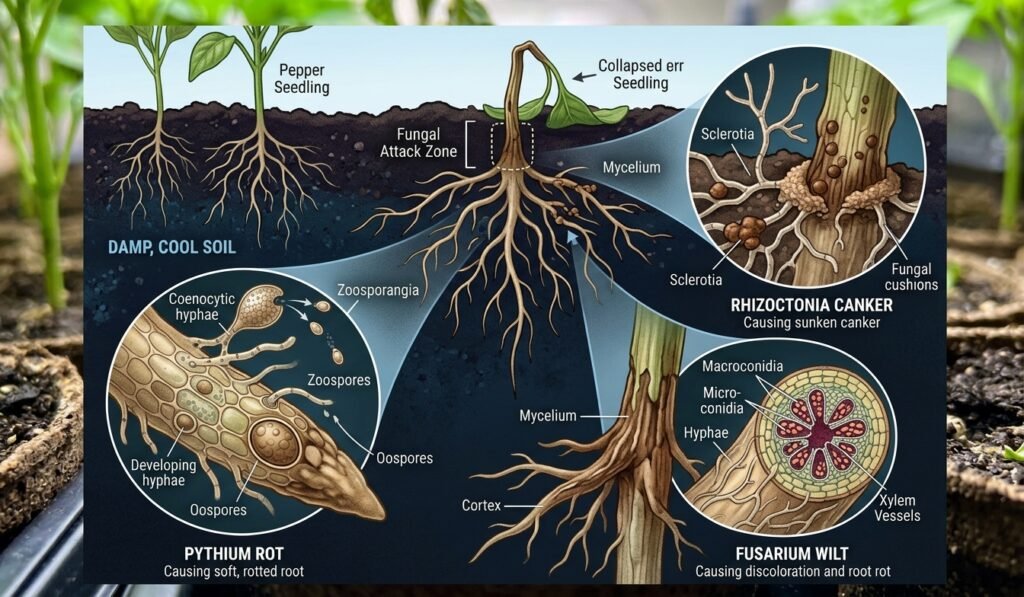
Peppers also love heat. They want warm soil to sprout. But many growers keep the whole tray warm and wet at the same time and that mix is perfect for fungal growth. After sprouting the young seedlings grow slowly. The stem stays thin and soft for weeks. Until the stems get tougher they are easy targets.
A real life example. A friend of mine started a tray of jalapeno seeds on a bathroom shelf with a plastic dome. The room was warm and humid and she watered every day. By day nine she lost more than half the seedlings. Nothing was wrong with the seeds. The setup was the problem.
How to Identify Damping Off Before It Kills Your Tray
Catching the problem early saves plants. The signs depend on when the fungus strikes. It can hit before the seed breaks the soil or after the plant comes up. Check your tray at least once a day and look closely.
Pre-Emergence Damping Off (Seeds Rotting Below Soil)
This type is the sneaky one. You sow the seeds and nothing happens. Weeks pass and the tray stays bare or only a few seedlings show up in a patchy pattern. Many growers blame old seed but the real cause is often rot underground.
If you dig up a seed that never sprouted you may find it soft and brown or mushy. The seed coat may look slimy. Sometimes you will see a fuzzy whitish mold on the soil surface or around the seed. Another clue is a sour or musty smell from the tray.
A tip. Before you give up on a tray wait the full germination time for your pepper type. Then gently check a few seeds. If they are firm and white inside they may still be alive. If they are mushy the soil is too wet or too cold or both.
Post-Emergence Symptoms (Pinched Stems and Sudden Collapse)
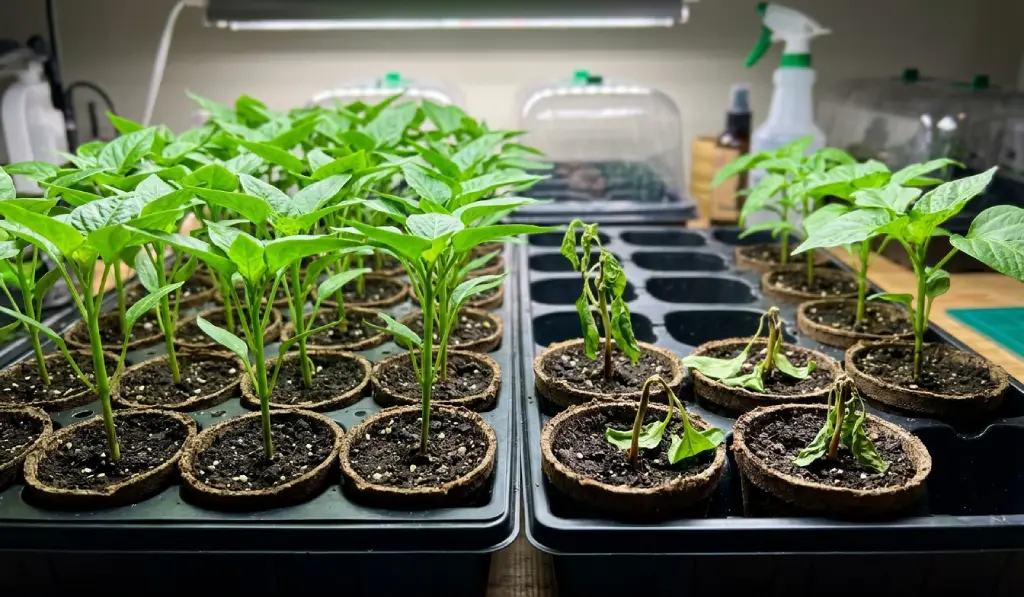
This form is what most people picture. The seedling comes up fine and starts out green and strong. Then the stem gets thin and water soaked right at the soil line. The spot may turn brown or gray. It looks pinched like someone squeezed it with tweezers.
Within hours the whole seedling can fall over. The leaves may still look green for a short time but the plant cannot stand or drink. You might also notice a wilt even though the soil is wet. That is a clue that the roots or stem base have rotted.
The damage often spreads in a circle from one point. Healthy seedlings next to the dead ones are at risk so act fast. Seedlings with their first true leaves are less likely to get hit. Damping off mostly strikes in the first two to three weeks.
5 Proven Ways to Prevent Damping Off in Pepper Trays
Prevention is far easier than a cure. Once a seedling collapses you cannot bring it back. The steps below work together. Think of them as layers of protection for your tray. You do not need fancy gear for any of them.
Start with cleanliness. If you reuse trays or pots wash them well. Scrub off old soil. Then soak them for ten minutes in a bleach solution made from one part bleach and nine parts water. Rinse and let them dry. This simple sanitation step kills many germs that would otherwise carry over from last season.
Using Sterile Seed-Starting Mix vs. Garden Soil
Never fill your trays with soil from the yard. Garden soil is full of fungus and bugs and it holds too much water. It also packs down and chokes tiny roots. Even rich compost can carry the pathogen unless it is fully finished and well made.
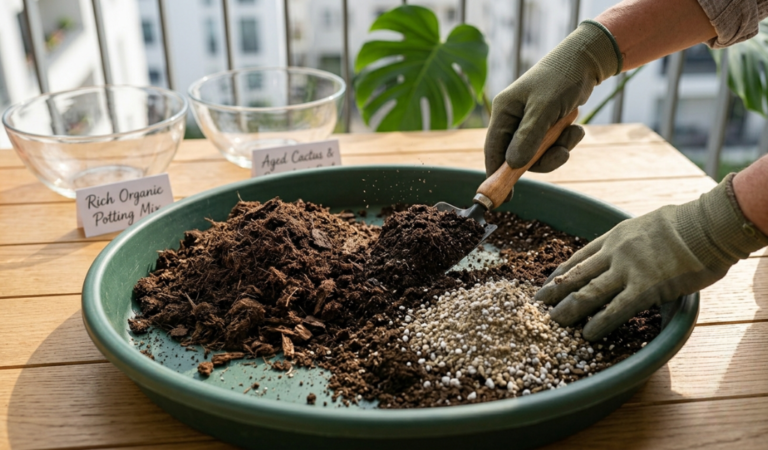
A fresh seed starting mix is the best defense. These bags hold light and fluffy ingredients such as peat or coco coir along with perlite or vermiculite. They are clean and drain well. The loose texture lets roots breathe and keeps the soil from staying waterlogged. Always open a new bag for each season if you can.
A handy trick is to sprinkle a thin layer of dry vermiculite or coarse sand over the top of the soil after you sow. The surface stays dry which makes it hard for the fungus to grow near the stem. Some growers also dust the top with a little sulfur powder or ground cinnamon. These have not been proven in strong studies but many gardeners report fewer problems.
Airflow and Ventilation (The Power of Small Fans)
Still and humid air is a gift to fungus. Good airflow dries the soil surface and keeps the damp air from settling around the stems. It also makes the seedlings stronger. A gentle breeze makes the stems wiggle and in response the plant builds thicker and tougher tissue.
A small fan set on low is all you need.  Place it so it moves air across the tray rather than blowing straight on the plants. Run it for a few hours each day. You should see the leaves tremble a little and nothing more. If you grow in a greenhouse open vents on warm days to ventilate the space.
Plastic domes are useful for the first few days but they trap humidity. Once most of the seeds have sprouted take the dome off or prop it open. If you see water drops inside the dome all day it is time to remove it. In a poorly ventilated room even a cracked window can help.
When you sow keep the seeds spaced out. Crowded seedlings block air and hold moisture. Thin them with small scissors if the tray gets thick. Cut the extra stems at the soil line rather than pulling them since pulling can harm the roots of the neighbors.
Bottom Watering and Soil Moisture Control
Overwatering is the number one cause of damping off. Peppers want soil that stays lightly damp and not wet. Pouring water from the top can splash spores and soak the surface right where the stem meets the soil.
Try bottom watering instead. Set your cell tray or pots in a shallow tray with about an inch of water. Let them soak up the water for 20 to 30 minutes. Then pour off whatever is left. The soil gets moist from below and the top stays drier. This one habit has saved many trays.
Check the soil before you water. Poke a finger an inch into the mix. If it feels damp skip the water. If it feels dry add some. Lift the tray now and then to learn how heavy it feels when it is wet and how light it feels when it is dry. Make sure each pot has drain holes and never let a tray sit in water for hours.
Some growers use a weak tea of seaweed or chamomile tea to water seedlings. Chamomile contains natural compounds that may slow fungus. Garlic water is another home trick. The science is thin but the practice does no harm and some people swear by it. Use them in addition to good habits and not as a replacement.
Temperature Management and Seedling Heat Mats
Pepper seeds sprout best when the soil is between 80 and 85 degrees Fahrenheit. A heat mat is a great tool for this. It keeps the soil warm so seeds germinate faster. Faster sprouting means less time for the fungus to attack.
There is a catch. Once the seedlings are up you should lower the heat. Warm and humid air plus a wet tray equals trouble. After the first true leaves appear move the tray off the mat or turn the mat down so the soil sits near 70 to 75 degrees. A cheap soil thermometer helps you check.
Avoid cold spots too. Pythium thrives in cool soil. A tray on a cold windowsill or a chilly garage floor can stay wet and cold for days. Keep seedlings in a steady and warm room with plenty of light. Strong light from a grow lamp or a sunny window keeps the stems short and sturdy.
Timing matters as well. Count back from your last frost date to plan when to sow. Peppers usually start about eight to ten weeks before that date. If you sow too early you end up with big leggy plants that must wait inside. If you sow too late you rush the plants. Start on time and you will have fewer problems.
Emergency Steps: Can You Save Pepper Seedlings with Damping Off?
Here is the honest answer. A seedling with a collapsed stem is gone. The rot has destroyed the tissue and no spray or drench can fix it. But you may still save the rest of the tray if you move quickly.
Step one. Pull out affected plants immediately. Take the whole seedling and the soil around it.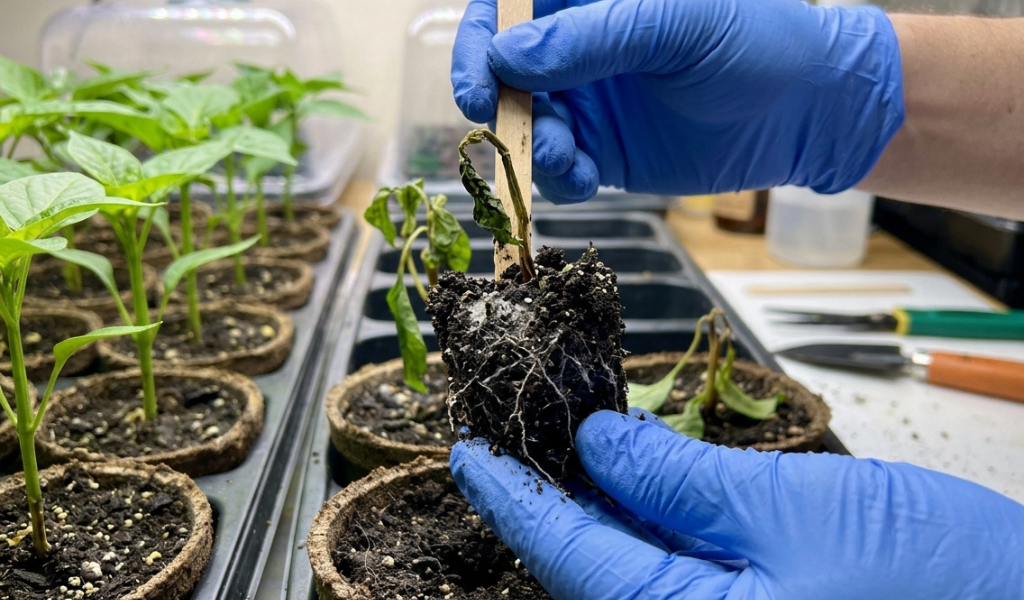 Put them in a bag and throw them out. Do not compost them. Wash your hands and any tools so you do not spread the germs.
Step two. Cut back on water. Let the top of the soil dry out. Move the tray to a spot with better airflow and turn on the fan. Take off the dome. If the room is cool add a little warmth but not too much.
Step three. Add dry material to the top. A thin layer of dry perlite or sand can help soak up moisture right at the stem. You can also scrape off the top half inch of soil around healthy plants if you see fuzzy mold and replace it with fresh dry mix.
Step four. Consider a drench. Some growers water the tray once with a weak chamomile tea or a mild hydrogen peroxide mix. Others use a biological product made from helpful microbes such as Trichoderma or Bacillus. These work best as prevention but can slow an outbreak. Chemical control with a fungicide is a last resort for most home growers. If you pick a pesticide product read the label and make sure it is made for seedlings and for edible plants.
Step five. Be ready to start again. If most of the tray is lost it is often faster and safer to clean everything and sow new seeds in fresh mix. Peppers are slow but a second try is better than nursing a sick tray for weeks. Many growers keep spare seed for this reason.
Good news for survivors. Once a seedling grows past the first few weeks the stem hardens and the risk drops a lot. Healthy plants can outgrow the problem and bounce back if you fix the conditions. When it is time to harden off and transplant them into the garden keep the same careful habits. Water in the morning and give them space and good airflow in the bed.
Final Thoughts: Grow Strong Pepper Seedlings Every Time
Damping off in pepper seedlings looks scary but it is very preventable. The recipe is simple. Use clean trays and fresh seed starting mix. Water from the bottom and avoid overwatering. Keep air moving with a small fan. Use heat to sprout the seeds then ease back once they are up.
If you spot a problem remove the sick plants fast and dry the tray out. Then fix the growing conditions and try again if needed. Every grower learns a lesson from a lost tray and the next batch always does better.
Ready to try these tips? Grab a clean tray and a bag of fresh mix and sow your next batch this week. Bookmark this plant guide and share it with a friend who grows peppers. A few small changes now will give you a tray full of healthy plants ready for the garden.
Frequently Asked Questions (FAQ)
1. What causes damping off in pepper seedlings?
Soil-borne fungi such as Pythium and Rhizoctonia and Fusarium cause it. They grow fast when the soil is wet and the air is still. Cool soil and crowded trays make it worse.
2. Can I save a seedling that has already collapsed?
No. Once the stem rots at the soil line the plant cannot recover. Remove it right away to protect the other seedlings and fix the growing conditions.
3. How can I tell the difference between damping off and overwatering?
Overwatered seedlings turn yellow and look weak but the stem stays firm. With damping off the stem gets thin and dark at the soil line and the plant falls over. Overwatering often leads to damping off so treat both as warning signs.
4. Should I use a fungicide on my seedlings?
Most home growers do not need one. Clean tools and fresh mix and good airflow work well. If you choose a product pick one made for seedlings and follow the label with care.
5. Can I reuse seed trays and pots?
Yes if you clean them first. Scrub off old soil and soak them in a bleach solution of one part bleach to nine parts water. Rinse well and dry before you fill them.
6. Is it safe to use the same soil again?
It is better not to. Old mix can carry the fungus from last season. Use a new bag of seed starting mix each time for the best results.
7. When are pepper seedlings safe from damping off?
Risk drops once the seedlings have their first true leaves and a thicker stem. That is usually after two to three weeks. Keep good habits going until you transplant them outside.