Is Bell Pepper a Fruit? Botanical Facts Explained with Expert’s Guide
Is Bell Pepper a Fruit? The Complete Answer
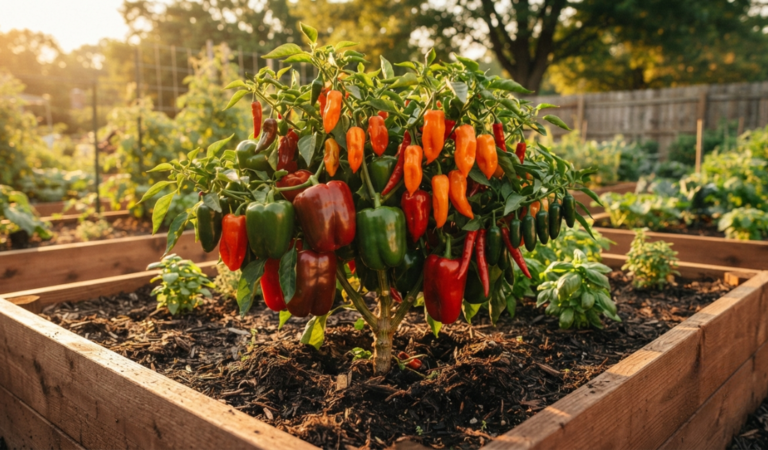
If you have ever stood in the produce aisle wondering whether that shiny red bell pepper belongs in the fruit basket or the vegetable bin, you are not alone. The question “is bell pepper a fruit” pops up in kitchens, science classrooms, and dinner table debates all the time. The short answer is yes, botanically speaking, a bell pepper is a fruit. But the full story is a lot more interesting than a one-word answer, and it touches on plant biology, cooking traditions, and even nutrition.
Before we dig into the science, a quick practical note. If you plan to slice into hot peppers alongside your bell peppers, wear gloves when handling hot peppers. Capsaicin, the compound that gives chili peppers their heat, can linger on your skin and cause irritation if it later touches your eyes or face. Bell peppers themselves are mild and safe to handle bare handed, but it is a good habit to keep in mind if you are working with a mixed batch of peppers in the kitchen.
Now let’s get into why this everyday vegetable on your plate is technically a fruit, how it grows, when it ripens, and what that means for your health and your grocery list.
Is Bell Pepper a Fruit or Vegetable?
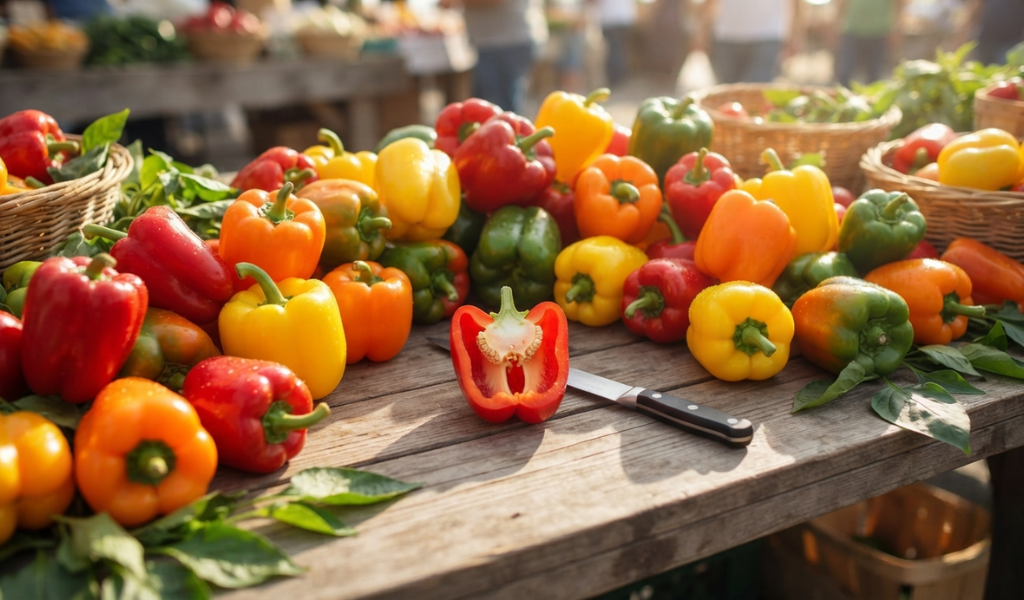
This is where most of the confusion starts, and honestly, both answers are correct depending on who you ask. A botanist will tell you without hesitation that a bell pepper is a fruit because it grows from a flower and holds the seeds of the plant. A chef or home cook will just as confidently call it a vegetable because that is how it is used in the kitchen, tossed into salads, stir fries, and roasted dishes alongside onions and carrots.
The truth is that “fruit” and “vegetable” are not competing scientific categories. Fruit is a botanical term with a strict definition. Vegetable is a culinary term based on taste, texture, and how a food is typically served. A bell pepper can check both boxes at once, and that is exactly what makes this topic fun to explore.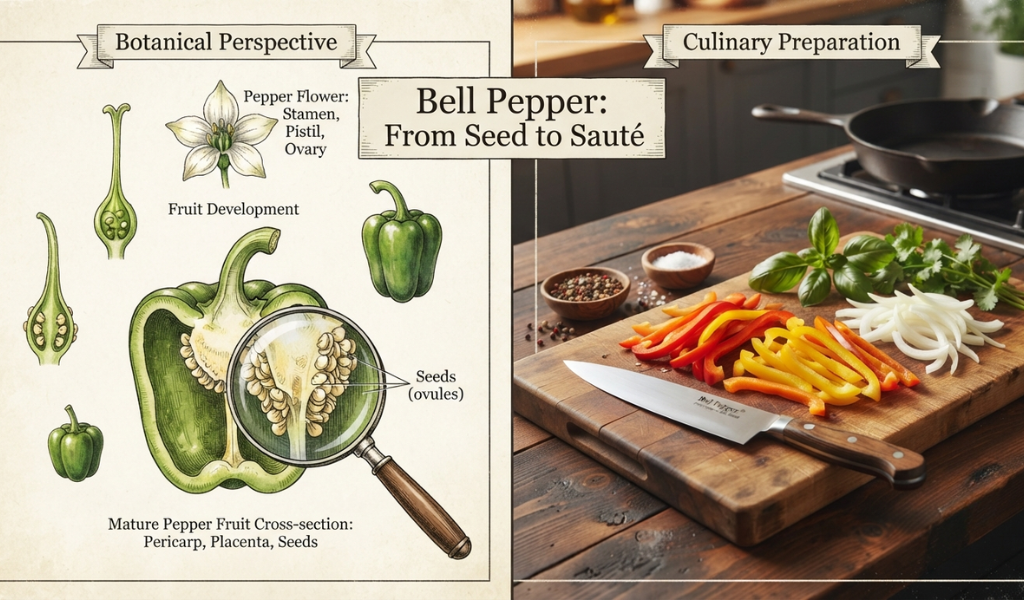
Why Bell Peppers Are Botanically Fruits
In plant science, a fruit is defined as the mature ovary of a flowering plant, usually containing seeds. Once a flower on a pepper plant is pollinated, the base of that flower begins to swell and develop into the pepper we eventually pick. Inside, you will always find seeds clustered around a central core, which is the clearest sign that you are dealing with a fruit rather than a true vegetable.
This same rule applies to tomatoes, cucumbers, squash, and even avocados. All of them grow from a pollinated flower and carry seeds inside, so botanists group them with apples and oranges rather than with root vegetables like carrots or leafy greens like spinach. Bell peppers fit neatly into this same family of foods that we eat as vegetables but classify as fruits.
Reason Behind Botanists Classify Bell Peppers as Fruits
Botanists rely on structure, not flavor, when sorting plants into categories. A vegetable, in the strict sense, refers to other edible parts of a plant such as roots, stems, and leaves. Carrots are roots. Celery is a stem. Lettuce is a leaf. None of these parts develop from a flower’s ovary, so none of them are classified as fruits.
A bell pepper, on the other hand, checks every box on the botanical fruit checklist. It forms from a fertilized flower, it develops a fleshy wall around its seeds, and its entire purpose in nature is to protect and eventually spread those seeds. This is the same reproductive strategy used by apples, cherries, and pumpkins. When you cut open a bell pepper and see the pale seeds resting inside, you are looking at direct evidence of its fruit status.
Why Bell Peppers Are Called Vegetables in Cooking
So if the science is so clear, why does almost everyone call bell peppers a vegetable? The answer comes down to taste and tradition rather than biology. Culinary classification groups foods by how they are used at the table. Sweet, dessert-style foods like apples, berries, and melons are called fruits. Savory, less sweet foods that are typically cooked and served alongside a main dish are called vegetables.
Bell peppers are mild, slightly sweet but mostly savory, and they show up in savory dishes far more often than sweet ones. Think of fajitas, stuffed peppers, or a simple vegetable stir fry. Because of this everyday usage, cooks and grocery stores lump bell peppers in with onions, broccoli, and zucchini under the vegetable label. This is purely a matter of convention, not a scientific disagreement, and it is worth remembering the next time someone insists a tomato or a pepper cannot possibly be a fruit.
What Makes a Bell Pepper a Fruit?
To really understand this classification, it helps to look at how a bell pepper actually forms on the plant, starting from the flower all the way to the fruit you pick and eat.
The Role of Flowers and Seeds
Every bell pepper begins as a small white or pale green flower. Once that flower is pollinated, usually by bees or other insects, the plant no longer needs the petals, and they wither away. What remains is the ovary, which starts to grow and thicken into the familiar pepper shape. Inside this growing structure, seeds begin to form in neat clusters near the stem, held in place by a soft white membrane.
Those seeds are the entire reason the fruit exists in the first place. In nature, the fleshy body of the pepper is designed to protect the seeds while they mature and, eventually, help spread them so the plant can reproduce. This seed-bearing structure is the single clearest marker that separates a fruit from a true vegetable.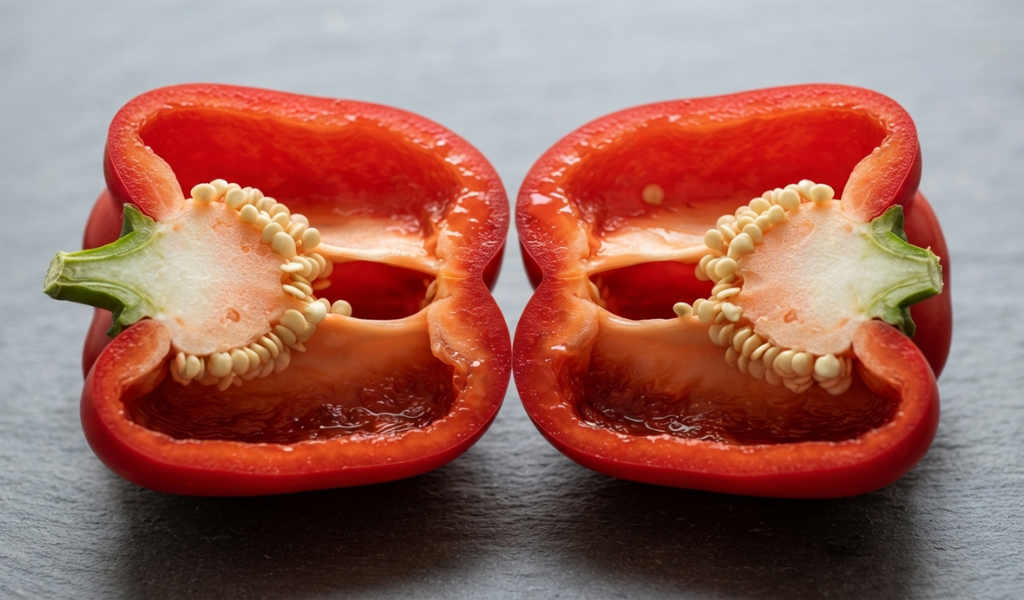
How Bell Peppers Develop on the Plant
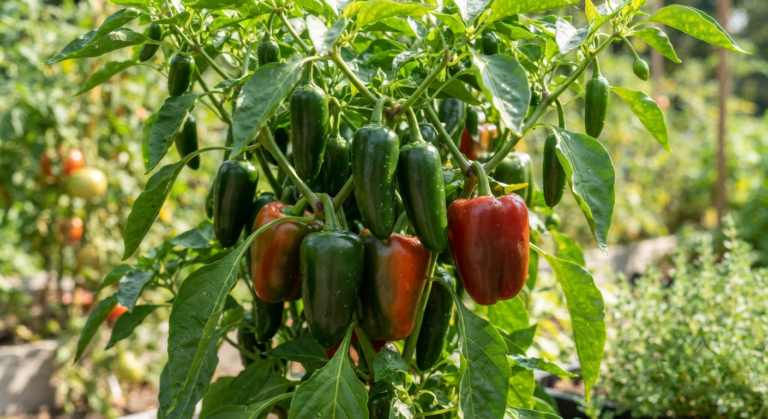
After pollination, a bell pepper takes several weeks to grow to full size. It starts small and green, gradually expanding as the plant feeds it nutrients and water. During this stage, the walls of the pepper are still firm and the flavor is grassy and slightly bitter, which is why green bell peppers taste different from their more colorful siblings.
As the pepper matures further, it may stay green or begin to change color depending on the variety. This transformation is a natural part of ripening, similar to how a green tomato eventually turns red. The plant continues to support the fruit until it is either harvested or left to fully ripen and drop its seeds naturally.
Are Bell Peppers Related to Chili Peppers?
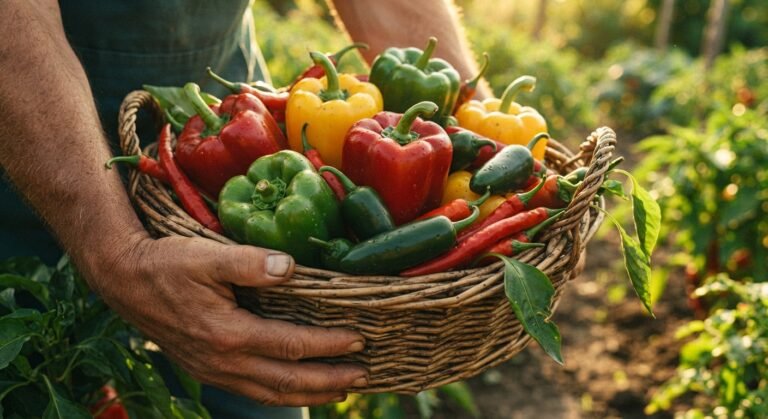
Yes, bell peppers and chili peppers are close relatives. Both belong to the genus Capsicum, which is part of the nightshade family along with tomatoes, eggplants, and potatoes. The main difference between them comes down to a single gene that controls capsaicin production, the compound responsible for spicy heat.
Bell peppers carry a recessive gene that blocks capsaicin production almost entirely, which is why they taste sweet and mild instead of hot. Chili peppers like jalapenos, habaneros, and cayenne peppers still produce capsaicin in varying amounts, giving them their signature kick. Despite this difference in heat, both bell peppers and chili peppers develop the same way, growing from pollinated flowers and containing seeds, so both are classified as fruits in botanical terms. This is another reason to always wear gloves when handling hot peppers, since the capsaicin in their relatives can transfer easily to your skin even during simple prep work.
When Do Bell Peppers Become Ripe?
Ripening is one of the more interesting parts of the bell pepper story, and it explains why you see the same pepper sold in several different colors at the store.
Green Bell Peppers
Green bell peppers are simply unripe peppers. They are picked earlier in the growing cycle, before the plant has had a chance to fully mature the fruit. This early harvest gives green peppers their firmer texture and a slightly bitter, grassy flavor that many people associate with classic stir fry or fajita recipes. Farmers often harvest some peppers green because it allows the plant to redirect energy into producing more fruit, increasing overall yield.
Fully Ripe Colored Bell Peppers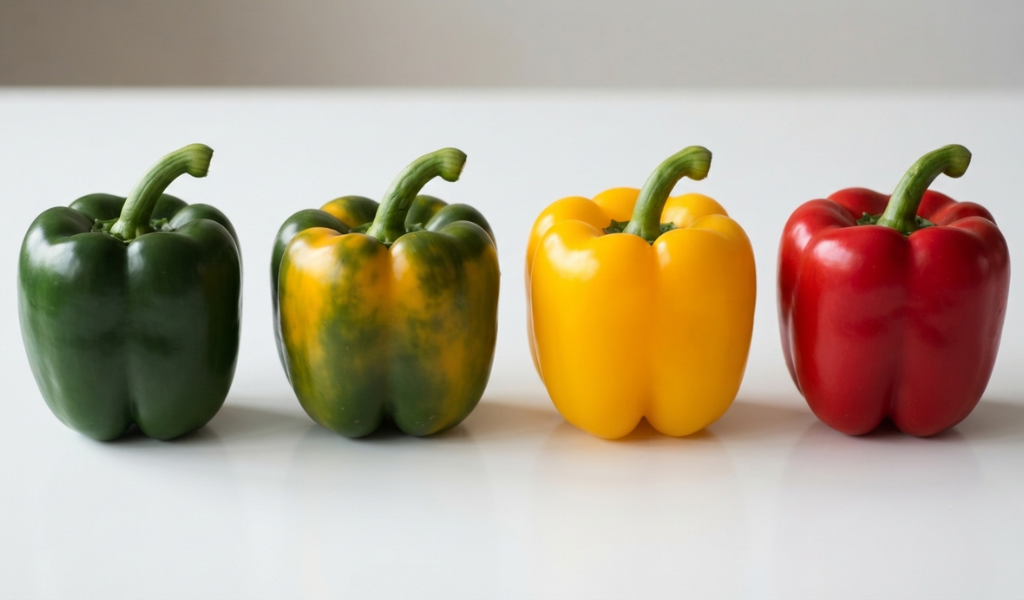
If left on the plant longer, that same green pepper will gradually turn yellow, orange, or red depending on the variety. This color change signals that the fruit has fully ripened. During this process, the natural sugars inside the pepper increase, which is why red and yellow peppers taste noticeably sweeter than green ones. Fully ripe peppers also tend to be softer and more fragrant, and they are often preferred in dishes where a milder, sweeter flavor is wanted, such as roasted vegetable platters or fresh salads.
Are All Bell Pepper Colors Fruits?
Color has no effect on whether a bell pepper counts as a fruit botanically. Every bell pepper, no matter its stage of ripeness, developed from a pollinated flower and contains seeds, which means all of them meet the scientific definition of a fruit.
Green Bell Peppers
Even though green peppers are harvested before they ripen, they still form from the same flower and seed structure as their ripe counterparts. The only difference is timing. A green pepper is a fruit that simply has not finished its natural ripening process yet, much like an unripe green banana is still technically a fruit.
Red, Yellow, and Orange Bell Peppers
Red, yellow, and orange peppers are the same fruit at a later stage of development. As they ripen, chlorophyll breaks down and other pigments such as carotenoids become visible, giving the pepper its bright color. Nutritionally, these ripened peppers often contain higher levels of vitamin C and antioxidants compared to their green counterparts, making them a slightly more nutrient-dense choice, though all colors remain a healthy option.
Bell Pepper vs. Other Common Fruits
It can be easier to accept the bell pepper as a fruit when you compare it side by side with foods everyone already agrees are fruits. Apples, oranges, and strawberries all grow from flowers, contain seeds, and are classified as fruits in botany, just like bell peppers. The real difference lies in taste and sugar content. Apples and strawberries are naturally sweet, which places them in the culinary fruit category as well. Bell peppers lean more savory, so cooks file them under vegetables instead.
Tomatoes make for an especially good comparison since they went through this exact same debate. Tomatoes are botanically fruits, yet in 1893 the United States Supreme Court ruled that tomatoes should be taxed as vegetables because of how they are commonly eaten. Bell peppers sit in that same gray area, proving that food categories often depend more on culture and cooking habits than on strict science.
Nutritional Benefits of Bell Peppers
Regardless of how you classify them, bell peppers are a genuine nutritional powerhouse. They are low in calories yet packed with vitamin C, often containing more of it than an equivalent serving of citrus fruit. They also provide vitamin A, vitamin B6, folate, and a good amount of dietary fiber, which supports healthy digestion.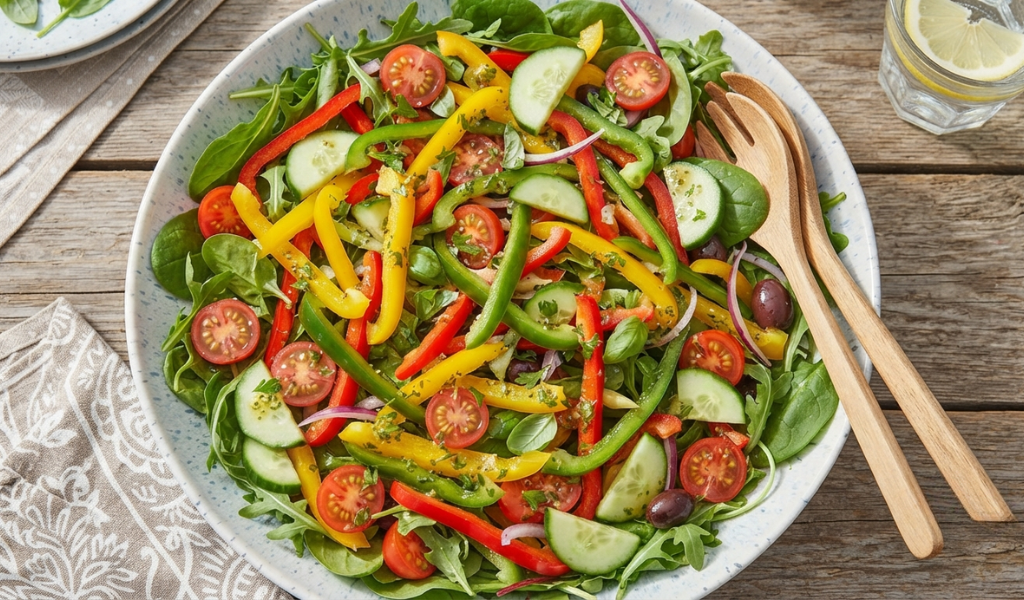
Bell peppers are rich in antioxidants such as beta carotene and various carotenoids, especially in their red and yellow forms. These compounds help protect your cells from damage caused by free radicals. On top of that, bell peppers are naturally low in fat and sodium, making them a smart addition to almost any balanced diet, whether you are eating them raw in a salad or roasted as a side dish.
Are Bell Peppers Healthy to Eat?
Bell peppers are one of the more versatile and health friendly foods you can add to your weekly meals. Their high water content and fiber make them filling without adding many calories, which is helpful if you are watching your weight. The vitamin C content supports your immune system and helps your body absorb iron more efficiently from other foods you eat alongside them.
Eating a mix of colors is a simple way to get a wider range of nutrients, since red and yellow peppers tend to have higher antioxidant levels than green ones. They are also naturally gluten free and suitable for most diets, including vegetarian, vegan, and low carb eating plans. Whether sliced raw for a snack, grilled on skewers, or blended into a soup, bell peppers offer real nutritional value with very few downsides for most people.
Final Thoughts
So, is bell pepper a fruit? Botanically, yes, without question. It grows from a flower, holds its seeds inside, and follows the same reproductive process as apples, tomatoes, and cucumbers. In the kitchen, it will likely always be treated as a vegetable, and that is perfectly fine, since food categories in cooking are built around flavor and tradition rather than plant science.
Understanding this distinction does not just settle a fun trivia question, it also gives you a better appreciation for how plants grow and why the produce aisle is organized the way it is. Next time you slice into a crisp bell pepper, whether green, red, yellow, or orange, you will know exactly what you are holding, a fruit that just happens to live its best life in savory dishes. And if hot peppers are on your cutting board too, remember to wear gloves when handling hot peppers to keep your prep work comfortable and irritation free.
Frequently Asked Questions About Bell Peppers
Is bell pepper a fruit or a vegetable?
Botanically, a bell pepper is a fruit because it grows from a pollinated flower and contains seeds. In cooking, it is treated as a vegetable because of its savory flavor and how it is typically prepared.
Why do green bell peppers taste different from red ones?
Green bell peppers are harvested before they fully ripen, giving them a firmer texture and a slightly bitter, grassy taste. Red peppers are left to ripen longer, which increases their natural sugar content and makes them noticeably sweeter.
Are bell peppers related to spicy chili peppers?
Yes, bell peppers and chili peppers both belong to the Capsicum genus. Bell peppers carry a gene that blocks capsaicin production, which is why they taste mild while their chili relatives are spicy.
Do I need to wear gloves when cutting bell peppers?
Bell peppers themselves do not require gloves since they contain little to no capsaicin. However, it is a good idea to wear gloves when handling hot peppers if you are cutting them on the same board or right after, to avoid accidental skin irritation.
Which bell pepper color is the healthiest?
All bell pepper colors offer good nutrition, but red and yellow peppers generally contain higher levels of vitamin C and antioxidants than green peppers because they have had more time to ripen.
Can bell peppers be eaten raw?
Yes, bell peppers are delicious and safe to eat raw. Many people enjoy them sliced in salads, paired with dips, or eaten on their own as a crunchy snack.
Why are tomatoes and bell peppers both called fruits by scientists?
Both tomatoes and bell peppers develop from pollinated flowers and contain seeds inside, which meets the scientific definition of a fruit, even though both are used as savory ingredients in cooking.