Can You Use Cactus Potting Soil for Peppers? A Complete Growing Guide for Pepper Plants
Peppers are one of the most rewarding garden vegetables you can grow. From sweet peppers and banana peppers to fiery ghost peppers that register extreme scoville heat units, there’s a variety for every gardener and every taste. But here’s a question that comes up more often than you’d think: can you use cactus potting soil for peppers?
It’s a fair question. Cactus potting soil is widely available, affordable, and known for its excellent drainage. If you’ve got a bag sitting around from a succulent project, it’s tempting to reach for it when potting pepper plants. But is it actually a good idea?
This guide covers everything you need to know from how cactus mix compares to standard potting soil, to when it works well, when it falls short, and exactly how to amend it for a high-yielding pepper harvest. Whether you’re growing bell peppers on a balcony or hot peppers in a raised bed, you’ll find practical, real-world advice here. Even a black pepper plant, though technically a tropical vine rather than a Capsicum, shares some of the same soil preferences and the principles in this guide apply broadly.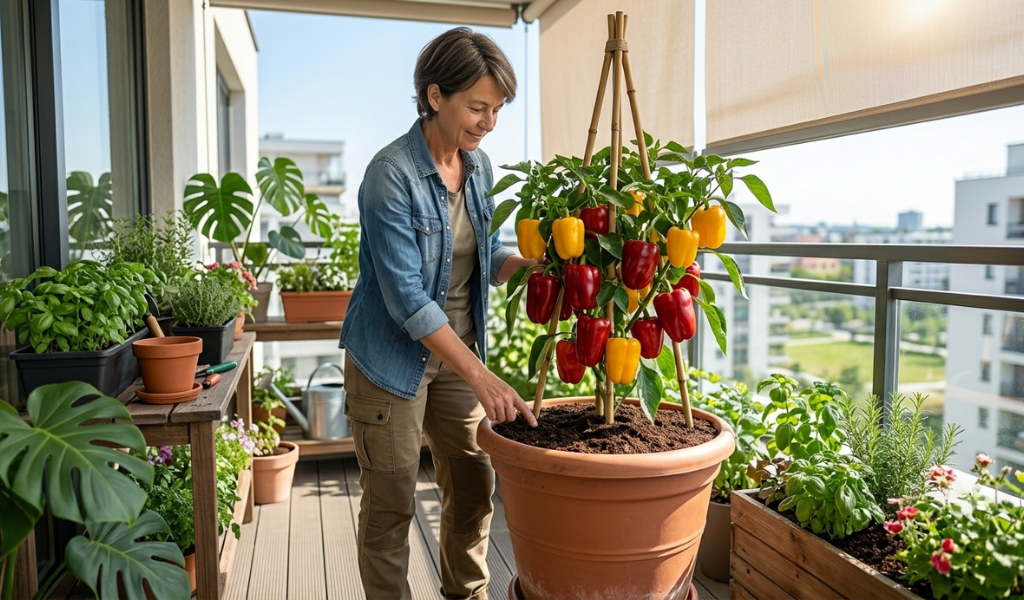
Is Cactus Potting Soil Good for Pepper Plants?
What Makes Cactus Soil Different?
Cactus potting soil is designed for plants that are naturally drought tolerant plants like succulents and cacti that store water and thrive in arid conditions. To achieve this, manufacturers blend the mix with large amounts of coarse sand, perlite, and grit. The result is a fast-draining medium that sheds water quickly and stays dry between waterings.
Standard potting mix, by contrast, contains a higher proportion of organic material things like sphagnum peat moss, compost, and coco coir that hold moisture and provide a steady supply of nutrients over time. For most vegetables, including peppers, this moisture-retentive base is essential for consistent growth. 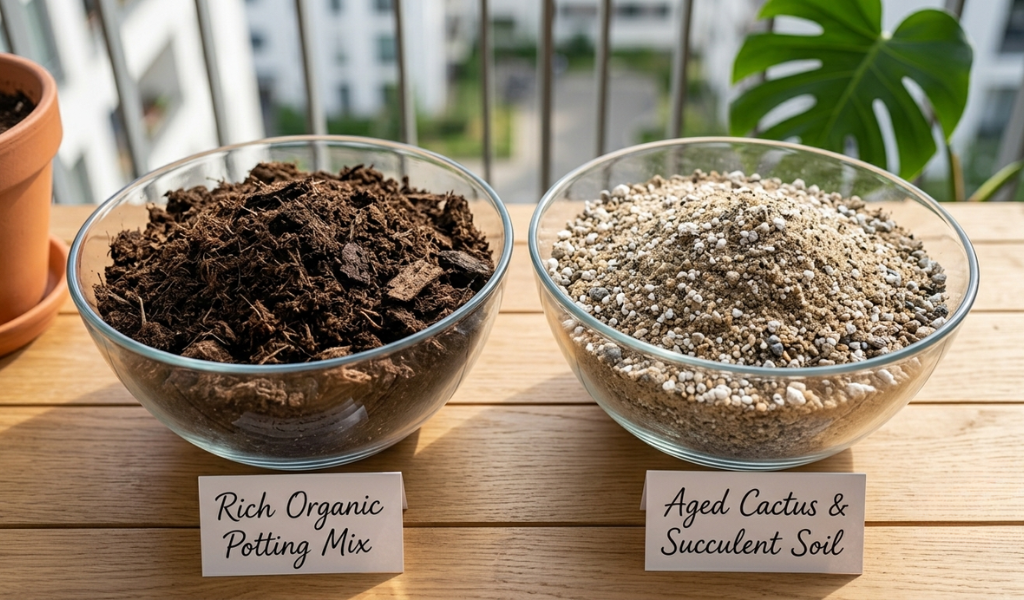
Do Peppers Thrive in Fast-Draining Soil?
Peppers do prefer well-draining soil that much is true. They are sensitive to waterlogged roots and will develop root rot if left sitting in soggy conditions. However, well-draining doesn’t mean bone dry. Pepper plants need consistent moisture, especially during flowering and fruiting. Soil that drains too aggressively can leave roots without enough water to sustain healthy growth.
So while cactus mix addresses the drainage side of the equation, it often misses the mark on moisture retention and fertility.
Pros and Cons of Using Cactus Mix for Peppers
Pros:
- Prevents overwatering and root rot
- Lightweight and great for containers
- Ideal in humid or rainy climates
- Works well when amended with compost or organic fertilizers
Cons:
- Dries out faster than peppers prefer
- Low in nutrients compared to quality potting soil
- May require more frequent watering
- Not ideal as a standalone mix for long-season crops
The verdict? Cactus potting soil can work for peppers but not straight out of the bag. With the right amendments, it becomes a solid foundation for a productive crop.
Understanding the Soil Needs of Pepper Plants
Ideal Soil Texture and Structure
Pepper plants grow best in loamy soil, a balanced blend of sand, silt, and loam that drains well without drying out too fast. Loamy soil also allows roots to spread freely, which supports strong plant development and better fruit production. Whether you’re gardening in-ground or growing peppers in containers, texture matters.
Preferred Soil pH for Healthy Pepper Growth
Peppers prefer a slightly acidic to neutral pH, ideally between 6.0 and 6.8. Outside this range, plants struggle to absorb key nutrients even when those nutrients are present in the soil. Before planting, it’s worth testing your mix especially if you’re blending your own. Many garden centers carry affordable pH testing kits.
Nutrients Peppers Need Throughout the Season
Peppers are moderate feeders. They need nitrogen early in the season to support leafy growth, then phosphorus and potassium as flowering and fruiting begin. Too much nitrogen during the fruiting stage can push the plant to produce excessive leaves at the expense of peppers so balance matters. Cactus soil typically contains very little plant food, which means you’ll need to supplement.
When Cactus Potting Soil Works Best for Peppers
Growing Peppers in Containers
Container gardening limits root space and often leads to waterlogged soil if drainage isn’t ideal. Cactus potting soil shines here. Its gritty texture keeps roots aerated and prevents water from pooling at the bottom of the pot. For peppers in containers, a blend that includes cactus mix is often better than a standard outdoor potting mix alone.
Preventing Root Rot in Wet Climates
Gardeners in rainy regions or areas with heavy clay-based ground know the frustration of waterlogged beds. Using cactus soil as part of a custom mix can counteract that tendency, giving roots the good drainage they need even when rainfall is heavy.
Situations Where Cactus Soil Is a Good Choice
- You’re growing peppers in pots indoors or on a patio
- Your climate is humid and water retention is already high
- You’re mixing your own custom blend and want to improve aeration
- You have leftover cactus soil from other plants and want to put it to use
How to Improve Cactus Potting Soil for Pepper Plants
Adding Compost for Better Fertility
Compost is the single best amendment you can add to cactus mix for growing peppers. It increases organic material content, introduces beneficial microbes, and delivers a slow, steady stream of nutrients throughout the growing season. Aim to blend one part compost into every two to three parts cactus soil. Worm castings work just as well and are gentle enough for young plants.
Mixing Coco Coir or Peat Moss for Moisture Retention
To fix the moisture retention problem, add coco coir or peat moss to your mix. Both materials absorb and hold water without becoming waterlogged. Coco coir is often preferred over peat because it’s more sustainable and has a more neutral pH. A ratio of about 20–25% coco coir in the overall mix is usually enough to balance out the fast-draining nature of cactus soil.
Using Organic Fertilizers to Boost Growth
Because cactus potting soil is nutrient-poor, a regular fertilizing schedule is essential. Start with a balanced organic fertilizer when transplanting, then switch to a lower-nitrogen formula once flowers appear. Brands like Miracle Gro offer pepper-specific options, while Bonnie Plants recommends regular feeding throughout the growing season for consistent results.
Best Soil Mix Recipe for Container-Grown Peppers
Recommended Mixing Ratios
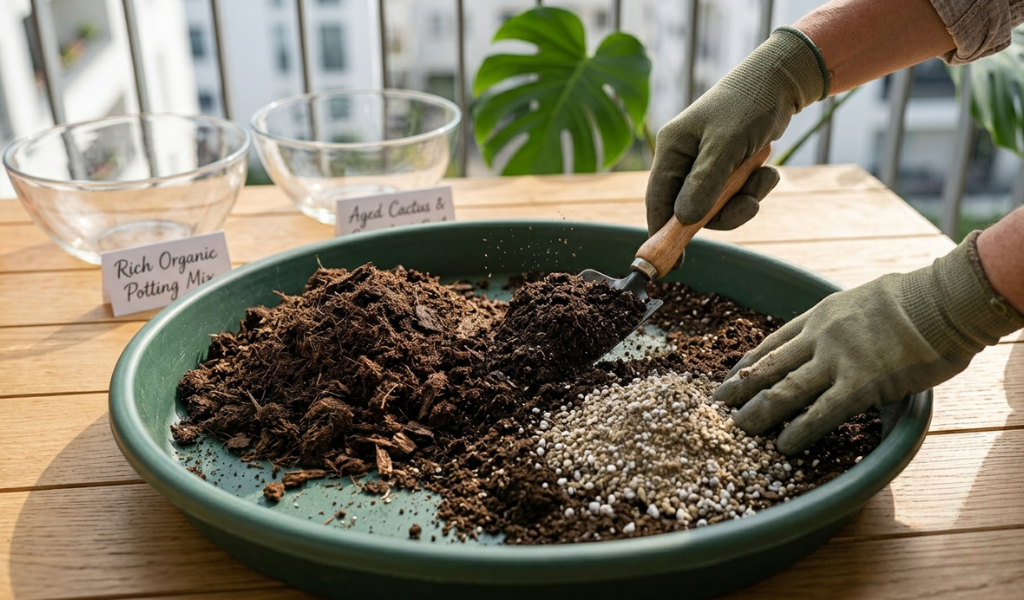
Here’s a reliable recipe that many experienced gardeners swear by for peppers in containers:
- 50% high-quality potting soil or standard garden mix
- 25% cactus potting soil or perlite for drainage
- 25% compost or worm castings for fertility
This blend gives you well-draining soil that still holds enough moisture for consistent pepper growth. It’s a great starting point for bell peppers, banana peppers, and most sweet peppers.
Ingredients That Improve Drainage and Aeration
Beyond perlite and cactus mix, you can add vermiculite to improve both drainage and moisture balance. Vermiculite is a naturally occurring mineral that holds some water while keeping the soil from compacting. It works especially well in deep containers where roots can grow down but need both air and moisture to do so.
Common Soil Mix Mistakes to Avoid
- Using garden soil alone in containers — garden soil compacts easily in pots and limits root growth
- Skipping compost — this leads to nutrient deficiencies mid-season
- Overloading with perlite — too much makes the mix nearly impossible to keep moist
- Ignoring pH — always check after mixing, especially when combining different products
Signs Your Pepper Plants Need a Different Soil Mix
Yellow Leaves and Slow Growth
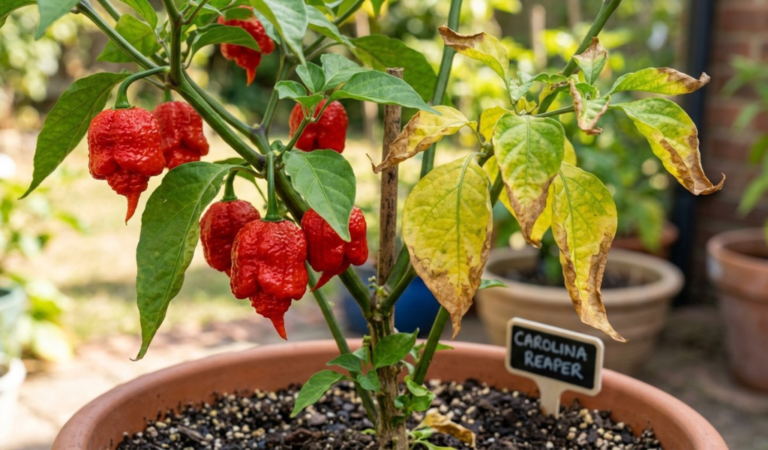
Yellowing leaves, especially on older lower growth, often signal a nitrogen deficiency. If your pepper plants are growing in pure cactus mix without added compost or fertilizer, this is one of the first problems you’ll notice. Slow, stunted growth alongside yellow foliage usually confirms the issue.
Wilting Despite Regular Watering
This one is counterintuitive. If your plants are wilting even though you’re watering regularly, the soil may be draining too fast. Water runs through before roots can absorb it. Alternatively, wilting in wet soil can signal root rot. In cactus mix, the former is more likely. Either way, the soil mix needs adjustment.
Poor Flowering and Low Pepper Production
If your plants look reasonably healthy but flower count is low or peppers ripen slowly and in small numbers, the issue may be nutrient imbalance or inconsistent moisture. Peppers need reliable growing conditions to produce well and a soil mix that swings between dry and wet extremes makes that difficult.
Expert Tips for Growing Healthy Peppers in Cactus Soil
Watering Practices for Fast-Draining Soil
The key rule: water when the top 1–2 inches of soil feel dry. With cactus-based mixes, this might mean watering every 2–4 days in hot weather. Deep, thorough watering is better than frequent shallow watering; it encourages roots to grow downward and become more resilient.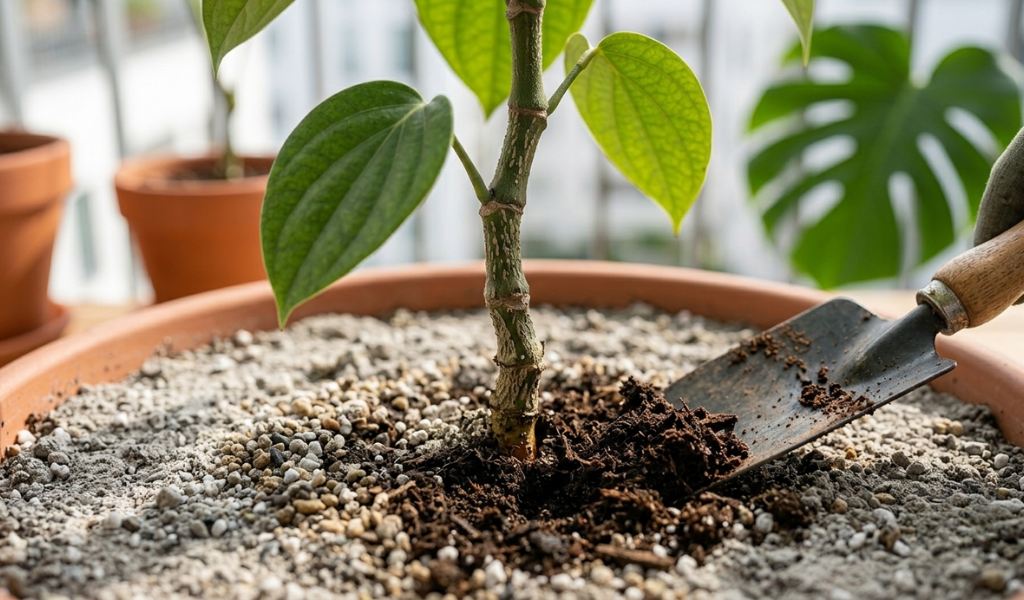
If you’re growing indoors or in a spot with limited airflow, check soil moisture with your finger before watering. Cactus soil can look dry on the surface while still holding some moisture deeper down.
Fertilizing Schedule for Maximum Yield
For peppers growing in cactus potting soil, a consistent fertilizing schedule is non-negotiable. Here’s a simple approach that works well:
- Weeks 1–4 after transplanting: Use a balanced fertilizer (e.g., 10-10-10) every two weeks
- Once flowering begins: Switch to a low-nitrogen, high-phosphorus formula to support fruiting
- Mid-season through harvest: Continue feeding every two to three weeks to maintain energy throughout the growing season
Peppers are a spring through fall crop in most climates. They’re sensitive to cool weather and should only go outdoors after the last frost date has passed and soil temperature consistently reaches at least 60°F. If there’s a danger of frost, bring container plants indoors overnight.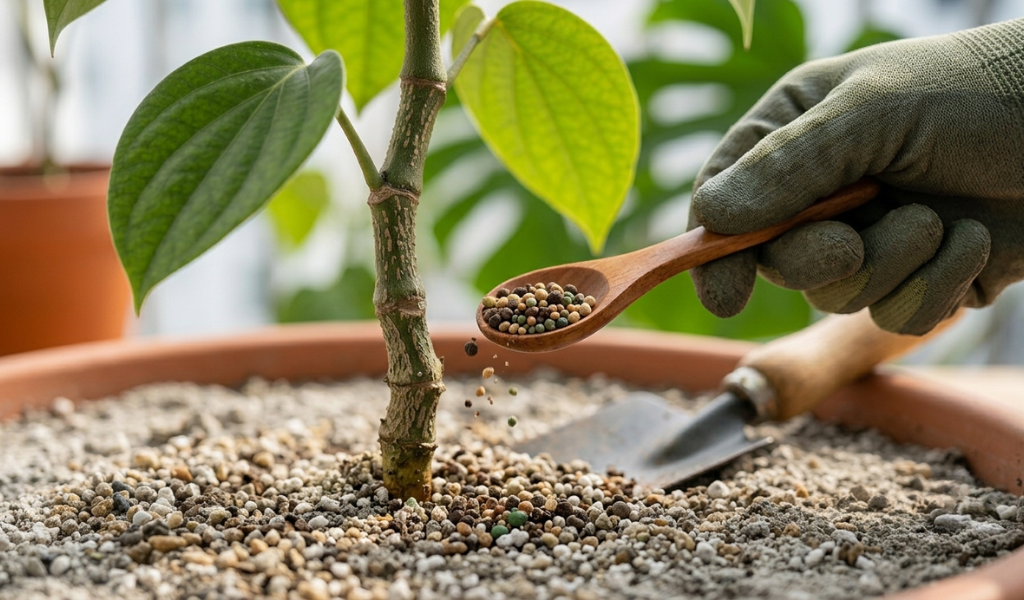
For best results, support taller varieties with a stake or cage once plants reach about 12 inches tall. This is especially important for high-yielding varieties that carry heavy fruit loads late in the season.
Pepper plants are relatively fast and easy to grow once established, but they need consistent care to reach their full potential — especially when grown in a non-standard mix like cactus soil.
Growing Great Peppers Starts with the Right Foundation
Cactus potting soil for peppers can absolutely work, it just needs a little help. On its own, cactus mix drains too fast and delivers too few nutrients for a long, productive growing season. But blend it with compost, coco coir, and a reliable fertilizing schedule, and it becomes a genuinely effective growing medium, particularly for gardeners dealing with overwatering issues or growing peppers in containers.
The goal is balance. Peppers want well-draining soil that doesn’t swing to extremes, not too wet, not too dry. Start with the 50/25/25 recipe above, monitor your plants closely, and adjust as needed. With the right setup, you can grow a productive, garden-to-table crop of peppers from mild sweet peppers to intensely hot varieties in almost any environment.
If you’re just getting started, pick up a quality potting soil, grab a bag of compost, and use cactus mix as one component of a broader blend. Your pepper plants will thank you for it.
Frequently Asked Questions About Cactus Potting Soil for Peppers
Can you grow peppers in cactus potting soil?
Yes, peppers can grow in cactus potting soil because it provides excellent drainage. However, cactus mixes are often low in organic matter and nutrients, so adding compost or a balanced fertilizer will significantly improve plant growth and pepper production.
Is cactus soil too dry for pepper plants?
Cactus soil dries out much faster than regular potting mix. Peppers dislike soggy roots, but they also need consistent moisture to grow well. You may need to water more frequently or mix in coco coir or compost to help the soil retain moisture between waterings.
How can I improve cactus potting soil for peppers?
Mix cactus soil with compost, aged manure, or a high-quality potting mix to increase fertility. Adding coco coir or peat moss can also improve water retention while maintaining good drainage the ideal balance for healthy pepper plants.
What is the best soil mix for container-grown peppers?
A reliable mix consists of approximately 50% quality potting soil, 25% cactus potting soil or perlite, and 25% compost or worm castings. This combination provides excellent drainage, nutrients, and enough moisture retention for strong growth.
How often should I water peppers growing in cactus potting soil?
Water when the top 1–2 inches of soil feel dry to the touch. Because cactus soil drains quickly, peppers in containers may need watering every 2–4 days during hot weather, depending on climate and pot size.
Can I use cactus potting soil alone for peppers?
You can, but it’s not ideal for long-term growth. Since cactus soil contains fewer nutrients and holds less moisture, peppers generally perform better when the mix is amended with compost and supported with a regular fertilizing schedule.
When should I start pepper seeds if I’m using a cactus-based mix?
Pepper seeds germinate best in a dedicated seed starting mix, not cactus soil. Start seeds indoors 8–10 weeks before your last frost date in a warm, moist environment where soil temperature stays around 80–85°F. Once seeds germinate and young plants are established, transplant them into your amended cactus soil mix.