How to Save Pepper Seeds: A Complete Guide for Gardeners
If you’ve ever bitten into a pepper so good you wished you could grow it again next year, you’re already thinking like a seed saver. Learning how to save pepper seeds is one of the most rewarding skills a home gardener can develop. It saves money, preserves flavor, and keeps your favorite varieties coming back season after season.
This guide covers everything from choosing the right peppers to save seeds from, to drying and storing them properly so they’re ready to germinate next spring. Whether you grow sweet bell peppers, fiery hot peppers, or something in between, the process is simpler than most people expect.
Why Save Pepper Seeds?
Saving seeds from peppers has been a gardening tradition for thousands of years. Before seed companies existed, farmers kept their best plants going by simply setting aside seeds from their healthiest, most productive harvests. That tradition is just as valuable today.
Here’s why more gardeners are making seed saving a regular part of their routine:
It saves money. A single packet of pepper seeds can cost anywhere from $3 to $6, and some specialty varieties cost even more. Once you learn how to save pepper seeds, you essentially get free seeds every year from plants you already trust.
It preserves flavor and traits. Store-bought transplants are bred for uniformity and shelf life. Your garden-grown peppers, on the other hand, have already proven they can thrive in your specific soil, climate, and conditions. Saving seeds from these plants means you’re selecting for resilience and flavor over time.
It protects heirloom varieties. Many heirloom pepper varieties are not widely available commercially. Seed saving is one of the main ways these unique peppers stay in circulation.
It connects you to your garden. There’s something genuinely satisfying about planting seeds you harvested yourself. It closes the loop in a way that buying seeds never quite does.
Best Time to Save Seeds from Peppers
Timing is everything when it comes to harvesting pepper seeds. The seeds inside a pepper are only fully mature when the fruit itself is fully ripe. This is an important distinction that many first-time seed savers miss.
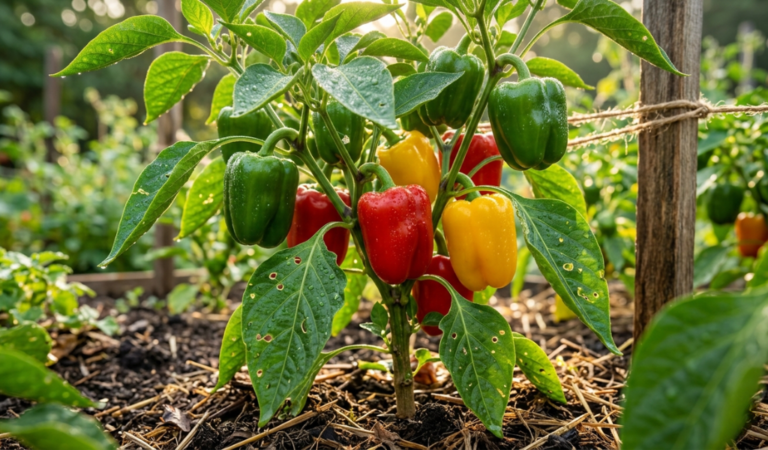
Green peppers, for example, are simply unripe versions of red, orange, or yellow peppers. The seeds inside green peppers have not yet fully developed and may not germinate reliably. To collect viable seeds, you need to let the pepper ripen completely on the plant until it reaches its final color.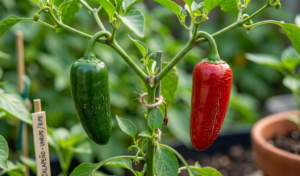
This means leaving the fruit on the plant longer than you normally would for eating. If you’re growing hot peppers like jalapeños or banana peppers, let them ripen past green all the way to red. Bell peppers should be left until they turn their full mature color. The flesh will soften slightly, which is a good sign the seeds inside are ready.
Don’t Use Hybrid Plants
Before you save seeds from any pepper, it’s worth knowing whether your plant is a hybrid or an open-pollinated variety. This distinction matters more than most gardeners realize.
Hybrid peppers, often labeled as F1 on seed packets, are created by crossing two different parent plants. The resulting seeds will not reliably reproduce the same pepper. If you save hybrid seeds and plant them next year, you might get something unexpected: a plant that looks or tastes completely different from the original.
Open-pollinated and heirloom varieties, on the other hand, produce seeds that grow true to the parent plant. This means each seedling will closely match what you grew this season.
How to Determine If Your Plant Is Hybrid
Check the seed packet or plant tag. If it says “F1” or “hybrid,” the plant is not ideal for seed saving. If it says “heirloom,” “open-pollinated,” or “OP,” you’re good to go.
If you grew the plant from a store-bought pepper rather than a labeled seed packet, it’s harder to know for certain. Most grocery store peppers come from hybrid plants, so seeds from those fruits may not be worth saving for seed-saving purposes though they can still be fun to experiment with.
Use Isolation When Saving from Multiple Types of Peppers
Peppers can cross-pollinate with other pepper varieties, which can alter the seeds’ genetics. If you’re growing multiple pepper varieties side by side and want to save pure seeds from each one, isolation is important.
Cross-pollination in peppers is primarily done by insects. To prevent this, you can isolate the plants by placing them at least 150 to 300 feet apart, or use physical barriers like row covers or cages during flowering. This is especially important if you’re growing both hot peppers and sweet peppers together, since cross-pollination can unexpectedly affect the heat level and flavor of future generations.
Pepper Seed-Saving Basics
Planting Peppers for Seed-Saving
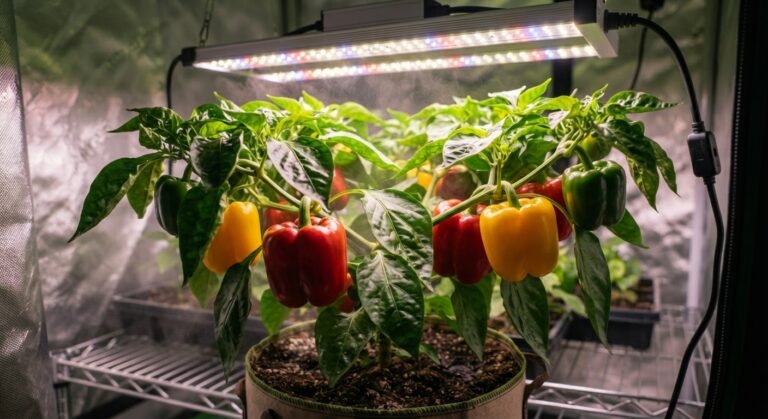
If you plan to save seeds at the end of the season, start with the right foundation. Choose healthy, vigorous plants that produce well throughout the growing season. Designate at least one or two of your best-performing plants specifically for seed saving, and resist the urge to harvest all the fruit from those plants. Leave some peppers on the vine to fully ripen.
Choose an Open-Pollinated Variety
As mentioned above, open-pollinated varieties are the foundation of successful seed saving. Some popular open-pollinated pepper varieties include California Wonder bell pepper, Jimmy Nardello sweet frying pepper, Fish pepper, and Ancho/Poblano. These varieties have been saved and passed down for generations because they produce reliable, true-to-type seeds.
Isolation Between Varieties
If you’re growing multiple pepper varieties and want to save seeds from more than one, practice isolation. Space varieties as far apart as possible, or grow just one variety per season if seed purity is a priority.
Companion Planting for Seed-Saving
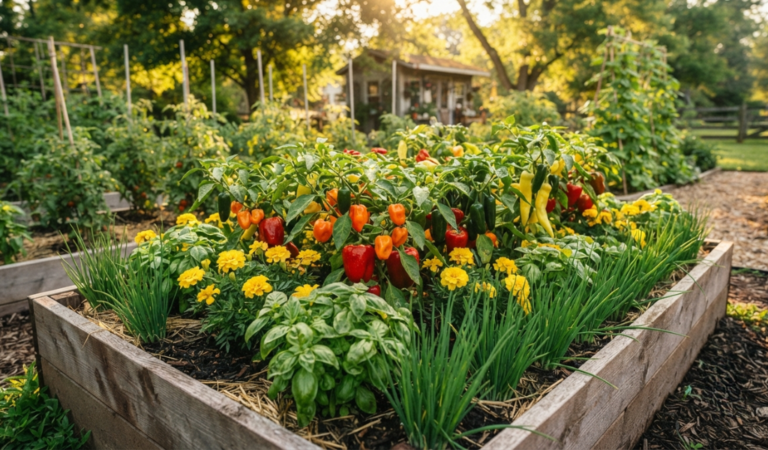
Companion planting can support healthier plants overall, which leads to better seed quality. Basil, marigolds, and carrots planted near peppers can help deter pests and attract beneficial insects. Healthy plants produce healthier seeds. It’s that simple.
How to Save Seeds from Peppers :
Harvest seeds from fully ripe peppers, rinse and dry them thoroughly, then store them in a cool, dry place. Properly stored pepper seeds remain viable for up to three years. This guide walks you through each step, from picking the right pepper to planting saved seeds successfully next season.
How to Save Seeds from Sweet Peppers
Choosing the right sweet pepper
Start at the source. When selecting a pepper to save seeds from, look for one that is fully ripe and completely colored. A red bell pepper and a green bell pepper are often the same variety just picked at different stages. Red (or yellow, or orange) means the pepper has had more time to develop, which also means more mature seeds.
If you can identify a female pepper look for four lobes on the bottom instead of three grab that one. Female peppers tend to be sweeter and contain more seeds.
Not working with bell peppers? No problem. Sweet mini peppers work just as well. The same logic applies: choose one you enjoy eating, because you’re going to be growing more of it.
Removing and cleaning the seeds
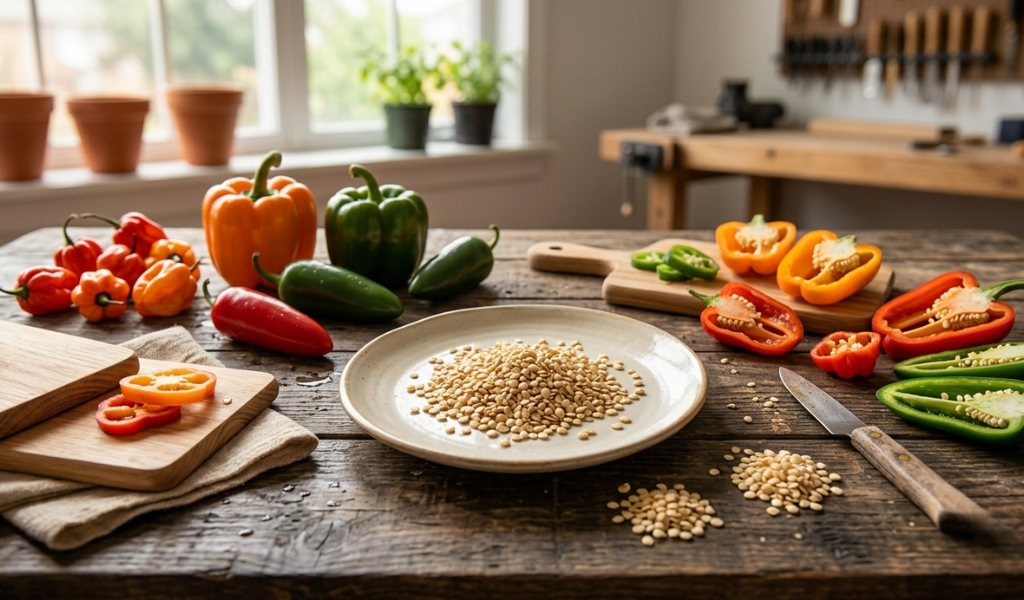
Cut the top off the pepper, or slice it in half lengthwise. Clean it out the same way you would for cooking, scrape out the seed cluster and the white membrane. Then eat the pepper. This step matters more than it sounds. Only save seeds from peppers you genuinely like. Flavor is passed down.
If you’re saving seeds from more than one pepper, pay attention to any differences in color or shape. You can keep the seeds separate and label them, or combine everything and see what grows. Both approaches work depending on how organized (or adventurous) you are.
Drying and storing sweet pepper seeds
Spread the seeds out on a paper towel and let them dry for 24 to 48 hours at room temperature. Once dry, transfer them to a paper envelope. Paper allows for some air circulation, which helps prevent mold.
Store the envelope with your other seeds in an airtight container. Keep a silica gel packet in the container to absorb any excess moisture this significantly extends seed viability. And keep the container somewhere your cat can’t reach it. Apparently, seed bags are irresistible to them.
How to Save Seeds from Hot Peppers
Choosing the right hot pepper
The selection process for hot peppers is straightforward: pick peppers with strong visual characteristics of their variety and a flavor and heat level you actually want to replicate. If a jalapeño is too mild for your taste or a habanero is too intense, don’t save its seeds. You’ll just grow more of the same.
Set seeds aside from a few different hot peppers while you’re cooking with them. You don’t need to plan a special seed-saving session—just make it part of your kitchen routine.
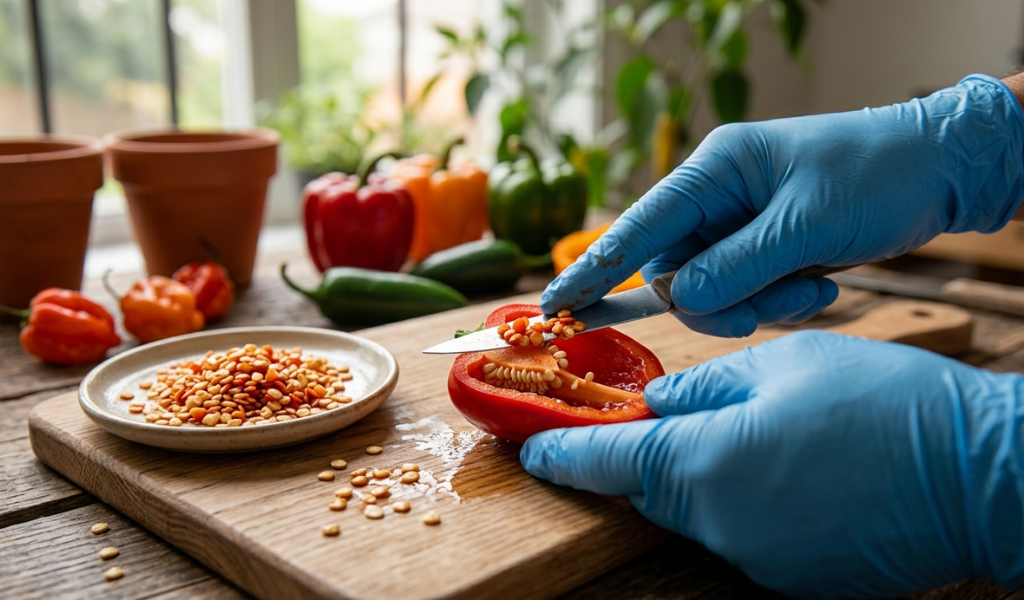
Handling hot pepper seeds safely
This is the part that catches people off guard. Capsaicin, the compound responsible for heat in peppers, doesn’t disappear when the pepper is dried or processed. It stays active in the seeds, on the plant’s skin, and throughout every part of the plant.
Always wear gloves when handling hot peppers in any form. This means:
- When separating and drying the seeds
- When planting dried seeds
- When transplanting seedlings
- When pruning, weeding around, or harvesting mature plants
One accidental eye touch and you’ll understand why this rule exists.
Drying and storage for hot pepper seeds follows the same process as sweet peppers—paper towel, 24 to 48 hours, paper envelope, airtight container, silica packet.
Storing Pepper Seeds
Packaging Pepper Seeds
Once your seeds are fully dry, transfer them into an appropriate container. Paper envelopes or small paper bags work well for short-term storage. Label your seeds clearly with the variety name, date, and any relevant notes you’ll thank yourself next spring.
For longer storage, use small zip-lock plastic bags or glass vials inside an airtight container to keep out moisture.
Seed Storage Containers
An airtight container is key to keeping seeds fresh. Mason jars with tight-fitting lids are a popular choice. You can also use plastic food storage containers, as long as they seal well. Adding a food-grade desiccant packet inside the container helps absorb any residual moisture and extends the life of your seeds.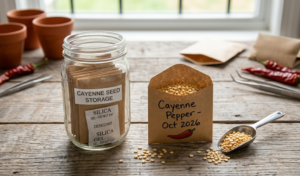
Seed Storage Conditions
Pepper seeds last longest when stored in cool, dark, and dry conditions. A refrigerator works well for long-term storage: just make sure the seeds are completely dry before placing them inside, and keep them in an airtight container to prevent moisture from getting in.
Avoid storing seeds near heat sources, in direct sunlight, or in areas with fluctuating temperatures like garages or sheds.
Pepper Seed Lifespan
Under ideal storage conditions, pepper seeds generally remain viable for two to five years. Germination rate does decline over time, so if you’re using older seeds, plant more than usual to compensate. Seeds stored in a cool, stable environment tend to outlast those stored at room temperature.
Where to Store Pepper Seeds
The refrigerator is the best place to store pepper seeds for most home gardeners. A consistent temperature between 35°F and 50°F significantly slows seed aging. Keep seeds away from the crisper drawer, which tends to have higher humidity.
If refrigerator storage isn’t practical, a cool, dark pantry or basement can work, as long as temperatures stay below 65°F and humidity remains low. The key is consistency seeds deteriorate faster when exposed to repeated temperature swings.
How to Know If Pepper Seeds Are Still Good
There are two easy ways to test whether your saved seeds are still worth planting.
The float test. Place the seeds in a small bowl of water. Seeds that sink to the bottom are generally still viable. Seeds that float may have dried out completely and lost their viability. This test isn’t perfect, but it gives a rough idea.
The germination test. 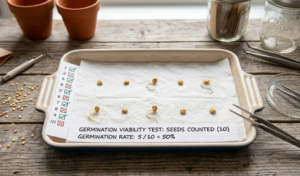 Take 10 seeds and place them between two damp paper towels. Keep them in a warm spot and check after 7 to 10 days. Count how many germinate. If 7 or more sprout, your germination rate is acceptable. If fewer than 5 germinate, the seeds have aged significantly and you may want to source fresh ones.
Tips to Save Pepper Seeds for Next Year
- Always save seeds from fully ripe peppers, never from green peppers.
- Label your seeds immediately after harvesting so you don’t mix up varieties.
- Save seeds from multiple plants of the same variety to maintain genetic diversity.
- Store your seeds in an airtight container with a desiccant packet for best results.
- Test germination rate before planting season so you know how many seeds to use.
- Keep a simple seed journal to track which varieties performed best each year.
Final Thoughts: Seed Saving Is Worth the Effort
Once you get into the habit of saving pepper seeds, it quickly becomes one of the most satisfying parts of gardening. You’re not just growing food, you’re building a living seed library tailored to your own garden and taste preferences.
The process doesn’t require fancy equipment or a lot of time. A ripe pepper, a clean knife, some patience for drying, and a cool place to store your seeds are really all you need. Start this season with just one or two of your favorite open-pollinated varieties, and go from there.
Your future garden will thank you.
Frequently Asked Questions
How do you preserve pepper seeds for next year?
To preserve pepper seeds, let the pepper ripen fully on the plant, then remove the seeds and spread them in a single layer to dry for one to two weeks. Once completely dry, store them in an airtight container in a cool, dark place like a refrigerator. Label the container with the variety name and harvest date.
How many years will pepper seeds last?
Pepper seeds stored under ideal conditions cool, dry, and dark typically remain viable for two to five years. Germination rate decreases with age, so older seeds may need to be planted in higher quantities to achieve the same results as fresh seeds.
Will 20-year-old seeds still germinate?
It’s unlikely, though not impossible. Pepper seeds stored for 20 years will have a very low germination rate, even under ideal conditions. For reliable results, it’s best to use seeds within two to five years of harvest. If you have very old seeds, run a germination test before committing to a full planting.
Can you save seeds from hybrid peppers?
Technically, yes but the results will be unpredictable. Hybrid seeds do not grow true to the parent plant. The seedlings that sprout may look or taste very different from the original pepper. For reliable seed saving, stick to open-pollinated or heirloom varieties.
What tools are needed for collecting and storing pepper seeds?
You don’t need much. A clean knife to slice the pepper, a spoon or your fingers to remove the seeds, a paper towel or ceramic plate for drying, and an airtight container for storage. A food-grade desiccant packet is a helpful addition to absorb moisture during storage.
How do you dry pepper seeds for storage?
Spread the seeds out in a single layer on a paper towel or plate. Place them in a dry, well-ventilated area away from direct sunlight. Stir them every couple of days to promote even drying. Most pepper seeds are dry enough for storage after one to two weeks.
How do I know when pepper seeds are dry?
A properly dried pepper seed should feel firm and hard. When you try to bend it, it should snap rather than flex. If the seed bends without breaking, it needs more drying time. Storing seeds that are not fully dry can lead to mold and significantly reduce viability.