Best Soil Mix Recipe for Growing Potted Chili Plants: Best Potting Soil for Peppers Plant
Best Soil Mix Recipe for Growing Potted Chili Plants: Choose the Best Soil
If you have ever bought a bag of soil, dumped your chili seedling into a pot, and watched the plant sulk for weeks, you are not alone. The truth is that the best soil mix recipe for growing potted chili plants is not something you grab off a shelf. It is something you build, using a few simple ingredients that work together to give roots what they actually need. Good soil for peppers is not fancy. It just has to drain well, hold a little moisture, breathe, and feed the plant slowly over time.
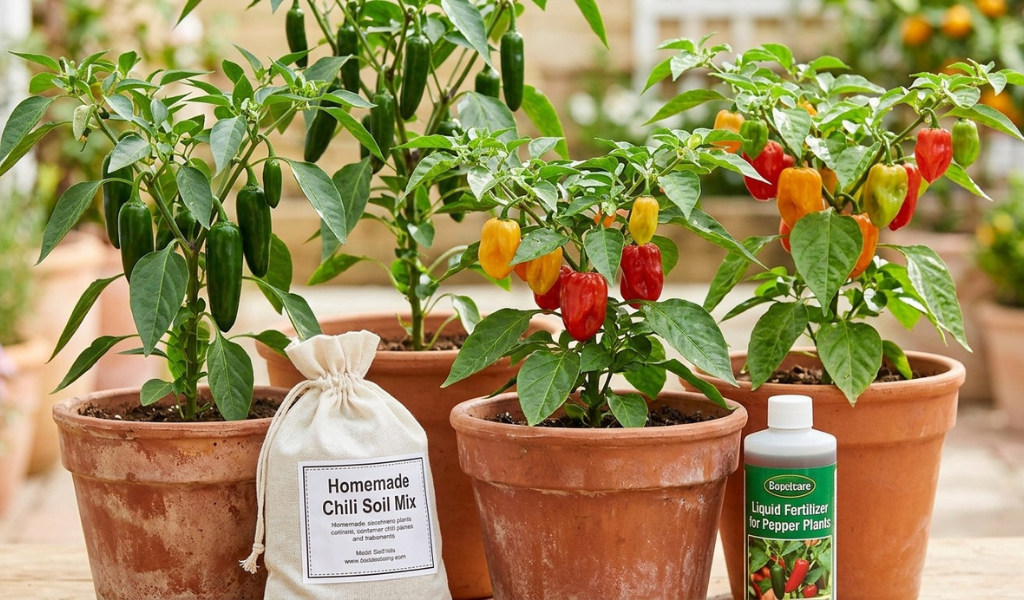
In this guide, you will learn exactly how to put together a soil mix for peppers that works in pots, big or small. We will also talk about when to use Liquid Fertilizer for Pepper Plants to help peppers grow faster and give your chilies an extra push once the roots settle in. By the end, you will know how to mix your own potting soil with confidence instead of guessing.
What Makes the Best Soil Mix Recipe for Growing Potted Chili Plants?
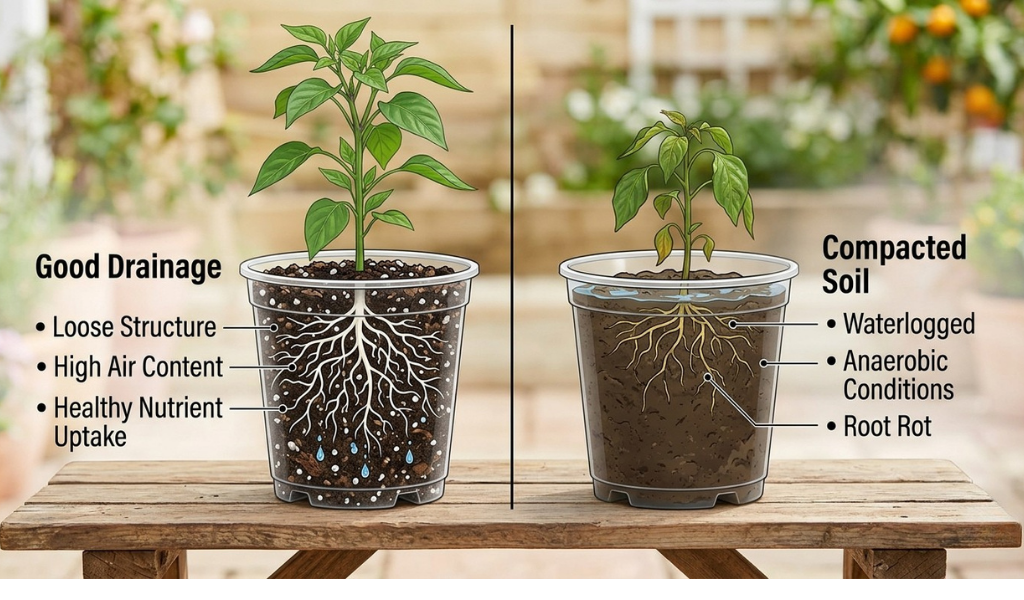 Before you start mixing anything, it helps to understand what pepper plant roots are actually looking for. Peppers grown in pots do not have the luxury of spreading their roots deep into the earth the way garden soil allows. Everything they need has to exist inside that container, so the soil mix has to do more work.
Moisture Retention Without Waterlogging
Chili plants like soil that stays lightly moist, not soggy and not bone dry. If the mix holds too much water, roots start to rot within days. If it dries out too fast, the plant wilts and stress builds up, which can lead to smaller peppers and dropped flowers. The goal with any potting mix recipe is a balance where water sticks around just long enough for roots to absorb it before draining away.
Good Drainage for Healthy Chili Roots
Drainage is probably the single biggest factor separating a thriving pepper plant from a struggling one. Well-draining soil lets excess water escape quickly through the bottom of the pot instead of pooling around the roots. Without good drainage, even the best fertilizer schedule will not save a plant sitting in wet, airless soil.
Enough Air Around the Roots
Roots breathe. A dense, compacted soil mix suffocates them, slowing down growth and nutrient uptake. This is why ingredients like perlite and vermiculite matter so much. They create tiny air pockets throughout the mix, which keeps the soil light and lets oxygen reach the root zone.
Nutrients That Support Growth
Peppers are hungry plants once they start producing fruit. Soil with organic matter, such as compost, provides a steady supply of nutrients throughout the season. Without this, plants stall out just as they should be setting flowers and fruit.
A Simple Homemade Best Soil Mix Recipe for Growing Potted Chili Plants
You do not need a garden science degree to mix your own soil. A homemade soil mix for peppers usually comes down to three main ingredients blended in the right ratio.
The Basic 40-30-30 Chili Soil Mix
A reliable homemade potting soil recipe for chili plants looks like this:
- 40 percent quality potting soil or coco coir
- 30 percent compost or organic potting mix
- 30 percent perlite or pumice
This ratio gives you a potting soil mix that drains well, holds moisture at a healthy level, and feeds the plant without becoming heavy or compacted. Many home growers use something close to this base and tweak it slightly depending on their climate.
Why Potting Soil or Coco Coir Comes First
The base of your mix, whether it is bagged potting soil or coco coir, acts as the main body that holds everything together. Regular potting soil already has some structure and a bit of nutrition built in, while coco coir is lighter and holds moisture a little differently. Either works well as long as it is not compacted garden dirt.
Why Compost Belongs in the Recipe
Compost mix adds organic matter and slow-release nutrients that peppers need throughout their life cycle. Homemade compost from kitchen scraps works just as well as store-bought bags, as long as it is fully broken down. This is where most of the natural nitrogen and micronutrients come from in an organic potting mix.
Why Perlite or Pumice Matters
Perlite looks like small white foam pieces, and it plays a huge role in keeping the soil light. It prevents the mix from becoming dense over time, especially after repeated watering compacts the compost and soil layers. Pumice works similarly and is a good volcanic soil alternative if perlite is hard to find locally.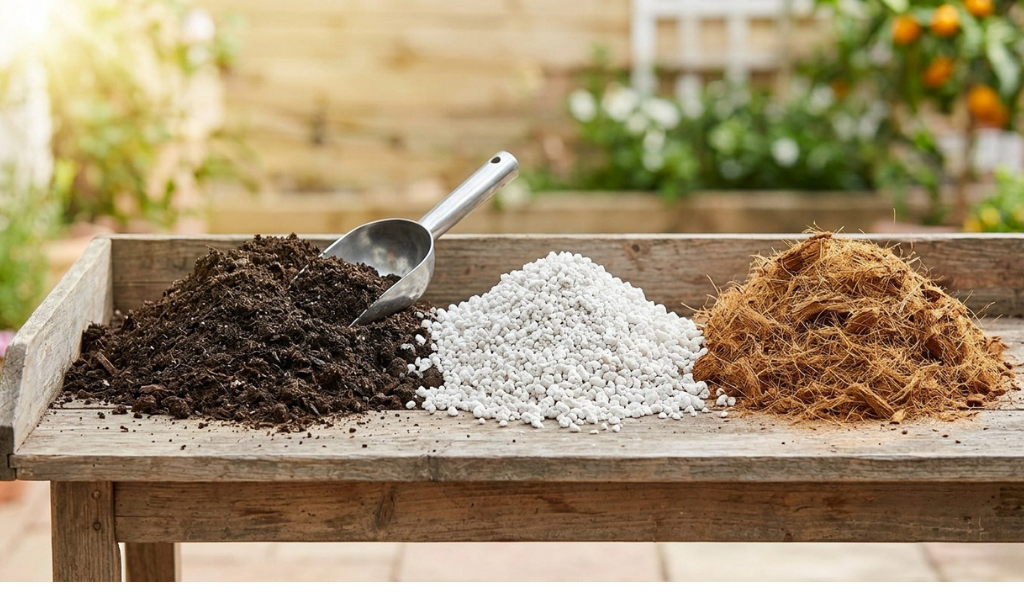
How to Make the Best Soil Mix Recipe for Growing Potted Chili Plants at Home
Once you understand the ratio, the process itself is straightforward. Here is a step-by-step approach that works whether you are starting pepper seeds or transplanting established plants.
Step 1: Gather Clean Ingredients
Start with fresh, clean potting soil, compost, and perlite. Avoid using old soil from previous seasons unless you have sterilized it, since diseases and pests can linger in reused soil.
Step 2: Measure the Ingredients
Use a bucket or container to measure out your 40-30-30 ratio. For a standard ten-liter pot, that might mean four liters of potting soil, three liters of compost, and three liters of perlite. Adjust the total volume based on your pot size.
Step 3: Mix Everything Thoroughly
Combine everything in a large tub or wheelbarrow. Use your hands or a small trowel to blend the layers until the color and texture look consistent throughout, with no clumps of pure compost or pure soil sitting separately.
Step 4: Check the Texture
Grab a handful of the finished mix and squeeze it gently. It should hold its shape briefly, then crumble apart when you poke it. If it stays in a solid clump, add more perlite. If it falls apart completely and feels dry, add a bit more compost or coco coir.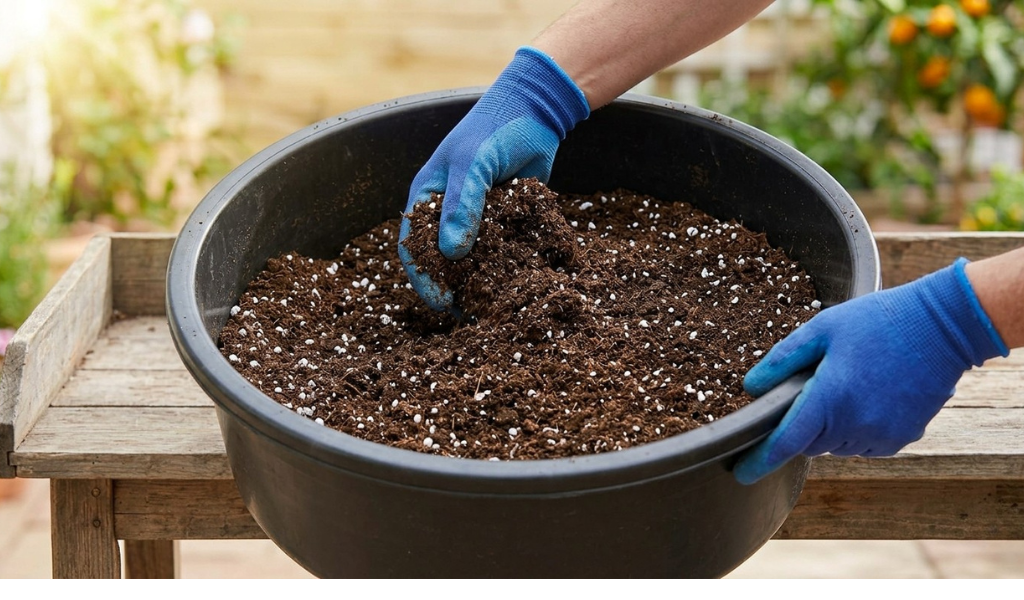
Step 5: Fill the Chili Container
Fill your new pots, leaving about an inch of space below the rim so water does not spill over when you irrigate. Make sure the container has drainage holes before adding any soil at all.
Best Soil Mix Recipe for Growing Potted Chili Plants in Hot Weather
Hot climates dry out potting mix fast, which means your recipe needs slight adjustments to keep peppers happy through summer heat.
Increase Moisture Retention Carefully
Add a little extra compost or a small amount of coco coir to help the mix hold water longer between waterings. Be careful not to overdo it, since the mix still needs to drain well even in hot weather.
Use Larger Containers
Bigger pots hold more soil volume, which means the root zone heats up and dries out more slowly than in small containers. This gives young plants and established plants a more stable environment during heat waves.
Protect the Pot From Extreme Heat
Dark colored pots absorb heat and can cook roots on the hottest days. Light colored containers, or pots placed slightly off direct afternoon sun, help keep the soil temperature in a range where peppers thrive.
Best Soil Mix Recipe for Growing Potted Chili Plants During Rainy Weather
Rainy seasons bring the opposite problem, where soil holds too much water for too long and roots start to suffer.
Increase Aeration Instead of Constantly Watering
Add extra perlite or pumice to your base mix so excess rainwater moves through faster. This keeps the soil from turning into a dense, waterlogged mass after several days of rain.
Keep Containers Off the Ground
Raise pots slightly using pot feet or bricks so water can escape freely from the drainage holes instead of pooling underneath the container.
Avoid Saucers Full of Standing Water
If you use saucers under your pots, empty them regularly during rainy stretches. Standing water sitting under the pot can seep back into the soil and undo all your drainage efforts.
How to Adjust the Best Soil Mix Recipe for Growing Potted Chili Plants
No two growing setups are exactly the same, so small tweaks to the base recipe help match your specific conditions.
For Heavy, Dense Mixes
If your mix feels heavy or clumps together after watering, mix in more perlite or coarse sand. This restores air pockets and improves drainage without changing the nutrient balance too much.
For Mixes That Dry Too Quickly
If water runs straight through and the top layer dries out within a day, add more compost, peat moss, or coco coir to increase water holding capacity.
For Very Humid Conditions
In humid climates, lean toward a slightly sandier mix with more perlite, since excess humidity combined with wet soil creates the perfect environment for root rot and fungus.
For Small Containers
Smaller pots dry out faster than large ones because there is less soil volume. Use a slightly higher ratio of compost or coco coir in small containers to help them retain moisture longer between waterings.
pH and Nutrients in the Best Soil Mix Recipe for Growing Potted Chili Plants
Even a well-balanced soil mix will underperform if the pH and nutrient levels are off. Peppers are somewhat particular about their growing conditions.
Aim for a Suitable Soil pH
Peppers prefer a soil pH between 6.0 and 6.8. A simple soil test kit from any garden store will tell you where your mix stands. If the pH is too high or too low, nutrients become harder for roots to absorb no matter how rich the compost is.
Don’t Overload the Mix With Fertilizer
It is tempting to add extra fertilizer at planting time, but too much too soon can burn young roots. Start light, and let the compost provide the initial nutrition while roots establish themselves in the new soil.
Feed Plants as They Grow
Once your chili plants are a few weeks old and actively growing, this is where Liquid Fertilizer for Pepper Plants becomes useful. A diluted liquid fertilizer applied every couple of weeks gives peppers a steady nutrient boost right when they are forming flowers and fruit, without overwhelming the root system the way heavy granular fertilizer can.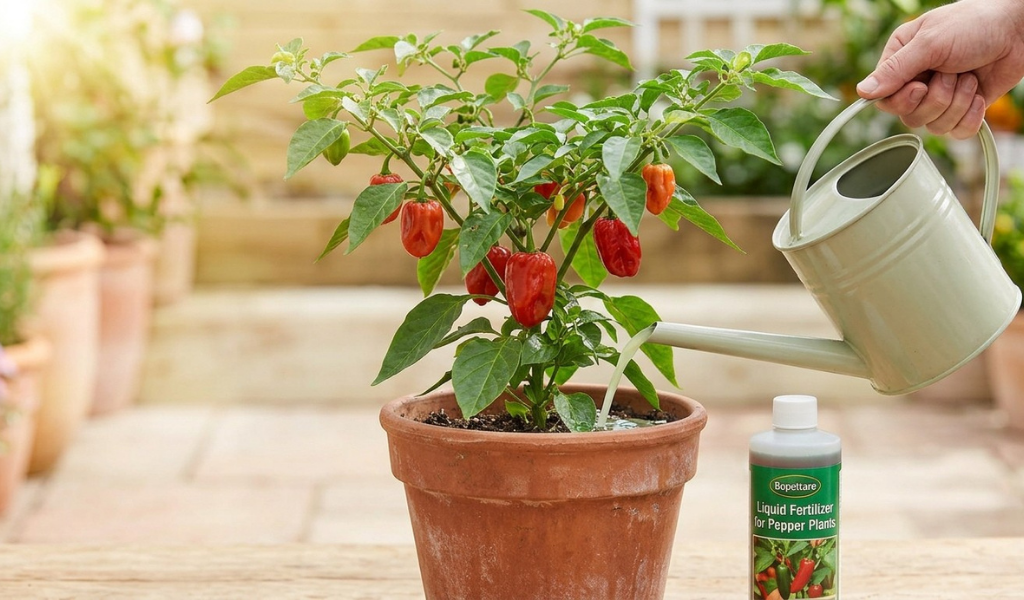
Common Mistakes When Making a Chili Plant Soil Mix
A lot of pepper growing problems trace back to soil mistakes made at the very beginning. Choosing the right growing medium is one of the most important steps when growing chili plants in containers, because healthy roots need good drainage, enough moisture, nutrients, and plenty of air. Avoiding common soil mistakes can help your plants grow stronger, flower better, and produce a healthier harvest throughout the season.
Using Garden Soil as the Main Ingredient
Garden soil, or top soil straight from the yard, compacts heavily inside a pot. It does not drain the way container soil needs to, and it can carry pests, weed seeds, or disease. Save garden soil for the ground, not for pots. Instead, use a lightweight potting medium designed for containers. A quality homemade blend can provide better aeration and drainage while giving chili plant roots enough space to develop properly. When preparing the Best Soil Mix Recipe for Growing Potted Chili Plants, avoid making ordinary garden soil the primary ingredient because compacted soil can restrict roots and hold too much water around them.
Adding Too Much Compost
Compost is good, but too much of it makes the mix too rich and too moisture-retentive, which increases the risk of root rot. Stick close to the recommended ratio rather than loading up on compost alone. A balanced soil mix should contain enough organic matter to support healthy growth without becoming heavy or waterlogged. The Best Soil Mix Recipe for Growing Potted Chili Plants should create a balance between moisture retention, drainage, nutrition, and air circulation instead of relying on a single ingredient.
Forgetting Drainage Holes
Even the best soil mix recipe fails in a pot without proper drainage holes. Water needs somewhere to go, and without holes at the bottom, the soil turns into a swamp regardless of what ingredients you used. Before filling a container, always check that excess water can escape freely from the bottom. Proper drainage is especially important for chili and pepper plants because constantly saturated roots can lead to poor growth, yellowing leaves, root problems, and reduced fruit production.
Packing the Soil Too Tightly
Pressing soil down firmly to make more room in the pot seems logical, but it removes the air pockets that roots depend on. Fill pots gently and let the soil settle naturally with the first watering instead of compacting it by hand. A loose growing medium allows roots to spread more easily and helps water and oxygen move through the root zone. This is an important part of the Best Soil Mix Recipe for Growing Potted Chili Plants because healthy roots are the foundation of strong stems, abundant flowers, and productive chili plants.
How the Right Soil Mix Helps Produce Better Chili Harvests
Growing peppers in containers comes with real advantages once the soil is right. Plants establish faster, roots spread more evenly, and nutrients reach the plant more consistently than in poor quality garden soil. Sweet peppers and hot peppers alike respond well to a loose, well-fed potting mix, often producing more flowers and larger fruit compared to plants stuck in dense, compacted dirt.
The Best Soil Mix Recipe for Growing Potted Chili Plants is designed to give container-grown peppers the growing conditions they need from the roots upward. When the mix drains properly while still holding enough moisture, chili plants can access water and nutrients without sitting in constantly wet soil. Good aeration also encourages stronger root development, which can support healthier foliage, flowering, and fruit production.
Many experienced growers who switch from bagged mixes like Happy Frog potting soil to their own homemade blend notice better control over soil quality and drainage. That control matters especially as pepper varieties differ slightly in their root systems and water needs. A grower who mixes their own soil can adjust on the fly rather than being locked into whatever a bag happens to contain.
Creating the Best Soil Mix Recipe for Growing Potted Chili Plants also makes it easier to fine-tune the growing medium according to the container, climate, watering routine, and chili variety. If a mix dries too quickly, the ingredients can be adjusted to improve moisture retention. If it stays wet for too long, more drainage and aeration can be introduced. This flexibility is one of the biggest advantages of making your own chili plant soil mix.
Ultimately, the Best Soil Mix Recipe for Growing Potted Chili Plants is not simply about combining several ingredients in a container. It is about creating a balanced root environment where chili plants can receive enough moisture, nutrients, oxygen, and drainage. Avoiding garden soil, excessive compost, poor drainage, and over-compaction gives your plants a much better starting point. With the right mix and proper container care, both sweet and hot peppers can develop healthier roots, stronger growth, more flowers, and a more rewarding chili harvest.
Final Thoughts
The best soil mix recipe for growing potted chili plants really comes down to balance. A blend of quality potting soil or coco coir, compost, and perlite gives roots the moisture, drainage, and air they need to grow strong. Add a bit of Liquid Fertilizer for Pepper Plants once growth kicks in, keep an eye on soil pH, and adjust your ratios based on your local weather, and your chili plants have everything they need to produce a healthy harvest. Try mixing a small batch for your next pot and watch how much better your peppers respond compared to plain bagged soil.
Frequently Asked Questions
What is the best potting mix for chilli plants? A mix of about 40 percent potting soil or coco coir, 30 percent compost, and 30 percent perlite works well for most chilli plants grown in containers. This combination balances moisture retention with drainage and airflow.
What type of soil is best for chilli plants? Loose, well-draining soil with organic matter is best. A loamy soil or sandy loam soil texture allows water to pass through while still holding enough moisture for the roots.
How do I improve drainage in my potting soil? Add more perlite, pumice, or coarse sand to your existing mix. You can also raise pots off the ground and make sure drainage holes are not blocked by compacted soil.
What type of potting mix is best for growing jalapeños? Jalapeños do well in the same balanced mix as other peppers, roughly equal parts potting soil, compost, and perlite, since they share similar root and moisture needs with most pepper varieties.
Which soil is best for growing chili? A homemade soil mix with good drainage, moderate organic matter from compost, and added perlite for aeration tends to outperform plain garden soil or heavy bagged mixes for growing chili in pots.
Can I grow peppers hydroponically instead of using soil? Yes, peppers can grow hydroponically using a nutrient solution instead of soil, though this requires different equipment and monitoring compared to a standard potting mix setup in containers.
Do peppers grow better in pots or in the ground? Both work well, but pots give growers more control over soil quality, drainage, and soil temperature, which can be an advantage in areas with poor native soil conditions.
What type of soil is best for growing chili plants? Soil with good drainage, moderate organic matter, and a light, airy texture from added perlite or vermiculite is ideal for growing chili plants in containers.
What is the best soil for starting chili pepper seeds? A finer textured seed starting mix, lighter than the standard potting mix used for established plants, helps young pepper seedlings develop roots without resistance from heavier soil particles.
Can I use regular garden soil for potted chili plants? It is not recommended. Garden soil compacts easily in containers, drains poorly, and may introduce pests or disease. A blended potting mix designed for containers works much better for potted chili plants.