Jalapeno vs. Serrano: Which One Should You Grow?
Jalapeno vs. Serrano: Soil, Sunlight, Watering, Care and Growing Needs
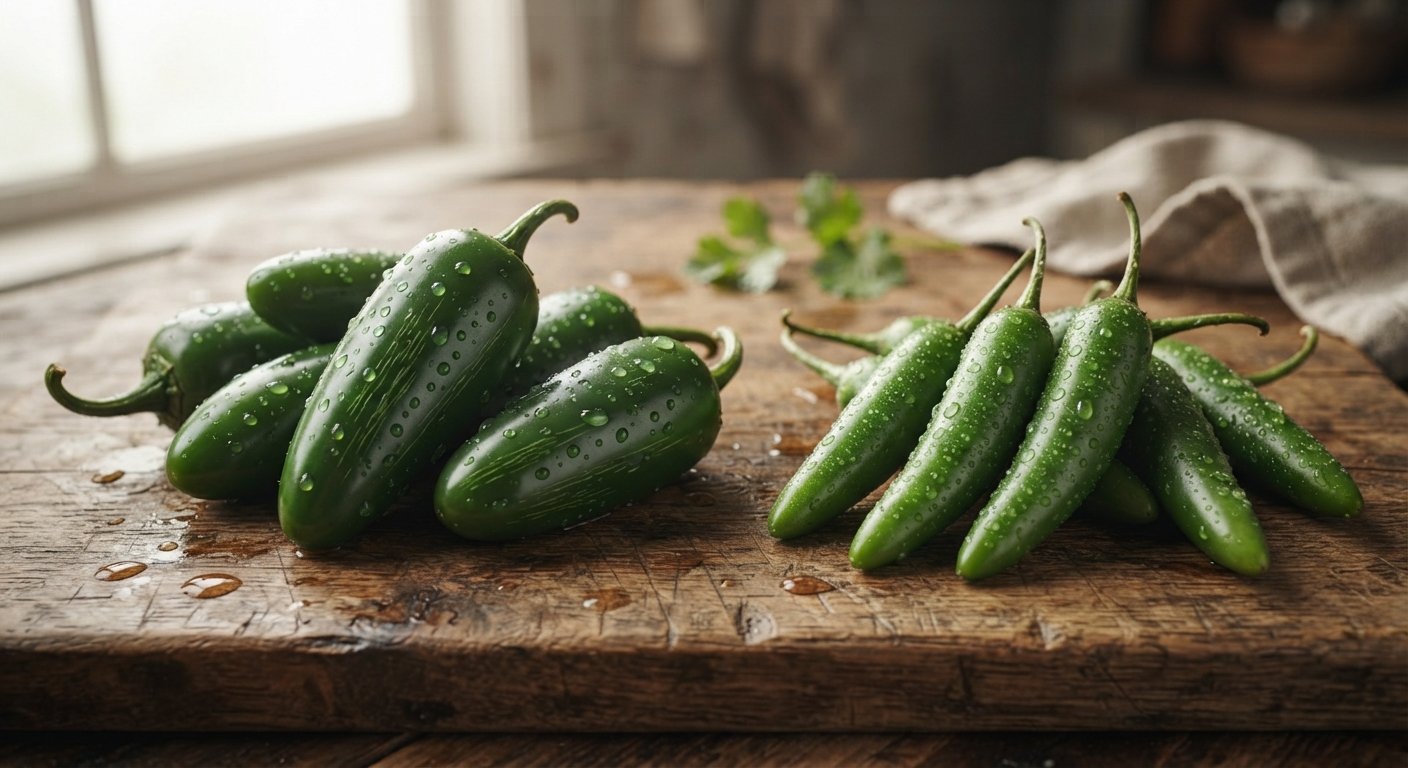
If you’ve ever stood in a garden center holding two pepper seedlings one labeled jalapeño, one labeled serrano you know the feeling. They look almost identical. The price tags are similar. And yet, the choice you make will affect everything from your weekend salsa to how much garden space you need this summer.
Both peppers are staples of Mexican cuisine and beloved by home gardeners across the US. But they’re not the same plant, and they don’t grow the same way. One is more forgiving for beginners. The other rewards experienced growers with a bigger, hotter yield. And depending on how you cook, one might suit your kitchen far better than the other.
This guide breaks down the Jalapeno vs. Serrano: Which One Should You Grow? debate from every angle, growing conditions, jalapeno pepper growing tips ,heat levels, harvest size, and more so you can make the right call for your garden and your taste buds.
What Are Jalapeno Peppers?
The jalapeño (Capsicum annuum) is probably the most recognized hot pepper in North America. Most people know it from nachos, poppers, and pickled slices on sandwiches but it’s a remarkably versatile pepper that earns its place in the garden.
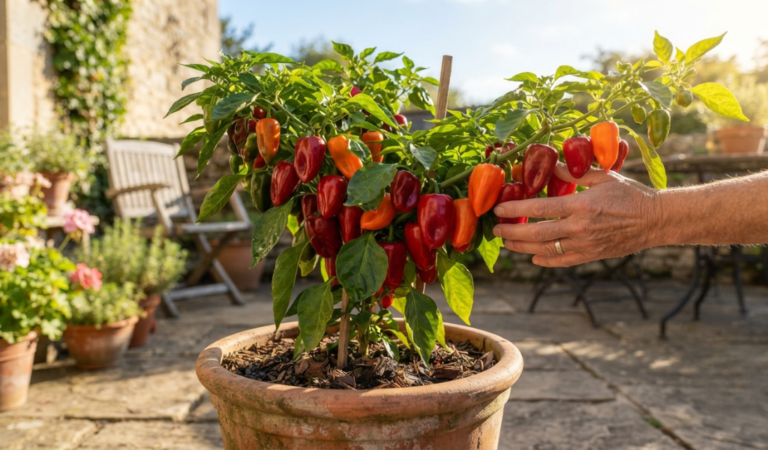
Jalapeños typically grow 2 to 3 inches long and ripen from green to red. Most home gardeners harvest them while still green, which is when they’re at their crispest and most familiar. The plants themselves are compact, usually reaching 2 to 3 feet tall, which makes them a practical choice for smaller spaces and container gardens.
On the Scoville Heat Unit (SHU) scale the standard measure of pepper spiciness jalapeños register between 2,500 and 8,000 SHU. That’s warm, but approachable. Most people can eat a jalapeño without reaching for a glass of milk.
Beyond heat, jalapeños offer a bright, slightly grassy flavor with a satisfying crunch when fresh. They’re equally useful raw, roasted, smoked (where they become chipotles), or pickled. For gardeners who want a reliable, easy-to-use pepper with broad culinary appeal, jalapeños are hard to beat.
What Are Serrano Peppers?
The serrano pepper (also Capsicum annuum) is the jalapeño’s hotter, slimmer cousin. Named after the mountain ridges (sierras) of the Mexican states of Puebla and Hidalgo where it originated, the serrano is a pepper with a serious bite.
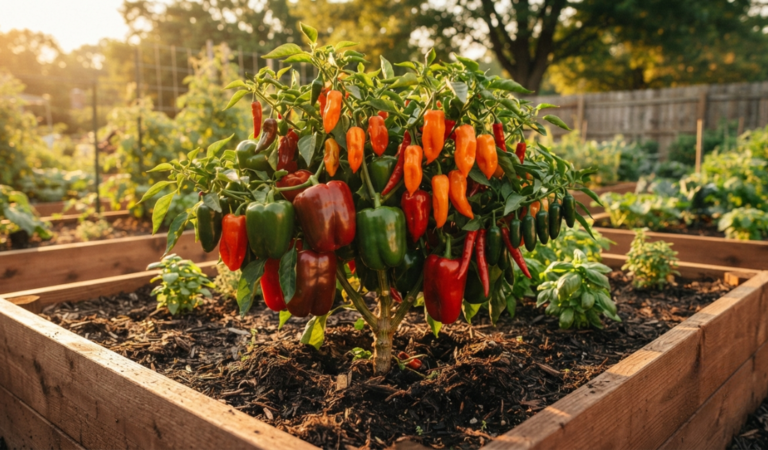
Serranos are smaller than jalapeños, typically 1 to 2 inches long and about half an inch wide. The plants, however, are larger, often reaching 3 to 5 feet in height and they tend to produce more peppers per plant. A mature serrano plant can yield 50 or more peppers in a single season.
Heat-wise, serranos range from 10,000 to 23,000 SHU. That’s roughly three to five times hotter than a typical jalapeño. The flavor is also different: serranos have a brighter, sharper bite with a crisp, clean finish that many people prefer in fresh salsas and guacamole.
For gardeners who love bold heat and cook Mexican food regularly, the serrano is a rewarding plant to grow. It just requires a bit more patience than the jalapeño.
Jalapeno vs. Serrano Peppers: Growing Comparison
Before choosing which pepper to plant, it helps to see both side by side. Here’s how they stack up across the key growing factors: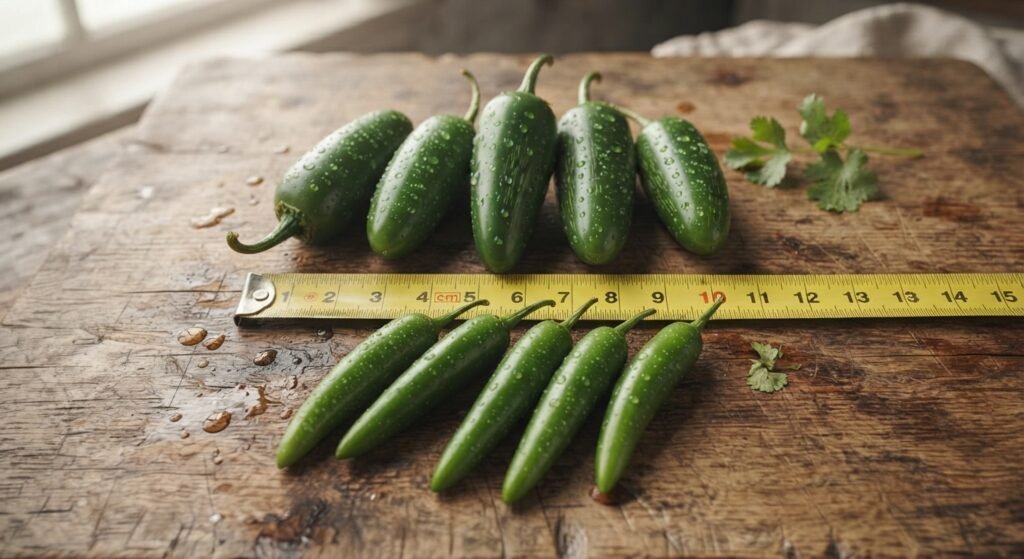
| Factor | Jalapeno | Serrano |
| Plant height | 2–3 feet | 3–5 feet |
| Pepper size | 2–3 inches | 1–2 inches |
| Heat level | 2,500–8,000 SHU | 10,000–23,000 SHU |
| Days to maturity | 70–85 days | 80–100 days |
| Yield per plant | 25–35 peppers | 50+ peppers |
| Difficulty | Beginner-friendly | Moderate |
| Best use | Cooking, fresh, pickling | Fresh salsas, cooking |
Both peppers thrive in full sun, warm soil, and well-draining growing conditions. The key differences come down to growing timeline, plant size, and heat intensity.
Jalapeno vs. Serrano: Which Pepper Is Easier to Grow?
Jalapeno
For most home gardeners, especially beginners, jalapeños are the more forgiving choice. They’re more tolerant of inconsistent watering, adapt well to container growing, and mature faster than serranos. The compact plant size also makes them easier to manage in small raised beds or patio pots.
Jalapeño plants are widely available as seedlings at garden centers, which means you don’t even need to start from seed if you’d rather skip that step. They respond well to basic fertilizing and generally don’t need staking or significant support.
Serrano
Serranos are a step up in terms of care. The plants grow taller and bushier, so they may need staking as they mature especially once they’re loaded with fruit. They also take longer to reach full maturity, which can be a challenge in regions with shorter growing seasons.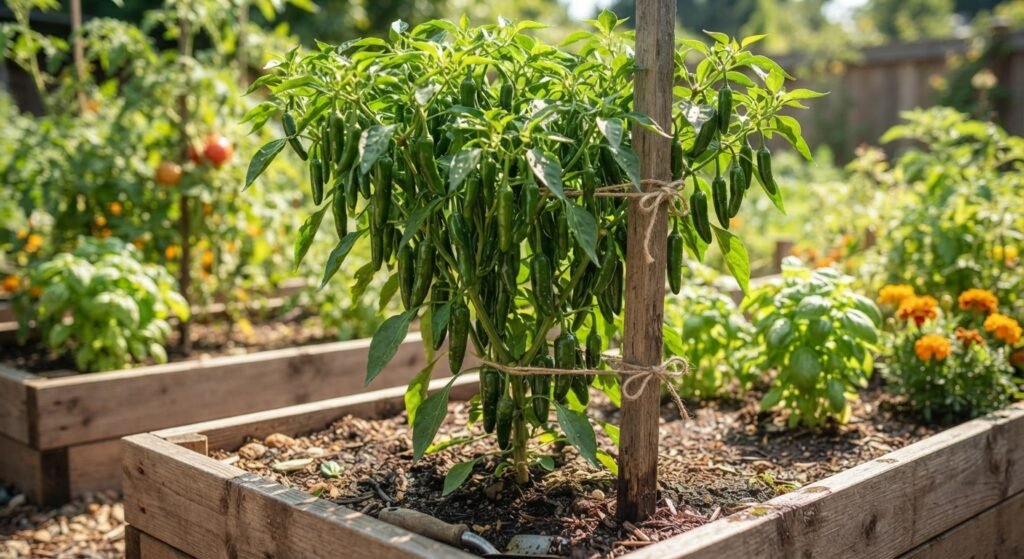
That said, serranos are still a manageable plant for anyone who’s grown peppers before. They’re not difficult; they just demand more attention to spacing, support, and timing.
Germination and Seedling Care
Both peppers germinate best in warm soil, ideally between 75°F and 85°F. Starting seeds indoors 8 to 10 weeks before your last frost date gives both varieties a strong head start.
Use a quality seed-starting mix and keep seedlings under a grow light or in a sunny south-facing window. Jalapeños tend to germinate within 7 to 10 days. Serranos can take a few days longer, sometimes up to 14 days. Thin seedlings to one per cell once they develop their first true leaves, and begin hardening them off two weeks before transplanting outdoors.
Jalapeno vs. Serrano: Comparing Heat and Flavor
Jalapeno Heat Level and Flavor
At 2,500 to 8,000 SHU, jalapeños deliver a mild to moderate heat that most people handle comfortably. The heat tends to concentrate in the seeds and the white inner membrane (called the placenta) removing both gives you most of the flavor without the burn.
Flavor-wise, jalapeños are fresh and slightly vegetal when raw, with a satisfying crunch. When roasted or smoked, they take on a deeper, earthier character. Pickled jalapeños develop a pleasant tang that balances well with rich foods. Their versatility across cooking methods is one reason they remain so popular.
Serrano Heat Level and Flavor
Serranos are significantly hotter, coming in at 10,000 to 23,000 SHU. The heat is sharp and immediate; it hits quickly and builds on the palate. For those accustomed to mild peppers, serranos can feel intense.
But the flavor is where serranos really shine in certain applications. They have a brighter, cleaner heat than jalapeños, with a crisp, slightly citrusy edge. Many chefs and home cooks prefer serranos for fresh preparations like pico de gallo or salsa verde, where the raw pepper’s flavor plays a starring role. Cooking mellows the heat, making serranos more approachable in cooked dishes.
Which Pepper Is Better for Fresh Eating?
This comes down to your personal heat tolerance and how you plan to use the pepper.
Jalapeños win for general fresh eating. They’re approachable enough to bite into raw (if you’re brave), slice into salads, or dice into guacamole without overwhelming the dish. Their firm flesh holds up well, and their flavor doesn’t dominate other ingredients.
Serranos are the better choice if you want bold heat in fresh salsas. Their thin skin means you don’t need to peel them, and their bright flavor complements tomatoes, cilantro, and lime in ways that jalapeños sometimes can’t match. If you make a lot of fresh Mexican-style sauces from scratch, serranos are worth growing.
For most households—especially those cooking for guests with varying spice tolerances—jalapeños offer more flexibility at the table.
How to Grow Jalapeno Peppers Successfully
Choosing the Right Location
Jalapeños need at least six to eight hours of direct sunlight per day. They perform best in warm climates but can thrive across most of the US during the summer months. Choose a location with well-draining soil and good air circulation. Avoid planting where other nightshades (tomatoes, eggplants) have grown recently to reduce disease risk.
Planting Jalapeno Seeds or Seedlings
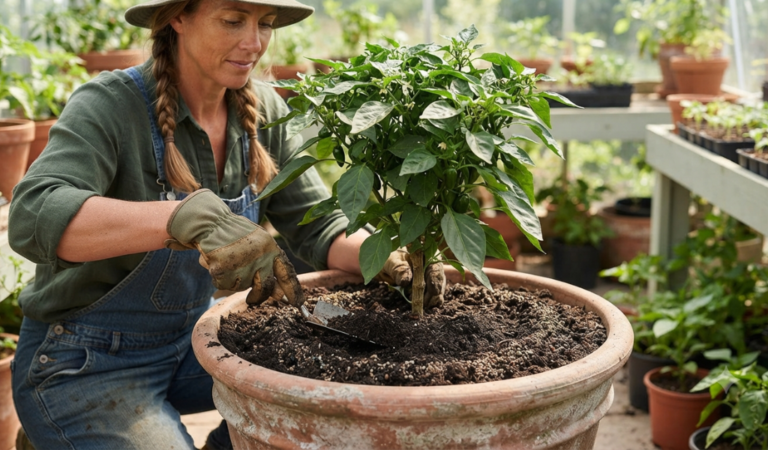
Start seeds indoors 8 to 10 weeks before the last expected frost. Transplant seedlings outdoors once nighttime temperatures consistently stay above 55°F. Space plants 18 inches apart in rows 24 inches apart. If growing in containers, use pots that are at least 12 inches deep and wide.
Watering and Fertilizing Jalapeño Plants
Water jalapeños deeply but infrequently about 1 to 2 inches per week. Allow the top inch of soil to dry out between waterings. Overwatering is a common mistake that leads to root rot and stunted growth.
For fertilizing, use a balanced fertilizer (such as 10-10-10) at planting, then switch to a lower-nitrogen, higher-phosphorus and potassium formula once flowers appear. Too much nitrogen late in the season encourages leafy growth at the expense of fruit production.
Supporting and Harvesting Jalapeños
Jalapeño plants rarely need staking, but a simple cage or stake can help during heavy fruiting periods. Harvest peppers when they’re firm, deep green, and about 2 to 3 inches long typically 70 to 85 days after transplanting. Leaving peppers on the plant too long can slow new fruit production, so harvest regularly to keep the plant productive.
How to Grow Serrano Peppers Successfully
Choosing the Best Growing Location
Like jalapeños, serranos need full sun and warm temperatures. They’re particularly well-suited to hot, dry climates and perform exceptionally in southern states. In cooler climates, focus on selecting a warm, south-facing garden spot and using black plastic mulch to retain soil heat.
Planting Serrano Seeds or Seedlings
Start serrano seeds indoors 10 weeks before the last frost slightly earlier than jalapeños to account for the longer maturity time. Transplant outdoors when temperatures are consistently warm. Space serrano plants 18 to 24 inches apart, giving them a bit more room than jalapeños due to their larger mature size.
Watering and Fertilizing Serrano Plants
Serranos have similar watering needs to jalapeños consistent moisture without waterlogging. They’re slightly more drought-tolerant once established, which can be an advantage in hot summers.
Fertilize serranos with a balanced fertilizer early in the season, then shift to a bloom-boosting formula once flowering begins. Consistent feeding throughout the season helps support the heavy yield these plants are capable of producing.
Harvesting Serrano Peppers
Serranos mature in 80 to 100 days. They can be harvested green for maximum heat, or left to ripen to red, orange, or yellow colors that indicate full ripeness and a slightly sweeter flavor profile. Because these plants produce so prolifically, plan to harvest every few days once the season peaks to keep production going strong.
Which Produces a Better Harvest?
By sheer volume, serranos win. A healthy serrano plant can yield 50 or more peppers per season, compared to 25 to 35 for a jalapeño plant. If you’re growing peppers to preserve, make hot sauce, or stock the freezer, serranos give you more fruit per square foot of garden space.
Jalapeños, though, offer larger individual peppers that are easier to stuff, slice, and cook with. If you use peppers casually a few slices here, a diced pepper there jalapeños may suit your cooking habits better despite the lower yield count.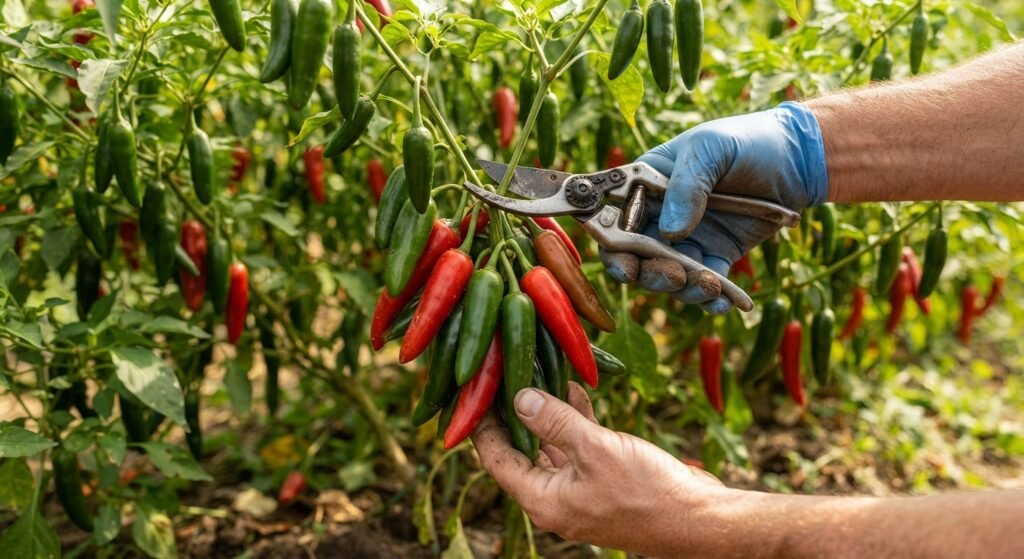
The “better harvest” really depends on what you plan to do with the peppers. Volume favors serranos. Versatility and size favor jalapeños.
Jalapeno vs. Serrano: Pros, Cons, and Garden Space
Advantages and Disadvantages of Growing Jalapeños
Advantages:
- Beginner-friendly and widely available as seedlings
- Compact plants work well in containers and small gardens
- Faster to mature (70–85 days)
- Broad culinary uses across heat-tolerant and mild-preference households
- Easy to find recipes and preservation methods for
Disadvantages:
- Lower yield per plant compared to serranos
- Smaller individual peppers mean more prep work per cup of diced pepper
- Less intense heat for those who prefer bold spice
Advantages and Disadvantages of Growing Serranos
Advantages:
- High yield per plant (50+ peppers per season)
- Superior flavor for fresh salsas and raw preparations
- Greater heat intensity for spice lovers
- Thin skin means no peeling required
Disadvantages:
- Larger plants need more vertical space and potential staking
- Longer growing season (80–100 days) can challenge growers in northern climates
- Intense heat makes them less versatile for mixed-heat households
Which Is Better for Small Gardens and Containers?
Jalapeños are the clear winner for small spaces. Their compact growth habit (2 to 3 feet) means they fit comfortably in 12-inch containers or tight raised bed corners. Serranos can be grown in containers too, but you’ll need larger pots (at least 14 to 16 inches) to accommodate the root system and support the taller, bushier plant.
For balcony gardeners or anyone working with limited square footage, jalapeños give you the most practical return on your limited space.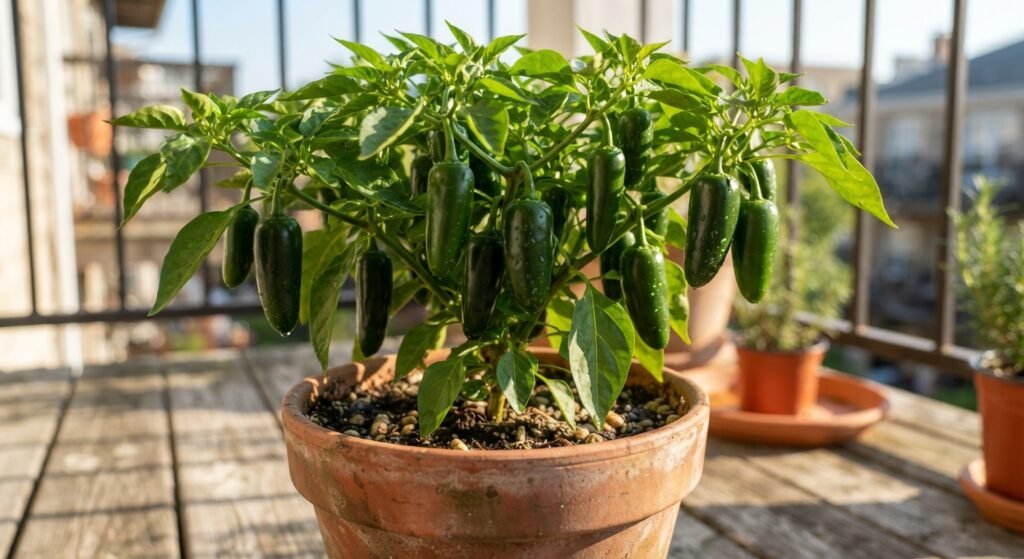
Jalapeno or Serrano: Which Pepper Should You Grow?
Choose Jalapenos If You Want a Milder Pepper
Jalapeños are the right pick if you’re feeding a family with varying spice preferences, if you’re new to growing peppers, or if you want a pepper that works in a wide range of dishes without dominating the flavor. Their popularity also means plenty of recipes, preservation guides, and fellow gardeners to swap tips with.
Choose Serranos If You Prefer More Heat
If you love bold heat and regularly make fresh salsas, hot sauces, or traditional Mexican dishes from scratch, serranos are genuinely worth growing. The flavor is excellent, the yield is impressive, and once you get comfortable with the plant’s needs, growing serranos becomes second nature.
Growing Both Peppers Together
There’s no rule that says you have to choose just one. Many home gardeners grow both peppers side by side jalapeños for everyday cooking and serranos for those moments when only real heat will do. Both plants share similar growing requirements, so managing them together is straightforward. Plant them in the same bed, use the same watering schedule, and harvest as needed throughout the season.
Final Tips for Choosing the Right Pepper Variety
Choosing between jalapenos and serranos doesn’t have to be complicated. Here are a few practical tips to guide your final decision:
Start with your cooking habits. Think about how you actually use peppers week to week. If you slice them onto pizza or stir them into chili, jalapeños are your friend. If fresh salsa is a weekend ritual in your household, plant at least a few serranos.
Consider your climate. In short-season climates (think northern US states with frost arriving before October), jalapeños are the safer bet due to their faster maturity. Serranos need more heat and time to reach full production.
Match the plant to your space. Containers and small raised beds are better suited to jalapeños. If you have open ground and room for taller plants, serranos will reward the extra space.
Don’t overlook the harvest plan. If you intend to make hot sauce or freeze peppers for winter, serranos give you the volume to make it worthwhile. If you’re growing casually and using peppers as you go, jalapeños are perfectly sufficient.
Try both before committing to one. If you have even two or three spare pots, grow one plant of each this season. You’ll learn more about your own preferences in one growing season than any guide can tell you.
Both the jalapeño and the serrano are excellent peppers. Neither is objectively better; they serve different needs, different palates, and different gardens. The right answer is simply the one that fits the way you cook and the space you have available.
Frequently Asked Questions
Can you substitute jalapeños for serranos in recipes?
Yes, but expect a milder result. Serranos are three to five times hotter than jalapeños, so substituting one for the other changes the heat level noticeably. Use more jalapeños to compensate for the reduced heat, or accept a milder dish.
Do jalapeños and serranos grow well together in the same garden bed?
Yes. Both plants share nearly identical growing requirements full sun, warm temperatures, well-draining soil, and consistent moisture. They make excellent companion plants in the same bed or row.
How long does it take for jalapeños and serranos to produce peppers?
Jalapeños typically mature in 70 to 85 days from transplant. Serranos take a bit longer, usually 80 to 100 days. Starting seeds indoors earlier in the season helps both varieties reach full production before summer ends.
Can you grow jalapeños or serranos in pots?
Both can be grown in containers. Jalapeños do especially well in 12-inch pots. Serranos benefit from slightly larger containers (14 to 16 inches) to support their bigger root system and taller growth.
What’s the best way to tell when peppers are ready to harvest?
Look for firm, glossy skin and the expected mature size 2 to 3 inches for jalapeños, 1 to 2 inches for serranos. Both can be harvested green or left to ripen to red for a sweeter, more complex flavor.
Are serranos really that much hotter than jalapeños?
Yes. The average jalapeño measures around 5,000 SHU, while the average serrano comes in between 10,000 and 23,000 SHU. The heat difference is noticeable, especially in fresh preparations where the pepper isn’t cooked down.
Which pepper is better for making homemade hot sauce?
Serranos are a popular choice for hot sauce due to their higher heat level and clean, bright flavor. Jalapeños work well too, particularly for milder sauces or smoked varieties. Many homemade hot sauce recipes actually blend both for a balanced flavor profile.