How to Preserve Peppers: Easy Ways to Preserve Your Harvest
How to Preserve Peppers: Simple Ways to Pickle, Ferment, and Store Peppers
If you’ve ever grown peppers from the garden and ended up with way more than you can eat, you already know the problem. Peppers come in all at once, and fresh peppers don’t last long on the counter. Learning how to preserve peppers the right way means you can enjoy that harvest all year long, whether it’s the dead of winter or just a few weeks after picking.
This guide walks you through every method worth knowing, from freezing and drying to pickling peppers in vinegar and salt, making hot sauce, and canning. It also covers how best to freeze fresh peppers without losing texture, what to do with a big harvest, and how to avoid the most common mistakes. By the end, you’ll have a clear plan for how to preserve and store peppers from the garden, no matter what varieties of peppers you’re working with.
Choose the Right Peppers Before Preserving
Not every pepper is worth preserving. Starting with the right ones makes a real difference in the final result.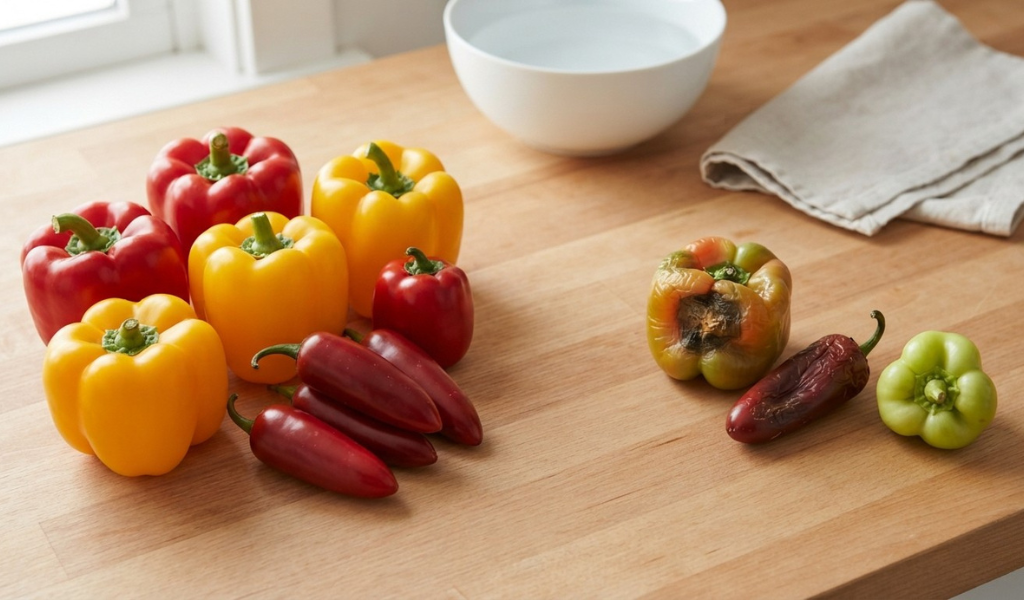
Pick Peppers at the Right Stage
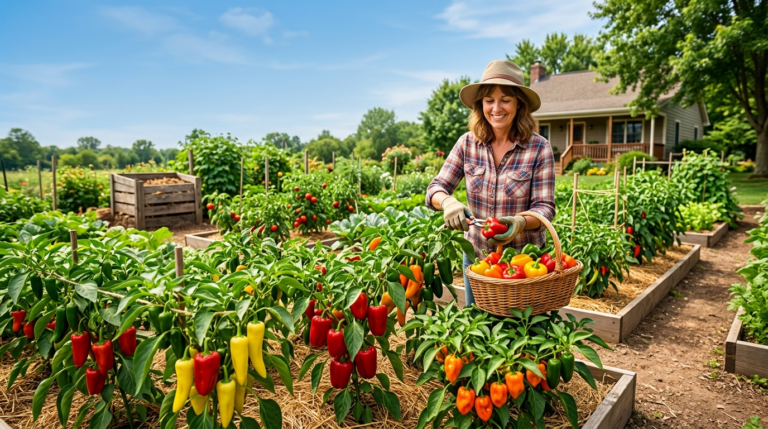
Pick peppers when they’re fully mature and firm. For bell peppers and sweet bell peppers, that usually means they’ve turned red, yellow, or orange. Hot peppers like jalapeños are best when they’ve reached their full color, though green jalapeños work fine too. Soft, wrinkled, or overripe peppers don’t hold up well through any preservation method.
Sort the Harvest Carefully
Go through the whole lot and separate the perfect ones from the damaged ones. Firm, blemish-free peppers are best for canning or pickling. Slightly soft or blemished peppers can still be used for hot sauce or dried peppers, as long as the damaged parts are cut away cleanly.
Wash and Dry the Peppers
Wash the peppers under cool running water and scrub off any dirt. This is especially important for peppers from the garden, which may carry soil or insects. After washing, dry them thoroughly. Preserving peppers while they’re still wet can introduce extra moisture, which causes problems with mold in dried peppers and cloudiness in pickled ones.
Best Methods to Preserve and Can Peppers at Home
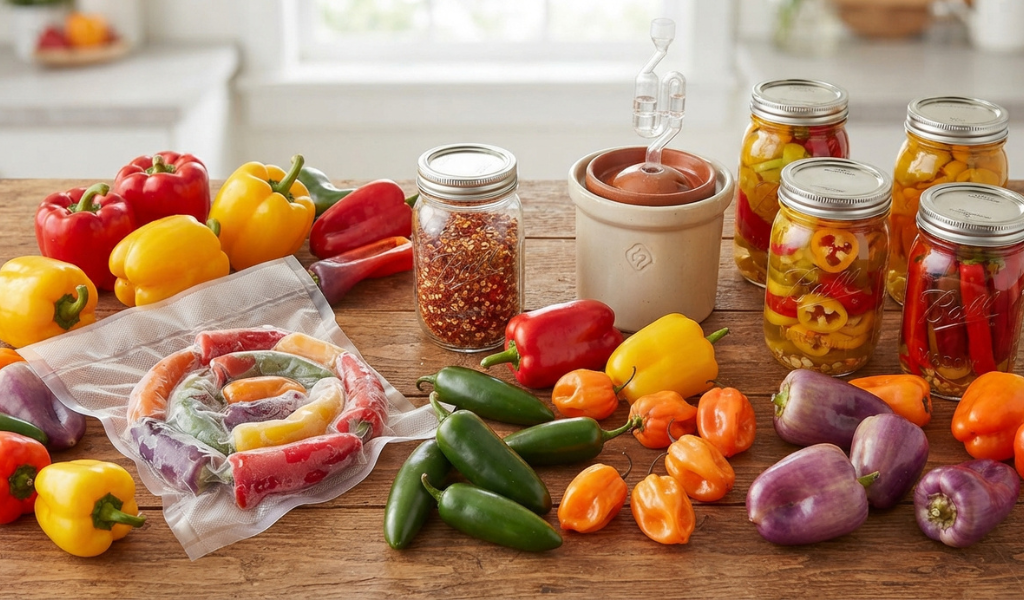
There are several solid ways to preserve peppers, and the right one depends on how you plan to use them. Freezing, drying, pickling peppers, fermenting, making hot sauce, and canning all have their place. Each method works better for certain types of peppers and certain cooking needs.
How to Freeze Peppers
Freezing is one of the best ways to preserve peppers with minimal effort. It works for sweet bell peppers, green peppers, red peppers, and most hot peppers. Frozen peppers won’t have the same crunch as fresh ones, but they’re perfect for cooked dishes.
Step 1: Wash and Prepare the Peppers
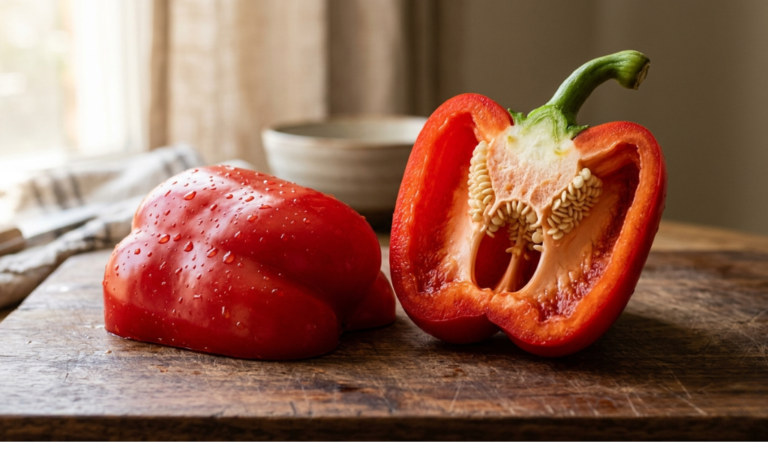
Wash the peppers and remove the stems and seeds. If you’re preserving hot peppers, wear gloves while handling them, especially varieties like chili peppers or small hot peppers.
Step 2: Cut Them Into Useful Pieces
Cut peppers in half, into strips, or into diced pieces depending on how you plan to cook with them. Cutting them into cooking-ready sizes now saves time later. Whole peppers can also be frozen if you plan to stuff them later.
Step 3: Freeze the Pieces Individually
Spread the cut peppers on a baking sheet in a single layer and freeze them for a couple of hours. This step, called flash freezing, keeps the pieces from clumping together once they’re frozen. Once the peppers are frozen solid on the sheet, transfer them to freezer bags.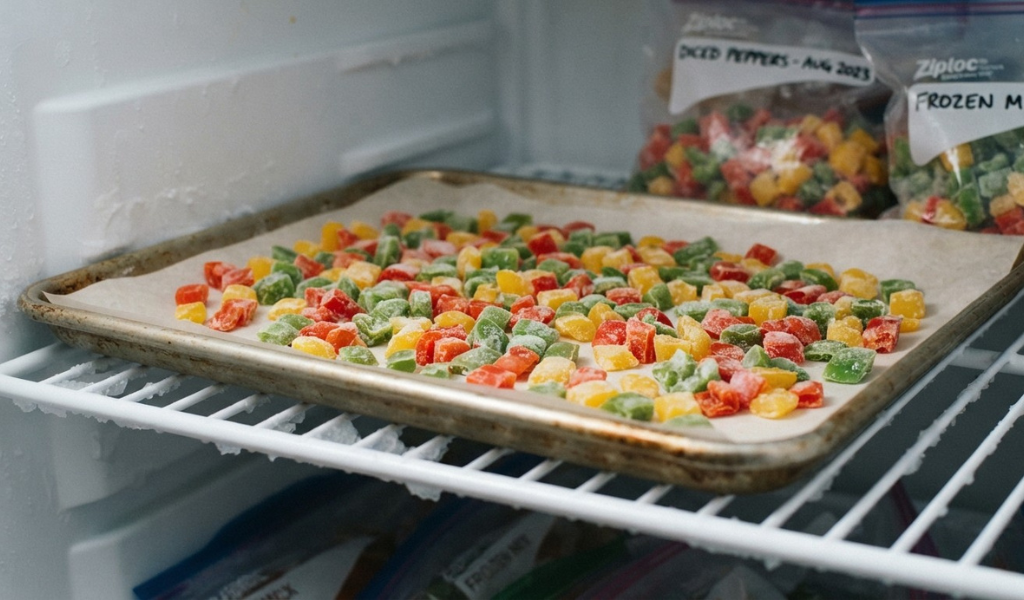
Step 4: Label and Store
Press out as much air as possible before sealing the bags. Label everything with the type of pepper and the date. Freeze peppers will stay good for up to 12 months if stored properly.
How to Dehydrate Peppers
Drying is one of the oldest preservation methods and it works especially well for hot peppers. Dried peppers take up very little space, last a long time, and add intense flavor to cooking.
Preparing Peppers for Drying
Wash the peppers and let them dry completely. Remove stems and seeds if you want a milder result, or leave the seeds in for more heat. Slice them in half or into thin rings. Thinner pieces dry faster and more evenly.
Drying Peppers in a Dehydrator
A dehydrator is the most reliable way to dehydrate peppers. Spread the pieces in a single layer on the trays without overlapping. Set the temperature to around 125°F to 135°F and run the machine for 8 to 12 hours, depending on how thick the pieces are.
How to Dehydrate Peppers Without a Machine
If you don’t have a dehydrator, you can dry peppers in the oven. Place the cut peppers on a baking sheet and set the oven to its lowest temperature, ideally between 150°F and 170°F. Leave the oven door slightly open to let moisture escape. This can take anywhere from 6 to 10 hours. Alternatively, string whole small hot peppers on a thread and hang them in a warm, dry spot with good airflow.
How to Know When Dried Peppers Are Ready
Dried peppers should feel leathery and brittle. They should snap or crumble easily and have no soft spots. Any moisture left inside can lead to mold during storage.
How to Preserve Peppers by Making Pepper Flakes or Powder
Once your peppers are fully dried, you can go one step further and turn them into pepper flakes or powder.
Making Homemade Pepper Flakes
Crumble dried peppers by hand or pulse them in a food processor until broken into flakes. These work exactly like the red pepper flakes sold at the grocery store. Store them in a small jar with a tight lid, away from light and heat.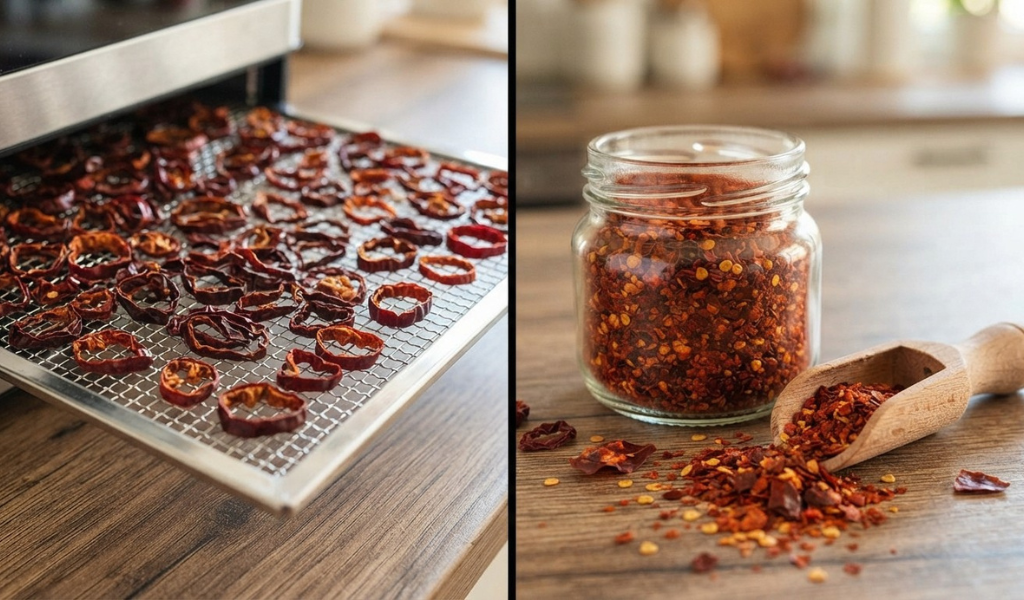
Making Pepper Powder
For pepper powder, blend dried peppers in a food processor or spice grinder until finely ground. Wear a mask if grinding hot peppers, as the dust can irritate your nose and throat. Store the powder in an airtight jar and use within a year for the best flavor.
How to Pickle Peppers
Pickling is a great way to preserve peppers in vinegar and salt while keeping a satisfying crunch. Pickled peppers work on sandwiches, tacos, pizza, and alongside grilled meats. The mixture of vinegar and water creates an acidic environment that keeps bacteria from growing.
Step 1: Pick Your Peppers
Almost any type of pepper can be pickled. Jalapeños, banana peppers, and sweet bell peppers are all popular choices. You can also mix varieties for a more complex jar.
Step 2: Wash Them
Wash the peppers well and slice them into rings or leave small ones whole. Remove seeds and stems if you prefer a milder flavor.
Step 3: Mix Vinegar, Garlic, and Water
Combine equal parts white vinegar and water in a saucepan. Add salt, a little sugar if you like, and a few garlic cloves. Bring to a boil and stir until the salt dissolves. Remove from heat and let the brine cool slightly.
Step 4: Place the Peppers in a Jar
Pack the peppers tightly into clean canning jars. Pour the vinegar and water brine over the peppers, making sure peppers are submerged. Leave a little space at the top of the jar.
Step 5: Process Them
For short-term storage in the refrigerator, simply put the lid on and refrigerate. For long-term shelf storage, process the sealed jars in a boiling water bath for 10 minutes. Let the jars cool completely and check that each lid has sealed before storing.
How to Preserve Peppers in Oil
Marinated peppers stored in oil are rich, flavorful, and incredibly versatile. Roasted red peppers in oil are a classic example. However, peppers in oil carry a food safety risk if not handled correctly, since low-acid foods stored in oil can develop harmful bacteria in the absence of oxygen.
Use a Tested Preservation Method
To stay safe, always roast or blanch the peppers first, and store oil-preserved peppers in the refrigerator. Use them within two weeks. Do not store peppers in oil at room temperature. For pantry storage, stick to tested canning or pickling recipes that include vinegar to acidify the product.
How to Preserve Peppers as a Sauce
Making hot sauce or pepper sauce is one of the most satisfying ways to use a lot of peppers at once. A good hot sauce recipe uses fresh peppers, vinegar, salt, and garlic as the base.
Make a Simple Pepper Sauce
Blend fresh hot peppers with white vinegar, salt, and garlic until smooth. Strain out the solids for a thinner sauce, or leave it chunky. Heat the mixture in a saucepan and bring to a boil, then reduce the heat and simmer for a few minutes.
Freeze Homemade Pepper Sauce
Pour the cooled sauce into small freezer-safe containers or ice cube trays. Once frozen, transfer the cubes to a labeled freezer bag. This makes it easy to thaw just what you need.
Canning the Peppers
Canning is the best way to preserve peppers for long-term pantry storage. Done correctly, canned peppers stay good for a year or more.
Step 1: Pick Your Peppers
Choose firm, fresh peppers with no blemishes or soft spots.
Step 2: Prep Your Canning Jars and Lids
Wash canning jars and lids with hot soapy water and rinse well. Keep the jars warm until you’re ready to fill them to prevent cracking when hot food is added.
Step 3: Wash and Slice the Peppers
Wash the peppers, remove seeds and stems, and cut into halves or strips.
Step 4: Blister the Peppers
Place the peppers on a baking sheet under a broiler or over an open flame until the skins blister and blacken slightly. Place them in a covered bowl to steam for a few minutes, then peel off the skins.
Step 5: Pack Your Jars
Pack the blistered peppers into warm jars, pressing them down gently. Pour acidified liquid, either a mixture of vinegar and water or a prepared brine, over the peppers. Leave the appropriate head space at the top of the jar, about half an inch.
Step 6: Can the Peppers
Wipe the jar rims clean, place the lids on, and process in a boiling water bath according to tested canning guidelines for your altitude and jar size. Let the jars cool undisturbed. 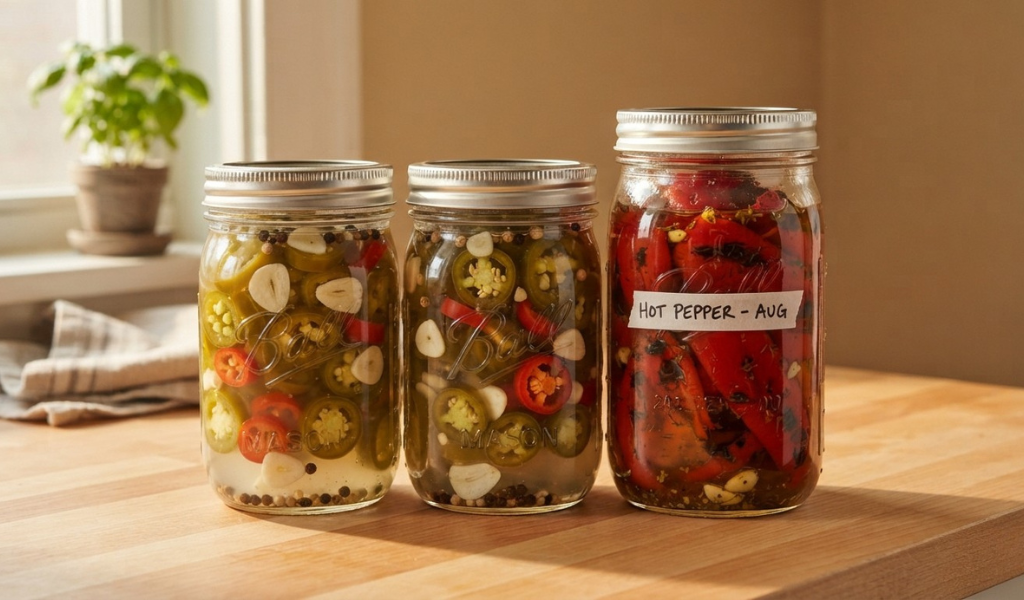 Check that each lid has sealed by pressing the center. Any lid that flexes up and down has not sealed and should be refrigerated.
How to Preserve Peppers for Different Uses
The best preservation method often comes down to what you plan to cook.
- For Stir-Fries and Fajitas: Freeze peppers cut into strips. They go straight from the freezer into a hot pan without needing to thaw first.
- For Soups and Stews: Freeze diced peppers or roasted peppers in portion-sized bags. They thaw quickly and blend into liquids easily.
- For Spicy Seasoning: Dry hot peppers and grind them into powder or flakes. A pinch goes a long way in sauces, rubs, and marinades.
- For Sandwiches and Tacos: Pickle peppers in vinegar and salt for a tangy, crunchy topping. Jalapeños and banana peppers are particularly good this way.
- For Long-Term Pantry Storage: Can peppers using a tested water bath or pressure canning method. Shelf-stable jars are ideal when freezer space is limited.
How to Choose the Right Preservation Method
Choose Freezing for Everyday Cooking
Freezing is quick, requires no special equipment, and keeps peppers tasting close to fresh. It’s the most practical option for sweet bell peppers and green peppers that you plan to cook regularly.
Choose Drying for Long-Term Convenience
Drying hot peppers gives you a pantry staple that lasts for years. Dried peppers and pepper powder take up almost no storage space and don’t require refrigeration.
Choose Pickling for Crunch and Tang
Pickling is the right call when you want to preserve the texture and add bright, acidic flavor. Pickled peppers are ready to eat straight from the jar.
Choose Fermentation for Complex Flavor
Fermenting peppers produces a deeper, more complex flavor through natural fermentation rather than vinegar. Fermented peppers are also rich in beneficial probiotics. Pack fresh peppers into a gallon jar with a salt brine and let them sit at room temperature for several days until the flavor develops.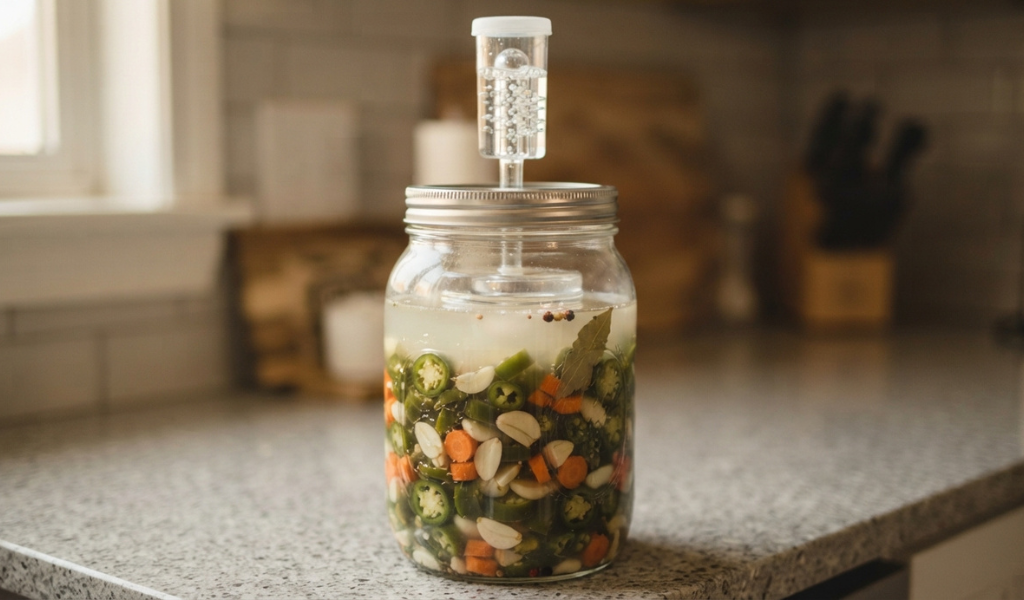
Troubleshooting Common Preservation Problems
- Preserving Damaged Peppers: Damaged or overripe peppers break down faster and affect the quality of whatever you make. Sort carefully and only preserve peppers that are firm and free of rot.
- Packing Peppers While They Are Still Wet: Moisture speeds up spoilage in dried peppers and makes pickled peppers cloudy. Always dry thoroughly after washing.
- Using Containers That Allow Too Much Air: Exposure to air causes freezer burn and oxidation. Use airtight jars or freezer bags with as much air removed as possible.
- Guessing With Canning Recipes: Canning requires precise ratios of acid to prevent spoilage. Always follow a tested recipe rather than improvising, especially when canning low-acid peppers.
- Forgetting to Label Everything: Unlabeled jars are a recipe for confusion. Write the type of pepper and the date on every container, every time.
A Simple Pepper Preservation Plan for a Big Harvest
When you have a lot of peppers ripening at once, work through the harvest in stages.
Preserve the Best Fresh Peppers First
Set aside the firmest, most perfect peppers for canning or pickling. These methods reward high-quality produce.
Freeze Everyday Cooking Peppers
Wash, cut, and freeze bell peppers and sweet peppers in cooking-ready portions. This takes very little time and handles a large volume quickly.
Dry the Extra Hot Peppers
Run the dehydrator overnight and wake up to a full batch of dried hot peppers ready for grinding. Drying is particularly well-suited to chili peppers and small hot peppers.
Pickle a Small Batch
Set aside an afternoon to make a few jars of pickled peppers. They’ll be ready to eat within a day or two and last for months in the refrigerator or longer if properly canned.
How to Store Preserved Peppers Properly
Preservation doesn’t end once the peppers are processed. Good storage habits matter just as much.
Keep Dried Peppers Dry
Store dried peppers and pepper powder in airtight jars away from humidity, heat, and light. A dark pantry shelf works well. Moisture is the main enemy of dried peppers.
Protect Frozen Peppers From Air
Check freezer bags periodically and press out any air that has crept in. If the peppers are showing signs of freezer burn, use them soon.
Label Every Batch
A jar with no label is easy to forget. Write the date and pepper variety on every container before it goes into storage.
Final Thoughts
A big pepper harvest doesn’t have to be overwhelming. Once you understand the different ways to preserve peppers, including freezing, drying, pickling in vinegar and salt, making hot sauce, and canning, it becomes straightforward to match the method to the pepper and to how you cook.
Start with whichever method feels most accessible. Freezing is the easiest place to begin. From there, try pickling a small jar, or run a batch through the dehydrator. With a little practice, you’ll have a well-stocked pantry of preserved peppers from the garden that carries you through the whole year.
Frequently Asked Questions
What should I do with an overabundance of peppers?
Work through the harvest methodically. Freeze the sweet bell peppers and green peppers for everyday cooking, dry the hot peppers, pickle a few jars, and turn the rest into hot sauce. Spreading the harvest across multiple methods means none of it goes to waste.
Is it better to freeze peppers whole or cut?
Cutting peppers before freezing is usually more practical. Sliced or diced peppers go straight into cooking without thawing and take up less freezer space than whole peppers. That said, whole peppers work if you plan to stuff them later.
Do peppers last longer in the refrigerator or on the counter?
The refrigerator keeps fresh peppers fresh for one to two weeks. On the counter, they typically last only a few days before softening. For anything longer than two weeks, you need to freeze, dry, pickle, or can them.
Is it better to freeze or dry hot peppers?
Both work well for hot peppers, but drying is generally better for long-term storage. Dried hot peppers and pepper powder last for one to three years in a sealed jar and don’t need freezer space. Freezing is faster and keeps the flavor very close to fresh, but requires ongoing freezer space.
What are the best methods to preserve peppers?
The best methods depend on how you plan to use the peppers. Freezing works best for everyday cooking. Drying works best for long-term pantry storage. Pickling is ideal when you want crunch and tang. Canning suits large batches intended for the pantry shelf. Fermenting produces a more complex flavor and adds probiotics to the final product.
How do I preserve peppers for winter?
Freeze, dry, pickle, or can peppers during the harvest season. Frozen peppers last up to 12 months. Dried peppers and canned peppers last even longer when stored correctly. A combination of methods gives you the most flexibility in how you cook through the colder months.