Pinching Pepper Seedlings: When, Why, and How to Do It Right
Pinching Pepper Seedlings: The Complete Step-by-Step Guide
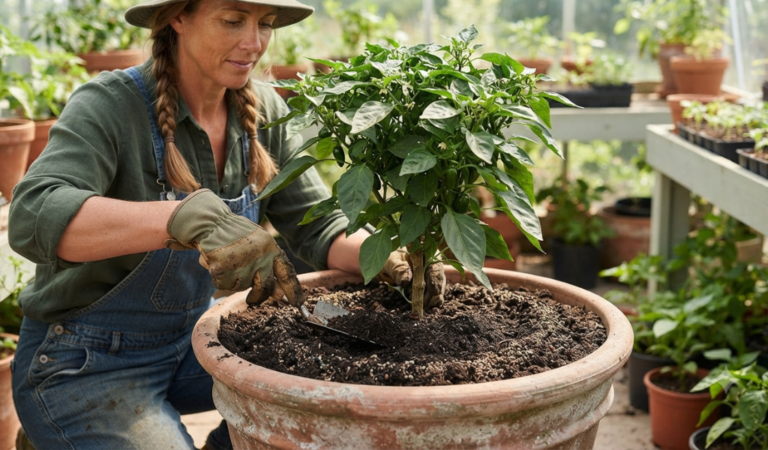
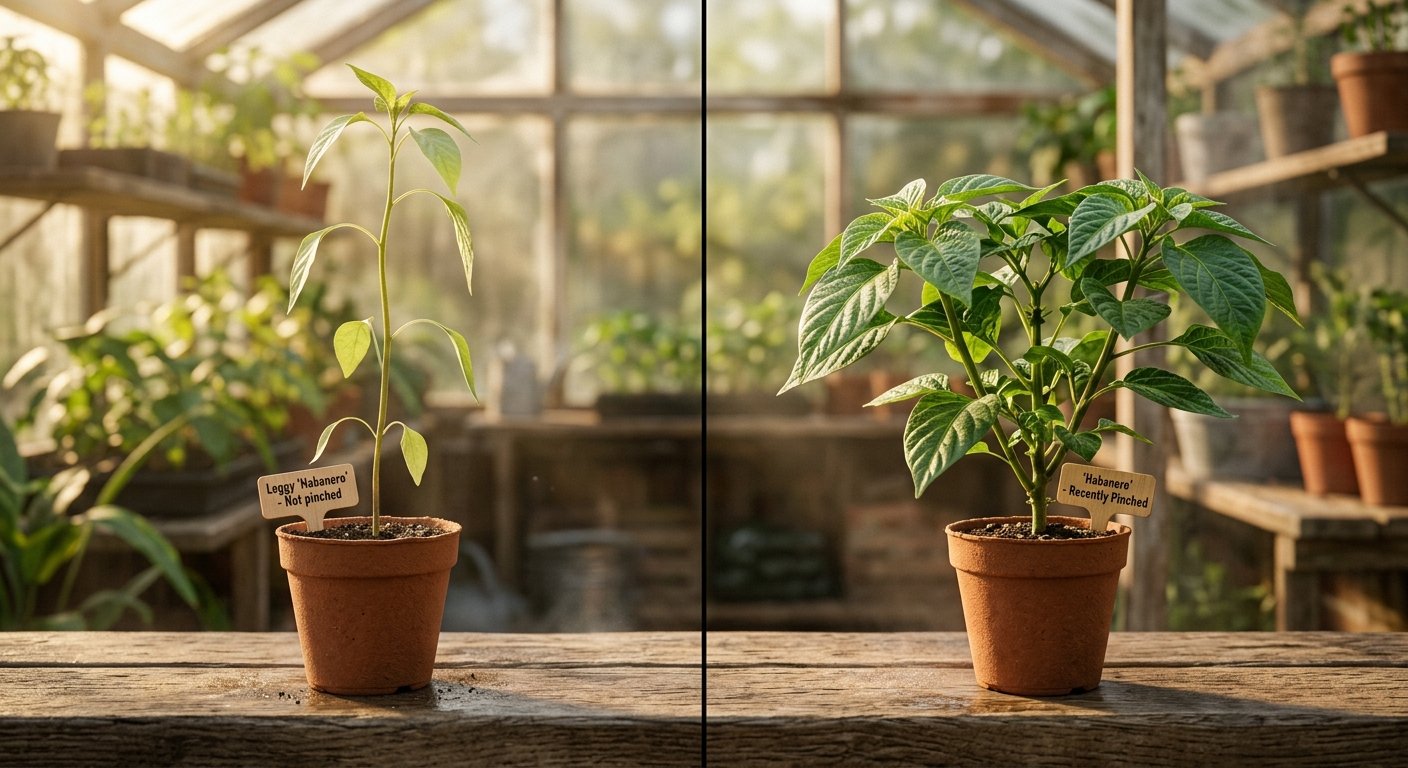
Every spring I watch the same thing happen in the garden. A young pepper plant shoots up tall and thin, puts out one early flower and then just sits there. The plant looks proud, but it is weak. The stem leans, the branches are few and the first pepper is tiny. If this sounds familiar, then pinching pepper seedlings may be the simple fix you have been missing.
Pinching is a small cut that takes about ten seconds per plant. It tells your pepper plant to stop going up and start spreading out. In this guide you will learn why it works, when to do it, how to pinch it right and how to care for your plants afterward. Whether you are growing peppers on a windowsill or in a big backyard bed, these steps can help you get stronger plants and a better harvest.
What Is Pinching and Why Should You Do It?
Pinching, sometimes called topping, means removing the growing tip of a young plant. You take off the very top of the main stem, usually with your fingers or a small pair of clippers. It sounds harsh, but it is a form of light pruning that gardeners have used for years on herbs, flowers and vegetables.
The idea is to redirect the plant. Instead of racing upward on one stem, the pepper plant is pushed to grow more branches from the lower parts. More branches mean more places for flowers and fruit later in the season.
The Science Behind Topping Pepper Plants
Here is what happens inside the plant. The growing tip at the top of the main stem makes a hormone called auxin. This hormone tells the buds lower down to stay quiet so the top can lead. Gardeners call this apical dominance. It is why a seedling often grows tall and thin with very few side branches.
When you pinch off the growing tip, you remove the main source of that hormone. The buds below wake up and start to grow. Within a week or two you will see new growth coming from the leaf joints, which are called nodes. Each new shoot becomes a branch, and each branch can grow its own leaves, flowers and fruit.
There is a second benefit. Because the plant is no longer spending energy on height, it can put that energy into the root system and the stems. A larger root system means better access to water and nutrients, and thicker stems hold up better in wind and under the weight of heavy fruit.
Key Benefits: Bigger Yields, Bushier Plants and Stronger Stems
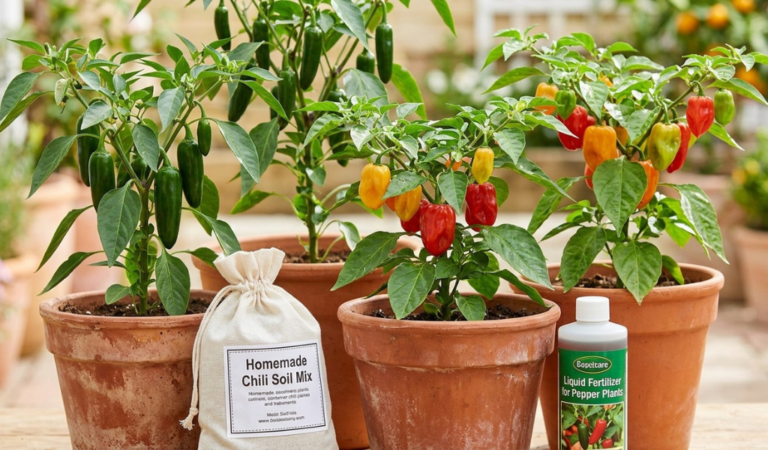
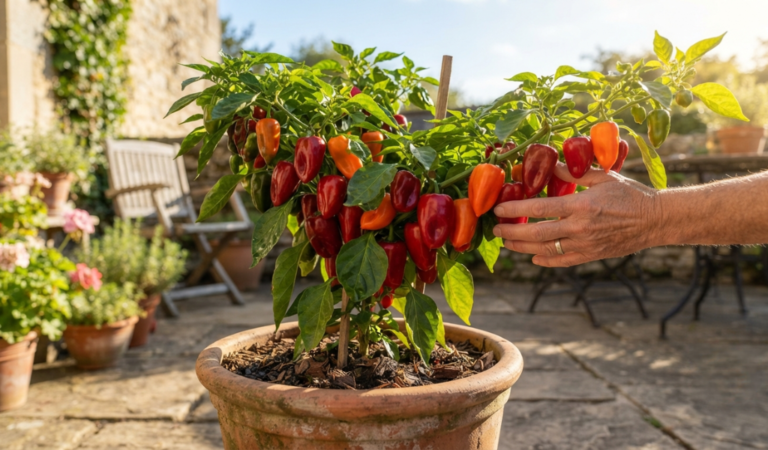
The first big win is yield. A bushy pepper plant with six or eight main branches can carry far more fruit than a single tall stem. Growers who top their plants often report more pods per plant, and the harvest stretches over a longer window.
The second is shape. A bushy plant has a fuller canopy that shades the fruit and protects it from sunburn. The leaves also shade the soil, which keeps the roots cooler and holds in moisture.
The third is strength. A short, sturdy plant with a thick main stem can handle wind, rain and the weight of a heavy crop. Tall, leggy plants often need stakes, and they still break in a storm.
A friend of mine grows cayenne and Thai peppers in raised beds. One year she pinched half of her seedlings and left the other half alone as a test. By midsummer the pinched plants were nearly twice as wide, and by the end of the season they had given her noticeably more pods. The unpinched plants were taller but thinner and needed stakes. It was not a lab study, but it convinced her.
When to Pinch Pepper Seedlings for Maximum Growth
Timing matters a lot. Pinch too early and you may stunt the plant. Pinch too late and you may remove flowers or delay your fruit. The sweet spot is a window that is easy to spot once you know what to look for.
The Ideal Height and Leaf Count Rule
For best results, wait until the seedling is about 6 to 8 inches tall and has at least three or four sets of true leaves. True leaves are the ones that appear after the first two round seed leaves. At this stage the plant has enough foliage to make food and a strong enough root system to handle the cut.
Many growers pinch at the time of the first transplant, when the seedling moves from a small cell into a bigger pot. This is a good moment, because the plant is about to grow fast anyway. Others wait until the plant is established in the garden. Either choice works, as long as the plant looks healthy and is growing steadily.
A simple rule is to cut just above the second or third set of leaves from the bottom, so you keep a few healthy leaf sets on the stem. 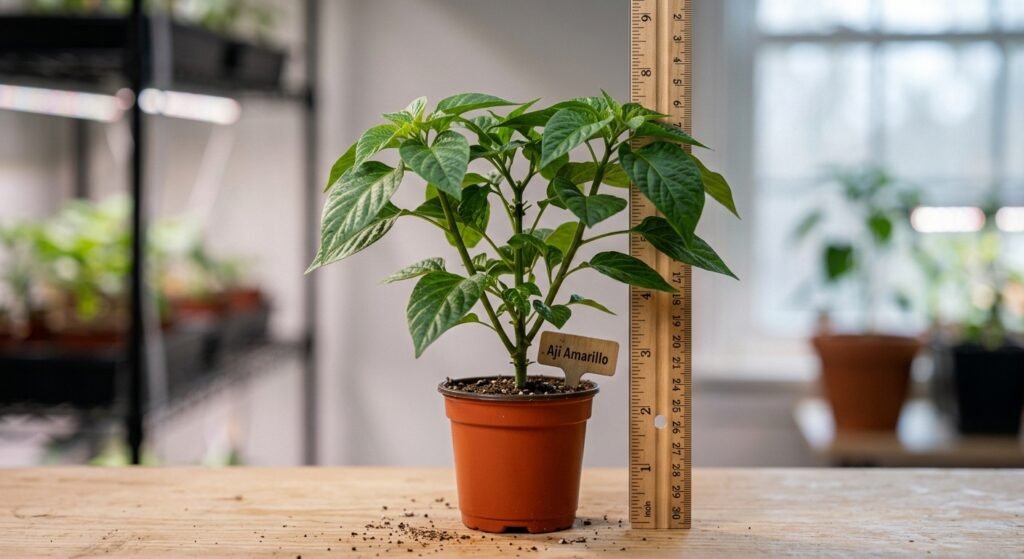 Those leaf joints will become your main branches.
If your seedling is already blooming, take a moment to look at the flower buds. You should pinch off early pepper flowers at the same time. It feels wrong to remove them, but a tiny plant that sets fruit too soon will put its energy into one or two small peppers and stop growing. Early flowers can wait. Taking them off while the plant is still small lets it grow bigger first, and a bigger plant gives you better fruit later.
How Late Is Too Late to Pinch?
Once your pepper plant has many flowers and has started to set fruit, it is too late for a full topping. At that point the plant is putting its energy into developing fruit, and a hard cut will only set it back.
A good guide is the calendar. Aim to finish all pinching about 8 to 10 weeks before your average last frost date in spring, if you start seeds indoors, or at least a few weeks before you plan to move plants outside. For plants already in the garden, stop pinching about two months before the first frost in fall, so the plant has time to recover, bloom and ripen fruit.
For most home gardeners, the rule is simple. If the plant is under about 12 inches tall and has not set fruit, you can still pinch. If it is taller, loaded with buds and moving into bloom, leave it alone and just clip off any dead or damaged leaves.
One more note on weather. Peppers stall when nights fall below 55°F, and a pinched plant that is also cold will be slow to recover. Wait for warmer days if a cold snap is coming.
How to Pinch Pepper Seedlings Step-by-Step
You do not need fancy equipment. Pinching is one of the easiest garden jobs, and you can do it in a few minutes. Follow these steps for clean results and a healthy plant.
Step 1: Gather Your Tools (Sanitizing Precision Shears)
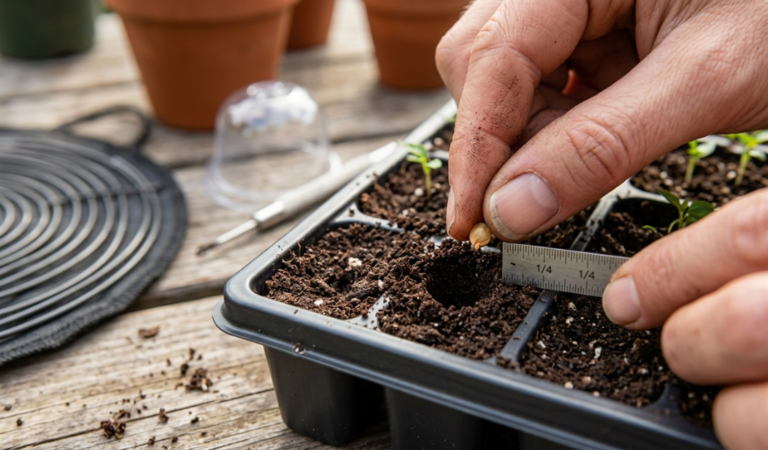
You can pinch with clean fingers on soft, young stems. Just use your thumb and finger and squeeze the tip off. For thicker stems, use a small pair of precision shears or sharp scissors. A dull blade crushes the stem and leaves a ragged wound that is slow to heal.
Sanitize your tool before you start. Wipe the blades with rubbing alcohol or dip them in a mix of one part bleach to nine parts water. Let them dry for a minute. This matters more than most people think. Disease and pests can pass from one plant to another on dirty tools, and a fresh cut is an open door.
Also keep a small bowl or bag nearby for the clippings. Do not drop them near the plants. Throw them in the trash or compost them if the plants look healthy.
Pick a calm, dry day if you are working outside, and work in the morning. Cuts dry and heal faster when the sun is out and the leaves are not wet.
Step 2: Locate the Growing Node
Look at the main stem. You will see small bumps where each set of leaves joins the stem. These are the nodes. At each node, there is a tiny bud tucked in the corner where the leaf meets the stem. That little bud is what will turn into a new branch after you pinch.
Find the top of the plant, which is the growing tip. It looks like a tight cluster of tiny young leaves. Count down from there to the second or third set of fully open leaves. This is where you will cut.
If you grow tomatoes, think of pinching as the opposite of removing tomato suckers. With tomatoes you often remove the side shoots to keep a single strong stem. With peppers you want the opposite. You want the plant to branch out, so you encourage side shoots.
Step 3: Making the Clean Cut
Now for the cut. Hold the stem gently with one hand. With the other, snip or pinch just above a node, about a quarter inch above the leaf joint. Leave at least two or three sets of healthy leaves below the cut. Do not cut too close to the node, since that may damage the bud you are trying to wake up.
That is it. The whole plant may look a little short and silly for a few days, and that is normal. Do not panic and do not cut more. Resist the urge to also remove healthy lower leaves, because the plant needs them to make food while it recovers.
If you have many seedlings, work from the healthiest plants to the weakest, and wipe your shears between each one. If you spot a plant with spots, curling leaves or tiny pests, treat that one last and set it apart.
In about a week you should see tiny new leaves forming at the nodes below the cut. In two weeks you will see real branches. That is the sign the pinch worked.
Aftercare: Caring for Seedlings Post-Pinching
A pinched pepper plant is a bit like a person after a haircut. It looks different and needs a little attention while things settle. Good care for the next two or three weeks makes the difference between a strong comeback and a weak, slow plant.
Watering and Nutrient Needs During Recovery
Keep the soil evenly moist but never soggy. A plant with fewer leaves uses less water, so it is easy to overwater right after pinching. Check the top inch of soil with your finger and water only when it feels dry. Make sure the pot has good drainage, since wet roots invite rot and slow recovery.
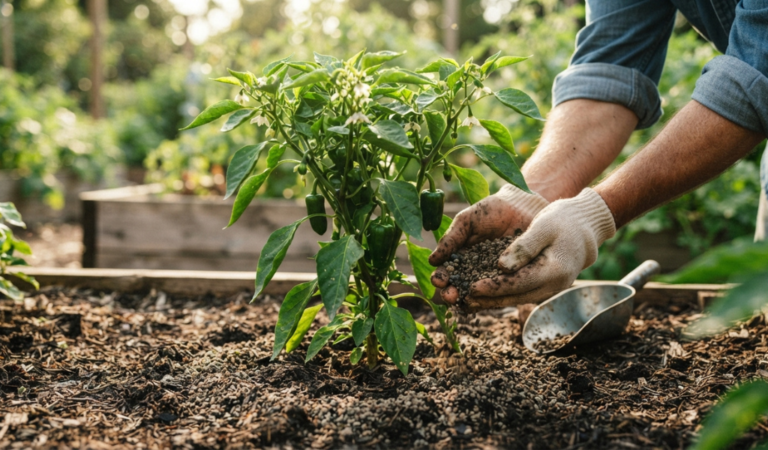
For food, go easy at first. Skip heavy feeding for the first few days after the cut. Then give the plant a balanced fertilizer at half strength. Be careful with nitrogen. Too much of it will give you lots of soft green leaves and few flowers, and it can make the plant more tempting to pests. Once new branches have formed and the plant looks strong, you can move to a normal feeding plan and later switch to a fertilizer with more phosphorus and potassium to support bloom and fruit.
If the plant has outgrown its container, this is also a good time to repot. A bigger pot gives the root system room to spread, and the plant will use that new space as it grows side shoots. Handle the roots gently and water well after the move.
Adjusting Light Distance for Side Shoots
If you grow peppers indoors, light matters even more after pinching. The new side shoots need strong light close to the plant, or they will stretch and become thin. Keep the grow light a few inches above the top of the plants and raise it as they grow.  The right distance depends on your light type, so check the label. LED lights usually sit farther away than fluorescent tubes.
A greenhouse or sunny window works well too, but turn the pots every day or two so each side gets light. If your seedlings lean toward the window, you need more light or a closer lamp.
Before planting out, harden off your seedlings for a week or so. Start with an hour or two in the shade and slowly add more sun. A pinched plant has a bushier canopy and handles sun and wind much better than a tall one, but it still needs a gentle introduction to the outdoors.
Once the plant is bushy and has strong new stems, you can let the first flowers stay. The plant is ready to set fruit.
Final Thoughts
Pinching pepper seedlings is one of the easiest and cheapest ways to improve your harvest. A single small cut helps the plant grow wider instead of taller, build a stronger stem and root system, and carry more fruit. Wait until the seedling is 6 to 8 inches tall with a few sets of true leaves, cut just above a node and give the plant good care while it recovers.
Do not be afraid of the cut. Most gardeners who try it once never go back. If you are not sure, test it the way my friend did. Pinch half your plants, leave the rest and watch what happens by the end of the season.
Try it this week with one or two of your seedlings, and tell us how it goes in the comments. Your results may help another grower decide to give it a go.
Frequently Asked Questions (FAQ)
Do all pepper varieties benefit from pinching?
Most do, but the gain is different from one type to another. Tall, slow varieties like some habanero and long cayenne types respond very well, because they tend to grow leggy. Small, compact varieties like many ornamental or container peppers are naturally bushy and may not need it. If a plant is already branching well on its own, you can skip the pinch and just remove the early flowers.
Will pinching delay my pepper harvest?
A little, yes. Pinching and removing early flowers may push your first harvest back by one or two weeks. The trade is worth it for most growers, since the plant makes more fruit overall and the harvest lasts longer. If you live in a short-season area, pinch early and do not wait too long, so the plant has time to ripen its fruit before the first frost.
Can I pinch peppers more than once?
Yes, but keep it light. Some growers pinch the new branches once more when they have three or four sets of leaves, which makes an even bushier plant. Do not do this more than two times, and stop once flowers begin to open and fruit is starting to form.
What if I accidentally cut too much?
Do not worry. Pepper plants are tough and can grow back from a cut as long as some leaves and nodes remain. Keep the plant warm, water it well and wait. If you removed all the leaves, the plant may not recover, so always leave at least two sets of healthy leaves.
Should I pinch off early pepper flowers too?
Yes, if the plant is small. Early flowers on a seedling take energy that the plant needs for growth. Remove them until the plant is about 12 inches tall or well established in the garden. After that, let the flowers stay so the plant can set fruit.
Do I need to pinch peppers I start from seed indoors?
It helps most with indoor seedlings. Plants grown indoors often stretch toward the light, and pinching fixes that by building a bushier shape. Do it when the plants are 6 to 8 inches tall and before you transplant them outside.
Can pinching help with pollination and fruit size?
Indirectly, yes. A bushier plant has more flowers, which gives bees and wind more chances to pollinate. With early flowers removed, the plant also builds a stronger base, and many growers find that the fruit grows larger and ripens more evenly. Good watering and steady feeding still matter just as much.