How to Save Overwatered Tomato Plants: Seedlings From Dying
How to Save Overwatered Tomato Plants and Restore Healthy Growth
Learning How to Save Overwatered Tomato Plants starts with understanding what water does inside the plant. Roots need both moisture and oxygen. When the soil stays soaked, the air pockets fill with water and the roots begin to suffocate. A tomato plant cannot take in nutrients in this state, so even a well fed plant starts to look weak.
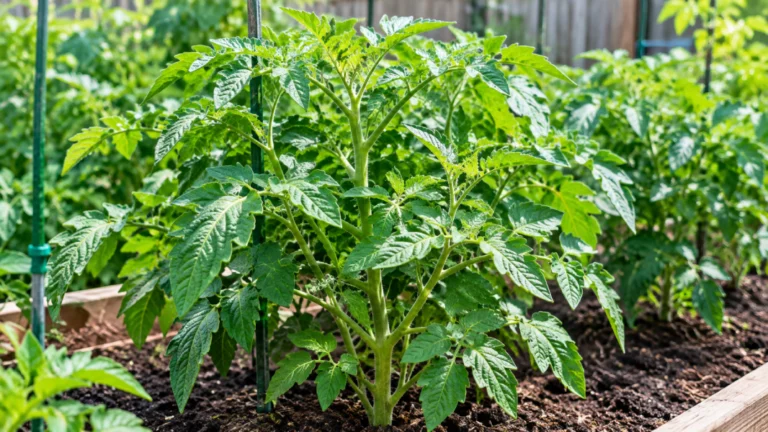
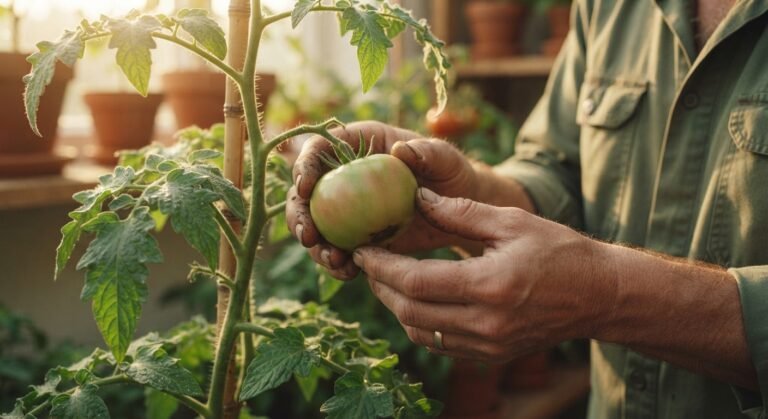
Every stage in the life cycle of the tomato plant has its own water needs. A tiny seedling needs light, steady moisture because its roots are shallow. A young plant that is building its frame needs deeper watering, but less often. A flowering plant with fruit needs a regular supply, yet sudden floods can crack the fruit and invite fungus. Overwatering at any of these stages can stunt growth and open the door to root rot.
The idea behind how to save overwatered tomato plants is simple. Stop adding water, let the soil dry, fix the drainage, remove damaged parts, and then water the right way going forward. Each step in this article builds on the one before it, so you can follow the plan from the first warning sign to full recovery. Acting quickly gives the roots the best chance to heal and send up new growth.
Early Signs of Overwatered Tomato Plants and How to Identify the Damage
Spotting trouble early is the first step in How to Save Overwatered Tomato Plants. The signs of an overwatered plant often look like thirst, which is why many gardeners keep pouring on more water by mistake. Check the plant and the soil together before making any decision.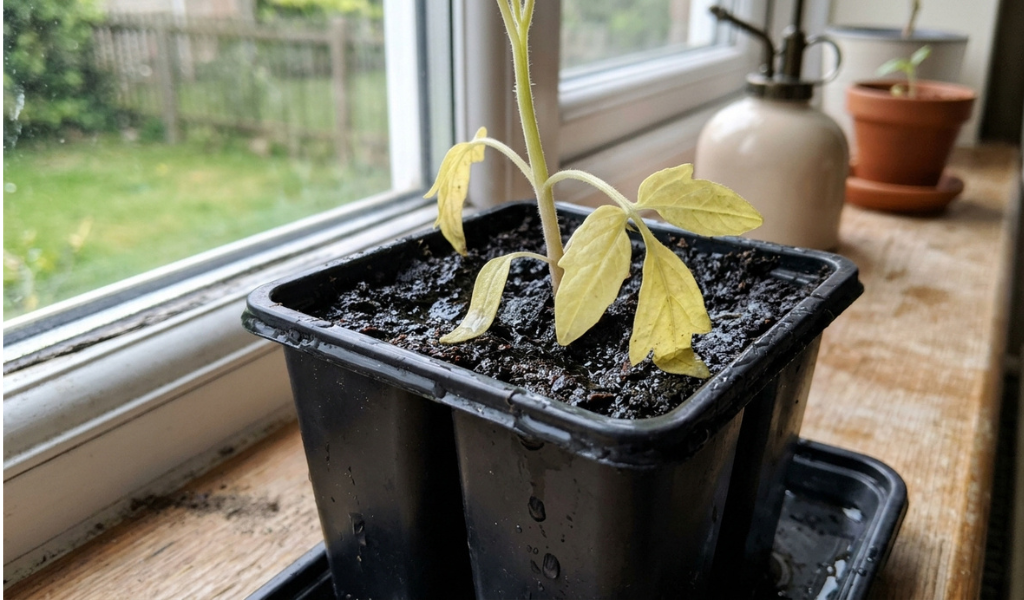
Yellowing Leaves, Wilting, and Drooping Stems
Yellow leaves are usually the first sign of overwatering. The lower leaves turn yellow first because the roots can no longer deliver nutrients to older foliage. Soon after, the plant may wilt even though the soil is wet. This is the confusing part. A thirsty plant wilts when the soil is dry to the touch, while an overwatered plant wilts because its roots can’t breathe. Stems may feel soft, look swollen, or droop under their own weight. Push a finger two inches into the soil. If it feels cold, heavy, and constantly wet, too much water is the likely cause.
Root Damage, Leaf Curling, and Slow Plant Growth
Below the surface, damage shows up as roots that look brown, slimy, and weak. Healthy roots stay white and clean and feel firm. Rotting roots smell sour and fall apart when touched. Above ground, the leaves may curl downward or inward, and new growth slows down. Seedlings may stop growing and stay pale. Small blisters can appear on the underside of leaves where cells take in water faster than they can release it. Cracked fruit is another clue, because sudden water uptake makes the skin split. When several of these signs show up together, treat the plant as overwatered and move on to the rescue steps.
Main Causes of Overwatering in Tomato Plants
Before fixing the problem, it helps to know where it came from. Knowing the cause is part of learning How to Save Overwatered Tomato Plants for good. Most cases trace back to two groups of causes, one tied to the soil and one tied to how and when the water arrives.
Poor Soil Drainage and Waterlogged Growing Conditions
Heavy clay soil holds water for days, and compacted soil leaves very little room for air. A planter without enough holes traps excess water at the bottom, so the roots sit in water. Saucers that stay full make this worse. Garden beds in low spots collect runoff and stay soggy after every storm. Soil mixes that lack perlite or coarse material pack down over time. Even good potting mix can break down after a season and stop draining well. Any of these conditions can turn a normal watering into waterlogged soil.
Frequent Watering, Heavy Rainfall, and Improper Irrigation
Watering a little every day is one of the most common mistakes. It keeps the soil surface constantly wet while the deeper layers never get a chance to dry. Heavy rainfall adds to the problem, especially in beds with poor drainage. Overhead irrigation also wets the leaves, which invites fungus. Timers on irrigation systems can keep running during a rainy week and add water the plants do not need. Using the same schedule in cool weather as in summer is another trap, since plants use less water when it is cold. Matching the amount of water to the weather matters more than following a fixed routine.
How to Save Overwatered Tomato Plants Before It’s Too Late
Time matters here. The steps below are best done in order, starting with the simplest methods. Work through them one at a time and watch how the plant responds.
Stop Watering and Allow Excess Moisture to Drain
The first step in How to Save Overwatered Tomato Plants is to stop watering completely. Let the soil dry until the top two inches feel dry to the touch. For potted plants, tip the pot slightly and let extra water run out of the drainage holes. Empty any tray where the pot might sit in water. Move containers out of the rain and into bright shade or a spot with good airflow. In garden beds, pull mulch back so the soil surface can dry faster. Depending on the weather, this drying period can take three to seven days. Hold back fertilizer during this time, since stressed roots cannot use it.
Improve Soil Aeration and Remove Standing Water
Once the water has started to drain, open up the soil. Use a thin stick or a garden fork to poke several holes around the plant, a few inches deep, while keeping away from the main roots. These holes let air reach the roots and help water escape. Remove any standing water on top of the soil with a sponge or towel. If water pools around the base, dig a small shallow channel to guide it away. A fan can move air around plants kept indoors or in a greenhouse. Better airflow also lowers the risk of fungus.
Remove Severely Damaged Leaves and Check the Roots
Cut off leaves that are fully yellow, black, or mushy with clean scissors. These leaves no longer help the plant and use up energy. Leave healthy green foliage alone, because it still makes food. Remove no more than one third of the leaves at one time to avoid shock. If the plant is still weak after a week, check the roots. Slide it out of its pot or dig it up carefully, rinse away the soil, and look at the color. Trim any slimy, dark roots with clean tools. Healthy roots stay white and clean, and those are the ones worth saving.
How to Fix Waterlogged Soil and Restore Healthy Tomato Roots
Rescuing the plant is only half of the job. The soil also needs repair, or the same trouble will return after the next watering. Fixing waterlogged soil means improving how water moves through it and how well it holds air.
Improving Drainage in Garden Beds and Containers
For containers, choose a pot with drainage holes and lift it on pot feet so water can leave freely. Replace old soil with a fresh soil mix that includes perlite or coarse sand. Pick a pot that fits the roots, because a very large pot holds extra wet soil. For garden beds, build raised beds or form mounds about eight inches high so water runs off. Dig in coarse material in heavy clay areas, and avoid walking on wet beds, which compresses the soil. A simple drain channel at the low end of a bed can also help.
Using Compost and Other Soil Amendments to Improve Soil Structure
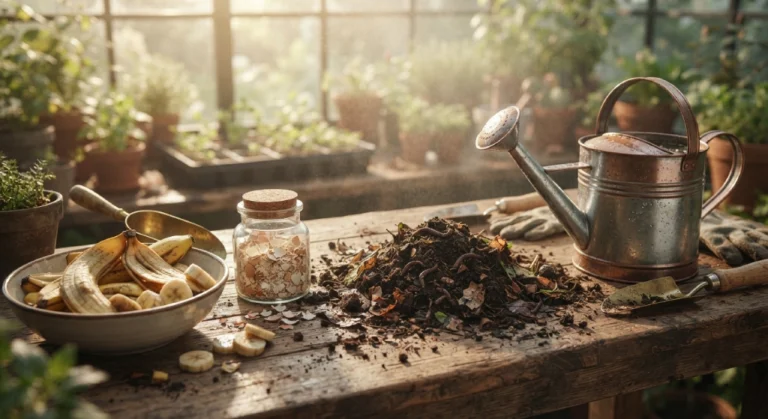
Compost improves soil structure by adding organic matter that holds moisture without becoming soggy. It also creates small air pockets that help roots breathe. Mix a few inches of well rotted compost into garden beds before planting. For containers, blend compost with potting soil and perlite in equal parts for a light, balanced mix. Coco coir and aged bark can also open up the soil. Avoid fresh manure, which can burn roots. Compost alone will not fix poor drainage, so use it together with the other methods in this section.
How to Revive Overwatered Tomato Plants After Root Damage
Plants with root damage need extra care. Repot an overwatered tomato plant when more than a third of the roots look slimy or brown, or when the soil stays wet for over a week. Remove the plant from the planter, shake off the old wet soil, and cut away all rotting roots. Dip the remaining roots in a mild fungicide solution if rot has spread, and follow the label directions closely. Place the plant in a clean pot with drainage holes and fresh, dry soil. Tomatoes can grow roots along buried stems, so set the plant slightly deeper to encourage new growth. Water lightly once to settle the soil, then wait for it to dry. Keep the plant in bright shade for several days.
Winter adds another layer. Cold soil dries slowly, so plants in unheated rooms or greenhouses can stay wet for a long time. When working out how to save overwatered tomato plants in winter, water in the morning, use less each time, and place the pot near a bright window with steady warmth. Skip fertilizer until new growth appears.
Proper Watering Techniques to Help Tomato Plants Recover
After the rescue, proper watering is what keeps the plant alive. A recovering tomato needs less water than a healthy one, so go slowly and rely on checks instead of habits. This is the long term side of How to Save Overwatered Tomato Plants.
Checking Soil Moisture Before Watering
Never water by the calendar alone. Push a finger two inches into the soil near the base. If it feels dry, add water. If it feels damp, wait another day. A wooden stick or a moisture meter can give the same answer for deeper pots. Lift a container to feel its weight, since dry soil is much lighter. Water slowly at the base and avoid wetting the leaves. Stop as soon as water runs from the drainage holes, and never let the pot sit in water afterward.
Choosing the Right Watering Schedule for Tomato Plants
Most tomato plants need about an inch of water per week, divided into one or two deep sessions. Seedlings need smaller amounts but more often, since their roots are shallow. Water in the morning so leaves and soil dry before night, and avoid the hottest part of the day, when water evaporates quickly. Cut back during cool or rainy weeks and increase in heat. Drip irrigation or a soaker hose delivers water slowly and directly to the roots. A layer of mulch holds steady moisture and reduces the need for frequent watering.
How Long Does It Take Overwatered Tomato Plants to Recover?
Knowing How to Save Overwatered Tomato Plants also means knowing what a normal recovery looks like. The time depends on how much damage the roots took. A mildly overwatered plant can look better within five to ten days after the soil dries. Signs of success include firm stems, perky leaves, and fresh green growth at the top. Plants with root rot may need three to four weeks, and some will stay small for a while. Yellow leaves will not turn green again, so judge progress by new leaves instead. Once new growth starts, give a half strength feed or a little compost tea. If the stem turns black and mushy near the base, or no new growth appears after a month, the plant may not survive. In that case, start fresh with a healthy seedling and better soil.
Prevent Overwatering and Keep Tomato Plants Healthy Throughout the Growing Season
Prevention is the easiest part of caring for tomatoes. Plant in a loose soil mix with good drainage, and always use a pot with drainage holes. Water deeply but less often, and check the soil first every time. Mulch the soil surface to keep moisture steady. Space plants apart for airflow so leaves dry fast after rain. In rainy seasons, move pots under cover or open a trench near beds to guide water away. Watch for pests like mites and signs of fungus, since stressed plants attract them. Prune lower leaves that touch the soil. Keep a short note of watering days to spot patterns. Small habits like these protect every stage of the growing season and help prevent future problems.
Final Thoughts
Knowing How to Save Overwatered Tomato Plants gives any gardener a clear plan when leaves turn yellow or stems droop. Stop watering, improve drainage, remove damaged leaves, check the roots, and repot when needed. Then build better watering habits with regular soil checks. Most plants recover when the problem is spotted early and handled with care. Start by checking your tomato plants today. Feel the soil, look at the lower leaves, and act on what you find. Share this guide with a fellow gardener and bring your plants back to health.
Frequently Asked Questions
Can tomatoes be overwatered?
Yes. Tomato roots need air as much as water, and soaked soil pushes the air out. This causes yellow leaves, wilting, root rot, and cracked fruit. Learning How to Save Overwatered Tomato Plants helps you fix the problem before the plant is lost.
What does Epsom salt add to tomato plants?
Epsom salt supplies magnesium and sulfur. Magnesium helps leaves make chlorophyll, so a shortage can cause yellowing between the veins. It will not fix overwatering, so use it only when a soil test or leaf pattern points to low magnesium.
Is it ever too late to prune a tomato plant?
Light pruning is helpful through most of the season, especially for removing damaged or low leaves. Late in the season, avoid heavy cuts because the plant needs foliage to ripen fruit. Remove only dead or diseased parts and use clean scissors.
How to bring a dying tomato plant back to life?
First find the cause. If the soil is wet, follow the steps for how to save overwatered tomato plants: stop watering, improve drainage, trim damaged roots, and repot in fresh soil. If the soil is dry, water deeply and give shade for a few days.
How do you check tomato roots for overwatering damage?
Slide the plant out of its pot or lift it carefully from the bed. Rinse off some soil and look at the roots. Healthy roots are white, firm, and clean. Overwatered roots look brown or black, feel slimy, and smell sour.
Can overwatered tomato seedlings be saved?
Often yes. Move the tray to a bright, airy spot, stop watering, and let the top of the soil dry. Replace soggy mix with fresh, light soil if the stems look weak. Seedlings recover quickly when the problem is caught early.