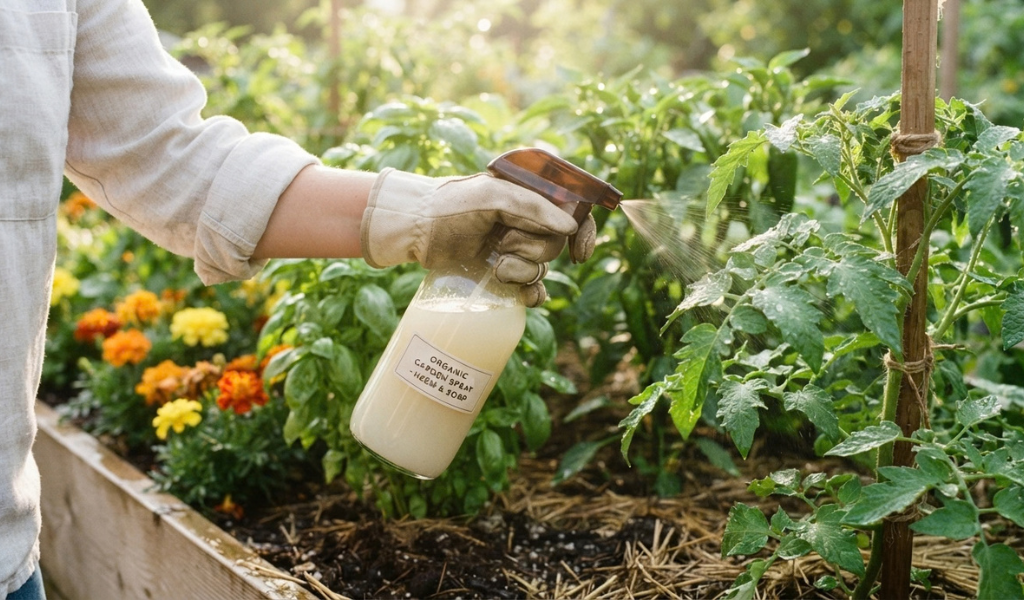
Natural Insect Repellent Spray for Vegetables: Simple Garden Pest Control
Natural Insect Repellent Spray for Vegetables: Best Natural Pest Solutions
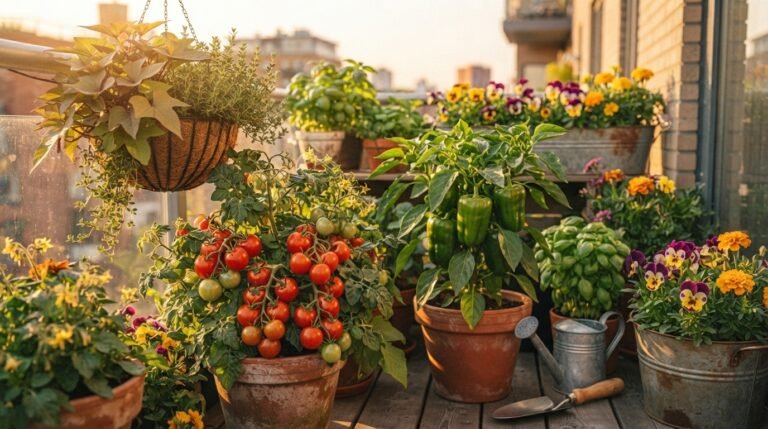
A healthy vegetable garden can quickly become vulnerable to aphids, beetles, mites, caterpillars, and other common garden pests. Even a Small Space Vegetable Gardening setup on a balcony, patio, or compact backyard can attract insects that damage leaves, stems, and developing vegetables. Identifying pest activity early and choosing gentle control methods can help protect plants while supporting a healthier growing environment.
A Natural Insect Repellent Spray for Vegetables offers a practical option for gardeners who want to reduce common insect problems without relying heavily on harsh chemical pesticides. Simple ingredients and proper application can help create an effective approach to everyday garden pest control. This guide explains how to prepare and use a Natural Insect Repellent Spray for Vegetables, along with important application tips to help protect vegetable crops. With consistent monitoring, appropriate spraying, and good garden hygiene, gardeners can reduce pest pressure and maintain stronger, more productive plants throughout the growing season.
Natural pest management can be especially useful for vegetable gardens where protecting plant foliage and developing produce is a priority. Regular inspection of leaves, stems, and the undersides of plants can help identify insect activity before it becomes widespread. Combining careful spraying with proper watering, pruning, sanitation, and removal of heavily infested plant material can provide a more complete garden pest control strategy. Applying treatments at the appropriate time and avoiding excessive spraying can also help minimize unnecessary stress on plants and beneficial garden insects.
Why Vegetables Attract So Many Pests in the First Place
Vegetables are soft, moist, and packed with nutrients, which makes them irresistible to almost every garden pest imaginable. Tender new growth is especially vulnerable because it has not yet developed the thicker, tougher tissue that mature leaves have. Warm weather, still air, and a lack of natural predators in a typical backyard garden ecosystem only make the problem worse. Many gardeners do not realize that overwatering or over-fertilizing can actually make plants more attractive to soft-bodied insects like aphids, since lush growth practically signals dinner is served.
This is exactly why so many people start searching for a Natural Insect Repellent Spray for Vegetables the moment they notice their first pest problem. Understanding why pests show up in the first place helps you use any bug spray more effectively, because prevention always works better than damage control. Choosing appropriate pest control methods, maintaining healthy soil, providing proper airflow, and regularly inspecting leaves can help reduce insect pressure before serious damage occurs. A Natural Insect Repellent Spray for Vegetables can also be part of a broader garden pest management routine when used appropriately.
Common Vegetable Garden Pests You May Need to Control
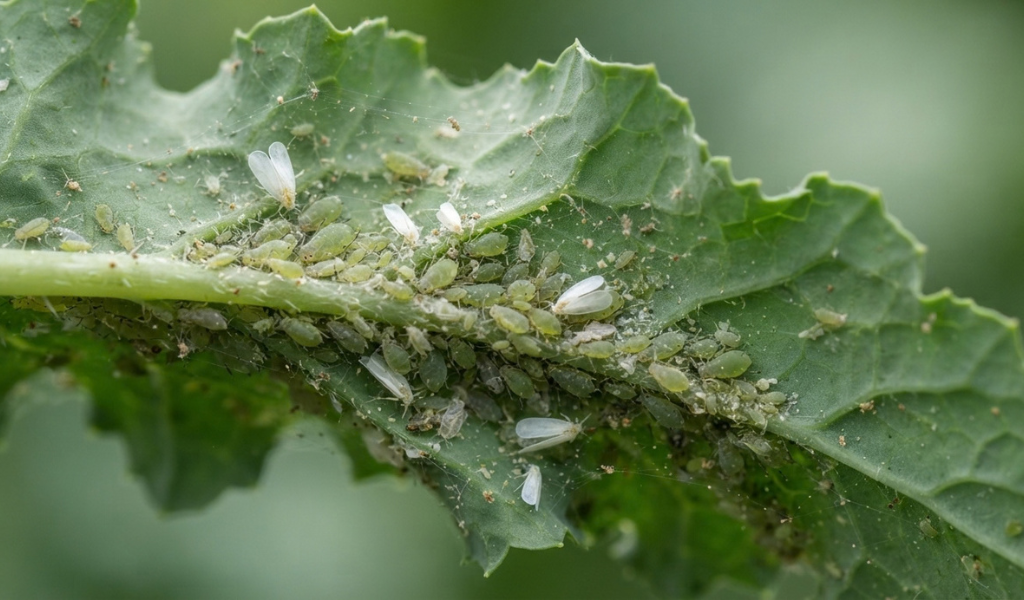
Before reaching for any bug spray, it helps to know exactly what you are dealing with. Aphids are tiny, soft-bodied insects that cluster on stems and the undersides of leaves, sucking out plant juices and leaving behind a sticky residue called honeydew. Whiteflies look almost like tiny moths and tend to scatter in a cloud when you brush against an affected plant. Spider mites are so small they are often mistaken for dust, but the fine webbing they leave behind is a dead giveaway.
Beetles, particularly cucumber beetles and flea beetles, chew visible holes straight through leaves and can spread plant diseases as they move from one vegetable to another. Tomato hornworms are large, green, and surprisingly hard to spot despite their size, often stripping entire branches overnight. Ants themselves rarely damage plants directly, but they farm aphids for honeydew and will actually protect aphid colonies from natural predators like ladybugs. Thrips are slender insects that scar leaves and fruit with silvery streaks, while nematodes work underground, attacking roots where you cannot even see the damage happening.
Knowing your specific garden pest helps you choose the right homemade organic insecticide sprays instead of guessing. Identifying the pest first is one of the most useful steps before using a Natural Insect Repellent Spray for Vegetables, because different insects respond to different methods.
What Makes a Natural Insect Repellent Spray for Vegetables Actually Work
A Natural Insect Repellent Spray for Vegetables works by disrupting insects through smell, taste, or physical barriers rather than poisoning them the way chemical pesticides do. Strong-scented ingredients like garlic and hot pepper overwhelm an insect’s sensory receptors, making your vegetable garden far less appealing as a food source. Oils and soaps work differently, coating soft-bodied insects and interfering with their ability to breathe or move properly.
Because these ingredients break down quickly in sunlight and rain, a Natural Insect Repellent Spray for Vegetables leaves far less residue than synthetic alternatives. This matters enormously for anyone growing root vegetables, leafy greens, or fruit that gets eaten raw straight off the vine. The tradeoff is that natural pest control usually requires more frequent reapplication, but the peace of mind about what touches your food is well worth that extra effort for most gardeners. Compost Tea at Home can also support overall plant health when used appropriately.
Another important point is that natural does not automatically mean harmless. Even homemade ingredients can damage tender foliage when they are too concentrated or applied during intense heat. Always test a small section of the plant first and observe it before treating the entire garden.
Garlic and Chili Spray: The Kitchen Cabinet Hero
Garlic and hot pepper spray is one of the most effective homemade bug repellent options because both ingredients are already sitting in most kitchens.
Blend a few garlic cloves with one or two hot peppers and a cup of water, then strain the liquid through a cloth to remove solid chunks that could clog your sprayer.
Add this concentrated mixture to a larger spray bottle filled with water, along with a small squirt of dish soap to help it stick to leaves.
The sulfur compounds in garlic combined with the heat from hot pepper create a taste and scent barrier that most garden pests actively avoid.
This particular Natural Insect Repellent Spray for Vegetables also works surprisingly well at keeping ants away from vegetable beds, since ants dislike the strong smell almost as much as beetles do.
Always perform a patch test on one leaf before spraying your entire vegetable garden, since concentrated pepper spray can occasionally cause minor leaf burn on more sensitive plants.
If the tested leaf shows no damage after a reasonable observation period, you can treat a larger area while still avoiding excessive application. Keep the spray away from your eyes and wash produce thoroughly before eating.
The Neem Oil Method That Changed My Garden Routine
Neem oil was the first Natural Insect Repellent Spray for Vegetables I ever tried, mostly because every gardening forum kept recommending it.
To make a basic neem oil spray, mix two teaspoons of neem oil with one teaspoon of mild liquid soap into a quart of water, since the soap acts as a surfactant that helps the oil blend evenly instead of floating on top.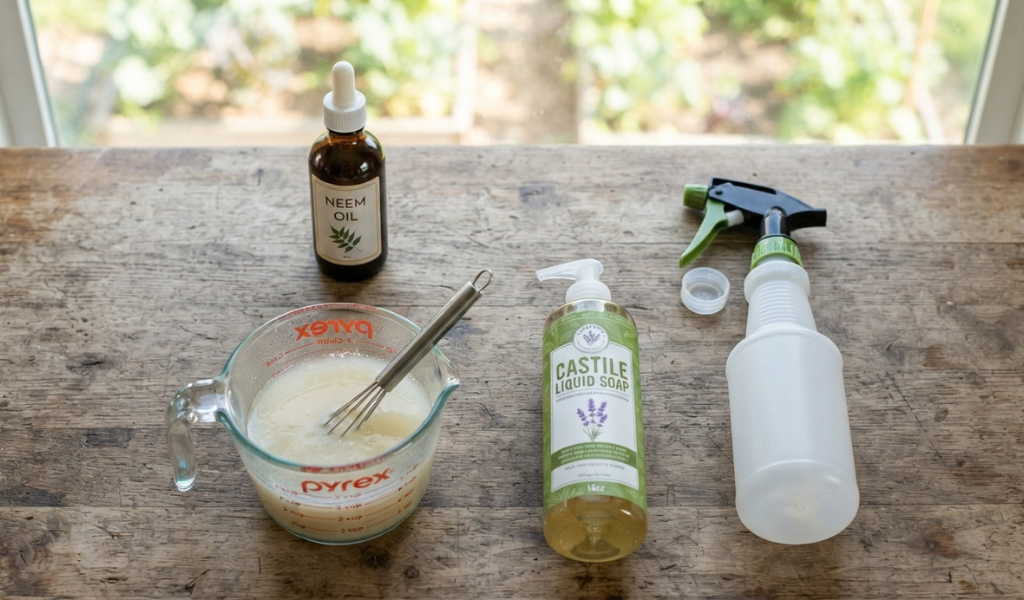
Pour the mixture into a garden sprayer and coat both the tops and undersides of leaves, where pests like aphids and whiteflies love to hide.
Neem oil does not kill insects instantly, but it disrupts their hormones and feeding patterns, which gradually reduces the pest population over one to two weeks.
I noticed a visible drop in aphids on my kale within the first week of consistent use.
Best Time to Apply Neem Oil
Spraying neem oil during early morning or evening hours protects beneficial insects like bees and ladybugs, which are far less active during those cooler parts of the day. Avoid spraying when plants are under severe heat stress or when strong sunlight is hitting wet leaves, since oils can sometimes increase the chance of foliage damage. Reapplication may be necessary after heavy rain because the spray can lose its effectiveness once it has been washed away.
Soap-Based Sprays for Soft-Bodied Insects
Soap and water sprays remain one of the simplest and most affordable homemade insecticidal options available to gardeners.
Mixing about two tablespoons of mild liquid soap into a gallon of water creates a solution that breaks down the outer coating of soft-bodied pests like aphids, mites, and whiteflies.
This is not about drowning insects, since the soap actually disrupts their cell membranes, which leads to dehydration and death shortly after contact.
Avoid using dish soap with added moisturizers, degreasers, or fragrances, since these additives can harm plants and strip away the natural waxy coating that protects leaves.
Spraying directly onto the undersides of leaves is essential, since that is where soft-bodied insects usually cluster and hide from view.
Reapply after rain, since soap sprays wash away easily and lose effectiveness once diluted or removed from the leaf surface.
A Natural Insect Repellent Spray for Vegetables should be applied carefully rather than heavily. More spray does not necessarily mean better pest control, and excessive coverage can increase the chance of plant stress or leaf injury.
Essential Oils That Do Double Duty
Peppermint, eucalyptus, and rosemary oil are not just for aromatherapy, they also make an excellent addition to any Natural Insect Repellent Spray for Vegetables.
Adding ten to fifteen drops of essential oil into a spray bottle filled with water creates a scent barrier that many crawling and flying pests find overwhelming.
Peppermint oil in particular has shown strong results in repelling ants, aphids, and even mosquito activity near garden beds where people spend time relaxing outdoors.
Rosemary oil sprayed around cabbage and broccoli plants can help deter cabbage moths, which are notorious for laying eggs that hatch into leaf-destroying caterpillars.
These oils are potent, so a small amount goes a long way, and using too much can occasionally irritate sensitive plant leaves.
For that reason, always dilute essential oils properly and test the mixture on a small part of the plant before applying it broadly. A careful approach makes homemade pest management easier while helping protect the vegetables you worked so hard to grow.
How Often Should You Spray Your Vegetables
Consistency matters more than intensity when using any homemade garden pest spray. Most natural sprays should be reapplied every four to seven days, and always again after rainfall washes the previous application away. Because natural ingredients break down faster than chemical pesticides, skipping applications for weeks at a time allows pest populations to rebound quickly. Spraying during early morning hours gives the mixture time to dry before intense afternoon sun increases the risk of leaf burn. Setting a recurring reminder turns spraying into a simple habit rather than something you only remember once pests are already out of control.
Signs Your Natural Spray Is Actually Working
The first noticeable improvement is usually healthier looking leaves rather than a complete disappearance of insects overnight. Less visible chewing damage, fewer sticky honeydew spots from aphids, and stronger new growth are all strong indicators that your Natural Insect Repellent Spray for Vegetables is doing its job. It typically takes two to three weeks of consistent spraying before gardeners notice a real shift in their overall pest problem.
Natural pest management requires more patience than instant chemical solutions, but watching vulnerable plants bounce back makes the wait worthwhile.
Combining Natural Repellents With Companion Planting
Spraying alone is rarely the entire solution, which is why many experienced gardeners pair it with companion planting for even stronger results. Marigold plants release a scent that many garden pests find unpleasant, making them one of the most popular companion plants for vegetable beds. Planting marigold, basil, and nasturtium near tomatoes and peppers can help repel harmful insects while attracting beneficial insects like ladybugs, which feed on aphids and other soft-bodied pests.
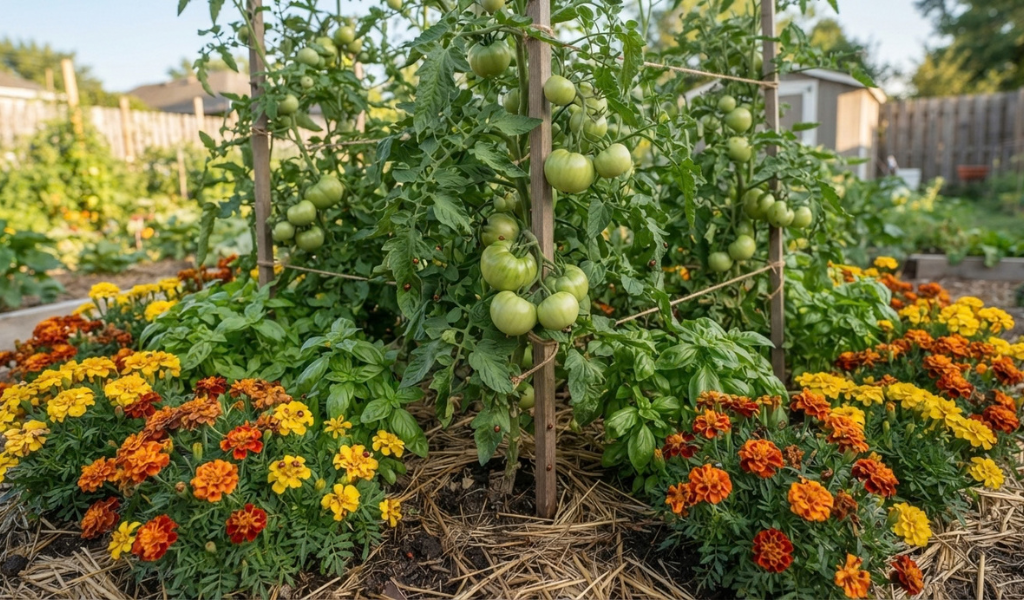 This layered approach reflects the basic idea behind integrated pest management, where multiple natural strategies work together instead of relying on a single method. Natural Insect Repellent Spray for Vegetables can complement companion planting by providing additional protection when pest activity increases. Gardeners dealing with tomato hornworms often report noticeably fewer infestations after adding marigold borders around their most vulnerable plants. Combining these methods creates a more balanced garden pest control strategy while reducing reliance on harsh chemical treatments. Regular monitoring and timely application of Natural Insect Repellent Spray for Vegetables can further support healthier vegetable plants throughout the growing season.
Storing and Making Your Spray Last Longer
Homemade bug spray does not have the long shelf life of commercial insecticide, since natural oils and plant compounds break down relatively quickly.
Storing your Natural Insect Repellent Spray for Vegetables in the refrigerator and using each batch within about a week helps preserve its strength.
Labeling bottles with the date they were mixed prevents confusion if you are rotating between several different homemade organic insecticide sprays.
Always shake the bottle thoroughly before each use, since natural ingredients like oil and garlic tend to separate from water over time.
Final Thoughts
A reliable Natural Insect Repellent Spray for Vegetables can completely change the way you experience gardening, turning frustration into genuine enjoyment again. Whether you choose neem oil, garlic and pepper spray, soap and water, or essential oils, consistency is what ultimately determines success. Pairing your spray routine with companion planting and basic garden hygiene builds a healthier garden ecosystem that supports plants naturally rather than fighting pests one battle at a time. Start with one method, apply it consistently for a few weeks, and watch your vegetable garden recover its strength.
Frequently Asked Questions
What is the best homemade bug spray for vegetable plants?
Neem oil mixed with mild liquid soap and water is widely considered one of the most effective homemade bug spray options, since it targets a wide range of pests while remaining gentle on plants.
What can I put on my vegetable plants to keep the bugs away?
A combination of soap and water, garlic and hot pepper spray, or essential oils like peppermint and rosemary can all help repel common garden pests naturally.
Is homemade insecticide safe for vegetable gardens?
Yes, when mixed correctly and applied in moderation, most homemade insecticidal sprays are safe for vegetable gardens and break down quickly without leaving harmful residue behind.
What are some non-toxic bug sprays for vegetables?
Soap and water spray, neem oil solutions, and diluted essential oil mixtures are all considered non-toxic options that avoid the harsh chemicals found in many commercial pesticides.
How do amish keep bugs out of the garden?
Traditional Amish gardening methods often rely on companion planting with marigold and herbs, hand removal of pests, and simple homemade sprays made from garlic, soap, or vinegar rather than store-bought chemical pesticides.
Can I use dish soap on my vegetable plants to repel bugs?
Yes, a mild liquid dish soap without added fragrances or moisturizers can be diluted with water to create an effective spray against soft-bodied insects like aphids and mites.
Can I use Insect Repellent on kids of all ages?
Homemade vegetable sprays made from garlic, soap, or neem oil are meant for plants and should never be applied directly to skin, so a separate, age-appropriate mosquito repellent formulated for humans should always be used instead.
How often do I need to apply this bug spray?
Most natural sprays should be reapplied every four to seven days, and immediately after any rainfall that could wash the previous application away.