Growing Tomatoes in Raised Beds: A Simple Guide for Beginners
Growing Tomatoes in Raised Beds: Tips for a Better Harvest
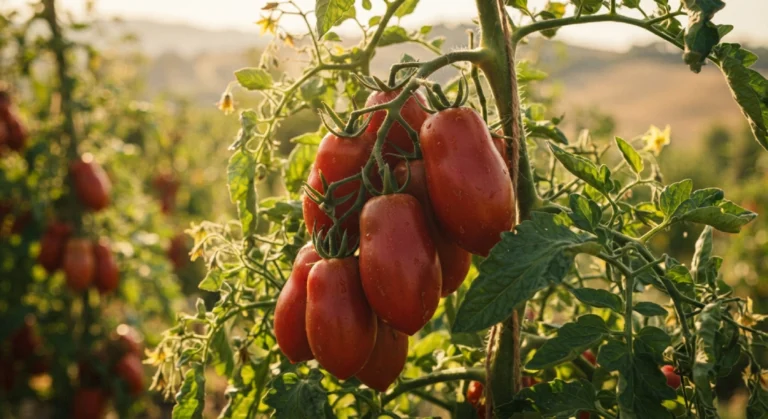
If you have ever dreamed of walking out to your backyard and picking a sun-warmed tomato straight off the vine, growing tomatoes in raised beds might be the easiest way to make that happen. A raised bed gives you control over soil quality, drainage, and spacing that a regular garden bed simply cannot match. Whether you are a first-time gardener or someone who has struggled with tomato problems in the ground for years, growing tomatoes in raised beds can turn a frustrating hobby into a rewarding one.
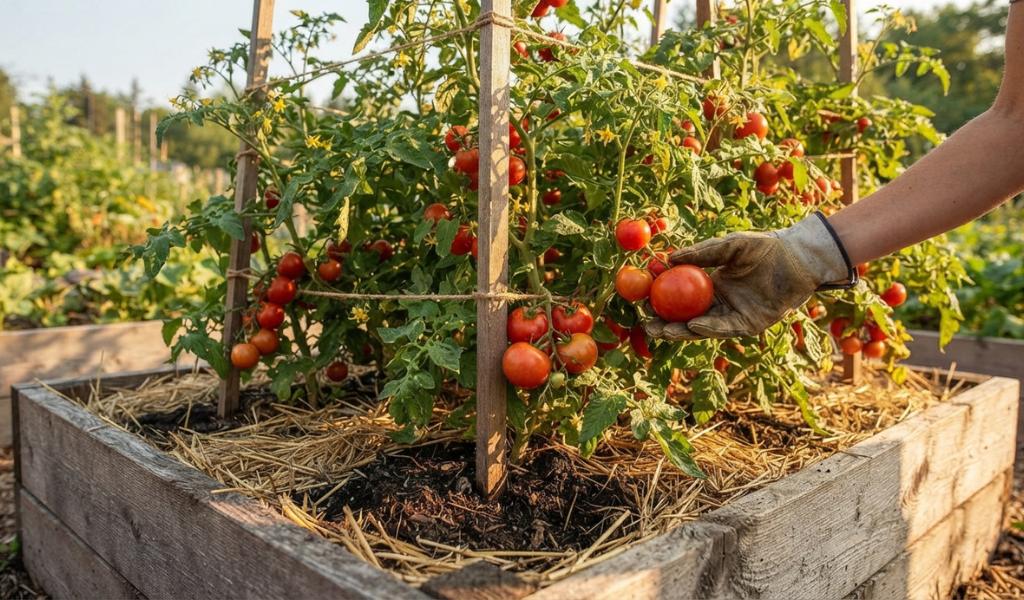 Tomatoes move through several tomato growing stages, from tiny seedling to flowering vine to full harvest, and each stage responds well to the controlled environment a raised garden bed provides. In this guide, we will walk through everything you need to know about growing tomatoes in raised beds, including choosing the right raised bed, preparing soil, planting, watering, staking, and dealing with pests. By the end, you will have a clear roadmap for healthy plants and a bigger harvest.
Why Raised Beds Work Better Than In-Ground Tomato Gardens
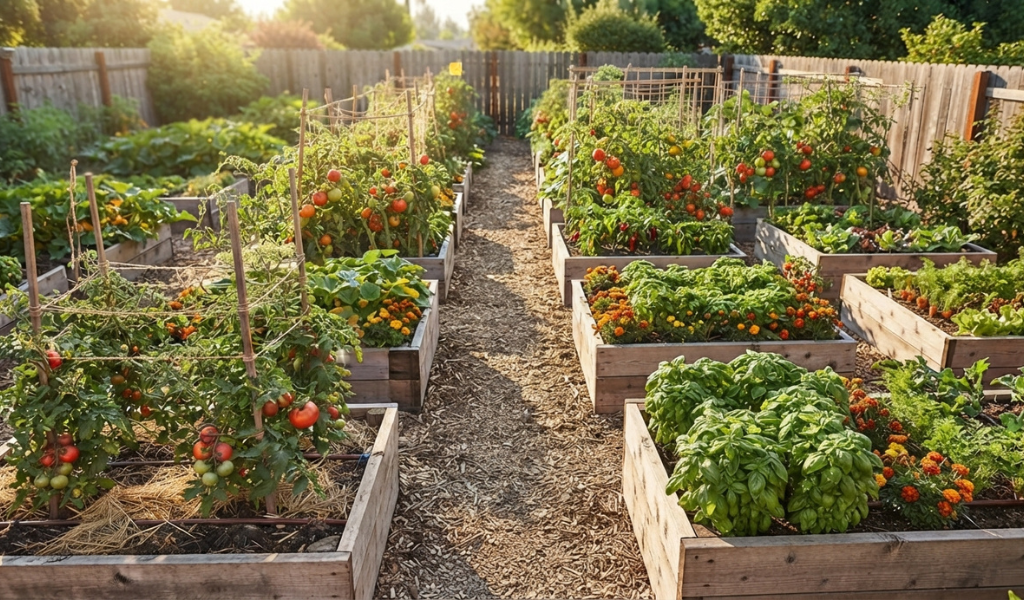
Most gardeners who switch to raised beds for tomatoes never go back to planting directly in the ground. The reason is simple. A raised bed gives you full control over the soil, and tomatoes are picky about what they grow in. In a regular garden bed, you are stuck with whatever soil nature gave you, which might be heavy clay, sandy, or full of soil-borne diseases from years of planting the same plant family in the same spot. With a raised garden bed, you fill it with fresh, healthy soil from day one. This means better drainage, fewer weed problems, and warmer soil earlier in the season, which helps seedlings start to grow faster. Raised beds also reduce the risk of soil-borne fungal issues that often linger in old garden soil, since you are essentially starting clean. Another advantage is back-friendly gardening. A raised bed sits higher off the ground, so there is less bending and kneeling. For anyone with limited mobility or just tired knees, this alone makes growing tomatoes in raised beds worth the effort. Add in better air circulation around the foliage, and you get healthier plants with fewer disease problems throughout the growing season.
Choosing the Right Raised Bed for Tomato Plants
Choosing the right raised bed is one of the most important decisions you will make before you even buy a single seedling. Not every raised bed for tomatoes is built the same, and the size, material, and depth all affect how well your plants perform.
For material, cedar and other rot-resistant woods are popular because they last three to four years or longer without breaking down. Galvanized metal beds and food-safe plastic planters are also good choices, especially in wetter climates. Avoid treated lumber that might leach chemicals into your soil.
Depth matters a lot. Tomatoes have deep root systems, so a raised bed should be at least 12 to 18 inches deep to give roots room to spread. Deeper beds also hold moisture longer, which means less frequent watering during hot summer days. Width should be around four feet, since anything wider makes it hard to reach the middle without stepping into the bed and compacting the soil.
If you are working with limited space, a smaller planter can still work for growing tomatoes in raised beds, especially for cherry tomatoes and other compact varieties. Just make sure the container is at least 18 inches wide and deep enough to prevent the plant from drying out too quickly.
Spacing Tomato Plants in a Raised Bed the Right Way
Proper spacing is one of those details new gardeners often overlook, and it can make or break your harvest. When plants are packed too close together, air circulation drops, disease spreads faster, and each tomato plant competes for the same water and nutrients. For most varieties, plan on 18 to 24 inches between each plant. Indeterminate varieties, which keep growing and producing fruit all season, need more room than determinate types that grow to a fixed size and produce their crop over a shorter window. If you are growing tomatoes in raised beds with indeterminate tomatoes, give them the wider spacing since they will sprawl and need staking as they grow taller. A general rule many experienced gardeners follow is one tomato plant per square foot of growing space for compact types, but for bigger tomato varieties, one plant per two square feet is safer. Crowding plants might seem like a way to get more tomatoes from a small garden bed, but it usually backfires with smaller yields and more tomato problems like blight and powdery mildew.
Preparing the Best Soil for Growing Tomatoes in Raised Beds
Good soil is the foundation of growing tomatoes in raised beds successfully. Tomatoes are heavy feeders, meaning they pull a lot of nutrients from the soil throughout the growing season, so starting with rich, well-draining soil sets the stage for healthy plants.
A solid mix for a raised garden bed includes about 60 percent high-quality garden soil, 30 percent compost, and 10 percent perlite or coarse sand for drainage. Compost is especially important because it feeds the soil with organic matter and beneficial microbes that support strong root systems.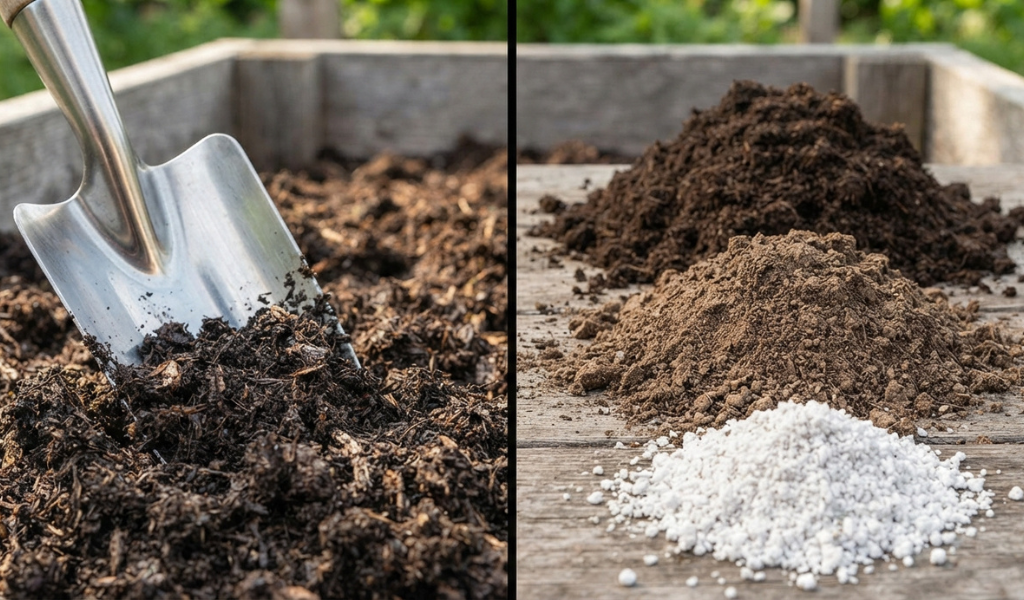
Soil pH also plays a bigger role than most gardeners realize. Tomatoes thrive in slightly acidic soil with a pH between 6.2 and 6.8. You can test your soil pH with an inexpensive kit from any garden center. If the number is off, garden lime raises pH, while sulfur or peat moss lowers it.
Every season, consider adding new soil or fresh compost to the top few inches of your raised bed. Over time, nutrients get used up, and refreshing the top layer helps maintain healthy soil without having to replace the entire bed.
How Much Space Do Tomatoes Need in a Raised Bed?
This question comes up constantly among new gardeners, and the answer depends on the variety you are growing. As mentioned earlier, most tomato plants need 18 to 24 inches of space in every direction, but the type of tomato changes the math a little.
Cherry tomatoes and other small, bushy varieties can be planted a bit closer, sometimes as tight as 18 inches, since they take up less vertical and horizontal space. Big tomato varieties like beefsteaks need closer to 24 to 36 inches because their vines grow larger and their root systems spread wider looking for water and nutrients.
In a standard 4×8 raised bed, most gardeners can comfortably fit four to six tomato plants depending on the variety, leaving enough growing space between plants for airflow, staking, and easy harvesting. Overcrowding a raised garden bed is one of the most common mistakes, so when in doubt, give your plants more room rather than less.
How to Plant Tomatoes in Raised Beds: Step-by-Step Instructions
Planting correctly gives your tomato plants the best possible start. Here is a simple step-by-step process for growing tomatoes in raised beds.
Step-by-Step Planting Guide
- First, wait until nighttime temperatures stay above 50 degrees Fahrenheit and the soil has warmed up. Planting too early into cold soil stresses seedlings and slows growth.
- Second, dig a hole deep enough to bury two-thirds of the tomato stem, including several sets of the lower leaves that you pinch off first. Tomatoes are unique in that they can sprout roots along the buried stem,
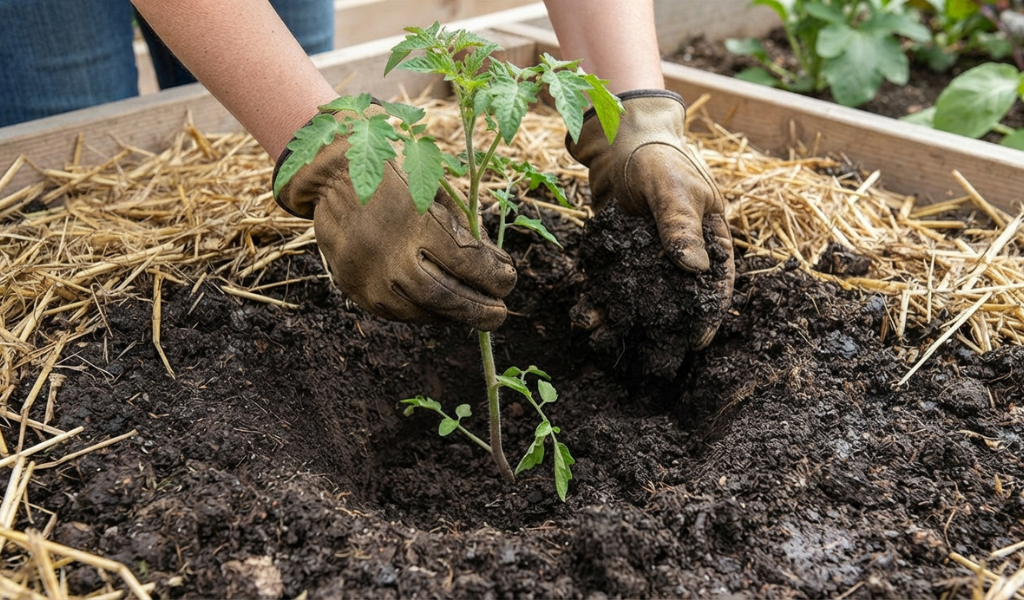 which creates a stronger root system than planting shallow.
 - Third, space your holes according to the spacing guidelines above, then gently place each seedling in its hole and backfill with soil, pressing down to remove air pockets.
- Fourth, water deeply right after planting to help the roots settle and remove any remaining air gaps in the soil.
- Finally, add a two to three inch layer of mulch around the base of each plant. Mulch helps retain soil moisture, keeps weeds down, and prevents soil from splashing onto the lower foliage during watering, which reduces the spread of soil-borne diseases.
Watering Tomatoes in Raised Beds for Healthy Growth
Watering is where a lot of tomato growing goes wrong, mostly because raised beds dry out faster than in-ground gardens. Since raised beds have better drainage, water moves through the soil more quickly, which means you need a more consistent watering routine. The general guideline is to water deeply two to three times per week rather than giving your plants a light sprinkle every day. Deep watering encourages tomato plants to grow deep, strong roots instead of shallow roots that stay near the surface searching for moisture. A good test is to check when the top inch of soil feels dry. If the top inch of soil feels dry, it is time to water. Aim for one to two inches of water per week, more during hot stretches of summer. Morning watering is best because it gives the foliage time to dry out during the day, which lowers the risk of fungal problems. Try to water at the soil level rather than overhead, since wet leaves late in the day are an invitation for disease. Consistent soil moisture also prevents blossom end rot, a common tomato problem caused by calcium uptake issues that happen when watering is inconsistent. Keeping a steady watering schedule for growing tomatoes in raised beds is one of the simplest ways to avoid this frustrating issue.
Fertilizing Tips for Healthy Raised Bed Tomato Plants
Along with water, fertilizer keeps your tomato plants fed throughout their growing season. Since raised beds drain well, nutrients can wash out faster than in traditional garden soil, so a regular feeding schedule matters more here.
Start with a balanced organic fertilizer worked into the soil at planting time. Once the plants start to flower, switch to a fertilizer lower in nitrogen and higher in phosphorus and potassium, since too much nitrogen produces lots of green foliage but fewer tomatoes. A liquid fertilizer or compost tea applied every two to three weeks works well for most gardeners. Compost remains one of the best long-term fertilizing tools for growing tomatoes in raised beds. Mixing in fresh compost partway through the season gives plants a steady supply of nutrients without the risk of over-fertilizing that can happen with synthetic products. Watch your plants for clues. Yellowing lower leaves often signal a nitrogen shortage, while curling leaves and poor fruit set can point to potassium or calcium issues.
Staking and Supporting Tomatoes in a Raised Bed
Staking tomatoes is not optional if you want a clean, productive garden bed. Without support, vines sprawl across the soil, fruit touches wet ground and rots, and air circulation drops sharply, leading to more pest and disease problems. Tomato cages work well for determinate varieties and smaller plants, offering support on all sides as the plant grows. For taller indeterminate varieties, a single wooden or metal stake driven into the soil near the base, combined with soft ties every 8 to 12 inches, keeps the main stem upright as it climbs. The florida weave, a method using stakes and twine woven between rows of plants, is popular for gardeners growing several tomato plants in a row inside a raised garden bed. Whatever method you choose, install your staking system early, right after planting, so you do not disturb roots later in the season.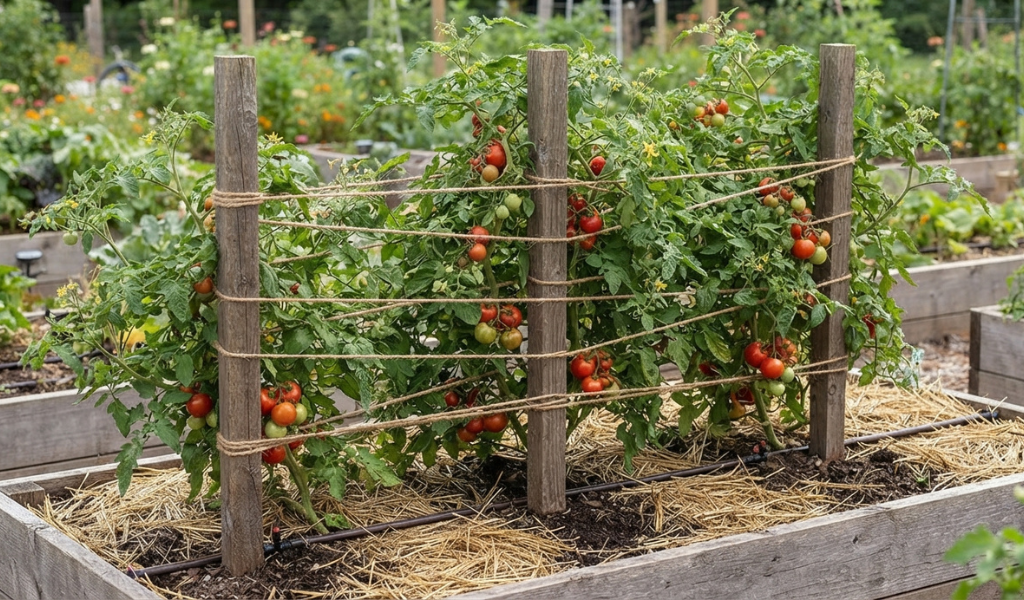 Staking also makes pruning easier. Removing suckers, the small shoots that grow between the main stem and branches, redirects energy into fruit production and improves air circulation, which helps prevent fungal issues common in humid climates.
Common Pests and Diseases in Raised Bed Tomato Gardens
Even with the benefits of a raised bed, pests and diseases can still show up. The good news is that raised beds tend to have fewer soil-borne problems compared to in-ground gardens, but above-ground pests are still a concern.
Aphids, hornworms, and whiteflies are among the most common pests affecting tomato plants. Hornworms can strip foliage overnight, so checking your plants regularly and removing them by hand is often the simplest fix. Aphids can be controlled with insecticidal soap or by encouraging beneficial insects like ladybugs into your garden.
On the disease side, blight and powdery mildew are the biggest threats. Both spread through moisture on the leaves, which is why watering at soil level and spacing plants properly makes such a difference. If you notice spotted or yellowing leaves, remove the affected foliage right away and avoid working around wet plants to prevent spreading spores to healthy plants.
Blossom end rot, while not caused by pests, is another frequent complaint among gardeners growing tomatoes in raised beds. As mentioned earlier, consistent watering and proper soil calcium levels are the best prevention methods.
How Do You Water and Fertilize Tomatoes in Raised Beds?
To bring it all together, watering and fertilizing tomatoes in raised beds comes down to consistency. Water deeply two to three times a week, checking soil moisture with your finger before deciding to water again. Always water at the soil level to protect the foliage from disease.
For fertilizing, start with a balanced feed at planting, then shift to a bloom-boosting formula once flowers appear. Refresh the soil with compost partway through the season to replace nutrients that wash out through the bed’s drainage. Together, steady water and steady feeding are the two biggest factors separating a mediocre tomato harvest from a great one.
Final Thoughts
Growing tomatoes in raised beds gives you more control over soil, drainage, and spacing than a traditional in-ground garden, and that control translates directly into healthier plants and bigger harvests. From choosing the right raised bed and preparing rich soil, to staking properly and staying ahead of pests, every step plays a part in the final result.
If you are new to growing your own tomatoes, start small with one or two plants in a well-built raised garden bed, then expand as you learn what works for your climate and space. With the right setup, growing tomatoes in raised beds can easily become one of the easiest and most satisfying parts of your home garden. Get your soil ready, pick a sunny spot, and give it a try this season. Your future self, slicing into a homegrown tomato, will thank you.
Frequently Asked Questions
How deep should a raised bed be for tomatoes?
A raised bed for tomatoes should be at least 12 to 18 inches deep. This gives the root system enough room to grow strong and access water and nutrients without hitting the bottom of the bed too quickly.
What are 9 common mistakes to avoid when growing tomatoes?
Common mistakes include planting too early in cold soil, overcrowding plants, watering too shallow or inconsistently, skipping mulch, ignoring soil pH, over-fertilizing with nitrogen, forgetting to stake plants, watering the foliage instead of the soil, and not rotating tomato plant locations from previous seasons.
How many tomato plants will fit in a 4×8 raised bed?
Most gardeners can fit four to six tomato plants in a standard 4×8 raised bed, depending on whether you are growing compact cherry tomatoes or larger indeterminate varieties that need more space.
Why put baking soda around tomato plants?
Some gardeners add a small amount of baking soda to the soil because it may slightly raise soil pH and is believed by some to sweeten the flavor of tomatoes, though results vary and it should be used sparingly, if at all.
What are the best types of tomatoes for raised beds?
Cherry tomatoes, patio varieties, and determinate types tend to do especially well in raised beds because of their compact size, though indeterminate varieties also thrive with proper staking and spacing.
How do you support tomato plants in raised beds?
Use tomato cages for smaller or determinate varieties, and stakes with soft ties for taller indeterminate plants. Installing support early, right after planting, prevents root damage later in the season.
How much sun do tomatoes need?
Tomatoes need six to eight hours of direct sunlight per day, though eight hours of direct sunlight often produces the best flavor and highest yields.