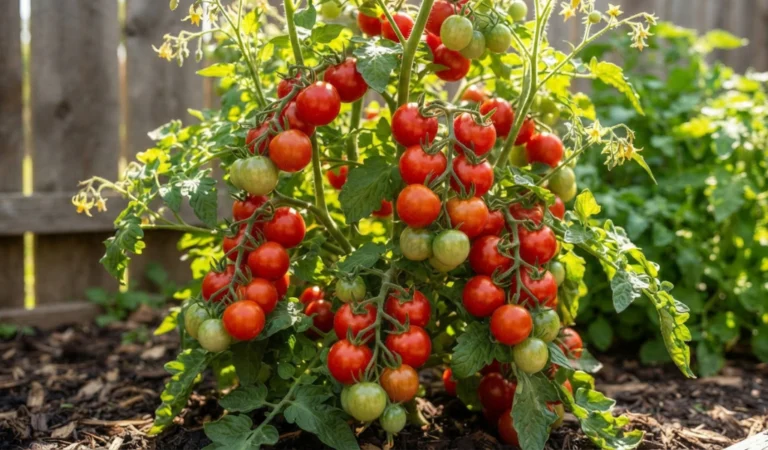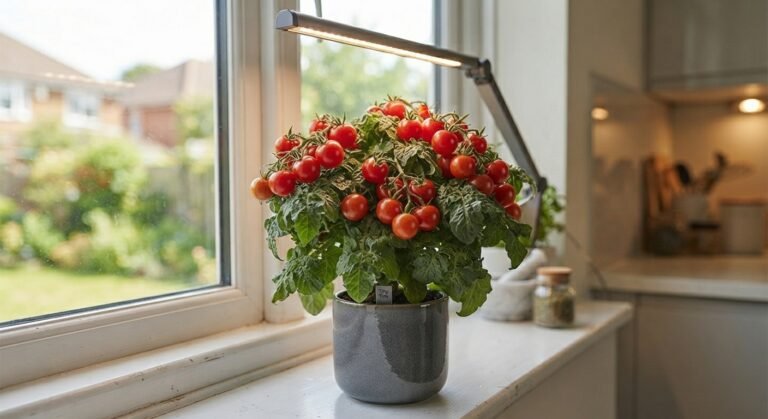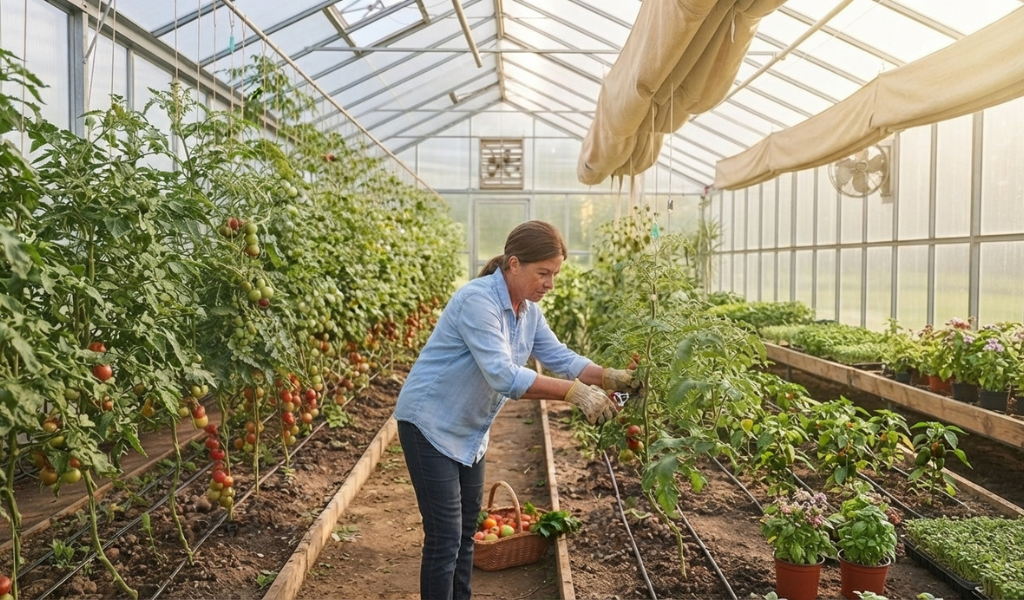
Greenhouse Tomato Growing Tips: How to Grow Tomatoes in a Greenhouse
Greenhouse Tomato Growing Tips for Bigger and Better Harvests
Growing tomatoes in a greenhouse gives you more control over the growing season, protects your crop from unpredictable weather, and helps you produce tomatoes year-round instead of just during the summer months. Whether you’re a beginner or someone who has struggled with disappointing harvests in the past, these greenhouse tomato growing tips will help you set up the right growing environment, avoid common mistakes, and get more fruit from every plant you grow.
If you’ve ever wondered why your outdoor tomatoes struggle with pests, inconsistent watering, or a short growing season, a greenhouse solves most of those problems. It creates a controlled environment where you can manage temperature, humidity, and light exposure. That said, growing tomatoes in a greenhouse comes with its own learning curve. This guide covers everything from choosing the best tomato varieties to pollination, feeding, pruning, and troubleshooting so you can start growing with confidence.
Choosing the Right Tomato Varieties for a Greenhouse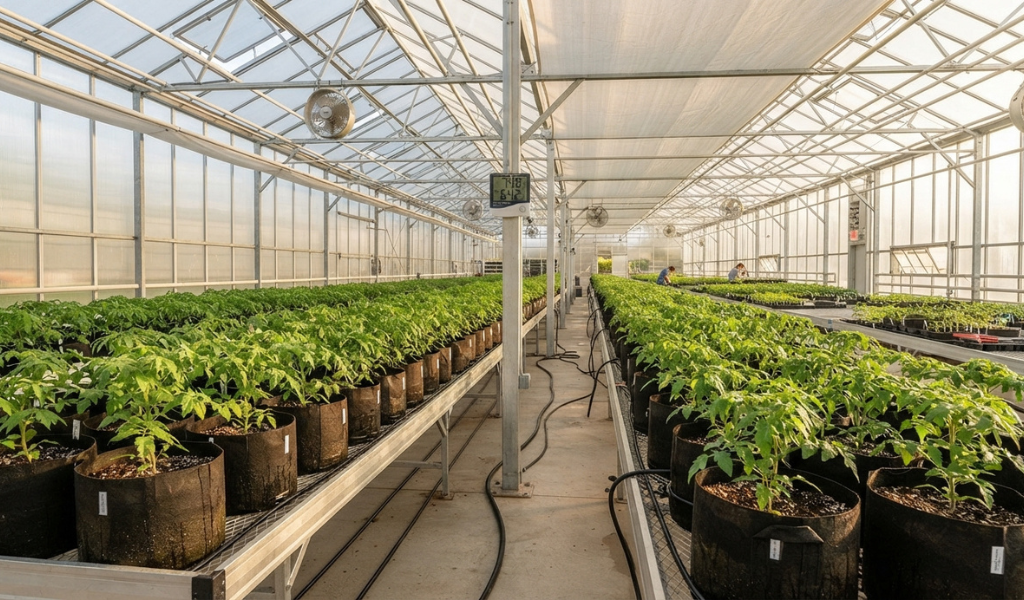
Before you even think about soil or watering schedules, you need to pick the right tomato varieties for your space. Not every plant grows the same way in a greenhouse, so knowing the difference between growth habits will save you a lot of frustration later.
Determinate vs. Indeterminate Tomatoes
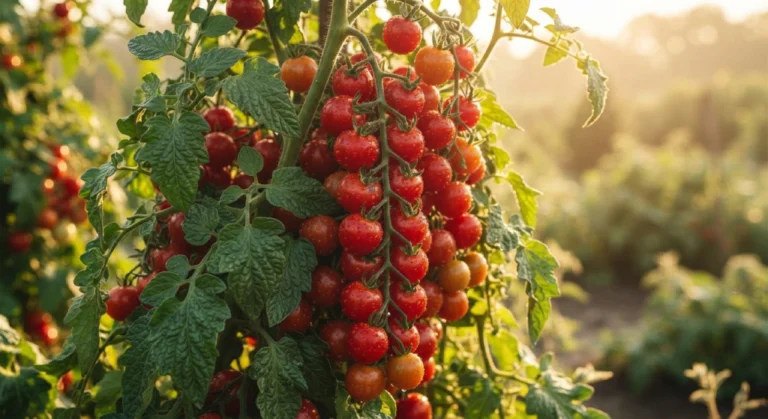
Determinate tomatoes, sometimes called bush tomatoes, grow to a fixed height and produce most of their fruit within a short window. They’re compact, making them a good fit for smaller greenhouses or tomatoes in pots. Indeterminate tomatoes, on the other hand, keep growing taller and producing fruit throughout the growing season. Most greenhouse growers prefer indeterminate plants because they can be trained up a trellis and produce tomatoes year-round if the growing environment stays warm enough.
Cherry, Salad, and Beefsteak Varieties
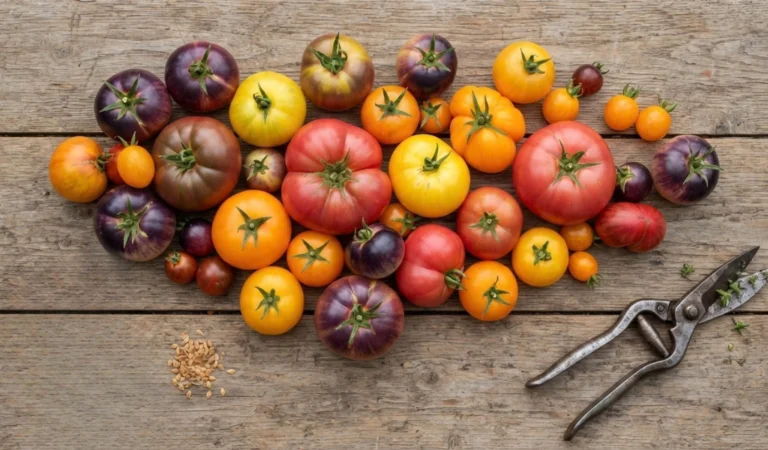
Cherry tomatoes are among the best tomato varieties for beginners because they’re forgiving, prolific, and quick to mature. Salad tomatoes offer a nice middle ground in size and flavor, while beefsteak varieties produce large, meaty fruits that take longer to ripen but reward you with a bigger harvest per plant. Choosing the right mix depends on what you plan to use your tomato crops for, whether that’s fresh eating, sauces, or canning.
Creating the Best Greenhouse Environment for Tomatoes
Your greenhouse provides the controlled environment tomatoes need to thrive, but only if you manage a few key factors correctly.
Ideal Temperature for Greenhouse Tomatoes
The ideal temperature for tomato growth sits between 70-80°F during the day and no lower than 60°F at night. Temperatures above 90°F can cause blossom drop, while anything consistently below 50°F will slow plant grows to a crawl. A simple thermometer with a min-max function helps you track fluctuations, especially during the summer months when greenhouses can overheat quickly.
Managing Humidity and Airflow
High humidity encourages fungal diseases like blight and powdery mildew, so keeping humidity levels between 40-70% is the sweet spot. Good air circulation prevents moisture from settling on leaves overnight, which reduces the risk of pests and diseases. Vents, fans, or simply opening the greenhouse door during the day all contribute to good air circulation.
Providing Enough Light for Healthy Growth
Tomato plants need plenty of direct sunlight, ideally 6-8 hours a day. In regions with shorter daylight hours or during winter months, grow lights can supplement natural light and keep tomato growth on track. This is especially useful if you’re trying to produce tomatoes year-round rather than sticking to a single growing season.
Preparing Soil and Growing Media for Greenhouse Tomatoes
The foundation of any bountiful harvest starts below the surface.
Use a Well-Draining Growing Medium
Tomato plants hate sitting in waterlogged soil. A well-draining growing medium made from a mix of loam, perlite, and organic matter gives roots the oxygen they need while still retaining enough moisture.
Checking Soil pH Before Planting
Tomatoes prefer a soil pH between 6.0 and 6.8. Testing your soil before planting tomatoes helps you catch problems early. If the pH is too high or too low, nutrient uptake suffers, which shows up later as yellowing leaves or poor fruit set.
Adding Compost and Organic Matter
Working compost and organic matter into your soil before the growing season improves structure, feeds beneficial microbes, and gives your tomato crop a nutrient reserve to draw from throughout the season.
Planting Tomatoes in a Greenhouse the Right Way
When to Plant Greenhouse Tomatoes
Since a greenhouse extends your growing season, you can start growing tomato seeds several weeks earlier than you would outdoors. Many growers start seeds indoors 6-8 weeks before their last expected frost, then transplant seedlings into the greenhouse once they have a few true leaves.
How Deep to Plant Tomato Seedlings
Bury tomato seedlings deep, up to the first set of leaves, since tomatoes grow roots along their buried stem. This creates a stronger root system that supports the plant grows taller and produces more fruit.
Give Each Plant Enough Growing Space
Crowding is one of the biggest mistakes greenhouse growers make. Give each plant at least 18-24 inches of space to allow good air circulation and reduce competition for light and nutrients.
Pollinating Tomato Flowers Inside a Greenhouse
Why Greenhouse Tomatoes Need Help With Pollination
Outdoor tomatoes rely on wind and insects for pollination, but a greenhouse blocks much of that natural movement. Without help, flowers may drop without setting fruit.
How to Hand-Pollinate Tomato Flowers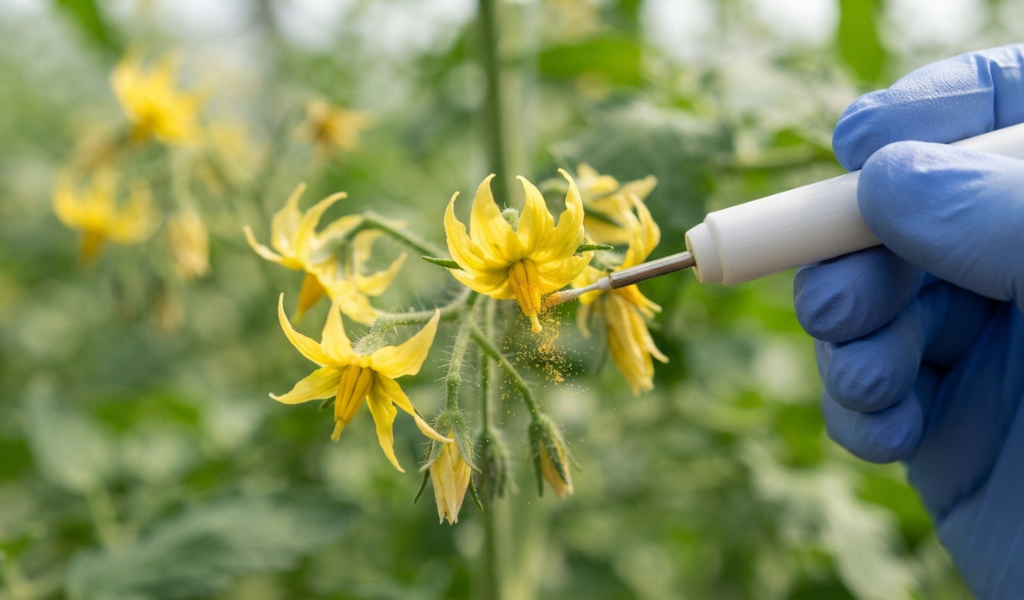
Gently shake the plant or use a small brush to transfer pollen between flowers. Doing this every day or two during flowering significantly improves fruit set.
Using Airflow to Improve Pollination
A small fan running for a few hours a day mimics natural wind and helps pollen move between flowers, improving successful tomato growth without manual effort.
Watering Greenhouse Tomatoes Without Overdoing It
How Often Should Greenhouse Tomatoes Be Watered?
Most greenhouse tomato plants need watering every two to three days, though this depends on temperature and container size. A moisture meter to monitor soil moisture takes the guesswork out of watering tomatoes and prevents both overwatering and drought stress.
Water at the Base of the Plant
Always water at the base of the plant rather than overhead. This keeps leaves dry, which reduces the risk of fungal diseases spreading through your greenhouse.
Avoid Wet Leaves and Waterlogged Soil
Waterlogged soil suffocates roots and invites root rot. Combine a well-draining growing medium with consistent watering to keep moisture levels balanced throughout the growing season.
Feeding Greenhouse Tomatoes for Strong Growth and Fruit
Understanding N-P-K for Tomato Plants
Nitrogen, phosphorus, and potassium each play a different role. Nitrogen supports leafy growth, phosphorus strengthens roots and flowers, and potassium improves fruit quality. Balanced fertilizer works well early on, but you’ll want to adjust ratios as your tomato crop matures.
When to Start Fertilizing Greenhouse Tomatoes
Start fertilizing about two weeks after transplanting, once seedlings have adjusted to their new environment. Fertilizing too early can stress young roots.
Adjust Fertilizer During Flowering and Fruiting
Once flowering begins, switch to a fertilizer higher in phosphorus and potassium to support fruit development. Too much nitrogen at this stage encourages leafy growth at the expense of fruit.
Common Fertilizer Mistakes to Avoid
Over-fertilizing, especially with nitrogen, is one of the most common greenhouse tomato growing mistakes. It leads to lush foliage, weak stems, and fewer tomatoes. Always follow label instructions and adjust based on how your plants respond.
Supporting, Pruning, and Training Greenhouse Tomato Plants
Use Strong Stakes, Trellises, or Strings
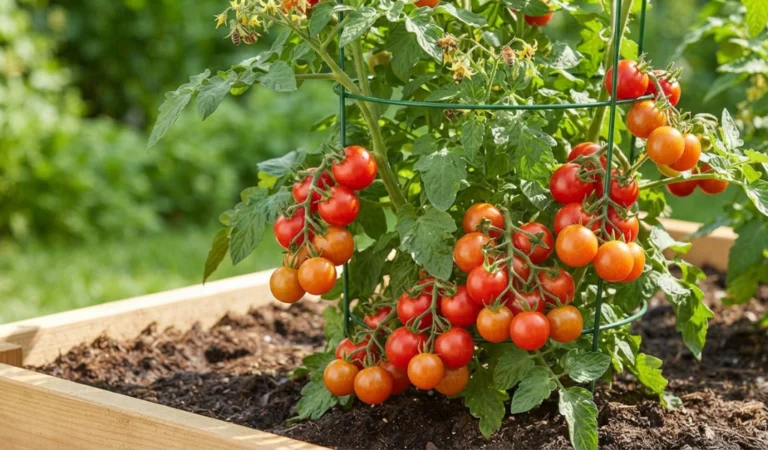
Indeterminate tomatoes especially benefit from a sturdy trellis system. Stakes, cages, or vertical strings keep the main stem supported as the plant grows taller and heavier with fruit.
How to Prune Indeterminate Tomatoes
Pruning indeterminate tomatoes improves air circulation and directs energy toward fruit production rather than excessive foliage. Focus on removing lower leaves and any growth that crowds the main stem.
Removing Suckers Without Stressing the Plant
Suckers are the small shoots that grow between the main stem and branches. Pinching them off while small prevents the plant from becoming overcrowded, but avoid removing too many at once since this can stress the plant.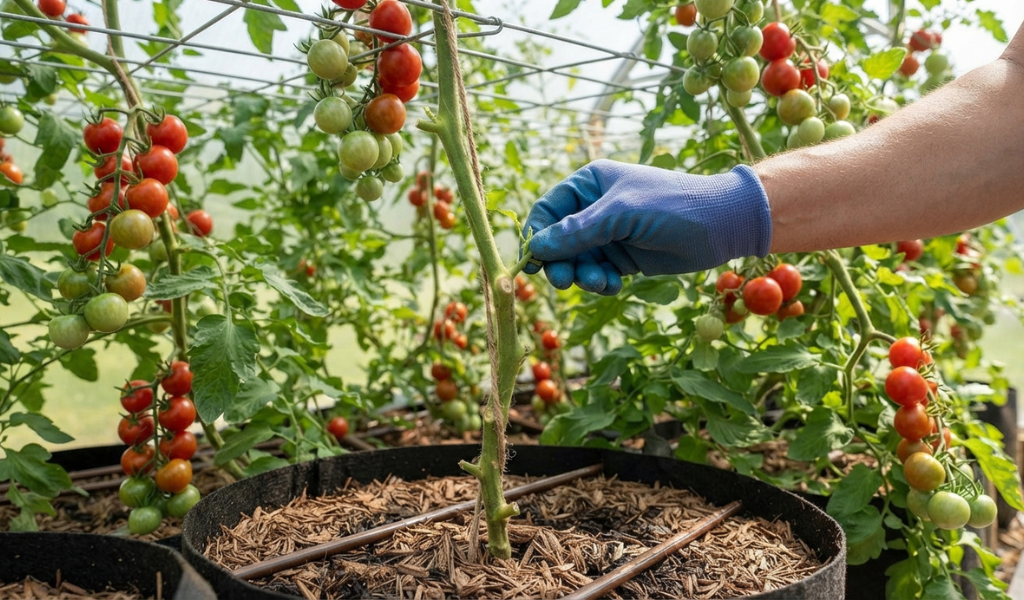
Keep Lower Leaves Off the Ground
Remove the bottom leaves that touch the soil. This simple step reduces the risk of soil-borne fungal diseases splashing up onto the plant during watering.
Preventing Common Greenhouse Tomato Problems
Preventing Tomato Diseases With Good Ventilation
Ventilation is your best defense against fungal diseases. Keeping air moving reduces humidity buildup and stops disease spores from settling on leaves.
Managing Aphids, Whiteflies, and Spider Mites
These pests thrive in warm, still greenhouse air. Regular inspection, insecticidal soap, and introducing beneficial insects can keep pests and diseases under control before they spread.
Recognizing Nutrient Deficiencies
Purple-tinted leaves often signal phosphorus deficiency, while pale, weak growth points to a nitrogen shortage. Catching these signs early helps you correct fertilizer schedules before yield suffers.
What Causes Tomato Leaves to Turn Yellow?
Yellowing leaves usually point to overwatering, nutrient deficiency, or early blight. Check soil moisture first, since it’s the most common culprit.
Preventing Blossom End Rot
Blossom end rot happens when plants can’t access enough calcium, often due to inconsistent watering rather than an actual calcium shortage in the soil. Consistent watering is the simplest fix.
Dealing With Cracked or Split Tomatoes
Cracked tomatoes usually result from irregular watering, where a dry spell followed by heavy watering causes fruit to grow too fast for its skin. Keeping moisture levels steady prevents this.
Harvesting Greenhouse Tomatoes at the Right Time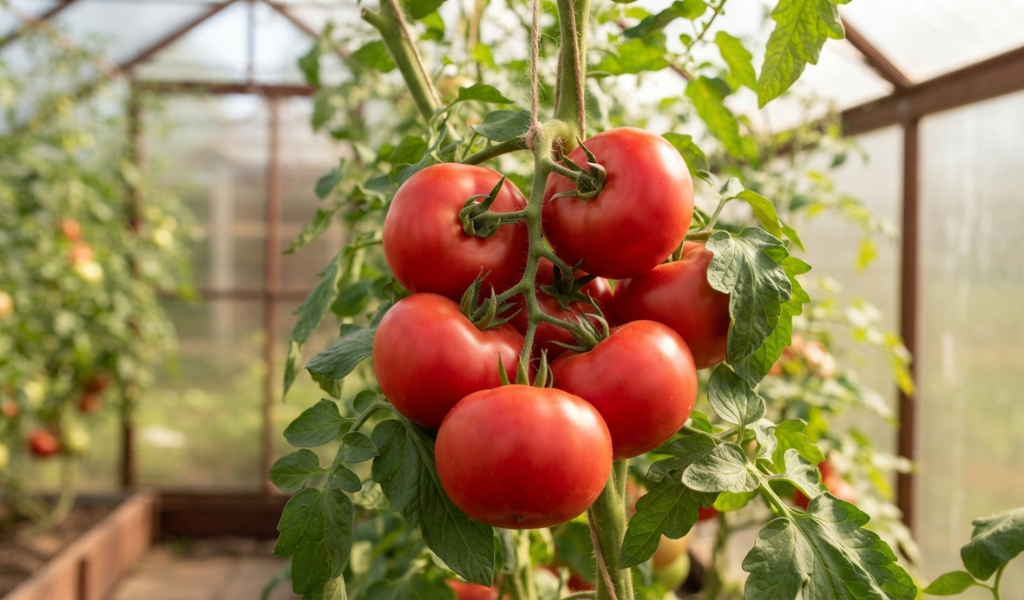
When Are Greenhouse Tomatoes Ready to Pick?
Harvest tomatoes once they reach full color and give slightly under gentle pressure. Picking too early results in bland fruit, while waiting too long invites splitting.
How to Harvest Tomatoes Without Damaging the Plant
Twist or snip fruit at the stem rather than pulling, which can damage branches and reduce future yield.
Encouraging More Fruit After Harvest
Regular harvesting signals the plant to keep producing. Leaving ripe fruit on the vine too long slows down new fruit development.
Greenhouse Tomato Growing Tips for Bigger and Healthier Harvests
These greenhouse tomato growing tips apply throughout the entire season, not just at planting time.
Keep a Consistent Watering Routine
Consistent watering prevents stress-related problems like blossom end rot and cracked fruit, and it’s one of the simplest greenhouse tomato growing tips to follow.
Monitor Temperature and Humidity Regularly
Daily checks help you catch problems before they damage your tomato crop. A simple logbook can reveal patterns you’d otherwise miss.
Prune for Better Air Circulation
Regular pruning throughout the season, not just once, keeps plants healthy and productive.
Feed Plants According to Their Growth Stage
Adjusting fertilizer as plants move from vegetative growth to flowering and fruiting is one of the most valuable greenhouse tomato growing tips for maximizing yield.
Inspect Plants Frequently for Early Problems
Weekly inspections catch pests, disease, and nutrient issues before they spread to the rest of your greenhouse tomato plant collection.
Greenhouse Tomato Growing Tips for a Longer Growing Season
Protecting Tomatoes From Cold Temperatures
Insulation, heaters, or thermal mass like water barrels can protect plants during unexpected cold snaps, especially in the UK and other regions with unpredictable winter months.
Managing Excessive Heat Inside the Greenhouse
Shade cloth, extra ventilation, and misting systems help control excessive heat inside the greenhouse during peak summer months.
Extending the Tomato Harvest Into Cooler Months
With supplemental heating and grow lights, some growers manage to produce tomatoes year-round, well beyond the typical outdoor growing season.
Common Greenhouse Tomato Growing Mistakes to Avoid
- Overwatering tomato plants, which leads to root rot and weak growth.
- Planting tomatoes too close together, restricting airflow and light.
- Ignoring ventilation, which raises humidity and disease risk.
- Using too much nitrogen, which sacrifices fruit for foliage.
- Leaving diseased leaves on the plant, which spreads fungal problems fast.
Avoiding these greenhouse tomato growing mistakes is just as important as following the right greenhouse tomato growing tips.
Greenhouse Tomato Growing Tips for Container Gardening
Choosing the Right Container Size
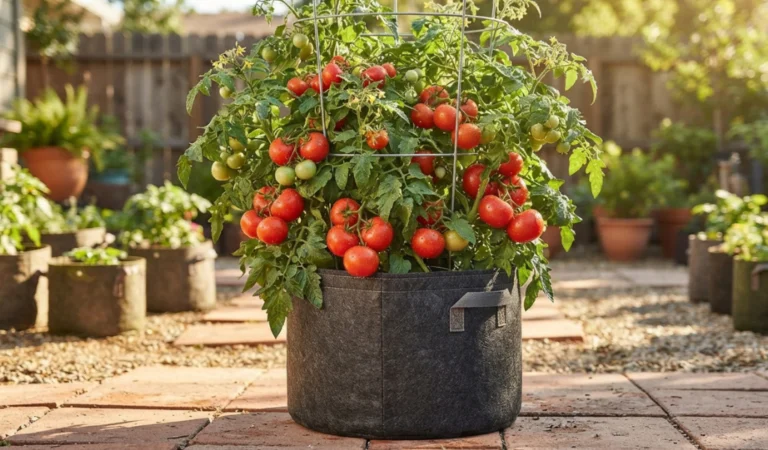
Tomatoes in pots need at least a 10-15 gallon container to support root growth and prevent the plant from drying out too fast.
Selecting a Quality Potting Mix
A high-quality potting mix with good drainage supports healthy tomato growth in containers better than garden soil, which compacts easily.
Managing Water and Fertilizer in Containers
Container-grown plants dry out faster and need more frequent feeding since nutrients leach out with each watering.
Encourage Strong Flowering and Fruit Set
Hand-pollination and balanced fertilizer both contribute to more reliable fruit set. Following practical greenhouse tomato growing tips can help greenhouse plants produce more healthy flowers and turn them into tomatoes. Gently shaking flowering stems or using a small brush can improve pollination when natural pollinators are limited. A balanced feeding routine also provides the nutrients plants need during flowering and fruit development. These greenhouse tomato growing tips are especially useful when growing tomatoes in a controlled greenhouse environment.
Maintain Healthy Leaves Throughout the Season
Healthy foliage powers photosynthesis, which directly affects how many tomatoes your plant can support. Keep leaves clean, well-watered, and free from common pests and diseases so the plant can continue producing energy. Proper airflow, adequate sunlight, and consistent moisture are important greenhouse tomato growing tips for maintaining strong foliage throughout the growing season. Avoid removing too many healthy leaves because they help support fruit growth and ripening.
Keep Plants Supported as They Grow
A well-maintained trellis prevents broken stems, which can end fruit production on that branch entirely. Tie growing stems gently to stakes, strings, or trellises as the plants become taller and heavier with fruit. Regularly checking plant support is one of the most useful greenhouse tomato growing tips because strong stems help keep flowers and developing tomatoes safely off the ground and reduce unnecessary plant stress.
Harvest Regularly to Encourage Continued Production
Frequent harvesting keeps plants producing new flowers and fruit instead of slowing down. Pick ripe tomatoes regularly and avoid leaving overripe fruit on the plant for too long. Consistent harvesting also helps the plant direct its energy toward developing new fruit. Along with proper pollination, feeding, foliage care, and plant support, regular harvesting is another important part of effective greenhouse tomato growing tips. By following these simple practices throughout the season, you can encourage healthier plants, better fruit set, and a longer, more productive greenhouse tomato harvest.
Final Thoughts
Growing tomatoes in a greenhouse takes a bit of planning, but it rewards you with a longer growing season, fewer pest problems, and a genuinely bountiful harvest. By choosing the right tomato varieties, managing your growing environment, and following these greenhouse tomato growing tips consistently, you’ll set yourself up for a strong tomato crop season after season. Start growing with confidence, keep an eye on your plants, and adjust as you learn what works best in your own greenhouse.
Frequently Asked Questions
What do coffee grounds do for tomatoes?
Coffee grounds add small amounts of nitrogen and organic matter to soil, but they should be composted first since fresh grounds can be too acidic for tomato plants.
What are the most common mistakes when growing tomatoes?
Overwatering, planting too close together, poor ventilation, and excessive nitrogen fertilizer are among the most common greenhouse tomato growing mistakes.
How do I prevent pests and diseases in greenhouse tomatoes?
Good air circulation, regular inspection, and prompt removal of diseased leaves are the best ways to reduce pests and diseases in a greenhouse.
What are the disadvantages of growing tomatoes in a greenhouse?
Greenhouses require manual pollination, careful humidity control, and can overheat quickly during summer months without proper ventilation.
Can I grow tomatoes in a greenhouse all year round?
Yes, with supplemental heating and grow lights, many growers produce tomatoes year-round even through winter months.
When should I sow and plant greenhouse tomatoes?
Sow tomato seeds indoors 6-8 weeks before your last frost date, then transplant into the greenhouse once seedlings are established.
Can tomatoes survive in an unheated greenhouse?
Tomatoes can survive in an unheated greenhouse during mild seasons, but they need protection or supplemental heat once temperatures drop below 50°F.