Red vs Green Jalapeño: Everything You Need to Know
Red vs Green Jalapeño: What’s the Real Difference?
If you have ever stood in the produce aisle wondering why some jalapeños are green and others are red, you are not alone. The color difference between red jalapeños and green jalapeños confuses a lot of home cooks, and the truth is simpler than most people think. It all comes down to ripeness. Green jalapeños are picked early, while red jalapeños are left on the plant longer to fully mature. This single fact changes everything from heat level to flavor to how you should use them in the kitchen.
 Understanding red vs green jalapeños matters whether you are growing your own peppers during pepper growing season or just trying to pick the right one for your salsa. In this guide, we will break down every difference between red and green jalapeños, including heat, taste, texture, and the best culinary uses for each. Whether you are interested in jalapeno pepper growing or simply want to choose the perfect pepper for your next dish, you will learn exactly what sets these two stages apart. By the end, you will know exactly which jalapeño to reach for next time you are cooking.
What Is the Fundamental Difference Between Red and Green Jalapeños?
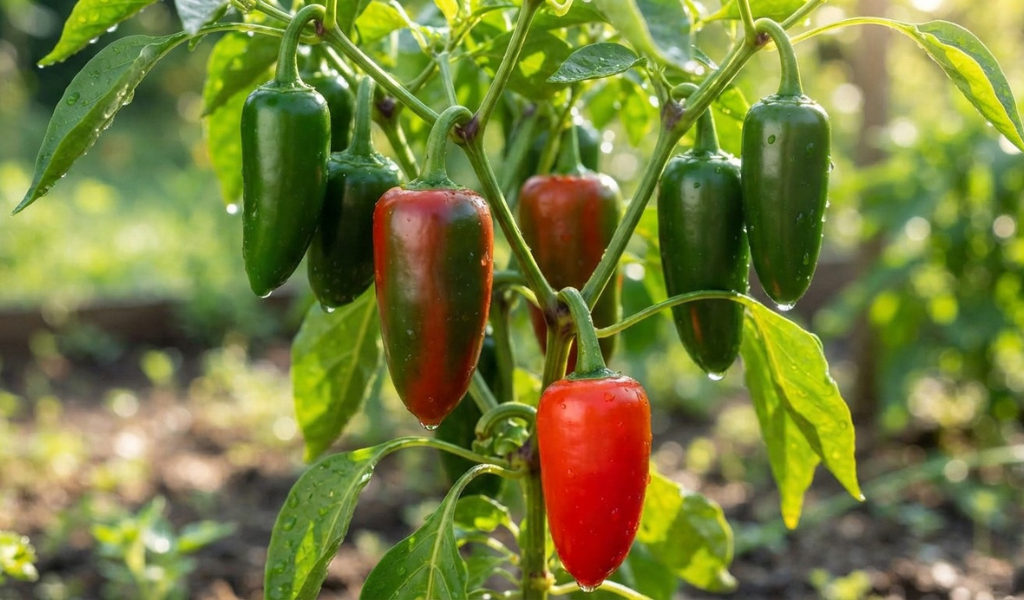
The core difference between red and green jalapeños is age, not variety. Every jalapeño starts out green. If left on the plant, it will eventually turn red as it ripens.
Red Jalapeño Is Fully Ripe
A red jalapeño has stayed on the plant longer, allowing it to fully ripen. During this extra time, the pepper develops more natural sugars, deeper color, and often a noticeably different flavor. Many people are surprised to learn that red jalapeños aren’t a separate type of pepper. They are the same plant, just given more time to mature.
Why the Color Changes
The color shift happens because of a natural process called ripening, where chlorophyll (the green pigment) breaks down and is replaced by red pigments like capsanthin. This is the same reason bell peppers turn from green to red or yellow as they age.
Green Jalapeño Is the Younger Stage
A green jalapeño peppers is simply a jalapeño that has been picked before it fully ripens. Most jalapeños sold in grocery stores are harvested at this stage because green peppers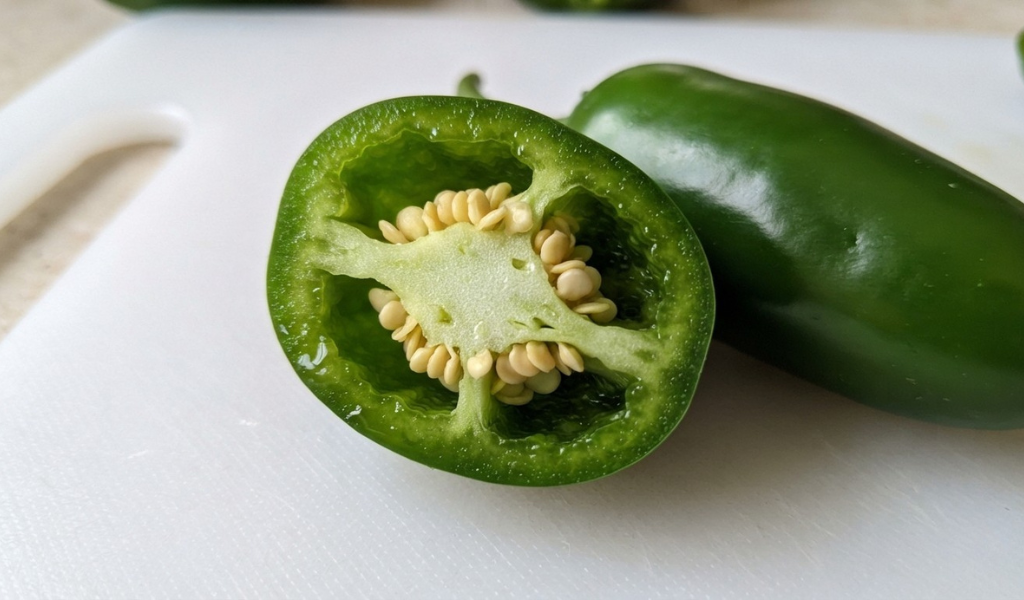 have a longer shelf life and a more consistent, mild heat that most shoppers expect.
How to Grow and Harvest Red and Green Jalapeños?
If you are growing jalapeños at home, understanding the growing cycle will help you decide when to pick your peppers.
Growing Cycle of Jalapeño Peppers
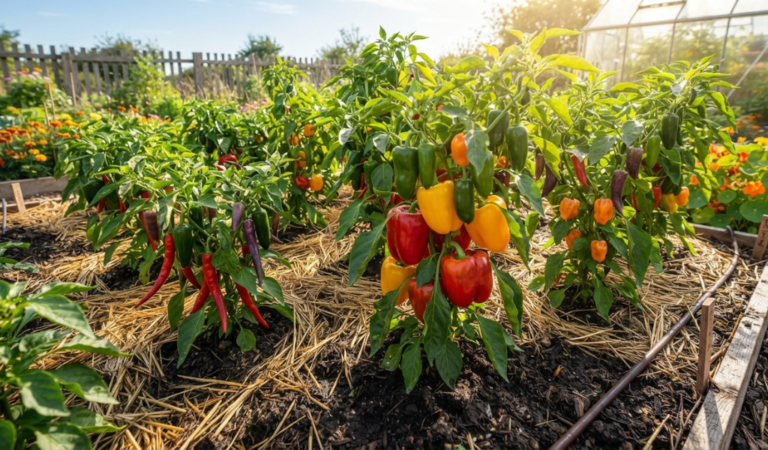
Jalapeño plants typically take around 70 to 80 days to reach full maturity from transplant. Peppers usually reach a harvestable green stage around 40 days old, but if left alone, they will continue ripening on the vine for several more weeks until they turn red.
Harvesting for Specific Ripeness
If you want green jalapeños, pick them once they reach full size but before any red coloration appears. If you want red jalapeños, simply leave the peppers on the plant longer. Patience is the only real requirement.
How to Identify Ripe Jalapeños on the Plant
Look for peppers that have reached their full size and firmness. A jalapeño starting to turn red will usually show streaks or blushing before turning fully red. Once the pepper is deep, solid red with a slight give when squeezed, it is fully ripe and ready to pick.
How Does Spiciness Compare in Red vs Green Jalapeños?
This is one of the most searched questions about jalapeños, and the answer is a little more nuanced than a simple yes or no.
Does Ripening Affect Capsaicin Levels?
Capsaicin is the compound responsible for a pepper’s heat, measured in Scoville Heat Units. As a jalapeño ripens from green to red, capsaicin levels in jalapeños tend to increase slightly. This means red jalapeños are often spicier than green jalapeños, though the difference is usually subtle rather than dramatic.
Other Factors That Affect Heat
Heat level of jalapeños depends on more than just color. Growing conditions, water stress, soil quality, and even the specific plant genetics all play a role. This is why two green jalapeños from different plants can have wildly different heat levels, and why color influences jalapeño heat but does not fully determine it.
What Are the Flavor and Texture Differences?
Beyond heat, red and green jalapeños differ quite a bit in taste and texture.
Soft vs. Crunchy Texture
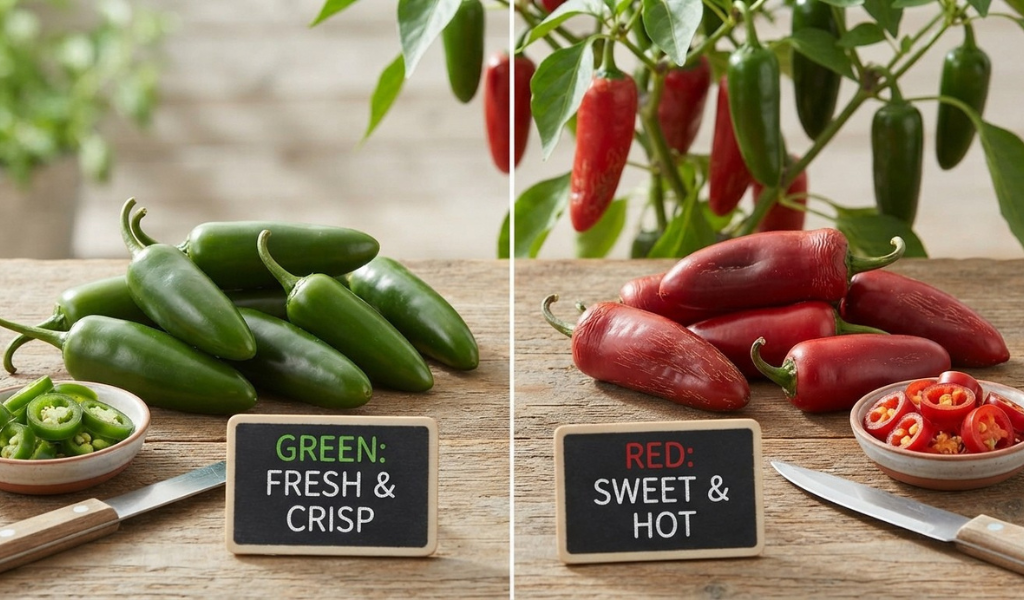
Green jalapeños are firm and crisp, with a fresh, slightly grassy bite. Ripened red jalapeños become softer as the cell walls break down during ripening, giving them a more tender texture that works well in cooked dishes.
What Are the Best Culinary Uses for Each Jalapeño Type?
Green jalapeños shine in fresh applications like salsas, pico de gallo, and jalapeño poppers, where their crunch and vegetal taste stand out. Red jalapeños are better suited for cooked sauces,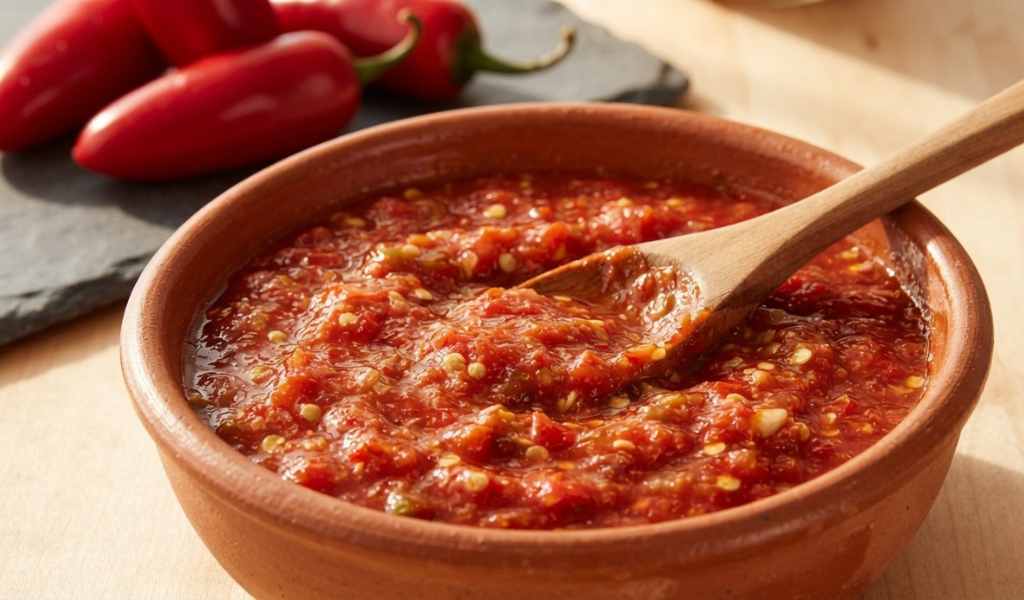 dried spice blends, and marinades, where their natural sweetness can fully develop.
Red vs Green Jalapeño Taste: Which One Is Better?
Taste is subjective, but there is a clear pattern most people notice.
The Flavor of Green Jalapeños
Green jalapeños have a bright, grassy, slightly vegetal taste with a sharp bite. This is the flavor most associated with classic jalapeño recipes like nachos and salsas.
The Flavor of Red Jalapeños
Red jalapeños develop a noticeably sweeter flavor as sugars build up during ripening. The heat is still present, but it is often balanced out by this natural sweetness, giving red jalapeños a more rounded, complex taste.
A Simple Kitchen Test
If you want to taste the slight taste difference yourself, slice a green and a red jalapeño side by side. You will likely notice the red jalapeño tastes sweeter with a smoother finish, while the green one tastes sharper and more vegetal.
Red vs Green Jalapeño Heat: Is One Hotter?
Why Some Jalapeños Feel Hotter
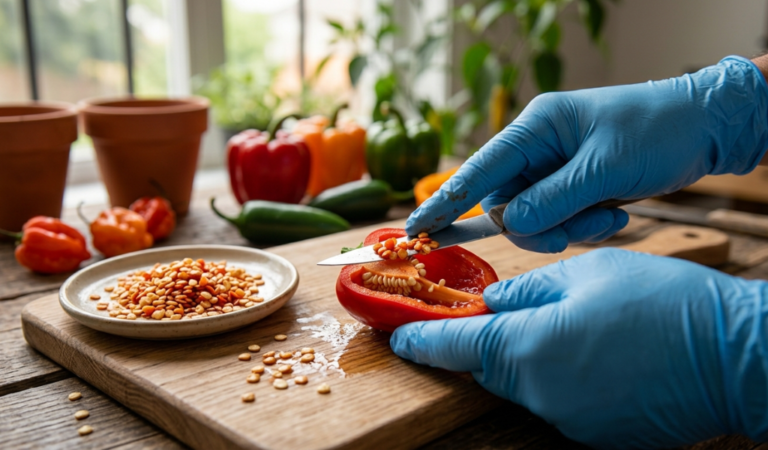
Heat perception can vary based on which part of the pepper you eat. The ribs and seeds contain the highest concentration of capsaicin, so removing the ribs or seeds from jalapeños will reduce heat regardless of color.
Does a Red Jalapeño Have More Heat?
Generally, yes. Red jalapeños are hotter on average because they have had more time to develop capsaicin. However, this is not a guarantee. A green jalapeño grown under stressful conditions can be spicier than a red jalapeño grown in ideal conditions. So while red jalapeños aren’t necessarily hotter than green jalapeños in every single case, they do tend to peak in heat by the time they turn red.
Red vs Green Jalapeño Texture and Appearance
Green Jalapeños Stay Firm
Green jalapeños have a glossy, taut skin and a satisfying snap when bitten into. This firmness makes them ideal for slicing and adding to dishes where texture matters, like tacos or sandwiches.
Ripe Red Jalapeños Become Softer
As jalapeños ripen, the flesh softens and the skin can appear slightly wrinkled compared to the smooth, tight skin of green ones. This softer texture is part of why red jalapeños work so well in sauces where you want the pepper to break down easily.
How to Use Green Jalapeños in Cooking
Best Uses for Green Jalapeños
Green jalapeño peppers are the go-to choice for pickled jalapeños, fresh salsas, guacamole, and stuffed jalapeño poppers. Their firm texture holds up well to slicing and their milder, consistent heat makes them approachable for most recipes.
When Freshness Matters Most
If a recipe calls for raw pepper, like a topping for tacos or a fresh salsa verde, green jalapeños are usually the better pick because of their crisp bite and bright flavor.
How to Use Red Jalapeños in Cooking
Red Jalapeños for Sauces
Because of their natural sweetness, red jalapeños make excellent hot sauces. Many popular hot sauce brands specifically use ripened red peppers to balance heat with flavor.
Red Jalapeños for Drying
Red jalapeños are also commonly dried and smoked to make chipotle peppers, which are then ground into spice blends or rehydrated for cooking.
Red Jalapeños in Marinades
The softer texture and deeper flavor of red jalapeños make them a great addition to marinades, where they can infuse meats and vegetables with both heat and a subtle sweetness.
Red vs Green Jalapeño Nutrition and Freshness
Vitamin Content
Like many fruits and vegetables, jalapeños gain nutritional value as they ripen. Red jalapeños tend to have higher levels of vitamin C and vitamin A compared to their green counterparts, similar to how red bell peppers have more nutrients than green ones.
Freshness Still Matters
Regardless of color, freshness plays a big role in flavor and nutrition. A freshly picked green jalapeño will always taste better than an old, wrinkled one, and the same goes for red jalapeños.
Why Are Red Jalapeños Less Common in Stores?
Red jalapeños are less common in stores mainly because of shelf life. Green jalapeños stay fresh longer during shipping and storage, making them more practical for grocery chains. Red jalapeños, being fully ripe, spoil faster and require more careful handling. This is also why fresh red jalapeño peppers are more often found at farmers markets or in home gardens rather than large supermarkets. Understanding red vs green jalapeño differences can help explain why green peppers are easier to find in stores, while ripe red jalapeños are often sold locally. In this red vs green jalapeño comparison, shelf life, ripeness, storage, and availability all play an important role in where these peppers are commonly found.
Which Jalapeño Should You Grow and Harvest?
Harvesting Green Jalapeños
If you want a steady, more mild supply of peppers for everyday cooking, harvest your jalapeños while they are still green. This also encourages the plant to keep producing more peppers throughout the pepper growing season.
Letting Jalapeños Turn Red
If you are after a sweeter, slightly hotter pepper for sauces or drying, let a portion of your harvest stay on the vine until it turns red.
Growing Both Is the Best Comparison
Many home gardeners choose to do both, harvesting some peppers green for immediate use while letting others ripen fully. This way, you get to experience the real red vs green jalapeños taste test right from your own garden.
Red vs Green Jalapeño: Which One Should You Choose?
When comparing red vs green jalapeño, the right choice depends on the flavor, heat, texture, and type of recipe you are preparing. 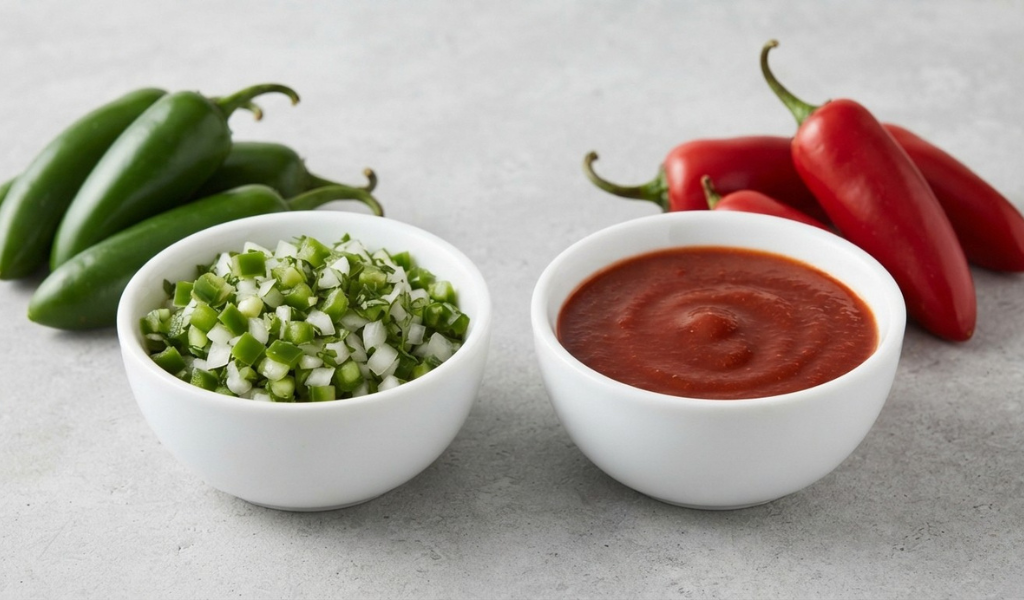 Both peppers come from the same plant, but they develop different characteristics as they mature. Green jalapeños are harvested earlier, giving them a crisp texture, fresh flavor, and familiar grassy heat. Red jalapeños stay on the plant longer, allowing them to become sweeter, softer, and more developed in flavor. Understanding these differences can make choosing between red vs green jalapeño much easier for everyday cooking.
Choose Green Jalapeños for Fresh, Crisp Flavor
If you want a reliable, crunchy pepper with a straightforward, grassy heat, green jalapeños are the better choice for fresh recipes. Green jalapeños work especially well when you want a noticeable pepper bite without adding too much sweetness. Their firm texture makes them excellent for fresh salsa, nachos, tacos, sandwiches, salads, and other toppings. For anyone deciding between red vs green jalapeño for uncooked dishes, green jalapeños are often the most practical option. They bring bright flavor and a satisfying crunch that can stand out alongside other fresh ingredients.
Choose Red Jalapeños for Sweeter Recipes
If you are making something where a touch of sweetness would elevate the dish, like a slow-cooked sauce or marinade, red jalapeños are worth seeking out. Red jalapeños are mature peppers that have remained on the plant longer than green ones. As they ripen, their flavor becomes sweeter and less grassy, making them especially useful in cooked recipes. When considering red vs green jalapeño, red jalapeños are a great choice when you want a deeper, more rounded pepper flavor. They can add both heat and natural sweetness to sauces, marinades, roasted dishes, and other recipes where extra flavor complexity is welcome.
Green vs Red Jalapeño for Homemade Hot Sauce
For hot sauce, red jalapeños are generally preferred because their sweetness balances the heat and creates a more complex flavor profile. Their ripe flavor can give homemade hot sauce a fuller taste, especially when combined with vinegar, garlic, onions, or other peppers. Choosing red vs green jalapeño for hot sauce ultimately comes down to the flavor you want your finished sauce to have. Red jalapeños are particularly appealing if you prefer a sauce with a slightly sweeter and richer character. Green jalapeños can still be used when you want a fresher, sharper flavor, but red peppers are often the better fit for a balanced homemade hot sauce.
Green vs Red Jalapeño for Garden Fresh Cooking
For fresh, garden-style cooking like salsas and toppings, green jalapeños remain the top pick thanks to their crisp texture and bright taste. Freshly picked green jalapeños can add a clean pepper flavor that works beautifully with tomatoes, onions, cilantro, lime, and other garden ingredients. When comparing red vs green jalapeño for fresh meals, the green variety is usually the easiest choice when crunch and brightness matter most. Red jalapeños are still useful in fresh dishes if you prefer their sweeter flavor and softer texture. The best option depends on whether you want a crisp, grassy bite or a sweeter, more mature pepper taste.
Overall, red vs green jalapeño is less about which pepper is better and more about which one matches your recipe. Choose green jalapeños when you want fresh flavor, firm texture, and straightforward heat. Choose red jalapeños when you want additional sweetness, deeper flavor, and a softer texture. Whether you are preparing salsa, toppings, marinades, or homemade hot sauce, knowing the difference between red vs green jalapeño helps you choose the right pepper for the job.
Final Thoughts
At the end of the day, red vs green jalapeños is not a matter of one being better than the other. They are the same pepper at two different stages of life, each bringing something unique to the table. Green jalapeños offer crisp texture and bright, grassy heat, perfect for fresh dishes. Red jalapeños bring sweetness, complexity, and slightly more heat, making them ideal for sauces and slow-cooked recipes.
The best way to decide which one you prefer is to try them both. Pick up a batch of each next time you are at the store or, better yet, grow your own jalapeño plant and taste the difference for yourself as the peppers ripen from green to red.
Frequently Asked Questions
Are jalapeños better red or green?
Neither is objectively better. Green jalapeños are firmer and milder, making them ideal for fresh dishes, while red jalapeños are sweeter and slightly hotter, making them better for sauces and marinades.
Is a red jalapeño spicier than a green jalapeño?
Usually, yes. Red jalapeños are hotter on average because capsaicin levels increase slightly as the pepper ripens, though growing conditions can affect this.
Why don’t stores sell red jalapeños as often?
Red jalapeños have a shorter shelf life than green ones, making them less practical for large-scale grocery distribution. Green jalapeños are picked earlier so they last longer during shipping.
Should I pick my jalapeños before they turn red?
It depends on your preference. Pick them green for a crisp, mild pepper, or let them turn red on the plant if you want a sweeter, slightly spicier pepper.
Why do jalapeños turn red?
Jalapeños turn red as part of natural ripening, when chlorophyll breaks down and red pigments called capsanthin build up in the skin.
Can a green jalapeño mature to red after being picked?
A jalapeño can change color slightly after picking, but it will not ripen as fully or develop the same sweetness as one left to ripen on the plant.
Does a red jalapeño taste different from a green one?
Yes. Red jalapeños tend to taste sweeter and slightly hotter, while green jalapeños have a fresher, more vegetal flavor.