Pepper Growing Season: Tips for a Bigger Pepper Harvest
Understanding the Pepper Growing Season: From Seed to Harvest
If you have ever stood in your garden wondering why your pepper plants look healthy but refuse to produce fruit, the answer usually comes down to timing. The pepper growing season is not just a date on a calendar. It is a full cycle that depends on soil warmth, sunlight, water, and patience. Whether you are new to gardening or you have grown tomatoes and cucumbers for years, peppers follow their own rhythm and they reward gardeners who understand it.
Many beginners start growing peppers from seed weeks too early or too late, and that single mistake can throw off the entire harvest. In this guide, we will walk through every stage of the pepper growing season, from planting your first seed to picking the last peppers before frost arrives. You will learn when to start pepper seeds, how long the growing season really lasts, what common problems can affect your plants, and how to extend your harvest for as long as possible. By the end, you will have a clear, practical plan for managing the pepper growing season and growing healthy peppers with confidence.
When Does the Pepper Growing Season Start?
The pepper growing season does not begin the day you place a plant in the ground. It actually starts weeks before that, indoors, with a small seed and a tray of soil. Peppers are slow growers compared to many other vegetables, so timing your start date correctly makes a huge difference in how productive your plants become later.
Start Pepper Seeds Before Outdoor Planting 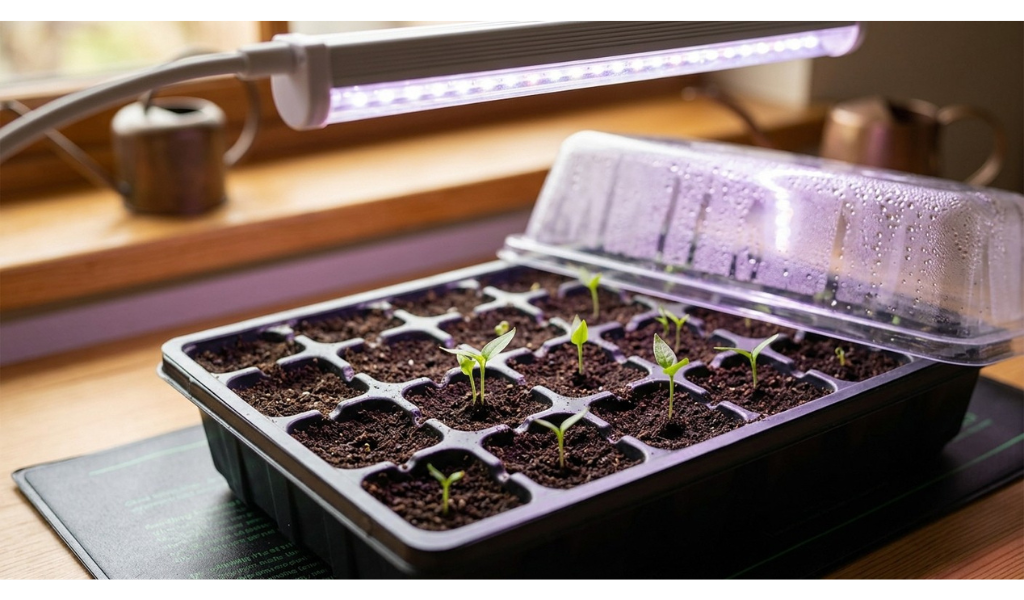
Most gardeners begin their pepper seeds indoors about eight to ten weeks before the last expected frost in their area. This head start gives the plants enough time to develop strong roots and a few sets of true leaves before they ever see the outdoors. If you wait and try to direct sow pepper seeds outside once the weather warms up, you will likely end up with a much shorter harvest window, since peppers need a long stretch of warm days to mature fully.
Watch Your Local Frost Dates
Every region has a different frost schedule, and this single factor shapes your entire pepper growing season. Gardeners in warmer southern climates might start seeds in January or February, while those in cooler northern regions often wait until March. Checking your local average last frost date through a regional extension office or gardening almanac gives you a reliable starting point for planning backward.
Soil Temperature Matters
Even if the calendar says spring has arrived, peppers care more about soil temperature than the date. These plants prefer soil that has warmed to at least 65 degrees Fahrenheit before they are moved outdoors. Cold soil slows root development and can stunt a pepper plant for weeks, even if the air temperature feels warm enough during the day.
How Long Is the Pepper Growing Season?
One of the most common questions new gardeners ask is simply how long they need to wait before they see ripe peppers. The honest answer depends on a few factors, but there is a general timeline you can count on.
From Seed to Mature Plant
On average, most pepper varieties need between 60 and 90 days after transplanting to produce mature, harvestable fruit. When you add the six to eight weeks needed for indoor seed starting before that, the full pepper growing season often stretches from 100 to 150 days total, depending on the variety and your local climate.
Variety Changes the Timing
Not all peppers grow at the same pace. Sweet bell peppers tend to take longer to mature, sometimes needing close to 80 days after transplant just to reach full size, and even more time to change color. Hot peppers like jalapenos or serranos often mature faster, sometimes ready for picking within 60 to 70 days. If you are growing several types side by side, it helps to check the seed packet for each variety’s specific days to maturity so you know what to expect from each plant.
The Main Stages of the Pepper Growing Season
Understanding the pepper growing season becomes much easier when you break it down into clear stages. Each phase has its own needs, and knowing what to expect helps you catch problems early.
Seed Germination Stage
This is where it all begins. Pepper seeds typically take one to three weeks to sprout, and they need warm, consistent soil temperatures around 80 degrees Fahrenheit to germinate quickly. A heat mat placed under seed trays can speed this process up significantly, especially if your home tends to run cool. Patience is key here, since pepper seeds are notoriously slower to sprout than tomatoes or squash.
Seedling Growth Stage
Once the seeds sprout, tiny seedlings emerge and begin forming their first true leaves. This stage usually lasts two to four weeks and requires bright light, either from a sunny window or a grow light positioned close to the plants. Weak or leggy seedlings at this point often signal insufficient light rather than a problem with the seeds themselves.
Vegetative Growth Stage
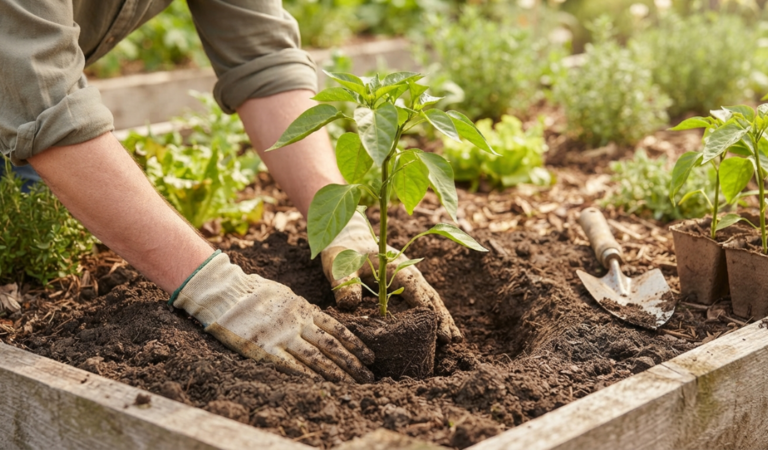
After the seedlings develop several sets of leaves, they enter a stage of steady vegetative growth. This is when the plant builds up its stem strength and branching structure. Once outdoor temperatures are reliably warm, this is the ideal time to transplant seedlings into the garden or into larger containers where they have room to spread out.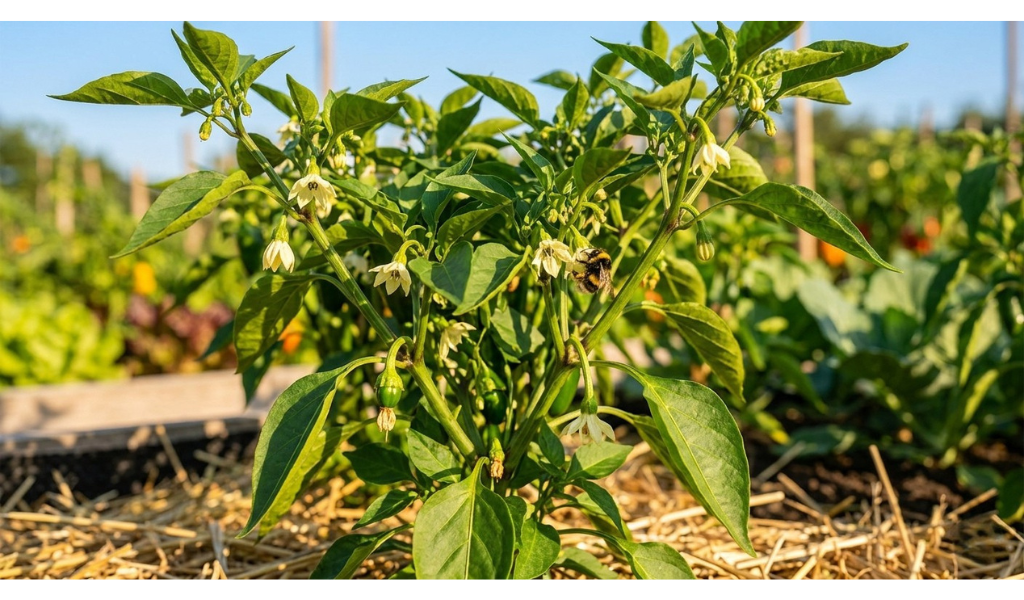
Flowering and Fruit Set
As the plant matures, small white or pale flowers begin to appear. This stage is exciting but also delicate, since extreme temperatures or inconsistent watering can cause flowers to drop before they form fruit. Gentle pollination help, such as lightly shaking the plant or brushing flowers with a small brush, can improve fruit set in areas with fewer pollinating insects.
Fruit Development and Ripening
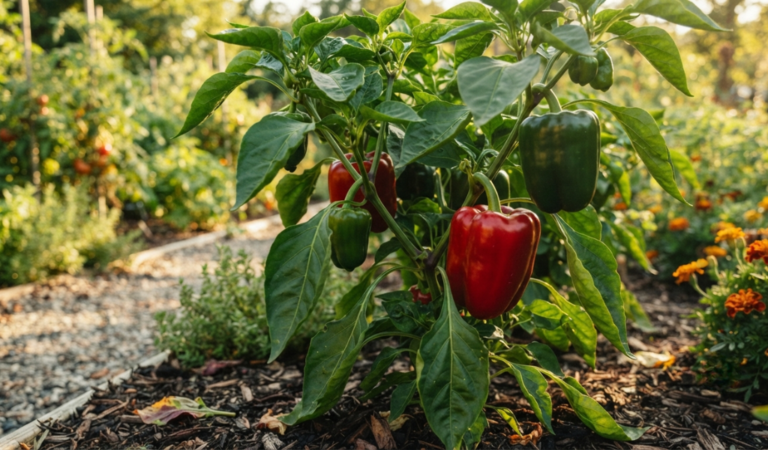
Once fruit begins forming, it takes several more weeks to reach full size and then additional time to ripen into its final color, whether that is red, yellow, orange, or purple. Many peppers are edible while still green, but allowing them to fully ripen on the plant often results in sweeter flavor and higher nutritional value.
How Temperature Affects the Pepper Growing Season
Temperature plays a bigger role in the pepper growing season than almost any other factor. Peppers are native to warm climates, and their growth patterns reflect that background clearly.
Warm Days Encourage Growth
Peppers thrive when daytime temperatures sit between 70 and 85 degrees Fahrenheit. Within this range, plants grow steadily, flowers form regularly, and fruit develops at a healthy pace. Gardeners in warm regions often see faster growth simply because their plants spend more time in this ideal zone.
 Cold Nights Can Slow Peppers Down
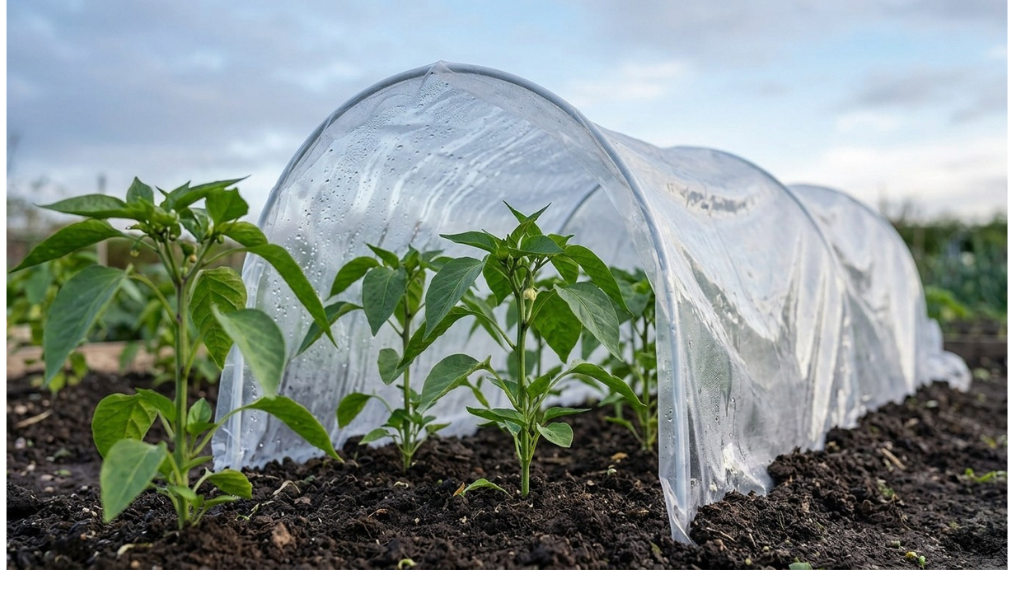
While peppers enjoy warm days, cool nights below 55 degrees Fahrenheit can cause stress. This stress often shows up as dropped flowers or slowed fruit production. If your region experiences unpredictable spring nights, covering young plants or delaying transplanting by a week or two can protect your harvest timeline.
Extreme Heat Can Cause Problems
On the opposite end, temperatures consistently above 90 degrees Fahrenheit can also cause flowers to drop, since the plant redirects energy toward survival rather than reproduction. During the pepper growing season, gardeners in hot southern climates sometimes see a dip in fruit production during the peak of summer, followed by a second wave of blooming once temperatures ease slightly in early fall.
Choosing the Right Time to Plant Peppers Outdoors
Getting the outdoor transplant timing right is one of the most important decisions in the entire pepper growing season. Move plants outside too soon and you risk damage or stunted growth. Wait too long and you shorten your harvest window.
Wait for Warm Weather
A good rule of thumb is to wait at least two weeks after your last expected frost date before transplanting peppers outside. By this point, both air and soil temperatures have usually stabilized enough to support healthy growth without the risk of a sudden cold snap.
 Harden Off Young Plants
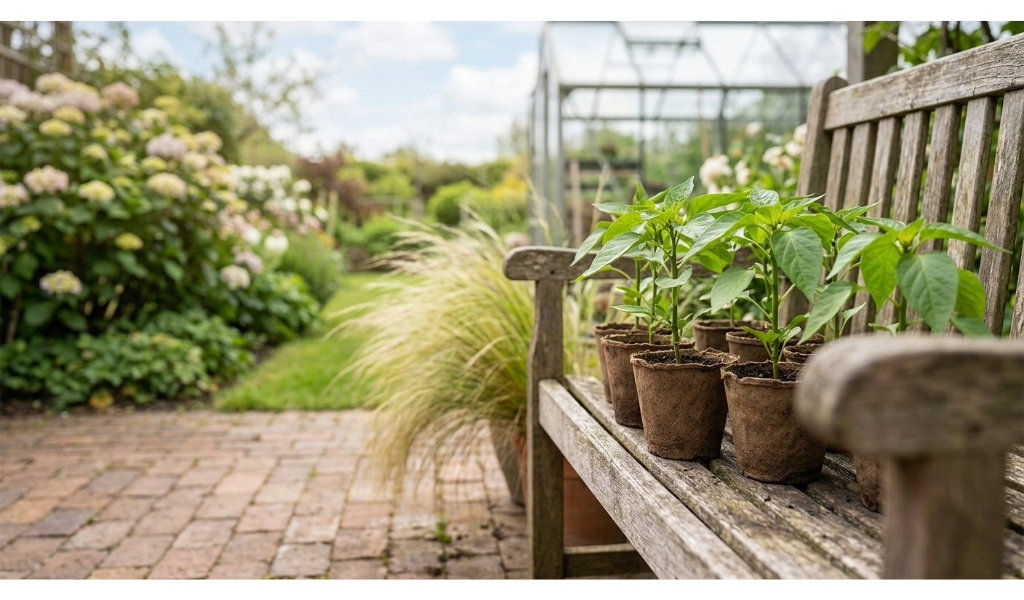
Before moving seedlings permanently outdoors, they need a short adjustment period called hardening off. This involves placing the plants outside for a few hours each day over the course of about a week, gradually increasing their exposure to sun, wind, and outdoor temperatures. Skipping this step often leads to shock, where leaves turn pale or wilt shortly after transplanting.
Choose a Sunny Location
Peppers need at least six to eight hours of direct sunlight each day to produce well. When selecting a garden bed or container spot, look for an area that receives strong morning and afternoon sun, away from taller plants or structures that might cast shade during key growing hours.
Caring for Peppers Throughout the Growing Season
Once your plants are settled outdoors, ongoing care determines how successful the rest of the pepper growing season will be.
Water Consistently
Peppers prefer even moisture rather than alternating between soggy and bone dry soil. During the pepper growing season, deep watering two to three times a week, adjusted for rainfall and heat, generally works better than frequent shallow watering. Inconsistent watering is a common cause of blossom end rot, where the bottom of the fruit develops a dark, sunken patch.
Feed Plants According to Their Needs
During the early vegetative stage, peppers benefit from a balanced fertilizer that supports leaf and stem growth. Once flowering begins, switching to a fertilizer lower in nitrogen and higher in phosphorus and potassium encourages better fruit production instead of excessive leafy growth.
Mulch Around Pepper Plants
A layer of mulch around the base of each plant helps retain soil moisture, regulate temperature, and reduce weed competition. Straw, shredded leaves, or bark mulch all work well and can make a noticeable difference during the hottest weeks of summer.
Common Pepper Growing Season Mistakes
Even experienced gardeners run into trouble during the pepper growing season. Recognizing these common mistakes early can save your harvest.
Planting Too Early
Rushing to get peppers into the ground before the soil and air have truly warmed is one of the most frequent errors. Cold stress early on can permanently slow a plant’s development, even if conditions improve later.
Giving Too Much Water
While peppers need consistent moisture, overwatering can suffocate roots and lead to fungal issues. Soil that stays constantly wet rather than evenly moist often does more harm than good.
Using Too Much Nitrogen
Heavy nitrogen fertilization encourages lush, green leaves but often at the expense of flowers and fruit. Gardeners chasing bigger plants sometimes end up with fewer peppers as a result.
Ignoring the Expected Maturity Time
Every pepper variety has a different timeline, and planting a slow maturing variety in a region with a short growing season can leave you with unripe fruit when frost arrives. Checking maturity times before choosing seeds helps set realistic expectations.
Extending the Pepper Growing Season
Gardeners in cooler climates often look for ways to stretch their pepper growing season as long as possible, and there are several practical methods to do this.
Start Seeds Indoors
As mentioned earlier, starting seeds indoors gives plants a significant head start compared to direct sowing outside. This single step can add several extra weeks of productive growing time to your season.
Grow Peppers in Containers
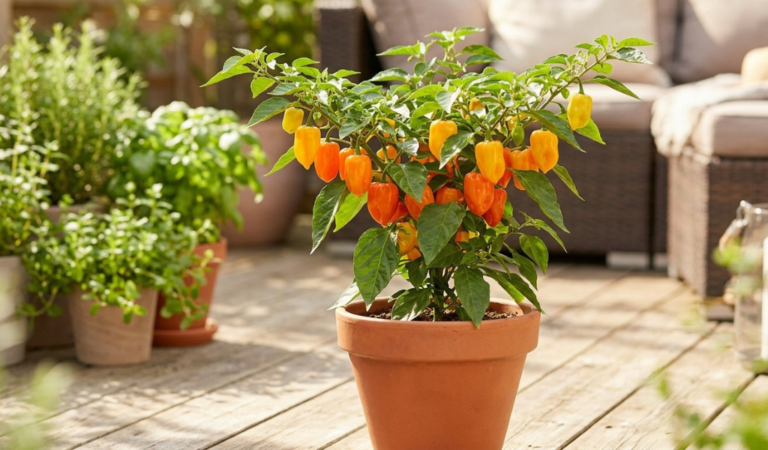
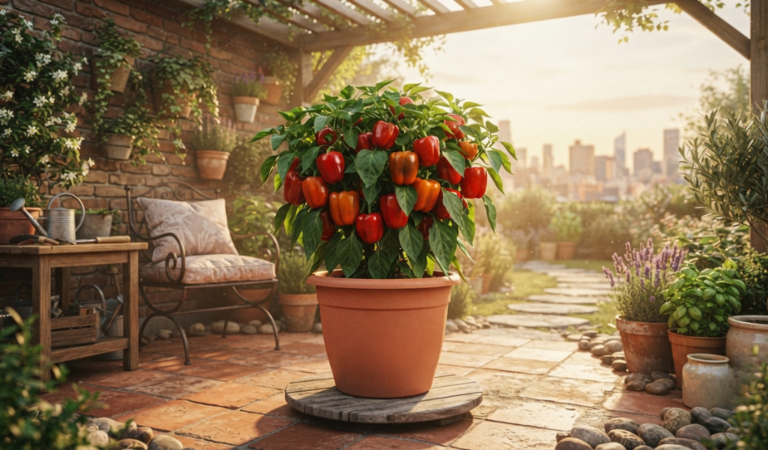
Container grown peppers offer flexibility that in ground plants do not. When a sudden cold snap threatens in early spring or fall, containers can simply be moved indoors or into a garage overnight, protecting the plants from damage.
Protect Plants From Early Cold
Simple tools like row covers, cloches, or even old bedsheets draped over plants can shield them from unexpected frost on either end of the season. This small effort often adds days or even weeks of extra harvest time.
When Is the Pepper Growing Season Over?
Knowing when to wrap up the pepper growing season helps you make the most of your final harvest and prepare your garden for the next cycle.
 Harvest Before Hard Frost
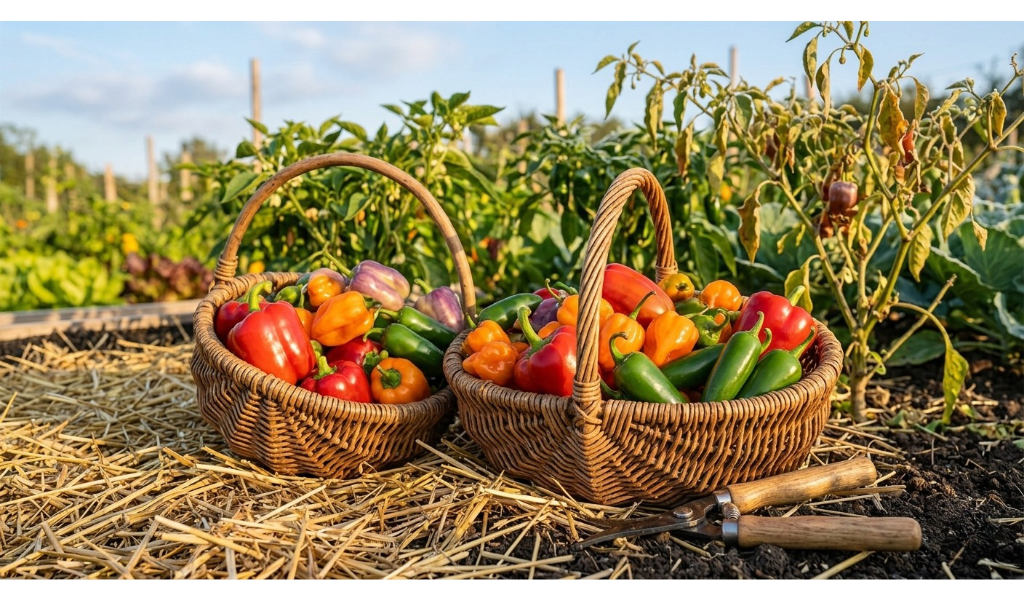
Peppers are sensitive to freezing temperatures, and a hard frost will damage or kill the plants quickly. As the first frost warning approaches, it is worth harvesting all remaining fruit, even if some peppers have not fully ripened, since green peppers are still perfectly usable in the kitchen.
Keep Productive Plants Going
In regions with mild fall weather, healthy pepper plants can continue producing well past the point when many other vegetables have finished for the year. Removing spent flowers and continuing light feeding can help these plants keep pushing out fruit until the weather truly turns cold.
Planning Your Pepper Growing Season for a Better Harvest
Looking back at the full pepper growing season, success really comes down to planning ahead rather than reacting after problems appear. Marking your calendar with your region’s frost dates, choosing pepper varieties suited to your climate, and preparing your seed starting setup early all set the stage for a strong season. Many experienced gardeners keep a simple notebook or spreadsheet each year, tracking when they started seeds, when they transplanted, and how each variety performed. Over time, this record becomes one of the most useful tools for improving future harvests, since it removes the guesswork and replaces it with real data from your own garden.
Final Thoughts on the Pepper Growing Season
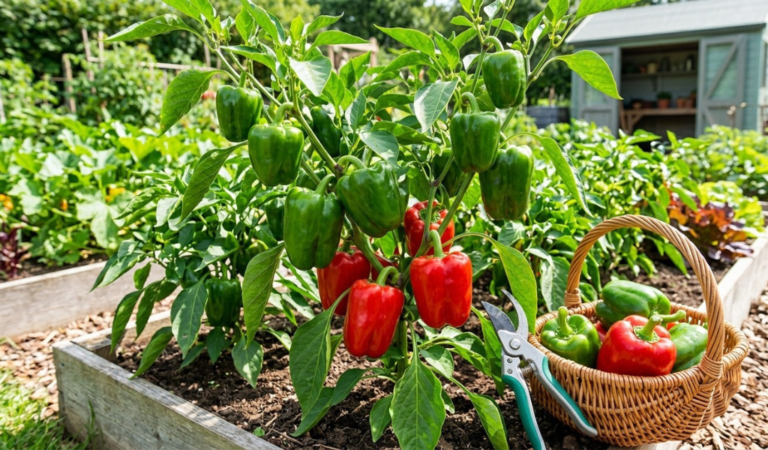
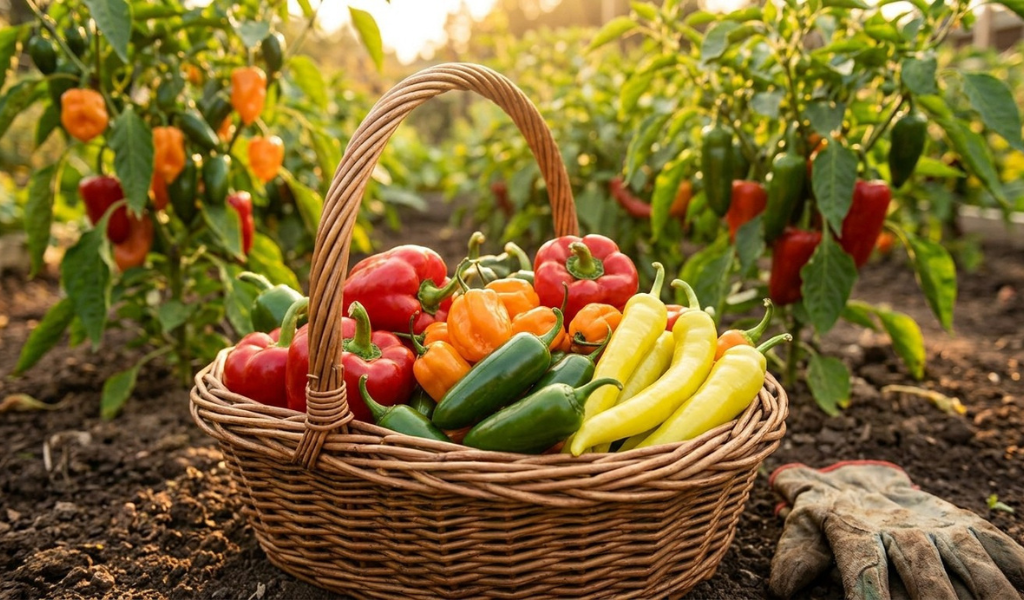
The pepper growing season is a journey that rewards attention and patience rather than rushing. From the first seed you plant indoors to the last pepper you pick before frost, every stage plays a role in the final harvest you enjoy. By understanding how temperature, timing, and care all work together, you give your plants the best possible chance to thrive. If you are just getting started, take it one step at a time. Start your seeds a little early, watch the weather closely, and give your plants steady care throughout the season. Your reward will be a basket full of colorful, homegrown peppers ready for your kitchen.
Frequently Asked Questions
How many days will pepper grow?
Most pepper plants take between 60 and 90 days after transplanting outdoors to produce mature fruit, though the total time from seed to harvest is often closer to 100 to 150 days when you include the indoor seed starting period.
Do pepper plants grow every year?
Pepper plants are technically perennials in warm, frost free climates and can live for several years if protected from cold. In most regions, however, they are grown as annuals since frost kills the plant at the end of the season.
Which fertilizer is best for pepper?
A balanced fertilizer works well during early growth, while a fertilizer lower in nitrogen and higher in phosphorus and potassium is better once flowering begins, since it supports fruit development rather than excess leaf growth.
Do peppers produce all season?
Healthy pepper plants can produce continuously throughout the warm months, especially if flowers and fruit are harvested regularly, which encourages the plant to keep setting new blooms.
What’s the ideal pepper growing climate?
Peppers grow best in warm climates with daytime temperatures between 70 and 85 degrees Fahrenheit, plenty of direct sunlight, and nighttime temperatures that stay above 55 degrees.
How long does it take to grow peppers from seed?
Growing Peppers From Seed to a harvest ready plant typically takes around three to four months in total, factoring in germination, seedling growth, transplanting, and fruit development.
How long is the pepper growing season?
The pepper growing season generally lasts from early spring seed starting through late summer or early fall harvesting, though the exact length depends on your local climate and the pepper variety you choose.
Can peppers grow throughout the summer season?
Yes, peppers grow actively through summer as long as temperatures stay within their preferred range, though extreme heat above 90 degrees can temporarily slow flowering and fruit set.
When should I harvest peppers during the growing season?
Peppers can be harvested once they reach the size described on the seed packet, either while still green or after they have changed to their final ripe color, and all remaining fruit should be picked before the first hard frost.