Jalapeno Pepper Growing Tips: From Planting to Harvesting
Jalapeno Pepper Growing Tips: A Complete Guide
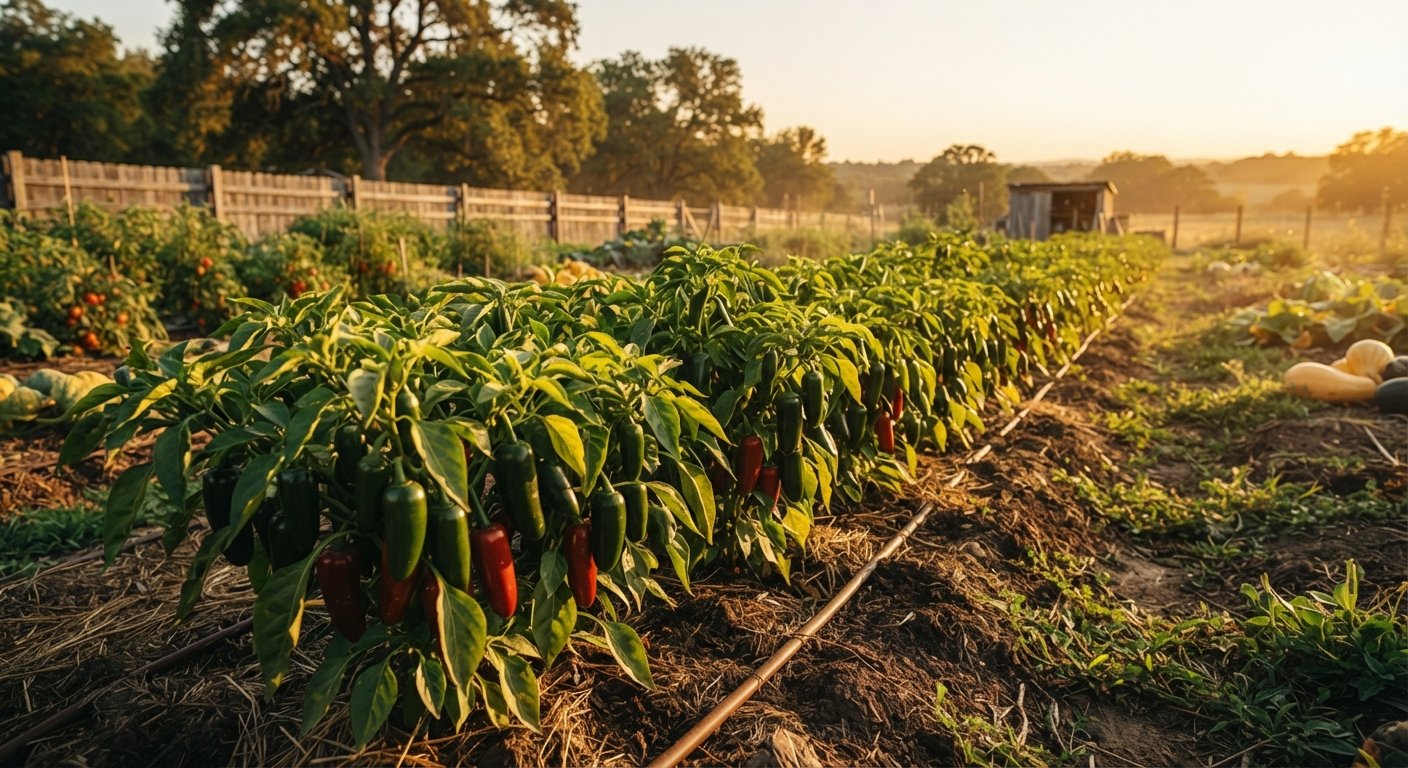
Growing your own jalapenos is one of the most rewarding things you can do in a home garden. These crisp, spicy peppers are forgiving, productive, and perfect for beginners who want fast results without a lot of fuss. If you have ever bought a bag of store peppers that tasted watery or bland, you already know why so many gardeners switch to growing their own. With the right jalapeno pepper growing tips, you can turn a few seeds or a small nursery start into a plant that keeps producing peppers from early summer all the way to the first frost.
This guide walks through everything you need, from picking a variety to harvesting your first ripe pod. Whether you are working with a raised bed, a patch of garden soil, or a container on a balcony, the same basic principles apply. Good peppers start with good habits: the right light, steady watering, healthy soil, and a bit of patience while the plant settles in.
These same ideas apply broadly across the nightshade family too. Many of the general Pepper Plant Growing Tips: How to Grow Peppers Successfully that experienced growers rely on, things like avoiding cold soil, feeding at the right time, and watching leaf color, translate directly to jalapenos. Once you understand how a pepper plant behaves, you can apply that knowledge to bell peppers, serranos, habaneros, and beyond. But for now, let us focus specifically on getting jalapenos to thrive.
Choose the Right Jalapeno Pepper Variety
Not every jalapeno is the same, and picking the right one for your garden makes the rest of the growing process a lot easier. Some varieties are bred for heat, others for size, and some for how well they hold up in cooler climates. Knowing what you want out of your harvest, mild snacking peppers or fiery ones for hot sauce, helps you choose wisely from the start.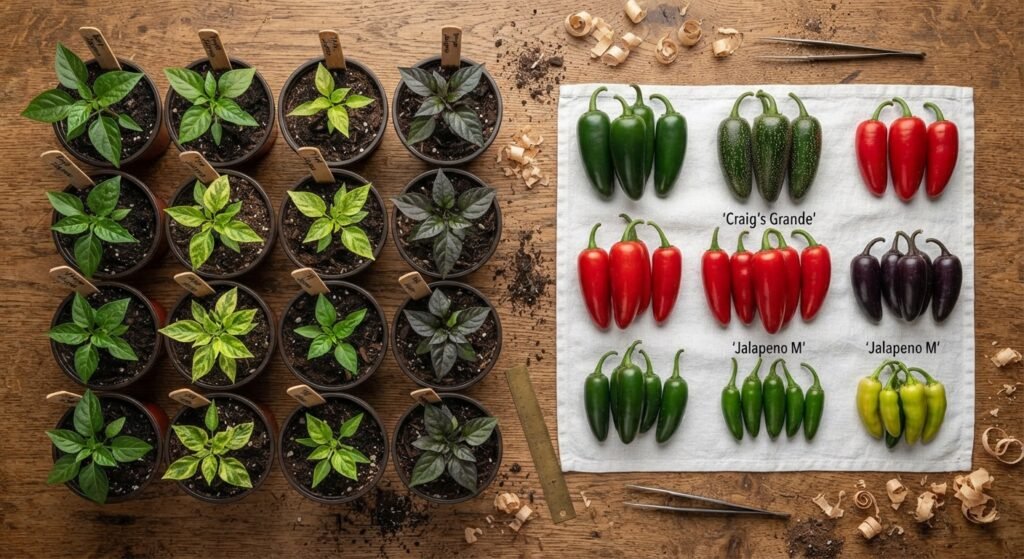
Common Jalapeno Varieties to Grow
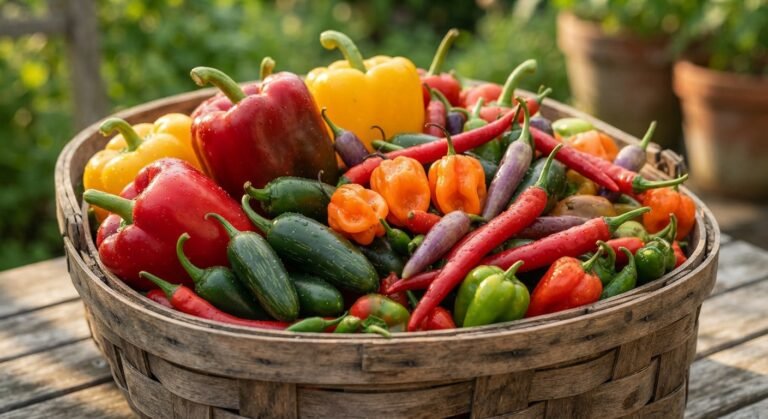
The classic “Early Jalapeno” is a favorite because it matures quickly and produces reliably, which makes it great for gardeners in shorter growing seasons. “Jalapeno M” is a slightly milder option often used commercially, so if you want a pepper with less bite but the same flavor, this is worth trying. For gardeners chasing heat, “Mucho Nacho” grows bigger pods with a stronger kick, while “Purple Jalapeno” adds a decorative touch with its dark, almost violet skin before it ripens to red. Each of these brings something a little different to the table, so it often pays to grow two or three types side by side.
Choosing a Variety for Your Climate
If you live somewhere with a short summer, look for fast-maturing types that produce peppers in 70 days or less. Gardeners in hot, humid regions can lean toward varieties bred for disease resistance, since heat and moisture together can invite fungal problems. Container gardeners in apartments or small yards should look for compact plants that stay under two feet tall, since sprawling varieties can get unruly in a pot. Reading the seed packet or nursery tag carefully before buying saves you from surprises later in the season.
How to Plant Jalapeno Pepper Seeds
Starting jalapenos from seed gives you more variety choices and is usually cheaper than buying starts, though it does take patience. Seeds should be started indoors about eight to ten weeks before your last expected frost date, since jalapenos need warm soil to germinate well. A heat mat set to around 80 degrees Fahrenheit speeds up germination significantly, often cutting the wait from three weeks down to just one.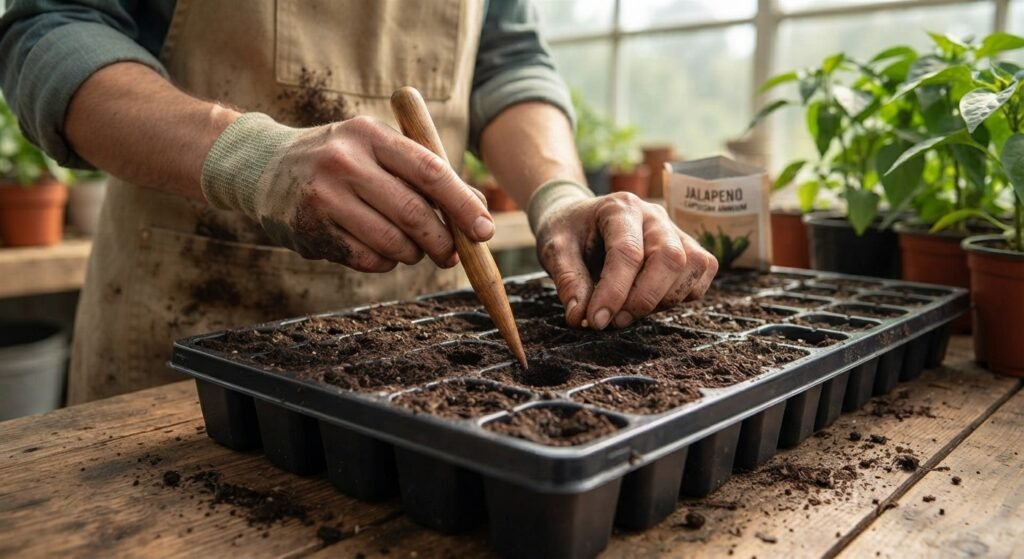
Plant seeds about a quarter inch deep in a seed-starting mix, not garden soil, since garden soil can be too dense and may carry pests or disease. Keep the mix moist but not soaked, and use a humidity dome or plastic wrap over the tray to hold moisture in while the seeds sprout. Once seedlings show their first true leaves, move them under a grow light or a bright window, since leggy, stretched seedlings usually mean they are not getting enough light.
Before transplanting outdoors, harden off the young plants over about a week by setting them outside for a few hours a day, gradually increasing their exposure to sun and wind. This step toughens the stems and leaves so the plants do not go into shock when you finally plant them in the garden or a larger pot. Wait until nighttime temperatures stay reliably above 55 degrees Fahrenheit before moving jalapenos outside for good, since cold snaps can stunt or even kill young pepper plants.
Choose the Best Soil for Jalapeno Peppers
Soil is the foundation everything else builds on, and jalapenos are not especially picky, but they do have a few clear preferences. Getting the soil right early on saves a lot of trouble later when the plant is trying to flower and fruit.
Soil Drainage and Nutrient Requirements
Jalapeno plants dislike sitting in soggy soil, so good drainage is non-negotiable. Heavy clay soil that holds water for days can lead to root rot, while sandy soil that drains too fast will leave the roots thirsty. The sweet spot is a loamy soil rich in organic matter that drains well but still holds enough moisture between waterings. Peppers also prefer a slightly acidic to neutral pH, somewhere between 6.0 and 6.8, so testing your soil beforehand can tell you whether you need to make adjustments.
Preparing Garden Soil or Potting Mix
Before planting, work a few inches of compost into your garden bed to boost organic matter and improve both drainage and nutrient content at the same time. If your native soil is heavy, raised beds are a great workaround since you control the mix entirely. For container growing, use a quality potting mix rather than garden soil, since potting mix is lighter and less likely to compact around the roots. Adding a handful of perlite to a container mix can further improve drainage, which matters a lot when the plant is confined to a pot with no way for excess water to spread out.
Provide Enough Sunlight for Jalapeno Plants
Peppers are sun lovers by nature, tracing back to their origins in warm, tropical regions. Without enough light, a jalapeno plant will grow tall and thin instead of bushy, and it will produce far fewer peppers than it is capable of. Choosing a planting spot that gets sun for most of the day is one of the simplest ways to set your plants up for success.
South-facing garden beds or patios usually get the most consistent light throughout the day, making them ideal for pepper plants. If your yard has partial shade, try to place jalapenos where they will still catch at least six hours of direct sun, ideally in the morning and early afternoon when light is strongest but not scorching. In very hot climates, some afternoon shade can actually help prevent sunscald on the fruit and stress on the plant during the hottest part of summer.
How Much Sun Do Jalapenos Need?
Jalapeno plants need a minimum of six hours of direct sunlight each day to grow well, though eight hours or more is even better for heavy fruiting. Less than six hours often results in leggy growth, fewer flowers, and smaller peppers, since the plant simply does not have enough energy from photosynthesis to support strong fruit development. If you are growing jalapenos indoors or in a spot with limited natural light, a full-spectrum grow light can fill in the gap, though it rarely fully replaces the intensity of real sunlight. Watching how your plant grows is often the best indicator: sturdy, compact growth with dark green leaves usually means it is getting enough light, while pale, stretched stems are a sign to find a sunnier spot.
Water Jalapeno Pepper Plants Properly
Watering seems simple, but it is one of the most common places gardeners go wrong with peppers. Jalapenos like consistent moisture, not constant wetness, and swinging between bone dry and soaking wet stresses the plant and can affect both flowering and fruit quality.
How Often to Water Jalapenos
In general, jalapeno plants need about one to two inches of water per week, whether from rainfall or manual watering, though this varies with heat and soil type. During hot summer stretches, container plants especially may need water every day since pots dry out much faster than garden beds. The best approach is to check the top inch or two of soil with your finger; if it feels dry, it is time to water, and if it still feels moist, wait another day. Watering deeply and less frequently encourages roots to grow downward in search of moisture, which builds a stronger, more drought-tolerant plant compared to frequent shallow watering.
Signs of Overwatering and Underwatering
Overwatered jalapeno plants often show yellowing leaves, wilting despite wet soil, and sometimes a moldy smell near the base, which can point to root rot setting in. Underwatered plants, on the other hand, tend to droop noticeably during the heat of the day, with leaves that feel dry and papery to the touch. Peppers experiencing drought stress may also drop their flowers early, since the plant redirects energy toward survival rather than reproduction. Catching these signs early and adjusting your watering routine can usually bring a stressed plant back within a week or two.
Fertilize Jalapeno Plants for Healthy Growth
Feeding your jalapeno plants at the right time and with the right nutrients makes a noticeable difference in both plant size and pepper production. Too little fertilizer leaves the plant weak, while too much can backfire in a way many new gardeners do not expect.
Choosing the Right Fertilizer
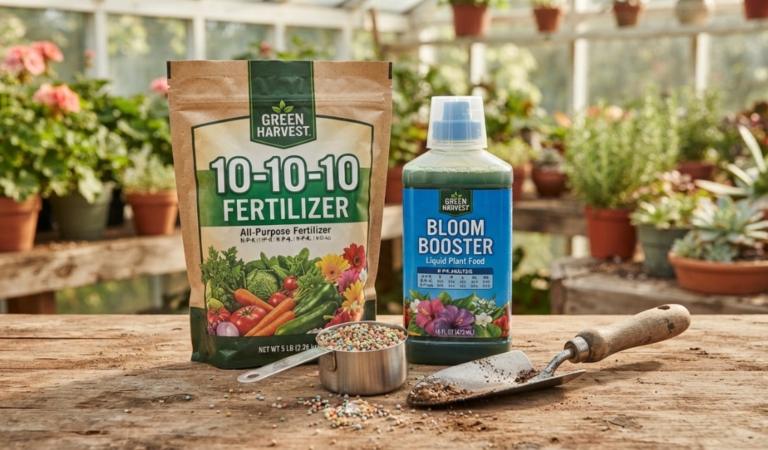
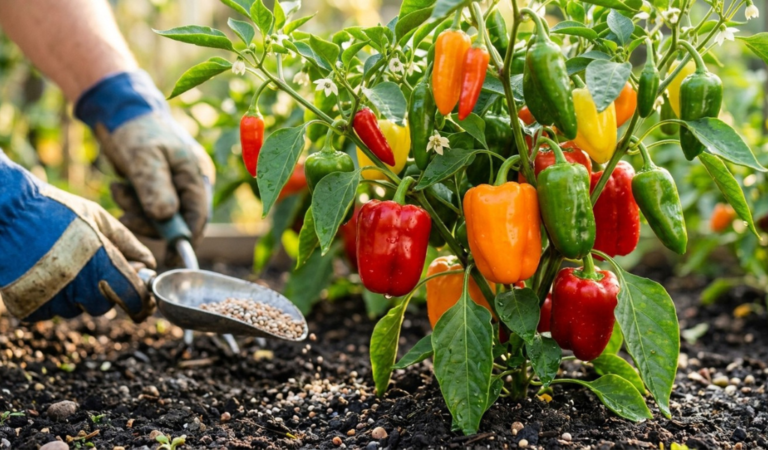
A balanced fertilizer, or one slightly higher in phosphorus and potassium than nitrogen, tends to work best for peppers once they start flowering. Organic options like compost, fish emulsion, or worm castings feed the soil slowly and improve its structure over time, while synthetic fertilizers act faster but need more careful measuring. Many gardeners find success using a balanced granular fertilizer at planting time, followed by a liquid feed every few weeks once the plant starts setting fruit.
When to Fertilize Jalapeno Peppers
Feed young plants lightly at transplanting to help them establish roots without overwhelming them. Once the plant begins flowering, switch to a fertilizer with more phosphorus and potassium, since these nutrients support strong blooms and fruit development rather than just leafy growth. Continuing to fertilize every three to four weeks through the growing season keeps the plant fueled for repeated harvests, which jalapenos are well known for producing.
Avoiding Excess Fertilizer
Too much nitrogen in particular causes jalapeno plants to grow lush, green foliage at the expense of flowers and fruit, a problem experienced gardeners often call “all leaves, no peppers.” Overfertilizing can also burn the roots, leading to brown leaf edges and stunted growth. If you notice a plant that looks healthy and green but simply will not flower, cutting back on nitrogen-heavy fertilizer is often the fix. It is always easier to add more fertilizer later than to correct a plant that has been overfed.
How to Encourage Jalapeno Flowering and Fruiting
Getting a jalapeno plant to grow big and green is only half the job. The real goal is a plant that flowers reliably and turns those flowers into peppers, which depends on a mix of good care and a little help from you.
Supporting Healthy Flower Development
Consistent watering and balanced nutrition, as covered above, are the biggest factors in strong flowering, but temperature matters too. Jalapenos tend to drop flowers when daytime temperatures climb above 90 degrees Fahrenheit or nighttime temperatures dip below 60, since extreme heat or cold interferes with pollen viability. Mulching around the base of the plant helps keep soil temperature more stable, which indirectly supports steadier flowering through hot or unpredictable weather.
Improving Pollination
Jalapeno flowers are self-fertile, meaning they do not strictly need bees or other pollinators, but pollination still improves with a bit of airflow or insect activity. Planting flowers like marigolds or basil nearby can attract more pollinators to the area, boosting overall fruit set. If you are growing indoors or in a spot with little insect activity, gently shaking the plant or using a small paintbrush to move pollen between flowers can improve your results noticeably.
Preventing Flower Drop
Flower drop is one of the most frustrating issues gardeners run into, and it usually traces back to stress, whether from heat, inconsistent watering, or a nutrient imbalance. Keeping the plant on a steady watering schedule, avoiding fertilizer spikes, and providing some afternoon shade during extreme heat waves all help reduce flower loss. Patience also plays a role, since many pepper plants naturally drop a percentage of their flowers and still go on to produce a full harvest.
Growing Jalapenos in Containers
Container growing has become one of the most popular ways to grow jalapenos, especially for gardeners with limited space. The process is largely the same as garden growing, with a few adjustments for the smaller root zone.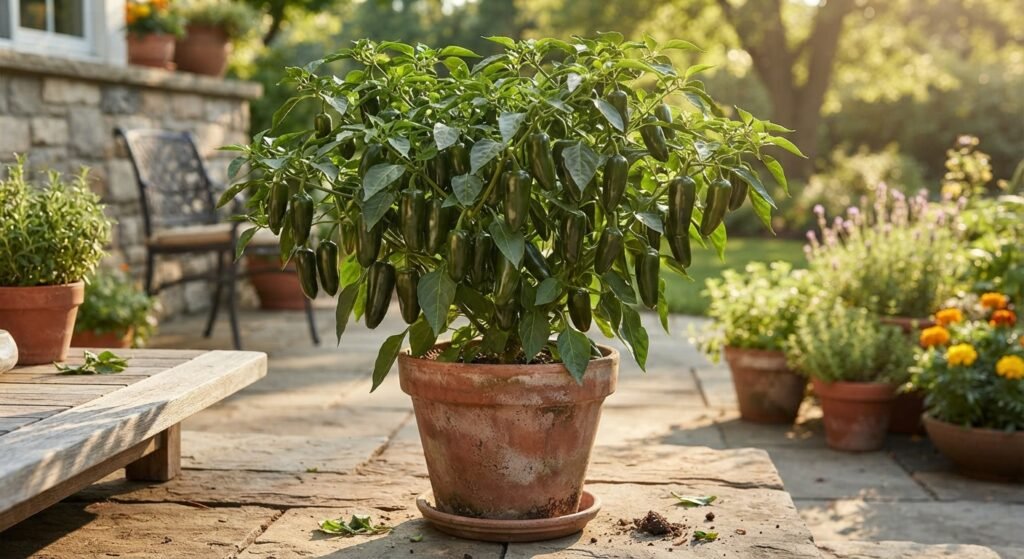
Choosing the Right Pot Size
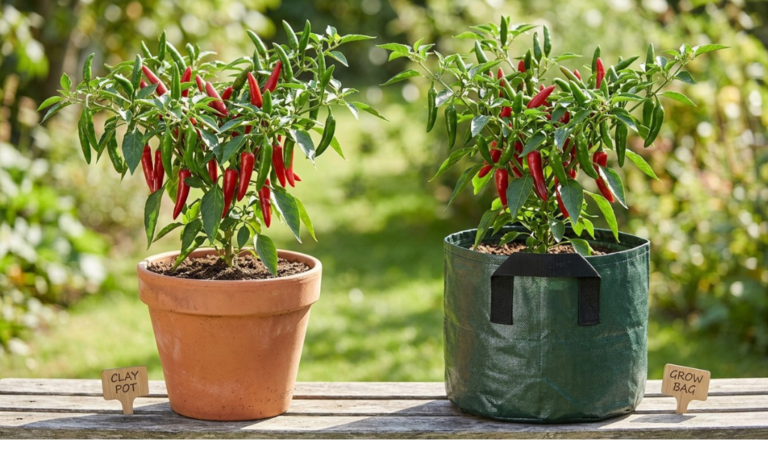
A container at least five gallons in size gives jalapeno roots enough room to grow deep and support a productive plant. Smaller pots can work for compact varieties, but they dry out faster and may limit how large the plant can get. Always choose a pot with drainage holes at the bottom, since standing water in a container is one of the fastest ways to kill a pepper plant. Terracotta pots breathe well but dry out quickly, while plastic or glazed ceramic pots hold moisture longer, which can be an advantage in hot climates.
Container Watering and Fertilizing Tips
Because container soil dries out faster than garden soil, potted jalapenos often need watering every day during peak summer heat, sometimes even twice on especially hot days. Nutrients also wash out of containers faster with each watering, so a light, regular fertilizing schedule, roughly every two to three weeks, keeps container plants from running low on food. Placing the pot somewhere it gets full sun for most of the day, and rotating it occasionally so all sides of the plant get even light, helps keep growth balanced and prevents the plant from leaning too far in one direction.
Common Jalapeno Pepper Growing Problems
Even with good care, jalapeno plants sometimes run into trouble. Knowing what to look for makes it much easier to catch problems early, before they seriously affect your harvest.
Yellow Leaves and Leaf Curl
Yellowing leaves can point to several different issues, including overwatering, nitrogen deficiency, or simply older leaves naturally dying back as the plant puts energy into new growth. Leaf curl is often linked to heat stress or, less commonly, to pests like aphids feeding on the underside of leaves. Checking the soil moisture first, then inspecting the leaves closely for pests, usually narrows down the cause fairly quickly.
Pests and Diseases
Aphids, spider mites, and flea beetles are among the most common pests that bother jalapeno plants, often showing up as tiny holes in leaves or a sticky residue on the foliage. Insecticidal soap or neem oil sprayed in the early morning or evening can control most infestations without harming beneficial insects. On the disease side, fungal issues like powdery mildew or blossom end rot can appear during humid weather or from inconsistent watering, and improving airflow around the plant along with steady watering usually resolves both.
Poor Flowering or Small Fruits
If a jalapeno plant flowers well but the peppers stay small, the cause is often related to water stress, nutrient imbalance, or simply overcrowding if plants are spaced too close together. Giving each plant at least 18 to 24 inches of space allows for better airflow and less competition for nutrients and light. Reviewing your watering and fertilizing routine against the guidance above often reveals a simple fix.
When and How to Harvest Jalapeno Peppers
Harvesting at the right time affects both flavor and how much your plant continues to produce. Jalapenos can be picked at different stages depending on your preference for heat and color.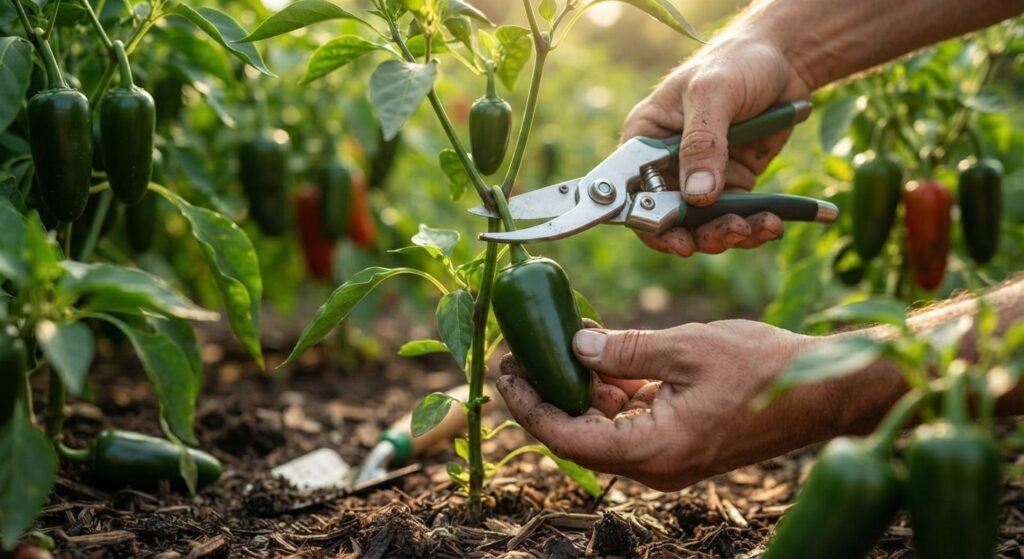
Signs Jalapenos Are Ready to Pick
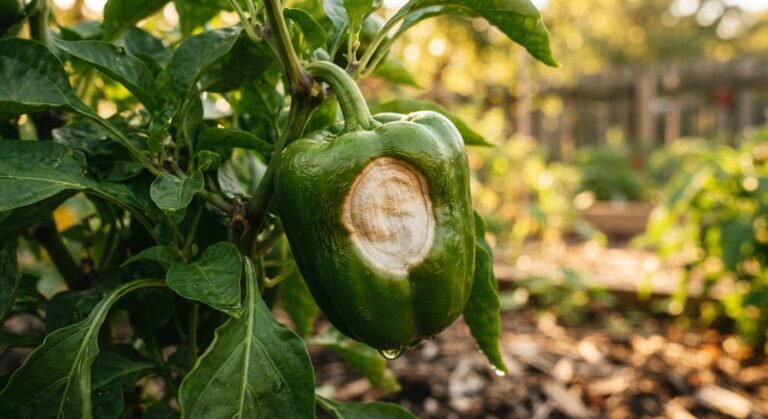
Most jalapenos are ready to harvest around 70 to 80 days after transplanting, once the pods reach three to four inches long and feel firm to the touch. Green jalapenos are milder and are the most common stage for picking, while peppers left on the plant longer will eventually turn red and develop a sweeter, slightly hotter flavor. Small white lines, often called corking, sometimes appear on the skin of a mature jalapeno, and this is a natural sign of ripeness rather than a problem with the plant.
How to Harvest Without Damaging the Plant
Use garden scissors or pruning shears to cut the pepper stem just above the cap, rather than pulling or twisting the pod off by hand, since tugging can damage the branch and reduce future yields. Support the branch gently with your other hand while cutting to avoid snapping stems that are often more brittle than they look. Harvesting regularly, rather than letting peppers sit too long on the plant, also encourages the plant to keep flowering and producing new fruit throughout the season.
Tips for Encouraging More Peppers
Picking peppers as soon as they reach a usable size, rather than waiting for every pod to turn red, signals the plant to keep producing new flowers and fruit. Keeping up with watering and fertilizing through the harvest period, not just early in the season, helps sustain energy for continued growth. Removing any damaged, diseased, or clearly unproductive branches also redirects the plant’s resources toward healthy growth and new peppers. With steady care, a single jalapeno plant can keep producing from midsummer all the way until the first frost arrives.
Conclusion
Growing jalapenos successfully comes down to a handful of consistent habits: good soil, enough sunlight, steady watering, and feeding the plant at the right stages. None of these steps are complicated on their own, but together they make the difference between a struggling plant and one that keeps you supplied with fresh peppers all summer long. Whether you are growing in a garden bed or a container on a patio, the same core principles apply, and a little attention early on pays off with a much bigger harvest later.
If you are new to growing peppers in general, these same lessons carry over well beyond jalapenos, and building that foundation now will make every future pepper plant easier to manage. Start with a variety suited to your space and climate, stay consistent with care, and you will likely find yourself with more jalapenos than you know what to do with by the end of the season.
Frequently Asked Questions
How long does it take to grow jalapeno peppers from seed?
Jalapenos typically take 70 to 80 days from transplanting to reach harvest size, plus another six to ten weeks of indoor growing time before transplanting, so the full process from seed to harvest usually spans three to four months.
Can jalapeno plants survive cold weather?
Jalapeno plants are sensitive to cold and can be damaged or killed by frost. They grow best when temperatures stay above 55 degrees Fahrenheit at night, and it is best to wait until all danger of frost has passed before planting outdoors.
Why are my jalapeno peppers not spicy?
Heat level in jalapenos is influenced by growing conditions such as water stress, sunlight, and soil nutrients. Peppers grown with slightly less water and more sun tend to develop more heat, while consistently well-watered plants often produce milder peppers.
How many jalapeno peppers can one plant produce?
A healthy, well-cared-for jalapeno plant can produce anywhere from 25 to 35 peppers or more over a single growing season, especially if peppers are harvested regularly to encourage continued flowering.
Do jalapeno plants need full sun?
Yes, jalapeno plants perform best with at least six hours of direct sunlight daily, and eight or more hours often leads to stronger growth and a larger harvest.
Can I grow jalapenos indoors year-round?
Jalapenos can be grown indoors with a sunny window or a grow light, though production is usually lower than outdoor plants due to reduced light intensity and limited pollinator activity.
Why do jalapeno flowers fall off before producing fruit?
Flower drop is commonly caused by heat stress, inconsistent watering, or extreme temperature swings. Keeping the plant’s environment as stable as possible, along with steady watering, usually reduces flower loss and improves fruit set.