How to Stop Pepper Plant Leaves From Curling: Complete Guide
How to Stop Pepper Plant Leaves From Curling: Causes and Solutions
There’s nothing quite as frustrating as walking out to your garden, ready to admire your thriving pepper plants, only to find their leaves twisting and curling into odd shapes. If this sounds familiar, you’re in the right place. Learning how to stop pepper plant leaves from curling starts with understanding what’s causing the problem in the first place.
Curling leaves are your plant’s way of waving a little red flag. Sometimes it’s a minor issue you can fix in an afternoon. Other times, it points to something more serious like pests, disease, or a nutrient shortage. The good news? Most cases are completely reversible once you know what to look for.
In this guide, we’ll walk through every common reason pepper leaves curl, from watering mistakes to heat stress to sneaky insects. You’ll get practical, tested advice you can apply today, plus prevention tips to keep your plants healthy all season long. Let’s dig in.
Why Are Pepper Plant Leaves Curling?
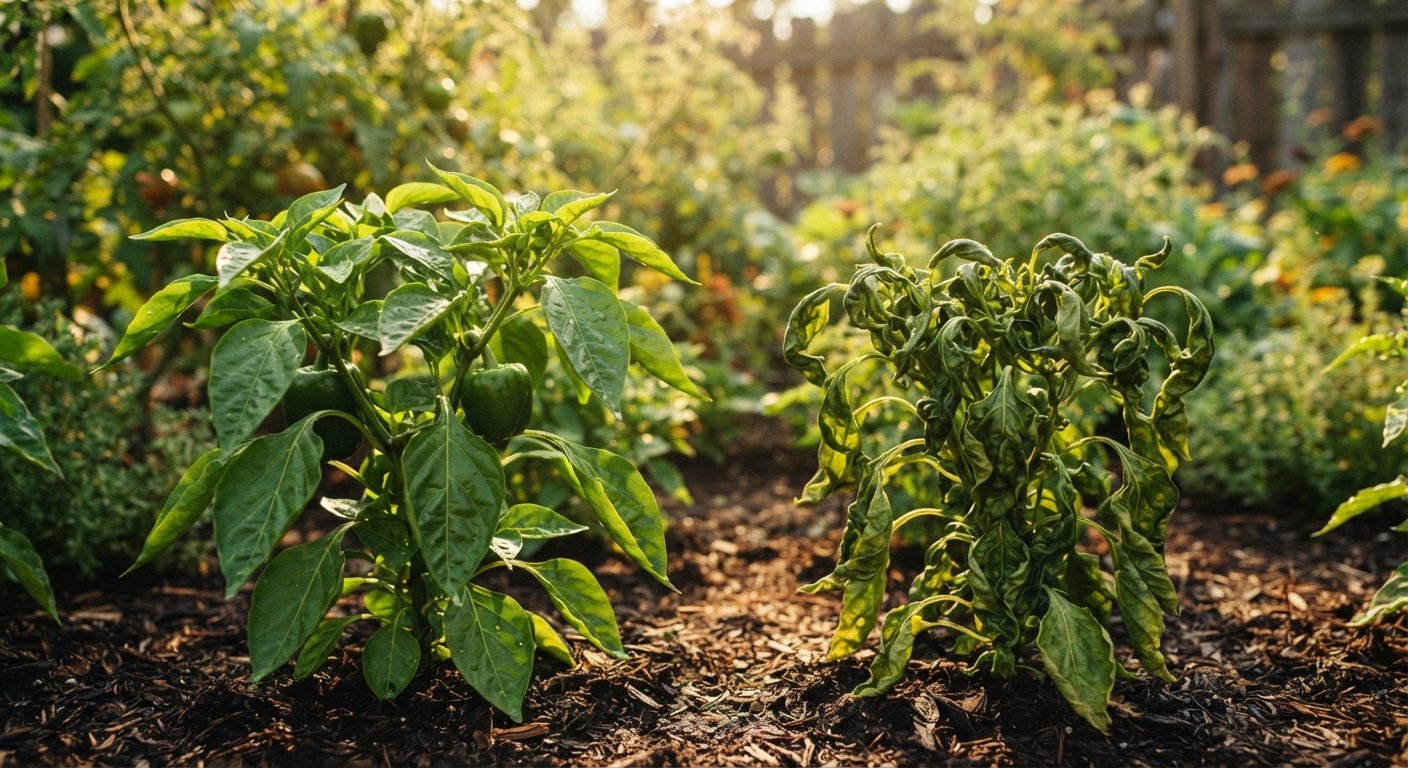
Pepper plants curl their leaves for a handful of reasons, and pinning down the exact cause is the first step toward a healthy plant. Think of the leaf as a stress meter. When something in the plant’s environment shifts too far from ideal, the leaves respond by curling inward, cupping upward, or twisting at the edges.
The most common triggers fall into three broad groups: environmental stress, watering and feeding issues, and pests or disease. A plant baking in the afternoon sun will curl its leaves to protect itself. A plant sitting in soggy soil will do the same for a completely different reason. Because the symptom looks similar across many causes, you’ll need to play detective and rule out possibilities one by one.
Start by looking at the whole picture. When did the curling begin? Which leaves are affected, the new growth or the older ones? Has the weather changed recently? These clues will point you toward the real culprit and save you from treating the wrong problem.
Environmental Causes of Leaf Curl
Weather and growing conditions play a huge role in how your peppers look and feel. Extreme heat is one of the biggest offenders. When temperatures climb above 90 degrees Fahrenheit, pepper plants often curl their leaves to reduce the surface area exposed to the sun and slow down water loss. This is a natural defense, not a disease.
Wind and cold snaps cause trouble too. A sudden drop in temperature can shock a plant, especially young seedlings. Strong winds dry out leaves and stress the plant, leading to that familiar curl. Even the location of your plant matters. A pepper sitting against a hot brick wall or on scorching pavement will suffer far more than one tucked into a garden bed with good airflow.
Container plants are especially sensitive to their surroundings. Pots heat up faster than garden soil, which can cook the roots on a hot day. If your potted peppers curl while your in-ground plants stay fine, the container environment is likely to blame.
Watering and Nutrient Problems
Water is where most gardeners go wrong, and it’s an easy mistake to make. Both too much and too little water can cause leaves to curl, which is why watering deserves close attention. Underwatered peppers curl their leaves to conserve moisture, while overwatered plants suffer from root stress that shows up in the foliage.
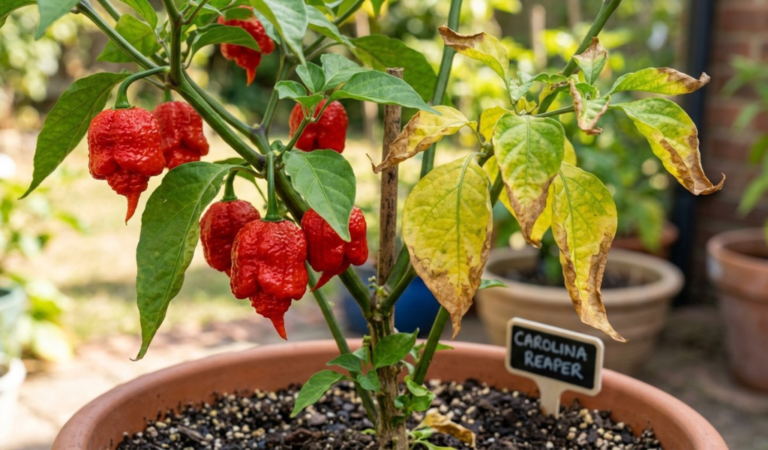
Nutrients matter just as much. Pepper plants are moderate feeders, and a shortage of key minerals like calcium, magnesium, or nitrogen can twist and discolor the leaves. On the flip side, too much fertilizer burns the roots and causes leaf tips to curl and brown. Balance is everything here.
Poor soil drainage often ties these problems together. Heavy, compacted soil holds too much water and starves roots of oxygen, while also locking up the nutrients your plant needs. Getting the soil right solves many issues before they start.
Pests and Plant Diseases
Sometimes the cause of curling isn’t the weather or your watering can, but tiny invaders. Aphids, spider mites, and other small insects feed on pepper leaves, draining their juices and causing them to curl and pucker. These pests often hide on the undersides of leaves, so they’re easy to miss unless you look closely.
Diseases are another possibility, though less common. Certain plant viruses, often spread by insects, cause leaves to curl, wrinkle, and turn mottled or yellow. Unlike environmental stress, viral problems usually can’t be cured, which is why early identification is so important.
The tricky part is that pest and disease symptoms can mimic other causes. That’s why a hands-on inspection, checking both sides of the leaves and the stems, is worth the few minutes it takes.
Check Your Pepper Plant’s Watering
Since watering is the top reason for curling leaves, it deserves a careful look before anything else. Getting your watering routine right can reverse leaf curl faster than almost any other fix. This is also a key part of pepper plant care during the rainy season, when too much natural moisture can overwhelm your plants and cause just as many problems as a dry spell.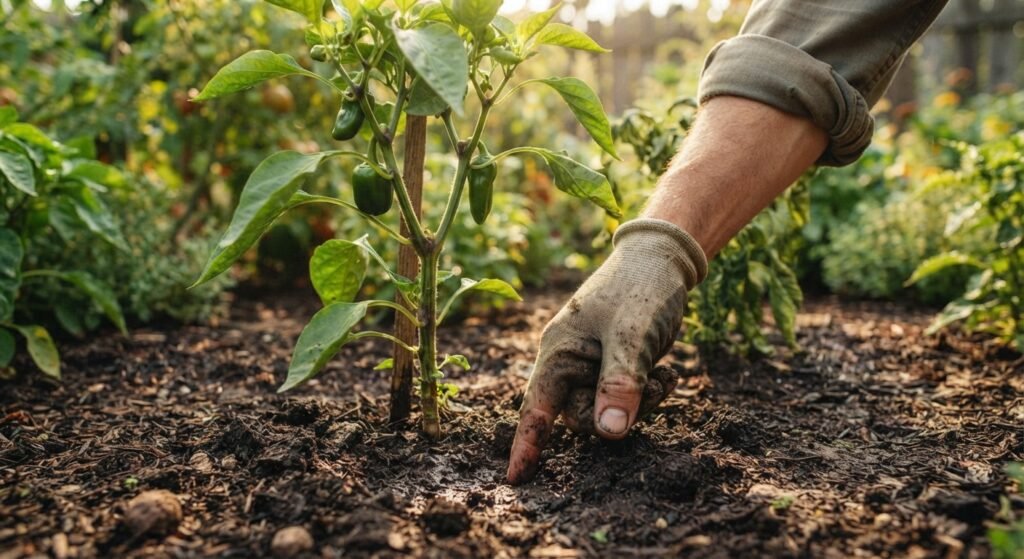
Signs of Underwatering
An underwatered pepper plant sends clear signals. The leaves curl inward and may feel dry, thin, or papery to the touch. You might also notice wilting during the hottest part of the day, along with soil that pulls away from the edges of the pot. The plant looks tired and droopy overall.
Check the soil with your finger. Push it about two inches down. If it feels bone dry, your plant is thirsty. Underwatered plants often perk up within hours of a good, deep drink, which confirms the diagnosis.
Signs of Overwatering
Overwatering causes a different kind of curl. The leaves may cup downward, turn yellow, and feel soft or limp. You might spot mushy stems near the soil line or even a faint musty smell, both signs of root rot setting in. The soil stays wet for days and never seems to dry out.
Overwatered peppers can be trickier to save because the roots are the part that’s suffering. Ease off the watering, improve drainage, and let the soil dry out before you water again.
How to Maintain Consistent Soil Moisture
Consistency is the secret to happy peppers. Water deeply but less often, letting the top inch or two of soil dry between sessions. This encourages strong, deep roots rather than shallow ones. A layer of mulch around the base helps lock in moisture and keeps the soil temperature steady.
For container plants, make sure every pot has drainage holes. A moisture meter, which costs just a few dollars, takes the guesswork out of the equation. During the rainy season, move potted plants under cover to avoid waterlogging.
Provide the Right Amount of Sunlight
Peppers love the sun, but there’s a sweet spot. These plants need roughly six to eight hours of direct light each day to grow strong and produce fruit. Too little light leaves them weak and leggy, while too much can scorch the leaves and trigger curling.
Watch how the light moves across your garden through the day. Morning sun is gentle and beneficial, while harsh afternoon rays in the peak of summer can be brutal. If your peppers curl only during the hottest hours and recover in the evening, sunlight intensity is likely the cause.
Indoor and greenhouse growers face the opposite challenge. Peppers grown under weak light stretch toward the source and develop pale, curling leaves. A quality grow light placed close to the plants solves this quickly.
How Too Much Sun Can Stress Pepper Plants
When the sun beats down relentlessly, pepper plants react by curling their leaves upward or inward. This shrinks the surface area soaking up light and heat, helping the plant hold onto precious water. It’s a survival trick, but a stressed plant is a less productive one.
Sunscald is the more serious risk. This happens when intense light burns patches of leaf or fruit, leaving pale, papery spots that never recover. Combined with heat, strong sun can quickly weaken a plant that was otherwise thriving.
Protecting Plants From Extreme Heat
Shade is your best friend during a heat wave. A simple shade cloth, available at most garden centers, blocks around 30 to 50 percent of the sun and can drop leaf temperatures dramatically. Drape it over stakes or a frame during the hottest hours, then remove it as things cool down.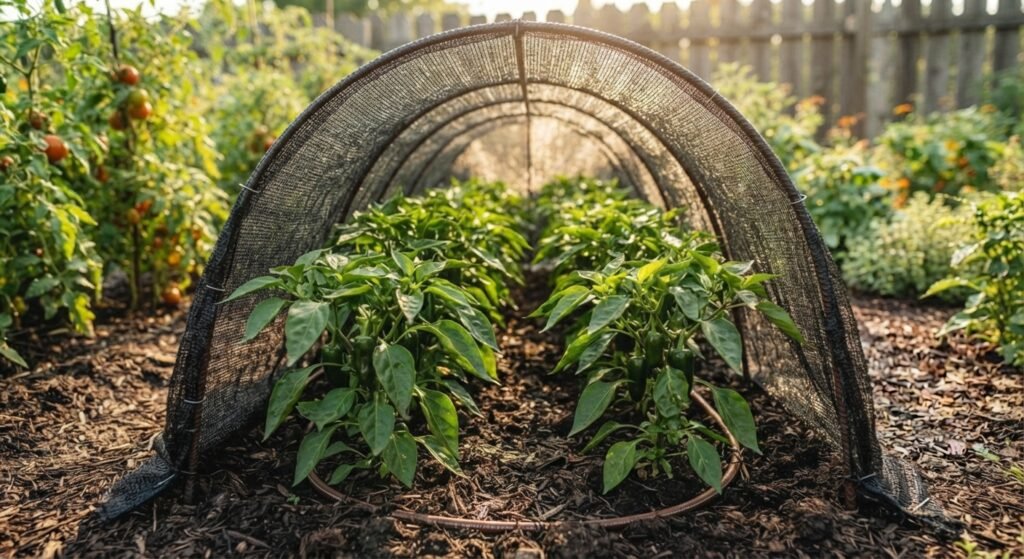
Mulch helps here too, keeping roots cool and moist. Watering early in the morning gives plants the reserves they need to face the midday heat. For potted peppers, simply moving them to a shadier spot for a few hours can make a world of difference.
Maintain Proper Temperature and Humidity
Peppers are warm-weather plants, but they have their limits. Both temperature and humidity affect how the leaves behave, and keeping these in the right range prevents a lot of curling before it starts.
Ideal Growing Conditions for Peppers
Pepper plants thrive when daytime temperatures sit between 70 and 85 degrees Fahrenheit, with nights staying above 60 degrees. Humidity around 40 to 60 percent suits them well. In this comfort zone, the leaves stay flat, green, and healthy.
Push beyond these ranges and problems appear. Nights that dip too cold or days that spike too hot both stress the plant. If you can track your local conditions, even with a cheap thermometer, you’ll spot trouble before it shows up in the leaves.
Protecting Pepper Plants From Heat and Cold Stress
For heat, lean on the shade and watering tips already covered. For cold, act fast when a chilly night is forecast. Cover plants with a frost blanket or an old sheet, and bring containers indoors or into a garage overnight.
Row covers work well for garden beds, trapping a little warmth around the plants. Cold stress often shows up as curled, purple-tinged leaves, so if you see that combination, protect your peppers from the cold right away.
Check for Pests Causing Leaf Curl
If your watering and environment seem fine, it’s time to hunt for pests. A close inspection often reveals the true source of stubborn leaf curl. Grab a magnifying glass if you have one and check the undersides of leaves, where most of these critters like to hide.
Aphids and Their Symptoms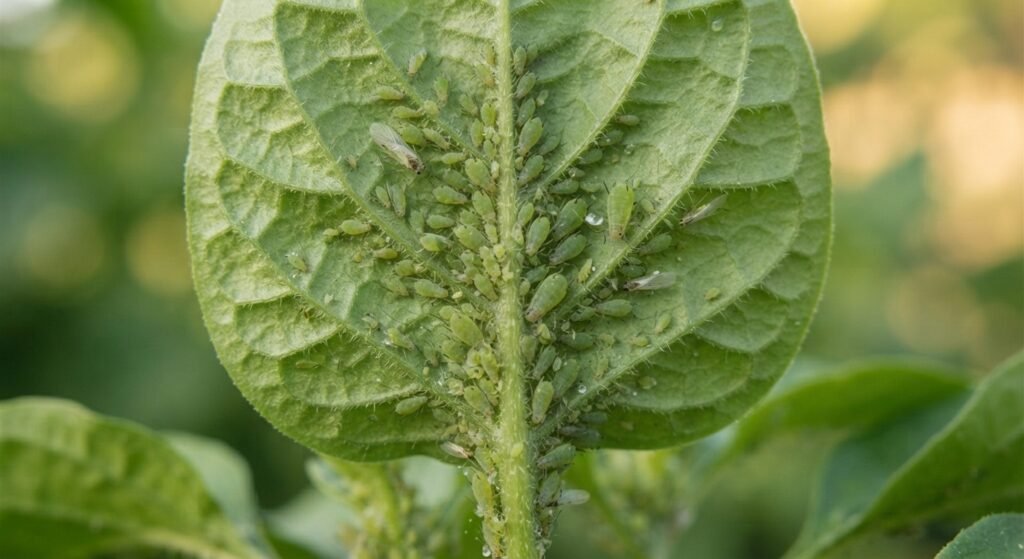
Aphids are tiny, soft-bodied insects, usually green but sometimes black, brown, or pink. They cluster on new growth and the backs of leaves, sucking out sap and leaving behind a sticky residue called honeydew. Leaves attacked by aphids curl, pucker, and may turn yellow.
A telltale sign is the presence of ants marching up and down the stems. Ants farm aphids for their honeydew, so where you see one, the other is often close behind. Sooty black mold growing on the honeydew is another clue.
Spider Mites and Other Common Pests
Spider mites are almost too small to see, but their damage is clear. They leave fine webbing on the leaves and cause a stippled, speckled look, followed by curling and browning. They thrive in hot, dry conditions, so they often appear during summer heat waves.
Other troublemakers include whiteflies, thrips, and broad mites. Each feeds on the plant in its own way, but all of them can cause the leaves to distort and curl. Regular checks catch these pests before they multiply out of control.
How to Treat Pest Problems
Start with the gentlest fix. A strong blast of water knocks many pests off the plant. For heavier infestations, insecticidal soap or neem oil works well, sprayed thoroughly on both sides of the leaves. Repeat every few days until the pests are gone.
Beneficial insects like ladybugs and lacewings devour aphids and mites naturally, making them a great long-term ally. Avoid harsh chemical pesticides when you can, since they kill the good bugs along with the bad and can harm your harvest.
Check for Nutrient Deficiencies
When water, light, and pests all check out, the problem may lie in your soil. Nutrient shortages or overloads both leave a mark on pepper leaves, so it pays to understand what your plant is telling you.
How Nutrient Problems Affect Pepper Leaves
Different deficiencies show up in different ways. A lack of calcium can cause new leaves to curl and distort, while a magnesium shortage often yellows the area between leaf veins. Too little nitrogen turns older leaves pale and can cause mild curling as the plant redirects its resources.
The pattern and location of the damage give you clues. Problems on new growth usually point to immobile nutrients like calcium, while issues on older leaves suggest mobile nutrients like nitrogen or magnesium are running low.
Choosing the Right Fertilizer
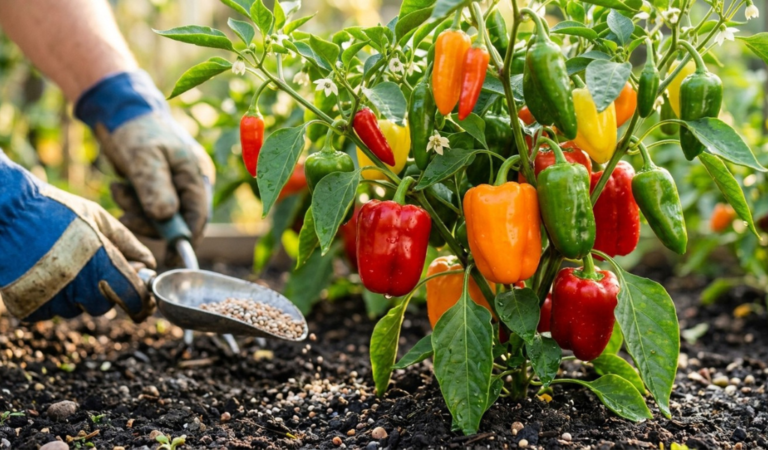
Peppers do best with a balanced fertilizer that isn’t overloaded with nitrogen. Too much nitrogen produces lush leaves but few peppers. Look for a formula with slightly higher phosphorus and potassium to support flowering and fruiting.
Organic options like compost, worm castings, and fish emulsion feed the plant slowly and improve the soil over time. A soil test, available through many garden centers or extension offices, takes the guesswork out and tells you exactly what your soil needs.
Avoiding Excess Fertilizer
More is not better when it comes to feeding peppers. Over-fertilizing builds up salts in the soil, which burns the roots and causes leaf tips to curl and brown. If you suspect a buildup, flush the soil with plenty of plain water to wash away the excess.
Follow the directions on your fertilizer package and feed on a schedule rather than whenever you remember. Steady, moderate feeding beats occasional heavy doses every time.
How to Stop Pepper Plant Leaves From Curling
Now that you know the possible causes, here’s how to bring your plant back to health. The key is to address the specific problem you’ve identified rather than guessing. Combine the steps below for the best results.
Adjust Watering Practices
Fine-tune your watering first, since it fixes so many cases. Water deeply and let the top inch or two of soil dry before the next round. Check the soil with your finger before every watering to avoid overdoing it. During wet weather, hold off and protect plants from too much rain.
Improve Airflow and Growing Conditions
Good air circulation keeps plants healthy and discourages pests and fungus. Space your peppers far enough apart that air can move freely between them. Prune away crowded inner growth if the plant is dense. In greenhouses, a small fan works wonders for keeping the air moving.
Remove Severely Damaged Leaves When Necessary
Sometimes a leaf is too far gone to recover. Snip off badly curled, browned, or diseased leaves with clean scissors so the plant can put its energy into fresh growth. Don’t strip too many at once, though. Removing more than a third of the foliage can stress the plant further.
Prevent Pepper Leaves From Curling After Transplanting
Transplanting is a shock to any plant, and peppers often respond with curled leaves in the days that follow. A little care during this stage goes a long way toward a smooth transition.
Reduce Transplant Shock
Handle roots gently when moving your peppers, and try to keep the root ball intact. Water the plant well right after transplanting to settle the soil around the roots. Transplant in the cool of the evening or on an overcast day so the plant isn’t hit by strong sun while it recovers.
Gradually Acclimate Plants to Outdoor Conditions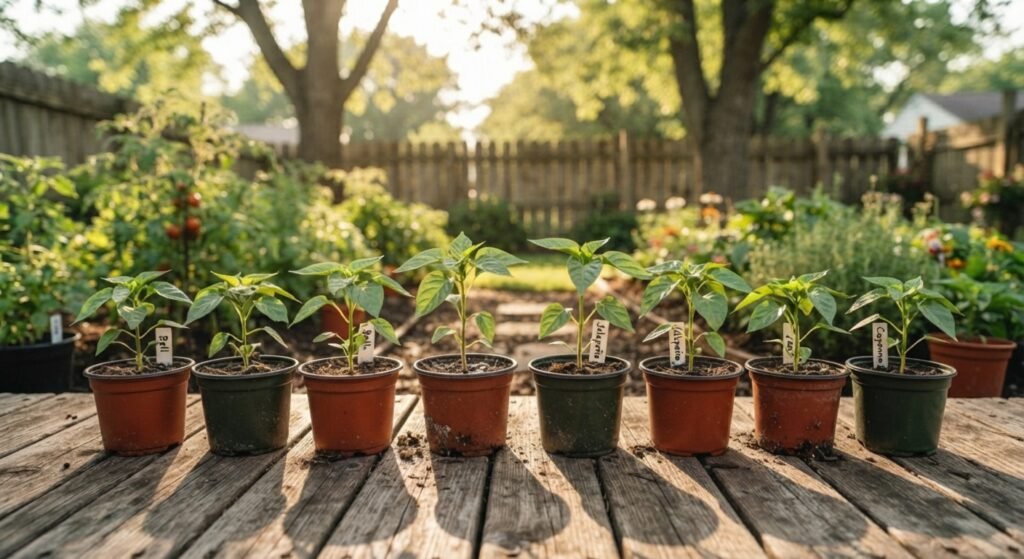
Before peppers move outside for good, they need to toughen up through a process called hardening off. Set the young plants outdoors for a couple of hours the first day, then add more time each day over a week or two. This gradual exposure to sun, wind, and temperature swings prevents the shock that leads to curled leaves.
When Leaf Curl Could Indicate a Disease
Most leaf curl is fixable, but occasionally it signals something you can’t reverse. Knowing the difference saves you time and protects the rest of your garden.
Recognizing Viral Symptoms
Viral leaf curl looks different from stress-related curling. The leaves often become severely wrinkled, mottled with yellow and green patches, and stunted in growth. New leaves may come in small and deformed. Unlike heat or water stress, the plant doesn’t bounce back in the evening or after a good drink.
Common culprits include the curly top virus and mosaic viruses, usually spread by insects like leafhoppers and aphids. Once a plant is infected, there’s no cure.
When to Remove an Affected Plant
If you’re confident a plant has a virus, the kindest thing for your garden is to remove it. Pull the plant and dispose of it in the trash rather than the compost pile, where the virus could linger. Clean your tools afterward so you don’t spread the infection to healthy plants nearby.
Pepper Leaf Curl Prevention Tips
An ounce of prevention beats a pound of cure, especially in the garden. A few simple habits keep your peppers healthy and cut down on curling before it ever starts.
Inspect Plants Regularly
Make a habit of checking your peppers every few days. Look at the tops and undersides of leaves, the stems, and the soil. Catching a pest infestation or a watering issue early means an easy fix instead of a full-blown crisis. A quick daily glance is one of the most valuable things you can do.
Keep Soil, Containers, and Tools Clean
Cleanliness stops many problems in their tracks. Use fresh, quality potting soil for containers, and wash pots between seasons to kill lingering pests and diseases. Disinfect your pruning tools with a little rubbing alcohol, especially after trimming a sick plant. Clean gardening habits protect your whole harvest.
Final Thoughts on Healthy, Curl-Free Peppers
Curling pepper leaves can feel alarming, but in most cases they’re simply your plant asking for a small adjustment. Once you identify the cause, whether it’s water, sun, temperature, pests, or nutrients, the fix is usually straightforward. Start with your watering, since that’s the most common issue, then work through sunlight, temperature, pests, and feeding until you spot the trigger.
The real secret lies in prevention. Inspect your plants often, keep your soil and tools clean, and give your peppers the steady, balanced conditions they crave. Do that, and you’ll spend far less time troubleshooting and far more time enjoying a healthy, productive harvest.
Ready to put these tips into action? Head out to your garden today, give your peppers a quick check, and start with one small change. Your plants will thank you with flat, green leaves and a bumper crop of peppers.
Frequently Asked Questions
Will curled pepper leaves recover on their own?
Often, yes. If the curling comes from heat, sun, or a temporary watering issue, the leaves usually flatten out once you correct the problem. Damage from pests or disease is less likely to reverse, and severely affected leaves may need to be removed so the plant can focus on new growth.
Should I cut off curled pepper leaves?
Only remove leaves that are badly damaged, browned, or clearly diseased. Mildly curled leaves that are still green can often recover, so leave them in place. When you do prune, never take off more than about a third of the plant’s foliage at once, as that adds more stress.
Why are my pepper leaves curling but the plant looks healthy otherwise?
This usually points to mild environmental stress, such as intense afternoon sun or a warm spell. If the plant is growing well and the curling eases in the cooler evening hours, it’s likely just protecting itself and nothing to worry about. Provide some afternoon shade during heat waves to help.
Can too much water cause pepper leaves to curl?
Absolutely. Overwatering stresses the roots and often causes leaves to cup downward, yellow, and feel soft. It can also lead to root rot, which is harder to fix. Let the top inch or two of soil dry out between waterings, and make sure containers have proper drainage.
How do I know if pests are causing my pepper leaves to curl?
Check the undersides of the leaves and the new growth closely. Look for tiny insects, sticky residue, fine webbing, or a speckled appearance. Aphids and spider mites are the usual suspects. If you spot them, treat the plant with insecticidal soap or neem oil on both sides of the leaves.
Do pepper plants curl their leaves in the heat?
Yes, this is very common. When temperatures rise above 90 degrees Fahrenheit, peppers curl their leaves to reduce water loss and shield themselves from the sun. This is a natural response. Offer shade during the hottest part of the day and water in the early morning to help them cope.
How can I prevent leaf curl after transplanting?
Harden off your seedlings by gradually introducing them to outdoor conditions over a week or two. Transplant on a cool, cloudy day or in the evening, handle the roots gently, and water well right after moving them. These steps reduce transplant shock and keep the leaves from curling.