Growing Hot Peppers in Pots Outdoor: Easy Tips to Grow Peppers in Containers and Harvest
Growing Hot Peppers in Pots Outdoor: Best Tips for Healthy Pepper Plants
If you love spicy food but don’t have a big backyard, here’s some good news. Growing hot peppers in pots outdoor is one of the easiest and most rewarding ways to enjoy a fresh harvest right from your patio or balcony. You don’t need a large garden or years of experience. With the right pot, good soil, and plenty of sunlight, you can grow peppers in containers that produce more fruit than you might expect.
Peppers happen to be one of the best plants for container growing. Their roots stay fairly compact, they love warm weather, and they thrive in the controlled environment a pot provides. Pepper plant care in pots is simple once you understand their basic needs. The same rules apply if you’re growing bell peppers in pots or fiery hot varieties like habaneros and fish peppers. Learn how to provide the right soil, water, sunlight, fertilizer, and support to keep pepper plants healthy and enjoy a productive harvest.
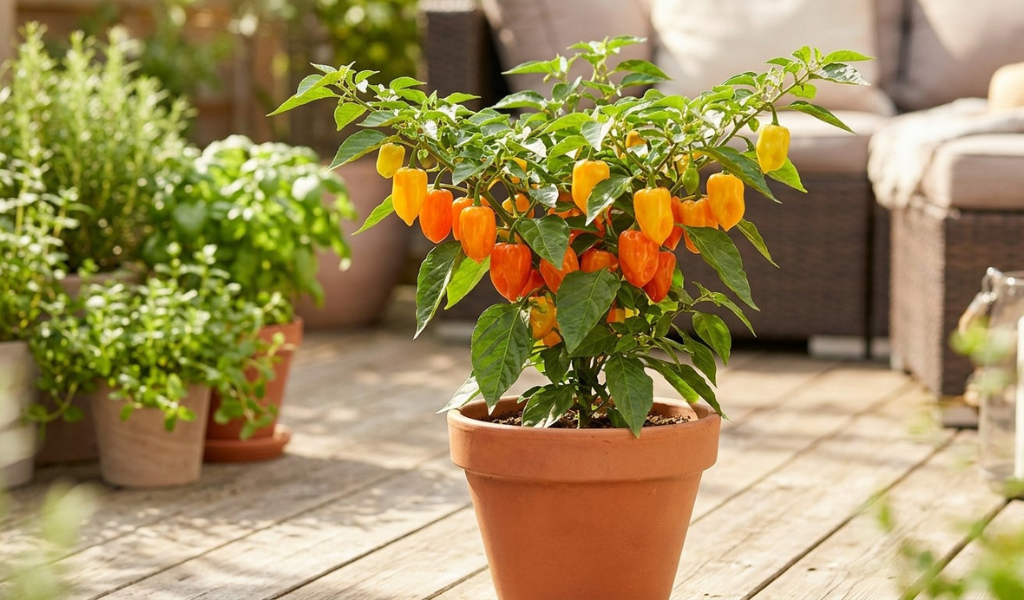
 In this guide, I’ll walk you through everything from choosing the right pot to harvesting ripe peppers. You’ll also learn common mistakes to avoid, a simple weekly routine, and answers to the questions I hear most often from new gardeners. Let’s dig in.
Why Growing Hot Peppers in Pots Outdoor Works So Well
Peppers grow well in containers because you get to control almost everything about their environment. In a pot, you decide the soil quality, how much water the plant gets, and where it sits in relation to the sun. That level of control is hard to match when you plant peppers directly in garden beds.
Containers also warm up faster than the ground, and peppers love heat. When the soil in a pot heats up on a sunny morning, the roots get exactly the warm conditions they crave. This often leads to earlier flowering and a better harvest.
Benefits of Growing Hot Peppers in Containers
There are plenty of reasons gardeners choose to grow peppers in containers. First, containers are portable. If a storm rolls in or the weather turns cold, you can move your plants to a sheltered spot or even bring them indoors. Second, potted peppers face fewer problems with soil-borne pests and diseases. Third, container gardening is perfect for small spaces. A sunny balcony, a front step, or a patio corner is all you need.
Growing vegetables in containers also keeps things tidy. There’s no digging, less weeding, and you can arrange your pots however you like.
Which Hot Peppers Grow Well in Pots?
Almost every type of hot pepper can be grown in a container, but some pepper varieties do especially well. Compact and mid-sized plants tend to be the easiest to manage.
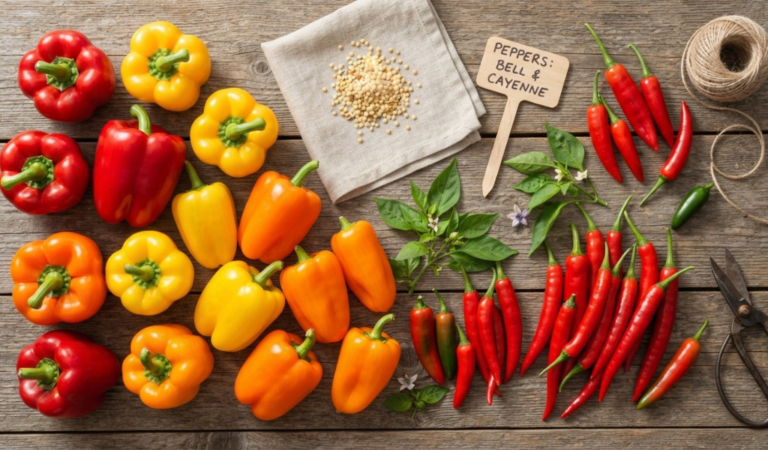
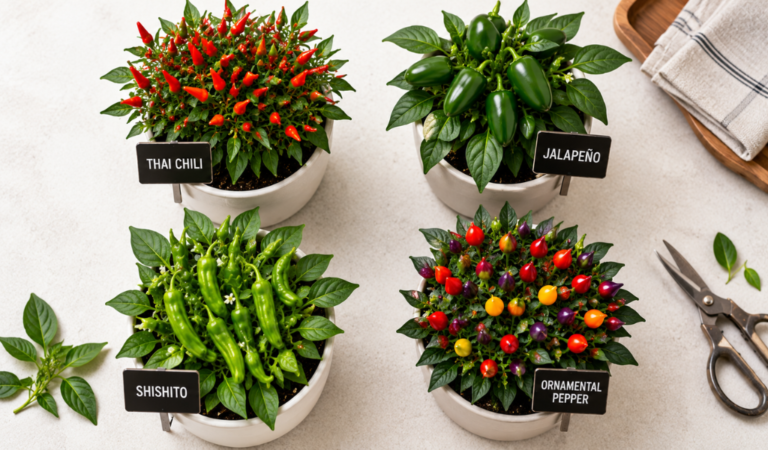
Great options for containers include jalapeños, cayenne, Thai chilies, habaneros, and fish peppers. These plants stay a manageable size and reward you with plenty of fruit. Banana peppers and milder types also do great in containers if you want something with less heat.
When picking your favorite hot pepper, check the seed packet for the plant’s mature size. Smaller and mid-sized varieties are ideal for pots, while very large plants may need a bigger container to stay stable and productive.
Choose the Right Pot for Growing Hot Peppers Outdoor
The pot you choose has a huge impact on your results. Peppers need room for their roots to spread, and a cramped container leads to smaller plants and fewer peppers.
How Large Should a Pepper Pot Be?
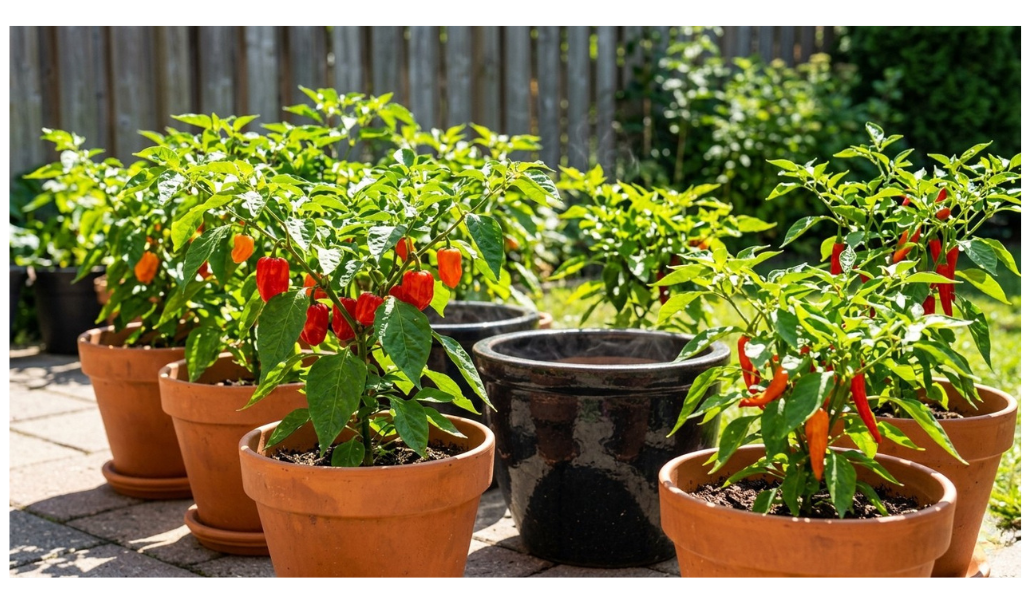
For most hot peppers, aim for a container that holds at least 3 to 5 gallons of soil. The pot should be at least 12 inches deep and about the same across. Larger containers hold more moisture and give roots more space, which usually means a healthier plant and a bigger harvest.
Stick to one pepper plant per pot for the best results. Crowding two plants into a single container forces them to compete for water and nutrients.
Drainage Is Essential
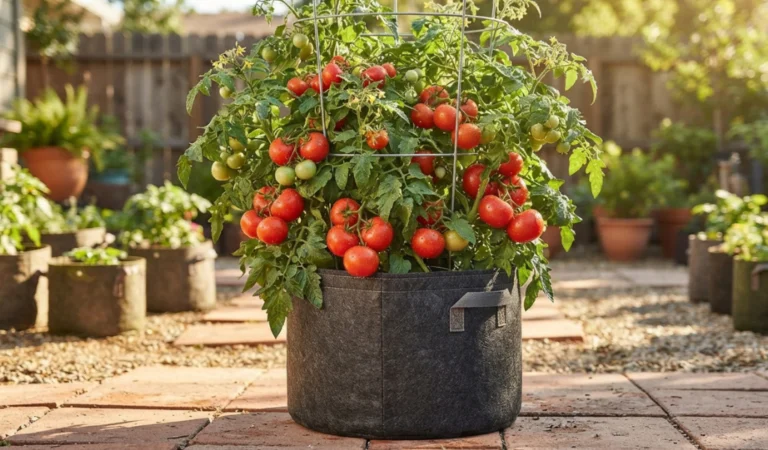
No matter how nice a pot looks, it must have drainage holes. Peppers hate sitting in soggy soil, and poor drainage quickly leads to root rot. If your container doesn’t have holes, drill a few in the bottom. Pots and grow bags that drain well keep the roots healthy and oxygenated. Grow bags are a great choice here since fabric naturally lets excess water escape.
Choose the Best Soil for Growing Hot Peppers in Pots Outdoor
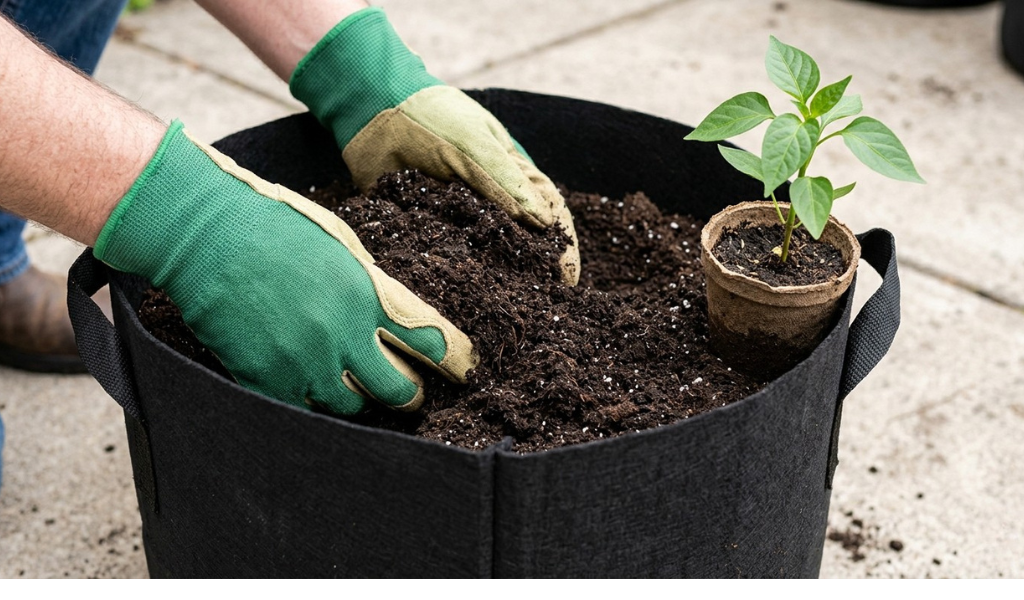
Soil makes or breaks your success with container peppers. The best soil for pots is light, fluffy, and drains well while still holding enough moisture.
 What Makes a Good Pepper Potting Mix?
Use a high-quality potting mix made for containers. A good mix stays loose, drains freely, and often includes compost or organic matter to feed the plant. You can also blend in some compost to boost nutrients.
Avoid using garden soil in your pots. Garden soil is too heavy, compacts easily, and can carry pests and diseases. A quality potting mix gives your pepper plants the airy, well-draining home they need to thrive.
Give Hot Pepper Plants Plenty of Sunlight
Peppers are sun lovers through and through. To grow strong plants that produce lots of fruit, place your pots where they’ll get at least 6 to 8 hours of direct sunlight each day.
What Happens When Peppers Get Too Little Light?
When peppers don’t get enough sun, the plants grow tall and leggy as they stretch toward the light. You’ll also see slower growth, fewer flowers, and a smaller harvest overall. If your only spot is a bit shady, move your pots throughout the day to chase the sun. Since containers are portable, this is easy to do.
Plant Hot Peppers at the Right Time
Timing matters when planting peppers in containers. Peppers are warm-weather plants and hate the cold. Wait until all danger of frost has passed and nighttime temperatures stay above 55°F before moving plants outside.
Most gardeners start peppers from seed indoors about 8 to 10 weeks before the last expected frost. This gives seedlings a strong head start on the growing season. If you’d rather skip seed starting, buy young plant starts from a nursery.
Harden Off Young Pepper Plants
Before your pepper seedlings move outdoors full time, they need to get used to outdoor conditions. This process is called hardening off. Set your young plants outside in a sheltered spot for a few hours each day, slowly increasing the time over a week or two. This step prevents transplant shock and helps your peppers adjust to sun, wind, and changing temperatures.
Watering When Growing Hot Peppers in Pots Outdoor
Peppers in pots dry out faster than plants in the ground, so watering is one of the most important parts of container gardening. Getting it right keeps your plants healthy and productive.
How Often Should You Water Pepper Plants?
There’s no fixed schedule that works for every plant. Instead, check the soil with your finger. When the top inch feels dry, it’s time to water. During hot summer weather, potted peppers may need daily watering, while cooler days call for less.
Water deeply until it runs out the drainage holes. This makes sure the whole root zone gets a drink.
Watch for Signs of Water Stress
Your pepper plant will tell you when something’s off. Drooping, wilting leaves often mean the plant is thirsty. On the other hand, yellow leaves and mushy stems can point to overwatering. Learning to read these signs helps you find the right balance.
Fertilizing Hot Peppers in Containers
Peppers are heavy feeders, which means they use up nutrients quickly. Since container plants can’t reach into the wider soil for food, you’ll need to feed them regularly.
Start With Healthy Soil
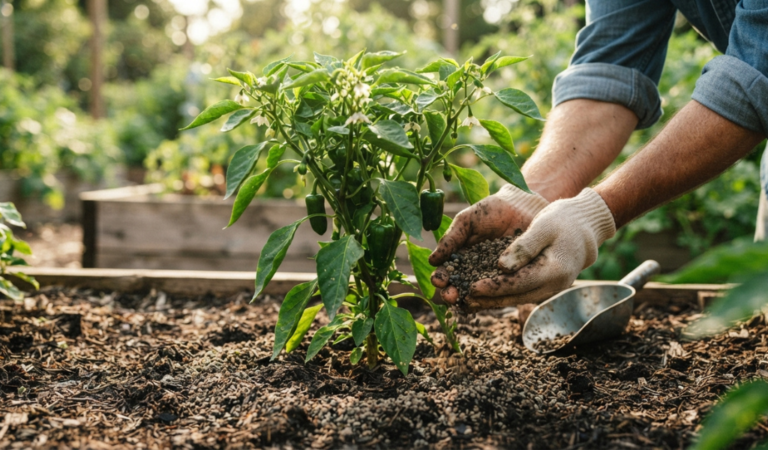
Good fertilizing starts with good soil. A potting mix that already contains compost or organic matter gives your plants a solid foundation. This early nutrition supports strong root growth and healthy early development.
Feed According to Plant Growth
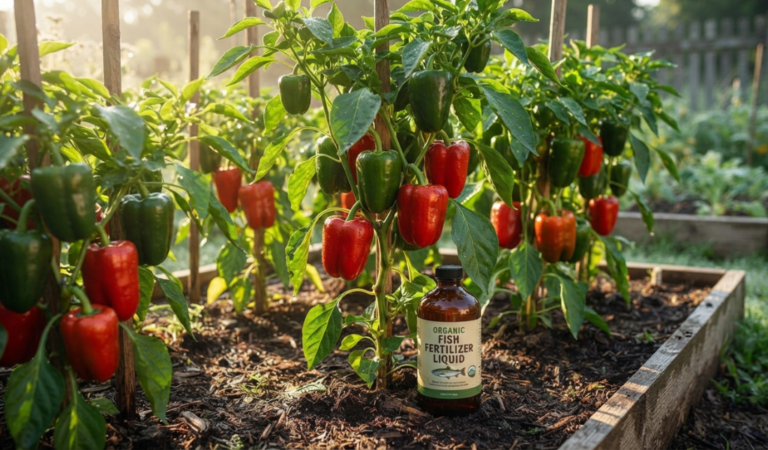
As your pepper plants grow, adjust how you feed them. In the early stages, a balanced organic fertilizer supports leafy growth. Once flowers appear, switch to a fertilizer lower in nitrogen and higher in phosphorus and potassium to encourage fruit production. Feed every two to three weeks, and always follow the package directions. Too much fertilizer causes lush leaves but few peppers.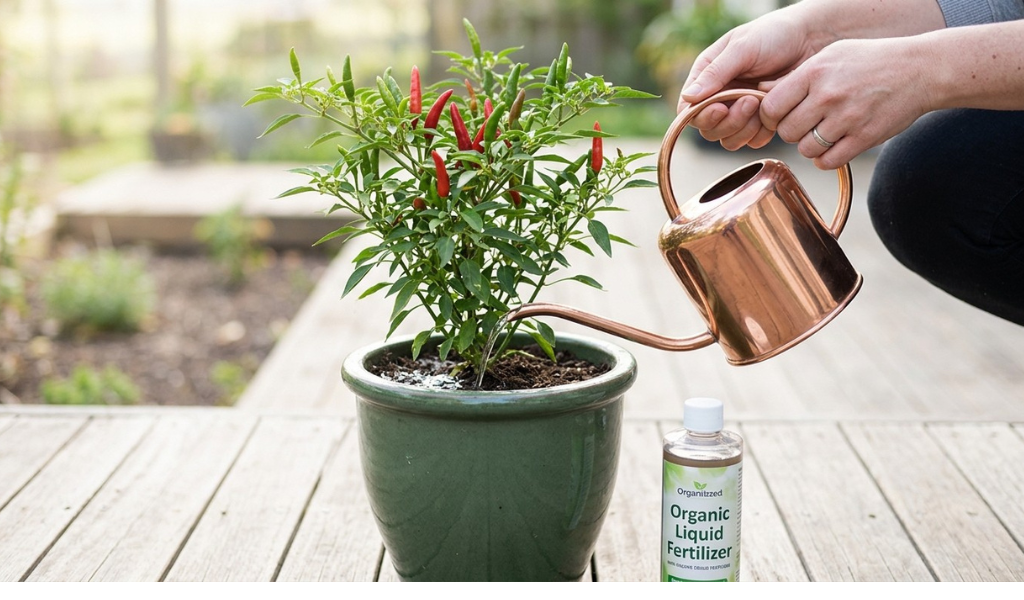
Pruning and Supporting Potted Hot Peppers
A little pruning can help your pepper plants grow bushier and stronger. Pinching off the very first flowers early in the season encourages the plant to put energy into growth first, leading to more peppers later.
When Should You Support a Pepper Plant?
As your plants grow tall and load up with fruit, heavy branches can bend or snap. Once a pepper plant reaches about a foot tall or starts producing lots of peppers, add a small stake or cage for support. This is especially helpful for taller varieties and windy locations. A simple bamboo stake tied loosely to the main stem often does the trick.
Protect Hot Peppers From Outdoor Pests
Even potted peppers can attract unwanted visitors. Common pests include aphids, spider mites, and whiteflies, all of which weaken plants by feeding on the leaves.
Inspect Leaves Regularly
The best defense is regular inspection. Check the tops and undersides of leaves a couple of times a week. Catching pests early makes them far easier to control. If you spot trouble, spray the plant with a gentle stream of water or use insecticidal soap. Keeping your plants healthy and well-fed also makes them more resistant to pests and diseases.
Helping Pepper Plants Produce More Fruit
Once your plants are growing strong, a few simple tricks can help boost your harvest.
Encourage Flowering Naturally
More flowers mean more peppers, so you want to keep your plants blooming. Consistent watering, steady feeding, and full sun all encourage flowering. Peppers are self-pollinating, but a gentle shake of the plant or a light breeze helps move pollen and improves fruit set. If your plants are on a sheltered balcony, giving them a soft shake every few days can make a real difference in producing more peppers.
Harvesting Peppers From Containers
Harvest time is the payoff for all your care. The good news is that picking peppers regularly actually encourages the plant to make more.
 How Do You Know a Pepper Is Ready?
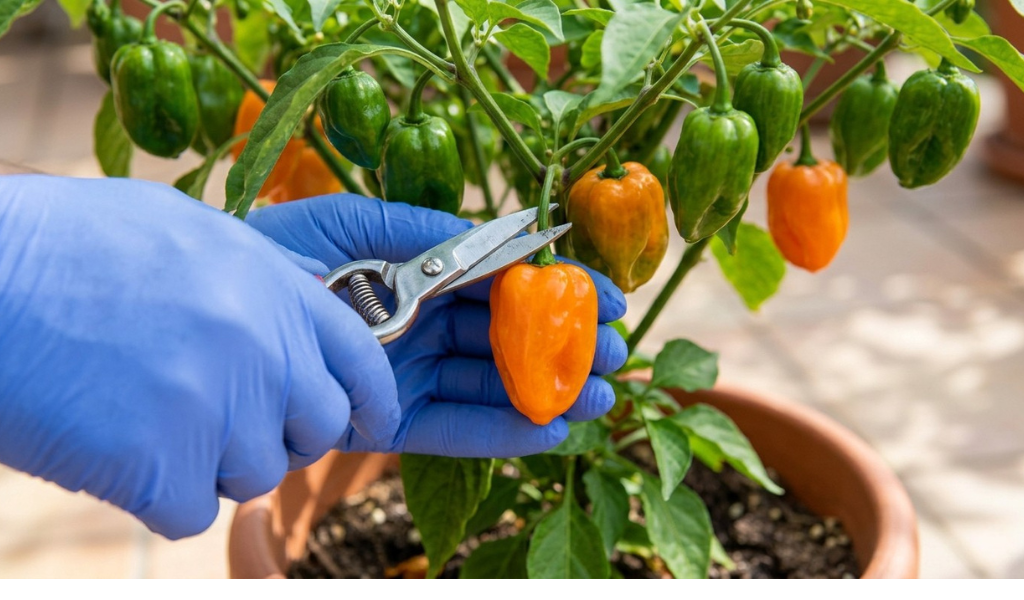
Most hot peppers can be picked when they reach full size and firm texture, even while still green. For the fullest flavor and most heat, let them ripen to their final color, often red, orange, or yellow. Use scissors or garden shears to snip peppers off, rather than pulling, which can damage the plant. Keep harvesting throughout the season to enjoy a steady supply of ripe peppers.
Common Mistakes When Growing Hot Peppers in Pots Outdoor
Even easy plants can run into trouble. Here are the mistakes I see most often, and how to avoid them.
Using a Tiny Container
Small pots restrict root growth and dry out quickly. This leads to smaller plants and fewer peppers. Always give your peppers a container of at least 3 to 5 gallons.
Watering on a Fixed Schedule
Watering by the calendar instead of checking the soil often leads to overwatering or underwatering. Feel the soil first, then water when the top inch is dry.
Giving Too Much Fertilizer
More food doesn’t mean more fruit. Too much fertilizer, especially nitrogen, produces big leafy plants with hardly any peppers. Feed in moderation and follow the directions.
Choosing a Shady Location
Peppers simply won’t thrive without enough sun. A shady spot leads to weak, unproductive plants. Give them six to eight hours of direct sunlight daily.
Ignoring Drainage
A pot without drainage holes traps water and rots the roots. Always use a container that drains well.
A Simple Routine for Growing Hot Peppers in Pots Outdoor
You don’t need to fuss over your peppers every day, but a short routine keeps them thriving.
Weekly Pepper Plant Check
Once a week, take a few minutes to check on each plant. Look over the leaves for pests, check the soil moisture, and see if anything needs support. Every two to three weeks, add fertilizer. Water as needed based on the weather, which may mean daily watering during a hot summer. This small, steady routine keeps your plants healthy all season long.
Additional Tips for Growing Hot Peppers in Pots Outdoor
A few extra pointers can take your pepper growing to the next level. Group your pots together to create a slightly more humid microclimate that peppers enjoy. Use light-colored pots in very hot climates to keep roots from overheating. Rotate your containers now and then so all sides of the plant get sun.
When cold weather returns at the end of the season, you can bring them inside. Peppers are perennials in warm regions, so moving plants indoors under grow lights can keep them alive through winter for an even earlier harvest next year.
Final Thoughts
Growing hot peppers in pots outdoor is a simple, satisfying way to enjoy fresh chilies no matter how little space you have. Pick the right pot, use a quality potting mix, give your plants plenty of sun, and water and feed them with care. Do that, and you’ll be rewarded with a steady supply of spicy peppers all season long.
The best part is that peppers are easy to grow and forgiving of small mistakes. So grab a pot, choose your favorite hot pepper, and start planting. Once you taste your first homegrown harvest, you’ll wonder why you didn’t start sooner. Happy growing.
Frequently Asked Questions
Do hot peppers grow better in pots or ground?
Both can work well, but pots offer more control over soil, water, and warmth. Container peppers often grow faster because the soil heats up quickly, and you can move them to chase the sun or escape bad weather. For many home gardeners, pots produce just as many peppers as garden beds.
What does Epsom salt do for hot pepper plants?
Epsom salt provides magnesium, which helps plants take in nutrients and can support healthy green leaves. If your plants show signs of a magnesium shortage, like yellowing between the leaf veins, a light Epsom salt solution may help. Use it sparingly, since too much can throw off the soil balance.
How many pepper plants can I put in one container?
Stick to one pepper plant per pot for the best results. Peppers need room for their roots to spread, and crowding two plants into one container forces them to compete for water and nutrients, leading to smaller plants and fewer peppers.
What month do you plant hot peppers?
Start seeds indoors 8 to 10 weeks before your last expected frost, which is often late winter to early spring. Move plants outdoors only after the frost has passed and nights stay above 55°F, usually in late spring once the weather turns reliably warm.
Can you put coffee grounds around pepper plants?
Yes, used coffee grounds can be added in small amounts as a mild soil booster. They add a little nitrogen and organic matter. Mix them lightly into the top of the soil or add them to your compost rather than piling them thickly on the surface.
How long does it take to grow peppers from seed?
From seed to harvest, most hot peppers take about 3 to 4 months, though very hot varieties can take longer. Starting peppers from seed indoors early gives them a head start, so they’re ready to fruit once the warm growing season arrives.
How many peppers can I grow in a container?
This depends on the variety and pot size, but a healthy pepper plant in a 3 to 5 gallon container can produce dozens of peppers over a season. Compact varieties often give a generous harvest, especially with steady watering, full sun, and regular feeding.