TSP Pepper Fertilizer: Phosphorus, Root Growth, and Fruiting
TSP Pepper Fertilizer: A Complete Guide to Using Triple Superphosphate
If you’ve been growing pepper plants for a while, you already know that not all fertilizers are created equal. Some boost leafy growth, others focus on fruiting, and then there’s TSP pepper fertilizer a phosphorus-heavy option that many gardeners swear by when it comes to getting stronger roots and bigger yields. But is it always the right choice? And how do you use it without overdoing it?
This guide covers everything you need to know about triple superphosphate and pepper plants from what TSP actually is, to when and how to apply it, how much to use, and when you’re better off choosing something else. Whether you’re a backyard gardener or managing a larger plot, you’ll find practical, no-fluff advice here to help your peppers thrive.
If you’ve been searching for the best fertilizer for pepper plants to boost growth and yield, TSP might already be on your radar. Read on to find out whether it deserves a spot in your garden routine.
What Is TSP Fertilizer?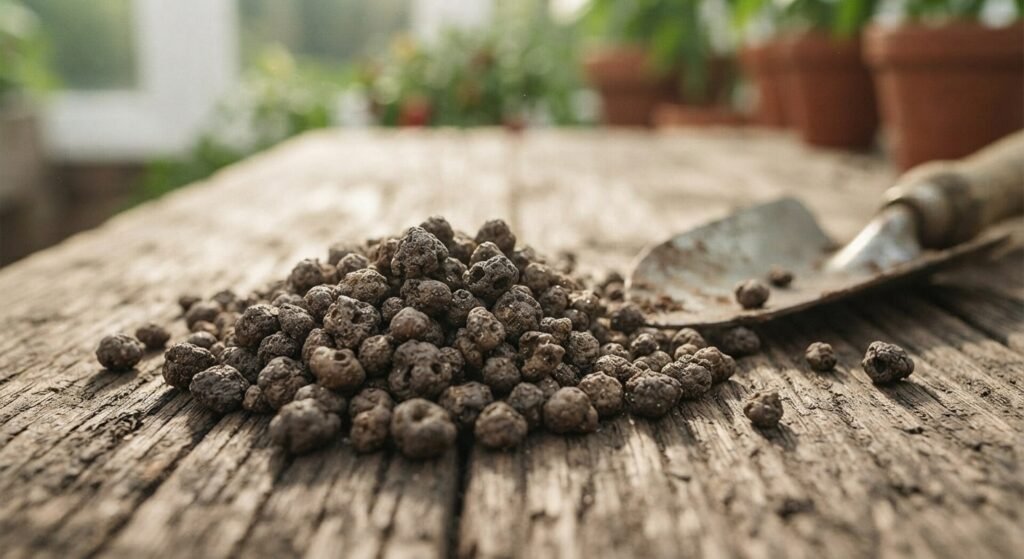
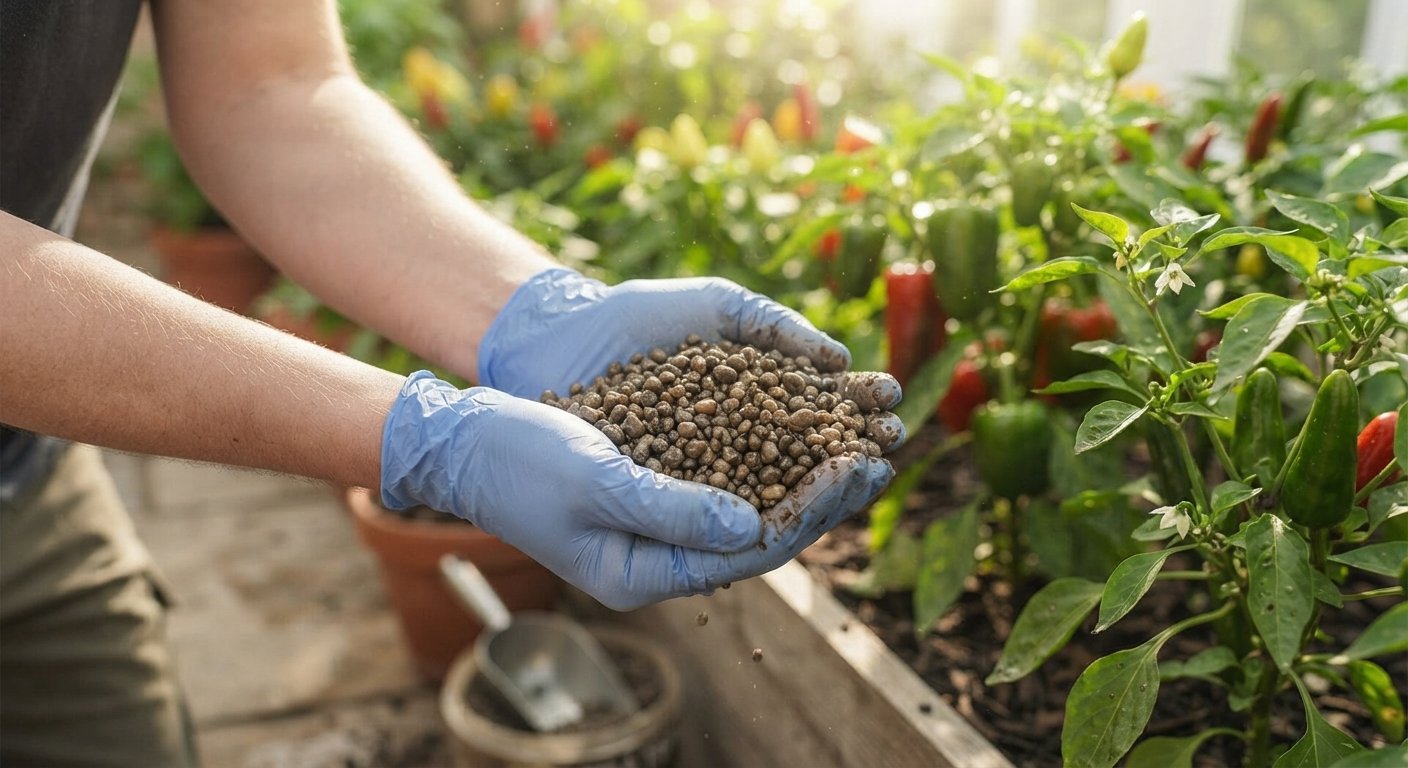
Triple superphosphate is a concentrated phosphorus fertilizer that has been used in agriculture for decades. It is made by treating rock phosphate with phosphoric acid, which results in a highly soluble, fast-acting product. Unlike many other fertilizers, TSP contains very little nitrogen or potassium it is almost entirely phosphorus.
This makes it a targeted tool. You use it when phosphorus is specifically what your soil or plants are lacking, not as an all-purpose feed. TSP is sold in granular form and is widely available at garden centers and farm supply stores. It dissolves reasonably well in water, which helps it move into the soil and become available to plant roots relatively quickly.
What Does TSP Stand For?
TSP stands for triple superphosphate. The “triple” part refers to the fact that it contains roughly three times the amount of available phosphorus found in ordinary superphosphate fertilizer. Regular superphosphate typically contains around 20% phosphorus (P2O5), while triple superphosphate comes in at around 44 to 48%. That higher concentration is why TSP is used in smaller quantities and why gardeners need to be careful not to overapply it.
Understanding the NPK Ratio of TSP
Every fertilizer is labeled with an NPK ratio three numbers that tell you the percentage of nitrogen (N), phosphorus (P), and potassium (K) in the product. TSP fertilizer has an NPK ratio of approximately 0-46-0. That means zero nitrogen, around 46% phosphate, and zero potassium.
That’s a very specific nutritional profile. TSP is not meant to feed your plants in a balanced way. It exists to correct a phosphorus deficiency or to give crops a targeted boost during specific growth stages. For pepper plants, this becomes relevant mostly at the root development and flowering stages, both of which rely heavily on adequate phosphorus levels.
Is TSP Fertilizer Good for Pepper Plants?
The short answer is yes, but only under the right conditions. TSP can be very effective for pepper plants when the soil is low in phosphorus or when you want to encourage strong root establishment and early flowering. However, if your soil already has adequate phosphorus levels, adding TSP can do more harm than good.
Peppers are sensitive to nutrient imbalances. Unlike heavy-feeding crops such as corn, peppers tend to do best when their growing environment is consistent and balanced. TSP makes sense as a soil amendment before planting, or as a targeted boost when soil tests reveal a deficiency. It is not something you should apply regularly throughout the growing season without reason.
How Phosphorus Supports Pepper Growth
Phosphorus plays a foundational role in plant biology. It is involved in energy transfer within plant cells, the development of DNA and RNA, and the conversion of light into usable energy through photosynthesis. For gardeners, the most visible benefits of phosphorus show up in root health, flowering, and fruit production.
When pepper plants have enough phosphorus available, they develop deeper and more extensive root systems. This means better water uptake, greater resilience to dry spells, and stronger overall growth. Phosphorus also triggers the transition from vegetative growth to flowering, which is when your peppers actually start producing fruit.
When TSP May Benefit Pepper Plants
TSP is most useful in a few specific scenarios. First, if a soil test shows that your phosphorus levels are low, TSP is one of the fastest ways to correct that. Second, if you are planting into new garden beds that have never been amended before, working TSP into the soil before transplanting can give young plants a head start.
It also tends to benefit gardeners who are working in clay-heavy or compacted soils, where phosphorus movement is restricted and plants can struggle to access what little is available. In those situations, a targeted phosphorus application helps bridge the gap until the soil structure improves.
If you are already using a balanced NPK fertilizer that contains sufficient phosphorus, adding TSP on top is usually unnecessary and potentially harmful.
What Does TSP Do for Pepper Plants?
Strong Root Development
One of the most important things TSP does for pepper plants is promote deep, healthy root growth. Phosphorus is directly tied to root cell development, and when it is plentiful, pepper roots grow longer, branch more widely, and anchor more firmly into the soil. This matters throughout the whole season, but especially in the early weeks after transplanting when the plant is still establishing itself.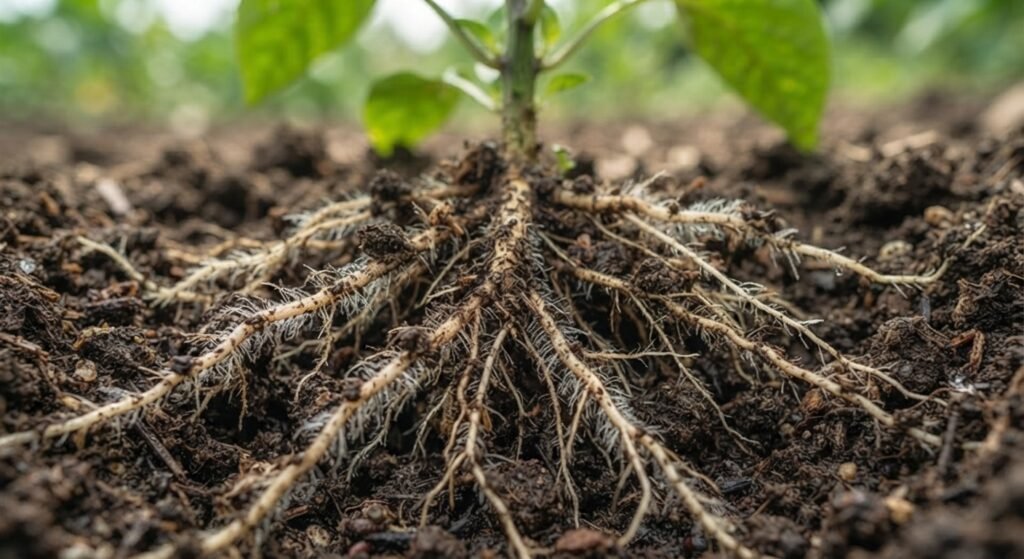
Strong roots also improve nutrient uptake overall. A pepper plant with a well-developed root system can pull in nitrogen, calcium, and other nutrients more efficiently, which supports better overall growth. Think of roots as the foundation of the whole plant TSP helps build that foundation.
Flowering and Fruit Production
Beyond roots, TSP plays a key role in moving pepper plants from the vegetative stage into flowering. Phosphorus signals the plant that it is time to put energy into reproduction, which in peppers means producing flowers and eventually fruit. Gardeners who have applied TSP before planting often notice that their pepper plants flower earlier and more abundantly than those grown without phosphorus supplementation.
More flowers typically means more fruit, especially when pollination conditions are good. If you want a heavier yield, supporting the flowering stage with adequate phosphorus is one of the most effective things you can do.
When Should You Apply TSP to Pepper Plants?
Using TSP Before Planting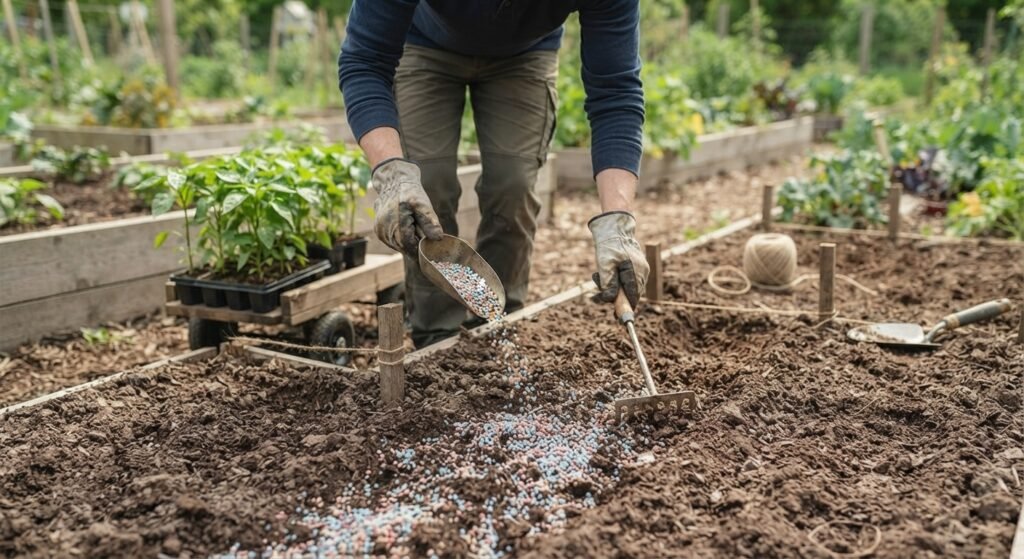
The most effective time to use TSP fertilizer for pepper plants is before you put anything in the ground. When you till or prepare your garden bed, work the granules into the top 6 to 8 inches of soil. This places the phosphorus exactly where young roots will encounter it first and gives the fertilizer time to start dissolving before the plant even goes in.
Applying two to four weeks before planting is ideal. This allows moisture and soil microbes to begin breaking down the granules, making the phosphorus more immediately available to seedling roots. Many experienced growers treat this as a standard part of their bed preparation, especially in new garden areas.
Applying TSP During the Growing Season
If you missed the pre-plant window or are dealing with a mid-season deficiency, TSP can still be applied during the growing season. The best approach is to work the granules lightly into the soil surface around the base of the plant, being careful to keep them away from the stem itself to avoid chemical burn.
Mid-season applications are most useful during the early flowering stage, when the plant’s demand for phosphorus naturally increases. Avoid applying TSP late in the season, when fruit is already maturing, since the plant’s nutritional needs shift significantly at that point.
How Much TSP Fertilizer Do Pepper Plants Need?
Understanding Application Rates
A general guideline for TSP application in home gardens is one to two pounds per 100 square feet of garden bed, worked into the soil before planting. For individual plants, a tablespoon of granules worked into the planting hole or surrounding soil is usually sufficient.
That said, these are general starting points. The correct amount depends on what your soil test reveals. If your phosphorus levels are severely depleted, you may need a higher initial application. If they are only slightly low, a smaller amount will do the job without risk of buildup.
Avoiding Excess Phosphorus
More is not better with TSP. Excess phosphorus in the soil causes real problems, including the blocking of other essential nutrients like zinc, iron, and manganese. When these micronutrients become unavailable to plants, you start seeing yellowing leaves, stunted growth, and poor fruit development symptoms that look like a deficiency even though you have been fertilizing.
Phosphorus also binds tightly to soil particles and does not wash away easily, which means mistakes accumulate over time. A one-time overapplication can affect your soil’s nutrient balance for years. Always test before you treat.
How to Apply TSP Fertilizer to Pepper Plants
Mixing TSP Into the Soil
For best results, broadcast the TSP granules evenly over your prepared garden bed and then till or dig them into the top six to eight inches of soil. This distributes the phosphorus through the root zone rather than leaving it concentrated on the surface where it may not reach plant roots efficiently.
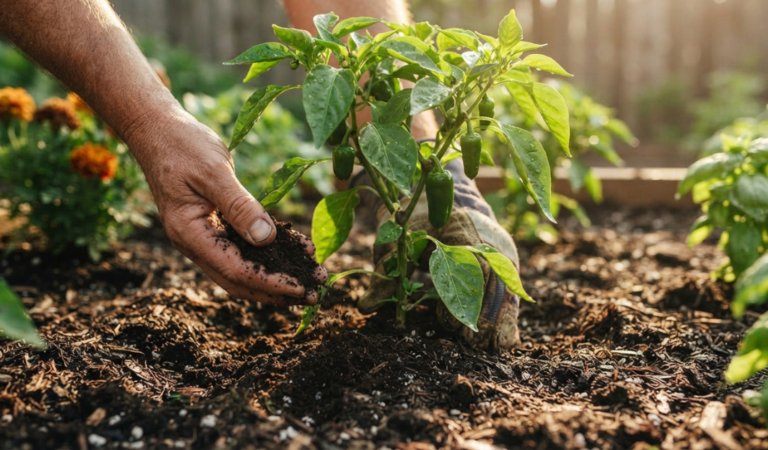
If you are preparing individual planting holes, add a small amount of TSP to the bottom of the hole and mix it with some of the surrounding soil before placing your transplant. Direct contact between fertilizer granules and bare roots can cause damage, so always mix TSP with soil first.
Applying TSP Around Established Plants
For established pepper plants, side-dress the fertilizer by spreading granules in a ring around the plant, starting a few inches from the stem and extending out to the drip line (the outermost spread of the leaves). This keeps the fertilizer away from the stem and within the active root zone.
Use a hand cultivator to work the granules lightly into the top inch or two of soil. Avoid deep digging near established plants, since that can disturb the roots you are trying to support.
Watering After Application
After applying TSP, water the area thoroughly. Moisture is what activates the fertilizer and carries dissolved phosphorus down into the soil where roots can reach it. A deep watering session right after application makes a noticeable difference in how quickly the fertilizer becomes available to your plants.
Continue watering consistently in the days that follow. Allowing the soil to dry out completely after an application slows the process significantly.
TSP vs Other Fertilizers for Peppers
TSP vs Balanced NPK Fertilizer
A balanced NPK fertilizer, something like a 10-10-10 or 5-5-5, provides nitrogen, phosphorus, and potassium in equal proportions. For most pepper growers who are not dealing with a specific phosphorus deficiency, a balanced fertilizer is the safer and more practical choice. It feeds the plant across all its nutritional needs rather than targeting just one.
TSP makes more sense than a balanced fertilizer when your soil test confirms low phosphorus specifically. Using a balanced fertilizer in that case adds more nitrogen than you need and still may not correct the deficiency quickly enough. TSP delivers phosphorus in a concentrated, efficient way that balanced fertilizers simply cannot match.
TSP vs Bone Meal
Bone meal is another high-phosphorus fertilizer, but it works very differently from TSP. Bone meal is organic, breaks down slowly, and releases phosphorus over several months. TSP is mineral-based, dissolves more quickly, and makes phosphorus available to plants faster.
If you need a quick correction, TSP is the better choice. If you are building long-term soil fertility and prefer organic inputs, bone meal is more appropriate. Some gardeners use both strategically bone meal for the long game and TSP for a faster-acting boost in the short term.
Choose the Right Fertilizer for Your Soil
The single most important thing you can do before buying any fertilizer is to get a soil test. A basic soil test from a garden center or agricultural extension service tells you your current phosphorus levels, pH, and other key metrics. That information removes the guesswork entirely.
If your phosphorus is already at or above the recommended level for peppers, skip TSP altogether. Stick with a balanced fertilizer or one higher in nitrogen during vegetative growth and potassium during fruiting. If your test shows a clear deficiency, TSP gives you a direct, effective way to address it before it limits your harvest.
Signs Pepper Plants May Need More Phosphorus
Pepper plants that are short on phosphorus tend to show a few recognizable symptoms. The most common is purple or reddish discoloration on the underside of leaves, especially on younger plants. This happens because phosphorus is needed to synthesize certain plant pigments, and without enough of it, different pigments take over.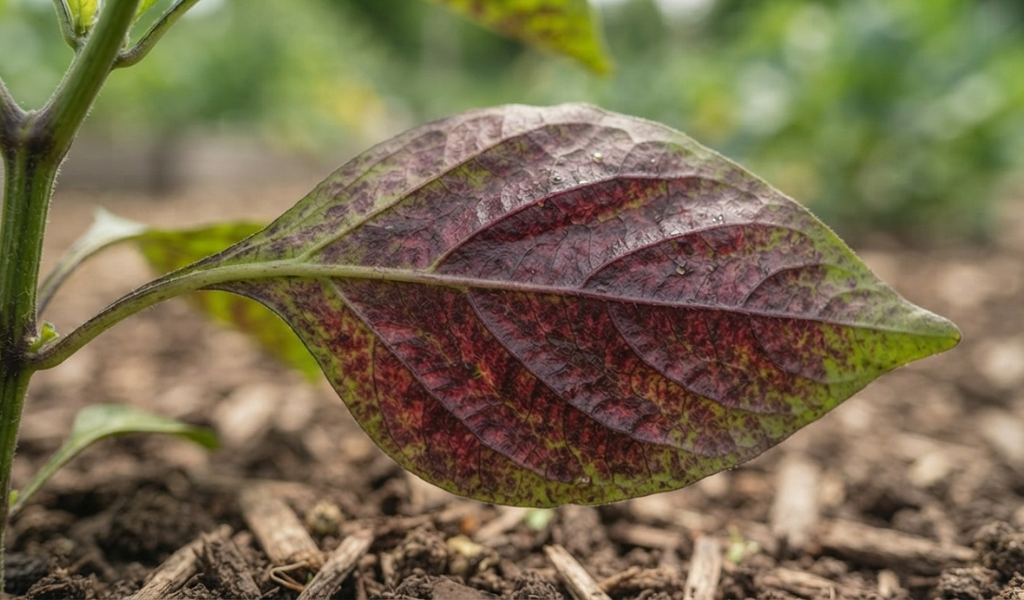
You may also notice slower-than-expected growth, small or pale leaves, weak stems, or a delay in flowering. These symptoms can look similar to other deficiencies, which is why a soil test is always worth doing before you start amending.
Cold soil temperatures can also cause temporary phosphorus lockout, where the phosphorus is present but plant roots cannot absorb it efficiently. If you are growing peppers in cool spring conditions, warming the soil with black plastic mulch can help before you decide to add more fertilizer.
Can Too Much TSP Harm Pepper Plants?
Yes, overapplication of TSP is a genuine risk. Since TSP contains almost 46% phosphate, it takes very little product to deliver a significant dose. Applying too much can cause phosphorus toxicity, which disrupts the plant’s ability to absorb other nutrients, particularly zinc, iron, copper, and manganese.
The result looks almost paradoxical plants that have been over-fertilized can start showing signs that look like nutrient deficiencies because excess phosphorus blocks absorption of the elements they also need. Yellowing between leaf veins, which is called interveinal chlorosis, is one common sign.
Beyond plant-level damage, excessive phosphorus from TSP can run off into local waterways during heavy rain, contributing to algae blooms and water quality problems. Responsible application, based on actual soil data rather than guesswork, protects both your garden and the environment.
Final Thoughts on TSP Pepper Fertilizer
Triple superphosphate is a powerful and useful tool for pepper growers, but it works best when it is used with intention. Applied at the right time, in the right amount, and for the right reason, TSP can make a real difference in root strength, flowering, and overall yield. Used carelessly or without soil testing, it can create more problems than it solves.
The takeaway is straightforward: test your soil first, understand what your plants actually need, and then choose the fertilizer that matches those needs. TSP has earned its place in many gardeners’ supply kits but only as a targeted fix, not a default go-to.
If you are just getting started with pepper fertilization and are not sure where to begin, a balanced fertilizer is always a solid starting point. From there, a soil test will tell you whether TSP or any other amendment deserves a place in your routine.
TSP Pepper Fertilizer FAQs
Can You Use TSP on Pepper Plants?
Yes, TSP can be used on pepper plants. It is most effective when applied before planting or during the early stages of growth, particularly when a soil test has confirmed that phosphorus levels are low. Always mix TSP with soil rather than applying it directly to roots or stems to avoid chemical burn.
Is TSP Good for Pepper Flowering?
Phosphorus plays a direct role in triggering and supporting the flowering stage in pepper plants, and since TSP is one of the most concentrated sources of phosphorus available, it can positively affect flowering when plants are phosphorus-deficient. However, it is most effective when applied before or at the start of the growing season rather than mid-bloom.
Should You Use TSP if Your Soil Already Has Enough Phosphorus?
No. Adding TSP to soil that already has adequate phosphorus can push levels too high, interfere with the uptake of other nutrients like zinc and iron, and potentially harm your plants rather than help them. Always run a soil test before applying TSP.
How Often Should You Apply TSP to Pepper Plants?
TSP is not a fertilizer you use repeatedly throughout the season. In most cases, a single pre-plant application is all that is needed. If a mid-season soil test reveals a continuing deficiency, one additional light application during early flowering may be appropriate, but routine or frequent applications are not recommended.
What Is the Difference Between TSP and Regular Superphosphate?
The main difference is concentration. Regular superphosphate contains around 16 to 20% available phosphate, while triple superphosphate contains 44 to 48%. This means TSP delivers more phosphorus per pound of product, so smaller amounts are needed. TSP is also free of sulfur compounds that are sometimes present in regular superphosphate.
Can TSP Be Mixed With Other Fertilizers?
TSP can be mixed with nitrogen or potassium fertilizers if you are creating a custom blend, but it should not be mixed directly with high-calcium products like lime, since this can cause a chemical reaction that reduces phosphorus availability. Always check product labels and ideally consult your soil test results before combining fertilizers.
How Long Does TSP Take to Work in the Soil?
TSP begins to dissolve with moisture and becomes available to plants relatively quickly compared to organic phosphorus sources like bone meal. Most of the phosphorus becomes available within one to two weeks of application under normal soil moisture and temperature conditions. Pre-plant applications give the fertilizer even more time to integrate before roots arrive.