What Type of Fertilizer Do Peppers Need? Best Nutrients for Bell Peppers Plants
What Type of Fertilizer Do Peppers Need? Best Fertilizer for Peppers Explained
If you’ve ever grown peppers and wondered why your plants look healthy but produce very little fruit, or why the leaves are yellowing despite regular watering, fertilizer is usually the answer. Knowing what type of fertilizer peppers need at each stage of growth can make the difference between a disappointing harvest and a plant loaded with colorful, flavorful peppers.
Peppers are heavy feeders. Whether you’re growing sweet bell peppers, spicy hot peppers, or delicate capsicum varieties, they pull a lot from the soil throughout the season. Getting the nutrient balance right from seedling to harvest is one of the most impactful things a gardener can do. And yes, that includes knowing when to use something like a 5-10-10 fertilizer for peppers during flowering and fruit development.
This guide breaks down everything you need to know about the best fertilizer for pepper plants, from the primary nutrients your plants rely on to the common mistakes that can hold back a healthy, productive harvest.
What Nutrients Do Pepper Plants Need?
Every fertilizer comes with an N-P-K ratio printed on the label. These three numbers represent nitrogen (N), phosphorus (P), and potassium (K), and they are the primary nutrients that fuel plant growth. Understanding what each one does will help you choose the right fertilizer for your pepper plants at the right time.
Nitrogen for Healthy Pepper Plant Growth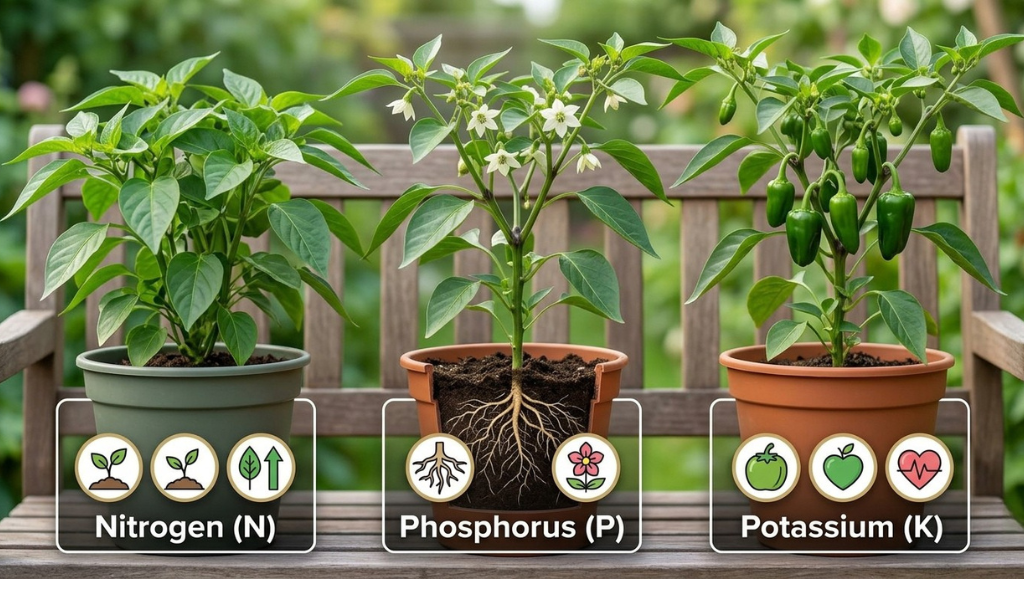
Nitrogen drives leafy, green growth. It is the nutrient most responsible for the deep green color in foliage and the overall vigor of a young plant. When pepper seedlings are establishing themselves, nitrogen gives them the push they need to develop strong stems and broad leaves.
However, nitrogen is a double-edged nutrient for peppers.Too much of it late in the season can result in lush, dark green foliage with very few flowers or fruit. This is why adjusting your fertilizer program based on the growth stage is so important.
Phosphorus for Roots and Flowers
Phosphorus supports root development, flower production, and early fruit set. A phosphorus deficiency often shows up as purplish discoloration on the undersides of leaves, particularly in young pepper plants. If your seedlings look stunted or the leaves have a purple tint, low phosphorus is often the cause.
When peppers begin to flower, phosphorus becomes even more critical. Fertilizers with a higher middle number, like a 5-10-10 fertilizer, deliver more phosphorus relative to nitrogen. This makes them a solid choice during the transition from vegetative growth to flowering and fruit development.
Potassium for Fruit Development
Potassium plays a major role in overall plant health, fruit production, and disease resistance. It regulates water movement within the plant, helps with sugar transport, and supports strong cell walls. When potassium levels are low, you may notice poor fruit set, blossom drop, or fruit that doesn’t develop properly.
During heavy fruiting periods, potassium demand increases. A balanced fertilizer or one with a slightly elevated potassium level will help support your pepper harvest through to the end of the season.
What Type of Fertilizer Do Peppers Need at Different Growth Stages?
The best fertilizer for pepper plants changes depending on where your plant is in its lifecycle. Using the same fertilizer from seed to harvest is one of the most common mistakes growers make.
Fertilizer for Young Pepper Plants
When peppers are in the seedling stage, they need gentle nutrition. A starter fertilizer with a balanced or slightly higher nitrogen content helps young plants establish themselves without overwhelming their developing root systems. A diluted liquid fertilizer applied every two weeks works well for seedlings growing indoors or in trays.
Fertilizer During Vegetative Growth
Once your pepper plants are in the ground and growing actively, a balanced fertilizer like a 10-10-10 supports steady development. At this stage, all three nutrients are needed in roughly equal measure. The plant is building out its root system, branching, and preparing to flower. Apply every two to three weeks and water thoroughly after each application to help nutrients move into the root zone.
What Type of Fertilizer Do Peppers Need When Flowering?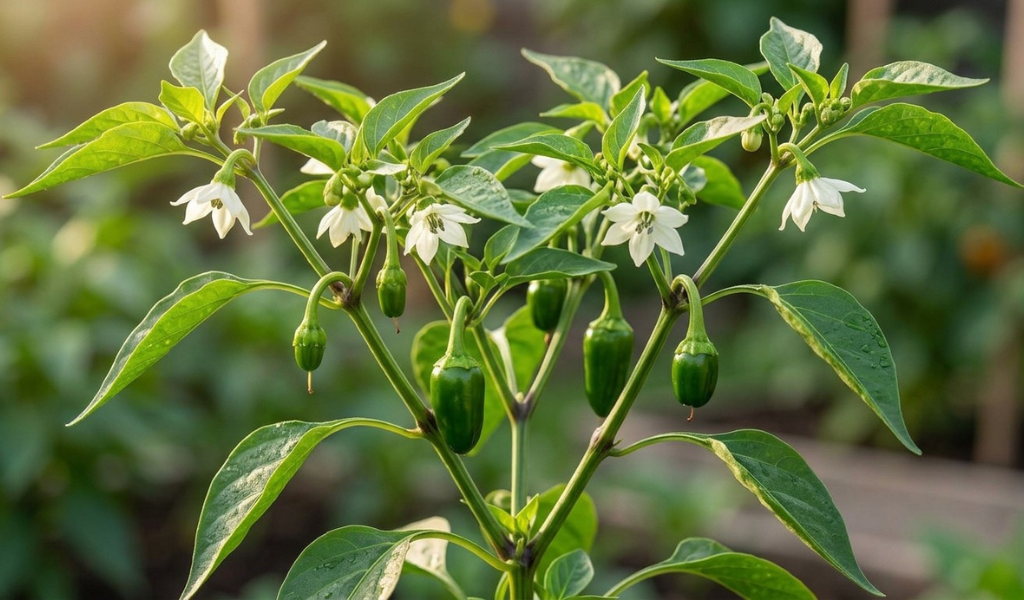
When flowers appear, it is time to shift your fertilizer approach. This is where many gardeners go wrong by continuing to use a high-nitrogen fertilizer.
Should You Use High-Phosphorus Fertilizer?
Yes, switching to a fertilizer with more phosphorus and potassium during flowering makes a clear difference. A 5-10-10 fertilizer for peppers is a good option here because it reduces nitrogen input while boosting phosphorus and potassium. This encourages more flowers, better fruit set, and stronger fruit development.
Why Too Much Nitrogen Can Be a Problem
Excess nitrogen during flowering pushes the plant to keep producing foliage instead of directing energy toward fruit. You end up with a beautiful, bushy plant that produces very little. If you notice your pepper plant flowering and then dropping blossoms without setting fruit, high nitrogen is often a contributing factor.
Best Fertilizer for Peppers During Fruit Production
Once fruit has set and is developing on the plant, potassium becomes the priority. Fertilizers with a higher third number support fruit quality and help peppers develop their full flavor. Tomato fertilizers, which are typically formulated with this balance in mind, work well for peppers during this stage. Some growers also add a foliar spray of diluted liquid fertilizer to support fruit development during heavy production periods.
Container-Grown Peppers Need Special Attention
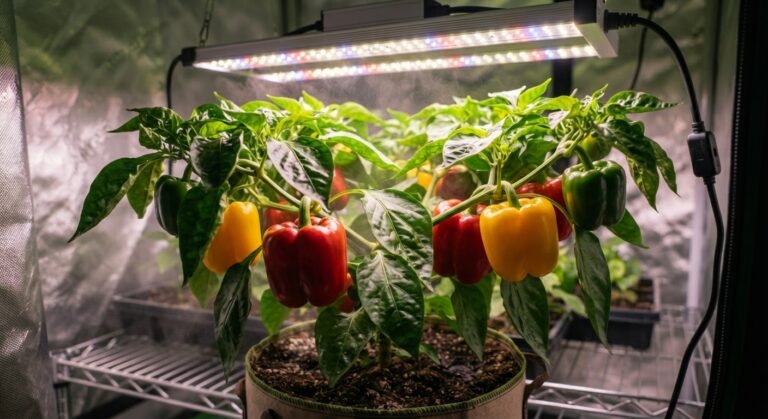
Peppers grown in pots or containers flush nutrients out of the soil more quickly than those grown in garden beds. Container plants need more frequent fertilizing, often every one to two weeks during the growing season.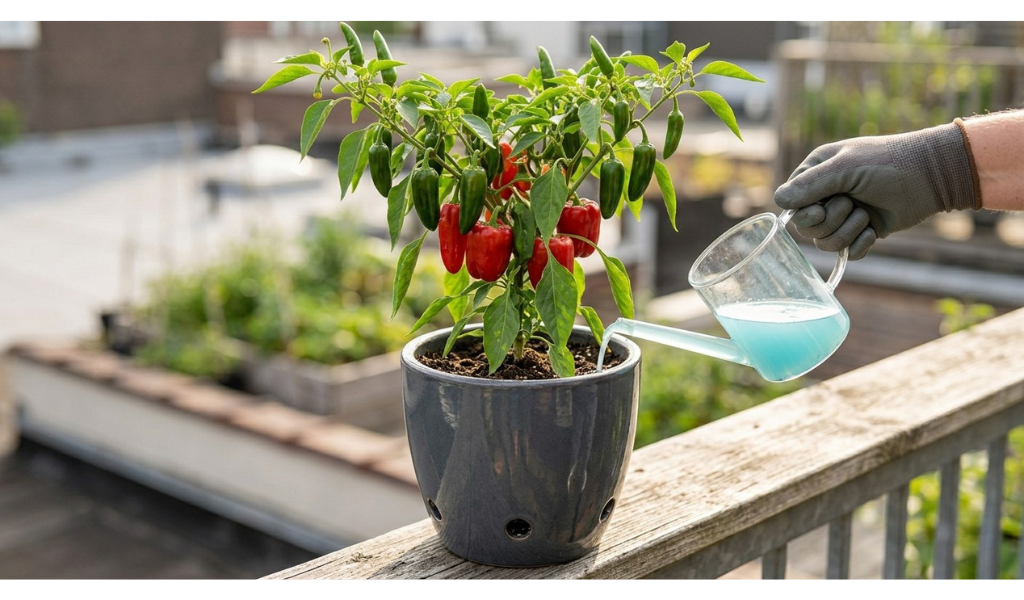 Use a water-soluble fertilizer that can be applied with each watering at a reduced concentration. Keep an eye on drainage and avoid letting the soil become waterlogged, as this can cause nutrient loss and root problems.
How Often Should You Fertilize Pepper Plants?
A general schedule that works for most growers looks like this. Start with a balanced fertilizer when transplanting seedlings into the garden or larger containers. Switch to a phosphorus-focused formula like a 5-10-10 when flower buds appear. Transition to a potassium-forward fertilizer once fruit begins to develop. Reduce or stop fertilizing about four to six weeks before your expected harvest to avoid encouraging new vegetative growth at the expense of ripening fruit.
Always water before and after applying fertilizer to prevent root burn and help nutrients distribute evenly through the soil.
Signs Your Pepper Plant May Need Nutrients
Pepper plants are surprisingly good at telling you when something is wrong. Here are the most common nutrient deficiencies to watch for.
Yellow leaves on older, lower growth usually point to nitrogen deficiency. The yellowing typically starts at the leaf edges and works inward. Pale or purplish young leaves often signal low phosphorus. Leaf edges that look scorched or brown, especially on newer growth, can indicate potassium deficiency. Blossom end rot, where the bottom of developing fruit turns dark and sunken, is linked to calcium deficiency and uneven watering.
Magnesium deficiency shows up as yellowing between the leaf veins while the veins themselves stay green. A light application of Epsom salt dissolved in water can correct this. About one tablespoon of Epsom salt per gallon of water applied as a foliar spray or soil drench works for most cases.
Signs You May Be Overfertilizing
Too much of a good thing is a real risk with fertilizer. Dark green, very lush foliage with few flowers is the classic sign of excess nitrogen. Leaf curl, wilting that doesn’t improve with watering, or a white crust forming on the soil surface of containers can all point to over-fertilization. If you suspect this, flush the soil thoroughly with plain water to help move excess salts through the root zone.
How Soil Affects the Fertilizer Your Peppers Need
Before adding fertilizer for peppers, it is important to understand what your garden soil already contains. A simple soil test from your local cooperative extension office can provide valuable information about nutrient levels and soil pH. This helps you choose the best fertilizer for pepper plants without adding nutrients they may not need.
Peppers grow best in soil with a pH between 6.0 and 6.8. When soil pH falls outside this range, essential nutrients become less available to pepper plants, even when those nutrients are already present in the soil. If your soil pH is too acidic, lime can help raise it, while sulfur can lower pH in alkaline soil.
Soil type also affects how well fertilizer works. Heavy clay soil can hold nutrients effectively but may become compacted and restrict healthy root growth. Sandy soil drains quickly, which can cause nutrients to wash away faster and increase the need for supplemental fertilizer.
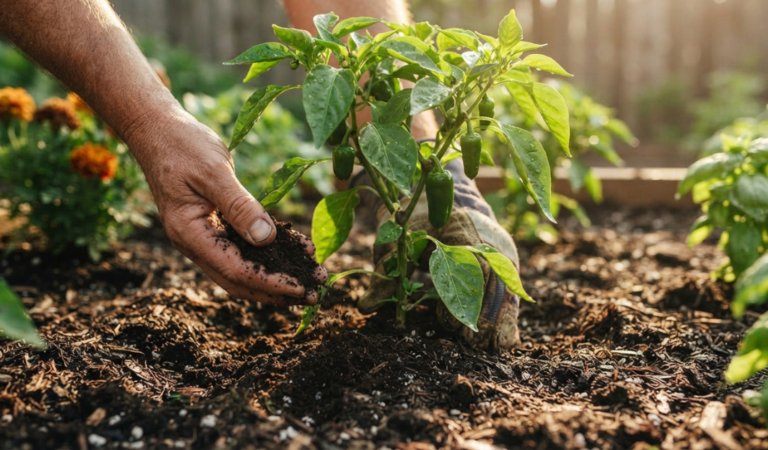
Adding compost to your native soil before planting peppers can improve soil structure, drainage, moisture retention, and nutrient availability. A healthy soil foundation allows pepper plants to use fertilizer more efficiently and can reduce how much additional fertilizer they need during the growing season. Understanding your soil first makes it easier to create the right fertilizing plan for healthier plants and a better pepper harvest.
Organic Fertilizer Options for Pepper Plants
Gardeners who prefer to avoid synthetic fertilizers have plenty of effective options for growing peppers organically.
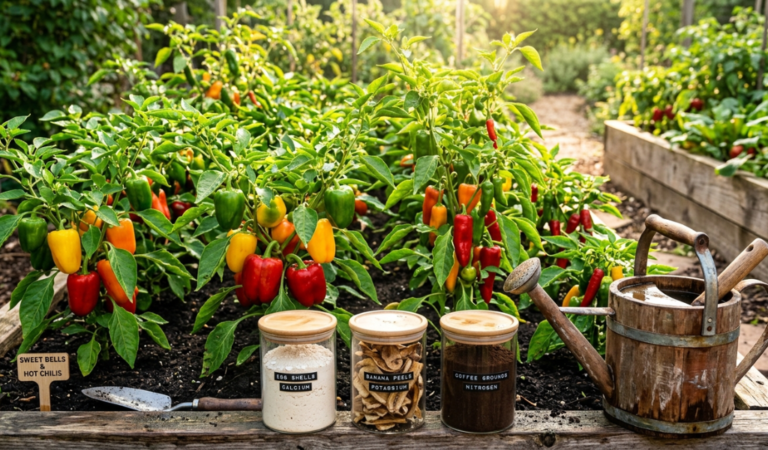
Compost is the most versatile amendment available. Working aged compost into your garden soil before planting builds soil health over time and provides a slow, steady release of nutrients. Fish emulsion is a fast-acting liquid fertilizer that delivers a good dose of nitrogen and trace minerals. It has a strong smell but works well during early vegetative growth.
Bone meal is a natural source of phosphorus and calcium, making it useful when planting and again during flowering. Blood meal provides readily available nitrogen for fast green growth. Kelp meal offers a broad range of micronutrients and is often used alongside other amendments to round out a complete fertilizer program.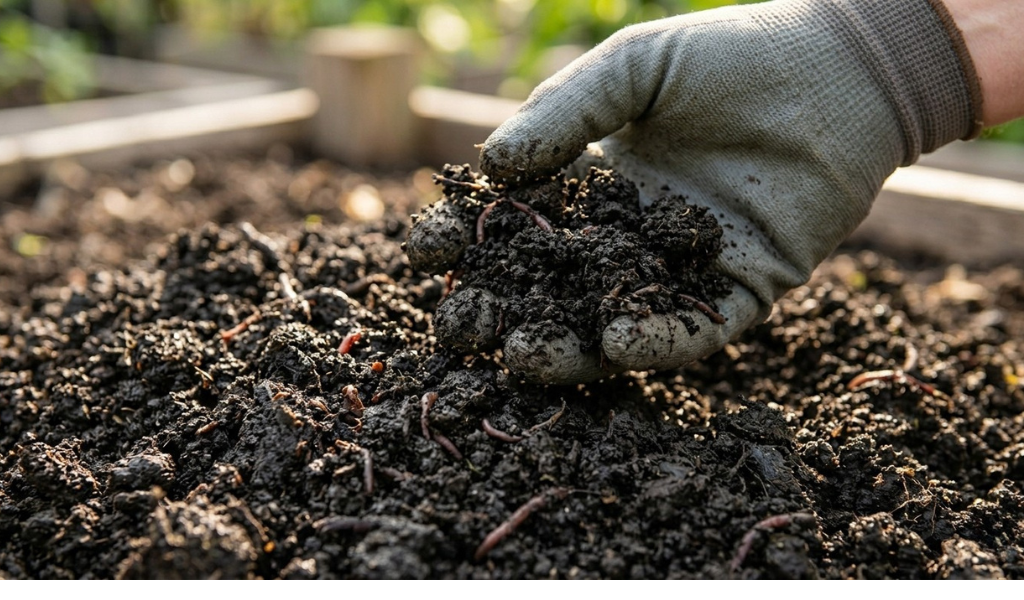
Worm castings are another excellent option, particularly for container-grown peppers. They improve soil structure, add beneficial microbes, and release nutrients gently without the risk of burning roots.
Common Fertilizer Mistakes When Growing Peppers
A few common patterns can cause pepper plants to underperform, even when they receive regular care. One of the most frequent fertilizer mistakes when growing peppers is using the same high-nitrogen fertilizer from transplanting through harvest. Pepper plants have different nutrient needs as they grow, so adjusting the fertilizer program by growth stage can support healthier plants, better flowering, and a stronger harvest.
Applying fertilizer to dry soil is another common mistake. Always water the soil first, then apply fertilizer as directed. Fertilizing dry soil can increase the concentration of fertilizer salts around the roots, which may lead to root stress or damage. For the best results, follow proper fertilizer dosage and watering practices.
Skipping a soil test and guessing which nutrients your pepper plants need can also create problems. Adding nutrients that are already abundant in the soil may cause an imbalance instead of improving plant growth. A soil test can help you choose the right fertilizer for pepper plants based on actual nutrient levels.
Another mistake is relying too heavily on foliar sprays while neglecting soil nutrition. Foliar fertilizer can help address certain nutrient deficiencies quickly, but it should not replace a balanced soil-based fertilizer program.
Avoiding these common fertilizer mistakes can help pepper plants develop stronger roots, healthier foliage, more flowers, and better fruit production throughout the growing season.
A Practical Approach to Choosing Fertilizer for Peppers
When choosing a fertilizer for your pepper plants, start by identifying what growth stage your plants are in. Match the N-P-K ratio to the plant’s current needs. Use a soil test if you’re unsure about baseline nutrient levels in your garden. Watch your plants for signs of deficiency or excess, and adjust accordingly.
There is no single best fertilizer for pepper plants that works perfectly in every situation. The right fertilizer depends on your soil, your climate, the pepper varieties you’re growing, and how you’re growing them. A grower working with heavy, nutrient-rich native soil will need a very different approach than someone growing hot peppers in lightweight container mix.
The key is to stay observant and flexible throughout the season.
Final Thoughts
Fertilizing peppers well is not complicated, but it does require attention. Peppers need different nutrients at different times, and matching your fertilizer program to each growth stage is the single most effective thing you can do to improve your harvest.
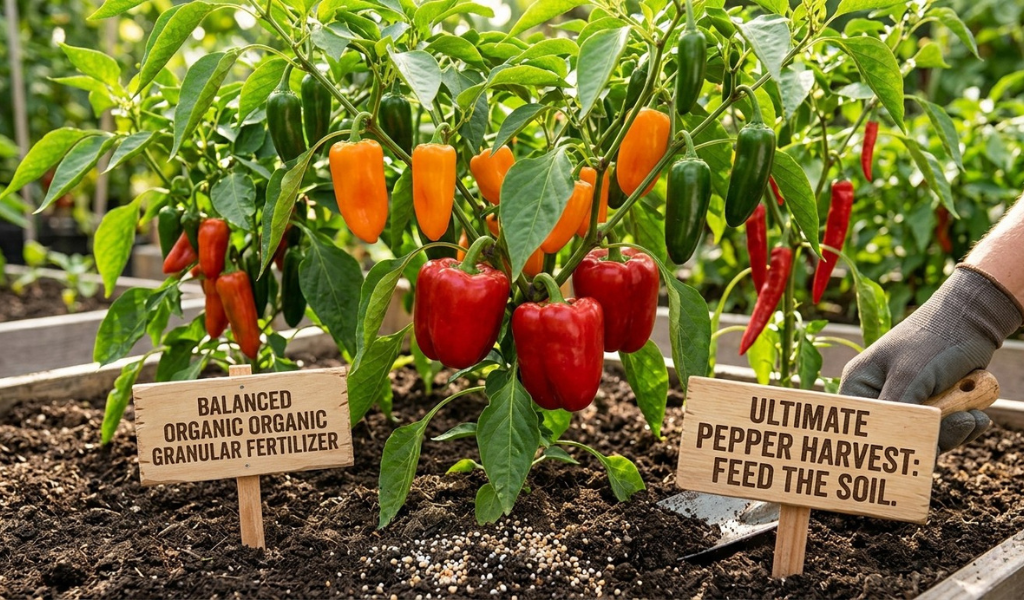
Start with a balanced fertilizer early in the season, shift to a phosphorus-heavy blend like a 5-10-10 fertilizer for peppers when flowers appear, and support fruit development with potassium-rich options through to harvest. Test your soil, watch your plants, and adjust as you go.
Whether you’re growing sweet bell peppers, fiery hot peppers, or classic capsicum varieties, the same principles apply. Feed them well at the right times and they will deliver.
Frequently Asked Questions
What is a good fertilizer to put on peppers?
A balanced 10-10-10 fertilizer works well during the vegetative stage. Once flowering begins, switch to something with more phosphorus and potassium and less nitrogen, like a 5-10-10. During fruit production, a tomato-style fertilizer with elevated potassium is a strong choice.
Do coffee grounds help bell peppers grow?
Coffee grounds can be beneficial in small amounts. They add organic matter to the soil and contain a modest amount of nitrogen. However, they are acidic, so adding too much can lower soil pH and affect nutrient availability. Use them sparingly and mix them into the soil or compost rather than applying them as a thick layer on the surface.
Is 10-10-10 fertilizer good for pepper plants?
Yes, a 10-10-10 balanced fertilizer is a solid option during the early vegetative growth stage when pepper plants need equal amounts of all three primary nutrients. It is less ideal during flowering and fruiting, when a lower-nitrogen formula with more phosphorus and potassium better supports the plant’s needs.
Are Marconi peppers fertilized the same as bell peppers?
Yes, Marconi peppers follow the same general fertilizer guidelines as bell peppers. Both are sweet pepper varieties with similar nutrient requirements throughout the growing season. Adjust your fertilizer based on growth stage rather than variety.
When should you fertilize pepper plants?
Start fertilizing about two weeks after transplanting seedlings into the garden. Apply fertilizer every two to three weeks during vegetative growth. Shift your formula when flowering begins and again when fruit starts to develop. Reduce fertilizing in the final four to six weeks before expected harvest.
What is the best fertilizer for pepper plants during fruit set?
During fruit set, peppers benefit most from fertilizers with higher phosphorus and potassium content. A 5-10-10 or similar formula supports flower production and early fruit development. Once fruit has fully set and is sizing up, increase potassium to support quality and flavor through to harvest.
Can you use Epsom salt on pepper plants?
Epsom salt, which is magnesium sulfate, can help when pepper plants show signs of magnesium deficiency, such as yellowing between leaf veins. Dissolve one tablespoon per gallon of water and apply as a foliar spray or soil drench. Do not use it routinely unless a soil test confirms a magnesium deficiency.