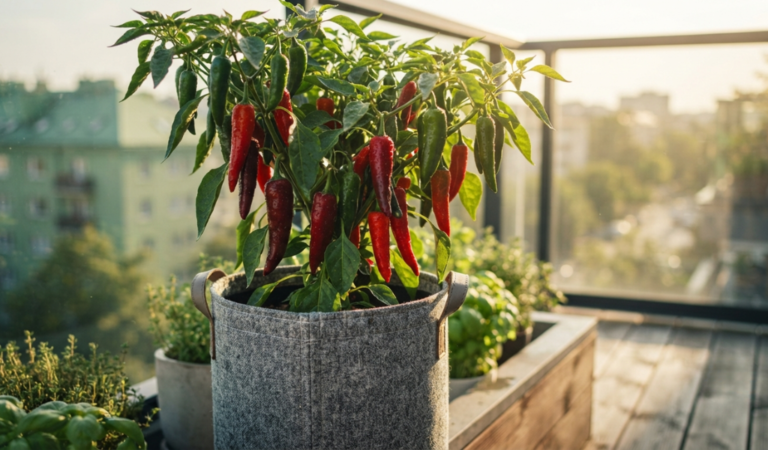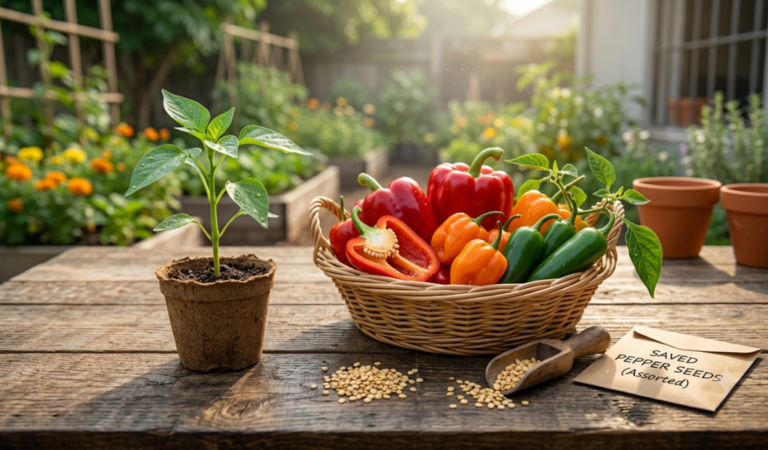
Growing Peppers from Seed Indoors: Easy Tips for Beginners
A Complete Guide to Growing Peppers from Seed in Cool Climates
Growing peppers from seed is one of the most rewarding things you can do as a home gardener. You get to choose from hundreds of pepper varieties you’d never find at a local nursery, save money on transplants, and watch your plants grow from tiny seeds into a full crop of peppers. But if you’ve ever tried growing peppers and ended up with weak seedlings or poor germination, you’re not alone.
 Peppers are a heat-loving crop with a long growing season, which makes them a little trickier to grow from seed than tomatoes or cucumbers. If you live in a cool climate, starting your pepper seeds indoors is not just helpful, it’s essential. How do I plant my peppers? That’s the first question most new growers ask. This guide walks you through everything you need to know, from seed to harvest, including what supplies you need, how to germinate pepper seeds successfully, and how to care for pepper seedlings after they sprout.
Whether you’re growing sweet bell peppers, hot pepper varieties like cayenne peppers or Thai peppers, or somewhere in between, choosing quality bell pepper seeds and providing the right care will help you successfully grow healthy, productive peppers this summer.
Types of Pepper Plants to Grow from Seeds
Before you start, it helps to know what type of pepper you want to grow. Different pepper varieties have different growing needs, heat requirements, and growing seasons.
Sweet Peppers
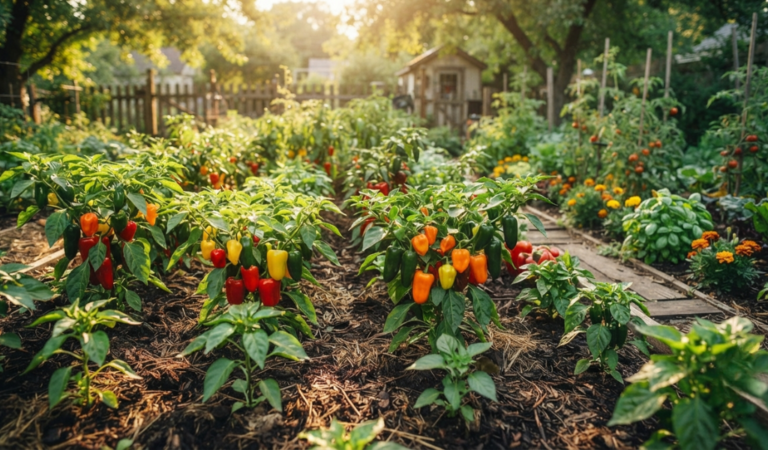
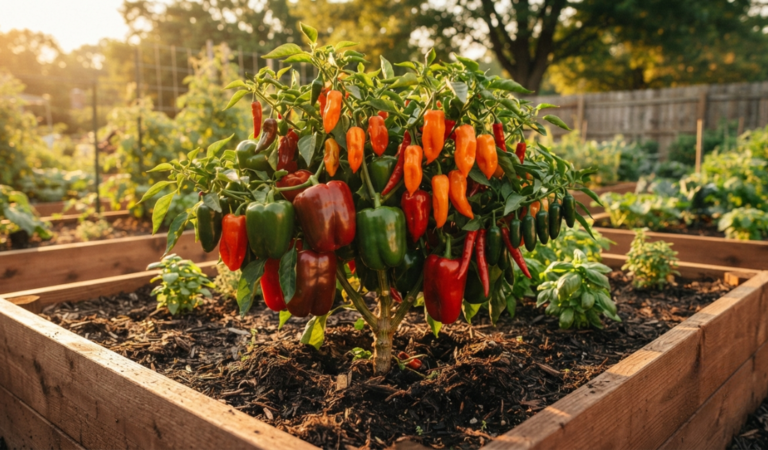
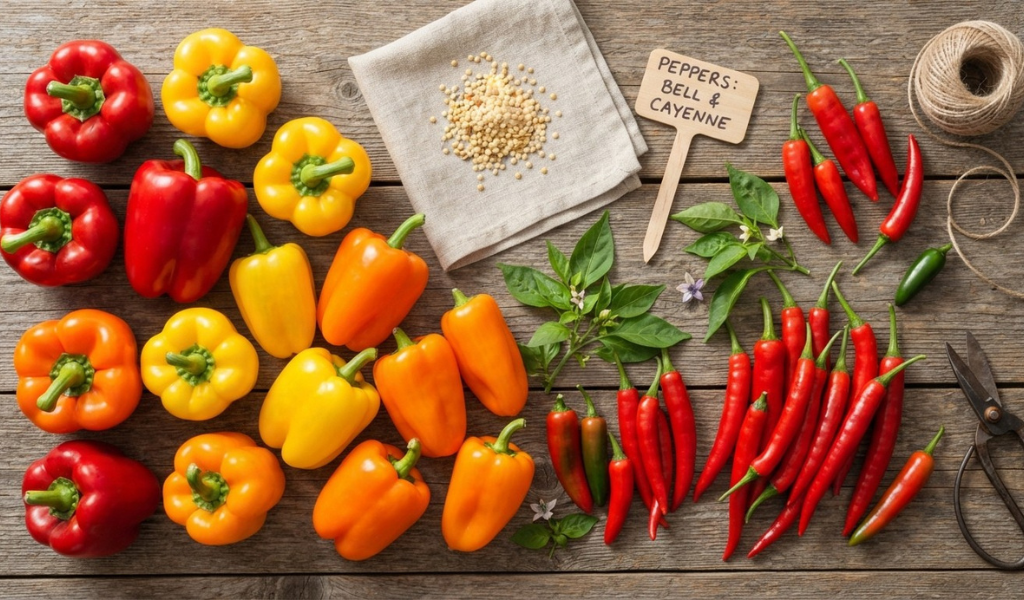
Sweet bell peppers are one of the most popular choices for home gardeners. They come in green, red, yellow, and orange. Sweet peppers take about 60 to 90 days from transplant to harvest, making them one of the easier types to grow in a shorter growing season. Banana peppers are another mild, easy-to-grow option that produces well even in cooler conditions.
Hot Pepper Varieties
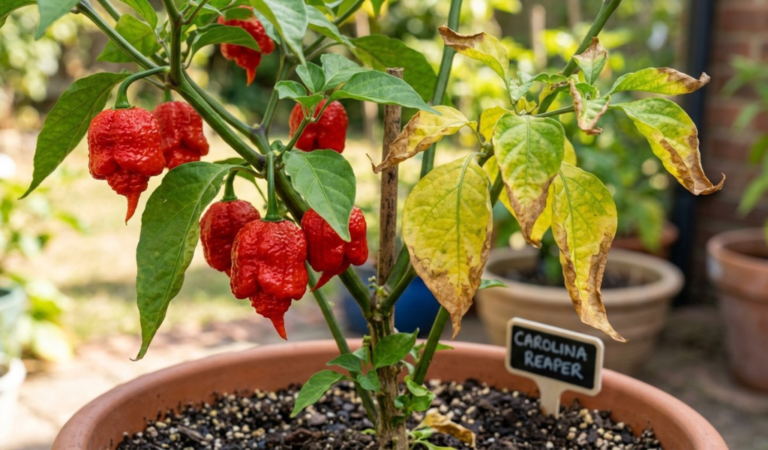
Hot peppers take longer to mature than sweet peppers. Cayenne peppers, Thai peppers, and hot chili peppers often need 80 to 100 days or more from transplant. Because of this longer growing season, hot pepper varieties especially benefit from being started indoors early. If you want to grow hot peppers in a cool climate, starting seeds indoors 10 to 12 weeks before your last frost date gives them the best chance.
Which Pepper Is Right for You?
Check the seed package for the number of days to maturity before you buy. This tells you how much time your plants need to grow from transplant to harvest. If your outdoor growing season is short, choose varieties with fewer days to maturity, or plan to start the seeds indoors extra early.
How to Grow Peppers from Seed Indoors
Peppers love heat, and they need a long head start indoors. In cool climates, this usually means starting pepper seeds indoors 8 to 12 weeks before your last expected frost date. The goal is to have strong, established pepper seedlings ready to transplant outside once temperatures are reliably warm.
Growing peppers indoors also protects young plants from temperature swings, pests, and unpredictable spring weather. With the right setup, you can grow healthy pepper plants from seed that will thrive once moved outside.
Supplies Needed to Start Pepper Seeds Indoors
Essential Supplies
You do not need a greenhouse or fancy equipment to start peppers from seed. Here is what you actually need:
Seed starting mix: Use a light, well-draining seed starting mix, not regular potting soil. Seed starting mix holds moisture without compacting, which helps seeds germinate evenly.
Seed trays or small pots: Small seed trays or 2- to 3-inch pots work well for starting pepper seeds. You can always transplant to a larger pot as the seedling grows.
A humidity dome: Pepper seeds germinate best in humid conditions. A clear plastic dome placed over your seed trays traps moisture and warmth, which speeds up germination.
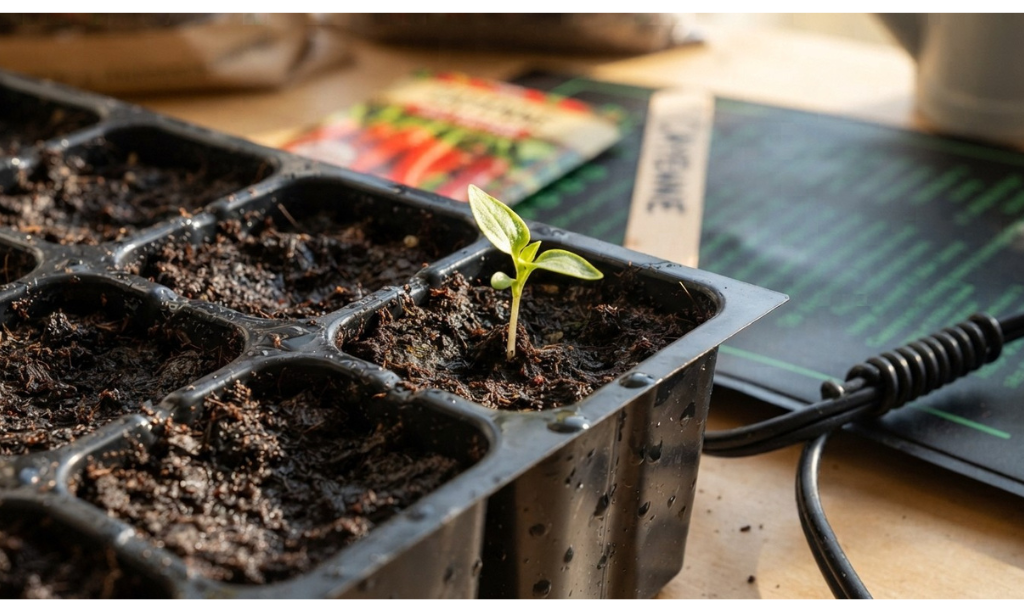
A heat mat: Pepper seeds germinate best at soil temperatures between 80°F and 90°F (27°C to 32°C). A seedling heat mat placed under your trays can make a huge difference, especially in cool climates.
Grow lights: A grow light is important for pepper seedlings. A sunny windowsill rarely provides enough light, especially in late winter. LED grow lights placed 2 to 4 inches above your seedlings keep them compact and strong.
A spray bottle: For keeping the surface of the seed starting mix moist without overwatering.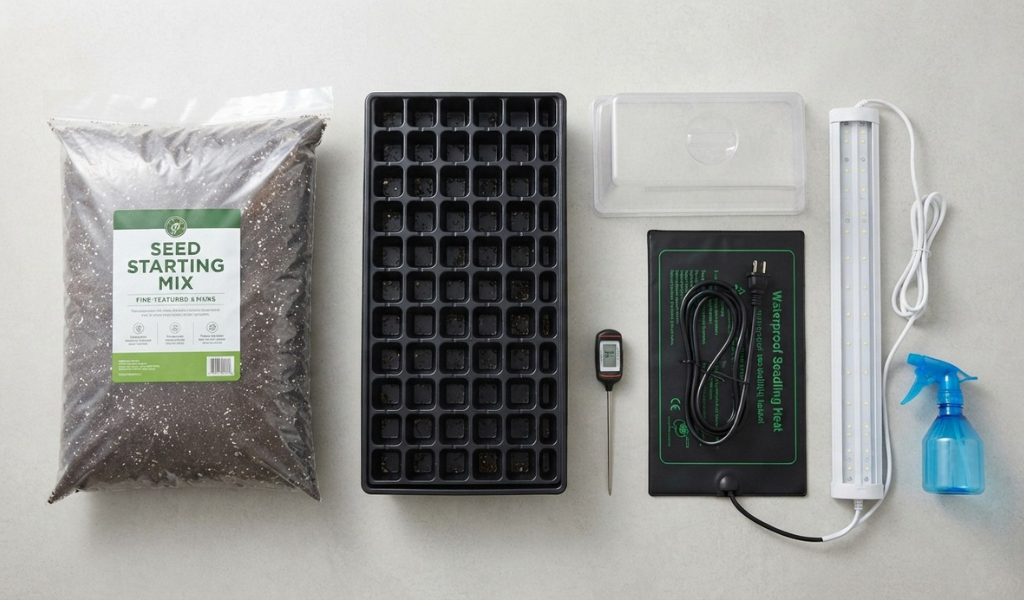
How to Plant Pepper Seeds (Step-by-Step)
Step 1: Pre-Saturate Your Seed Starting Mix
Before planting, moisten your seed starting mix thoroughly. Pour warm water into the mix and stir until it feels damp all the way through but not soggy. Fill your seed trays or pots with the moistened mix.
Step 2: Make a 1/4-Inch Hole
Using a pencil, chopstick, or your finger, make a small hole about 1/4 inch deep in the center of each cell or pot. This is the right depth for most pepper seeds.
Step 3: Plant the Seeds
Drop 2 to 3 pepper seeds into each hole. Planting multiple seeds per cell gives you a backup if one does not germinate. Gently cover the seeds with a little seed starting mix and press lightly to make sure the seeds are in contact with the soil.
Step 4: Add Bottom Heat and Humidity
Place your seed trays on a heat mat and cover them with a humidity dome. Check the temperature regularly. Most pepper seeds germinate best when the soil temperature stays between 80°F and 85°F. A soil thermometer is a handy tool for this.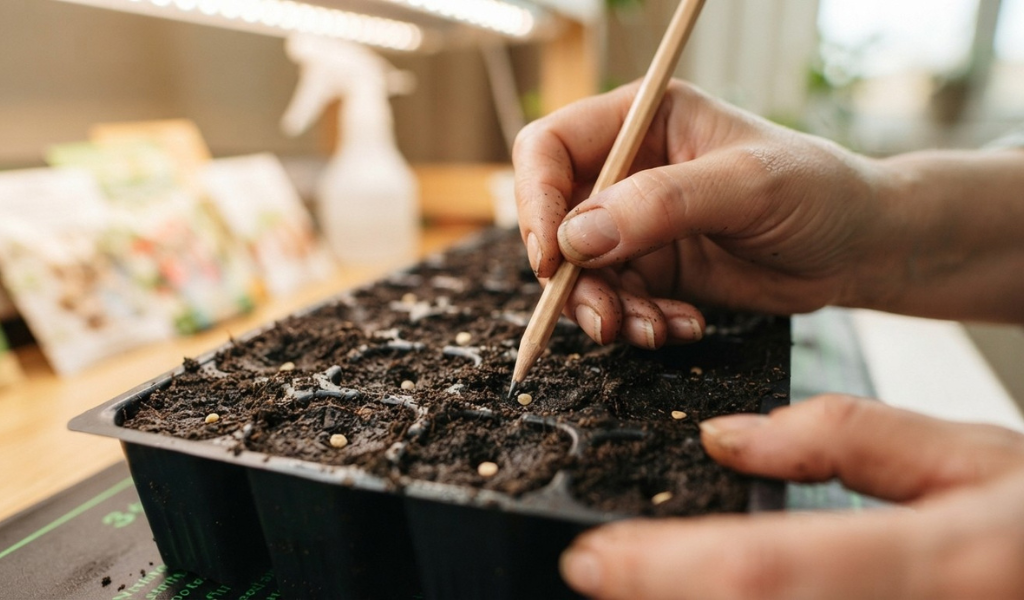
Step 5: Add Grow Lights
Once your seeds are planted, you do not need grow lights yet. But keep the lights ready for when the seeds sprout. The moment you see the first signs of growth, remove the humidity dome and turn on the grow lights.
How Long Do Pepper Seeds Take to Germinate?
Most pepper seeds take 7 to 21 days to germinate, but this varies depending on the type of pepper, the freshness of the seed, and the temperature. Growing Peppers from Seed is a simple and rewarding way to raise healthy plants at home. For the best results, provide warm soil, consistent moisture, and plenty of light after germination. Some pepper varieties may sprout faster, while hot peppers can take longer. Keeping the growing conditions stable can help improve germination and give your seedlings a strong start.
Factors That Affect Germination
Temperature: This is the biggest factor. Pepper seeds germinate much faster in warm soil. At 80°F to 85°F, many varieties sprout in 7 to 10 days. At cooler temperatures, germination can take 3 weeks or longer, and some seeds may not germinate at all.
Seed freshness: Fresh pepper seeds germinate more reliably. If you are using older seeds, soak them in warm water for a few hours before planting to improve germination rates.
Seed depth: Planting too deep can slow germination. Stick to 1/4 inch depth for reliable results.
Hot peppers take longer: Hot pepper varieties, especially superhots, can take longer to germinate than sweet peppers. Be patient and keep the soil warm.
Ongoing Care During Germination
Keep Soil Moist, Not Soaked
When Growing Peppers from Seed, keeping the soil evenly moist is essential for successful germination. Check your seed trays every day and make sure the surface of the seed-starting mix feels moist but never soggy. If the soil begins to dry out, gently mist the surface with a spray bottle to provide enough moisture without disturbing the seeds.
Avoid overwatering because excessively wet soil can cause pepper seeds to rot before they have a chance to sprout. Good drainage is just as important as regular moisture when Growing Peppers from Seed.
If you are using a humidity dome, you may not need to water often because the dome helps retain moisture and creates a stable environment for germination. Check the tray regularly, and only add water when the growing mix starts to dry.
Remove the humidity dome briefly each day to allow fresh air to circulate. This small step can reduce excess humidity and help prevent mold from developing.
What to Do After Seeds Sprout
Remove the Humidity Dome
As soon as most of your seeds have sprouted, take off the humidity dome. Leaving it on too long after germination can lead to mold and damping off, which is a fungal condition that kills seedlings at the base.
Add Gentle Airflow
Set up a small fan nearby to create gentle air movement around your seedlings. This strengthens their stems and reduces the risk of fungal problems. Even just a few hours of airflow per day makes a noticeable difference.
Fix Leggy Seedlings
Leggy seedlings are tall, thin, and floppy. They usually happen when seedlings do not get enough light. If your pepper seedlings look leggy, lower your grow light so it is closer to the tops of the plants. Ideally, keep LED grow lights 2 to 4 inches above the seedlings and run them for 14 to 16 hours a day.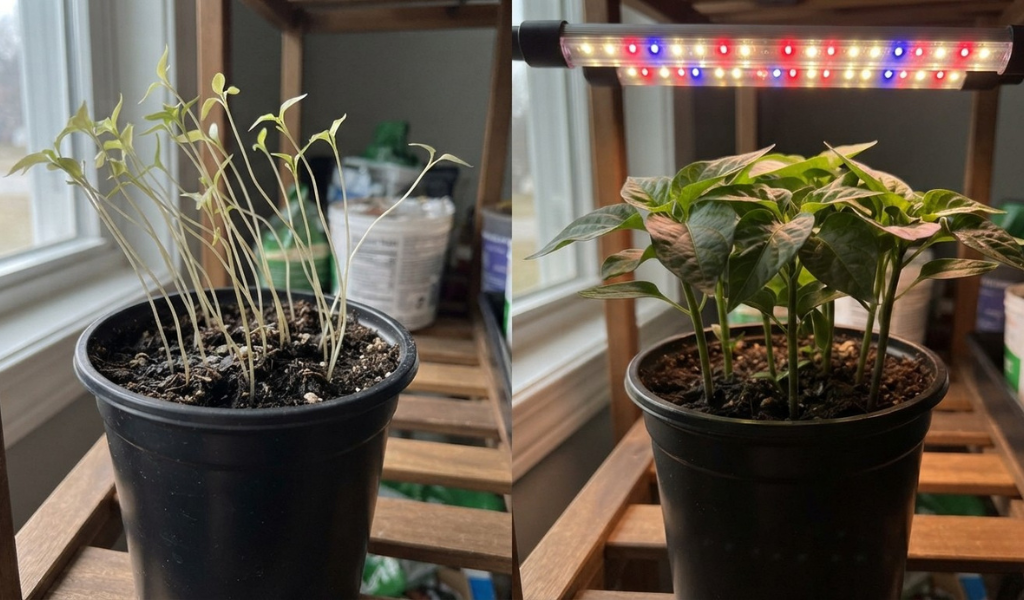
Thin Seedlings
If more than one seed germinated in a cell, thin down to the strongest-looking seedling. Use scissors to snip off the extras at soil level rather than pulling them out, which can disturb the roots of the one you want to keep.
When to Fertilize Pepper Seedlings
Pepper seedlings do not need fertilizer right away. The seed itself contains enough energy to fuel the first set of true leaves. Once you see the first set of true leaves appear above the seed leaves, you can start feeding with a diluted liquid fertilizer. Use half the recommended strength to avoid burning young roots.
Common Germination Mistakes to Avoid
Soil that is too cold: This is the most common reason pepper seeds fail to germinate. Without a heat mat, soil in most homes is too cool for reliable pepper seed germination.
Overwatering: Soggy soil suffocates seeds and invites rot and mold. Keep the mix moist, not wet.
Planting too early or too late: Starting seeds indoors too early gives you overgrown seedlings with nowhere to go. Starting too late leaves plants without enough time to mature. Check the seed package and count back from your last frost date.
Skipping grow lights: A windowsill is rarely enough. Without a proper grow light, pepper seedlings get leggy and weak, and they struggle to recover.
Giving up too soon: Hot peppers, in particular, can take longer to germinate. Keep the heat mat running and give seeds at least 3 weeks before you write them off.
Quick Tips and Ideal Conditions to Grow Peppers
Here is a quick summary of the ideal growing conditions for starting peppers from seed indoors:
- Soil temperature for germination: 80°F to 85°F (27°C to 29°C)
- Light after sprouting: 14 to 16 hours per day under a grow light
- Watering: Keep soil consistently moist but never soggy
- Start time: 8 to 12 weeks before last frost date
- Fertilizing: Start with half-strength liquid fertilizer after true leaves appear
- Transplanting outdoors: Wait until nighttime temperatures stay above 55°F consistently
One tip many experienced growers swear by: topping peppers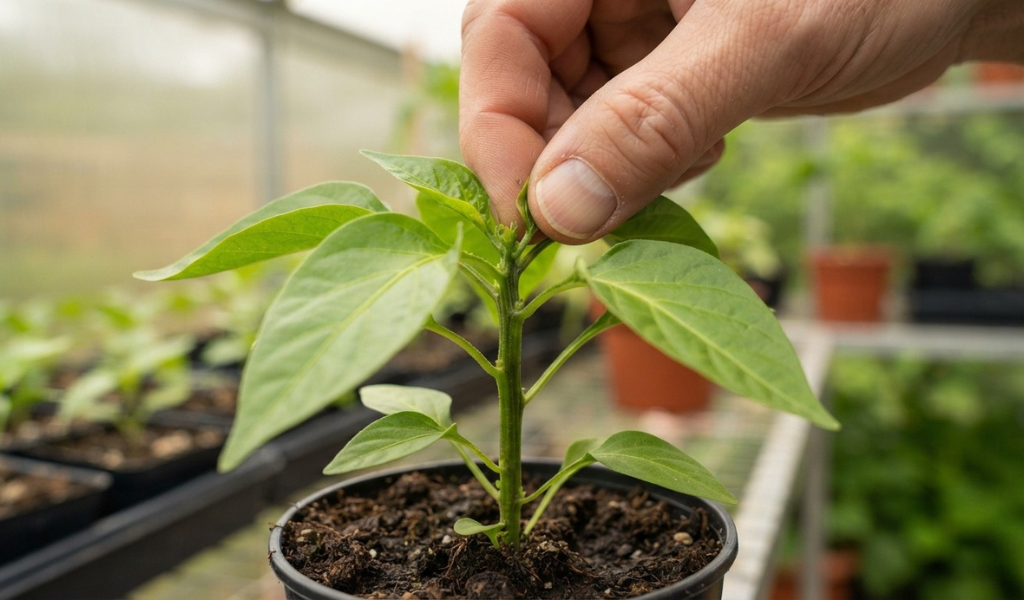 when they reach about 6 to 8 inches tall. Topping peppers means pinching off the growing tip at the top of the plant. This encourages the plant to branch out, which leads to more flowers and a bigger crop of peppers later in the season.
Final Thoughts: Growing Peppers from Seed Is Worth the Effort
Starting peppers from seed takes patience, especially in a cool climate. But once you have done it, you will never want to go back to buying transplants. The variety of options alone makes it worthwhile — you can grow banana peppers, cayenne peppers, sweet bell peppers, or rare hot pepper varieties that you will never find at a garden center.
The keys to success are simple: warm soil, consistent moisture, good light, and a little bit of patience. Get those four things right and you will have strong, healthy pepper seedlings ready to transplant when the weather warms up.
If you are just starting out, pick one or two pepper varieties to start, follow the steps in this guide, and take notes along the way. Every growing season teaches you something new.
Frequently Asked Questions
How early should I start pepper seeds indoors?
Start pepper seeds indoors 8 to 12 weeks before your last expected frost date. Hot pepper varieties benefit from the longer end of that range because they take longer to mature.
Do pepper seeds need light to germinate?
No. Pepper seeds do not need light to germinate — they need warmth. Once the seeds sprout, however, they need plenty of light immediately. Place them under a grow light as soon as you see them emerge from the soil.
Why are my pepper seeds not germinating?
The most likely cause is cold soil. Pepper seeds need soil temperatures of at least 75°F, and they germinate most reliably between 80°F and 85°F. A heat mat placed under your seed trays solves this problem quickly.
Can I grow peppers in pots indoors?
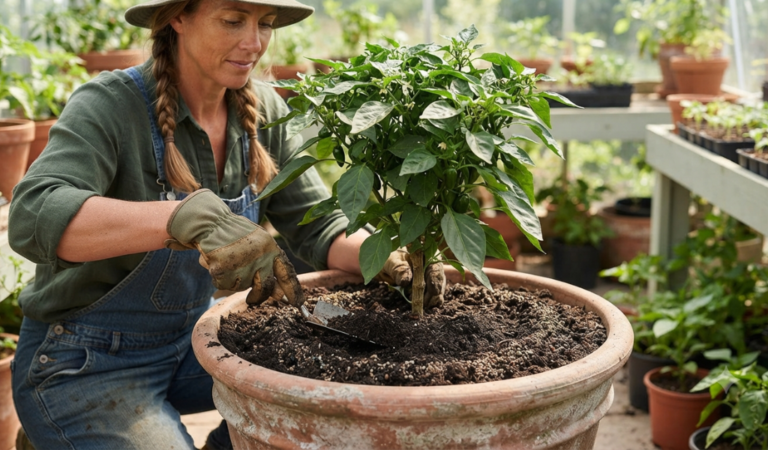
Yes. Peppers grow well in pots, both indoors and outdoors. Choose a pot that is at least 5 gallons for a full-size pepper plant. Peppers in pots need regular watering and fertilizing since they cannot draw on the nutrients found in garden soil.
When should I transplant peppers outside?
Transplant peppers outside when nighttime temperatures are consistently above 55°F. Peppers prefer warm soil, so wait until your soil has had a chance to warm up after the last frost.
How do I know when my peppers are ready to harvest?
Most peppers can be harvested at any stage, but they develop their full flavor and color when allowed to fully ripen on the plant. Check the seed package for the expected color at maturity, whether that is red, yellow, orange, or another color.
What is topping peppers, and should I do it?
Topping peppers means cutting off the growing tip at the top of the plant when it reaches 6 to 8 inches tall. This encourages bushier growth and more branching, which leads to a larger yield. It is optional, but many growers find it produces a better crop of peppers by harvest time.