Do Bell Peppers Need to Be Refrigerated? Best Ways to Store Bell Peppers
Do Bell Peppers Need to Be Refrigerated? Storage Tips You Should Know
Bell peppers are one of those vegetables that look sturdy enough to survive just about anywhere – on the counter, in a bowl, tucked in a drawer. But do bell peppers need to be refrigerated, or can they sit out on your counter without losing their crunch? The answer depends on how long you plan to keep them and whether they’re whole, cut, or already cooked.
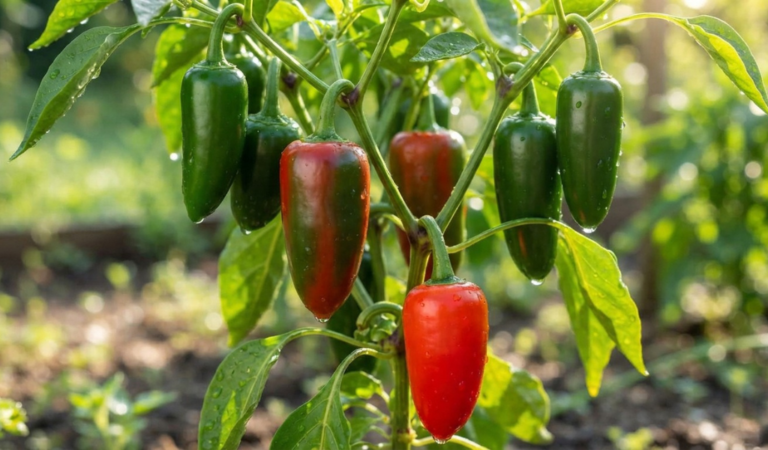
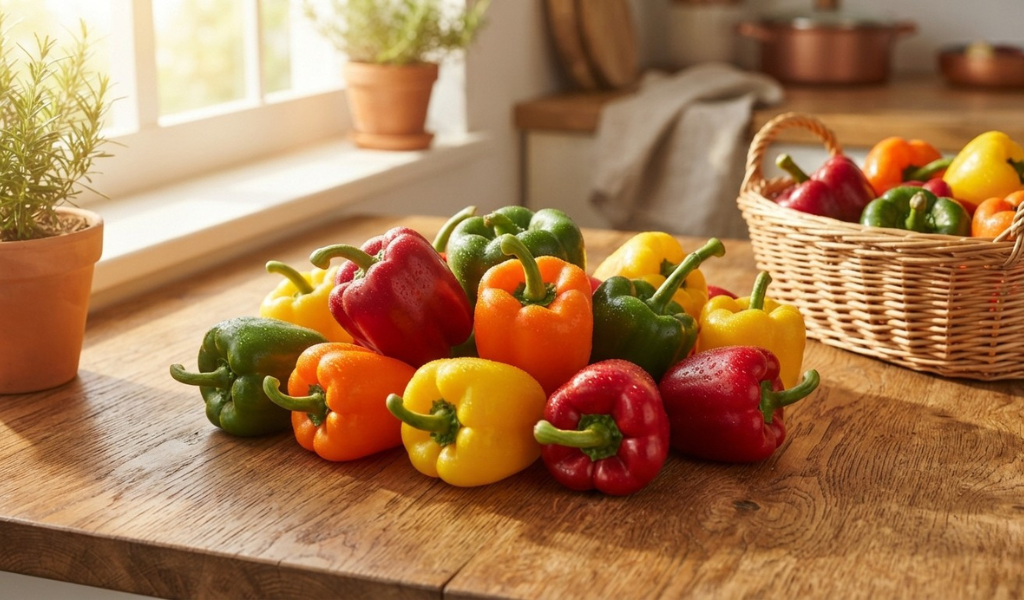
Fresh bell peppers are loaded with vitamin C, antioxidants, and natural sweetness. Red, yellow, and green peppers all have slightly different flavor profiles, but they share the same basic storage needs. If you’ve ever reached into your fridge only to find a wrinkled, soft pepper that should have lasted another week, chances are it wasn’t stored quite right.
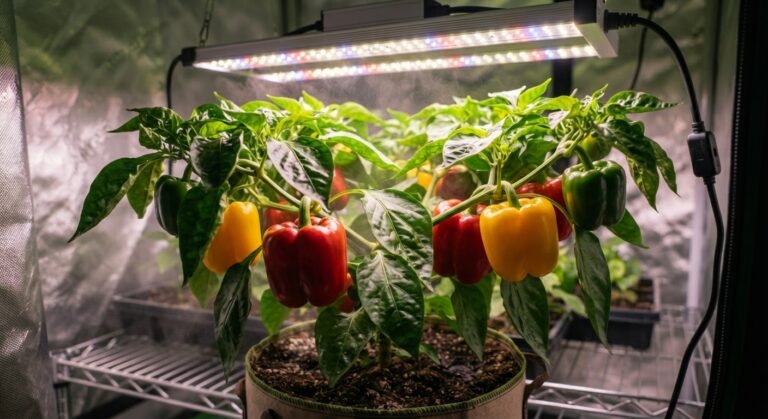
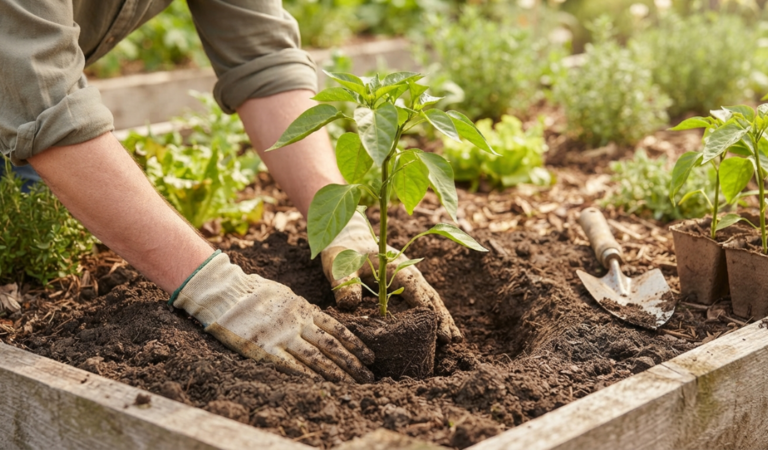
This guide walks you through everything you need to know about fertilize pepper plants – from choosing the right fertilizer and timing to feeding tips for healthy growth. You’ll also find a complete breakdown of how to fertilize pepper plants at different growth stages so they develop strong roots, healthy foliage, vibrant flowers, and abundant peppers.
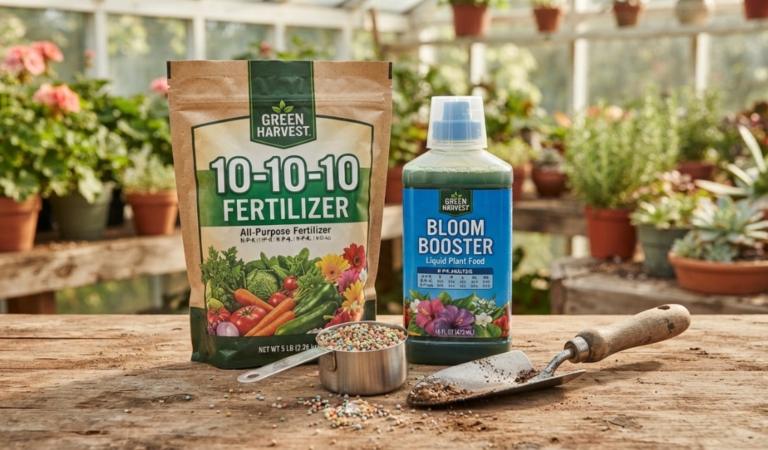
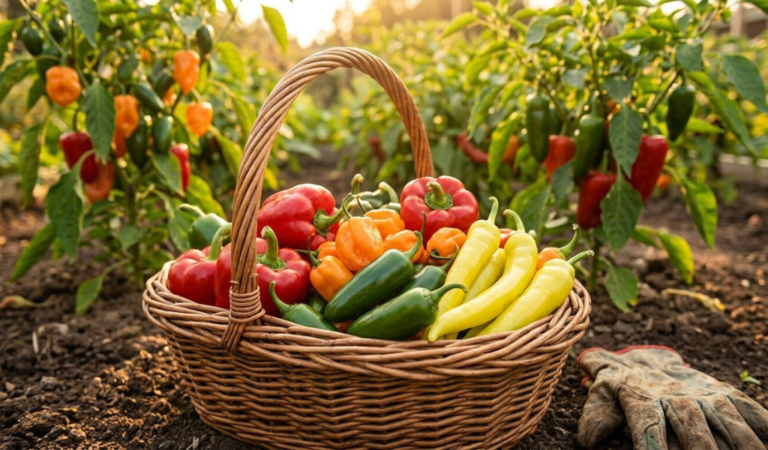
And if you’re growing your own bell peppers at home, proper plant care matters just as much as proper storage. Using a quality liquid fertilizer for pepper plants during the growing season helps produce thicker-walled, more flavorful peppers that tend to hold up better after harvest.
How to Store Bell Peppers the Right Way
The best way to store bell peppers depends on one key factor: are they whole or cut?
Whole fresh bell peppers should always go in the refrigerator if you want them to last more than a couple of days. When stored properly in the fridge, whole peppers will keep for one to two weeks without losing much of their texture or flavor. 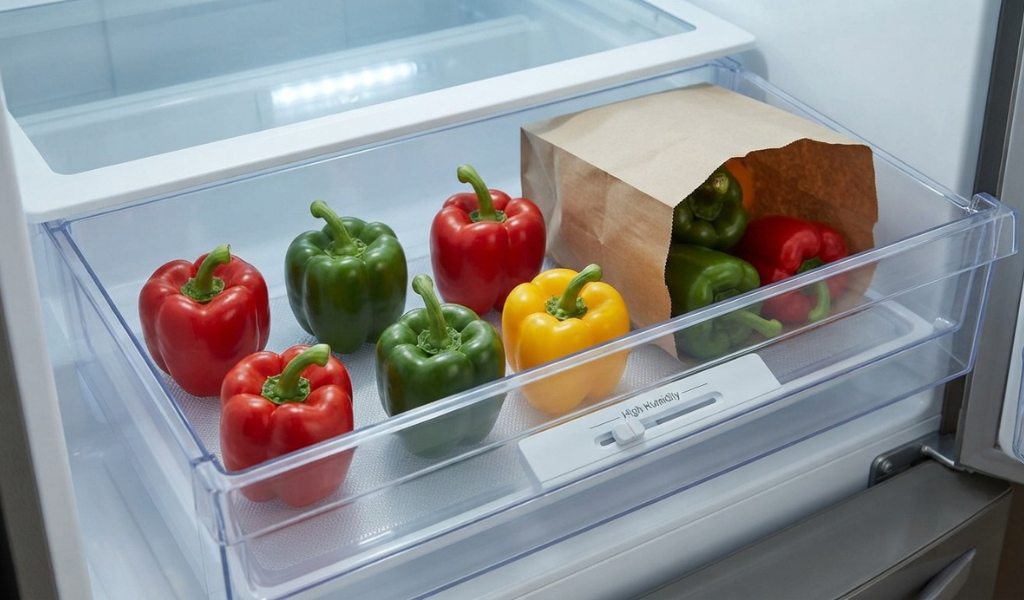 The crisper drawer is your best friend here. It maintains just enough humidity to keep peppers fresh and crisp rather than shriveled.
Cut bell peppers, on the other hand, have a much shorter shelf life. Once you slice into a pepper, it starts losing moisture quickly. Store cut peppers in an airtight container in the fridge, and plan to use them within three to five days.
The key with any storage method—whole or cut—is to keep peppers dry before storing. Excess moisture leads to mold. So skip the rinse until you’re ready to cook or eat them.
Fridge Location Matters
Not all spots in the fridge are equal when it comes to storing bell peppers. The crisper drawer is specifically designed to hold vegetables at the right humidity level. Most crisper drawers have a humidity setting, and peppers do best in a high-humidity environment.
Avoid storing bell peppers near the back of the fridge where temperatures tend to drop lower. Bell peppers are actually sensitive to cold. Temperatures below 45°F (7°C) can cause what’s called “chilling injury,” which shows up as soft, pitted, or water-soaked spots on the pepper’s skin. The middle shelves or the crisper drawer tend to stay at the ideal temperature range for peppers in the fridge.
Also, keep bell peppers away from produce that releases ethylene gas, like apples, pears, and avocados. Ethylene causes peppers to ripen and spoil faster than they should.
A Less Optimal Alternative
If your fridge is packed and you need a short-term solution, peppers stored on the counter at room temperature will survive—but only briefly. A whole, uncut bell pepper kept at room temperature will stay in decent shape for about one to two days, maybe three if your kitchen is cool.
Room temperature is not a reliable long-term option for storing bell peppers. The warmer the environment, the faster they soften and go bad. If you’re buying peppers at the grocery store and plan to eat them that same day or the next, the counter is fine. Otherwise, get them into the fridge.
Freeze Bell Peppers for Long-Term Storage
Freezing is one of the most practical ways to store bell peppers if you bought too many or your garden produced more than you can eat in a few weeks.
Here’s how to freeze peppers the right way:
- Wash and dry the peppers thoroughly.
- Remove the seeds and core.
- Slice or dice them into your preferred size.
- Spread the pieces in a single layer on a baking sheet and freeze for one to two hours.
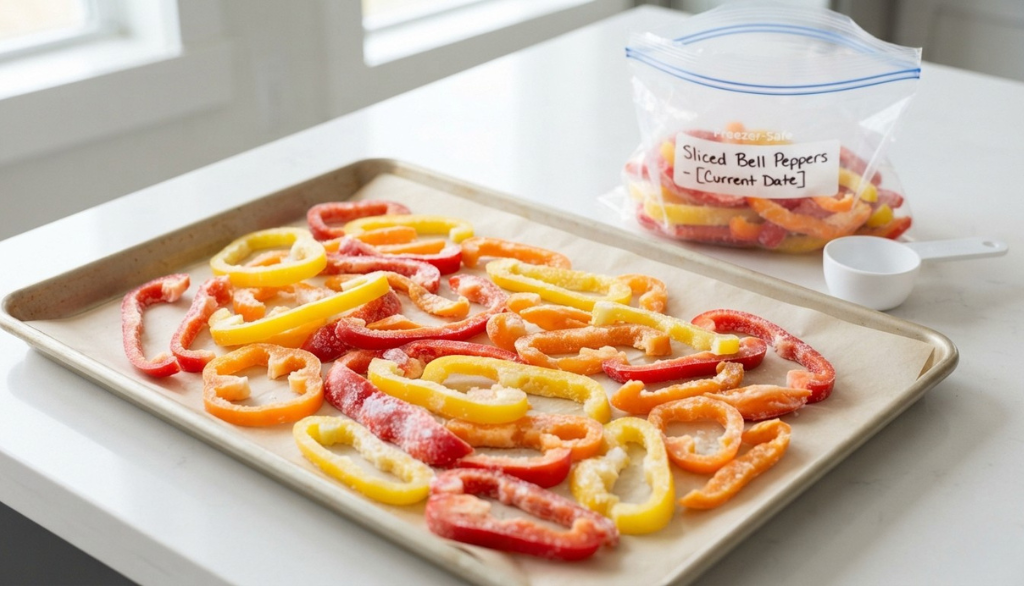 This is called flash freezing and prevents them from clumping together.
 - Transfer the frozen pieces into an airtight freezer bag or container.
- Label with the date and store them in the freezer for up to 12 months.
Frozen bell peppers won’t have the same crisp texture once thawed, so they work best in cooked dishes like stir-fries, soups, omelets, and casseroles. If you need fresh, crunchy peppers for a salad or a snack, fresh is always better.
One tip worth knowing: red peppers and yellow peppers tend to freeze better than green peppers because of their higher sugar content. Green bell peppers can sometimes taste slightly bitter after being frozen and thawed.
Storing Leftover Bell Peppers
Leftover or cooked bell peppers need to be handled a bit differently. Cooked peppers should be cooled to room temperature first, then transferred to an airtight container before going into the fridge. Cooked peppers last about three to four days when stored this way.
If you have half a bell pepper left after cooking, wrap the cut side in plastic wrap or place it cut-side down in a sealed container. The goal is to minimize air exposure. Half a bell pepper stored in the fridge will stay good for about two to three days.
Never leave cooked peppers out at room temperature for more than two hours. Bacteria grow quickly in the temperature range between 40°F and 140°F, so refrigerate leftovers promptly.
How to Store Cut and Whole Fresh Bell Peppers Longer
Getting the most out of fresh bell peppers is mostly about a few simple habits. These tips apply whether you’re storing whole fresh bell peppers or sliced bell peppers.
Don’t Wash Your Peppers
This one surprises a lot of people. Washing bell peppers before storing them actually shortens their shelf life. Water encourages mold growth, and even if you dry them off, a little moisture can linger in the crevices and speed up spoiling.
Hold off on washing until you’re ready to use them. This single habit can add several extra days to your peppers’ shelf life.
Keep Your Peppers Whole for as Long as Possible
Every time you cut into a bell pepper, you expose more surface area to air and moisture. That exposure speeds up the rate at which the pepper goes bad. If you only need half a pepper for a recipe, cut what you need and store the rest in the fridge with the seeds and core still intact. That uncut half will last longer than one that’s been fully seeded and sliced.
Consider Your Pepper Size
Smaller peppers, like mini sweet peppers, tend to dry out faster than larger ones simply because they have less flesh. Store smaller varieties in the crisper drawer and try to use them before your larger peppers.
Store Whole Peppers in a Humid Part of the Refrigerator
As mentioned earlier, the crisper drawer is the best place for whole bell peppers. If you set your crisper to a high-humidity setting, even better. Humidity helps keep the outer skin from wrinkling and slows down moisture loss inside the pepper.
Remove Peppers from Plastic Bags
The plastic bags from the grocery store trap moisture around the pepper, which speeds up decay. Once you get home, take your peppers out of any sealed plastic packaging and place them loosely in the crisper drawer or transfer them to a paper bag, which allows for better airflow.
Store Cut Peppers in an Airtight Container
Sliced or diced bell peppers should go directly into an airtight container after cutting.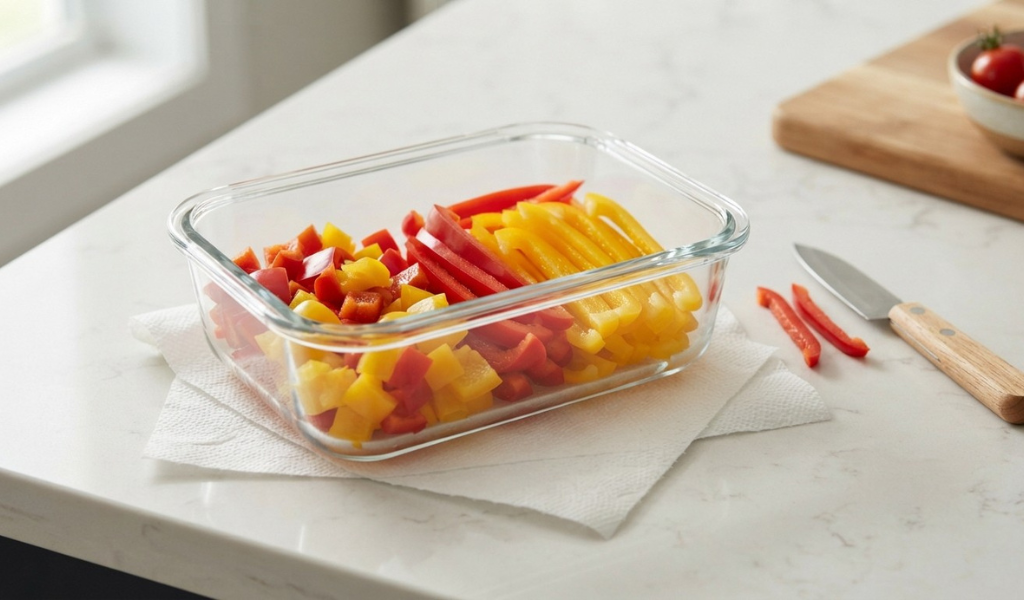 A sealed container reduces exposure to air and limits the transfer of odors from other foods in the fridge. Line the container with a dry paper towel to absorb any excess moisture – this helps the peppers stay firm for longer.
Store Peppers Away from Ethylene Producers
Fruits and vegetables that produce ethylene gas cause nearby produce to ripen—and then overripen—faster than normal. Keep bell peppers in the fridge away from apples, bananas, tomatoes, and avocados. This is one of those small adjustments that makes a noticeable difference in how long your peppers keep.
How Long Will Unrefrigerated Peppers Keep?
Unrefrigerated peppers kept at room temperature will generally last one to two days. In a cooler kitchen (below 65°F), they might hold up for three days without much visible change. Beyond that, expect them to start softening and wrinkling.
If your kitchen is warm—say, above 75°F in the summer—peppers stored on the counter can go bad in as little as a day. Heat accelerates the ripening process, which is why peppers on a warm counter spoil so much faster than peppers in the fridge.
Green bell peppers tend to last slightly longer at room temperature than red or yellow peppers because they’re harvested before fully ripening. Red and yellow peppers are fully ripe at harvest, which means they’re already closer to the end of their natural life cycle.
Does Refrigeration Impact a Pepper’s Flavor, Crunchiness, or Spiciness?
This is a question that comes up often. The short answer: not much, as long as you store them at the right temperature.
Cold temperatures can dull the flavor of some produce, but bell peppers are fairly resilient. As long as they’re kept above 45°F, they retain most of their sweetness and crunch. The risk of chilling injury at very cold temperatures is real, and if a pepper develops soft or pitted spots from being too cold, the texture will suffer.
As for spiciness, bell peppers don’t contain capsaicin, which is the compound responsible for heat in chili peppers and hot peppers. So refrigeration has no effect on that front.
The biggest change in flavor and texture comes from improper storage – not from refrigeration itself. A pepper stored at the right humidity and temperature in the crisper drawer will taste just as good as a freshly picked one for up to two weeks.
Additional Tips for Refrigerating Peppers
A few extra tips worth keeping in mind:
- Pat peppers dry before placing them in the fridge if they’ve been exposed to any moisture.
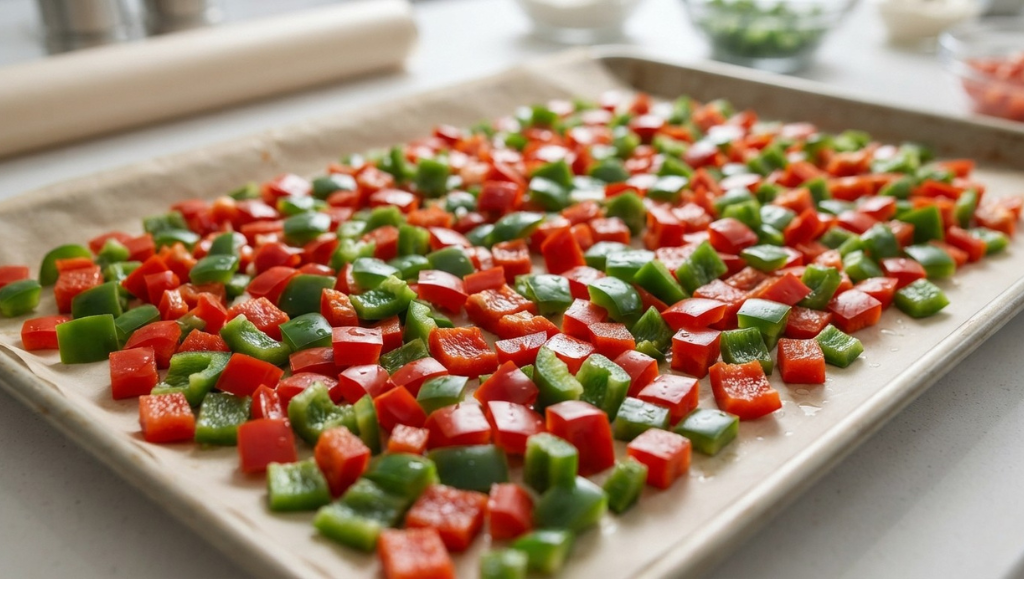
- Don’t stack heavy items on top of peppers in the crisper. Bruising breaks down cell walls and speeds up spoiling.
- Check on your peppers every few days. Remove any that are showing soft spots immediately, as one spoiling pepper can accelerate decay in surrounding produce.
- Store in a single layer when possible, especially for cut peppers, so air can circulate evenly.
- Use older peppers first. Rotate your stock so that peppers you bought earlier get used before the newer ones.
Final Thoughts
So, do bell peppers need to be refrigerated? Yes, if you want them to last more than a day or two. Whole fresh bell peppers kept in the crisper drawer of your fridge stay fresh for one to two weeks. Cut bell peppers last about three to five days in an airtight container. And frozen peppers can be kept for up to a year, making them a great option when you have more than you can use right away.
The most common storage mistakes are washing peppers before storing, leaving them in sealed plastic bags, and keeping them too close to ethylene-producing fruits. Correct those habits and you’ll waste far fewer peppers.
Good produce starts long before it reaches your kitchen. If you grow your own bell peppers, feeding your plants with a quality liquid fertilizer for pepper plants during the growing season gives you thicker, more flavorful peppers that hold up better in storage.
Start putting these tips into practice today and you’ll always have fresh, crisp bell peppers ready when you need them.
Frequently Asked Questions
Do bell peppers go in the fridge or on the counter?
Bell peppers are best kept in the fridge, specifically in the crisper drawer. Whole bell peppers stored in the refrigerator will last one to two weeks. On the counter at room temperature, they typically only last one to three days before starting to soften.
Can you store peppers at room temperature?
Yes, but only for a short time. Room temperature is fine if you plan to use your peppers within one or two days. For anything longer than that, the fridge is the better option to keep them fresh and crisp.
Which vegetables should not be refrigerated?
Tomatoes, potatoes, onions, garlic, and winter squash generally do better stored outside the fridge. Cold temperatures can negatively affect their texture and flavor. Bell peppers, however, do well in the refrigerator when kept at the right temperature.
Can I store bell peppers in a paper bag?
Yes. A paper bag is actually a good option for whole peppers because it allows air to circulate while absorbing any excess moisture. Avoid sealed plastic bags, which trap moisture and can cause peppers to spoil faster.
How long can bell peppers be unrefrigerated or stored at room temperature?
At room temperature, unrefrigerated peppers typically keep for one to three days. In a warm kitchen, this can shorten to just one day. Refrigerating them as soon as possible after purchase is the best way to maximize their shelf life.
How long do bell peppers last in the fridge?
Whole bell peppers stored in the crisper drawer of the fridge last about one to two weeks. Cut bell peppers last three to five days in an airtight container. Cooked bell peppers will keep for three to four days when refrigerated in a sealed container.
What is the best way to store whole bell peppers?
The best way to store whole bell peppers is to keep them dry, unwashed, and placed loosely in the crisper drawer of your refrigerator. Avoid plastic bags and keep them away from ethylene-producing produce like apples. Check on them every few days and use older peppers before newer ones.
Do Bell Peppers Need to Be Refrigerated?
Yes, bell peppers should be refrigerated if you want to keep them fresh longer. Store whole, unwashed bell peppers in the refrigerator’s crisper drawer, ideally in a breathable produce bag. They can usually stay fresh for about 1–2 weeks when properly stored. If you plan to use them within a few days, they can also be kept at room temperature, but they may lose their crispness faster.
How to Keep Bell Peppers Fresh Longer in the Fridge?
To keep bell peppers fresh longer in the fridge, avoid washing them until you are ready to use them. Place whole, dry peppers in a perforated or breathable produce bag and store them in the crisper drawer. Keep cut bell peppers in an airtight container lined with a paper towel to absorb excess moisture. This simple storage method helps maintain their crisp texture and freshness.